Unlocking the Andes / When is the best time to visit the Ecuadorian Sierra?
The ultimate month-by-month weather guide to the Ecuadorian Andes
Four seasons in a day / Chasing the perfect light across the Avenue of the Volcanoes
BEN FINCH
Planning a journey to Ecuador is an exciting endeavour, but it often comes with a myriad of questions about what to pack and when to book your flights. Here at Wheely Tyred, we know that understanding the terrain and the elements is the secret to a flawless adventure. Whether you are planning to wander the cobbled streets of colonial Quito, hike the rugged trails of the Cotopaxi National Park, or simply soak in the thermal baths of Baños, timing your visit to the Ecuadorian Sierra is crucial.
The Ecuadorian Andes, often referred to as the Avenue of the Volcanoes, stretch from the Colombian border in the north all the way down to Peru in the south. Because the country sits directly on the equator, you might expect a consistently hot, tropical climate. However, the towering altitudes of the Sierra rewrite the rules entirely. To help you plan the trip of a lifetime, we have put together a comprehensive guide on the best time to visit the Ecuadorian Sierra, complete with historical patterns, future climate shifts, and a detailed month-by-month breakdown.
Life at high altitude
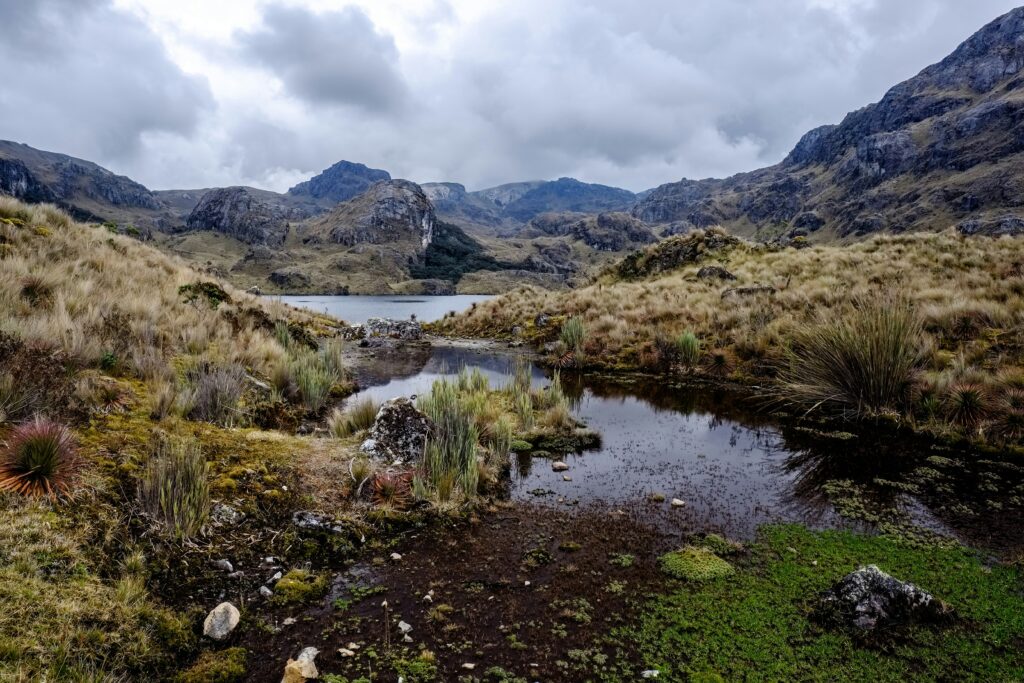
Across the rugged spine of the Andes, the Ecuadorian Sierra offers a dramatic landscape where the sun sits high and the air remains thin. Navigating this equatorial corridor requires an appreciation for the elements and a readiness for the sudden, sweeping shifts of the highland climate.
- Altitude over Latitude: In the Sierra, the thermometer is governed by elevation rather than the calendar, with temperatures dropping roughly five degrees for every 1,000 metres climbed
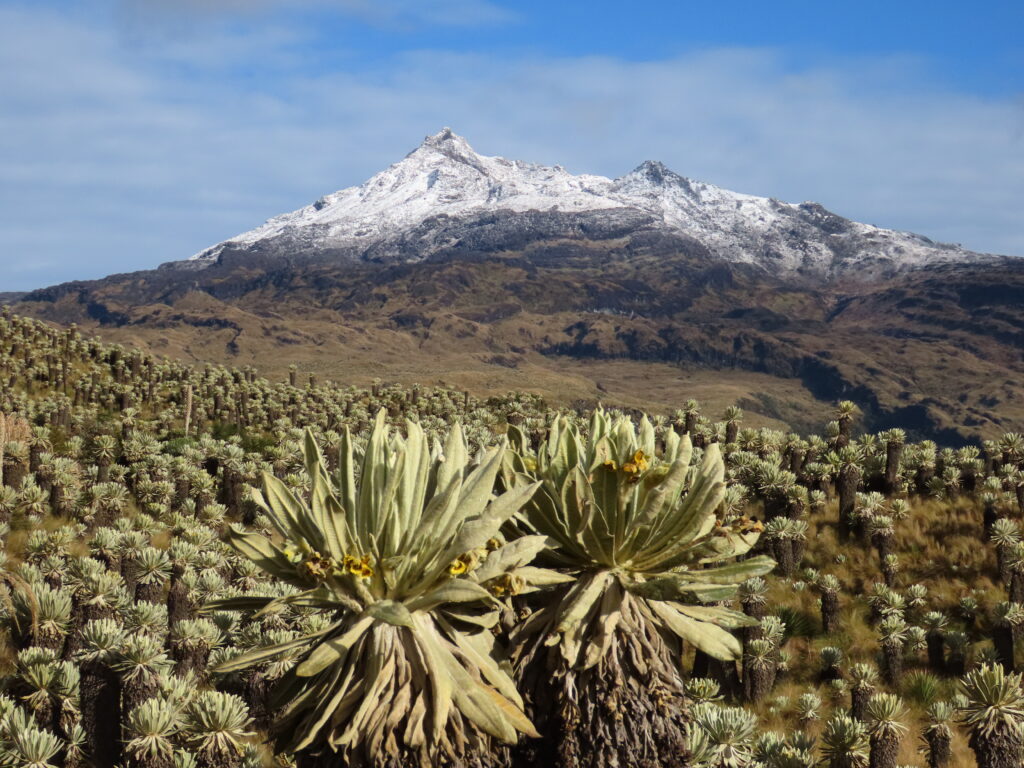
- The Avenue of the Volcanoes: This iconic stretch of the Andes features giants like Cotopaxi and Chimborazo, providing a spectacular backdrop for those traversing the high-altitude paramo
- The Four-Season Day: Travellers should prepare for a full cycle of weather within twenty-four hours, ranging from frosty mornings and intense midday sun to afternoon fog and sudden rain
- The Golden Window: The dry season, running from June to September, offers the clearest skies and most stable conditions for hiking the Quilotoa Loop or exploring national parks
- Shifting Horizons: Climate change is increasingly blurring the lines between seasons, leading to more erratic rainfall and the slow retreat of the majestic Andean glaciers
- The Veranillo Secret: A brief little summer often appears in late December, offering a sunny respite amidst the wetter months—perfect for exploring the colonial centres of Quito and Cuenca
- Winter Cultural Depths: While the peak wet season (February to May) brings heavy afternoon rains, it is the ideal time for museum visits, market days, and appreciating the lush, green landscape
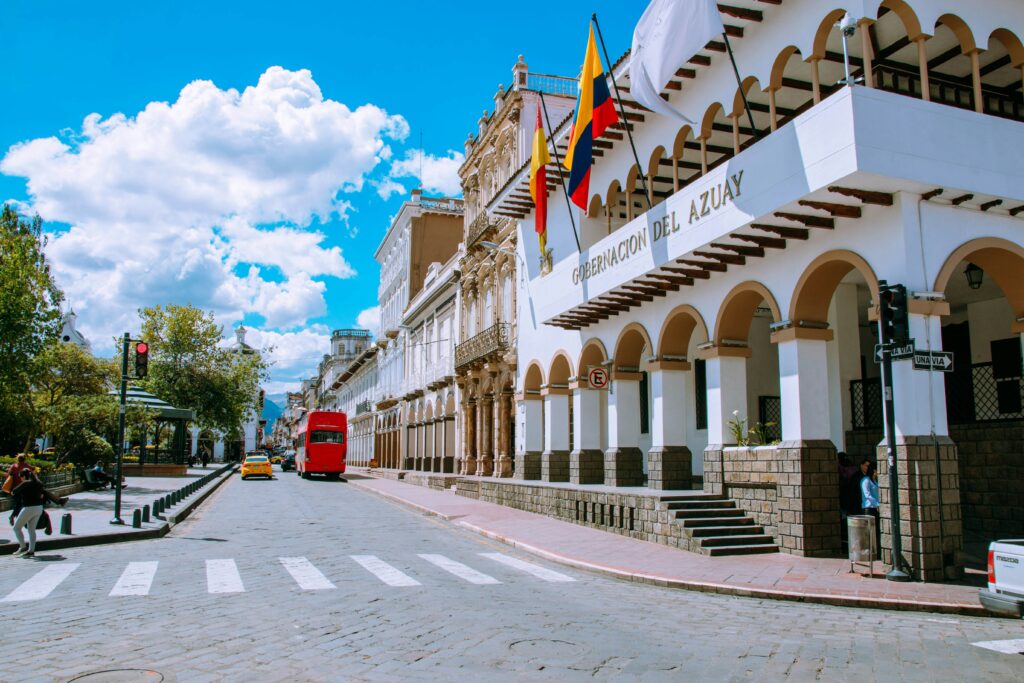
Quito.
Explore the Middle of the World
Understanding equatorial altitude and historical weather trends
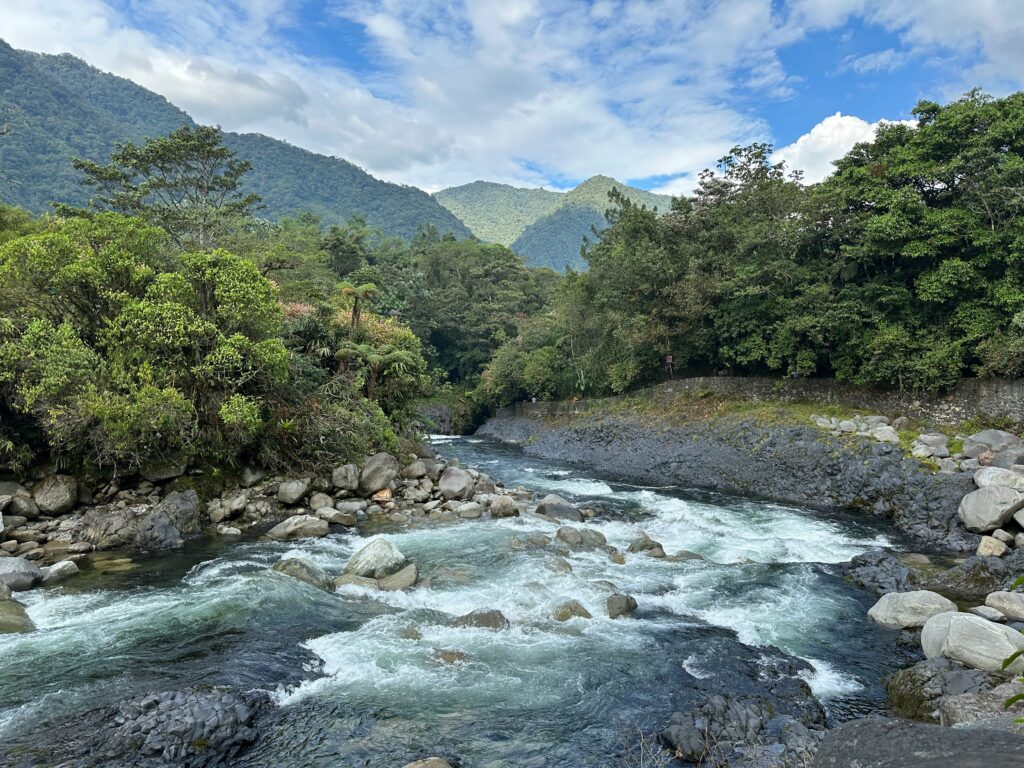
When we look at historical weather trends for the Ecuadorian Sierra, the most important factor to consider is not latitude, but altitude. The equator gifts the region with a consistent twelve hours of daylight year-round, meaning there is remarkably little variation in temperature from month to month. Instead of traditional summers and winters, the climate is dictated by elevation. For every 1,000 metres you ascend, the temperature drops by approximately five degrees Celsius.
In the inter-Andean valleys, where cities like Quito and Cuenca reside at elevations between 2,500 and 2,800 metres, the historical average temperatures hover comfortably between 14 and 20 degrees Celsius. The weather here is famously unpredictable. Locals frequently joke that you can experience four seasons in a single day. You might wake up to a brilliant, frosty morning, shed your layers as the midday sun beats down, watch the fog roll in by mid-afternoon, and find yourself seeking shelter from a sudden, heavy downpour before evening.
Historically, the Sierra experiences a bimodal rainfall pattern, creating two distinct seasons. The dry season runs roughly from June to September, while the wet season stretches from October through to May. However, even in the depths of the dry season, rain is never entirely off the cards.
The impact of climate change on future weather trends
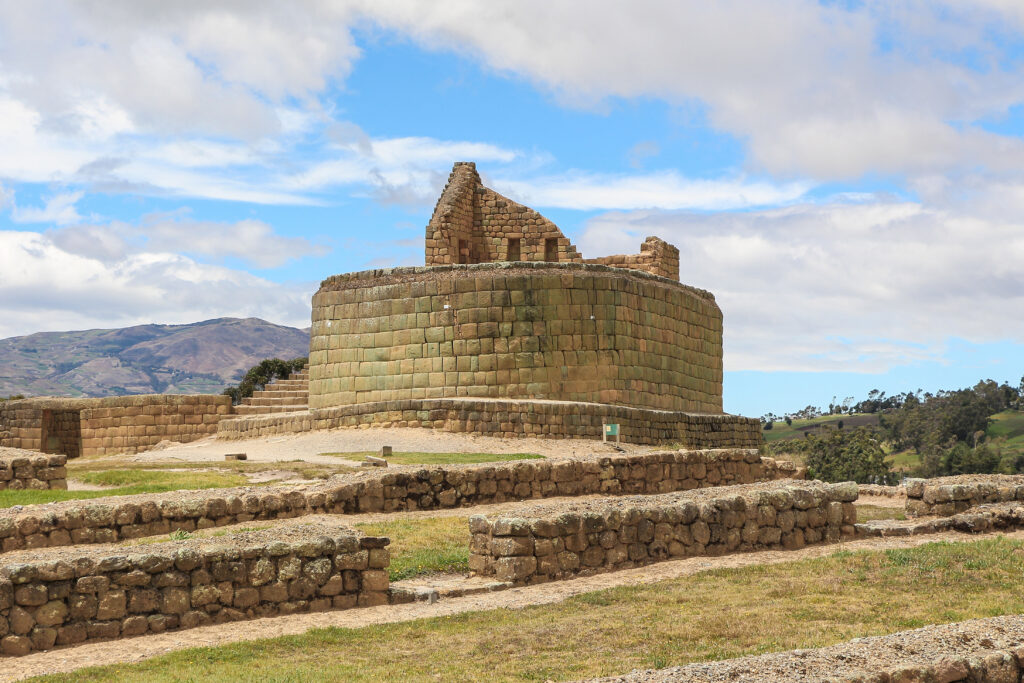
While historical data provides a solid foundation for planning, it is equally important to look at how climate change is reshaping the future weather trends of the Ecuadorian Andes. The tropical Andes are considered one of the most vulnerable regions on the planet to global warming.
Recent climatological studies and forecasting models indicate that the region is facing significant shifts. While the equator continues to provide steady sunlight, the hydrological cycles are becoming increasingly erratic. In the northern and central Ecuadorian Sierra, projections suggest a trend towards slightly longer and more pronounced dry spells, but these will be sharply interrupted by extreme, highly concentrated rainfall events. This means that when it rains, it will likely rain much harder than historical averages suggest, increasing the risk of sudden downpours even during traditionally drier months.
Furthermore, the rapid retreat of the Andean glaciers is altering the landscape. The majestic snow-capped peaks of volcanoes like Chimborazo and Antisana are slowly losing their ice cover, which historically acted as a crucial water regulator for the valleys below. For travellers, this means the weather is becoming less predictable. The boundary between the wet and dry seasons is blurring, making flexible itineraries and layered clothing more essential than ever before.
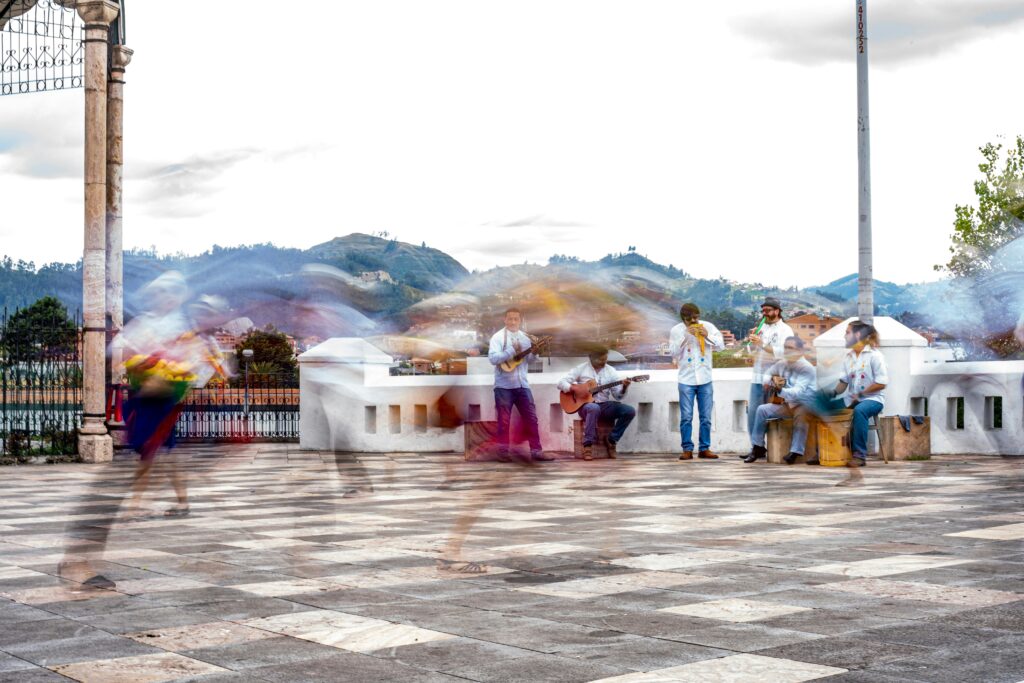
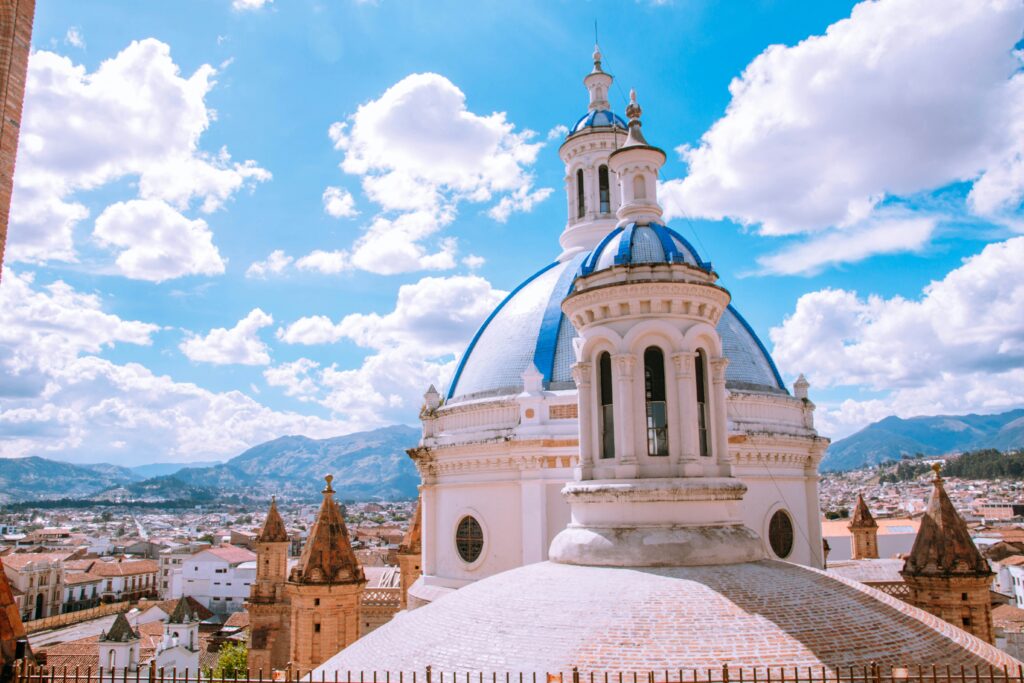
Cuenca.
The Athens of Ecuador
Month-by-month guide to the Ecuadorian Sierra
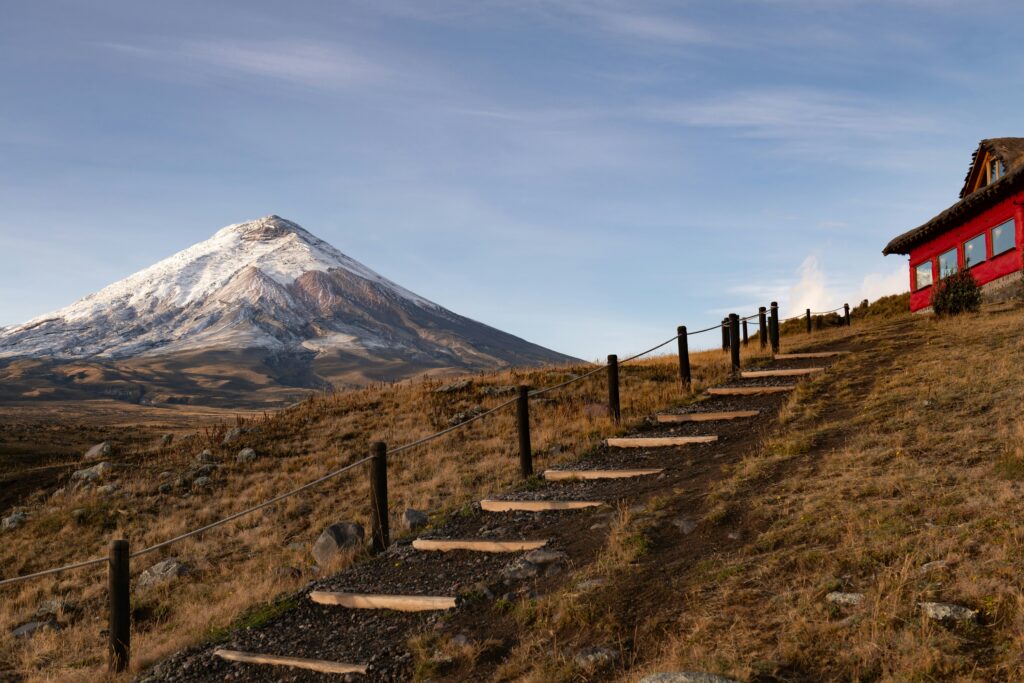
To help you pinpoint the best time to visit the Ecuadorian Sierra, let us break down the calendar year.
June, July, August, and September / The dry season
If you are looking for the absolute best time to visit the Ecuadorian Sierra for outdoor exploration, the months of June through September are your golden window. This period is locally known as verano, the Andean summer, though it is defined by a lack of rain rather than a spike in temperature.
During these months, the skies are at their clearest, offering unparalleled views of the snow-capped volcanoes that line the horizon. If you are planning to hike the Quilotoa Loop, explore the highlands of the Cajas National Park, or take scenic rides through the countryside, this is the time to do it. The mornings are crisp and cool, often requiring a thick jumper or fleece, but the afternoons are glorious and bright.
Do keep in mind that August is notorious for high winds, particularly in the high paramo plains. These winds can make the air feel significantly colder, so a high-quality windbreaker is an absolute necessity.
The Ecuadorian Sierra.
Get lost in the hills
October and November / The shoulder season
As October rolls in, the dry season begins to transition into the wet season. These shoulder months are characterised by a noticeable increase in afternoon showers, yet they remain a fantastic time to travel if you wish to avoid the peak tourist crowds.
The mornings during October and November are still largely clear and sunny. If you start your days early, you can comfortably explore the local indigenous markets, such as the famous Otavalo market, before the clouds gather in the early afternoon. The landscape also begins to transform during this period, turning from the slightly parched golden hues of the dry season to a vibrant, lush green as the rains breathe life back into the soil.
December and January / The festive rains and the little summer
December and January sit firmly within the wet season, but they hold a unique secret. Amidst the frequent rain showers, the Ecuadorian Sierra often experiences a brief, unpredictable window of dry, sunny weather known locally as the veranillo, or little summer. This usually occurs around late December or early January.
These months are slightly warmer than the middle of the year, making it a pleasant time to wander through the historic colonial centres of Quito and Cuenca. The holiday season also brings vibrant cultural festivals, spectacular light displays, and traditional parades. Just remember to carry an umbrella and a waterproof jacket at all times, as the afternoon downpours can be sudden and intense.
The Ecuadorian Amazon.
The most biodiverse place in the world
February, March, April, and May / The wet season
The months of February through to May mark the peak of the wet season, locally referred to as invierno, or winter. During this time, the Andean skies are frequently overcast, and heavy rainfall is a near-daily occurrence, typically starting in the early afternoon and carrying on into the evening.
While this might not be the best time to visit the Ecuadorian Sierra for extensive outdoor trekking or high-altitude climbing, it is a truly magical time for those who appreciate dramatic, moody landscapes. The cloud forests that cling to the western slopes of the Andes, such as those around Mindo, are bursting with life. Waterfalls are at their most powerful, and the birdwatching is absolutely spectacular.
If you are travelling during these months, we recommend focusing your itinerary on cultural and culinary experiences. Spend your afternoons indoors, enjoying a hot bowl of traditional locro de papa soup or exploring the countless world-class museums and historic churches that dot the Andean cities.
The best time for your Andean Adventure
There is no inherently wrong time to visit the Ecuadorian Sierra. Your ideal travel window depends entirely on what you want to get out of your journey. If clear skies and mountain vistas are your priority, aim for the dry season between June and September. If you prefer lush landscapes, vibrant cultural festivals, and do not mind dodging a few afternoon showers, the wet season has its own distinct charm.
At Wheely Tyred, we believe that the best adventures are built on solid planning and a deep understanding of the destination. Knowing the rhythms of the Andean weather ensures that you will not be caught off guard, allowing you to fully immerse yourself in the rich culture, staggering geography, and warm hospitality of Ecuador. Pack your layers, bring your sense of adventure, and get ready to experience the Avenue of the Volcanoes in all its unpredictable glory.
Affiliate Disclaimer: Some of the links on Wheely Tyred are affiliate links. If you click through and make a booking or purchase, we may earn a small commission at no extra cost to you. We only recommend gear, tours, stays, and services we genuinely use, trust, and stand behind — our editorial independence always comes first. These commissions help keep our independent cycling guides and travel stories free to read. Thanks for supporting the ride!
The Ecuadorian Coast.
Where you’ll find the very best food
Frequently asked questions about the best time to visit the Ecuadorian Sierra
Layering is your best strategy. We recommend a high-quality windbreaker for the blustery paramo, a warm fleece or wool jumper for the biting mornings, and a reliable waterproof jacket for the inevitable afternoon downpours. Even when it feels cool, the equatorial sun is fierce, so a wide-brimmed hat and sun protection are essential.
Historically, the months of June, July, and August offer the clearest visibility. During this period, the moisture in the air drops, revealing the snow-capped peaks against deep blue skies. If you are a photographer or a peak-bagger, this is your prime window.
Not at all, provided you adjust your rhythm. Mornings often remain dry and bright, so we suggest starting your day at sunrise to get your outdoor exploring done early. Afternoons are best spent enjoying the coffee culture in Cuenca or the historic architecture of Quito while the rain passes.
The main takeaway is to remain flexible. Traditional weather patterns are becoming less predictable, with heavier, more concentrated rainfall events. It is worth keeping an eye on local forecasts and being prepared for trail conditions to change more rapidly than in decades past.
The veranillo is a short, unpredictable dry spell that usually occurs around late December and early January. It provides a lovely window of bonus summer weather, making it a popular time for locals and savvy travellers to enjoy the highlands during the festive season.
Give yourself time to acclimatise. Spending a few days in a high-altitude city like Quito (2,850m) before attempting any strenuous hiking or cycling is non-negotiable. Hydrate well, take it slow, and listen to your body as it adjusts to the thinner air.
Ecuador.
Pure wonder on the equator.