Epic cycling in Ecuador
The ultimate guide to cycling in Ecuador / Routes, culture, and infrastructure
Elevate your ride in the heart of the Andes
BEN FINCH
Welcome to the Wheely Tyred guide to exploring the breathtaking landscapes of Ecuador on two wheels. If you have been paying attention to global cycling over the past decade, you will know that this equatorial nation has forcefully arrived on the world stage.
But beyond the professional peloton, Ecuador harbours a complex, rapidly evolving cycling culture that is begging to be experienced. From the oxygen-starved heights of the Andean paramo to the bustling, historic streets of its colonial cities, riding here is nothing short of an adventure. Whether you are an expert road cyclist seeking the ultimate altitude training camp, a mountain biker chasing pristine volcanic singletrack, or an urban commuter curious about South American cycling infrastructure, this guide will give you the lay of the land.
The essentials for cycling in Ecuador
- The Sport Cycling Boom: Local heroes have transformed road and mountain biking into national obsessions, making the Andes a hub for endurance athletes
- The Commuter Shift: Utility cycling is rising, highlighted by pioneering riverside cycleways in the south and massive weekend road closures in the capital
- Diverse Terrains: The country offers three distinct riding environments, from the humid coastal plains to the extreme altitudes of the central volcanic spine
- Navigating Traffic: A realistic look at driver behaviour, the importance of defensive riding, and how to confidently share the road with motorised transport
- Altitude Preparation: Essential advice for acclimatising to the extreme elevations found along the most popular cycling routes
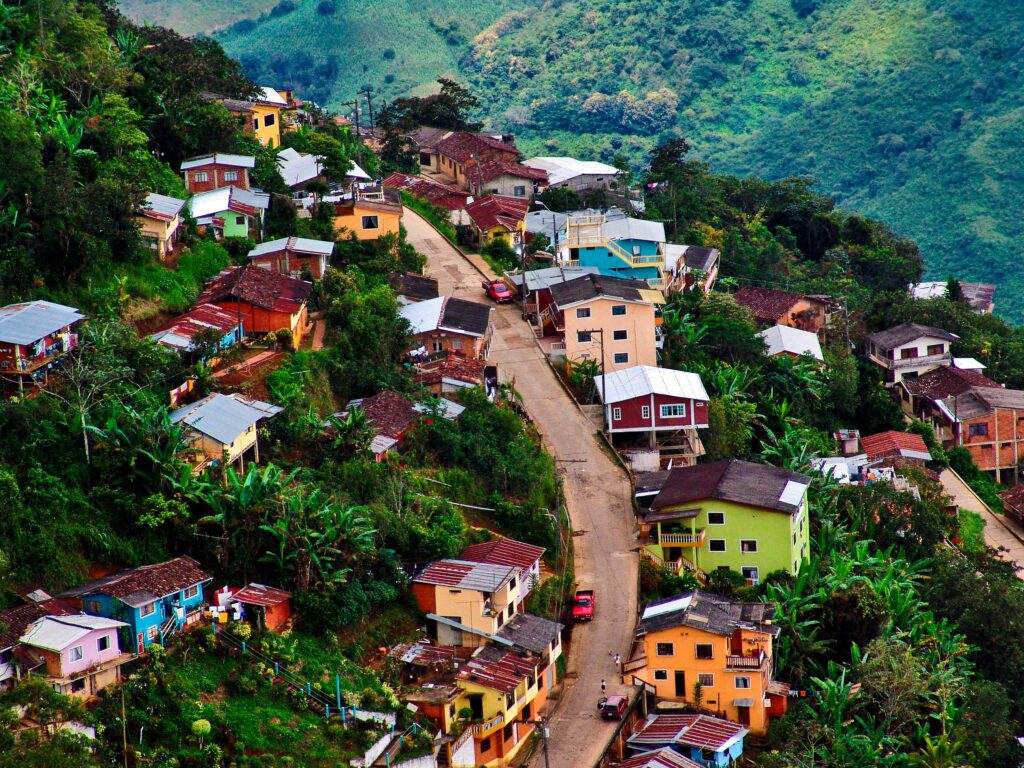
The Ecuadorian Sierra.
Get lost in the hills
The golden age of Ecuadorian sports cycling
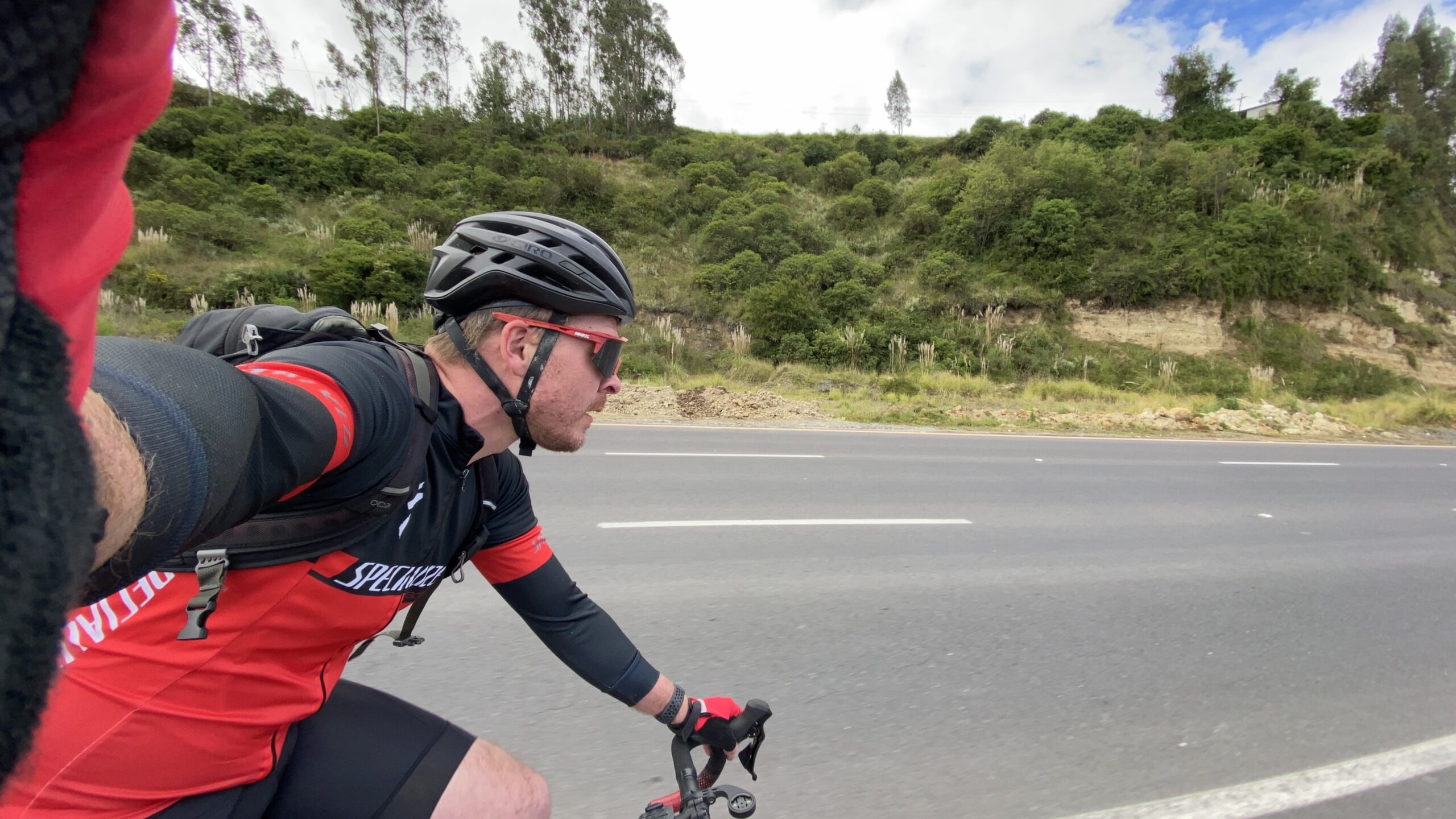
It is impossible to discuss cycling in Ecuador without mentioning the immense impact of the country’s professional athletes. The nation is currently living through a golden age of sport cycling, with riders from the northern province of Carchi reaching the absolute pinnacle of European road racing. This high-profile success has sparked a massive surge in local participation and immense national pride. On any given weekend, the major highways leading out of cities like Quito, Tulcán, and Ibarra are lined with pelotons of amateur cyclists wrapped in bright Lycra, tackling gruelling ascents that would make a seasoned Alpine rider weep.
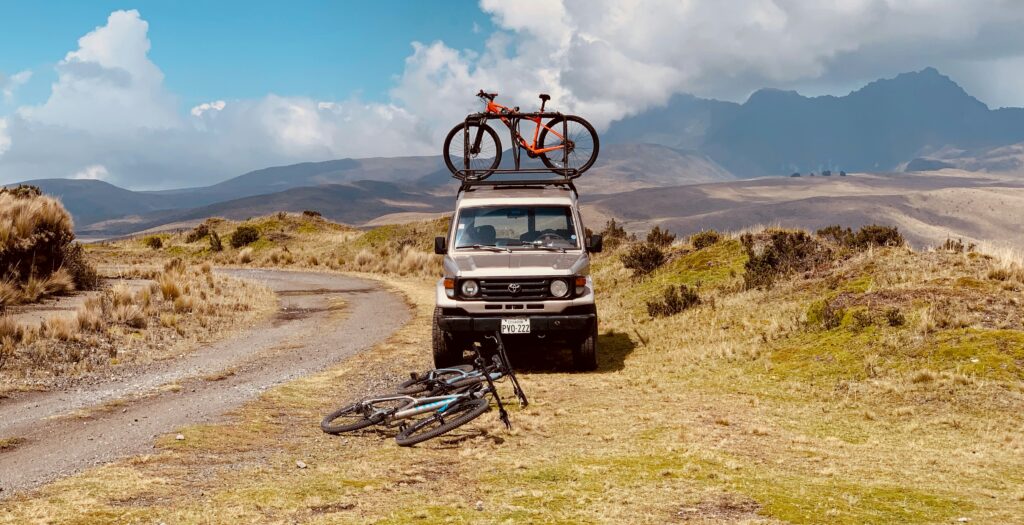
Road cycling here is primarily seen as a serious athletic pursuit rather than a casual pastime. The terrain demands absolute respect; flat roads are a rarity in the highlands, meaning virtually every ride involves significant elevation gain. Mountain biking is equally, if not more, revered by the local population. The Avenue of the Volcanoes provides an infinite playground for off-road enthusiasts. Locations like the flanks of the Cotopaxi volcano or the rugged trails surrounding the Quilotoa crater lake routinely host world-class endurance mountain bike races. For the sport cyclist, Ecuador is a spectacular, challenging environment that rewards grit with unparalleled scenery.
Urban infrastructure / The tale of two cities
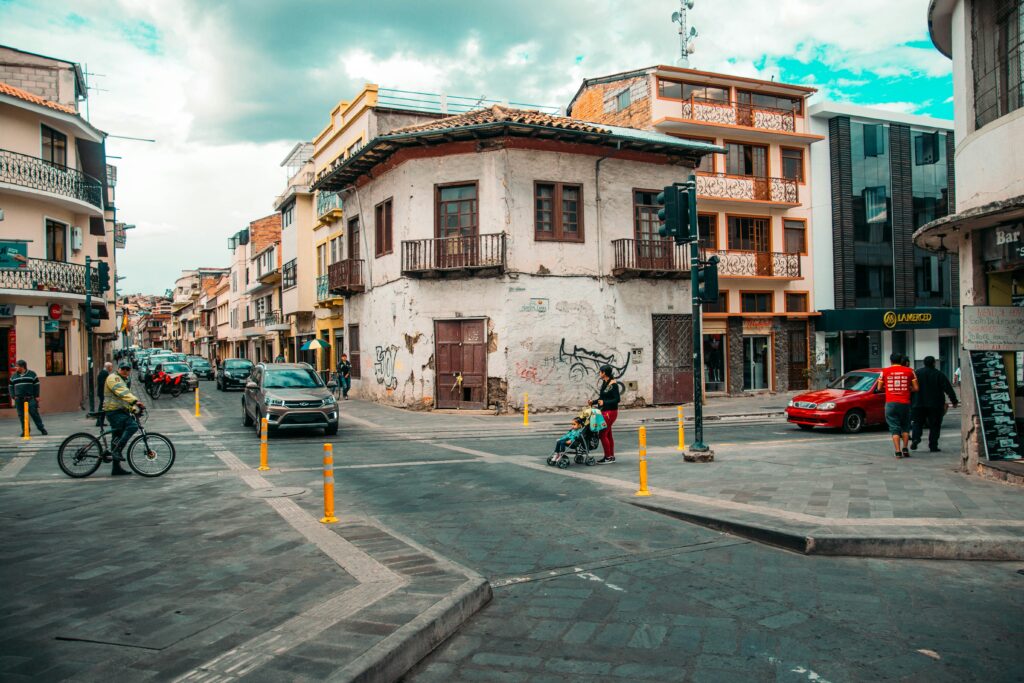
While the high-mountain passes belong to the athletes, a completely different kind of cycling culture is taking root in the urban centres. Historically, utility cycling was seen strictly as a necessity for the less affluent, but this perception is rapidly shifting towards a modern, eco-friendly transport alternative favoured by a younger demographic.
Quito, the sprawling high-altitude capital, famously hosts the Ciclopaseo every Sunday. This incredible initiative sees almost thirty kilometres of major arterial roads completely closed to motorised traffic, creating a safe, vibrant artery from the north to the south of the city. Thousands of families, daily commuters, and tourists take to the streets, proving beyond doubt that the demand for safe cycling space exists. However, during the working week, Quito’s steep topography and heavy, fast-moving traffic make daily commuting a significant challenge for all but the bravest and most experienced riders.
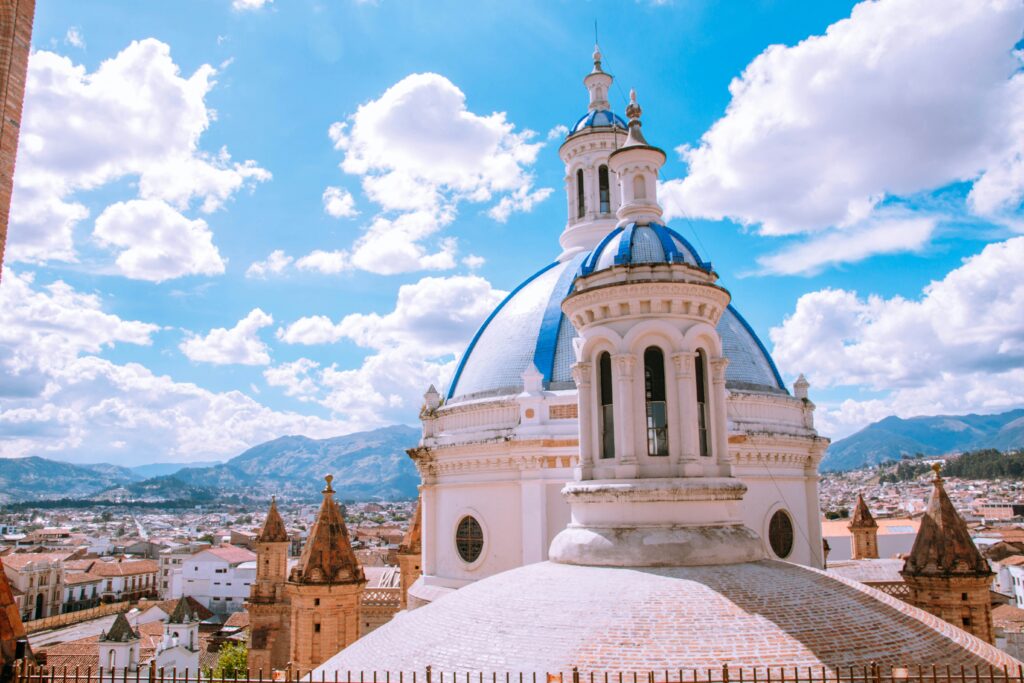
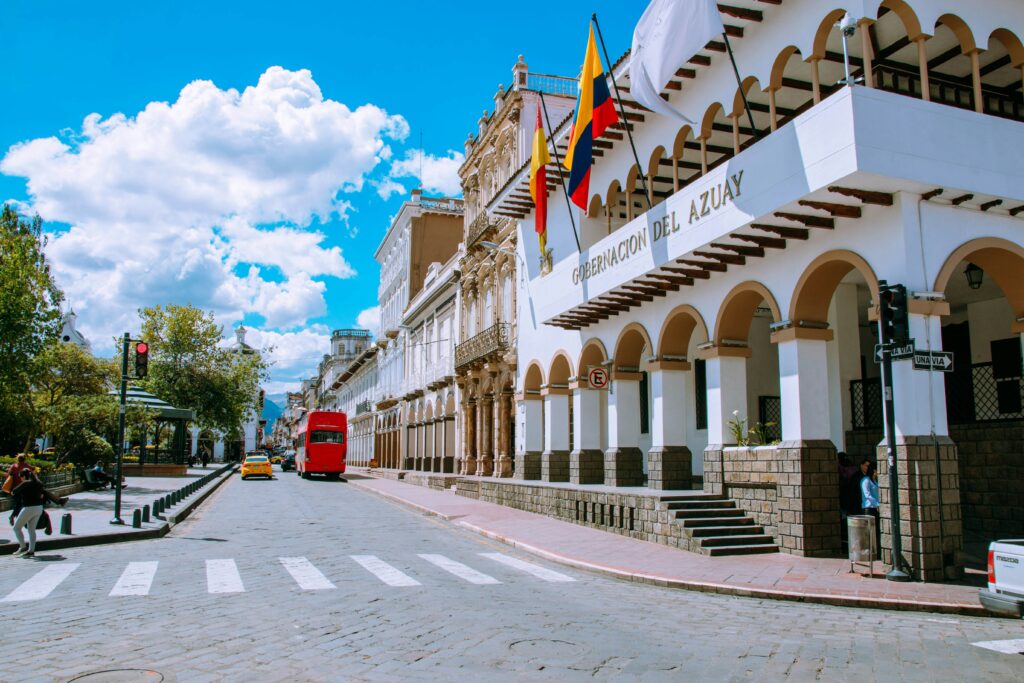
The real jewel in Ecuador’s urban cycling crown is Cuenca. Located further south in the Andes, this picturesque colonial city is actively reshaping its urban landscape to prioritise the bicycle. The Bici Pública Cuenca is a thriving, heavily utilised bike-share scheme that allows residents and visitors to easily navigate the historic centre.
More impressively, the city has invested heavily in the Ciclovía de los Ríos. This riverside cycleway is a masterclass in modern urban planning. It features a ninety-centimetre buffer zone to physically separate cyclists from vehicular traffic, providing a crucial layer of safety. Paved in distinctive terracotta to perfectly match the city’s traditional architecture and lined with thousands of newly planted native trees, it offers a tranquil, safe, and beautiful commuting corridor. Cuenca is actively proving that with the right investment and vision, cycling for transport can seamlessly integrate into a historic South American city.
The Ecuadorian Amazon.
The most biodiverse place in the world
Diverse terrains / The coast, the Andes, and the Amazon
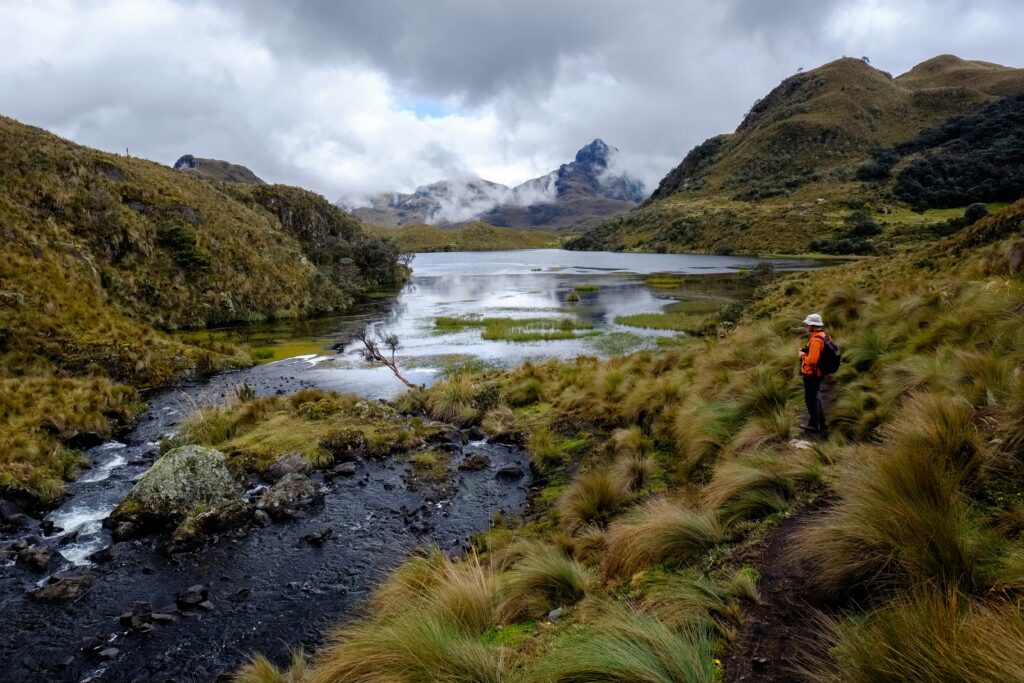
To truly understand the cycling culture, one must understand the geography. Ecuador is neatly divided into three distinct mainland regions, each offering a radically different riding experience and attracting different types of cyclists.
The Costa, or coastal region, is defined by relentless heat, high humidity, and relatively flat terrain. It is primarily utility cycling territory, where locals use sturdy, single-speed bicycles to navigate between agricultural fields and coastal fishing villages. Long-distance touring is entirely possible along the Ruta del Spondylus, offering stunning Pacific Ocean views, though the intense equatorial sun and heavy lorry traffic on the main coastal highway require incredibly careful route planning.
The Oriente, representing the Amazon basin, offers a rugged, off-the-beaten-path adventure. Cycling here is mostly limited to robust mountain bikes negotiating muddy, unpaved logging roads and jungle tracks. The culture here is less about sport and more about pure utility and survival in a dense, humid environment where the bicycle is simply a tool to move goods and people.
The Sierra, the Andean region, is the undisputed heartland of Ecuadorian cycling. The high-altitude spine of the country is where both the sport and infrastructure thrive. The culture here is deeply intertwined with the dramatic landscape; weekend warriors and aspiring professionals alike revere the punishing ascents, and the crisp mountain air provides the perfect, albeit thin, atmosphere for endurance sports.
Sharing the road / Driver attitudes and cyclist safety
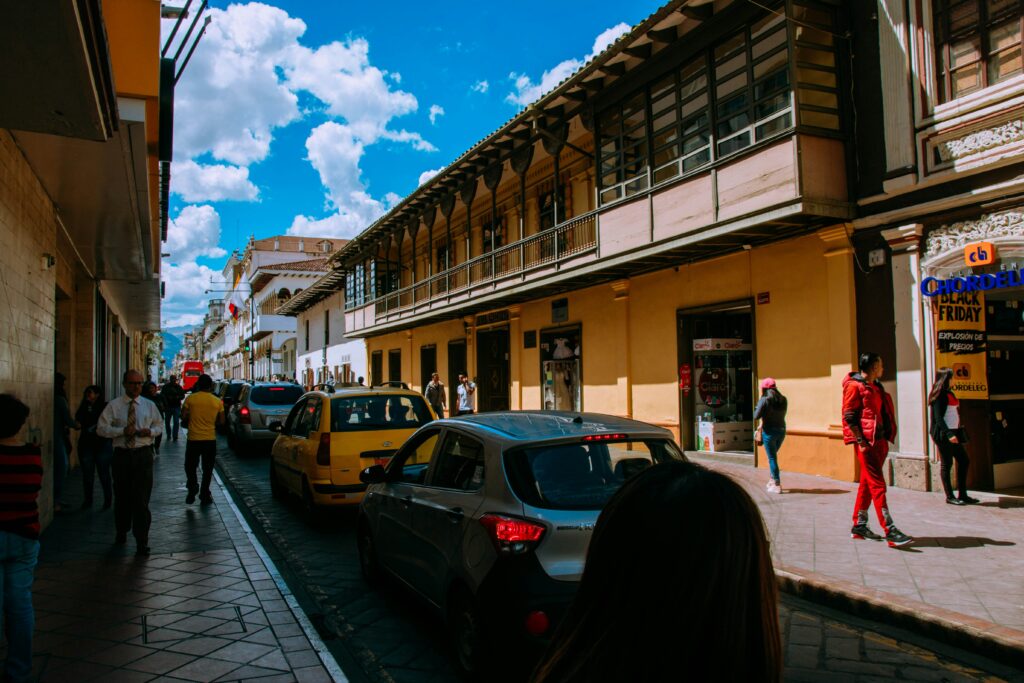
Understanding the complex dynamic between motorists and cyclists is crucial for anyone planning to ride a bike in Ecuador. The reality is that the country as a whole is still highly car-centric, and driver attitudes can range from highly accommodating to openly aggressive, depending on where you are riding.
Outside of the designated cycle lanes in progressive places like Cuenca, you will be sharing the road with large interprovincial buses, heavy freight lorries, and hurried commuters. The horn is used liberally here, which can initially be quite startling for visitors. Unlike in Britain, where a honk is almost exclusively an expression of anger or a warning of imminent danger, Ecuadorian drivers frequently use their horns simply to announce their presence. A short, sharp beep usually means a vehicle is about to overtake you, so try not to take it personally or react aggressively.
That being said, the infrastructure outside major cities is often severely lacking in safe, paved shoulders, regularly forcing cyclists into the main carriageway. Overtaking manoeuvres can sometimes feel uncomfortably close. The absolute best defence is to ride predictably, clearly indicate your intentions, claim the lane when necessary to prevent unsafe passing on blind corners, and remain highly visible with bright clothing and daytime running lights.
The brilliant news is that the immense popularity of domestic cycling heroes has notably improved general public awareness. Drivers are increasingly accustomed to seeing large groups of cyclists on rural roads, particularly at the weekend. When planning routes, we always prioritise secondary agricultural roads over the bustling Pan-American Highway to minimise traffic stress, maximise safety, and allow you to fully enjoy the rural landscape.
The Ecuadorian Coast.
Where you’ll find the very best food
Preparing for the altitude
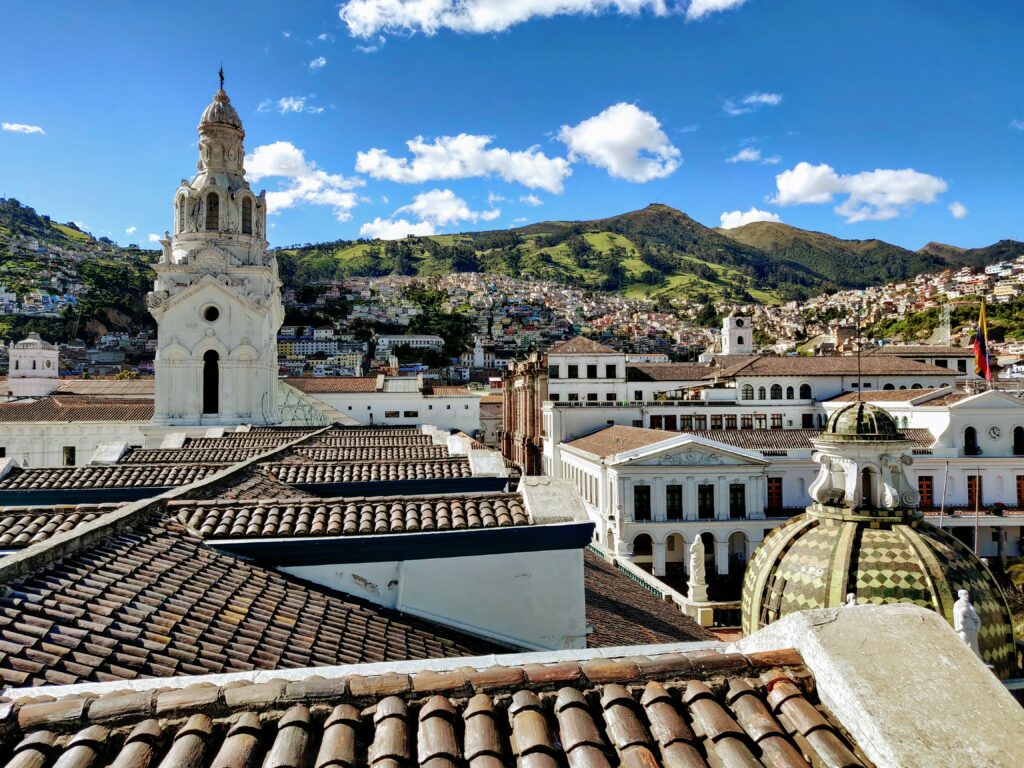
One cannot talk about cycling in the Ecuadorian Andes without discussing the air, or rather, the distinct lack of it. Quito sits at almost three thousand metres above sea level, and many of the absolute best mountain passes push well beyond four thousand metres. At these extreme elevations, the oxygen levels are significantly lower, which has a profound and immediate impact on athletic performance and general well-being.
Even the fittest, most experienced cyclists will feel the debilitating effects of altitude upon arrival. It is absolutely imperative to allow your body sufficient time to acclimatise before tackling any major climbs. Start your trip with gentle, flat rides in the lower valleys, stay incredibly well hydrated, and listen closely to your body. Altitude sickness is a very real risk, and the only effective cure is to immediately descend to a lower elevation.
Furthermore, when packing your panniers or bike bags, you must prepare for rapid weather changes. The equatorial sun at altitude is incredibly intense and can cause severe sunburn, yet the ambient temperature can plummet drastically the moment a cloud obscures the sun or when you crest a high, exposed mountain pass. Layering your cycling apparel is absolutely essential for comfort and survival.
Cycling in Ecuador is rich, challenging, and diverse
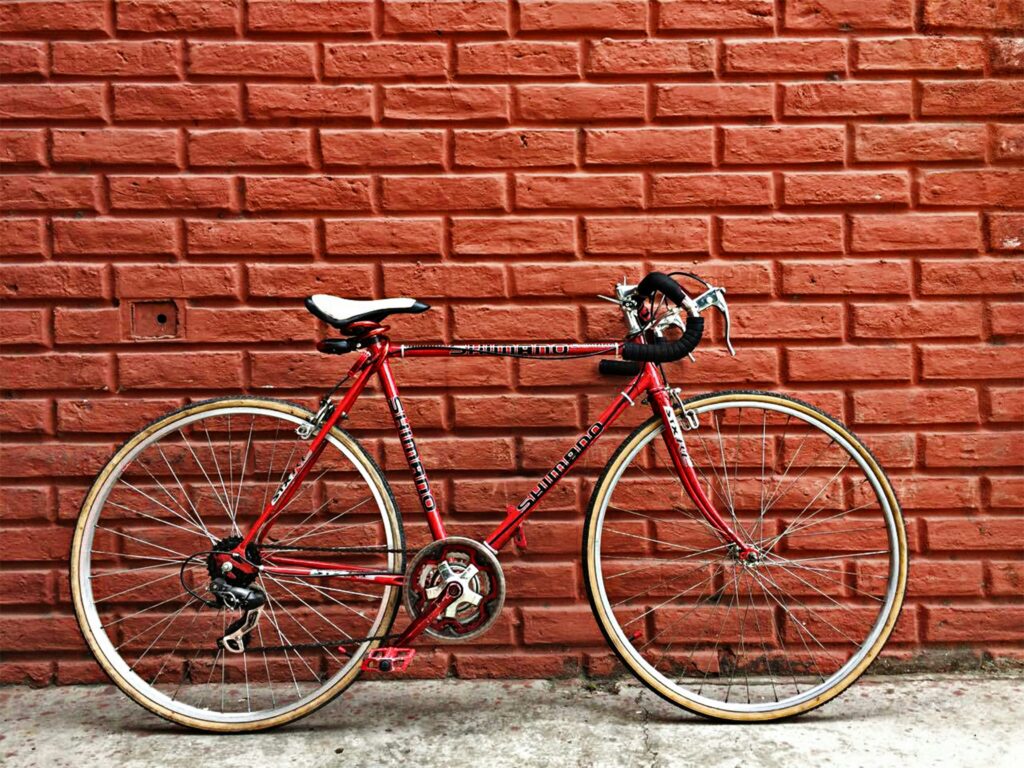
Ecuador offers a cycling experience that is as rich, challenging, and diverse as its renowned ecosystems. It is a spectacular destination where you can test your absolute physical limits on legendary volcanic climbs or leisurely pedal alongside the beautiful terracotta paths of Cuenca’s riverfront. While navigating the traffic undeniably requires vigilance and confidence, the rewards for the adventurous cyclist are immeasurable. The local people are famously welcoming, the scenery is unparalleled anywhere else on earth, and the underlying cycling culture is currently pulsating with a massive, newfound energy.
It is time to pump up your tyres, fettle your gears for the mountains, and let Wheely Tyred guide you through the ultimate South American cycling adventure.
Affiliate Disclaimer: Some of the links on Wheely Tyred are affiliate links. If you click through and make a booking or purchase, we may earn a small commission at no extra cost to you. We only recommend gear, tours, stays, and services we genuinely use, trust, and stand behind — our editorial independence always comes first. These commissions help keep our independent cycling guides and travel stories free to read. Thanks for supporting the ride!
Cuenca.
The Athens of Ecuador
Frequently asked questions about cycling in Ecuador
Acclimatisation is non-negotiable. Even the fittest cyclists should spend their first few days on gentle, flat terrain at lower elevations. Hydration is vital, and you must be prepared to descend immediately if you experience symptoms of altitude sickness, such as persistent headaches or nausea.
While the popularity of cycling is growing, many major roads lack a paved shoulder. It is generally safer and more enjoyable to use our route planners to find secondary agricultural roads. If you must use a highway, ride predictably, use daytime lights, and be prepared for large buses and lorries passing closely.
In Ecuador, a horn blast is often a “friendly” warning. Drivers use it to announce their presence before they pass you. While it can be startling if you are used to the more aggressive honking found in European cities, it is best to acknowledge it as a safety signal and maintain your line.
Yes, particularly in Cuenca. The city operates a successful bike-share scheme called Bici Pública Cuenca, which is ideal for navigating the historic centre. In Quito, the Sunday Ciclopaseo is the best time for casual urban riding when the roads are closed to cars.
The equatorial sun is incredibly strong at high altitudes, making high-SPF sun cream essential. However, temperatures can drop to near-freezing the moment the sun disappears or if you crest a high pass. A technical layering system—including a windproof shell and thermal base layers—is the only way to stay comfortable.
If you aren’t looking for a high-intensity mountain workout, the city of Cuenca and its surrounding valleys offer the most accessible infrastructure. The riverside paths provide a flat, protected environment that allows you to take in the local history and nature without the heavy exertion required in the high Sierra.
Ecuador.
Pure wonder on the equator.