The linguistic war on our streets / Why e-motos are not e-bikes
Calling an e-moto an e-bike is ruining our cities
Precision in language is kind of important
BEN FINCH
In the high-stakes game of urban redesign, words are the most powerful tools we possess. As we push for a better future — one defined by density, walkability, and a radical departure from car-dependency — we are hitting a new and unnecessary roadblock. It isn’t just the NIMBYs or the fossil fuel lobby slowing us down anymore; it is a fundamental misunderstanding of what a bicycle actually is. By failing to distinguish between the life-changing e-bike and the high-powered e-moto, we are handing a loaded gun to the opponents of active travel.
For the principled commuter who has sold their car in favour of a cargo bike or a folding e-bike, the cycle lane is more than just a strip of tarmac. It is a sanctuary. It is the only place in a hostile, car-choked city where they feel safe enough to transport their children or their groceries. But that sanctuary is under threat. When a heavy, throttle-driven electric motorcycle — often mislabelled as an e-bike — tears through that space at 40mph, the infrastructure fails. The design fails. And most importantly, the political consensus for building more of that infrastructure begins to crumble.
Our linguistic war / How e-motos are not e-bikes
The future of urban redesign depends heavily on the precision of our language. Conflating high-powered electric motorcycles with low-speed, pedal-assist bicycles threatens the safety and political viability of the very infrastructure designed to liberate our cities:
- The Cycle Lane as a Sanctuary: Protected lanes are designed for vehicles with specific ranges of speed and weight. When heavy, throttle-driven e-motos use these spaces at high speeds, they destroy the social contract and physical safety of the lane, which is meant for human-scale, active travel
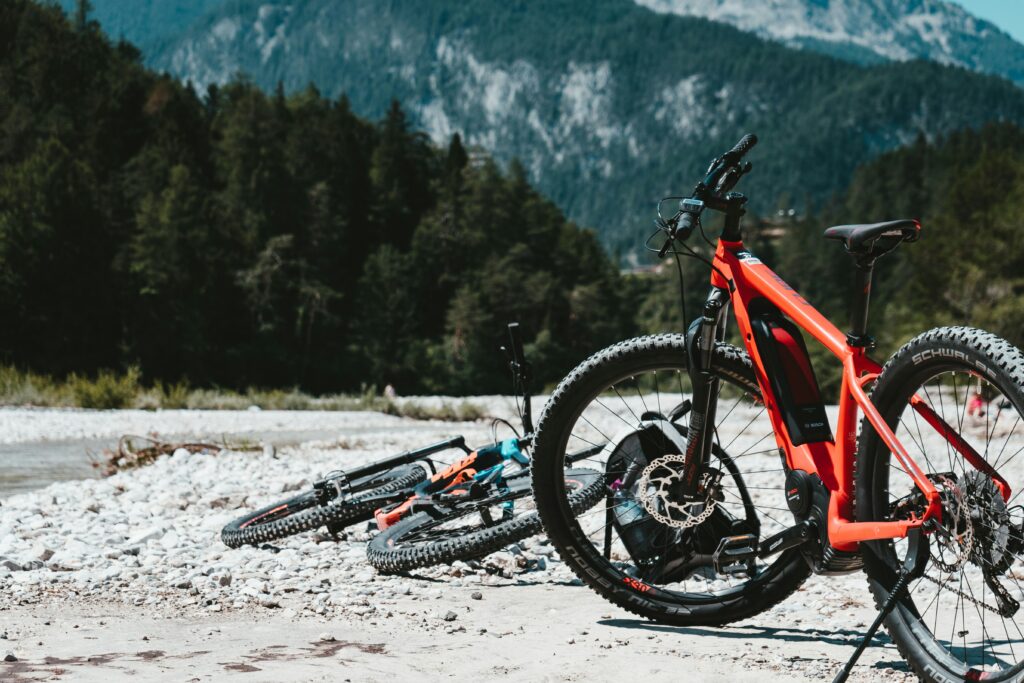
- The Definition of an E-Bike (EAPC): Under UK law, an Electrically Assisted Pedal Cycle must have pedals, a motor capped at 250 watts, and assistance that cuts out at 15.5mph. These are legally bicycles and can be used anywhere a traditional bike is allowed
- The Trojan Horse of E-Motos: Vehicles that exceed these limits—often mislabelled as e-bikes by retailers—are legally motor vehicles. They require registration, insurance, and a licence, and are strictly prohibited from cycle tracks and pavements
- The Threat to Infrastructure: Mislabeling leads to a public perception that cycle lanes are dangerous. High-speed collisions involving e-motos are often reported as e-bike incidents, providing ammunition for opponents of active travel and slowing the approval of new cycle networks
- The Physics-First Approach: E-bikes augment human effort, maintaining the predictable rhythm of a bicycle. E-motos follow the logic of the motorway; they are heavy machines that prioritise velocity over community and belong on the road, not the cycle path
- Preserving Equity: Cycle lanes must remain accessible to all—from the elderly shopper to the teenage student. Allowing unregulated motor vehicles into these spaces creates a power hierarchy that mirrors the car-brain mentality urbanists are trying to escape
Bike opinions.
Would you believe I have thoughts?
The cycle lane is a sanctuary for people, not a bypass for motors
The core of the urbanist vision is the creation of a human-scale city. This requires a physics-first approach to planning. We design cycle lanes for vehicles that operate within a specific range of speed, weight, and kinetic energy. The e-bike, specifically the Electrically Assisted Pedal Cycle (EAPC), fits perfectly into this design. It is a machine that augments human effort rather than replacing it. It allows a commuter to arrive at the office without being drenched in sweat, but it does so while maintaining the predictable, gentle rhythm of the bicycle.
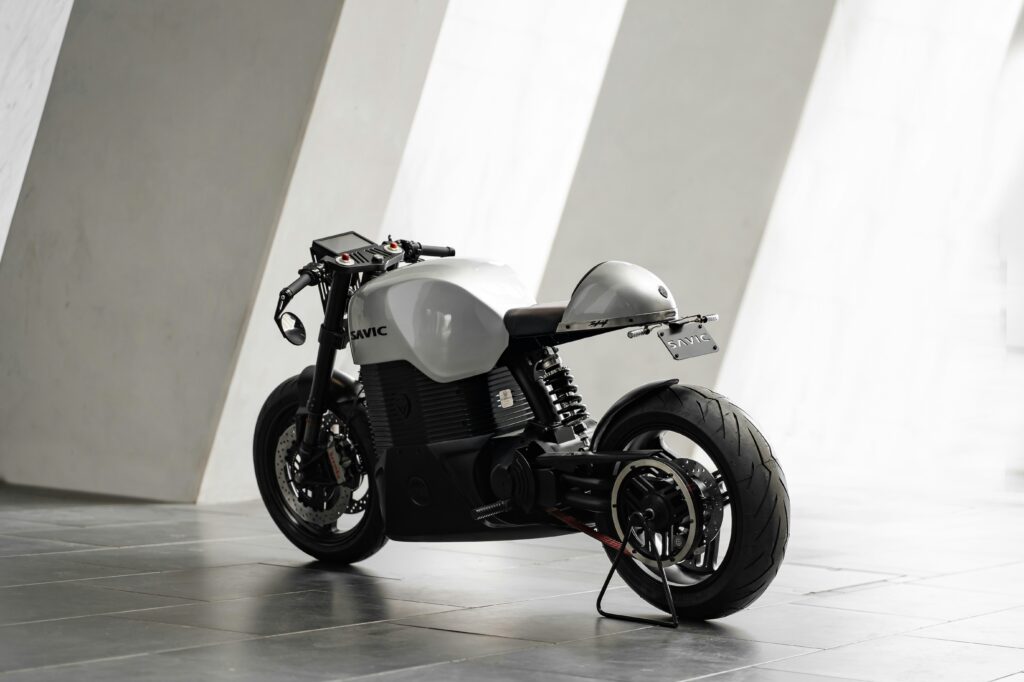
The e-moto, however, is a different beast entirely. It belongs to the logic of the motorway, not the cycle track. Whether it looks like a sleek moped or a rugged off-road dirt bike, if it moves without pedalling and exceeds the speeds of a fit cyclist, it is a motor vehicle. When these machines are allowed to masquerade as e-bikes, they destroy the social contract of the cycle lane.
Why our movement depends on correct definitions
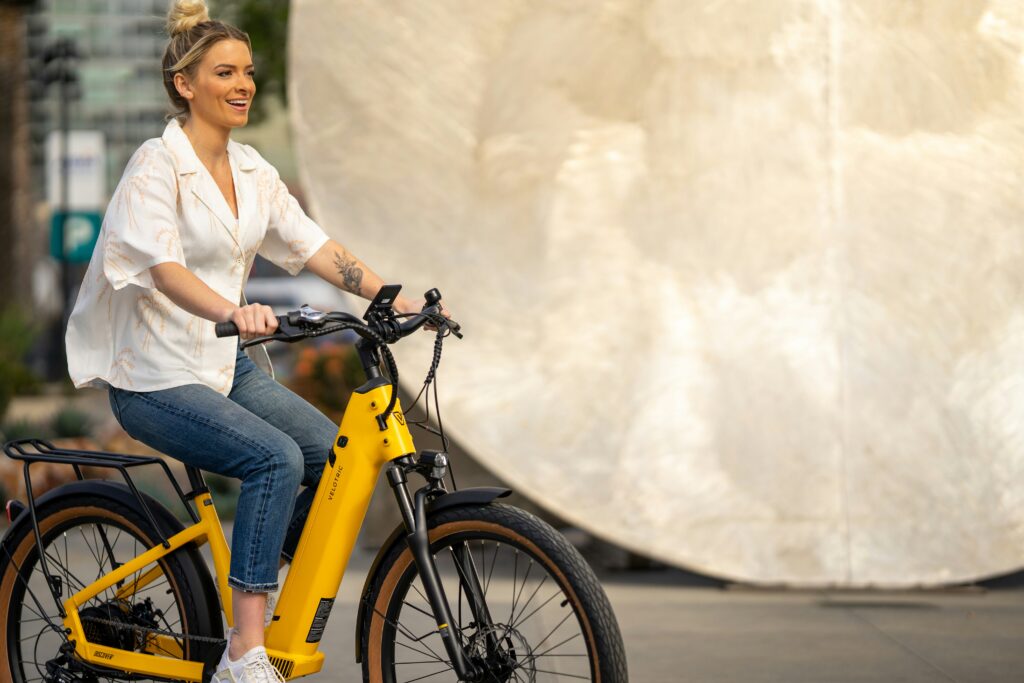
This is a disaster. To get new cycle lanes approved in 2026, we need the support of the local community. We need residents to see that these lanes improve the character of their neighbourhoods. When headlines are filled with stories of high-speed e-bike collisions — which are almost always, upon closer inspection, e-moto incidents — it becomes impossible to win the argument for more space.
The public doesn’t naturally distinguish between a 250W pedal-assist bike and a 1000W throttle-driven monster. If we don’t start naming them correctly, the backlash will lead to a moratorium on the very lanes we need to save the planet. Density requires trust. If we want people to say “Yes” to more housing and more infrastructure in their backyard, they need to know that the resulting streets will be safer, not more chaotic.
Prague.
There’s no other city like it
Reclaiming the people’s commons
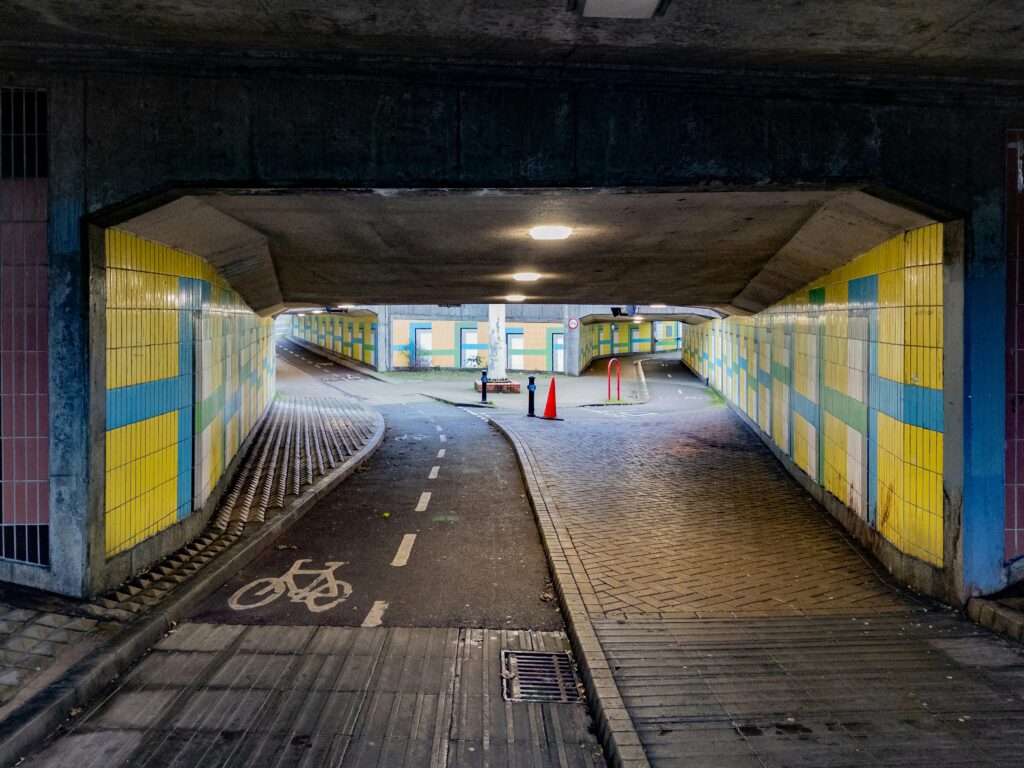
This is also a matter of equity. The cycle lane is the people’s highway. It should be accessible to the teenager, the elderly shopper, and the delivery worker alike. The introduction of high-speed e-motos into these spaces creates a hierarchy of power where the fastest and heaviest vehicles continue to dominate the vulnerable.
This is exactly the car-brain mentality we are trying to escape. To truly reclaim our cities, we must ensure that our infrastructure remains a space for active travel, not a playground for unregulated motor vehicles. By allowing e-motos to hide under the banner of the e-bike, we are allowing a Trojan horse into our infrastructure. True urbanism isn’t just about removing petrol; it is about removing the car logic that prioritises velocity over community.
Understanding the legal difference between e-bikes and e-motos in the UK
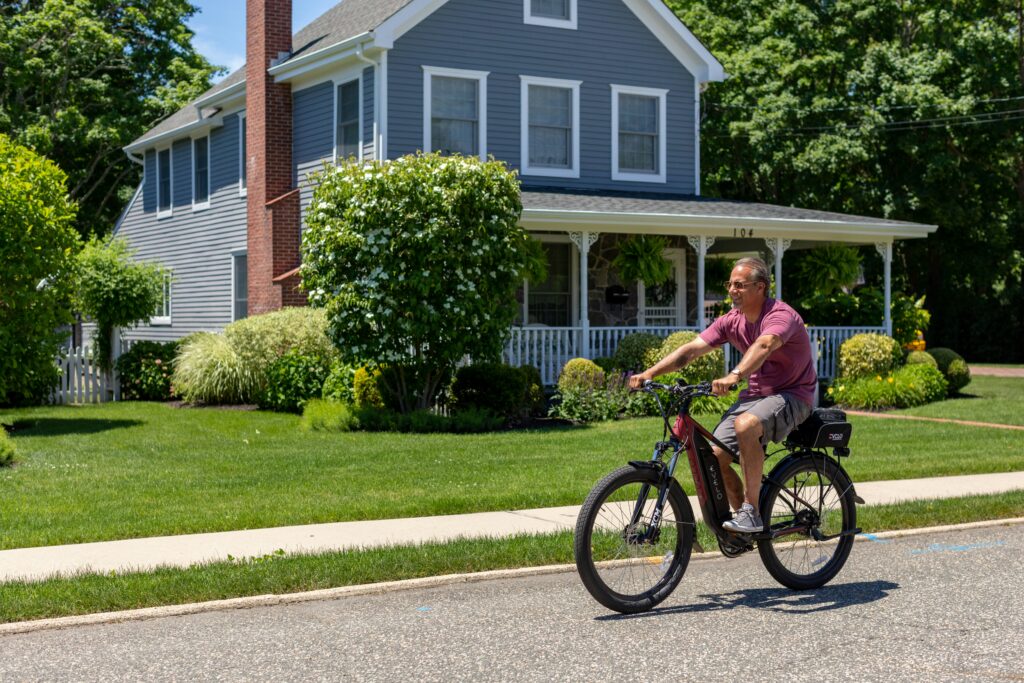
To protect the progress we’ve made, every commuter and urban planner must understand the hard line drawn by UK law in 2026. The distinction is not a matter of opinion; it is a matter of public safety and legal compliance. An e-bike (EAPC) is legally a bicycle. An e-moto is legally a motor vehicle. Mixing them up isn’t just a typo; it’s a recipe for legal and physical chaos.
To be classified as an e-bike in the UK, a vehicle must meet three non-negotiable criteria:
- Pedal Power: It must have pedals that can be used to propel it. If the bike moves solely via a throttle without the rider turning the pedals, it is likely an e-moto
- Power Limit: The motor must have a maximum continuous rated power of 250 watts. Anything higher enters the realm of the motorcycle
- Speed Cap: The electrical assistance must cut out the moment the bike reaches 15.5mph (25km/h)
If a vehicle meets these standards, it is a tool for liberation. It can be ridden anywhere a traditional bicycle can go. No licence is required, no insurance is mandatory, and no registration plates are needed. This low-friction entry point is what makes the e-bike the most effective weapon against climate change we have.
Czechia.
The heart of Europe
The heavy price of monster bike non-compliance
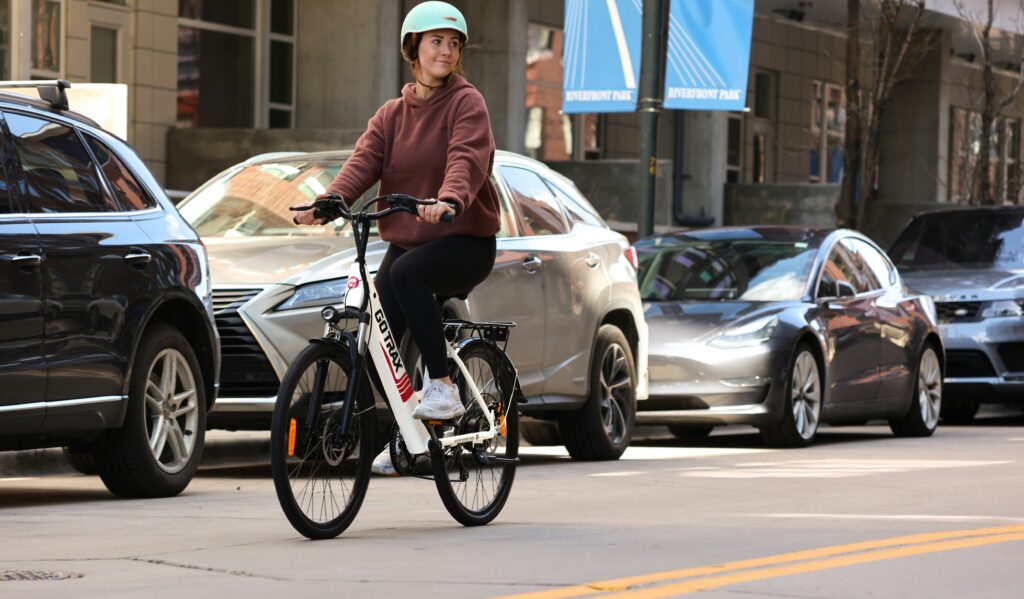
If a vehicle exceeds these limits — if it has a 750W motor, a twist-and-go throttle that works at high speeds, or can hit 30mph on battery power alone — it is an e-moto. Legally, this means it must be registered with the DVLA, insured, and taxed. The rider must wear a motorcycle helmet and hold a valid licence.
Most crucially for our urbanist goals, e-motos are strictly banned from cycle lanes, pavements, and bridleways. The confusion often stems from unscrupulous retailers selling off-road or high-performance bikes that look like bicycles but perform like mopeds. As principled commuters, we must be discerning. Buying a non-compliant e-moto and riding it in a cycle lane doesn’t make you a pioneer of green transport; it makes you an intruder in a space designed for active travel. It puts the entire cycling movement at risk of over-regulation and police crackdowns that target the wrong people.
Building the car-free future one correct definition at a time
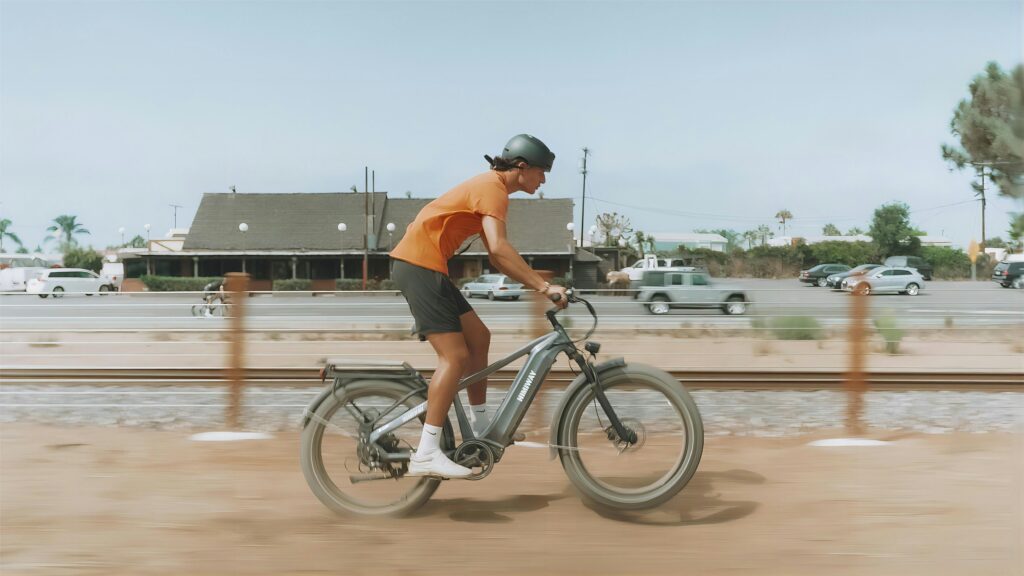
We are at a turning point. The technology exists to replace the majority of urban car journeys with e-bikes. We have the blueprints for cities that are green, quiet, and incredibly efficient. But this vision is fragile. It relies on the public and our politicians believing that bicycles—of all kinds—are a safe and civilised way to move.
The e-moto is a distraction from this mission. While electric motorcycles have a role to play in replacing petrol motorbikes on our main roads, they have no business in the lanes we have fought so hard to carve out of the car’s territory. When we allow the two to be conflated, we invite the doomer narrative that cycle lanes are dangerous and chaotic.
At Wheely Tyred, we are unapologetically pro-bicycle. We believe the e-bike is the pinnacle of human-centric engineering. It is the key to a transport system that prioritises the movement of people over the movement of machines. By insisting on linguistic precision — by calling an e-moto a motor vehicle and an e-bike a bicycle — we protect the reputation of the active traveller. We ensure that our dreams of dense, vibrant, car-free neighbourhoods can actually be built.
Bohemia.
Explore the heart of the Czech Republic
The bicycle is the way forward
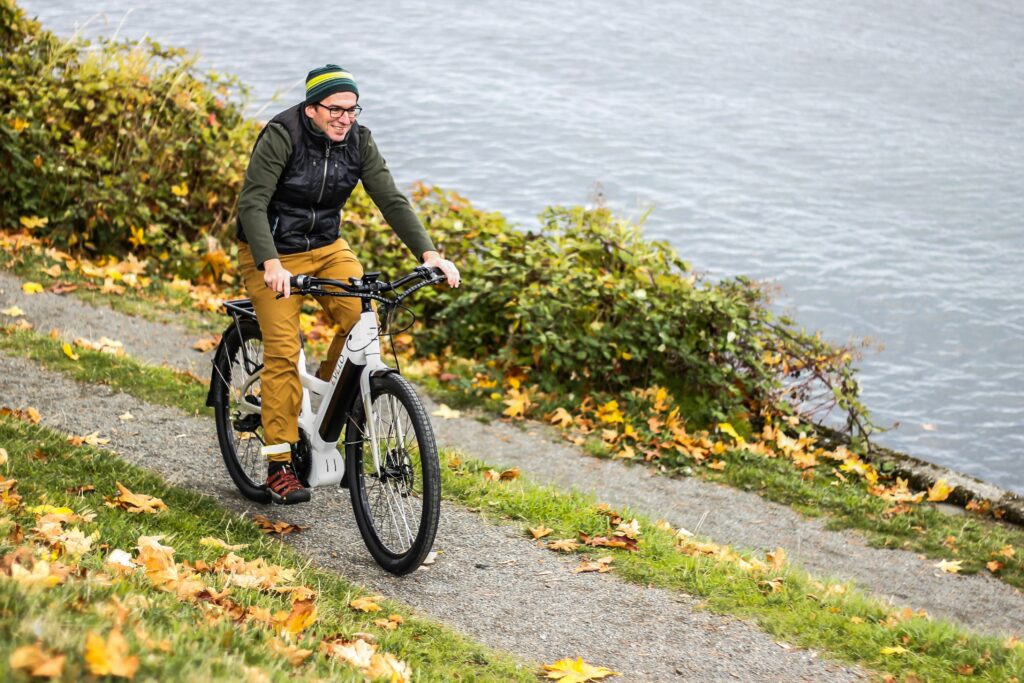
The world is worth saving, and the bicycle is the way we do it. We don’t need to ban technology, but we do need to put it in its proper place. The road is for motors; the lane is for us. Every time we use the correct terminology, we reinforce the idea that the cycle lane is a specific, protected piece of social infrastructure that belongs to the community.
Let’s stop letting mislabelled motorcycles get in the way of the revolution. Let’s get on with the business of building the car-free cities we all deserve.
Frequently asked questions about e-motos and e-bikes
In the UK, a legal e-bike (EAPC) must have pedals that propel it and the motor must not exceed 250W. Most importantly, the electrical assistance must stop once you reach 15.5mph. If a bike can be powered by a throttle alone without pedalling, or if it continues to assist you up to 30mph, it is an e-moto and is legally a motor vehicle.
Cycle lanes are engineered for the kinetic energy and speed of bicycles. An e-moto is significantly heavier and faster, making it a danger to traditional cyclists and pedestrians. Using one in a cycle lane is not a form of green pioneering; it is an intrusion into a space designed for active, human-powered travel.
No. Because an EAPC is legally classified as a bicycle, you do not need a driving licence, insurance, or vehicle registration. You also do not need to wear a motorcycle helmet, although a standard cycle helmet is always recommended for safety.
You could face significant legal penalties, including fines and points on your driving licence. Because the vehicle is legally a motor vehicle, you are effectively riding an unregistered, uninsured motorcycle in a pedestrian or cycling zone. This also risks triggering police crackdowns that can negatively affect law-abiding cyclists.
Twist-and-go throttles are generally only legal if they assist the rider up to 6km/h (to help with starting off) or if the bike was manufactured and registered before certain regulatory changes. On modern bikes, if a throttle can power the bike to its top speed without any pedalling, the vehicle is likely classified as an e-moto.
By correctly identifying e-motos as motor vehicles, we protect the reputation of the e-bike as a safe, civilised tool for urban liberation. This ensures that the public remains supportive of building more cycle infrastructure, which is the most effective way to reduce car dependency and fight the climate crisis.
Bike opinions.
Your source for my thoughts on bikes, road safety and active transport
My recent posts
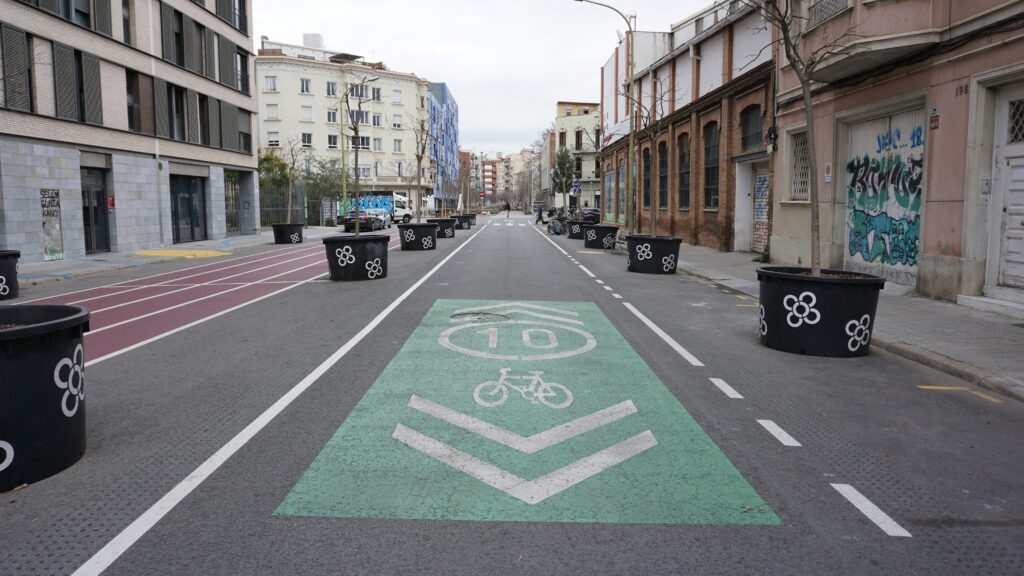
Bike lanes speed up emergency services: Debunking the myth

A bicycle is a toy and a tool | Urban cycling & e-bikes
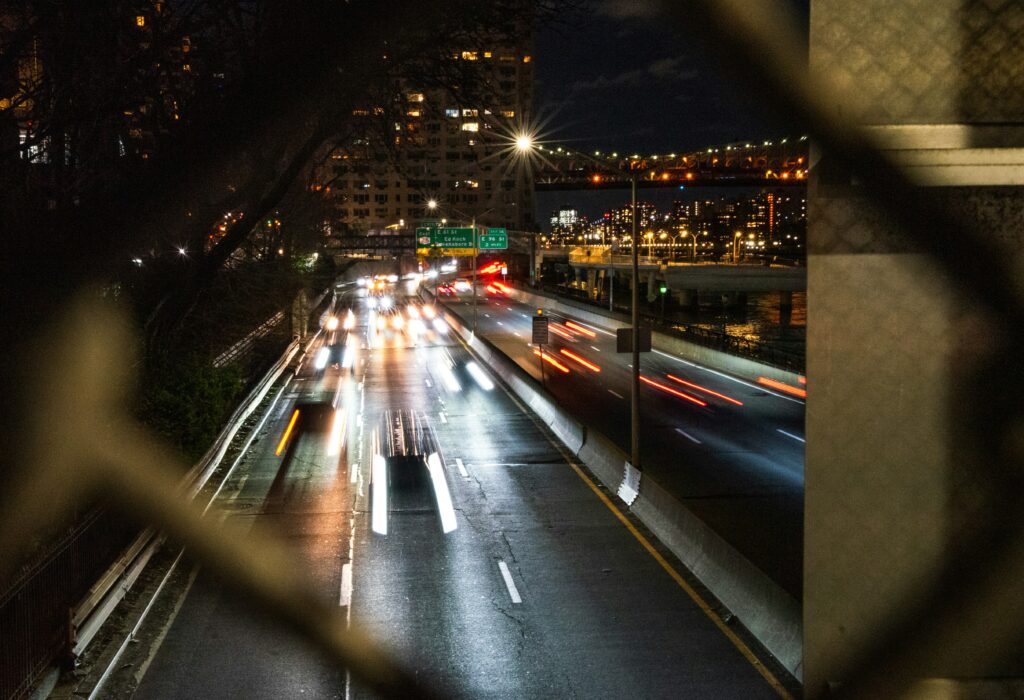
How highways destroyed America: The cost of car cities
How Barcelona beat traffic and reclaimed its streets for the people
Why cars are absurd for city transport and what we should do instead
The case for investing in safe streets, not autonomous cars
The case for investing in safe streets, not autonomous cars Autonomous cars will not solve…