A bicycle is a toy and a tool
Why cycling and e-bikes are the future of urban transport
Rediscovering the joy of movement in our modern metropolises
BEN FINCH
For many, the bicycle represents the ultimate symbol of childhood freedom. It is the first taste of independent mobility, a joyful contraption that turns neighbourhood pavements into vast landscapes of exploration. Yet, to categorise the bicycle merely as a plaything is to overlook its profound capability to reshape our world. The bicycle is indeed a toy, but it is equally a precision tool—a mechanism for urban transformation, environmental salvation, and social equity. In the modern era, where our metropolises face unprecedented challenges, embracing active transport is no longer just a lifestyle choice; it is a vital necessity.
The pulse of the pavement
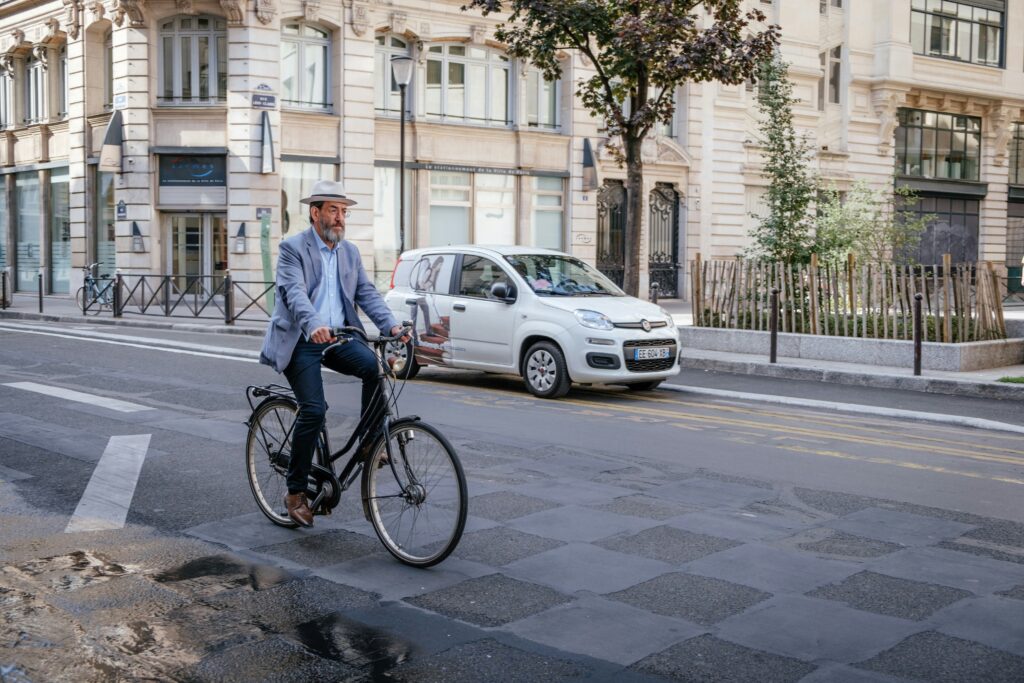
Beyond the simple joy of two wheels lies a blueprint for the future of our urban centres. It is a transition from car-centric chaos to a more human, equitable, and grounded way of navigating the world.
- The dual nature: While a bicycle captures the nostalgic magic of childhood, it serves as a sophisticated urban tool that bypasses gridlock and reclaims the efficiency of the city
- The great equaliser: E-bikes dismantle traditional barriers like hills and distance, making independent travel accessible to all ages and physical abilities without the need for a car
- The YIMBY vision: Denser, more vibrant cities only flourish when we prioritise people-sized mobility over the inefficient storage and movement of private automobiles
- Democratic mobility: Active transport offers low-cost, high-freedom movement that doesn’t depend on a traveller’s bank balance
- Practical optimism: Choosing the bike is an immediate act of climate resistance; it replaces doomerism with a quiet, tangible way to heal our urban environments
- Reclaiming the streets: Banning cars from city centres is a pragmatic necessity that transforms dangerous roads into flourishing community spaces and café terraces
- The essential foundation: For the independent traveller, high-quality equipment is the vital difference between a seamless journey and an urban ordeal
Bike opinions.
Would you believe I have thoughts?
The evolution from playground companion to urban workhorse
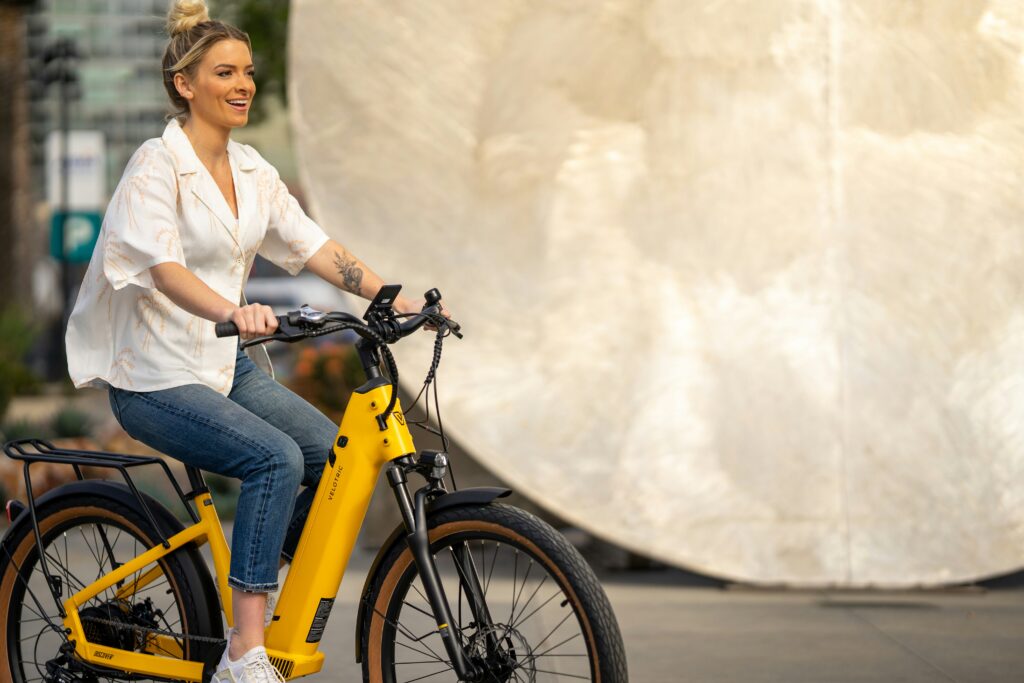
The journey of the bicycle from a recreational novelty to a fundamental pillar of urban mobility is a testament to human ingenuity. In cities across the globe, we are witnessing a renaissance of the streets. This is not merely about adding a lick of green paint to the kerb; it is about fundamentally rethinking who our cities are for. Are they for the heavy, polluting metal boxes that sit idle for the vast majority of their existence, or are they for people?
A vibrant, thriving city is one that prioritises the movement of human beings over the storage of automobiles. By treating the bicycle as a serious transportation tool, we unlock a myriad of benefits. Active transport weaves the fabric of a community together. When you cycle or walk, you are part of the environment, not isolated from it behind a pane of glass. You interact with local businesses, exchange nods with neighbours, and experience the tactile reality of your surroundings.
For the modern urbanite, a high-quality bicycle is the most efficient way to navigate the dense, complex arteries of a city. It bypasses traffic jams, ignores the desperate hunt for parking, and costs a fraction of the price of car ownership. It is the ultimate urban lifehack, seamlessly blending the joy of movement with the pragmatic need to get from point A to point B.
E-bikes are rewriting the rules of the city
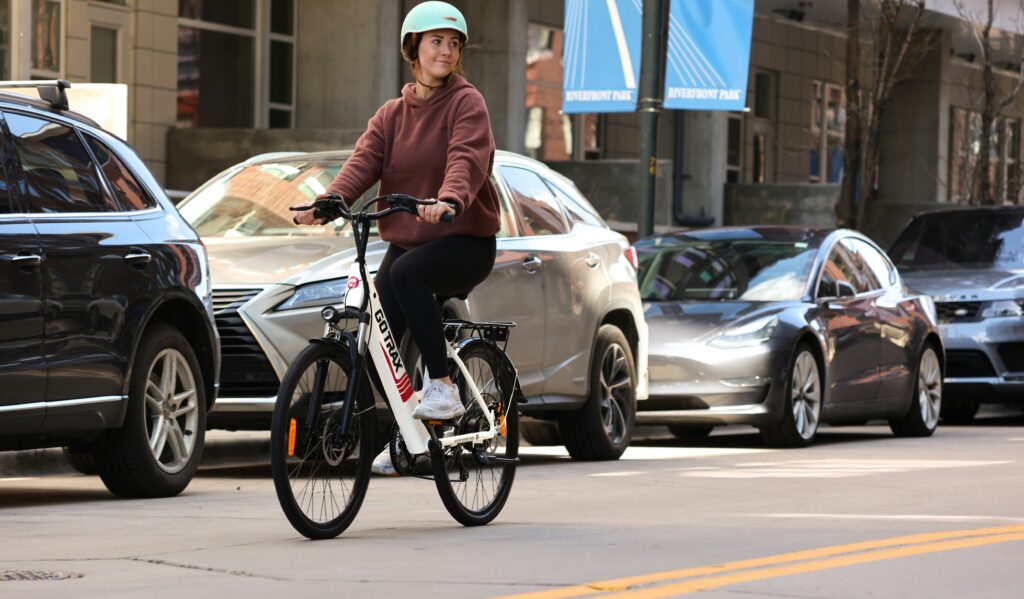
If the traditional bicycle is a brilliant tool, the e-bike is an absolute game-changer. For years, detractors of active transport have leaned on a familiar set of excuses: the hills are too steep, the distances are too far, the sweat is too unprofessional. The electric bicycle dismantles every single one of these arguments with a gentle, battery-assisted hum.
E-bikes democratise cycling. They open up the city to those who may not have the physical stamina of a professional athlete, older generations who wish to remain active, and parents hauling children and groceries across town. The surge in e-bike adoption across Europe is not a fleeting trend; it is a structural shift in how we approach mobility. By flattening the topography of our cities and shrinking the perceived distances between neighbourhoods, e-bikes make active travel the logical, effortless choice.
We want denser, more vibrant cities, but density only works when mobility is fluid and sustainable. E-bikes enable high-density living without the gridlock, allowing residents to glide through their communities with ease. They represent the perfect marriage of human effort and technological assistance, turning the daily commute from a stressful chore into the highlight of the day.
Bike opinions.
Would you believe I have thoughts?
Reclaiming our streets from the reign of the car
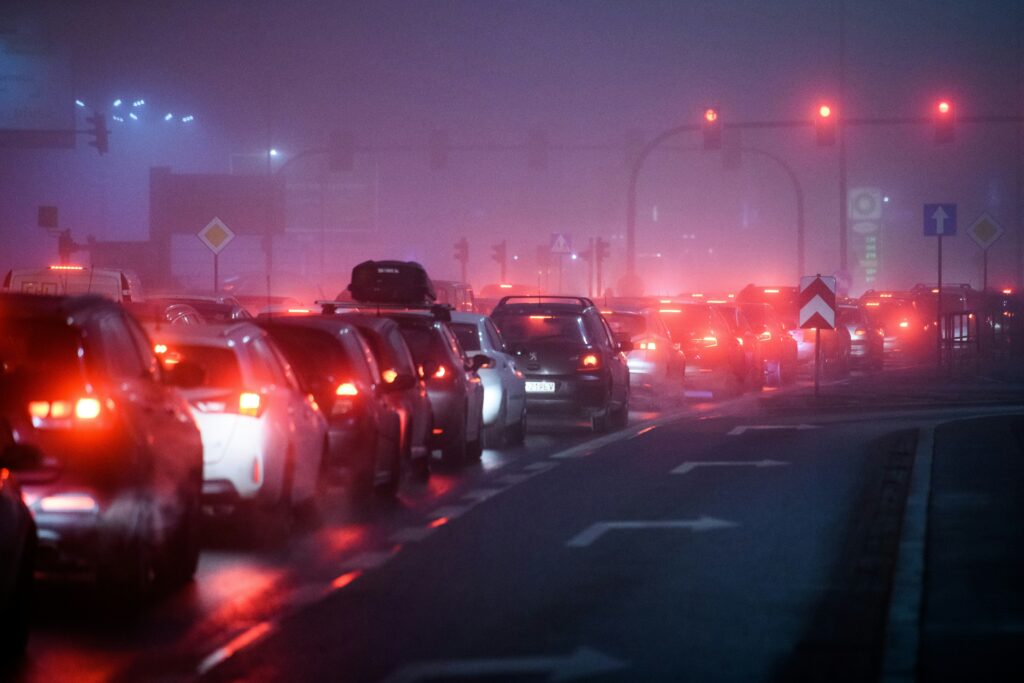
It is time to address the elephant in the room, or rather, the traffic jam on the high street. Cars simply do not belong in the heart of our cities. They are spatially inefficient, incredibly dangerous, and devastating to local air quality. The normalisation of dedicating vast swathes of premium public space to the movement and storage of private vehicles is a historical mistake that we must correct.
Banning cars from city centres is not a radical, fringe idea; it is a pragmatic necessity for creating liveable, breathing urban spaces. When we remove cars, we do not destroy businesses, as fearmongers often claim. Instead, we create flourishing pedestrian zones, bustling café terraces, and safe, interconnected cycling networks. Public transport systems can operate without being bogged down in private traffic, ensuring that everyone—regardless of their ability to cycle—can travel efficiently.
The transition requires political will, but the blueprint is already there. Active transport infrastructure is relatively cheap to build and maintain compared to road networks for heavy vehicles. By prioritising dedicated, physically separated cycle lanes, we invite a broader demographic to treat the bicycle as a primary tool for transport. It is about creating an environment where a twelve-year-old and an eighty-year-old feel equally secure navigating the urban landscape.
The egalitarian power of two wheels
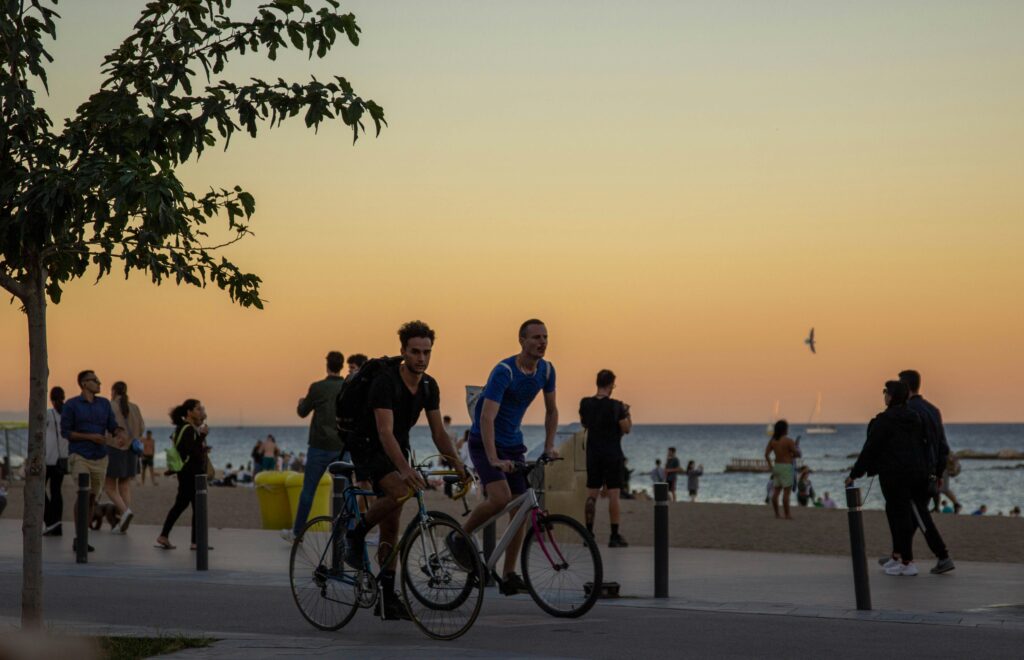
At its core, the push for active transport is deeply rooted in principles of fairness and equality. The current car-centric paradigm is inherently exclusionary. It demands a high barrier to entry—the cost of the vehicle, insurance, fuel, and maintenance—which disproportionately impacts the working class. It dictates that your freedom of movement is directly tied to your financial resources.
The bicycle, conversely, is the great equaliser. It is affordable, requires minimal ongoing costs, and operates on human energy. Public transport shares this egalitarian ethos, providing accessible mobility for the masses. When a city invests in robust public transit and seamless cycling infrastructure, it actively works to dismantle economic barriers.
Riding a bike makes you part of a collective movement towards a better society. You are not polluting the lungs of your fellow citizens, you are not degrading the road surfaces, and you are taking up minimal space. It is an act of civic respect. Wheely Tyred understands this intrinsic value, advocating for reliable, high-performing equipment that keeps this accessible mode of transport safe and efficient for everyone.
Bike opinions.
Would you believe I have thoughts?
Fueling climate optimism one pedal stroke at a time
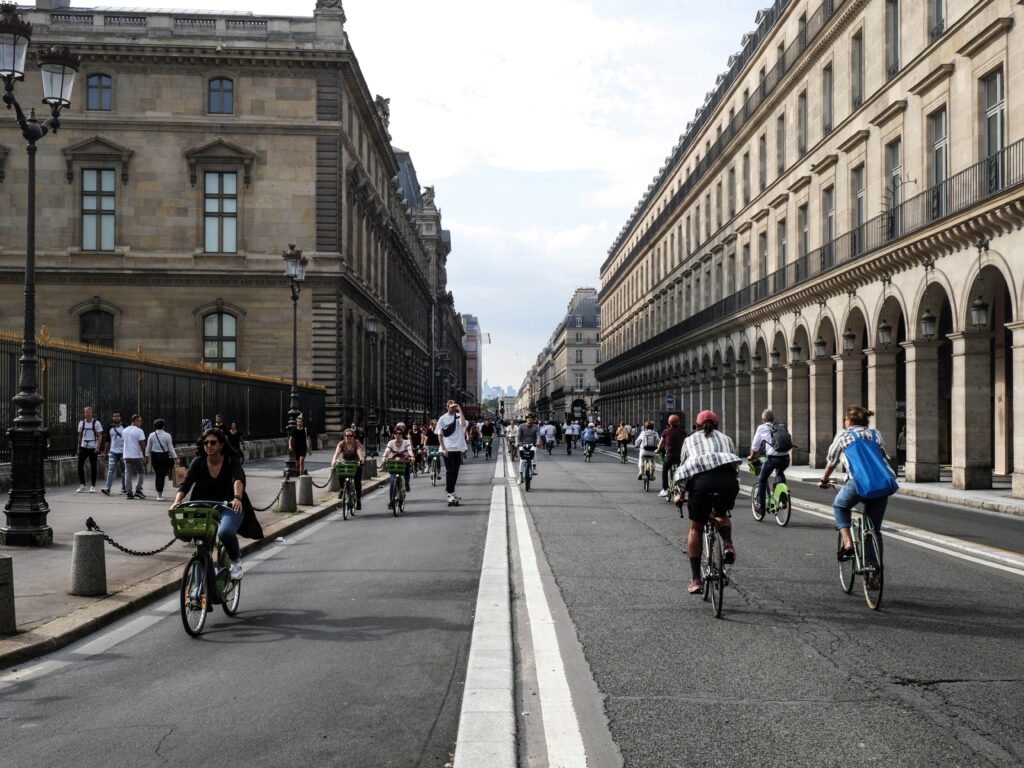
We are constantly bombarded with apocalyptic headlines regarding the climate crisis. The sheer scale of the environmental challenge can easily lead to a sense of profound doom and paralysis. However, despair is not a strategy. We have the tools to save the world from ourselves, and the bicycle is chief among them.
We do not need to wait for science-fiction technologies to solve our transport emissions; the solution was perfected over a century ago and recently upgraded with an electric motor. Every journey taken by bike instead of a car is a tangible, measurable victory for the climate. It is a reduction in carbon emissions, a decrease in noise pollution, and a step towards cleaner air.
This is the foundation of climate optimism. When you see a bustling cycle lane during the morning rush hour, you are not just looking at commuters; you are looking at an active, daily protest against environmental degradation. You are witnessing thousands of individual choices that, collectively, have the power to alter our trajectory. The future is not a dystopian wasteland; it is a green, quiet, and vibrant city where the sound of the internal combustion engine has been replaced by the whirring of spokes and the ringing of bells.
The bicycle is indeed a toy, capable of delivering immense joy and a sense of childlike wonder. But it is also the sharpest tool in our arsenal for building better, fairer, and cleaner cities. Let us embrace the pedal-powered revolution. Let us reclaim our streets, support public transport, and ride towards a future we can all be proud of.
Bike opinions.
Would you believe I have thoughts?
Frequently asked questions about urban cycling
Cars are fundamentally inefficient in dense environments, consuming vast amounts of public space while degrading air quality. Removing them allows us to build safer, quieter streets where local businesses can thrive and public transport can run without the burden of private traffic.
While a traditional bike is a marvel of engineering, the e-bike is a game-changer for the independent traveller. It flattens the topography of a city, allowing you to cover longer distances and arrive at your destination without being hindered by physical exertion or sweat.
Evidence suggests the opposite. When streets are returned to people, pedestrian footfall increases. Cyclists and walkers are more likely to stop, browse, and engage with local shops than drivers who are focused on finding parking or navigating congestion.
A car-free city is actually more accessible for those with mobility issues. When private cars are removed, public transport systems—such as buses and trams—become far more reliable and efficient. Furthermore, e-bikes and adapted cycles provide new levels of independence for many disabled travellers.
In a city, your tyres are your primary point of contact with a challenging environment of tram tracks, wet leaves, and debris. Reliable, high-performance rubber is the most critical component for ensuring your bicycle remains a dependable tool rather than a liability.
Cycling guides.
Discover how, when and where to ride