The surprising truth / Bike lanes speed up emergency services
How protected cycle infrastructure improves ambulance and fire engine response times
Clearing the path for progress and saving lives
BEN FINCH
We have all heard the familiar cry from the backbenches and the talk radio shock jocks. Whenever a city dares to propose a new cycle path, the immediate rebuttal is always the same. What about the ambulances? What about the fire engines? Opponents of active transport paint a grim picture of emergency responders trapped behind a wall of bicycles, unable to reach critical situations. It is a highly emotive argument, designed to trigger panic and halt progress in its tracks.
But it is fundamentally flawed. The reality of modern urban planning tells a completely different story. Creating dedicated space for active transport does not hinder emergency services; it actively facilitates their vital work. Cities are living, breathing ecosystems, and when we design them for people rather than the private automobile, the entire system functions with far greater efficiency. The debate surrounding urban mobility often gets bogged down in rhetoric, but when lives are on the line, we must look strictly at the evidence. And the evidence is crystal clear.
The life-saving geometry of the street
Redesigning our cities is not merely an exercise in aesthetics or leisure; it is a fundamental shift in how we prioritise human life over stationary metal. By reclaiming the asphalt for active travel, we create a more fluid, resilient urban environment where those in urgent need can be reached without delay.
- Parisian efficiency: The French capital has demonstrated that a dense network of cycle lanes allows the fire brigade to record record-breaking response times by bypassing vehicular gridlock
- The agile advantage: Unlike a line of heavy cars, cyclists possess a minuscule spatial footprint and can swiftly clear a path for blue-light services in seconds
- Tactical road diets: Replacing car lanes with protected cycle tracks provides emergency vehicles with a dedicated express route, especially when barriers are designed for mountable access
- Mode shift dynamics: The rise of the e-bike is a primary driver in removing single-occupancy vehicles from the road, naturally thinning the traffic that traditionally delays paramedics
- Democratic public space: Shifting away from car-dependency is an act of social justice that democratises our streets and ensures the collective good takes precedence over the private automobile
- Climate optimism in action: Every bike lane installed is a tangible rejection of fossil fuel dependency and a step towards a sustainable, breathable city for everyone
Bike opinions.
Would you believe I have thoughts?
The empirical data behind the blue lights
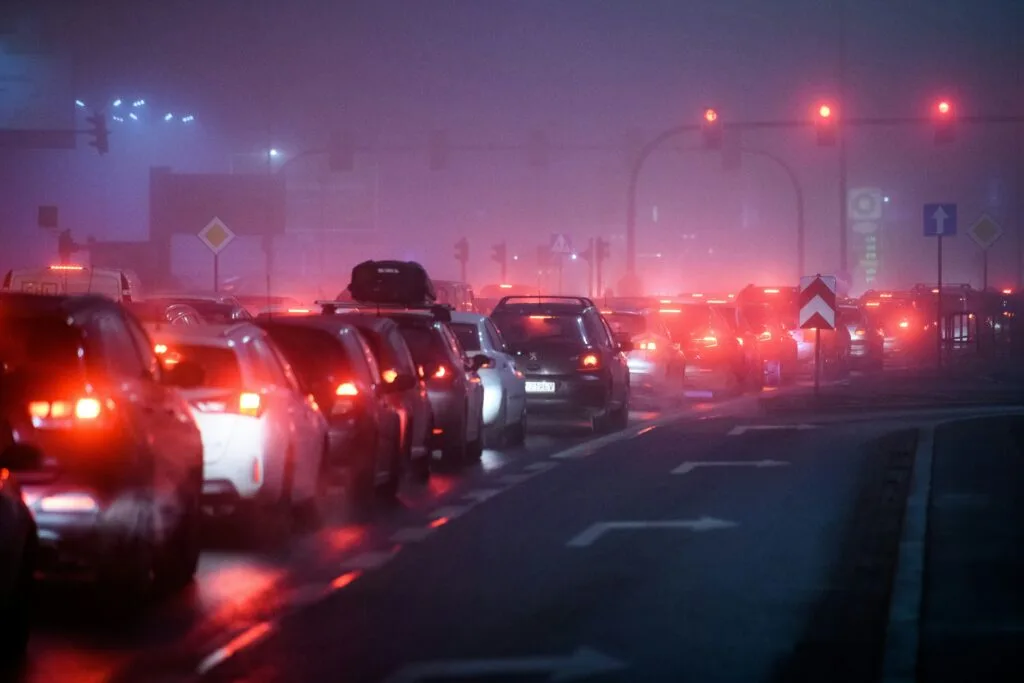
The empirical data from across the globe is incredibly consistent and robust. When researchers study the impact of newly installed cycle infrastructure on blue-light response times, the results repeatedly dismantle the anti-bike narrative. In Paris, a city that has undergone a miraculous transformation towards active travel under the Plan Vélo, the fire brigade recently recorded its fastest-ever response times. The reason for this improvement was explicitly linked to the vast network of new cycle paths. These dedicated lanes provided firefighters with clear, unobstructed routes, allowing them to bypass the stationary vehicular traffic that plagues the French capital.
Similar patterns have emerged in the United Kingdom. Freedom of information requests submitted to ambulance trusts during the rapid rollout of low-traffic neighbourhoods (LTNs) and protected cycle tracks revealed zero instances of delays caused by the new infrastructure. In fact, numerous trusts voiced explicit support for the schemes, noting that safer streets ultimately reduce the number of road traffic casualties they have to attend.
Across the Irish Sea, researchers in Limerick conducted extensive field assessments and concluded that protected cycle lanes either maintained or enhanced the accessibility of emergency vehicles. The data is unequivocal: good infrastructure saves time.
The geometry of urban congestion
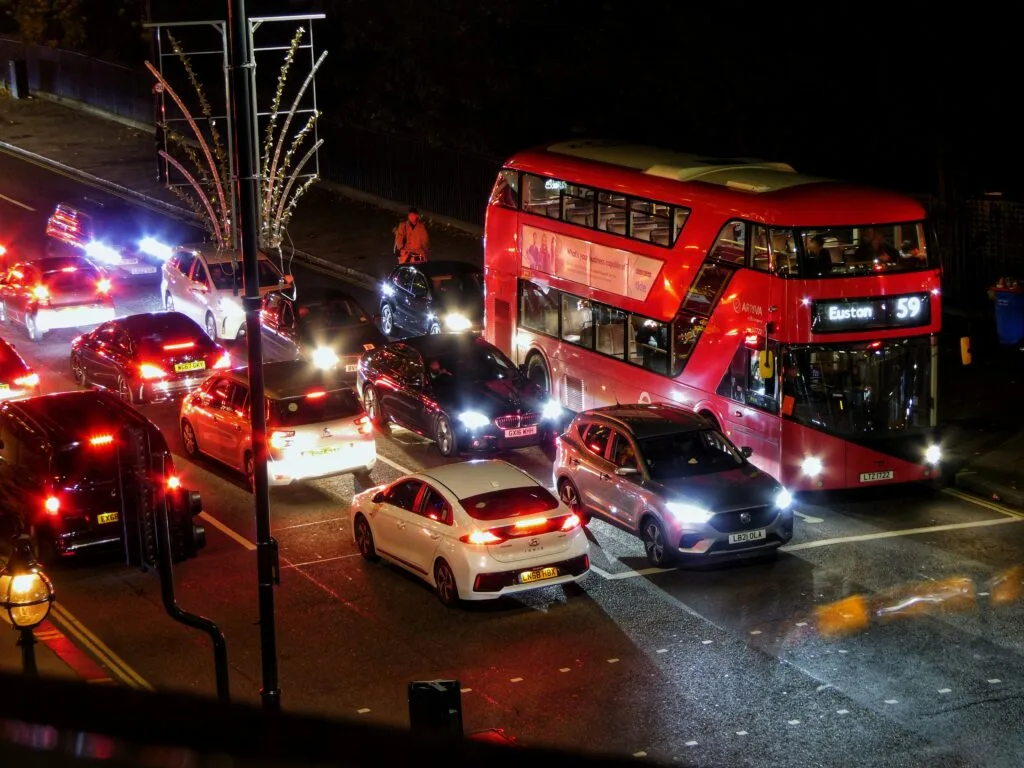
To understand why this happens, we must examine the basic geometry of a congested city street. When a fire engine approaches a road choked with private cars, absolute chaos ensues. Drivers panic. They attempt to mount kerbs, they awkwardly squeeze into junctions, and they often end up creating a solid wall of metal that is impossible to navigate. Cars are large, cumbersome, and inherently inflexible. They hoard public space with ruthless inefficiency, leaving no give in the system when an emergency vehicle needs to pass.
Now consider a street that has undergone a road diet, replacing a lane of traffic with a wide, protected cycle track. Bicycles have a minuscule spatial footprint compared to sport utility vehicles. When a siren wails, cyclists are highly agile. They can swiftly pull to the very edge of the lane or safely dismount onto the pavement in seconds, completely clearing the path. Because bicycles do not occupy a fixed, rigid box of space in the same way cars do, the road suddenly becomes porous and navigable for those in a hurry.
Bike opinions.
Would you believe I have thoughts?
Road diets as emergency express corridors
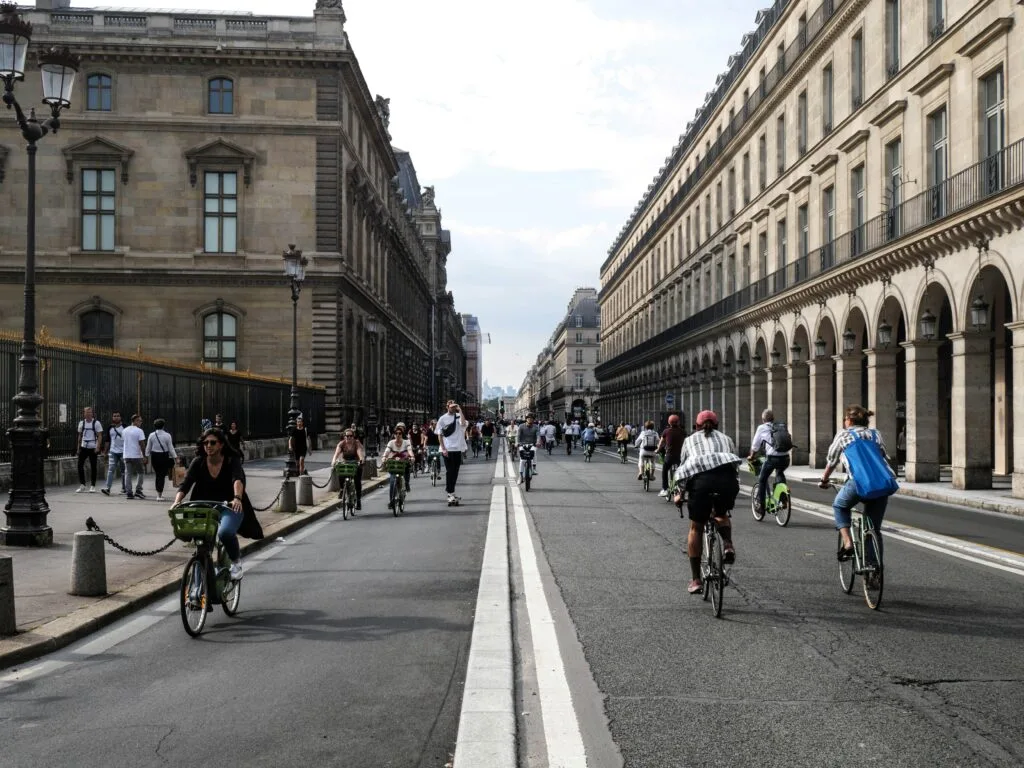
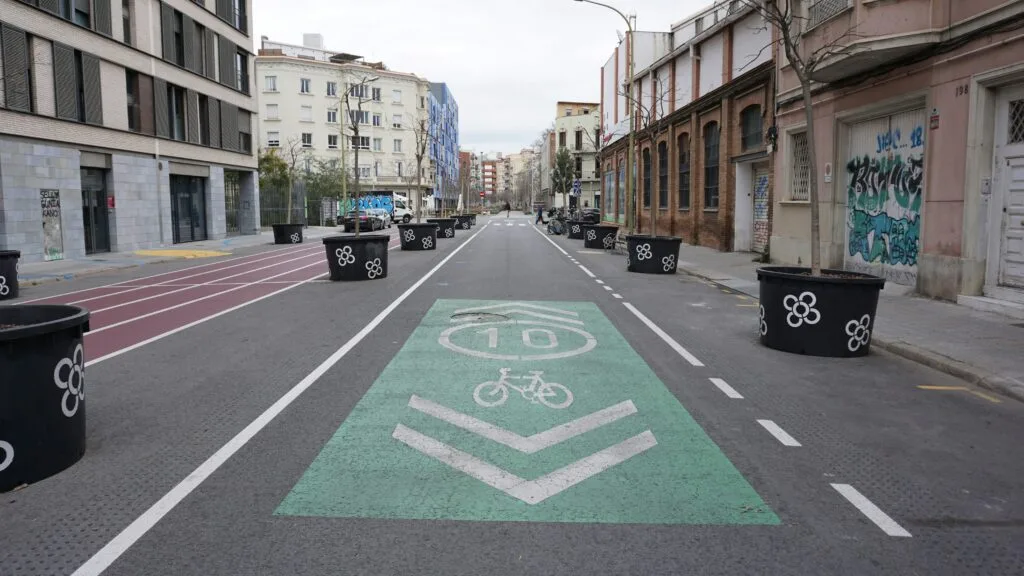
Proper urban design includes ensuring that protective barriers are mountable by emergency vehicles or that the lanes themselves are wide enough to accommodate an ambulance. Instead of being trapped in a sea of gridlocked cars, paramedics are handed a clear run to their destination. In many progressive jurisdictions, cycle lanes are explicitly designated as secondary routes for emergency vehicles. While a standard lane of cars might be stuck for ten minutes, an ambulance can utilise a protected cycle track to bypass the bottleneck entirely.
Furthermore, the reduction of lanes—often termed a road diet—actually organises traffic more effectively. It prevents the chaotic weaving of cars and encourages a more predictable flow. When there are fewer lanes for private vehicles, drivers are less likely to attempt dangerous manoeuvres that lead to the very accidents that require emergency intervention. By narrowing the space for cars and widening it for people, we are designing safety into the very fabric of our streets.
Inducing a shift through active travel
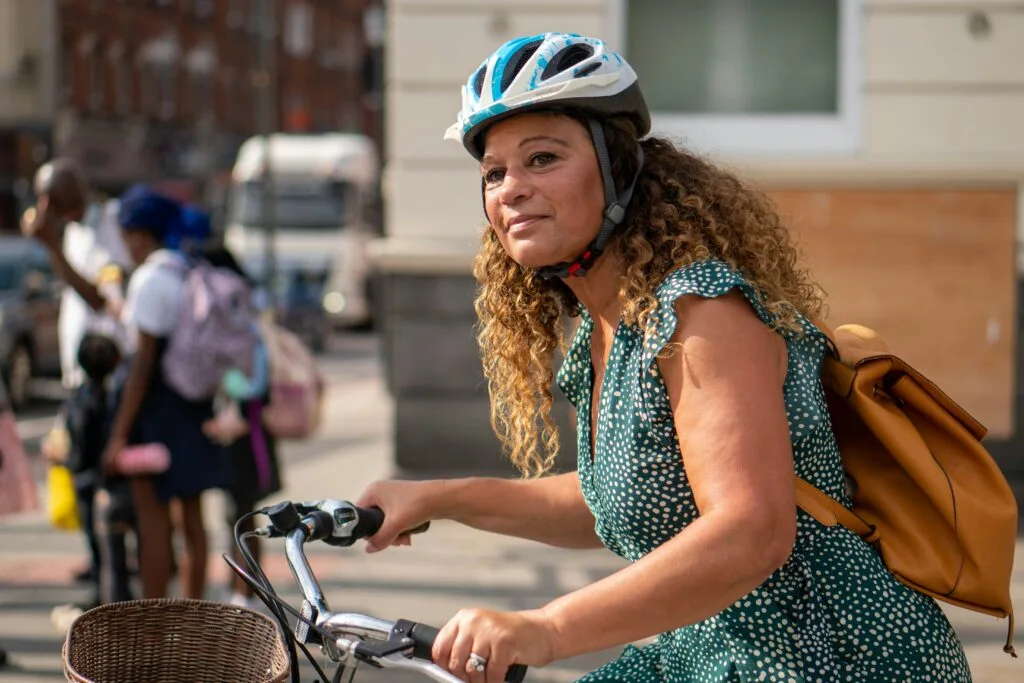
The most effective way to clear the roads for those who truly need them—ambulances, fire engines, and those with limited mobility—is to reduce the overall volume of traffic. This is the core principle that urbanists and advocates for active travel have championed for decades. Building high-quality, safe cycle networks induces a mode shift. It gives citizens a viable, attractive alternative to driving. When people feel safe on the roads, they leave their cars at home, freeing up the remaining road space for essential services.
The advent of the e-bike has supercharged this transition, completely removing the barriers of distance, topography, and physical exertion that previously deterred potential cyclists. E-bikes are the great equalisers of urban transport, making the joy and utility of cycling accessible to almost everyone, regardless of age or fitness level. As more individuals choose to travel by bike, the number of single-occupancy vehicles plummets. This reduction in overall traffic density directly translates to faster, smoother journeys for emergency responders.
Bike opinions.
Would you believe I have thoughts?
Reclaiming the commons from the private car
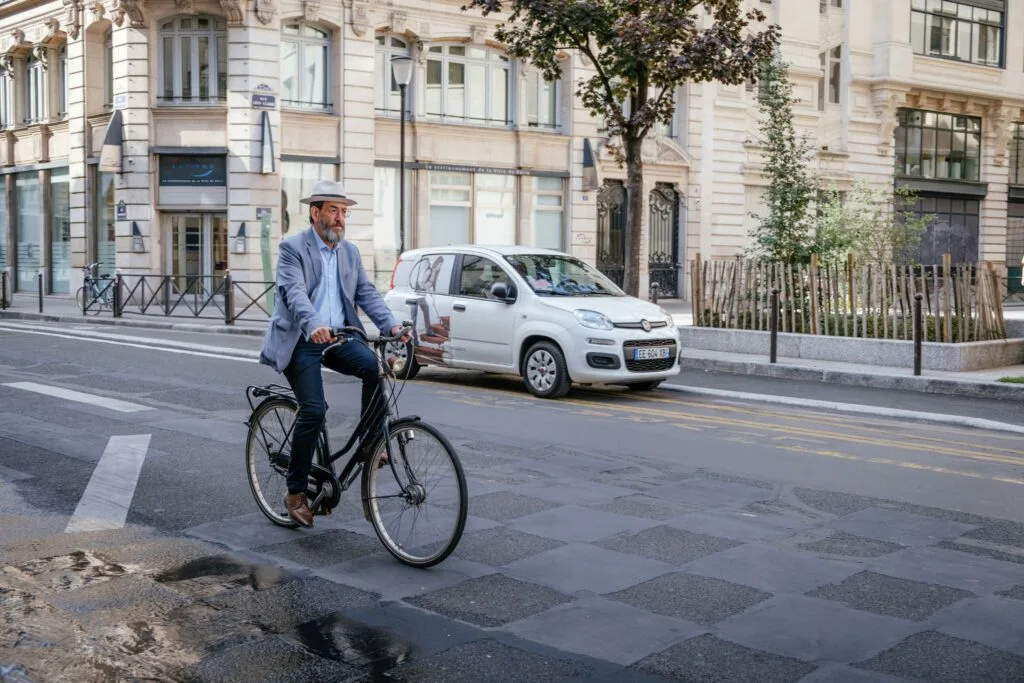
This discussion touches upon a much deeper philosophy regarding how we share public space. For the better part of a century, city planning has been dominated by a completely unsustainable model that prioritises the storage and movement of private cars over the health and happiness of communities. This has led to polluted air, fragmented neighbourhoods, and an entirely preventable epidemic of traffic violence. The private car represents the ultimate individualistic hoarding of shared resources, and its dominance in our cities is a historical anomaly we must correct.
Reclaiming our streets is a matter of basic social justice. It is about democratising public space and ensuring that our urban environments serve the collective good rather than the convenience of the few. Urbanism recognises that the street is our most valuable public asset. When we give that space to cars, we are subsidising private luxury at the expense of public health and emergency efficiency. Banning cars from dense city centres is not a radical punishment; it is a necessary liberation.
The vision for resilient cities
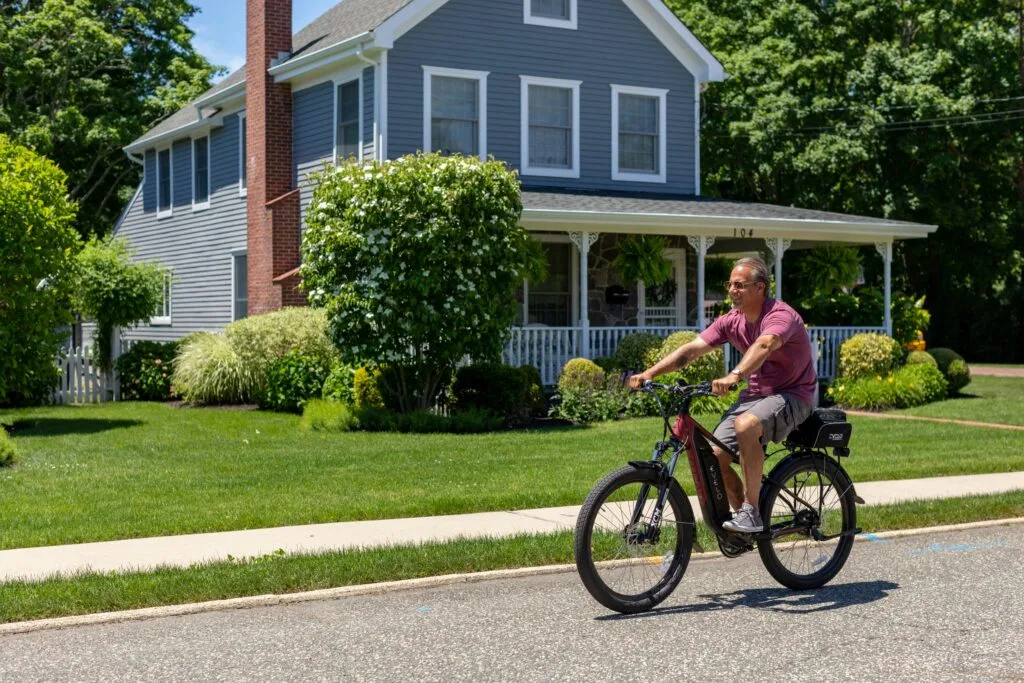
YIMBY principles remind us that building dense, mixed-use neighbourhoods naturally reduces the distances emergency services need to travel in the first place. When we build up rather than out, we create 15-minute cities where the majority of needs are met within a short walk or cycle. This density allows for more strategically placed ambulance stations and fire houses. It creates a compact, resilient urban fabric that is far easier to navigate than the sprawling, car-dependent suburbs of the past.
By supporting high-density housing near transit hubs and cycle networks, we are creating a city that functions as a cohesive unit. In this model, the cycle lane isn’t just a path for a bike; it’s a vital artery for the entire community’s health. We are building a world where the response to an emergency is not hampered by a thousand individuals sitting in two-tonne metal boxes, but is instead supported by a flexible, agile, and human-scaled infrastructure.
Bike opinions.
Would you believe I have thoughts?
Climate optimism and the path forward
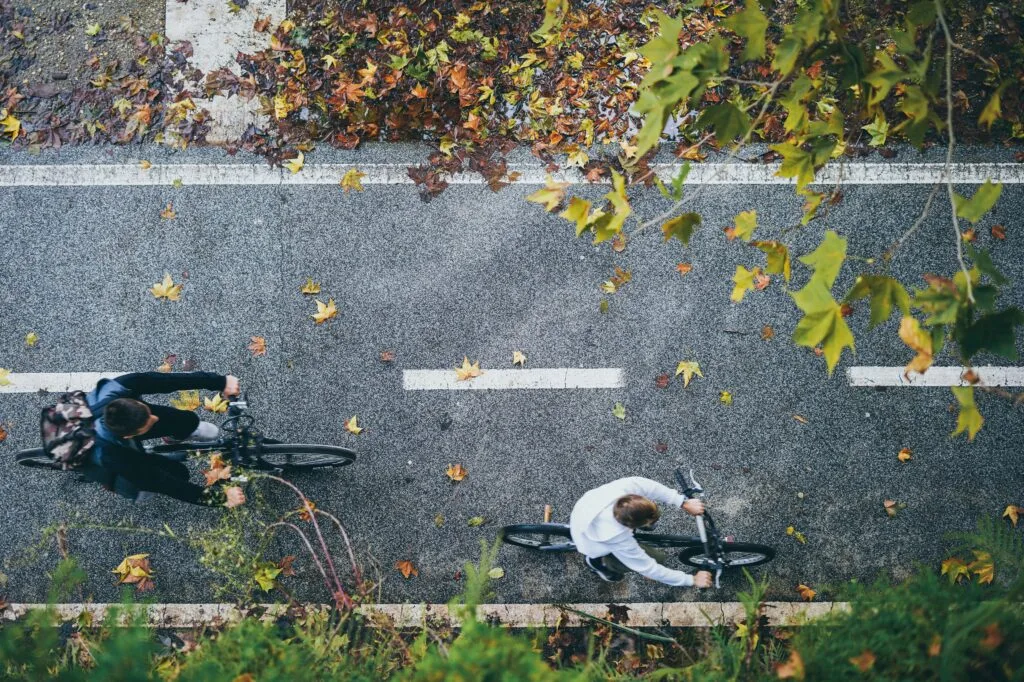
We face significant environmental challenges, but we possess all the tools required to overcome them. Embracing active transport is a powerful act of climate optimism. It is a refusal to accept that our cities must be grey, loud, and polluted. Every journey taken by bike is a tangible rejection of fossil fuel dependency and a step towards a sustainable future. We do not need to succumb to doomerism or believe that the era of the city is over; we simply need the political courage to redesign our environment for the 21st century.
This vision for a better world aligns perfectly with the ethos of those who understand the transformative power of cycling. Wheely Tyred champions this lifestyle, recognising that the right equipment and knowledge empower individuals to make this shift with confidence. Whether you are navigating your local high street or embarking on an active holiday in Central Europe, cycling connects you to the landscape in a way a car never can. It removes the glass barrier of the windshield and places you directly within the heartbeat of a place.
Equipping the movement for change
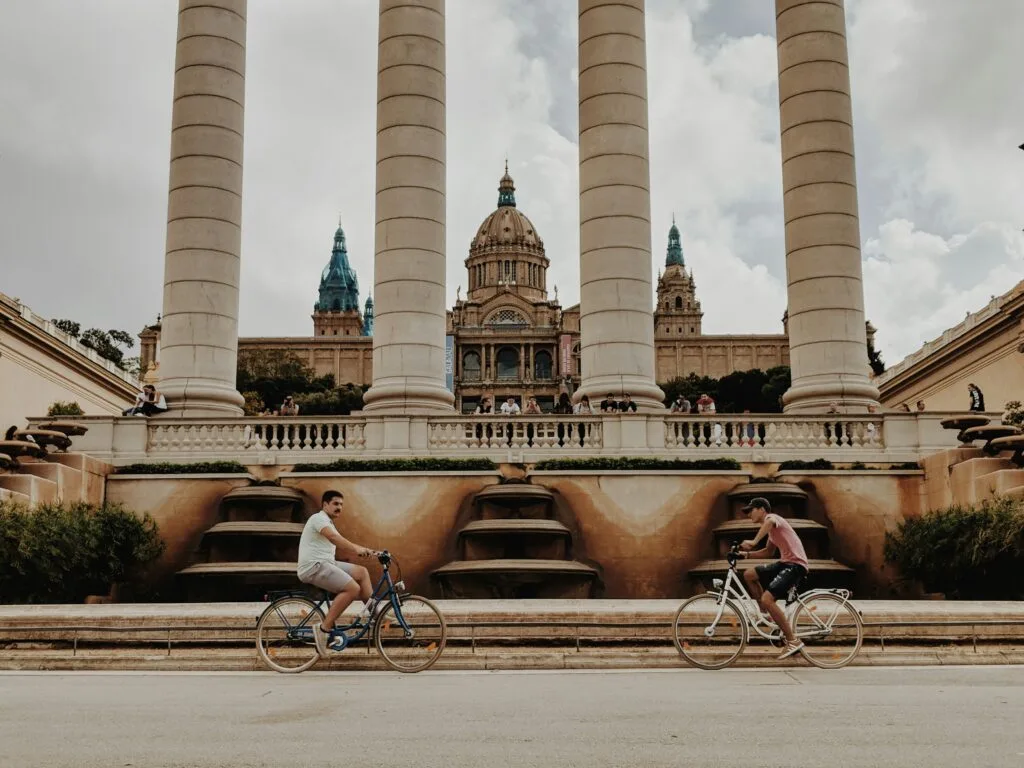
Active travel is an invitation to experience the world actively, rather than observing it passively from a padded seat. By supporting initiatives that make cycling safer and more accessible, we are not just improving our own daily routines; we are participating in a global movement to redefine the modern city. Equipping yourself with the knowledge to debunk anti-cycling myths is a step towards becoming a catalyst for positive change.
Wheely Tyred exists to support that exact transition, providing the expertise and community required to keep you moving forward. We believe that an independent traveller is an empowered traveller, and that a bike is the most revolutionary tool ever invented for urban liberation. When we advocate for bike lanes, we aren’t just asking for a place to ride; we are asking for a city that breathes, a city that moves, and a city that saves lives.
Bike opinions.
Would you believe I have thoughts?
A settled debate on the streets
The next time a vocal critic attempts to derail a proposed cycle scheme by invoking the emotive image of a delayed ambulance, we must confidently present the facts. The tired myth that bike lanes endanger lives has been comprehensively debunked by data, by emergency service professionals, and by the lived reality of progressive cities worldwide. Proper active transport infrastructure is a multifaceted life-saving tool.
It protects vulnerable road users, it dramatically improves public health through increased physical activity and cleaner air, and it unequivocally speeds up emergency response times. The debate is settled. The path forward is clear, and it is paved for bicycles. It is time to stop arguing about whether we can afford to build this infrastructure and start admitting that, for the sake of our lives and our planet, we cannot afford not to.
Frequently asked questions about bike lanes
The data suggests the opposite. Freedom of Information requests and independent studies in cities like London and Paris have shown that response times often stay the same or improve because emergency vehicles can use the cleared cycle lanes to bypass stationary traffic.
Modern urban design ensures that protected lanes are either wide enough to accommodate an ambulance or use mountable kerbs and flexible bollards. This allows emergency responders to utilise the path as a dedicated corridor when the main road is blocked by cars.
A car is a rigid, bulky object that hoards public space. In a traffic jam, cars create a wall of metal that is nearly impossible to move. Bicycles, being agile and narrow, can be cleared from a path almost instantly, leaving the route open for sirens.
Yes. This is known as a mode shift. When people feel safe due to high-quality infrastructure, they switch from driving to cycling. E-bikes have accelerated this, making longer or hillier journeys viable for more people and reducing the total number of cars on the road.
YIMBY (Yes In My Back Yard) principles advocate for high-density, mixed-use developments. By building more housing in city centres, we reduce the distance emergency services need to travel and create a more compact urban fabric that is easier to navigate than sprawling, car-dependent suburbs.
Beyond speeding up ambulances, protected bike lanes significantly reduce the number of road traffic accidents. By creating a safer environment for everyone, we reduce the overall burden on our emergency services and healthcare system.
Bike opinions.
Your source for my thoughts on bikes, road safety and active transport