The case for investing in safe streets, not autonomous cars
Autonomous cars will not solve urban traffic
People over processors
BEN FINCH
We are constantly sold a vision of the future that looks like a glossy science fiction film. Silicon Valley billionaires and tech conglomerates want us to believe that the solution to our urban woes is the autonomous vehicle. They promise us a utopia where driverless pods glide silently through our streets, eliminating traffic and freeing up our morning commutes for catching up on emails. But as someone who believes fundamentally that cities belong to people, I have to call time on this techno-dystopian fantasy.
The truth is much simpler, much cheaper, and profoundly more democratic. We do not need to reinvent the wheel, nor do we need to hand over our public spaces to complex algorithms and private tech monopolies. We just need to invest in safe streets. We need to prioritise active transport, champion the humble bicycle, embrace the e-bike revolution, and fund robust public transport. If we truly want to save the world from the climate crisis — and I am fiercely optimistic that we can — we must stop designing our neighbourhoods around cars, autonomous or otherwise.
Urban progress lies in the prioritisation of safe, active, and democratic transport
The promise of autonomous vehicles is often framed as a technological utopia, yet for those who value human-centric cities, it represents a techno-dystopian fantasy. Real urban progress lies not in smarter metal boxes, but in the prioritisation of safe, active, and democratic transport:
- The Geometry Problem: Whether driverless or human-steered, a car is an inefficient use of space. Autonomous vehicles (AVs) risk increasing overall miles driven and encouraging urban sprawl, hollowing out the dense, vibrant city centres that thrive on human connection
- Shifting Responsibility: Current AV trials have shown machines blocking buses and emergency responders. Segregating pedestrians and cyclists to accommodate robots is a step backwards for public space, which should belong to people, not venture capital experiments
- The Environmental Cost: The massive computing power and battery weight of AVs consume vast amounts of energy. A more sustainable approach involves taking space away from vehicles entirely and giving it back to carbon-free alternatives
- Safe Streets as Social Fabric: Investing in wide, segregated cycle lanes and raised pedestrian crossings is a profound intervention. It redistributes public land for the common good, making speeding physically impossible and active travel an affordable, equitable choice
- The E-Bike Revolution: E-bikes are the ultimate game-changer for urban mobility. They obliterate arguments regarding hills, distance, and physical ability, allowing a broader range of citizens to travel effortlessly without a car
- The 15-Minute City & Density: Transport cannot be separated from housing. Building dense, mixed-use communities makes the car obsolete, as daily necessities become accessible via a short walk or cycle
- The Cycle-Rail Alliance: The greatest tool against car dependency is the harmony of bicycles and trains. Seamless integration—such as secure station parking and bike-friendly carriages—creates a mobility system that can rival the convenience of any private vehicle
Brno.
Explore Czechia’s second — and best — city
Trading one metal box for a slightly smarter metal box
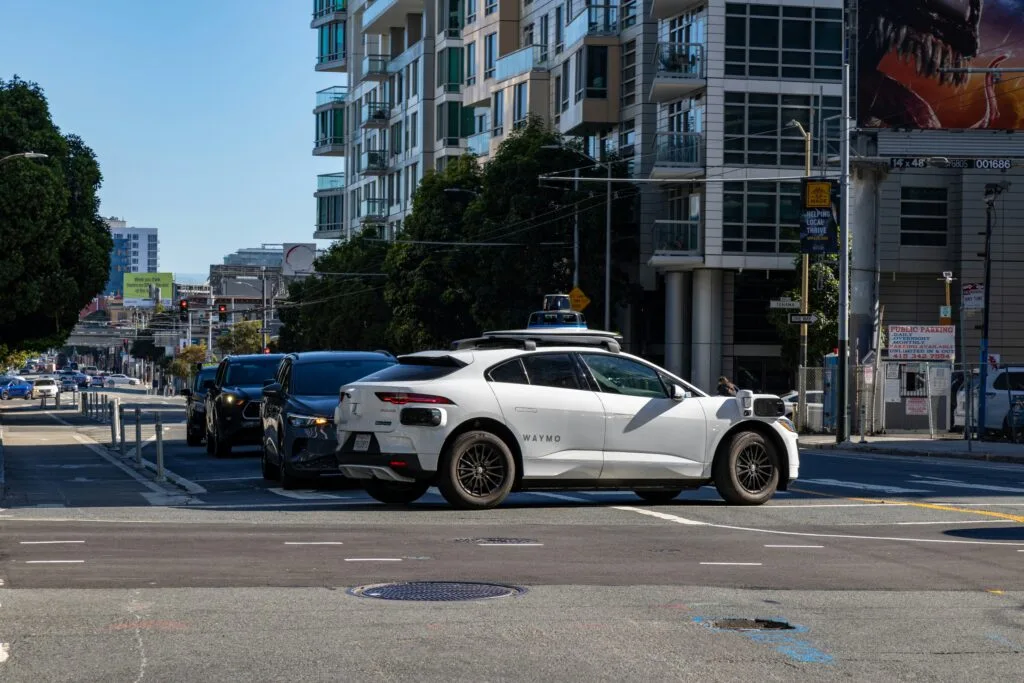
The fundamental flaw in the argument for autonomous vehicles is a basic matter of geometry. A car, whether steered by a human or a computer, takes up an obscene amount of space to transport very few people. The purveyors of driverless technology claim their products will reduce congestion by driving more efficiently and platooning close together. Yet, urban planners and transport researchers consistently highlight that autonomous vehicles will likely increase the overall number of miles driven. Without the physical burden of driving, people will tolerate longer commutes, accelerating urban sprawl and hollowing out the dense, vibrant city centres that YIMBY advocates fight so hard to protect.
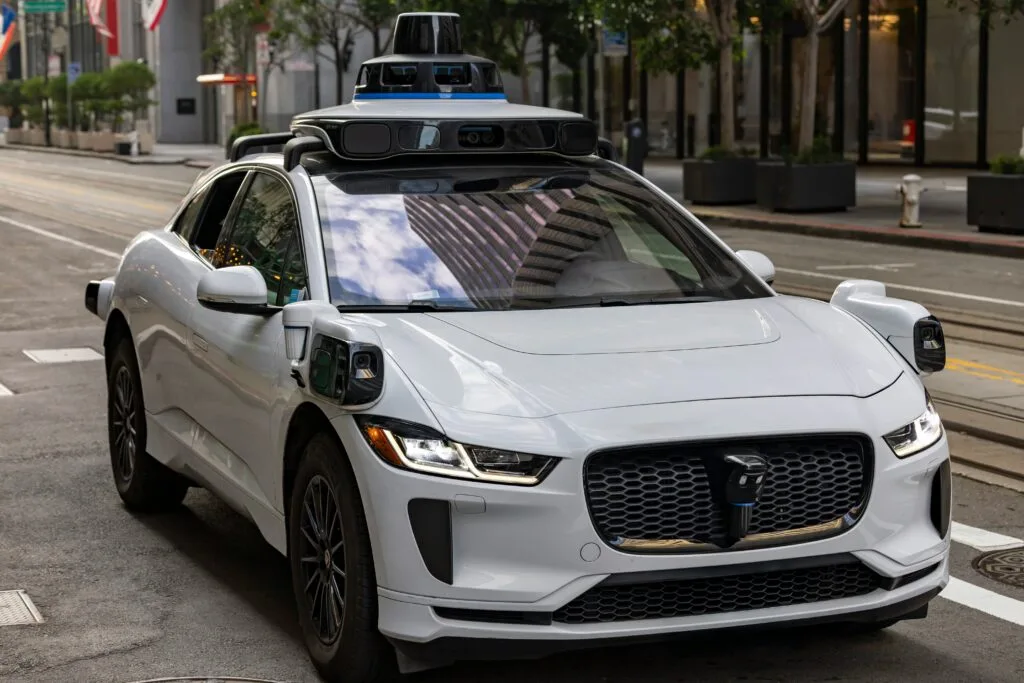
Furthermore, autonomous cars do not solve the issue of danger on our streets; they merely shift the burden of responsibility. We are already seeing driverless taxis in major cities stopping erratically, blocking public buses, and hindering emergency responders. To accommodate these machines safely, cities are being pressured to segregate pedestrians and cyclists even further, effectively fencing humans in so that the robots can roam free. This is a profound step backwards. Our public spaces should not be test tracks for venture capital projects.
We must also consider the staggering environmental cost. While these vehicles are electric, the sheer weight of their batteries and the massive computing power required to process billions of data points per second consume vast amounts of energy. Manufacturing and running these high-tech pods diverts precious renewable energy away from where it is truly needed. We must reject the notion that the solution to car-dominated cities is simply a different type of car. The real solution is taking the space away from vehicles entirely and giving it back to the people.
The benefits of investing in safe streets for active transport
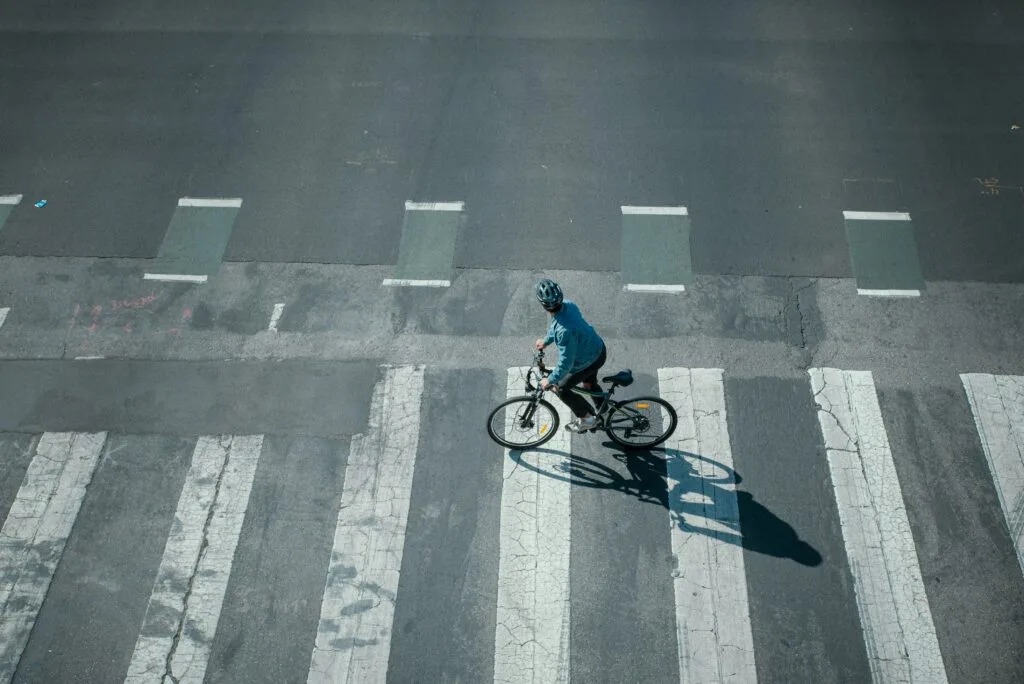
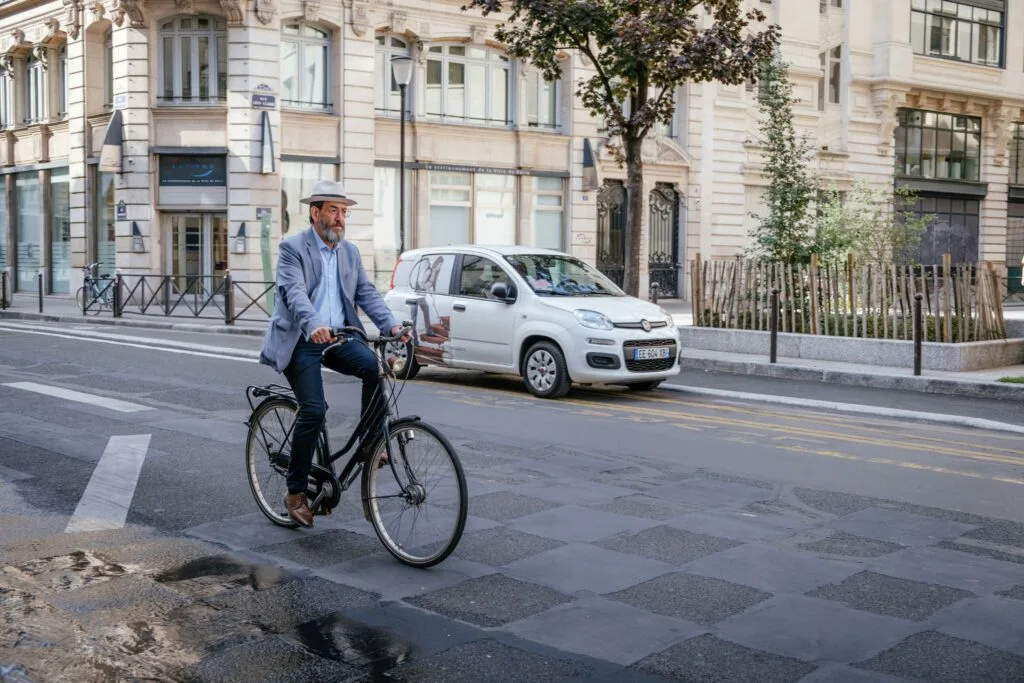
When we choose to invest in safe streets, we are investing in the very fabric of our society. Safe streets mean segregated cycle lanes that are wide enough for a parent riding a cargo bike alongside their child. They mean widened pavements, raised pedestrian crossings, and traffic calming measures that make speeding physically impossible. This is not just about transport; it is a profound intervention in the urban landscape. It takes public land that has been monopolised by the private automobile for a century and redistributes it for the common good.
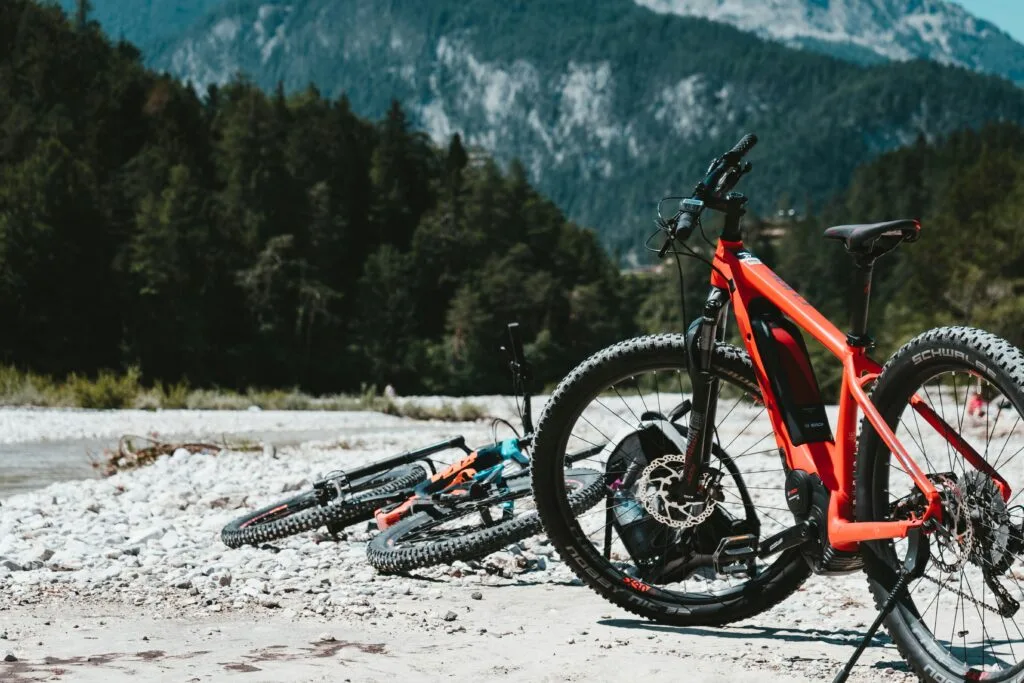
Active transport is a great leveller. Walking and cycling are affordable, equitable, and fundamentally healthy. And let us be clear: the e-bike is an absolute game-changer. For too long, critics of active transport have used hills, long distances, and physical exertion as excuses to maintain the status quo. The e-bike obliterates those arguments entirely. It allows older people, those with varying physical abilities, and commuters in hilly terrain to travel effortlessly without breaking a sweat.
The economic benefits to local communities are also immense. Studies repeatedly show that pedestrians and cyclists spend more money at local high street businesses than motorists do. When you rush past a shop in a car at thirty miles per hour, you do not stop. When you glide past on a bicycle, you can easily pull over to grab a coffee or buy groceries. By creating environments where cycling feels as safe and natural as walking through a park, we see a massive modal shift. We reduce noise pollution, we clean up our air, and we foster a sense of community that is entirely lost when everyone is sealed inside a climate-controlled, self-driving pod.
Prague.
There’s no other city like it
Building the cities we actually want to inhabit
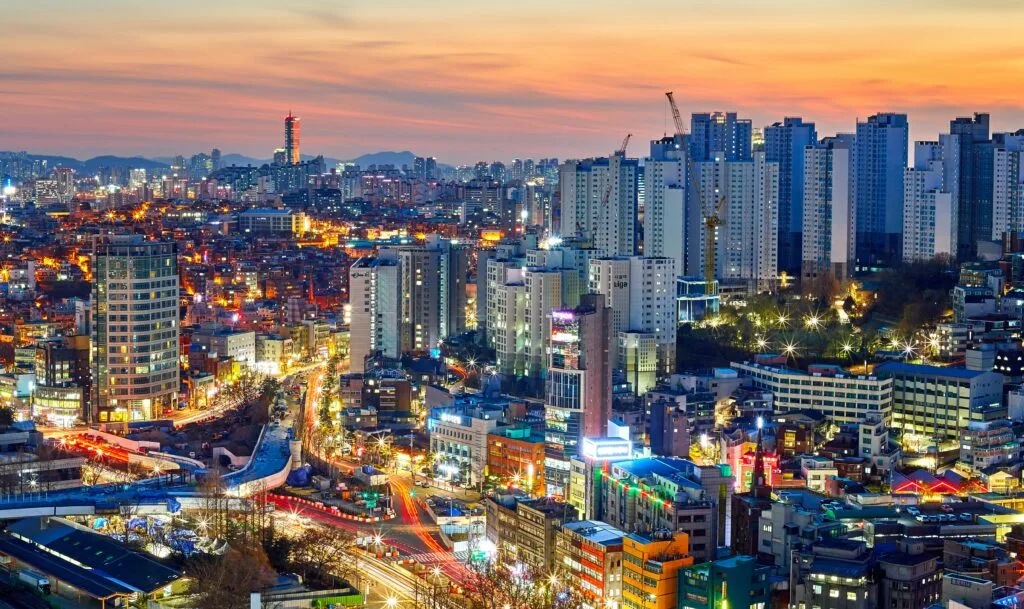
You cannot separate transport from housing. Building dense, mixed-use, and affordable housing is the absolute prerequisite for a functional active transport network. Urban sprawl forces people into cars. Density invites people onto bikes. When we advocate for building more homes in our city centres and near transit hubs, we are simultaneously advocating for a lifestyle where the car becomes obsolete.
We must embrace the concept of the 15-minute city, a brilliant planning model where daily necessities like work, school, healthcare, and leisure are accessible within a short walk or cycle from home. This is a return to traditional, sensible city building. It is how human beings lived for thousands of years before the automotive industry bulldozed our neighbourhoods to build motorways. By densifying our urban cores and legalising the construction of mid-rise apartment buildings and local shopfronts, we make active transport the most logical, convenient, and enjoyable way to get around. We can reclaim vast swathes of land currently wasted on car parks and transform them into green spaces, public squares, and urgently needed social housing.
Two wheels can change the way you see the world
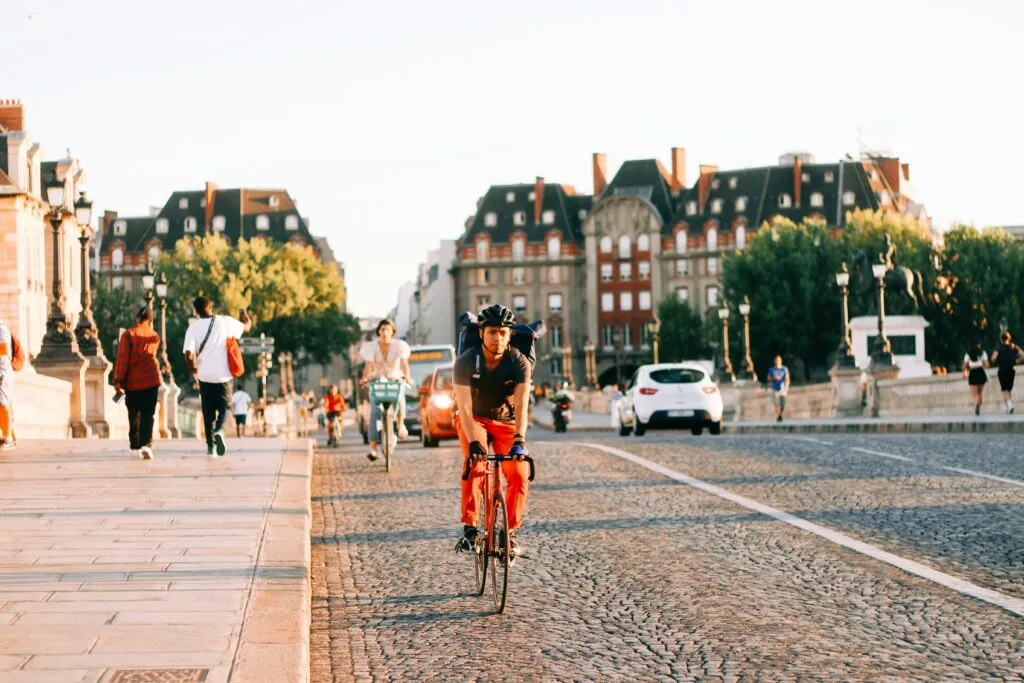
This philosophy extends far beyond our daily commutes; it fundamentally changes how we experience the world when we travel. If you want to truly understand a city, you cannot do it through the tinted window of a taxi, and you certainly will not do it in an autonomous pod programmed to whisk you blindly from one tourist trap to another. To feel the pulse of a place, you need to be in it, exposed to the elements, moving at a human scale.
This is why travelling by bike is the ultimate way to explore on your next holiday. It offers an unparalleled sense of freedom and a genuine connection to the local environment. When you travel by bike, you can stop at a moment’s notice to chat with locals, support independent businesses, and discover the quiet, tree-lined streets that guidebooks ignore.
Brands like Wheely Tyred understand this intrinsically. Equipping yourself with the right gear for a cycling adventure is an active choice to tread lightly on the earth while experiencing it more deeply. Travelling by bike aligns perfectly with a conscious, climate-optimistic worldview. It proves that living sustainably does not mean sacrificing joy; rather, it amplifies it. Whether you are navigating the historic alleys of a European capital or exploring rugged coastal paths, cycling turns the journey itself into the destination. With the right preparation from Wheely Tyred, you are not just a tourist; you are an active participant in the city’s rhythm.
Czechia.
The heart of Europe
The ultimate alliance for a carbon-free future

We must also acknowledge that active transport does not exist in a vacuum. The bicycle and the train are the greatest allies in the fight against car dependency. A progressive transport policy ensures that these two modes work in perfect harmony. We need seamless integration: secure bike parking at every station, trains designed to carry bicycles easily, and ticketing systems that make multimodal journeys effortless.
When we link safe, protected cycle networks with high-capacity, frequent public transport, we create an urban mobility system that can rival the convenience of any private vehicle. This is how we save the world from ourselves. We do not need to wait for a Silicon Valley miracle. The technology to fix our cities has existed for over a century. A bicycle, a reliable bus, and a well-planned tram network can achieve what no fleet of autonomous vehicles ever will: they bring people together, they breathe life into our streets, and they democratise the freedom of movement.
We stand at a crossroads in urban planning. Down one path lies a continuation of our current mistakes, a future where we surrender our streets to driverless cars, perpetuating sprawl, isolation, and inequity. Down the other path lies a vibrant, bustling future built on human connection, active transport, and thriving, dense communities. The choice is obvious. We must demand that our local councils and governments stop pandering to tech billionaires and start investing in safe streets for people. We have the power, the optimism, and the tools to build incredible cities. Let us get on our bikes and ride towards that future.
Frequently asked questions about safe streets
Actually, transport research suggests the opposite. Because AVs make commuting less of a physical burden, people may tolerate living further from their workplaces, accelerating urban sprawl. Additionally, the inefficiency of using a large vehicle to transport one or two people remains a fundamental geometric problem that no algorithm can solve.
Yes, especially when compared to any form of car. While they require a battery, their energy consumption and manufacturing footprint are a tiny fraction of an electric or autonomous vehicle. More importantly, they allow a much larger demographic of people to replace car journeys with active travel.
Studies consistently show that people on foot or on bicycles spend more money at local high street businesses than those in cars. High-speed traffic discourages stopping, whereas human-scale streets encourage people to pull over for a coffee or spontaneous grocery shop, supporting independent businesses.
Density is the prerequisite for a car-free lifestyle. When housing is built near transit hubs and daily needs are concentrated in the 15-minute city model, walking and cycling become the most logical and convenient options. Sprawl, conversely, mandates car ownership.
Current trials have highlighted significant issues, such as AVs stopping erratically or failing to navigate complex human interactions. The concern is that cities may be pressured to fence in pedestrians and cyclists to protect the sensors of autonomous cars, further eroding the freedom of human movement in public spaces.
Transitioning to an active lifestyle is about treading lightly while experiencing your surroundings more deeply. Equipping yourself with the right gear—whether for a daily commute or a cycling holiday—turns the journey into the destination. Linking your cycle routes with local public transport is the most effective way to make the car unnecessary.
Czechia.
Discover Czechia / History reimagined
My latest posts
Bike lanes speed up emergency services: Debunking the myth
A bicycle is a toy and a tool | Urban cycling & e-bikes
How highways destroyed America: The cost of car cities
How Barcelona beat traffic and reclaimed its streets for the people
Why cars are absurd for city transport and what we should do instead