Into the green abyss / The ultimate guide to wilderness camping in Yasuní National Park
Best places to camp in Yasuní National Park for independent travellers seeking authentic wilderness
Trading the tour bus for the timeless rhythms of the Ecuadorian Amazon
BEN FINCH
The true essence of travel is often lost in the modern rush to consume destinations. For those who choose to travel by local buses, regional trains, or under the power of their own two feet, the journey is not a logistical hurdle to be cleared as quickly as possible; it is the very fabric of the experience. Nowhere on earth rewards this slow, deliberate approach quite like Yasuní National Park. Straddling the equator in eastern Ecuador, this UNESCO biosphere reserve represents one of the most biodiverse pockets of life on our planet. A single hectare here contains more tree species than the entire continent of North America, whilst the canopy thrums with an unimaginable chorus of birds, amphibians, and mammals.
Yet, the vast majority of visitors experience this ancient wilderness from the insulated confines of high-end luxury eco-lodges, moving in regimented tour groups under the strict schedules of corporate itineraries. For the independent traveller, that structured approach misses the point entirely. To truly understand Yasuní, one must remove the barriers between the self and the forest. Camping in or alongside this magnificent reserve allows you to move at your own pace, absorb local knowledge directly from indigenous custodians, and witness the jungle awaken without the distraction of a tour guide waving an umbrella.
When you strip away the insulation of traditional hotels, the choice of shelter becomes paramount. In a landscape defined by tropical downpours and nocturnal wildlife, your camp must offer safety, sustainability, and respect for the local ecosystem. Wheely Tyred has explored the riverways and remote boundaries of this Amazonian wonder to bring you the finest independent camping options available. Each selection prioritises ecological integrity, community sovereignty, and the tranquil isolation necessary to ensure you sleep well amidst the wild.
Camp under the canopy of Yasuní
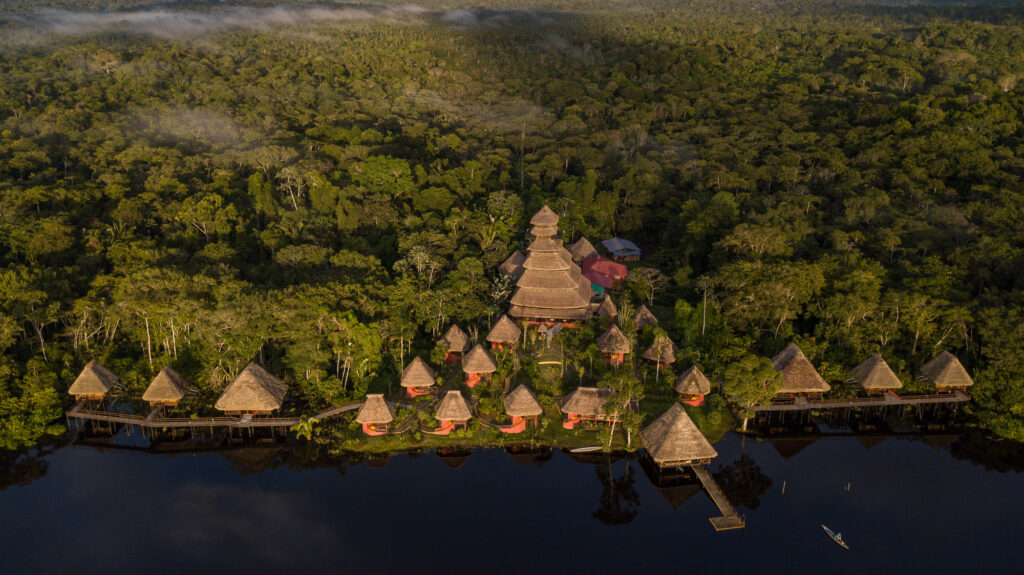
Forcing a slower, more deliberate rhythm upon those who enter, Yasuní demands self-reliance and rewards the independent traveller with pristine biodiversity. This summary distils the essential wilderness bases and logistical realities required to explore Earth’s most vibrant green abyss safely and sustainably.
- Mandari Panga Kichwa partnership: Elevated canvas safari tents pitched over the Tiputini River that support local health and education initiatives, offering a powerful economic alternative to industrial oil exploitation
- Añangu’s minimalist platforms: A strictly self-sufficient base on the northern fringe near the blackwater lagoon, managed alongside park guards for travellers carrying their own gear
- Keweriono cultural immersion: A rustic camp within Waorani territory where nights are spent under communal thatch structures and daily life revolves around ancient ethnobotany and traditional river cooking
- Wao Eco Glamp’s light footprint: Solar-powered canvas shelters that offer a restful night of sleep without separating the independent traveller from the nocturnal forest chorus
- Yarina’s gateway platforms: An accessible northern base near Coca, ideal for independent birdwatchers to acclimate while tasting traditional grilled delicacies
- The Coca River connection: Independent access to the biosphere reserve relies entirely on navigating regional transport to Puerto Francisco de Orellana and negotiating local motorised canoe schedules
- Essential survival gear: Remote camping within the park requires a yellow fever certificate, a reliable gravity water filter, and a high-quality mosquito net to ensure you sleep well
Yasuní National Park.
Home to the black water
1. Mandari Panga Camp
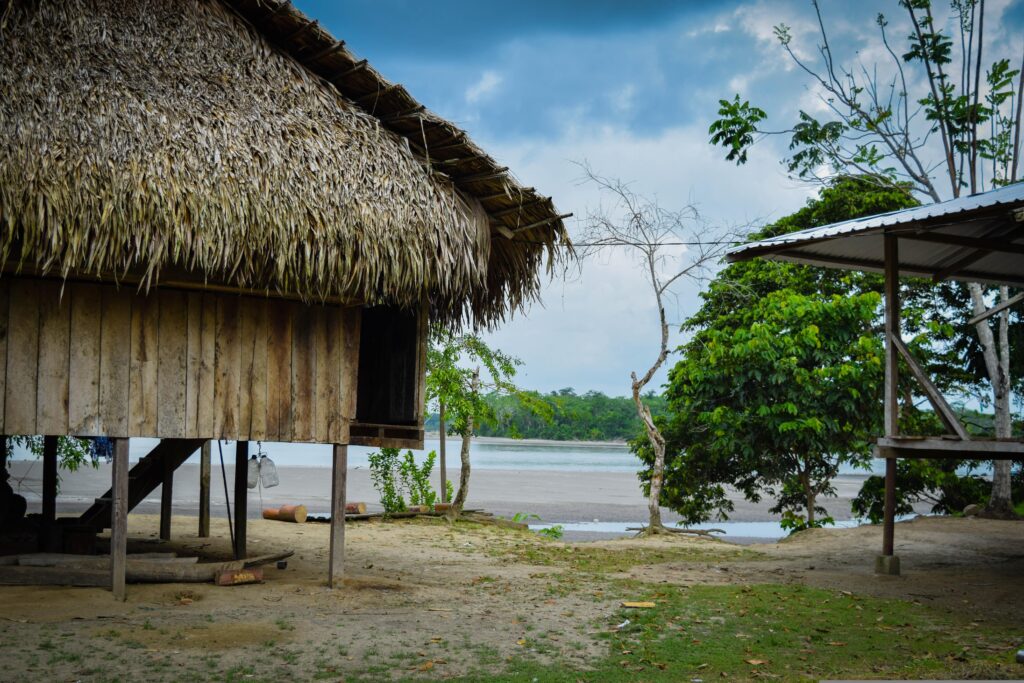
Situated deep within the primary rainforest along the winding waters of the Tiputini River, Mandari Panga Camp offers an unparalleled compromise between rustic vulnerability and thoughtful comfort. This is not a conventional clearing to pitch a tent; instead, it consists of eight spacious, safari-style canvas tents pitched securely atop large, sheltered wooden platforms. Built using traditional ancestral techniques and sustainable local timber, these structures keep campers elevated well above the damp forest floor whilst ensuring completely unobstructed access to the sights and sounds of the jungle.
The camp is privately administered by a dedicated local couple in direct partnership with the Mandari Panga Kichwa community. Profits generated from stays are channelled directly into community health and education initiatives, providing a powerful economic alternative to industrial oil exploitation in the region. Facilities are intentionally low-impact but highly functional: guests have access to clean, ecological dry toilets, shared shower structures, and a beautiful two-level traditional thatch common area where meals are prepared using family-grown Amazonian ingredients.
Four of the elevated platforms offer direct views of the Tiputini River, whilst the remaining four face the smaller Yutzuyacu River. Without the barrier of concrete walls or glass windows, the evening transition from dusk to deep jungle night is nothing short of spectacular. As the sun sets, the air fills with the calls of night monkeys and tree frogs, creating a natural lullaby that allows you to drift off effortlessly.
2. Añangu Guardianía Campsite
For the fiercely autonomous traveller who prefers a completely stripped-back wilderness experience, the official public camping platforms near the Añangu ranger station offer the ultimate base. Located on the northern fringe of the national park along the banks of the mighty Río Napo, the Añangu Guardianía Campsite is managed in cooperation with the Ministry of Environment and the Kichwa Añangu community.
The facilities here are intentionally basic, catering strictly to self-sufficient travellers who carry their own tents, sleeping mats, and filtration gear. The site features a collection of covered wooden platforms designed to shield your shelter from the heavy equatorial deluges that can arrive without warning. Simple sanitary facilities and basic showers are available on-site, drawing water from locally managed sources.
What makes the Añangu Guardianía site stand out is its proximity to the community-led conservation zones. From this base, independent travellers can coordinate directly with local guides to navigate the blackwater Añangu Lagoon or visit the Kuri Muyo Interpretation Centre at their own pace. There are no loud tour groups or rigid timetables here. After a long day spent tracking hoatzin birds and caimans from a traditional paddle canoe, returning to your own tent in the quiet custody of the park guards ensures a profoundly peaceful night.
The Ecuadorian Amazon.
The most biodiverse place in the world
3. Keweriono Waorani Community Camp
To venture south towards the interior river networks of the park is to enter the ancestral territory of the Waorani nation. The Keweriono community camp represents an extraordinary opportunity for cultural immersion and wild camping far removed from the standard tourist trail. This independent initiative allows travellers to stay within a rustic, community-run campsite managed entirely by Waorani families.
Accommodation consists of durable canvas tents pitched under large, communal thatch structures that protect against the elements. There are no modern luxuries here; bathing takes place in the crystal-clear waters of the nearby river, and meals are cooked over open wood fires using traditional ingredients like manioc and fresh river fish. This camp is specifically designed for intrepid individuals who wish to gain deep knowledge of the forest through the eyes of its original protectors.
Staying at Keweriono means adapting to the natural clock of the Amazon. Days are spent learning about ancient ethnobotany, tracking wildlife along minimal footpaths, or simply sitting with community elders away from the noise of modern life. The sheer absence of artificial light or mechanical noise makes the nighttime environment incredibly serene. Cocooned in your tent beneath a sky brilliant with stars, the gentle rustle of the canopy provides the perfect environment to rest deeply and sleep well.
The Ecuadorian Sierra.
Get lost in the hills
4. Wao Eco Glamp
Positioned as an eco-conscious bridge between primitive camping and subtle comfort, the Wao Eco Glamp offers an innovative approach to low-impact tourism deep within the biosphere reserve. This destination utilises large, raised canvas safari tents equipped with comfortable bedding and private, eco-friendly composting facilities, making it an excellent choice for independent travellers who want to experience the raw wilderness without sacrificing a restful night of sleep.
The entire philosophy of the site revolves around minimising the human footprint on this fragile ecosystem. Electricity is strictly limited, generated via small solar arrays, and water consumption is carefully managed to protect nearby pristine streams. The camp avoids the feel of an exclusive resort by integrating local indigenous guides into every aspect of its operations, ensuring that the knowledge shared with visitors is authentic, respectful, and locally owned.
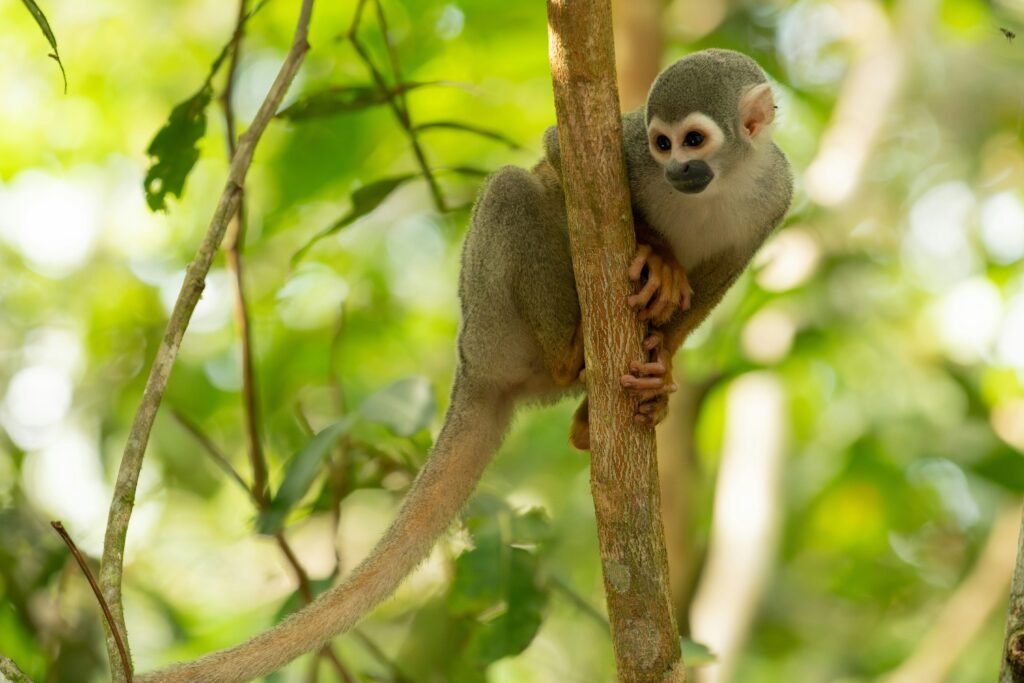
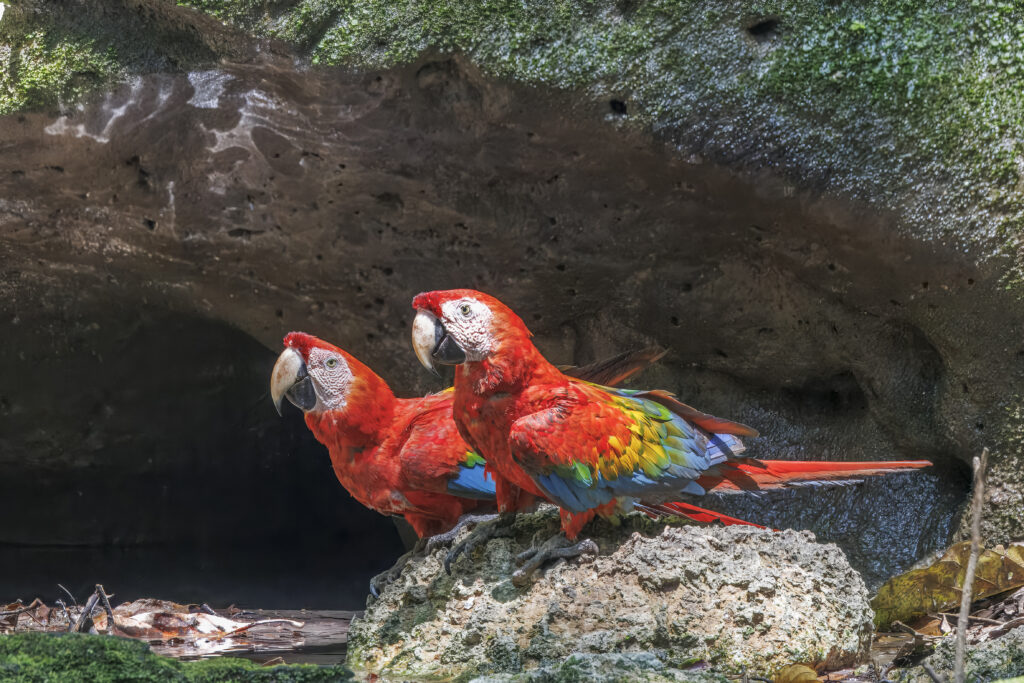
The surrounding forest is alive with activity, home to multiple monkey species, toucans, and scarlet macaws. Because the structures are canvas rather than solid timber or brick, the boundary between the indoors and the outdoors evaporates. You fall asleep to the symphony of the rainforest, fully protected from the elements but entirely connected to the wild rhythm of Yasuní.
5. Yarina Ecological Reserve Platforms
Though located just on the northern periphery of the formal national park boundaries along the Napo River corridor, the camping platforms within the Yarina Ecological Reserve serve as an exceptional gateway for slow-travel enthusiasts. This site is particularly well-suited for independent travellers arriving from the regional hub of Puerto Francisco de Orellana, known locally as Coca, who wish to acclimate to the jungle before pushing deeper into the park.
The reserve offers covered, open-air thatch platforms where independent adventurers can pitch their own tents. This setup provides excellent ventilation—a crucial factor in the humid Amazonian climate—while ensuring you remain completely dry during overnight storms. A communal dining area serves wholesome, traditional meals, including maito, a local dish of river fish seasoned and wrapped carefully in bijao leaves before being grilled over hot embers.
The Yarina platforms are highly regarded by independent birdwatchers and wildlife photographers who appreciate the freedom to explore the surrounding secondary and primary forest trails without being tethered to a large group. The gentle, rhythmic lapping of the Napo River against the banks creates a soothing background hum that guarantees a restorative evening in the heart of the wilderness.
The Galápagos.
Ecuador’s Enchanted Isles
The independent traveller’s blueprint for Yasuní
Navigating an environment as complex and wild as Yasuní National Park requires careful preparation and an independent spirit. Because this is a highly protected ecosystem containing indigenous communities living in voluntary isolation, respect for regulations and local autonomy is paramount.
Practical logistics and getting to Yasuní
Your journey will begin in the town of Puerto Francisco de Orellana (Coca), which can be reached via public buses from Quito or Tena. From the river port in Coca, independent travel requires coordinating with local motorised canoe operators who run public transport down the Río Napo. Always give yourself ample time to negotiate fares and confirm departure schedules with local boatmen, as river travel depends heavily on water levels and weather conditions.
Health and essential gear
- Vaccinations: A yellow fever vaccination certificate is required for entry into the Orellana province and the national park. Ensure your routine immunisations are up to date before departure
- Shelter and Bedding: If utilising the primitive platforms, a high-quality tent with a durable rainfly and a fine-mesh insect net is non-negotiable. A lightweight synthetic sleeping bag or a simple silk liner is ideal for the humid tropical nights
- Water Filtration: Bring a reliable gravity filter or purification tablets to ensure a steady supply of safe drinking water without relying on single-use plastic bottles
- Footwear: Sturdy, waterproof hiking boots are essential, though many community camps will provide tall rubber boots for navigating the deep mud of the forest trails
The Ecuadorian Coast.
Where you’ll find the very best food
Embodying the art of slow travel
Read this far?
Wilderness camping in Yasuní National Park is far more than a budget accommodation choice; it is a conscious decision to participate in the preservation of one of the earth’s final frontiers. By choosing independent, community-backed camp spaces, you reject the fast-paced, high-consumption model of mass tourism. You allow yourself the luxury of time—time to listen to the rain, time to learn from Kichwa and Waorani hosts, and time to truly appreciate the intricate balance of the rainforest.
When the campfire embers fade and you retreat inside your canvas shelter, the true value of this independent path becomes clear. Surrounded by hundreds of kilometres of untouched wilderness, protected by sustainable structures built by local hands, you can close your eyes and sleep well, knowing your journey leaves the forest exactly as you found it.
Affiliate Disclaimer: Some of the links on Wheely Tyred are affiliate links. If you click through and make a booking or purchase, we may earn a small commission at no extra cost to you. We only recommend gear, tours, stays, and services we genuinely use, trust, and stand behind — our editorial independence always comes first. These commissions help keep our independent cycling guides and travel stories free to read. You can also buy me a coffee here — thanks for supporting the ride!
Frequently asked questions about the best places to camp in Yasuní
The journey begins with a public bus from Quito or Tena to the regional transport hub of Puerto Francisco de Orellana, known locally as Coca. From the town’s river port, you must coordinate directly with local boatmen who operate motorised canoes down the Río Napo. It is wise to allow ample time for these negotiations, as river travel depends entirely on seasonal water levels and sudden weather fluctuations.
Independent travellers must possess a valid yellow fever vaccination certificate to enter the Orellana province and the national park boundaries. Because medical facilities are non-existent deep within the primary forest, ensuring your routine immunisations are fully up to date before leaving home is a mandatory prerequisite for a safe trip.
Meals prepared by Kichwa and Waorani hosts rely on hyper-local, sustainably gathered ingredients. You will frequently be served staple crops like manioc (cassava) and fresh river fish. A notable regional delicacy is maito—river fish seasoned with local herbs, wrapped carefully in bijao leaves, and slowly grilled over hot embers.
If you are utilising the primitive platforms at sites like Añangu or Yarina, you must be entirely self-sufficient. A high-quality tent with a durable rainfly and a fine-mesh insect net is non-negotiable due to heavy equatorial downpours and dense insect life. You will also need a lightweight synthetic sleeping bag or silk liner and a gravity water filter. However, most community-led camps will provide tall rubber boots, which are essential for navigating the deep mud of the jungle trails.
Campsites such as Mandari Panga and Keweriono are managed entirely by indigenous Kichwa and Waorani families. The revenue generated bypasses external corporate operators, flowing directly into community education, healthcare, and territorial defence. This collective economic autonomy provides a vital financial alternative to logging and oil extraction in the area.
Ecuador.
Pure wonder on the equator.