When to visit Ecuador / The ultimate guide to the land of eternal spring
Monthly weather guide and seasonal highlights
Find your perfect moment in South America’s diverse heart
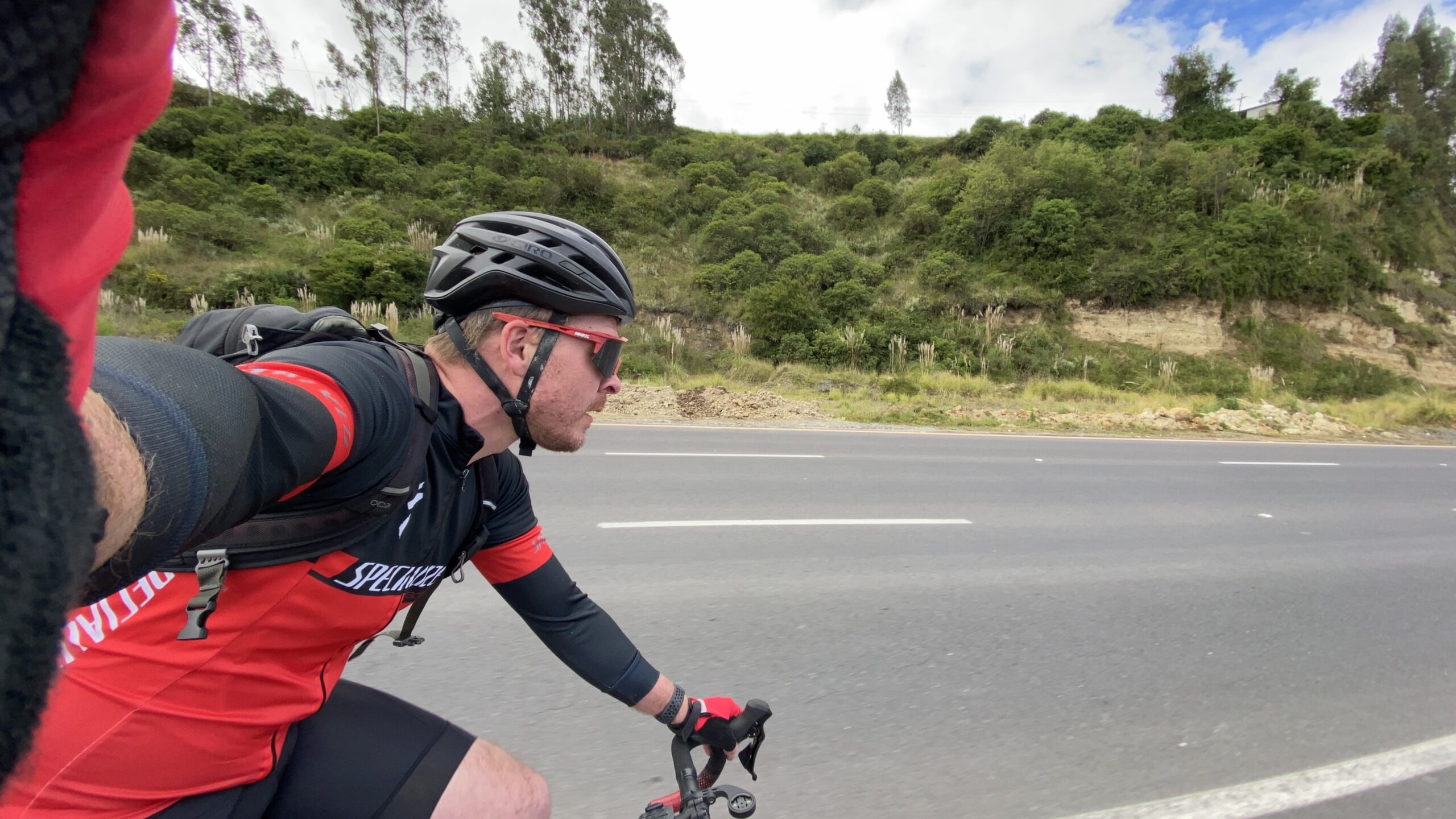
BEN FINCH
Ecuador is a country that defies the traditional logic of four seasons. Perched directly on the equator, this South American gem does not experience the dramatic shifts between summer and winter that many travellers are accustomed to in the Northern or Southern Hemispheres. Instead, the question of when to visit is answered by geography and altitude. Whether you are seeking the misty cloud forests, the sun-drenched Pacific beaches, or the volcanic spines of the Andes, timing your trip requires an understanding of the regional rhythms that make this country so unique.
At Wheely Tyred, we believe that any month can be the perfect month for an Ecuadorian adventure, provided your itinerary aligns with the local atmosphere. This guide breaks down the nuances of the Ecuadorian calendar to help you plan a journey that feels effortless.
The Andean spine and equatorial rhythms
Navigating Ecuador is less about the date on the calendar and more about the altitude of your boots or tyres. It is a land where you can experience four seasons in a single day, provided you understand the regional nuances of the equatorial sun.
- The High Sierra: Between June and September, the Andean peaks offer the clearest skies and most stable conditions for those traversing the Avenue of Volcanoes on foot or by bike
- Coastal Paradox: From December to May, the Pacific coast enjoys its sunniest weather despite being the official wet season—the ideal window for those seeking warm waters and bright mornings
- Marine Spectacles: Time your coastal visit between June and October to witness humpback whales, or visit the Galápagos from June to November for the most active birdlife and marine transitions
- Amazonian Navigation: The high-water months of March to July allow for deeper exploration by boat into the flooded forest canopy, bringing you eye-to-eye with the rainforest’s elusive residents
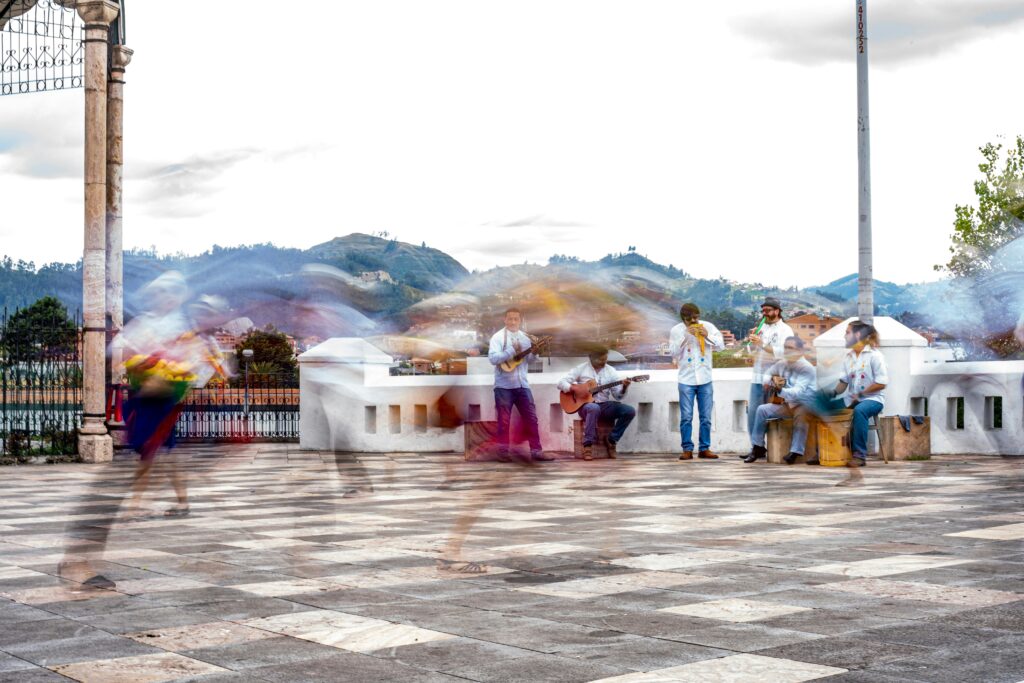
- Cultural Rhythms: Align your journey with early November for Day of the Dead or February for Carnival to see the country’s deep-rooted traditions and vibrant community spirit first-hand
- The Layering Rule: Regardless of the month, the Eternal Spring requires a versatile wardrobe; Andean nights often drop to a crisp 7°C immediately after the sun dips below the horizon
- Conscious Footprints: Opting for shoulder seasons like May or October helps ease the pressure on fragile ecosystems, such as retreating glaciers, while providing a more solitary, authentic experience
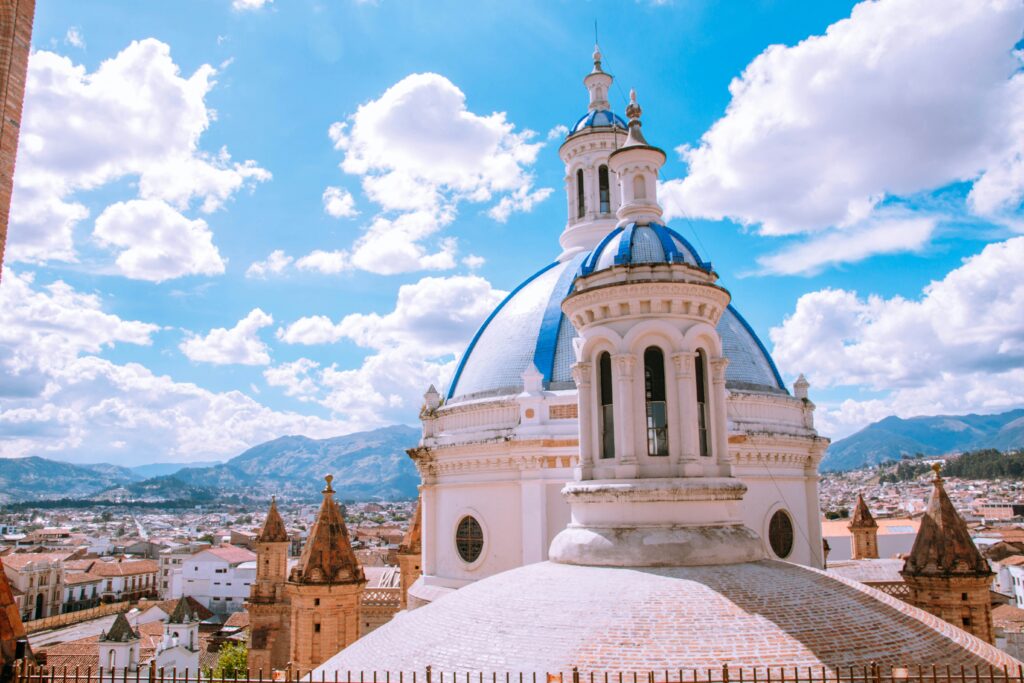
The Sierra / High altitude and blue skies
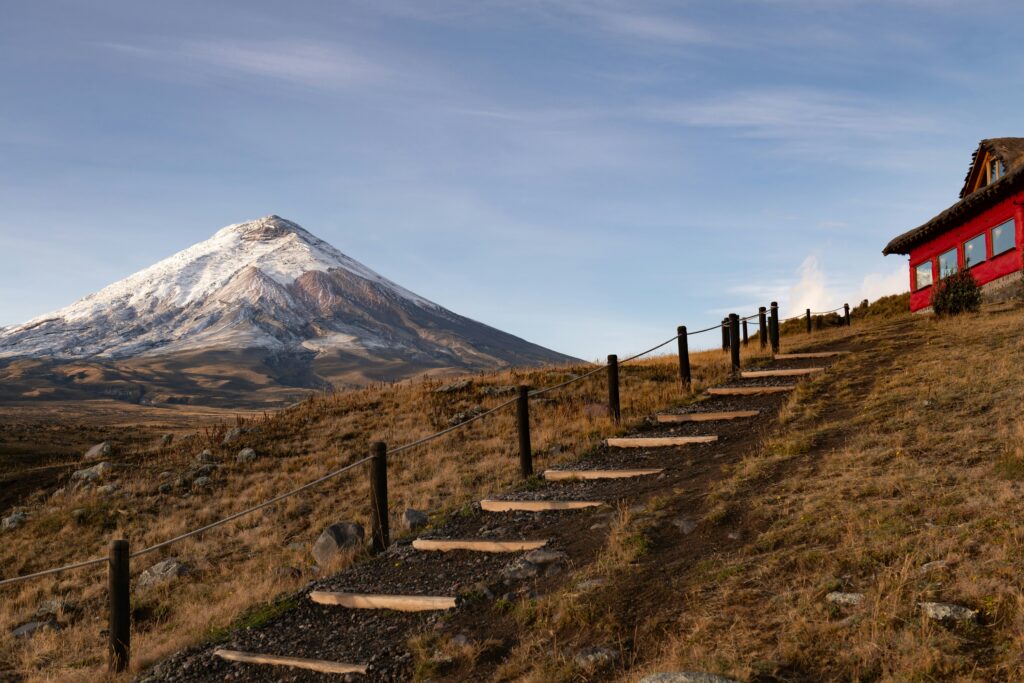
The Andean highlands, or the Sierra, are the cultural and geographical heart of the country. Home to the capital city of Quito and the stunning Avenue of the Volcanoes, this region is a year-round destination, but it does have a distinct dry window.
June to September / The golden window
This is widely considered the best time for those looking to explore the highlands. The rains recede, leaving behind crisp, clear mornings and deep blue skies. For anyone planning to hike near the Cotopaxi volcano or wander through the famous Otavalo market, these months offer the most reliable conditions. The clarity of the air during this period is exceptional, making it the prime time for photography. However, do not be fooled by the equatorial sun; as soon as it sets, the temperature drops rapidly. Heavy jumpers and layers are essential for those cool Andean nights.
October to May / The rainy cycle
During these months, the Sierra sees more frequent rainfall. Usually, the day begins with bright sunshine, followed by a build-up of clouds and a heavy downpour in the mid-afternoon. These showers are often short-lived, leaving the air fresh and the landscape incredibly lush and green. If you prefer fewer crowds and do not mind a bit of afternoon rain, this is a fantastic time to visit. April is particularly beautiful as the wildflowers in the páramo (high-altitude grasslands) come into full bloom.
The Ecuadorian Sierra.
Get lost in the hills
The Pacific Coast / Sun, surf, and seasonal rain
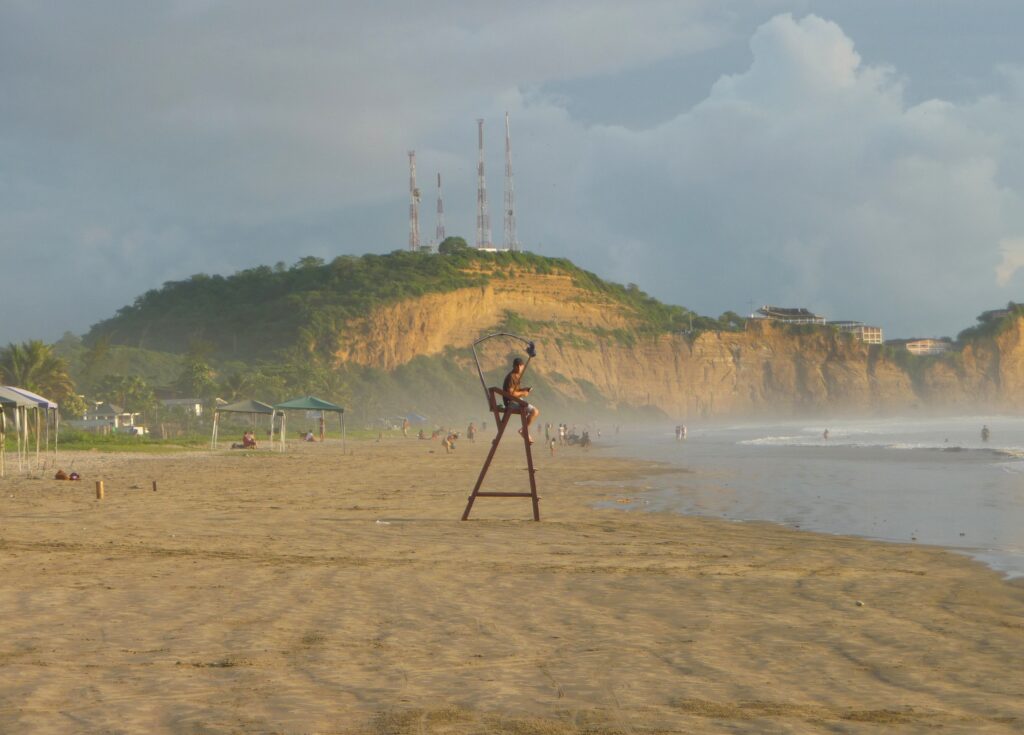
The coastal region of Ecuador follows a different logic entirely. Here, the wet season is actually the time when the sun shines the brightest.
December to May / The sunny wet season
To the uninitiated, the wet season sounds like a time to avoid. On the Ecuadorian coast, however, this is peak beach season. While it does rain, it typically happens in short, powerful bursts overnight or in the late afternoon. The rest of the day is characterised by high temperatures and clear skies. The ocean is at its warmest, making it the ideal time for swimming, surfing, and enjoying the vibrant seaside atmosphere of towns like Canoa or Salinas.
June to November / The cool dry season
As the Humboldt Current moves in from the south, it brings cooler water and a persistent overcast sky known as the garúa. While there is very little rain during this time, the air is cooler and the humidity drops. This is a less popular time for sunbathing, but it is the absolute best time for wildlife enthusiasts. Between June and October, humpback whales migrate to the Ecuadorian coast to breed. Watching these massive creatures breach in the waters near Puerto López is one of the most spectacular natural sights in South America.
The Ecuadorian Coast.
Where you’ll find the very best food
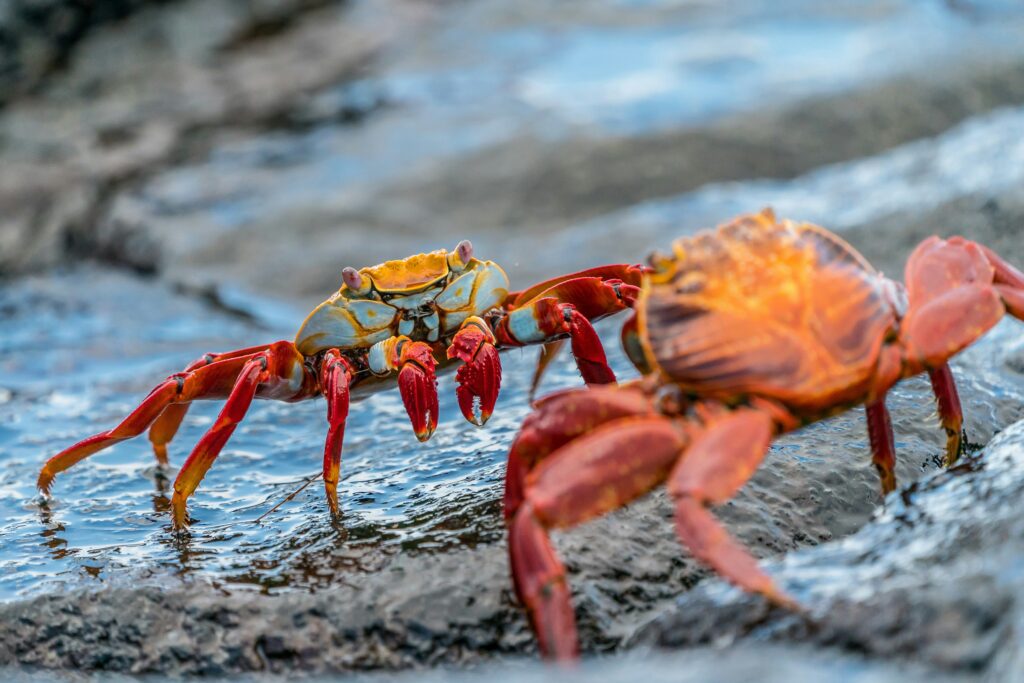
The Galápagos Islands / A tale of two currents
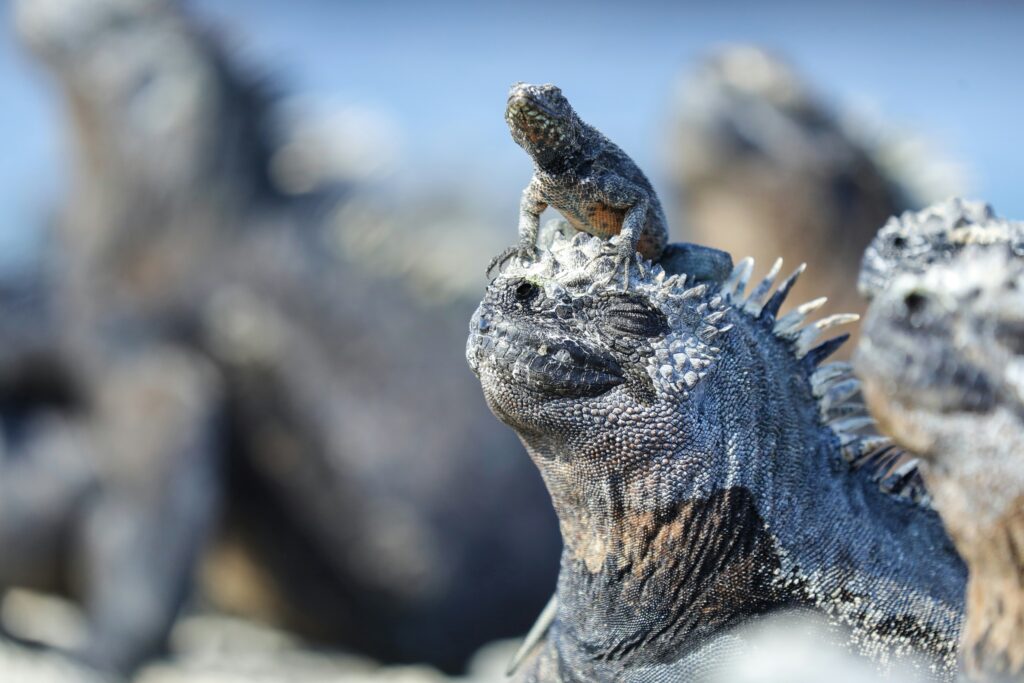
The Galápagos Islands are a bucket-list destination for many, and the best time to visit depends entirely on what you want to see underwater and on land.
December to May / Warm and clear
This is the season of the Panama Current. The water is warm (around 25°C) and exceptionally calm, which is excellent news for those prone to seasickness. This is the best time for snorkelling, as the visibility is at its peak. On land, you will see giant tortoises hatching and land iguanas beginning their nesting cycles. The islands look vibrant and green, though you will encounter occasional tropical rain showers.
June to November / Cool and plentiful
The arrival of the Cromwell and Humboldt currents brings nutrient-rich, cooler waters to the archipelago. While the seas can be a bit choppier and the sky often stays grey, this is the time when marine life is at its most active. Penguins, sea lions, and various seabirds thrive in these cooler temperatures. If you are a keen diver or a birdwatcher looking to see the elaborate courtship dances of the blue-footed booby or the waved albatross, this is your season.
The Galápagos.
Ecuador’s Enchanted Isles
The Amazon / Embracing the rain
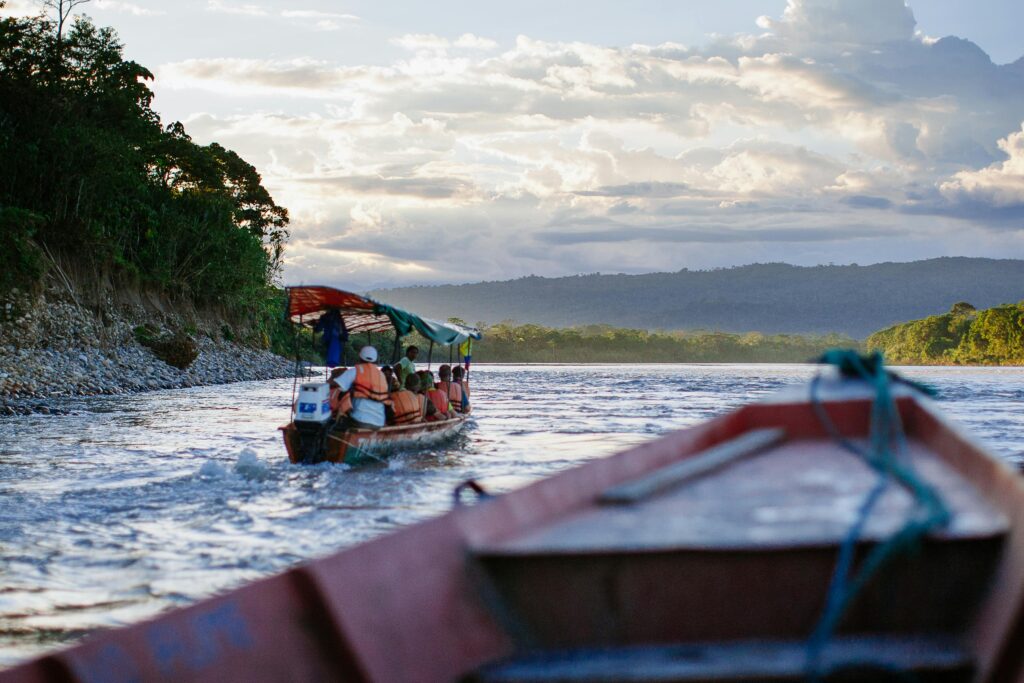
In the Amazon Basin, the concept of a dry season is relative. It is one of the wettest places on Earth, and rain is a fundamental part of the experience.
August to September and December to February
These months are historically slightly drier than the rest of the year. During these windows, the river levels drop, revealing more sandy banks and making it easier to spot caimans and certain bird species. It also means that hiking trails are less muddy, though you should still expect to wear wellies for most excursions.
March to July / The high-water season
This is when the rainforest truly earns its name. The rivers rise significantly, allowing canoes to navigate deep into the flooded forest. This provides a unique perspective, as you can glide through the canopy level of the trees, bringing you closer to monkeys and sloths. While the rain is more frequent, the spectacle of the flooded forest is hauntingly beautiful and well worth the extra dampness.
The Ecuadorian Amazon.
The most biodiverse place in the world
Month-by-month snapshot
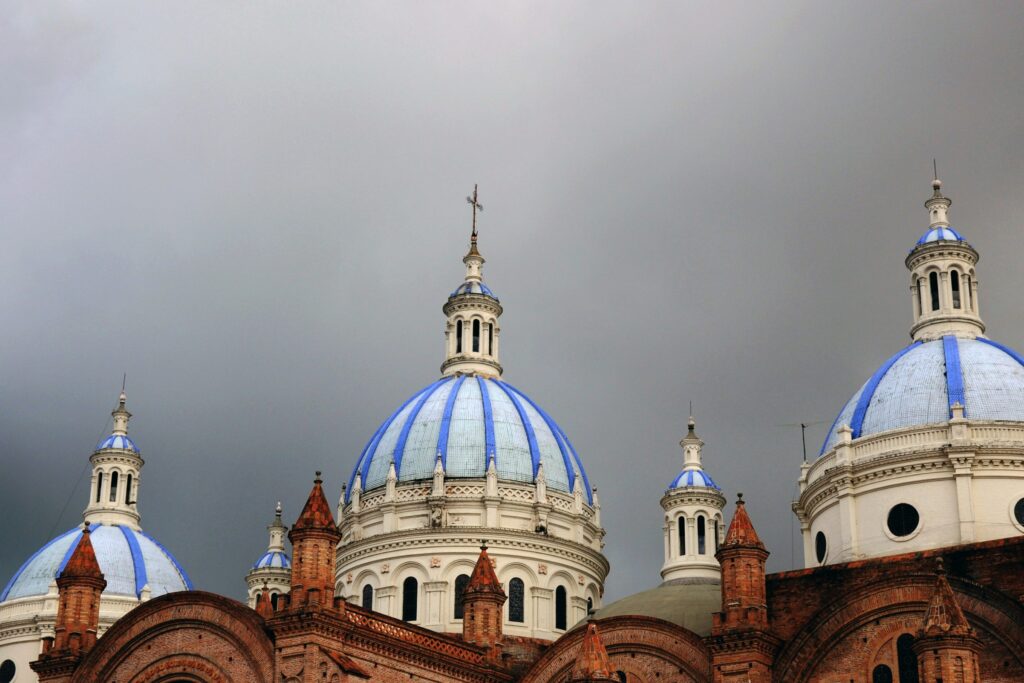
- January: Excellent for the Galápagos and the coast. Warm waters and sunny days
- February: Carnival season. Expect water fights and vibrant parades in the highlands and coastal towns
- March: The peak of the rainy season in the Andes, but the landscapes are at their most verdant
- April: Easter celebrations are huge in Quito. Look for the Jesús del Gran Poder procession
- May: A beautiful shoulder month. The rains begin to taper off in the highlands
- June: The start of the dry season in the Andes. Excellent for trekking and mountain biking
- July: Peak travel season. Great weather across the Sierra and the start of whale watching on the coast
- August: Perfect for climbing the volcanic peaks. The Amazon is slightly drier
- September: The last month of the Andean dry season. Clear skies continue
- October: Transition month. A great time to visit for those seeking lower prices and fewer tourists
- November: Day of the Dead (2 November). A deeply cultural time to visit highland cemeteries and try colada morada
- December: The coast begins to warm up. Festive celebrations make Quito feel magical
Travel with a conscious eye
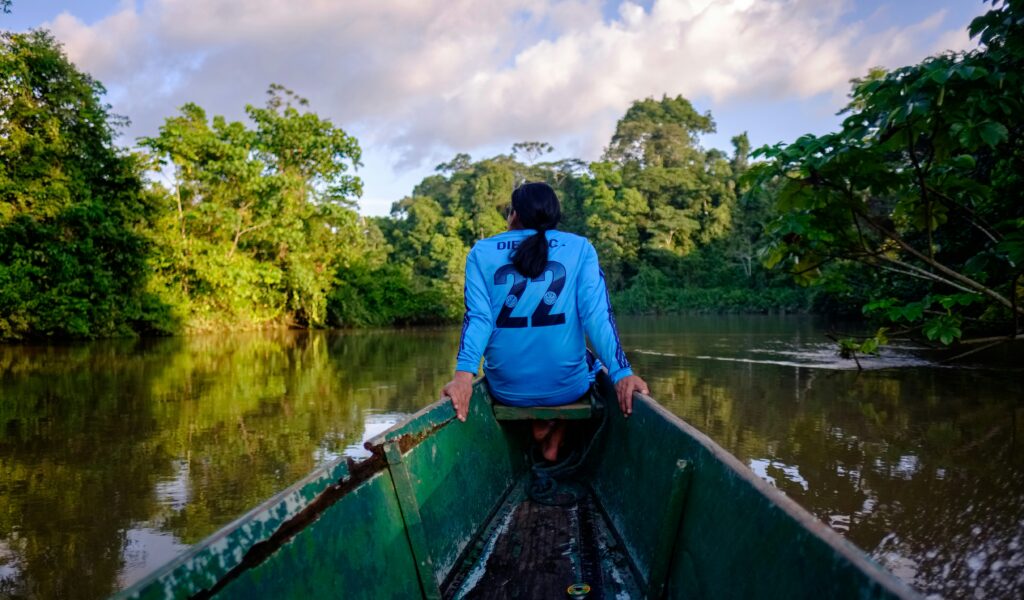
As we look to the future, it is important to acknowledge that weather patterns are becoming less predictable. At Wheely Tyred, we encourage travellers to remain flexible. The retreating glaciers in the Andes and the shifting rainfall in the Amazon are reminders of the fragility of these ecosystems. Choosing to travel during the shoulder seasons—April to May or October to November—not only helps reduce the pressure on local infrastructure but often provides a more intimate and authentic connection with the local culture.
Ecuador is a country of infinite variety. Whether you find yourself standing on the equator line in the middle of a July afternoon or watching the mist roll over a cloud forest in January, the experience is bound to be unforgettable.
Affiliate Disclaimer: Some of the links on Wheely Tyred are affiliate links. If you click through and make a booking or purchase, we may earn a small commission at no extra cost to you. We only recommend gear, tours, stays, and services we genuinely use, trust, and stand behind — our editorial independence always comes first. These commissions help keep our independent cycling guides and travel stories free to read. Thanks for supporting the ride!
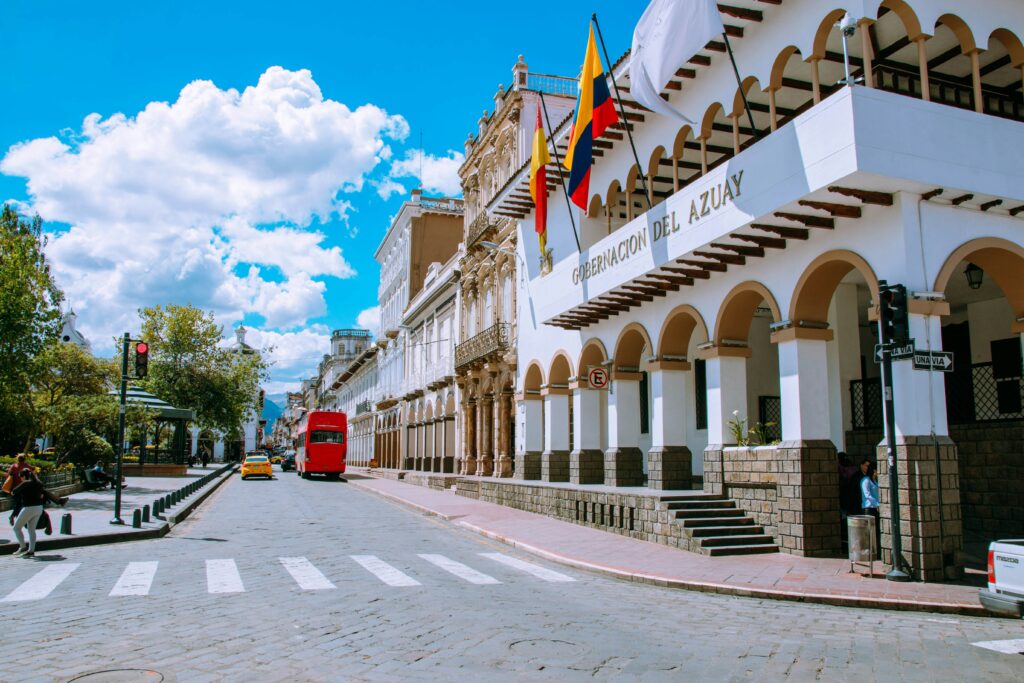
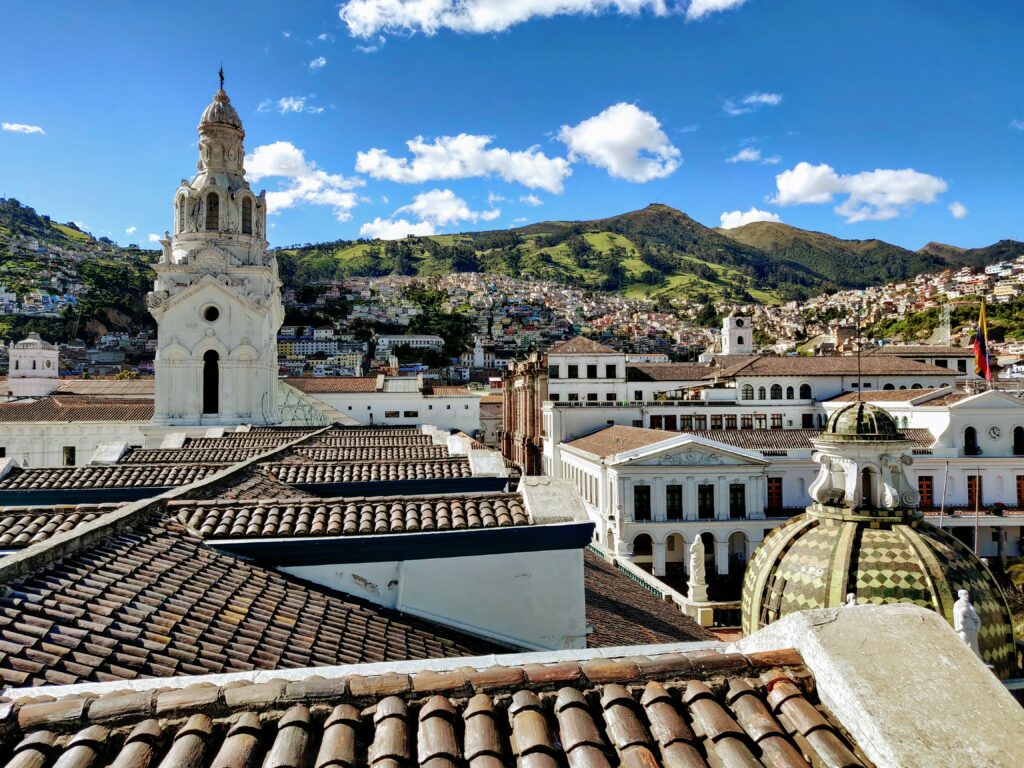
Quito.
Explore the Middle of the World
Frequently asked questions about the best time to visit Ecuador
For those prioritising water clarity and warmth, December to May is the optimum window. The Panama Current brings calm, clear seas reaching around 25°C, making it significantly more comfortable for extended periods in the water compared to the cooler, choppier months later in the year.
Not at all. Paradoxically, the coastal wet season (December to May) is when you will find the most daily sunshine. Rain typically arrives in short, heavy tropical bursts during the late afternoon or overnight, leaving the mornings bright and the temperatures high.
Between March and July, the rising rivers allow for much deeper navigation into the rainforest via canoe. This flooded forest phase is spectacular for wildlife spotting, as it allows travellers to glide through the canopy level, though traditional hiking trails will be significantly muddier.
The Sierra is famously stable, often described as having a permanent spring-like climate. However, because of the altitude, the sun is incredibly strong during the day, while temperatures plummet as soon as it sets. Always carry a heavy jumper or a windproof layer, even if the morning starts with clear skies.
From June to November, the coast and the Galápagos experience the garúa—a cool, misty period brought on by the Humboldt Current. While the skies are often overcast and the water is cooler, this nutrient-rich sea life attracts an abundance of marine birds and whales, making it a prime season for naturalists.
The most visible shifts are occurring in the high Andes, where glaciers are retreating at an accelerated pace, and in the Amazon, where rainfall patterns are becoming less predictable. We recommend a flexible itinerary to account for potential infrastructure disruptions caused by more intense El Niño events.
Ecuador.
Pure wonder on the equator.