Unlocking Puyo / Ecuador’s rainforest secrets for independent travellers
Things to do and the best hidden gems in Puyo, Ecuador
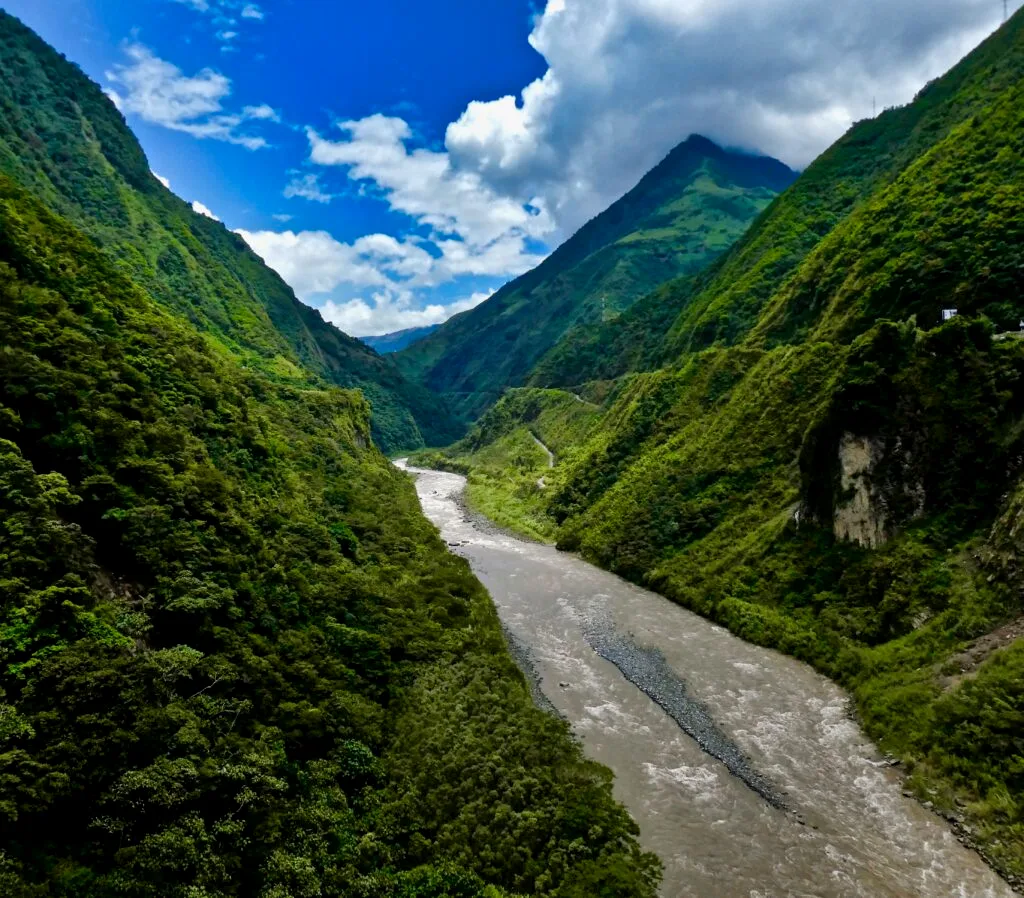
Lose the crowds and find the real Amazon at your own pace
BEN FINCH
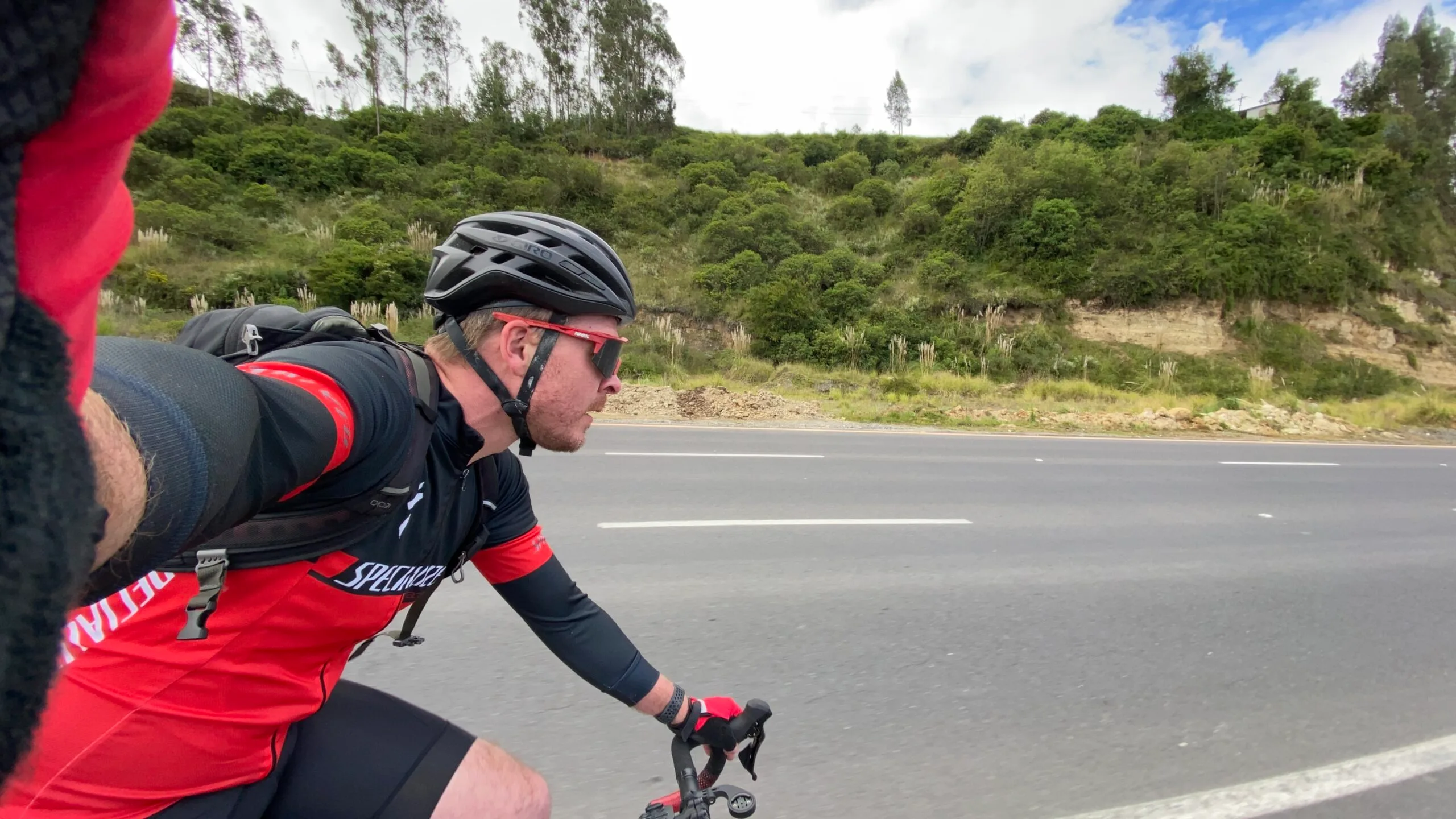
Puyo, the vibrant capital of the Pastaza province, is frequently bypassed by rushed holidaymakers heading straight for heavily orchestrated jungle lodges. But for those who value authentic exploration over ticking off a rigid itinerary, this humid, bustling gateway to the Ecuadorian Amazon holds remarkable and deeply rewarding secrets. Independent travellers—whether arriving by a slow bus winding down from the Andean highlands, navigating the regional transport network, or pedalling into town with fully loaded panniers—will find Puyo to be an unpolished, genuine outpost.
It is a place where you can dive into ethnobotanical gardens, support wildlife rescue centres doing vital conservation work, and seek out quiet riverside trails entirely on your own schedule. You will not find anyone waving a brightly coloured flag to herd you onto a tour bus here. Instead, you are given the freedom to linger, observe, and truly connect with the environment. This comprehensive guide unpacks the most compelling, lesser-known sights of Puyo for the discerning, independent explorer looking to understand the real Ecuador.
The untamed edge of the Amazon
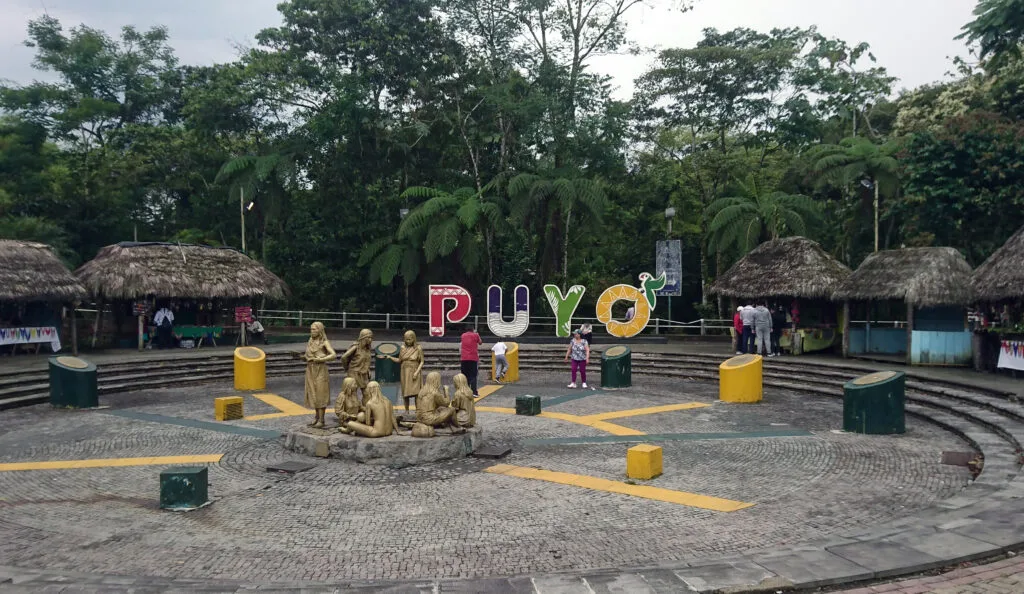
Puyo serves as a raw, authentic entry point to the rainforest for those willing to bypass the orchestrated tourist crowds. It is a hub of grassroots conservation, indigenous ethnobotany, and quiet, riverside exploration.
- Paseo Turístico del Río Puyo: A lush, elevated riverside trail that offers a gentle introduction to the tropical landscape, accessible directly from the town centre
- Parque Etnobotánico Omaere: A sanctuary of ancestral knowledge where visitors learn how Shuar and Waorani cultures utilise native flora for medicine, food, and shelter
- Yanacocha Wildlife Park: An ethical rescue centre dedicated to rehabilitating animals displaced by deforestation, offering a sobering look at local conservation efforts
- Cascada Hola Vida: A powerful waterfall hidden within secondary rainforest, providing a natural swimming pool for a refreshing break from the Amazonian humidity
- Jardín Botánico Las Orquídeas: A lifelong conservation project featuring thousands of native orchid species, highlighting the incredible biodiversity of the Pastaza province
- Cycling the Pastaza: Excellent local routes, including the 9-kilometre ride to the Dique de Fátima swimming hole or the 16-kilometre valley trek towards Mera
Puyo.
The gateway to the Amazon
Paseo Turístico del Río Puyo
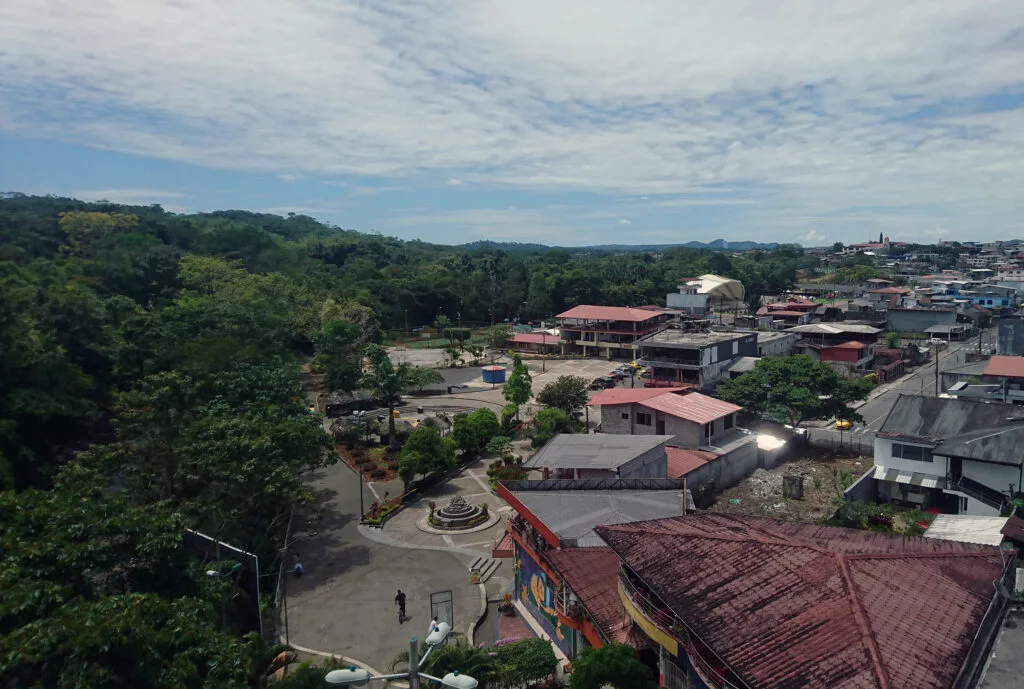
It is remarkably easy to overlook the simple, accessible pleasures of a riverside stroll when you are in pursuit of grand rainforest expeditions. Yet, the Paseo Turístico del Río Puyo offers an immediate, immersive plunge into the local environment right on the very edge of the urban centre.
This elevated, winding pathway hugs the meandering banks of the Puyo River, leading you swiftly away from the rumble of street traffic and straight into a lush, cooling corridor of native flora. Spanning just over two kilometres, the trail is highly popular with local residents taking their evening walks, which gives you a fantastic opportunity to observe the daily, unhurried rhythms of the city.
As you walk, the ambient noise of the town fades, replaced by the rushing water of the river, the calls of native tropical birds, and the rustling of dense green foliage overhead. It serves as the perfect, gentle introduction to the Amazonian climate and ecosystem. You can easily spend a couple of hours walking the length of the pathway, pausing at the small, swinging suspension bridges to take photographs, and appreciating this highly accessible slice of nature that sits directly on Puyo’s doorstep.
The Ecuadorian Amazon.
The most biodiverse place in the world
Parque Etnobotánico Omaere
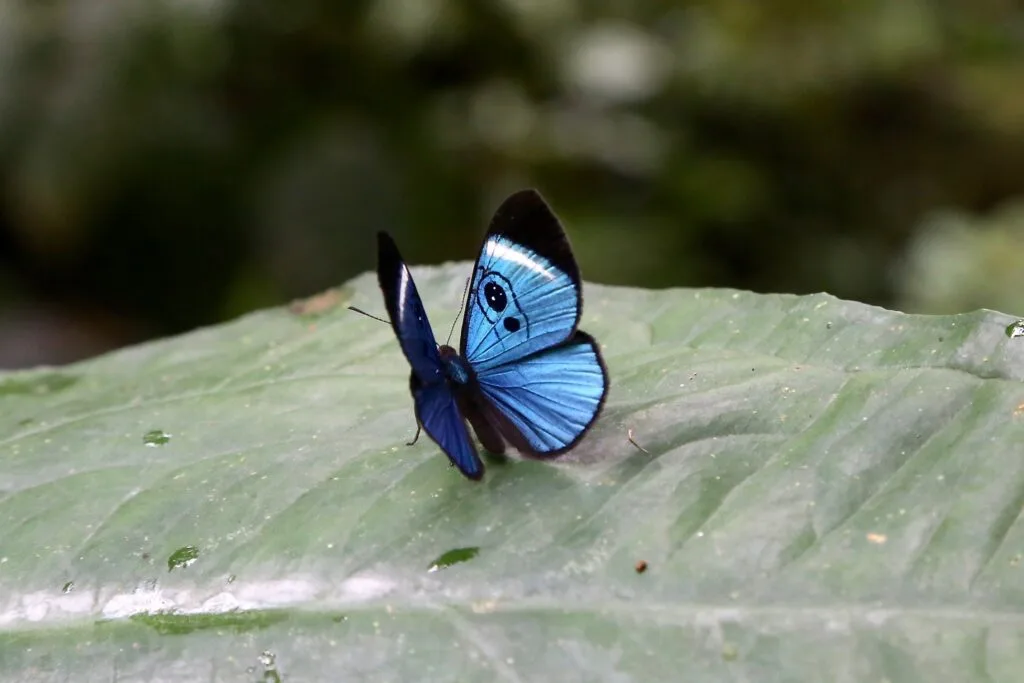
If you truly want to understand the intricate, symbiotic relationship between the Amazonian landscape and the Indigenous cultures that have called it home for millennia, the Parque Etnobotánico Omaere is an absolutely essential visit. Unlike a standard municipal park, Omaere focuses heavily on ethnobotanical connections, detailing exactly how specific plants are utilised for medicine, housing construction, daily food, and deep spirituality by the local Shuar and Waorani communities.
Founded by two local Indigenous women and a dedicated French botanist, the park stands as a living testament to the preservation of both ecological diversity and traditional, ancestral knowledge. As you wander independently through the carefully curated sections of the reserve, you will see towering timber trees, delicate medicinal shrubs, and traditional thatch-roofed dwellings built exactly as they would be deep within the primary forest.
Taking the time to absorb this wealth of knowledge on your own terms provides a profound layer of context to your wider Ecuadorian journey. It shifts your perspective from seeing the jungle as merely a wild, impenetrable expanse to understanding it as a rich, carefully cultivated larder and pharmacy.
The Ecuadorian Sierra.
Get lost in the hills
Yanacocha Wildlife Park
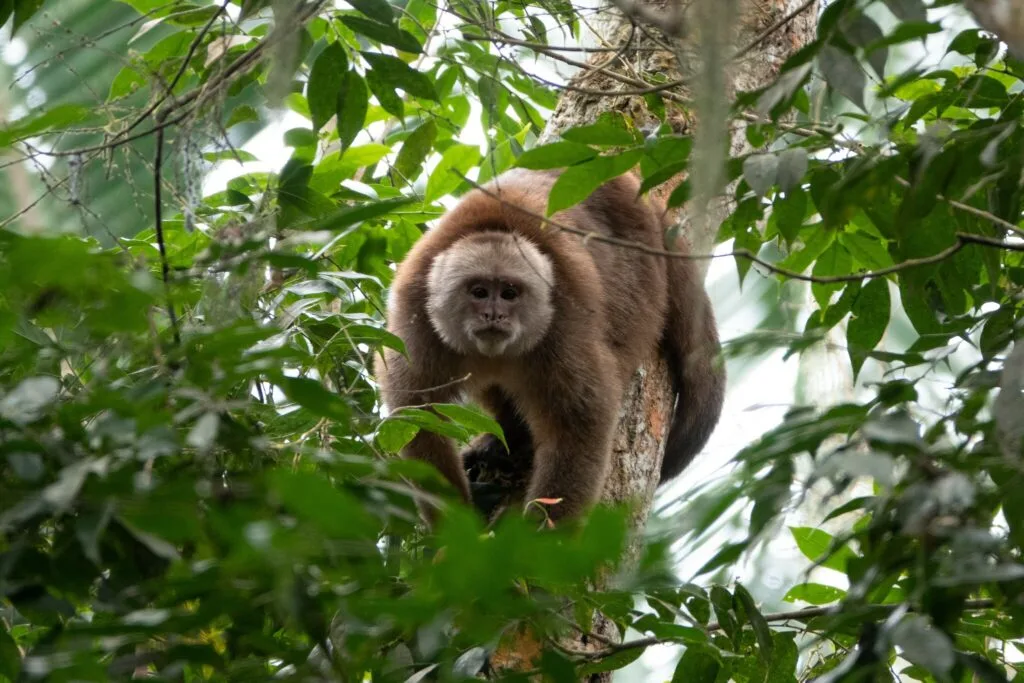
Wildlife tourism can occasionally feel exploitative or overly commercialised, but the Yanacocha Wildlife Park stands firmly as a beacon for ethical, conservation-focused animal care. Originally established to rescue vulnerable animals that were trafficked in the illegal pet trade or tragically displaced by ongoing deforestation, this centre provides a permanent, safe sanctuary for creatures that simply cannot be released back into the wild.
As an independent traveller, paying the entrance fee to visit Yanacocha allows you to directly and meaningfully support a crucial grassroots conservation initiative. The spacious enclosures are spread out thoughtfully across a dense, forested reserve, giving the resident ocelots, tapirs, caimans, and countless primate species as natural an environment as is feasibly possible. The volunteers and permanent staff are deeply knowledgeable and fiercely dedicated to the well-being of their charges.
Taking your time here, observing the animals quietly, and reading about their individual rescue stories offers a sobering but ultimately inspiring look at the harsh realities of wildlife conservation in the Pastaza region. It is a far cry from the staged photo opportunities found in heavily tourist-saturated areas, offering instead a deeply educational and humbling experience that stays with you long after you leave.
Cascada Hola Vida
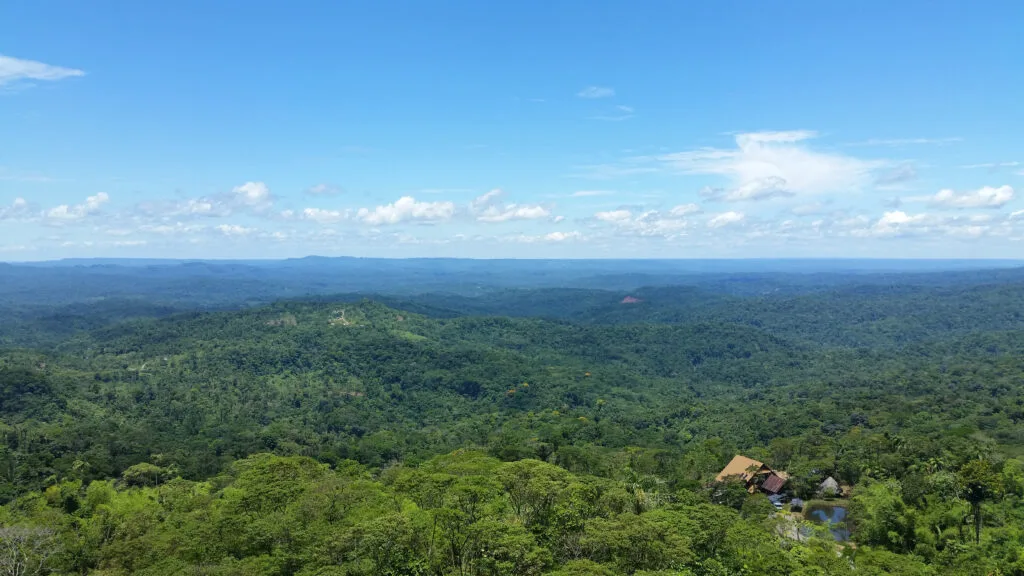
A journey to the Amazon basin naturally demands a spectacular waterfall encounter, and the Cascada Hola Vida delivers this with refreshing, unbridled force. Located a short, scenic journey outside the main urban centre of Puyo, reaching the waterfall requires a highly manageable but incredibly rewarding trek through vibrant secondary rainforest. The walk itself is a complete sensory delight.
You will notice the air growing noticeably cooler and heavier with mist as you approach, and the thundering sound of crashing water builds steadily through the thick canopy of trees. When you finally arrive, the dense green clearing opens up to reveal a stunning cascade plunging forcefully into a wide, natural swimming pool. It is highly recommended to pack your swimwear, as taking a dip in the brisk, clean water is an invigorating reward after the humid, sticky hike.
Because it is slightly removed from the immediate town centre, it largely avoids the worst of the passing day-tripper crowds. You can sit quietly on the smooth, water-worn river rocks, take in the vastness of the surrounding canopy, and enjoy the raw power of the Ecuadorian landscape in relative peace.
The Galápagos.
Ecuador’s Enchanted Isles
Jardín Botánico Las Orquídeas
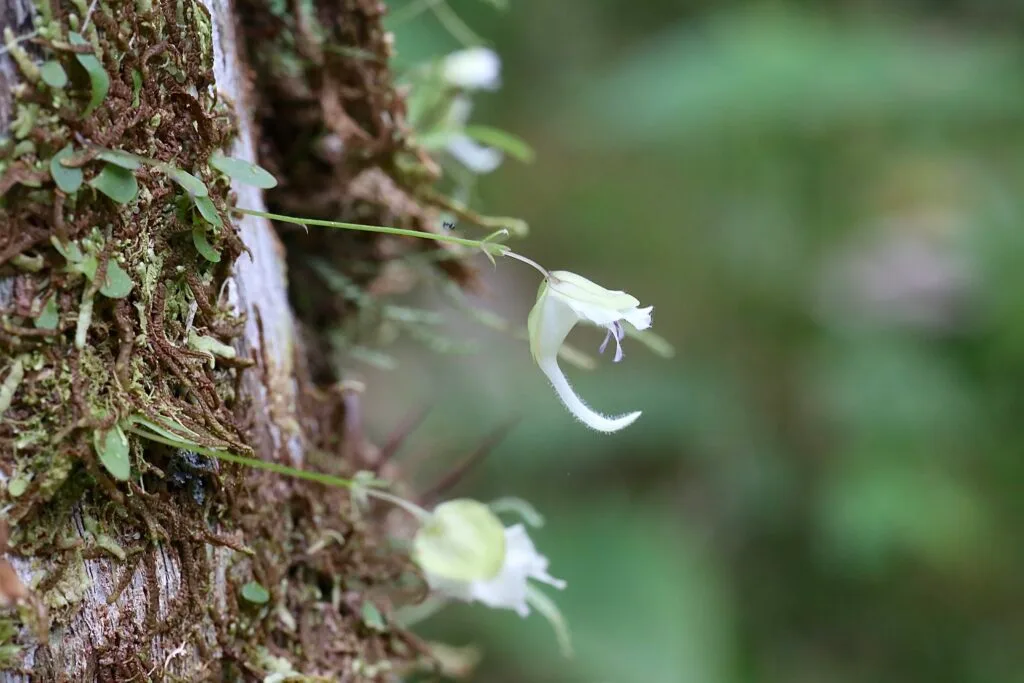
Orchids are undoubtedly the delicate, highly complex jewels of the rainforest ecosystem, and there is perhaps no better place to appreciate their staggering variety than the Jardín Botánico Las Orquídeas. This privately owned botanical garden is the magnificent life’s work of a passionate local conservationist who has spent several decades rescuing native orchids from surrounding areas slated for logging and aggressive agricultural clearance.
The resulting collection is a concentrated burst of biodiversity that is frankly astonishing to witness. Navigating the quiet, winding dirt paths of the garden, you will find yourself completely surrounded by thousands of unique plant species, ranging from microscopic orchids that practically require a magnifying glass to appreciate, to massive, vibrant blooms that hang heavily from the moss-covered branches of ancient host trees.
The garden naturally serves as a thriving haven for native insects, colourful tree frogs, and darting hummingbirds drawn endlessly to the rich nectar. It is a quiet, highly contemplative space that deeply rewards a slow, observant pace. For those independent minds who travel specifically to learn and observe the finer details, this botanical garden is an absolute masterclass in the fragile micro-ecosystems that make the Amazon basin so globally vital.
Pedalling the Pastaza Province
Read this far?
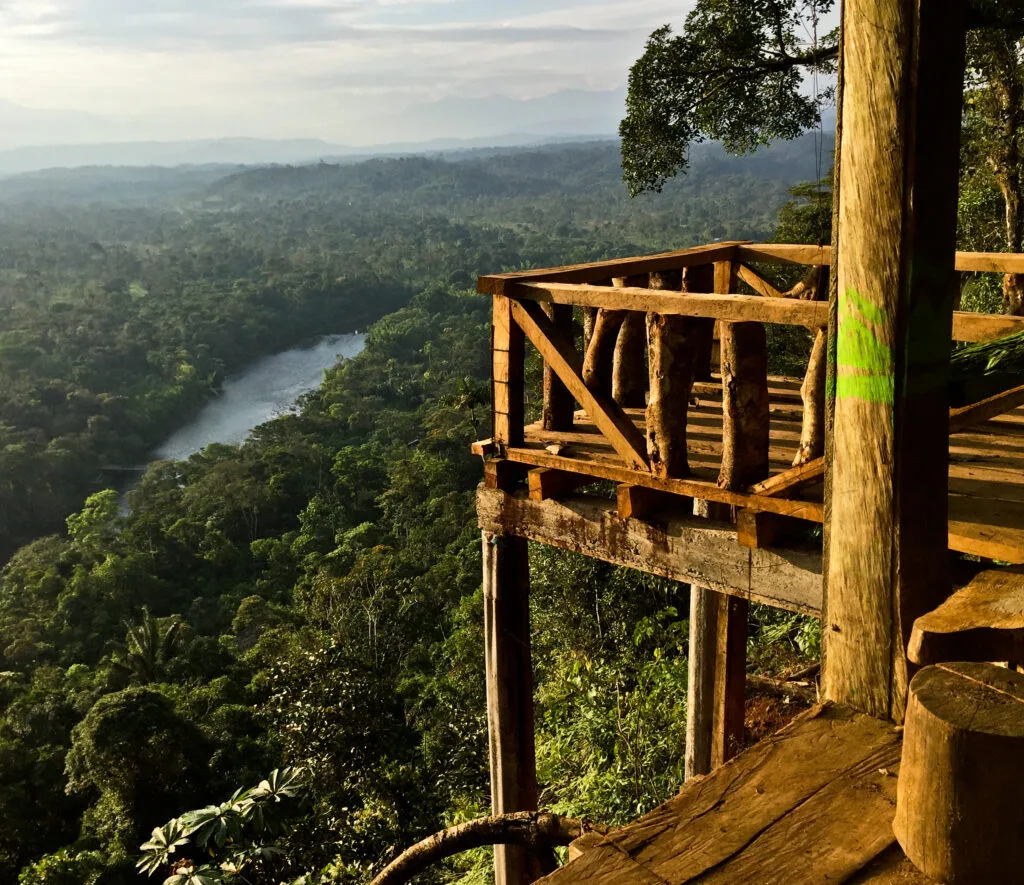
While Puyo itself offers incredible depth on foot, the surrounding Pastaza province truly opens up beautifully when you take to two wheels. Cycling through this specific region allows you to bridge the geographical gap between the towering Andes and the sprawling Amazon at the absolute perfect speed.
For a fantastic local route, aim your handlebars towards the Balneario Dique de Fátima, an excellent, refreshing swimming spot located roughly nine kilometres from the Puyo city centre. The ride out offers smooth, rolling terrain with stunning, uninterrupted views of the encroaching jungle, and the dique itself provides a brilliant, cooling respite after working up a sweat in the humidity.
If you are looking to push your legs slightly further, the charming town of Mera lies approximately sixteen kilometres away. The ride to Mera traces the dramatic route of the Pastaza River, offering challenging but highly rewarding cycling through deep, mist-shrouded valleys. Mera serves as a brilliant local day trip destination in its own right, known for its traditional wooden architecture and providing access to the upper reaches of the Amazonian tributaries.
Whether you are using Puyo as a reliable basecamp to tackle the steep, winding climbs back towards the high-altitude mountains, or as your final launchpad deeper into the dense rainforest, exploring the perimeter by bike gives you an unmatched, ground-level connection to the environment. It is exactly the kind of authentic, self-directed, and physically engaging travel that defines the Wheely Tyred philosophy.
Affiliate Disclaimer: Some of the links on Wheely Tyred are affiliate links. If you click through and make a booking or purchase, we may earn a small commission at no extra cost to you. We only recommend gear, tours, stays, and services we genuinely use, trust, and stand behind — our editorial independence always comes first. These commissions help keep our independent cycling guides and travel stories free to read. You can also buy me a coffee here — thanks for supporting the ride!
The Ecuadorian Coast.
Where you’ll find the very best food
Frequently asked questions about the best hidden gems in Puyo
Yes, the town centre is compact and highly walkable. Many of the key natural attractions, such as the Paseo Turístico and the Omaere park, are located on the immediate outskirts and do not require private transport.
The Cascada Hola Vida is located a short distance from the town. Independent travellers can use local buses or taxis to reach the trailhead, followed by a manageable trek through the forest. It is also a viable destination for those exploring the area by bike.
Yanacocha Wildlife Park is a rescue and rehabilitation centre rather than a zoo. It focuses on animals that cannot be released back into the wild due to injury or the illegal pet trade, and your entrance fee directly supports their care and habitat maintenance.
The Pastaza province is excellent for cycling, offering a transition from the Andean foothills to the Amazon basin. Roads to nearby spots like Mera or Fátima are paved and provide dramatic views of the river valleys, though you should be prepared for high humidity.
The Jardín Botánico Las Orquídeas is a private reserve that rewards a slow, observant pace. Many of the orchid species are incredibly small, so it is best to visit when you have plenty of time to linger and appreciate the micro-details of the ecosystem.
Puyo is consistently humid and receives significant rainfall throughout the year. When hiking to spots like Hola Vida, wear breathable clothing and sturdy footwear, and always carry a waterproof jacket, as tropical downpours can occur without much warning.
Ecuador.
Pure wonder on the equator.