The best coffee in Puyo / A gateway to the Amazonian roast
A guide to the best coffee in Puyo for independent travellers and slow-paced explorers
Where the jungle meets the bean in Ecuador’s humid heart
BEN FINCH
Puyo does not reveal its charms immediately. As the capital of the Pastaza province, it sits at a topographical crossroads where the high Andes begin their dramatic descent into the Amazon basin. For the independent traveller arriving by bus from Baños or preparing for a journey deeper into the rainforest, the city can feel like a humid blur of concrete and clouds. However, beneath the surface of this transit hub lies a burgeoning coffee scene that reflects the grit and richness of the region.
In a country where Nescafé was once the default, Puyo is carving out a space for real, artisanal experiences. This is not about the hurried caffeine fix found in a tour-group canteen; it is about the slow, deliberate appreciation of the bean. For those who travel at their own pace, the following cafés offer more than just a beverage; they provide a window into the local life of the Ecuadorian Oriente.
The Amazon’s caffeinated gateway
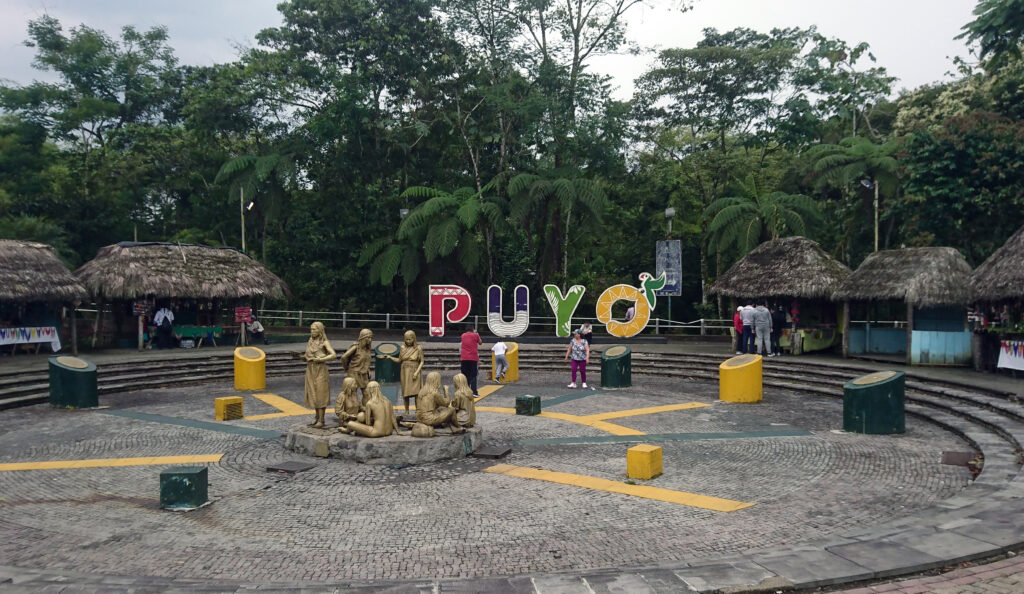
Puyo serves as the humid threshold to the Ecuadorian jungle, where the Andean peaks give way to the vastness of the rainforest. It is a city that rewards the patient traveller with a surprisingly sophisticated coffee culture rooted deeply in the local landscape.
- Mokawa Café: The local gold standard for speciality extraction, focusing on the distinct floral and chocolatey notes of regional beans
- El Jardín: A verdant retreat where the coffee experience is heightened by the lush, meditative garden surroundings near the river
- Café Escobar: A central, vibrant favourite known for its gourmet approach and consistently excellent, bold roasts
- Casabe Cafeteria: A cosy establishment where traditional Ecuadorian hospitality meets a warm, modernist atmosphere
- Wijao: A sensory waypoint integrating Amazonian biodiversity into a coffee experience that celebrates the identity of the Oriente
- Uchumanka: An authentic local gem providing strong, honest roasts and a deep connection to the flavours of the Pastaza province
Puyo.
The gateway to the Amazon
The speciality standard / Mocawa Café
When discussing the evolution of coffee in Puyo, Mocawa Café is the inevitable starting point. Situated away from the loudest traffic hum, it has established itself as the premier destination for those who take their extraction methods seriously. The focus here is squarely on the bean’s provenance.
Ecuadorian coffee is often overshadowed by its neighbours to the north, yet the microclimates surrounding Puyo produce beans with distinct floral and chocolatey profiles. Mocawa treats these local crops with the respect they deserve. The interior is functional and clean, designed for people who want to linger over a V60 or a perfectly pulled espresso. It is the type of place where one might find a local botanist or an independent writer planning their next route. The staff possess a deep knowledge of the roasting process, making it a sanctuary for the discerning palate.
The Ecuadorian Amazon.
The most biodiverse place in the world
Tranquility at El Jardín
While many visit El Jardín for its culinary offerings, the café experience within its garden setting is perhaps Puyo’s best-kept secret for the weary traveller. The independent explorer often seeks out green spaces to escape the noise of urban transit, and El Jardín provides exactly that.
The coffee here is best enjoyed slowly, surrounded by the lush vegetation that defines the edge of the Amazon. The setting encourages a meditative approach to travel—sitting with a book, listening to the birds, and letting the humidity of the jungle settle. The beans are locally sourced, and the preparation is careful, ensuring that the natural notes of the coffee are not lost. It is a reminder that the environment in which one drinks coffee is just as important as the brew itself.
The Ecuadorian Sierra.
Get lost in the hills
Gourmet precision at Café Escobar
In the heart of Puyo, Café Escobar represents the modern, sophisticated side of the city’s culinary growth. It is a place that understands the needs of the modern traveller who requires both a high-quality roast and a space that feels vibrant and connected.
The roasts at Escobar are consistently excellent, leaning towards a bold profile that pairs perfectly with their gourmet food offerings. For those using Puyo as a base for regional exploration, this is an essential stop. It lacks the travel brochure clichés found in more tourist-saturated towns, offering instead a grounded, authentic atmosphere where the quality of the coffee speaks for itself. It is a favourite for locals and independent visitors alike, providing a reliable centre for the city’s social and caffeinated life.
Traditional warmth at Casabe Cafeteria
Casabe Cafeteria is where tradition meets a contemporary sensibility. It is a cosy establishment that prioritises a welcoming atmosphere without sacrificing the quality of its coffee. In the Amazonian gateway, the heat can be oppressive, and Casabe provides a cool, shaded respite that feels like a discovery.
The charm here lies in the hospitality and the unpretentious nature of the service. The coffee is robust and straightforward, often accompanied by local delicacies that offer a true taste of the Pastaza province. For the traveller moving at their own pace, it is an ideal spot to catch up on a journal or study a map. It represents the reliable local friend—unpretentious, welcoming, and consistently good.
The Galápagos.
Ecuador’s Enchanted Isles
Amazonian immersion at Wijao
Wijao is more than a simple café; it is an exploration of the Amazonian identity. By integrating regional ingredients and traditional knowledge into its offerings, it provides a coffee experience that is uniquely tied to the landscape.
For the independent traveller, Wijao offers a sensory education. The coffee is often part of a broader culinary narrative that celebrates the biodiversity of the Oriente. It is a place that rewards the curious explorer who is willing to look beyond the main thoroughfares to find something truly distinctive. The atmosphere is grounded and appreciative of the local history, making it a standout choice for those seeking authenticity.
Authentic local life at Uchumanka
Uchumanka serves as a vital waypoint for those who want to experience Puyo as the locals do. It is an authentic gem that avoids the polish of international chains in favour of something much more meaningful.
The coffee here is deeply reflective of the region—strong, honest, and invigorating. It is the perfect fuel for a day spent walking the local trails or cycling the perimeter of the city. Uchumanka’s commitment to local flavours ensures that every cup tells a story of the soil and the people who tend it. It is a place for the traveller who values depth over artifice.
The Ecuadorian Coast.
Where you’ll find the very best food
Navigating the Puyo coffee scene
Read this far?
Travelling independently through the Ecuadorian Amazon requires a certain level of patience and a willingness to embrace the local rhythm. In Puyo, coffee is the bridge between the high-octane energy of travel and the slow, immersive experience of the jungle.
When visiting these cafés, keep the following in mind:
- The Rain: It will rain. Puyo is one of the wettest cities in Ecuador. Use these cafés as your base when the heavens open
- The Beans: Look for Café de Altura (high-altitude coffee) or locally grown Pastaza robusta blends. The local speciality scene is proud of its regional identity
- The Pace: Do not expect the frantic speed of a London or New York espresso bar. In Puyo, coffee is an invitation to sit and stay a while
Wheely Tyred advocates for the traveller who looks closer. Puyo may be a gateway, but its coffee culture is a destination in its own right. Whether you are prepping your gear for a ride or waiting for the night bus to Coca, these six locations ensure that your time in the city is spent with a world-class cup in hand.
Affiliate Disclaimer: Some of the links on Wheely Tyred are affiliate links. If you click through and make a booking or purchase, we may earn a small commission at no extra cost to you. We only recommend gear, tours, stays, and services we genuinely use, trust, and stand behind — our editorial independence always comes first. These commissions help keep our independent cycling guides and travel stories free to read. You can also buy me a coffee here — thanks for supporting the ride!
Frequently asked questions about the best coffee in Puyo
The city is a major transit hub, well-connected to the national bus network. Most travellers arrive via the scenic route from Baños, a journey of roughly two hours that descends from the mountains to the edge of the basin. The bus terminal is centrally located, making it easy to reach the main café districts on foot or by a short bicycle ride.
Puyo is relatively compact and manageable for those on foot or using a bicycle. While the humidity can be intense, the flat terrain makes cycling a viable option for visiting various neighbourhoods. Local taxis are plentiful and inexpensive for longer stretches or during heavy downpours.
Puyo is one of the wettest cities in Ecuador. Rainfall is frequent and often arrives in heavy, predictable bursts during the mid-morning or afternoon. The local café culture serves as a practical sanctuary; these establishments are the ideal place to wait out a storm while staying dry and caffeinated.
The coffee in Pastaza province benefits from unique microclimates where the Amazonian heat meets the cooler air of the Andes. This results in beans with a complex profile, often featuring rich chocolate undertones and delicate floral aromas. You will frequently find both Arabica and high-quality Robusta blends that reflect the rugged nature of the Oriente.
When browsing local boards, look for the phrase café de altura, which indicates high-altitude beans. You may also see references to café amazónico. If you prefer a manual brew, ask for a V60 or Chemex at speciality spots like Mocawa, though a standard tinto (black coffee) in Puyo is often far superior to the instant varieties found elsewhere in the country.
The city is generally welcoming and safe for independent explorers. As with any transit hub, it is wise to keep an eye on your belongings in the bus station and busy markets. The local culture is laid-back, and the café owners are typically happy to share advice on local trails and safety for those heading deeper into the province.
Ecuador.
Pure wonder on the equator.