Uncovering the history of Tena / The gateway to the Ecuadorian Amazon
A complete history of Tena, Ecuador, for independent travellers
Where ancient legends of resistance meet the untamed beauty of the jungle
BEN FINCH
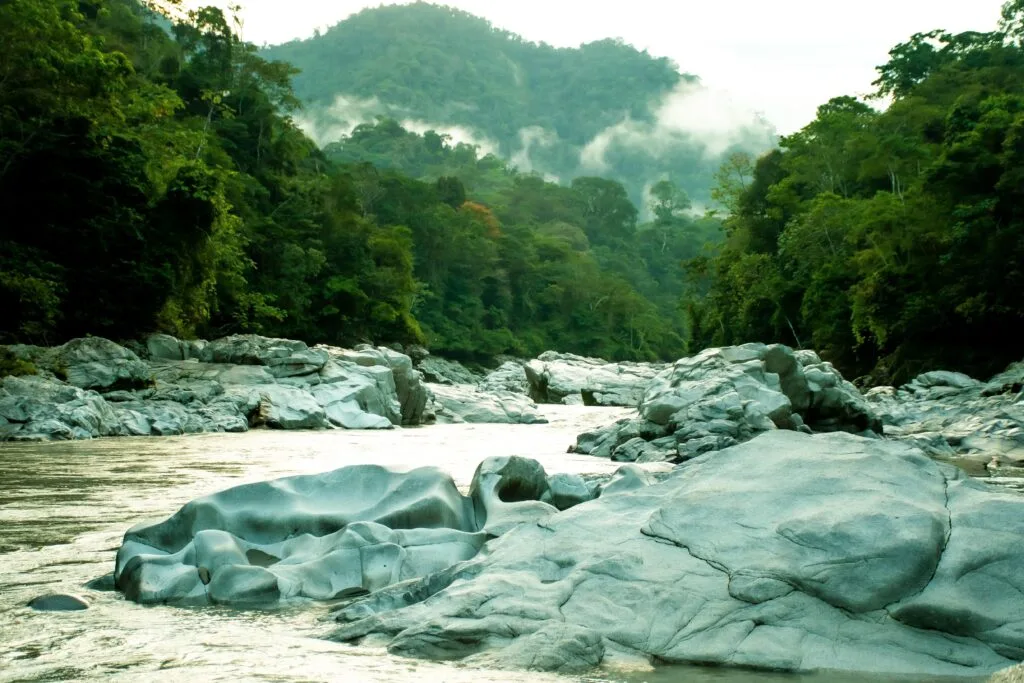
Tucked away in the dense, emerald embrace of the Amazon basin, Tena is a city where history is as palpable as the tropical humidity. For the independent traveller or the cyclist brave enough to descend from the Andes, this vibrant capital of the Napo province offers more than just a staging post for jungle excursions. It is a place built on legends of gold, the pursuit of spices, and a fierce spirit of indigenous resistance.
At Wheely Tyred, we know that understanding the past is the key to unlocking the soul of a destination. When you pedal through the streets of Tena today, passing the confluence of the Tena and Pano rivers, you are tracing the footsteps of intrepid explorers and defiant warriors. This is the story of how an isolated colonial outpost transformed into Ecuador’s adventure capital, all while fiercely preserving its cultural identity.
The emerald spirit of the Amazon
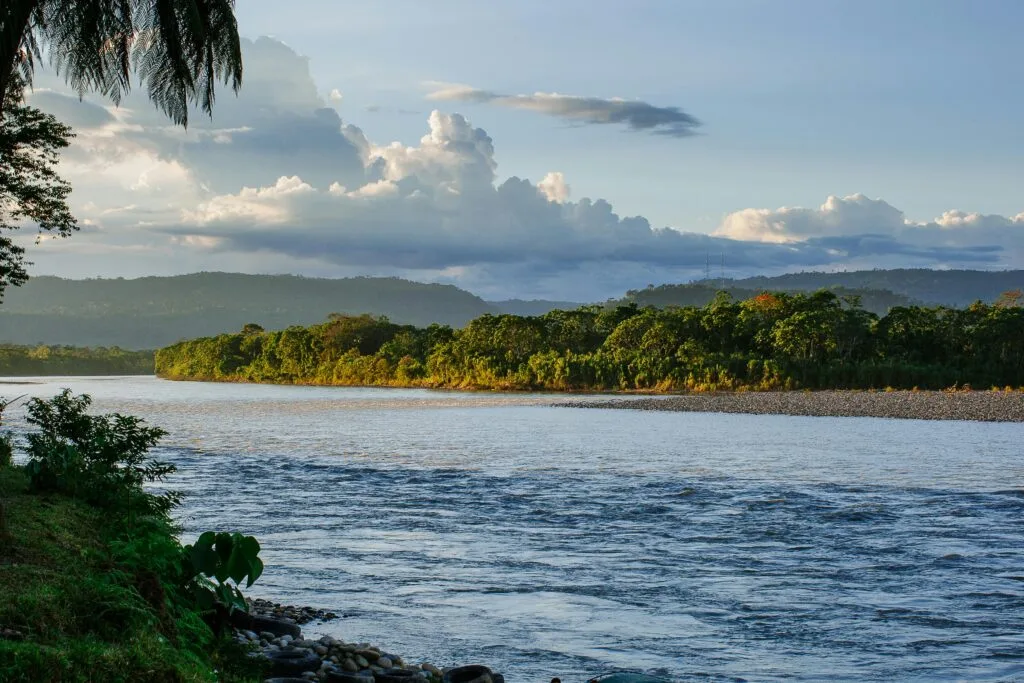
Tena serves as a threshold between the Andean heights and the sprawling rainforest, functioning as a vital gateway to the jungle. It is a city defined by its confluence of rivers and a history of fierce indigenous independence.
- Colonial foundations: Established in 1560 by Spanish explorers, the settlement was originally a frontier outpost driven by the search for the mythical Land of Cinnamon
- Indigenous resistance: The 1578 uprising led by the Quijos leader Jumandy remains a cornerstone of local identity, marking a significant moment of defiance against colonial rule
- The Baeza descent: A legendary cycling route that drops from the high Andes into the humid Amazon basin, providing a physical transition through diverse ecological zones
- Cinnamon and guayusa: Recognised as the cinnamon capital, the region is also the heart of guayusa culture, an ancestral caffeinated tea central to Kichwa morning rituals
- Jumandy Caves: A vast subterranean network that provided sanctuary for indigenous families during historical conflicts and now offers a unique geological exploration
- Kichwa heritage: A vibrant modern culture where the Kichwa language and traditional culinary practices, such as roasting fish in leaves, remain integral to daily life
Tena.
Enter the Amazon
The lure of the cinnamon trail
To understand the origins of Tena, one must look back to the early days of the Spanish conquest. In the 16th century, the impenetrable jungle to the east of the Andes was a realm of myth and rumour for the European colonisers. They were driven by tales of El Dorado, a city of unimaginable wealth, and the equally enticing promise of the Land of Cinnamon. At a time when spices were worth their weight in gold, the prospect of vast forests of cinnamon trees was an irresistible lure.
It was this intoxicating mix of greed and ambition that brought the first Spanish expeditions down from the freezing altitudes of Quito and into the sweltering lowlands. The brutal terrain and relentless climate claimed many lives, but the conquistadors pressed on. On 15 November 1560, the Spanish explorer Gil Ramírez Dávalos officially founded San Juan de los Dos Ríos de Tena.
Initially, the settlement served as a vital trading post and a strategic gateway to the upper Amazon. It was a rugged, unforgiving frontier town where missionaries, merchants, and soldiers converged. The Spanish quickly attempted to establish control over the local indigenous populations, imposing heavy tributes and forced labour through the encomienda system. However, the native people of the region, known as the Quijos, were not prepared to surrender their land or their freedom without a fight.
Jumandy and the resistance of the Quijos
The history of Tena cannot be told without honouring the legacy of Jumandy, the great indigenous leader whose spirit still watches over the city today. As the Spanish tightened their grip on the region in the decades following Tena’s foundation, resentment among the Quijos boiled over into open rebellion.
In 1578, driven by the brutal oppression of the colonial authorities, Jumandy orchestrated a massive uprising. He was a master tactician who understood the terrain far better than his European adversaries. Under his leadership, the Quijos launched a coordinated attack that devastated the nearby Spanish settlements of Avila and Archidona. For a brief moment, it seemed that the indigenous forces might succeed in driving the colonisers out of the Amazon entirely.
Seeking to build a united front against the Spanish, Jumandy reached out to highland tribes in the Sierra, hoping to spark a nationwide rebellion. Tragically, he was betrayed before his vision could be realised. Captured by the Spanish, Jumandy was transported to Quito, where he was executed as a warning to others who might dare to resist colonial rule.
Despite his defeat, Jumandy’s legacy as a symbol of defiance and indigenous pride endured. Today, visitors entering Tena are greeted by a towering statue of the cacique, a reminder of the region’s unyielding spirit. Just a short journey from the city, the Jumandy Caves offer a tangible connection to this history. These subterranean labyrinths, filled with stunning stalactites and stalagmites, were famously used by Jumandy to hide the women and children of his tribe during the ill-fated rebellion.
The Ecuadorian Amazon.
The most biodiverse place in the world
From colonial outpost to the cinnamon capital
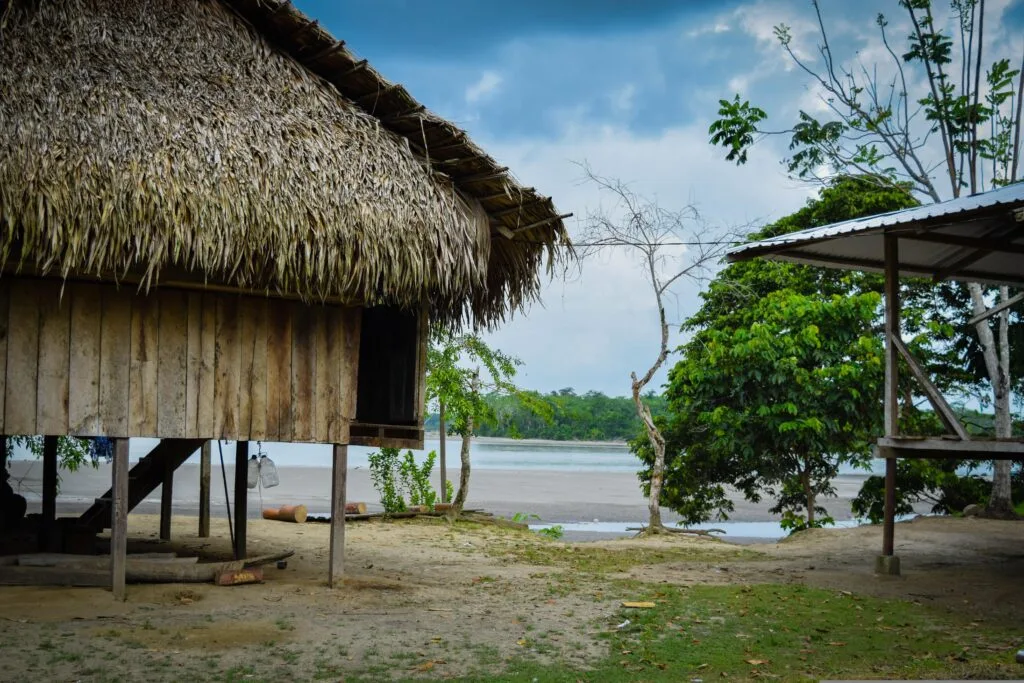
In the centuries that followed the Quijos uprising, Tena slowly evolved from a precarious frontier post into a stable commercial centre. The myth of El Dorado eventually faded, but the region’s agricultural wealth sustained its growth. Tena earned the moniker of the capital of guayusa and cinnamon, a title that reflects the enduring importance of local flora. Guayusa, a naturally caffeinated holly tree native to the Amazon, remains a staple of daily life here. Traditionally, indigenous families wake before dawn to brew guayusa tea, using the time to interpret dreams and plan the day ahead.
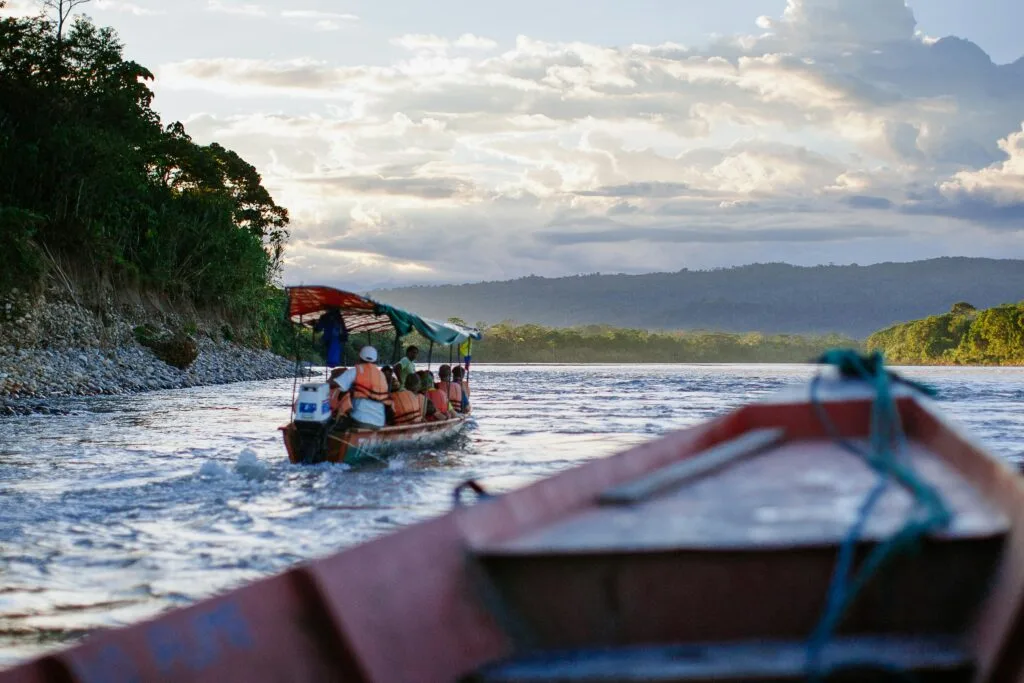
The isolation of the Amazon meant that Tena developed at its own pace, somewhat insulated from the political upheavals that regularly shook the rest of Ecuador. The rivers, primarily the Napo and its tributaries, were the main highways, dictating the flow of trade and travel. It was only with the eventual construction of roads connecting the Amazon to the Andean highlands that Tena’s modern era truly began.
Cycling the transition / From the Andes to the Amazon
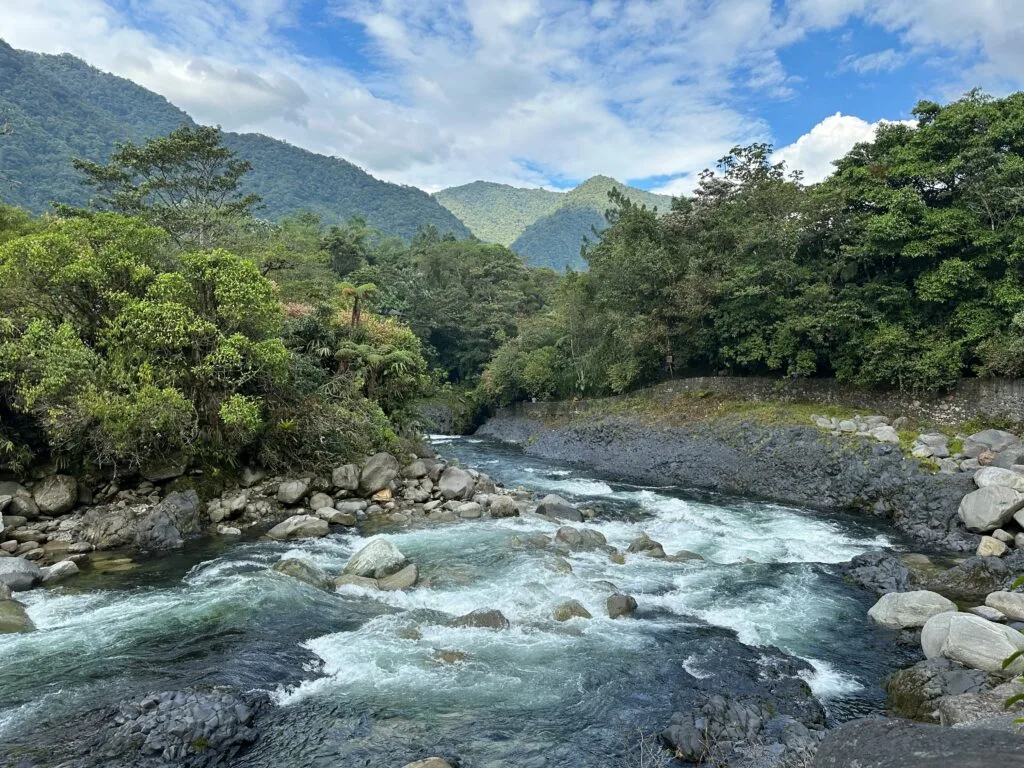
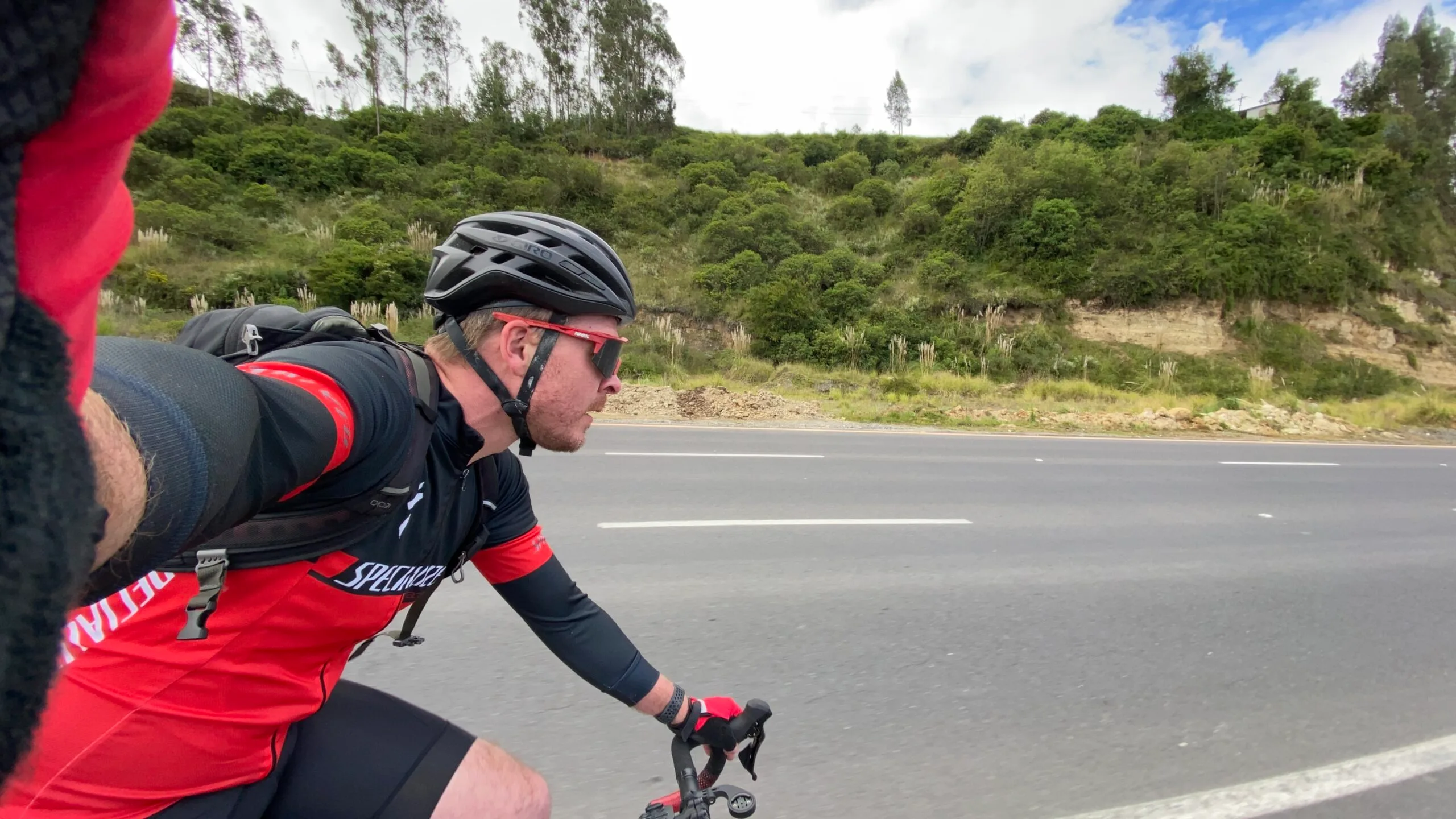
For the modern adventurer, the journey to Tena is a historical experience in itself. The descent from the high-altitude town of Baeza down into the Amazon basin is widely considered one of the most spectacular cycling routes in South America. As you lose altitude, the biting cold of the Andes gives way to the thick, fragrant air of the jungle.
This route allows independent cyclists to physically experience the same dramatic shift in geography that challenged the early Spanish explorers. However, where they found impenetrable obstacles, today’s cyclists find winding, paved roads and thrilling off-the-beaten-path trails. Riding through this transitional zone, you pass cascading waterfalls, sheer cliff faces, and tiny roadside communities that seem entirely untouched by time.
Arriving in Tena by bicycle offers a profound sense of achievement. The city serves as a perfect base camp for two-wheeled exploration. While the main highways are now paved, branching off onto the secondary dirt roads reveals the true character of the Napo province. Cycling along the banks of the Jatun Yacu or the Misahualli rivers provides an intimate view of the landscape, allowing you to stop and interact with local farmers and artisans at your own pace.
The Ecuadorian Sierra.
Get lost in the hills
The modern heartbeat of the Napo province
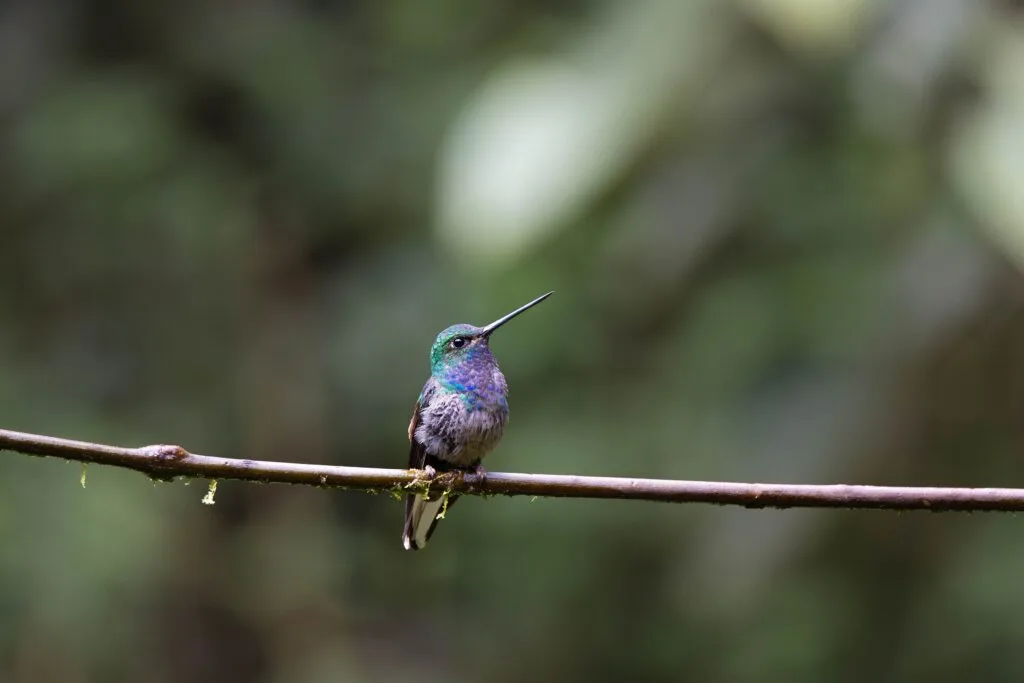
Today, Tena is a bustling, vibrant city of roughly 60,000 residents, but it has not lost its connection to the surrounding wilderness. In recent decades, it has reinvented itself as a global hub for eco-tourism and whitewater kayaking. The rivers that once served as trade routes for colonial merchants are now playgrounds for adventurers from around the world.
Yet, despite the influx of international visitors, Tena remains deeply rooted in its Kichwa heritage. More than half of the population in the surrounding areas identifies as Kichwa, and their cultural influence permeates every aspect of life in the city. From the traditional foods served in the local markets, such as maito, a dish of fish wrapped in leaves and roasted over an open fire, to the widespread use of the Kichwa language, the indigenous identity of Tena is proudly maintained.
For the mindful traveller, this presents a unique opportunity. Rather than engaging with staged tourist experiences, visiting Tena allows you to witness a community that is actively balancing modernity with ancient traditions. Projects like the Amupakin midwifery centre, run by local Kichwa women, highlight a commitment to preserving ancestral knowledge in a rapidly changing world.
The Galápagos.
Ecuador’s Enchanted Isles
A destination built on resilience
Read this far?
The history of Tena is not just a list of dates and colonial expeditions; it is a narrative of resilience. It is the story of a landscape that refused to be easily conquered and a people who fought fiercely to protect their way of life. When you travel to Tena, whether by bus, boat, or bicycle, you are stepping into a living history book.
At Wheely Tyred, we believe that the best journeys are those that connect us to the true essence of a place. Tena offers precisely that. It challenges you with its rugged environment, humbles you with its deep historical roots, and welcomes you with the warmth of its people. As you plan your Ecuadorian adventure, look beyond the standard tourist trails and consider the road to the cinnamon capital. The legends of the jungle are waiting to be explored.
Affiliate Disclaimer: Some of the links on Wheely Tyred are affiliate links. If you click through and make a booking or purchase, we may earn a small commission at no extra cost to you. We only recommend gear, tours, stays, and services we genuinely use, trust, and stand behind — our editorial independence always comes first. These commissions help keep our independent cycling guides and travel stories free to read. You can also buy me a coffee here — thanks for supporting the ride!
The Ecuadorian Coast.
Where you’ll find the very best food
Frequently asked questions about the history of Tena
The most common route for those not on a guided tour is by bus or bicycle from Quito, often passing through Baeza. The journey is famous for its dramatic change in altitude and scenery as the road descends from the mountains into the tropical lowlands.
The statue depicts Jumandy, a great cacique of the Quijos people who led a massive rebellion against Spanish colonial forces in 1578. He is a symbol of resilience and the preservation of indigenous autonomy in the Napo province.
Guayusa is a leaf from a native holly tree that is naturally caffeinated. Locally, it is brewed into a tea and consumed early in the morning. For many Kichwa families, this is a communal time for dream interpretation and planning the day’s work before the sun rises.
Yes, cycling is an ideal way to see the transition from the Andes to the Amazon. Beyond the main paved highways, a network of secondary gravel roads leads to smaller communities and historical sites like the Jumandy Caves, allowing for a slower, more authentic pace of travel.
A staple of the region is maito, which typically consists of river fish seasoned and wrapped in bijao leaves, then grilled over an open fire. It is a traditional Kichwa dish that reflects the local reliance on the river and forest for sustenance.
While often used as a base for excursions, the city itself sits at the historic confluence of the Tena and Pano rivers. Its layout and the presence of local cultural centres provide insight into how a colonial spice-trading post evolved into a modern centre for eco-tourism.
Ecuador.
Pure wonder on the equator.