Unearthing the Pacific / Top attractions in Puerto López, Ecuador
The ultimate guide to the best things to do in Puerto López and Machalilla National Park
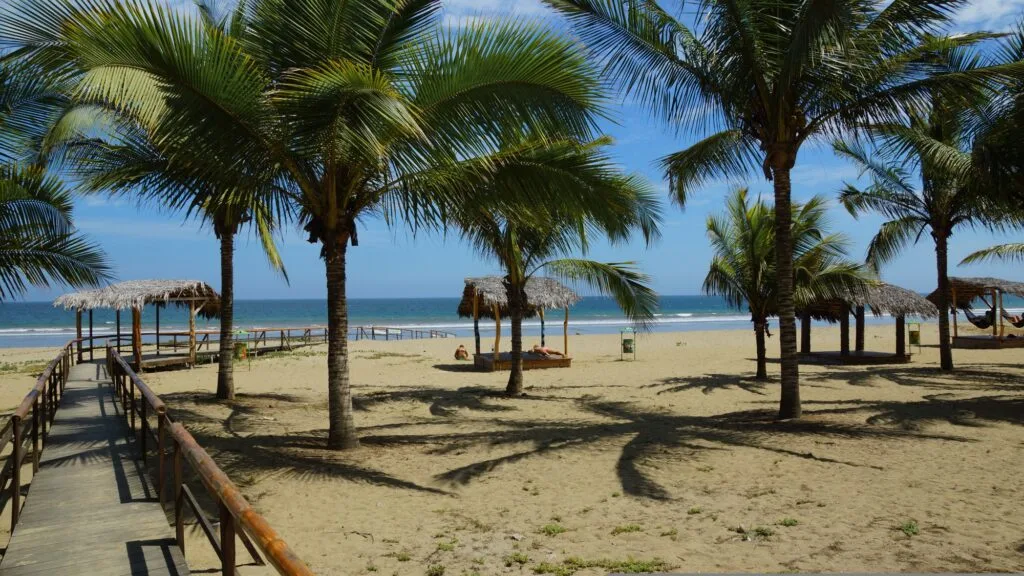
Swap the saddle for the sea in Ecuador’s coastal haven
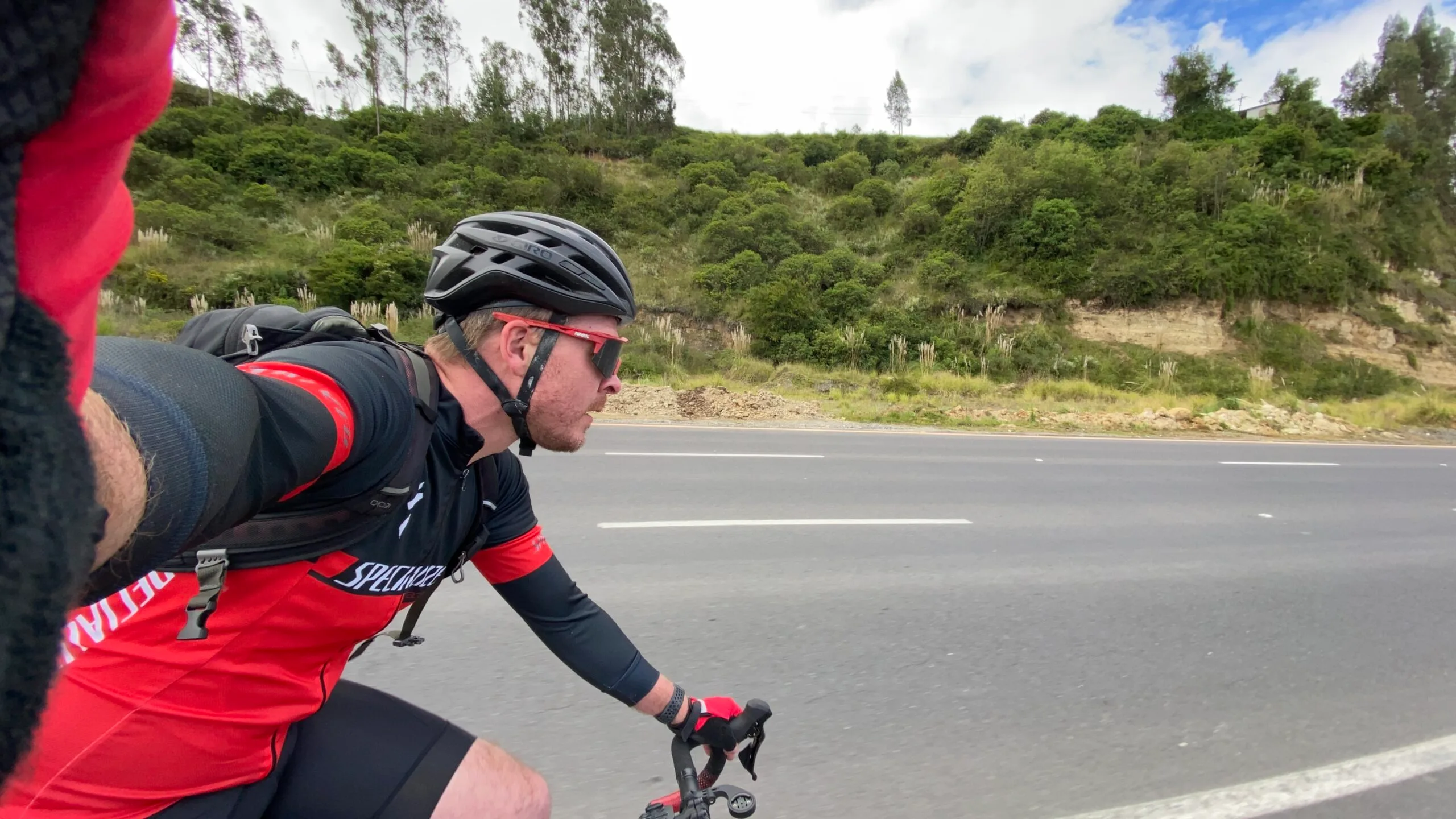
BEN FINCH
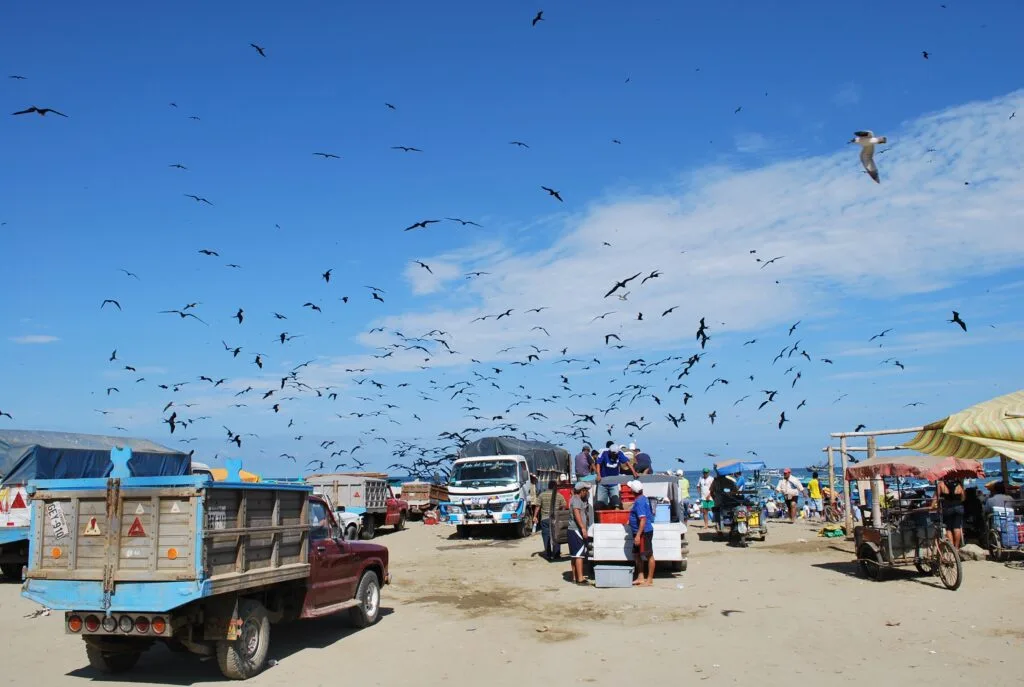
Welcome to Puerto López, a dusty, vibrant fishing village on Ecuador’s Pacific coast that serves as the gateway to some of the most spectacular natural wonders in South America. For the independent traveller, this is a dream destination. You will not find overly polished resorts or herds of package tourists here; instead, you are greeted by the authentic rhythm of coastal life, where fishing boats return with the morning catch, and pelicans dive into the surf.
Whether you are taking a well-earned rest from a gruelling Andean climb or you have brought your wheels to explore the coastal roads, Puerto López demands your attention. At Wheely Tyred, we champion the freedom of exploring at your own pace, soaking in the atmosphere without a rushed itinerary. We know that the joy of travel lies in deciding your own schedule, stopping when you want, and diving deep into local culture.
Here are the top sights in and around Puerto López that you simply cannot miss when you hop off the bike for a few days of coastal exploration.
The wild edge of the Pacific
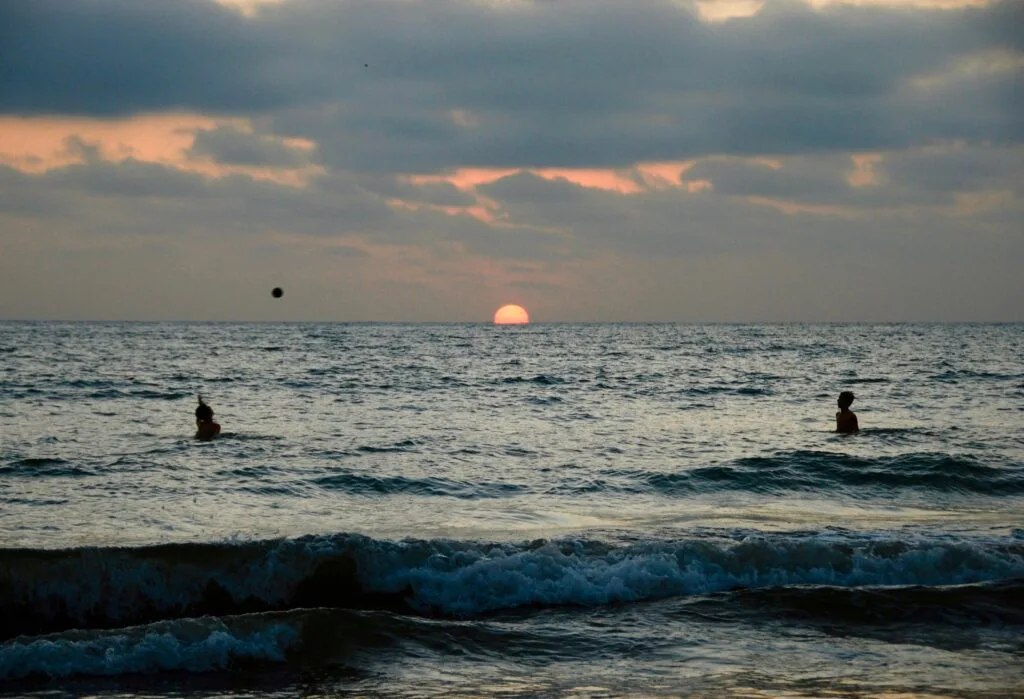
Puerto López serves as the ultimate base for those who prefer the rhythm of the tides to the noise of the crowds. It is a place where the rugged coastal landscape meets deep-rooted history, offering plenty of reasons to park the bike and explore.
- Isla de la Plata: Often dubbed the Poor Man’s Galápagos, this uninhabited island is a sanctuary for blue-footed boobies and frigatebirds, offering world-class snorkelling without the premium price tag
- Los Frailes: A pristine, protected crescent of white sand within Machalilla National Park, reached via forest trails that offer a quiet, scenic alternative to the usual tourist beaches
- Humpback Whale Watching: Between June and October, the coastal waters become a theatre for migrating giants, providing a raw and humbling display of nature just a short boat ride from the pier
- Agua Blanca Community: An indigenous-led ecotourism site where you can explore ancient Manteño ruins before soaking in a therapeutic, mineral-rich sulphur lagoon
- Tropical Dry Forest: A rare and prehistoric ecosystem within the national park, featuring ancient kapok trees and unique wildlife, perfect for a slow, observant hike away from the shore
- Salango Sanctuary: A quieter alternative for marine life enthusiasts, featuring a community-run archaeological museum and excellent offshore snorkelling in protected waters
- Coastal Connectivity: While primarily a seaside escape, the undulating roads to nearby Ayampe and the inland dirt tracks offer rewarding terrain for those exploring on two wheels
Puerto López.
Home to the humpback whale
Isla de la Plata
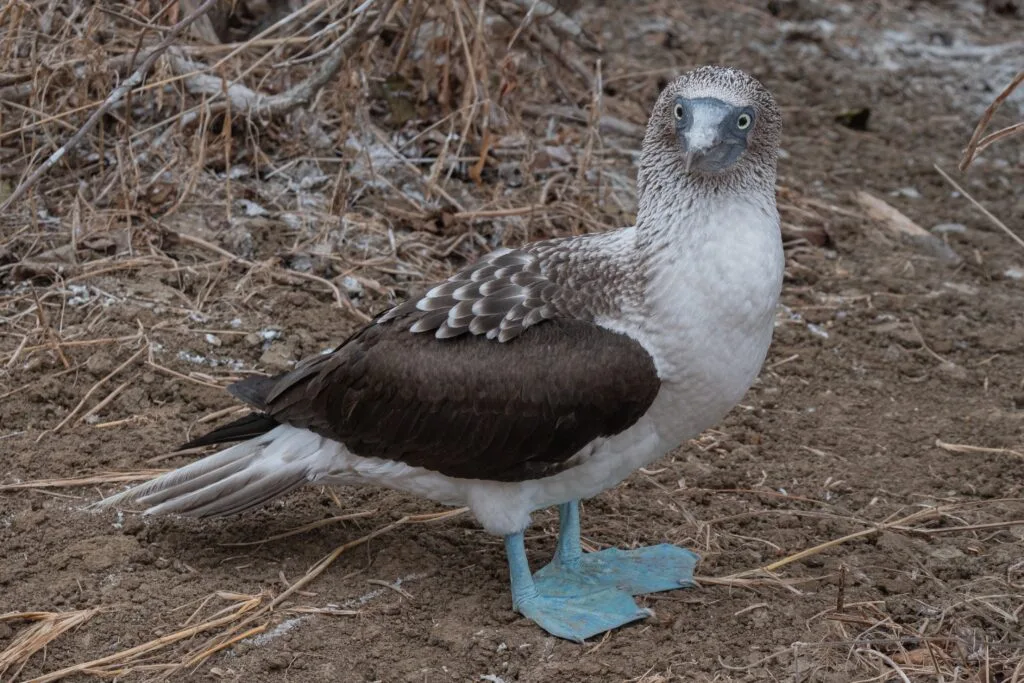
Often referred to as the Poor Man’s Galápagos, Isla de la Plata is an uninhabited jewel located just a short boat ride from the shores of Puerto López. This island is an essential stop for anyone wanting to witness extraordinary wildlife without the hefty price tag and rigid restrictions of the actual Galápagos archipelago.
As you hike the sun-baked trails under the equatorial sun, you will find yourself sharing the path with vast colonies of blue-footed boobies, Nazca boobies, and magnificent frigatebirds puffing their red chests. The lack of natural predators means these birds are entirely unfazed by human visitors, allowing for incredibly close encounters that will thrill any nature enthusiast. After a sweaty hike across the rugged terrain of the island, most trips include a chance to snorkel in the vibrant surrounding reefs.
Slipping into the cooling waters of the Pacific, you might find yourself gliding alongside green sea turtles, giant manta rays, and shoals of colourful tropical fish. It is an unmissable, wild experience that perfectly complements an adventurous spirit.
The Ecuadorian Coast.
Where you’ll find the very best food
Los Frailes Beach
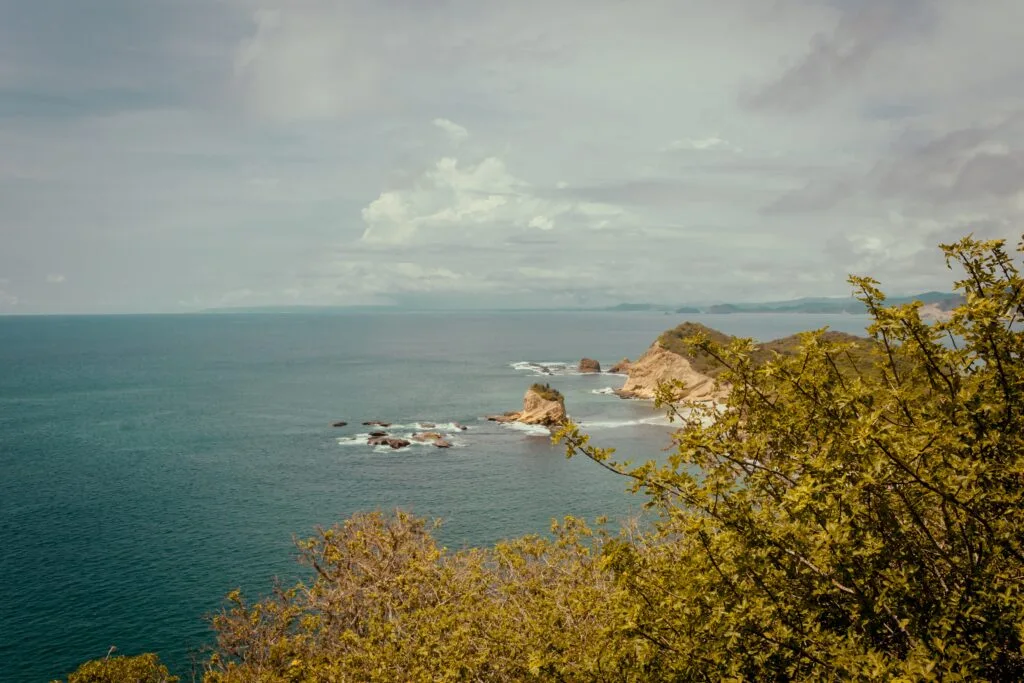
Tucked away inside the protected boundaries of Machalilla National Park, Los Frailes is universally celebrated as one of the most beautiful beaches in all of Ecuador. Getting there involves traversing a winding path through rare tropical dry forest, making the journey just as spectacular as the destination itself.
Unlike the busy, vendor-lined beaches further up the coast, Los Frailes remains pristine, rugged, and wonderfully isolated. The spectacular horseshoe-shaped bay is framed by dramatic cliffs, with soft, white sand meeting the deep blue of the Pacific Ocean. Because it is highly protected, you can enjoy the sound of the crashing waves without the hum of jet skis or beachside bars disrupting your peace.
For those who love self-guided exploration, a network of trails connects Los Frailes to two smaller, equally stunning coves, La Tortuguita and Playita Negra. The hike up to the central viewpoint offers sweeping panoramic vistas of the rugged coastline, rewarding your physical effort with jaw-dropping, uninterrupted coastal scenery.
Humpback whale watching
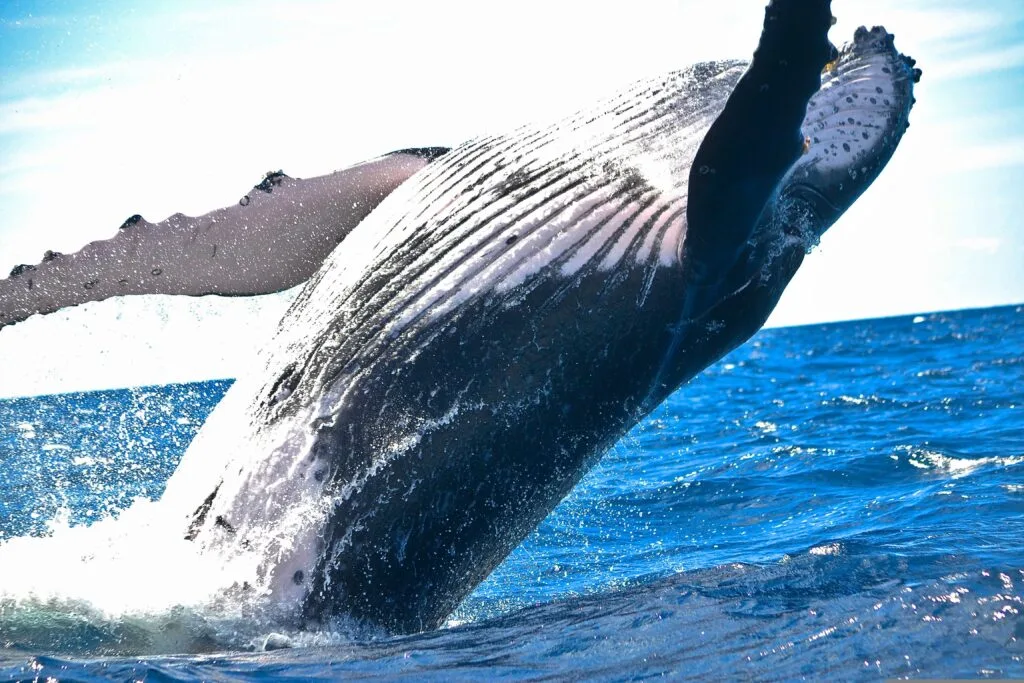
If your travels bring you to the Ecuadorian coast between the months of June and October, you are in for an astonishing natural spectacle. During this specific window, thousands of humpback whales migrate from the freezing waters of the Antarctic to the warm, shallow breeding grounds off the coast of Puerto López.
Watching these forty-tonne leviathans breach the surface and crash back down into the ocean is a truly humbling and awe-inspiring experience. The waters here act as a massive natural nursery, meaning you are highly likely to spot enormous mothers swimming peacefully alongside their newborn calves. It is a thrilling display of nature at its most raw and powerful.
You will find numerous small operators in town ready to take you out onto the water for a morning of observation. Just remember to bring your sea legs, as the Pacific swell can be incredibly lively. For a traveller accustomed to conquering mountain passes, feeling the sheer scale of these magnificent creatures from the deck of a small boat provides an entirely different kind of adrenaline rush.
The Ecuadorian Sierra.
Get lost in the hills
Agua Blanca Community and sulphur lagoon
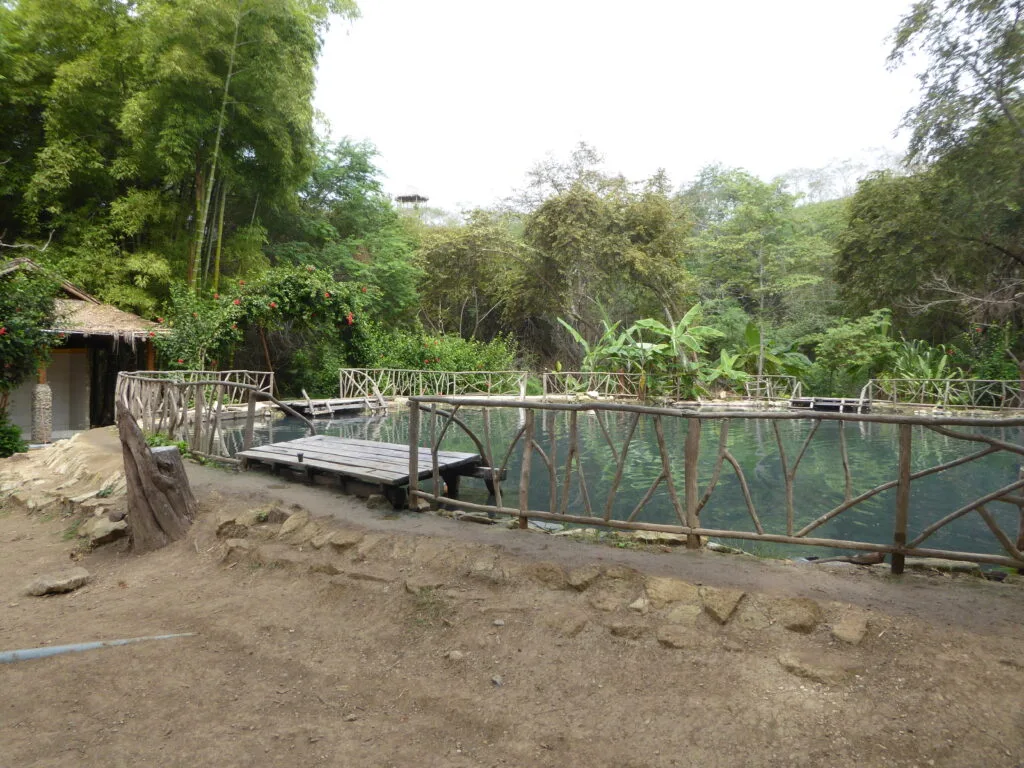
For a profound dose of local history and indigenous culture, a visit to the Agua Blanca community is an absolute necessity. Located deep within the tropical dry forest, this peaceful settlement is the site of a sprawling archaeological complex belonging to the ancient Manteño culture, which thrived here long before the arrival of the Spanish conquistadors.
The community operates as a pioneering ecotourism project, completely managed and sustained by the local residents. As an independent traveller, you will greatly appreciate the authenticity and quiet pride of their approach. The on-site museum houses an impressive collection of pre-Columbian artefacts, including elaborately carved stone seats, burial urns, and delicate pottery that tells the story of early coastal life.
However, the undisputed highlight for weary legs is the large, natural sulphur pool situated at the edge of the village. The mineral-rich mud at the bottom of the lagoon is renowned for its therapeutic and healing properties. Slathering yourself in the restorative mud and soaking in the cool, soothing water is the ultimate way to recover from days of intense physical exertion.
Machalilla National Park dry forest trails
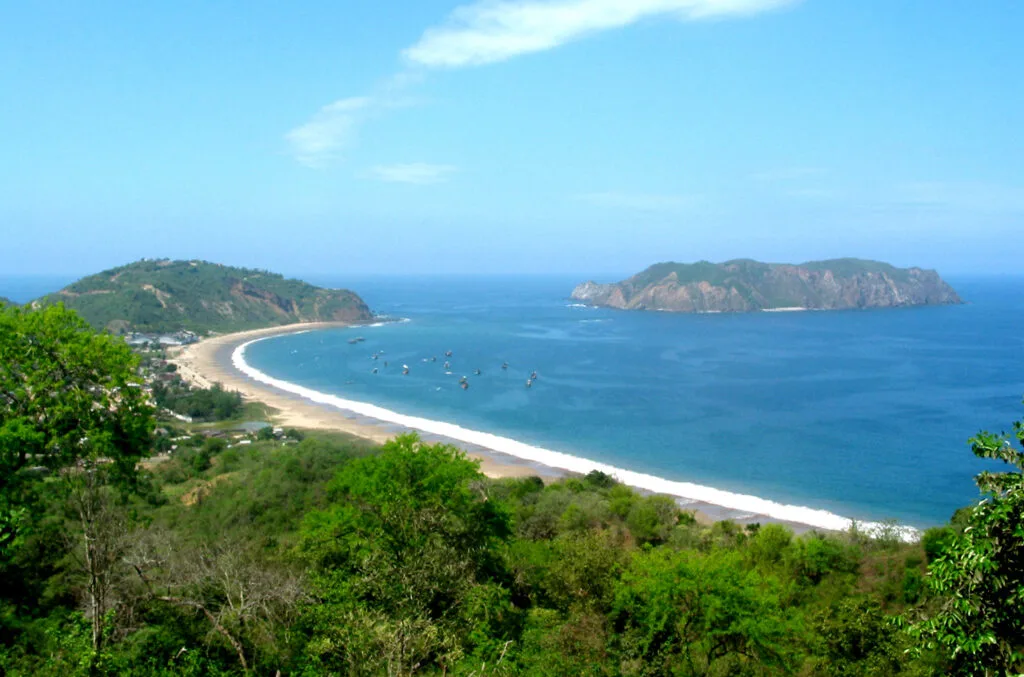
While the marine attractions often steal the limelight in this part of Ecuador, the terrestrial wonders of Machalilla National Park are equally fascinating and deserve your full attention. The park protects one of the last remaining tracts of tropical dry forest in the entire world. This bizarre and beautiful ecosystem is a stark contrast to the lush, humid Amazonian rainforests found elsewhere in South America.
Here, giant kapok trees tower above the canopy, their bulbous, bottle-shaped trunks storing precious water to survive the arid conditions, while ancient, towering cacti dot the dusty landscape. The forest is a fantastic haven for biodiversity, serving as home to noisy howler monkeys, elusive anteaters, scurrying iguanas, and over two hundred distinct species of birds.
Hiking the quiet trails here feels like stepping into a forgotten, prehistoric world. The absolute stillness of the dry forest provides a meditative environment, perfect for those who seek solace in nature. It is an environment that strongly rewards patience and quiet observation, feeling completely far removed from the hustle and bustle of modern city life.
The Galápagos.
Ecuador’s Enchanted Isles
Salango Island and Archaeological Museum
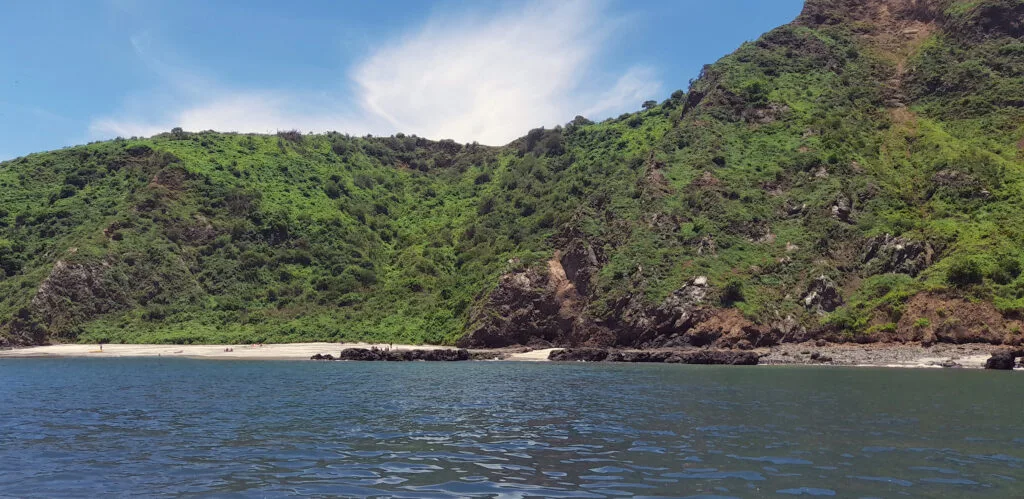
Just a short journey south of Puerto López lies the sleepy, relaxed fishing village of Salango, home to an exceptional, community-run archaeological museum and a stunning offshore marine sanctuary. The Salango Museum offers a fascinating deep dive into the rich maritime history of the region, detailing exactly how indigenous cultures mastered seafaring and trade using the precious, brightly coloured Spondylus shell as a highly valued currency. It is a brilliant glimpse into a complex, ancient society that deeply revered the ocean and relied on its bounty.
A literal stone’s throw from the sandy beach is Salango Island itself. The pristine waters surrounding this rocky outcrop are fiercely protected, creating a vibrant underwater ecosystem that is arguably the best spot for snorkelling along the immediate coastline.
The shallow coral reefs here are absolutely teeming with marine life, offering a quieter, much more intimate aquatic experience compared to the busier group tours further afield. It is a fantastic half-day excursion that perfectly combines rich cultural education with superb natural beauty.
Exploring Puerto López’s roads by bike
Read this far?
As you can clearly see, Puerto López is far more than just a simple place to rest your head for the night; it is a phenomenal launchpad for deep, meaningful exploration. However, we at Wheely Tyred know that you will eventually feel the itch to get back in the saddle. Fortunately, the region surrounding Puerto López offers some phenomenal cycling opportunities to cap off your stay.
Just ten kilometres north of the town, the coastal road provides a relatively flat, highly scenic route directly to the entrance of Los Frailes beach. If you fancy venturing off the tarmac, the eleven-kilometre dirt track leading inland to the Agua Blanca community is an excellent, dusty ride perfect for a sturdy gravel bike.
For a slightly longer excursion, the bohemian surf village of Ayampe sits seventeen kilometres to the south. The undulating coastal road down to Ayampe offers spectacular, sweeping ocean views alongside challenging, rolling hills. It is a brilliant day trip route that perfectly encapsulates the utter freedom of independent travel.
Furthermore, Ecuador is actively improving its cycling infrastructure and clarifying its road safety laws to protect vulnerable road users, making it a more appealing destination for two-wheeled adventures than ever before. Always remember to seek out current updates on local cycling laws in Ecuador before you set off, ensuring you know your exact rights and rules on the road.
Affiliate Disclaimer: Some of the links on Wheely Tyred are affiliate links. If you click through and make a booking or purchase, we may earn a small commission at no extra cost to you. We only recommend gear, tours, stays, and services we genuinely use, trust, and stand behind — our editorial independence always comes first. These commissions help keep our independent cycling guides and travel stories free to read. You can also buy me a coffee here — thanks for supporting the ride!
The Ecuadorian Amazon.
The most biodiverse place in the world
Frequently asked questions about the top attractions in Puerto López
If your goal is to see the humpback whales, you must visit between June and October. This is when the whales migrate from the Antarctic to breed in the warmer Ecuadorian waters. For general birdwatching on Isla de la Plata, the islands are vibrant year-round, though the dry season (June–November) is generally cooler for hiking.
The beach is located within Machalilla National Park. You can reach the entrance by bike or taxi from Puerto López. Once inside, you can take the main road directly to the beach or opt for the Sendero de los Frailes, a hiking trail that winds through the dry forest and visits several smaller, secluded coves.
The lagoon is famous for its high mineral content and medicinal properties. Visitors often apply the volcanic mud from the lake bed to their skin as a natural spa treatment before rinsing off in the lake. It is a culturally significant site managed by the local community, who have lived on these lands for generations.
For the independent traveller on a budget or with limited time, it is an excellent alternative. While smaller, it hosts many of the same iconic species, such as the blue-footed booby and the magnificent frigatebird, and the surrounding waters offer fantastic opportunities to snorkel with sea turtles and manta rays.
The main coastal highway (Ruta del Spondylus) is paved and generally in good condition, though it features significant undulations. The route south to Ayampe is particularly scenic but involves several climbs. If you are heading inland to Agua Blanca, expect dusty, unpaved gravel tracks that are best suited to a mountain or gravel bike.
Ecuadorian traffic law recognises cyclists as vulnerable road users, granting them the right of way in many urban scenarios. However, it is essential to remain vigilant on highway shoulders. Always ensure you have lights, especially if coastal mist rolls in, and familiarise yourself with local fines to ensure a smooth journey.
Ecuador.
Pure wonder on the equator.