Camp on the coast / The best regional campsites and nature stays near Guayaquil
Best campsites near Guayaquil / A guide to regional outdoor stays and local gastronomy
Swap the port city’s pulse for the rhythm of the tropical dry forest
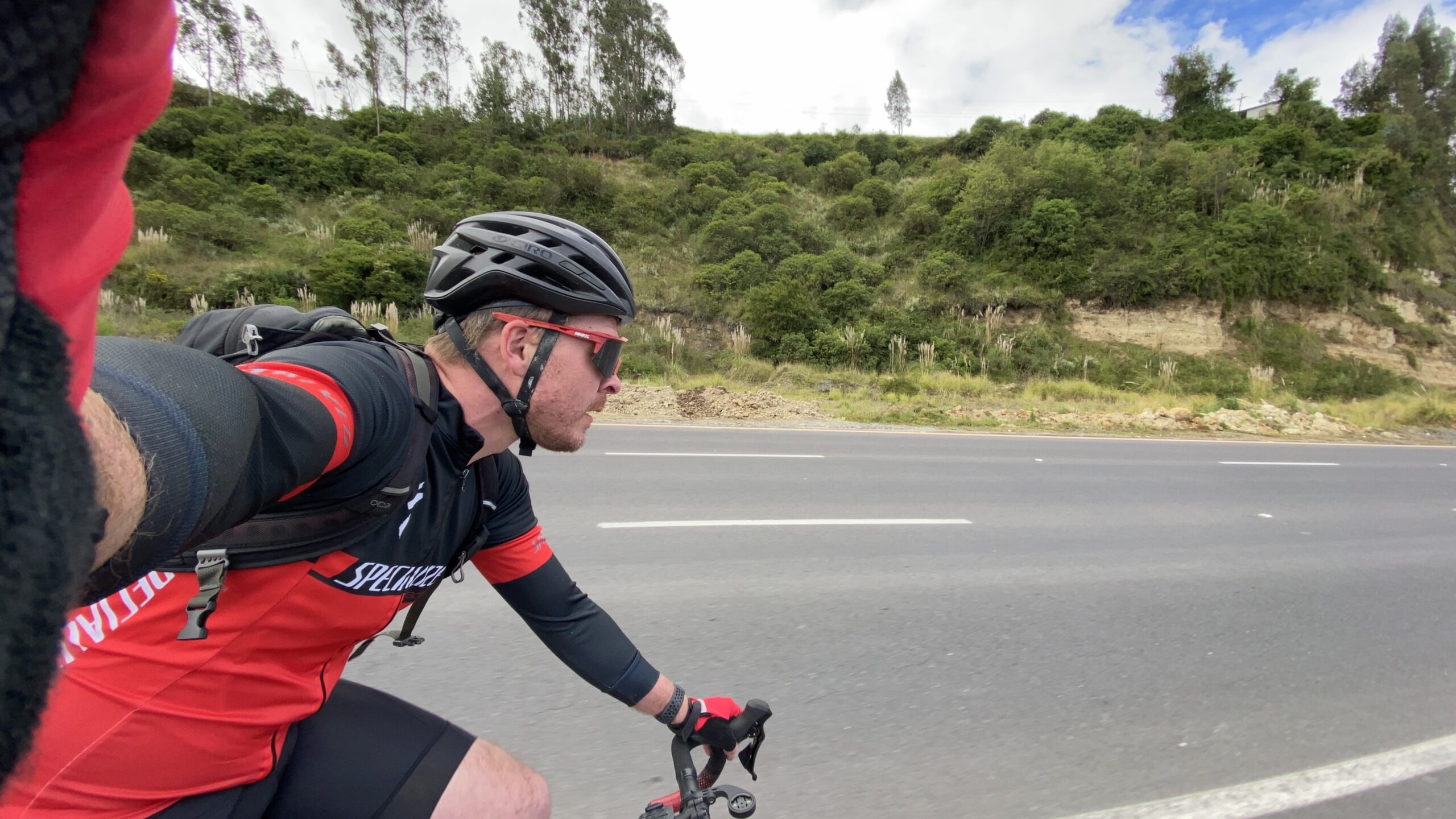
BEN FINCH
It is important to address the reality on the ground: at this time, Wheely Tyred does not recommend travelling to Guayaquil unless it is absolutely essential.
While the city’s culture and history are compelling, the current safety climate presents risks that shouldn’t be overlooked by the independent traveller.
For those whose travel is necessary, we have compiled a detailed Guayaquil Safety Guide: Everything You Need to Know Before You Go to ensure you are as informed and secure as possible during your stay.
Guayaquil is often the first chapter for travellers landing in Ecuador, but for the independent soul, the city’s dense urban centre can feel a bit like a maze of high-rises and busy avenues. If you are travelling by bike or bus, you likely aren’t looking for a cookie-cutter hotel room with a view of a parking lot. You want depth. You want to wake up to the sound of howler monkeys or the smell of a cacao plantation.
It is important to set the stage: Guayaquil is a massive, tropical port city, and finding a quiet patch of grass to pitch a tent within the city limits is nearly impossible. However, if you expand your horizon to the Guayaquil region, a world of distinctive, high-quality outdoor stays opens up.
These recommendations are not right in the city centre; they are Wheely Tyred gems located in the surrounding countryside and along the coast, offering the space and serenity needed to truly sleep well.
In this guide, we have identified five standout locations that prioritise authenticity over tourism. We’ve also mapped out the best places to eat and drink in the region, because a good night’s sleep is only half the battle—the other half is fueled by Ecuador’s incredible coastal cuisine.
The verdant fringe of the Guayas Basin
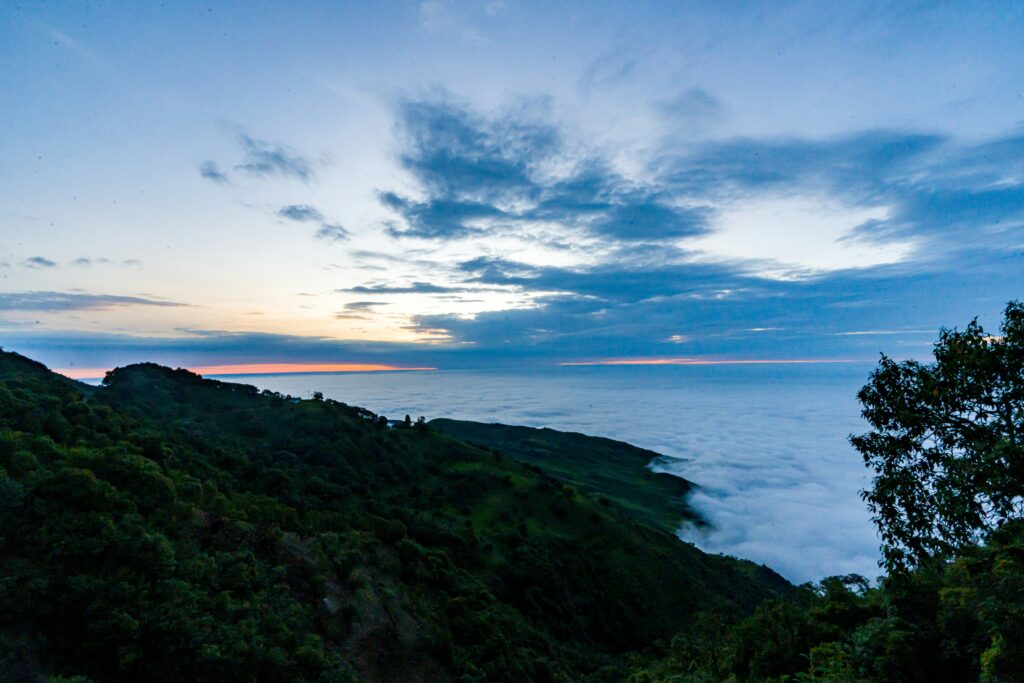
Beyond the urban sprawl of Ecuador’s largest port lies a landscape of tropical dry forests and heritage estates. For the traveller moving at a human pace, these regional outposts offer the quietude and authenticity the city centre often lacks.
- Cerro Blanco Forest: A rare fragment of tropical dry forest where you can pitch a tent among howler monkeys and the endangered Guayaquil Macaw
- Hacienda La Danesa: A refined yet grounded dairy farm and cacao plantation offering deep immersion into the region’s coastal agricultural traditions
- Finca La Gloria: A strategic roadside retreat on the Vía a la Costa, favoured by cyclists for its wide-open spaces and traditional campo hospitality
- Cabalonga EcoAdventure: A coastal escape in Puerto Cayo where the Pacific surf provides the ultimate natural soundtrack for a restorative night’s sleep
- The Encebollado Ritual: An essential morning restorative of fish and yuca soup, serving as the culinary cornerstone for anyone navigating the local culture
- Plantain Power: The bolón de verde—a dense, cheese-filled plantain ball—serves as the perfect high-energy fuel for those exploring the region on two wheels
Guayaquil.
The Pearl of the Pacific
1. Bosque Protector Cerro Blanco / The wild frontier
Distance: ~17 km west of Guayaquil
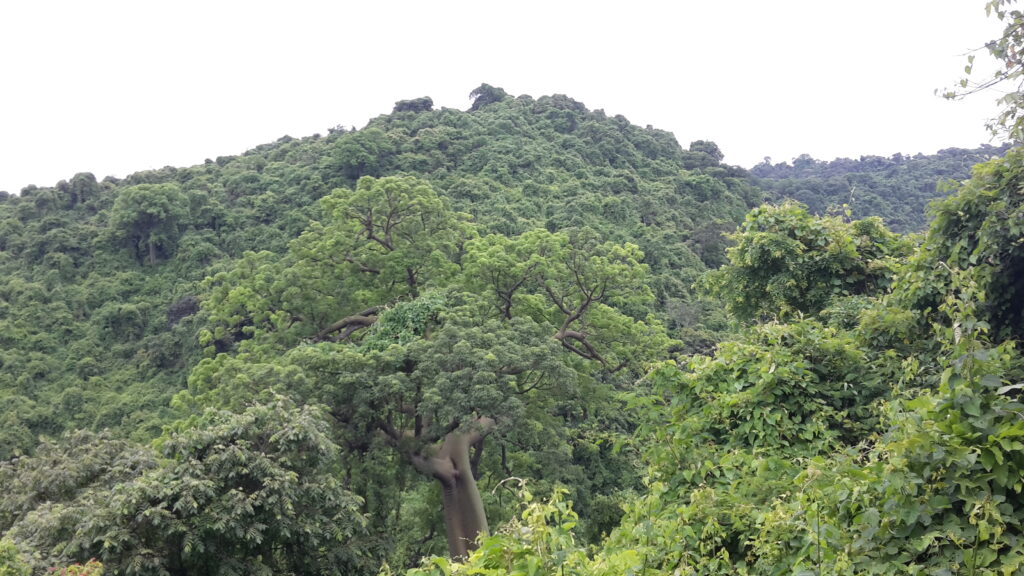
For those who want to stay as close to the city as possible while still being completely immersed in nature, Cerro Blanco is the gold standard. Located just a short ride or bus trip west along the Vía a la Costa, this 6,000-hectare reserve is one of the last remaining fragments of tropical dry forest in the country.
The camping area here is managed by the Pro-Bosque Foundation, and while it is rustic, it offers a profound connection to the local ecosystem. You aren’t just camping; you are staying in the home of the endangered Guayaquil Macaw and over 50 species of mammals. The facilities are basic—think clean latrines and designated fire pits—making it ideal for self-sufficient travellers who carry their own gear.
Pro Tip: Hire a local guide for a morning hike. It’s the best way to spot howler monkeys and learn about the ceibo trees that define this landscape.
2. Hacienda La Danesa / The soul of the coast
Distance: ~67 km east (near Naranjito)
If you are looking for a stay that feels like a friend invited you to their family estate, Hacienda La Danesa is it. This is a regional treasure that perfectly captures the agricultural heart of coastal Ecuador. While it leans into the eco-lodge and farm-stay category, its commitment to the outdoors is undeniable.
This is a working dairy farm and cacao plantation where the focus is on slow living. You can spend your afternoon river tubing or learning the bean-to-bar chocolate process. It is a destination that demands you slow down. The rooms are designed with high-quality linens and natural ventilation, ensuring you fulfil the brand promise to sleep well. It’s an easy bus ride from Guayaquil toward the Andes, making it a perfect transition spot.
The Ecuadorian Coast.
Where you’ll find the very best food
3. Finca La Gloria / The coastal retreat
Distance: ~51 km west (Vía a la Costa)
Finca La Gloria is a favourite for those who know the region well. Located further down the highway toward the coast, this finca (farm) offers a mix of camping and rustic cabins. It is a popular spot for mañanas deportivas (sporty mornings), but the nights belong to the travellers.
The ambience here is purely campo (countryside). You can expect wide-open spaces, a refreshing pool to wash off the coastal humidity, and a very high standard of cleanliness. It’s a great midpoint if you are cycling from Guayaquil toward the beaches of Playas or Santa Elena. The hosts are known for their hospitality, often sharing stories of the area’s history over a cup of locally grown coffee.
The Galápagos.
Ecuador’s Enchanted Isles
4. Cabalonga EcoAdventure / The slow coastal dream
Distance: ~169 km west (Puerto Cayo)
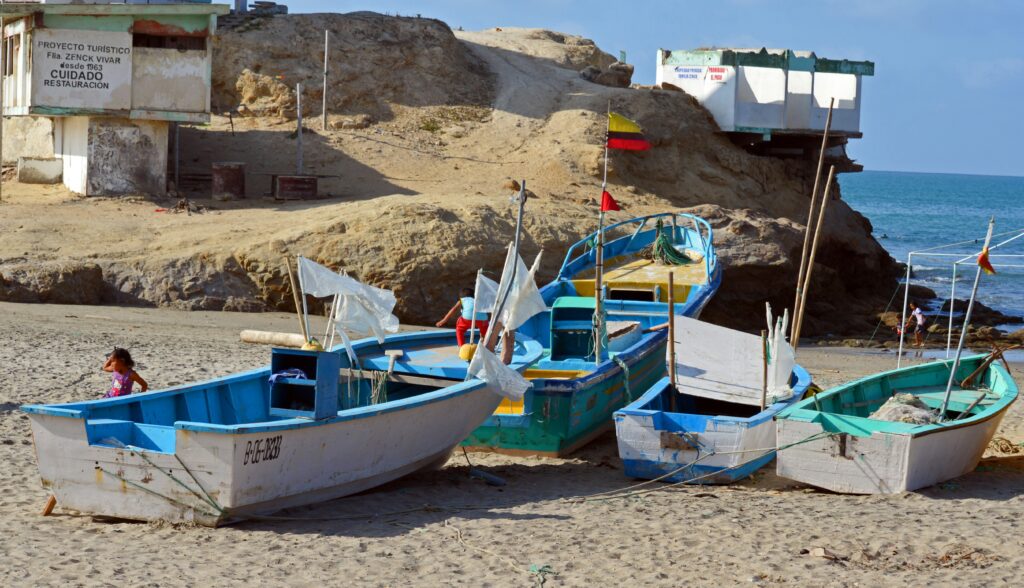
If your search allows for a bit more distance, Cabalonga EcoAdventure in Puerto Cayo is the ultimate payoff. This is where the dry forest meets the Pacific Ocean. It is a haven for independent travellers, offering glamping-style tents and space for your own setup right near the waves.
Cabalonga is deeply committed to eco-tourism. The vibe is laid-back, the community is welcoming, and the sound of the ocean is the only soundtrack you’ll need. It is a prime example of a stay that pays attention to what matters: comfort, nature, and a lack of pretence. For those travelling by bus, it’s a scenic journey that rewards you with some of the best sunsets in Ecuador.
The Ecuadorian Sierra.
Get lost in the hills
Eat and drink / A culinary map for the independent traveller
You cannot talk about Guayaquil and its surrounding regions without talking about the food. The coast is the breadbasket (or perhaps the seafood basket) of Ecuador. Whether you are camping at Cerro Blanco or staying at a finca, you need to know where to find the real deal.
The Ecuadorian Amazon.
The most biodiverse place in the world
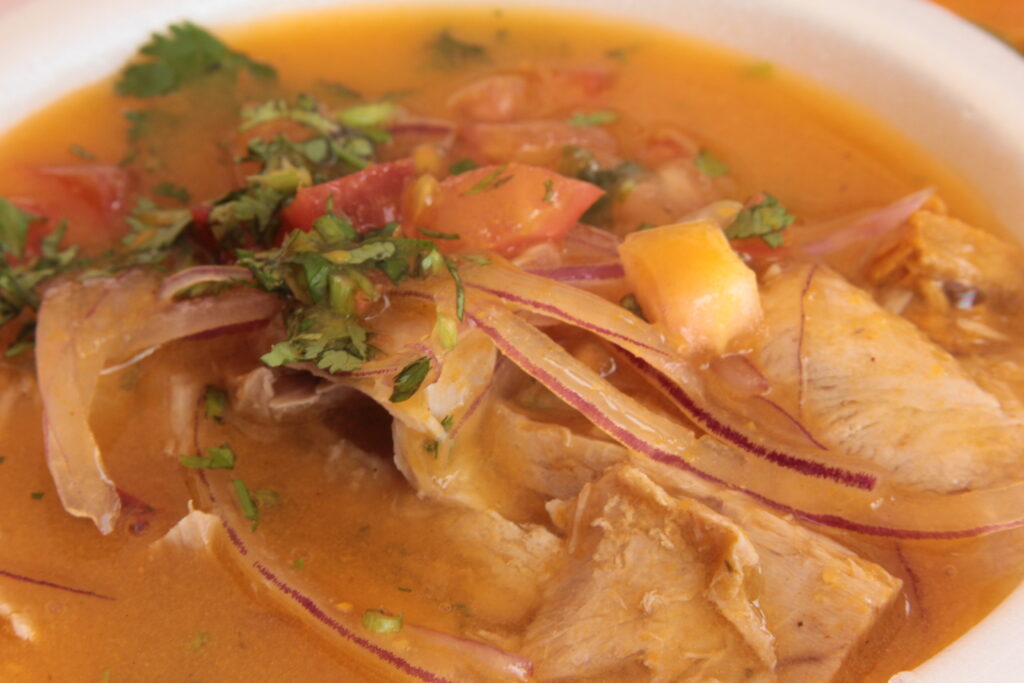
The breakfast of champions / Encebollado
In Guayaquil, breakfast isn’t just a meal; it’s a ritual. Encebollado—a hearty fish soup made with albacore, yuca, and plenty of pickled onions—is the city’s signature dish.
- Where to go: Look for Picantería Valdano or the legendary El Pez Volador. These aren’t tourist traps; they are where locals go to fuel up. If you are staying in town, a short taxi ride will get you to a local hueca (hidden gem) serving this up fresh
The staple / Bolón de Verde
If you are on the road and need something dense and delicious, find a bolón de verde. These are large balls of mashed green plantain stuffed with cheese, pork (chicharrón), or both.
- Where to go: Roadside stands along the Vía a la Costa (near Cerro Blanco and Finca La Gloria) serve these hot and crispy. Pair it with a cup of strong, black café de pasar for the authentic experience
Coastal elegance / Casa Julián
For one night when you want to trade your camping stove for something special, Casa Julián in the Samborondón area is world-class. It focuses on coastal ingredients—think fresh shrimp, octopus, and tropical fruits—reimagined with modern techniques. It is a beautiful way to celebrate a successful week of independent travel.
Fresh from the farm / Hacienda La Danesa’s Terrace
If you stay at La Danesa, do not miss their farm-to-table dining. Everything from the dulce de leche to the cacao is produced on-site or by neighbours. It is a masterclass in how regional food should be celebrated.
Quito.
Explore the Middle of the World
Travel tips for the Guayaquil region
Read this far?
- Transportation: If you are travelling by bus, the Terminal Terrestre de Guayaquil is your hub. It is massive and efficient. For spots like Cerro Blanco, you can often take a bus heading toward Salinas and ask the driver to drop you at the entrance (Km 16)
- Climate: It is hot and humid year-round. When camping, ensure your tent has excellent ventilation. A lightweight silk liner is often better than a sleeping bag
- Safety: Always stay in designated camping areas like the ones listed above. While the people are incredibly friendly, being an independent traveller means being smart about your gear
Wheely Tyred is here to ensure you see the world at your own pace. By choosing these regional gems, you aren’t just finding a place to sleep; you are finding a way to connect with the true spirit of coastal Ecuador.
Affiliate Disclaimer: Some of the links on Wheely Tyred are affiliate links. If you click through and make a booking or purchase, we may earn a small commission at no extra cost to you. We only recommend gear, tours, stays, and services we genuinely use, trust, and stand behind — our editorial independence always comes first. These commissions help keep our independent cycling guides and travel stories free to read. You can also buy me a coffee here — thanks for supporting the ride!
Frequently asked questions about campsites near Guayaquil
Guayaquil’s Terminal Terrestre is the primary hub for the independent traveller. Frequent, affordable buses depart in all directions; for instance, any bus heading towards Salinas can drop you at the gates of Cerro Blanco at the 16-kilometre marker.
While the local people are exceptionally welcoming, we strongly recommend sticking to the designated camping zones mentioned in our guide. These spots, such as Parque Samanes or Cerro Blanco, provide the necessary security and infrastructure to ensure you can sleep well without concern for your gear.
The heat is constant, so prioritising ventilation is key. A tent with a large mesh area is vital, and many seasoned travellers find a lightweight silk liner far more comfortable than a traditional sleeping bag in the coastal climate.
For the deeper trail networks at Cerro Blanco, a local guide is required. This ensures you don’t lose your way in the dense primary forest and significantly increases your chances of spotting the diverse local wildlife.
Keep an eye out for huecas—unpretentious, local hidden gems. Roadside stands along the Vía a la Costa are particularly good for grabbing a bolón de verde and a coffee, providing a quick and authentic taste of the Guayas countryside.
Absolutely. Places like Finca La Gloria and Hacienda La Danesa are well accustomed to independent travellers. They offer the space needed to maintain equipment and the tranquil environment required to recover after a long day in the saddle.
Ecuador.
Pure wonder on the equator.