Discovering Czechia / 6 Extraordinary hidden gems for the independent traveller
Best hidden gems in Czechia / Lesser-known sights and attractions to visit
Swap the crowded squares for deep forests and forgotten architectural wonders
BEN FINCH
Czechia is globally renowned for its soaring Gothic spires, astronomical clocks, and the magnificent skyline of its capital. The vast majority of visitors flock straight to the centre, snap their photographs on medieval bridges, and leave feeling they have seen all the country has to offer. But for those of us who prefer to travel at our own pace, hopping on a train or a bike to explore the spaces between the major landmarks, this Central European nation offers a wealth of untold stories.
As independent travellers, we actively seek out the quiet corners, the authentic interactions, and the rugged landscapes that reward a bit of patience. We do not want to be herded onto a tour bus before we have finished admiring a view, nor do we want to chase a raised umbrella through a crowded plaza. We want to understand a destination deeply, not just tick it off a list. Travelling by train, bus, or bicycle allows us to dictate the rhythm of our journey, granting us the freedom to linger in a provincial town or take an impromptu detour down a forest path.
If you are ready to step away from the heavily trodden tourist circuits, here are six extraordinary hidden gems in Czechia that reveal the true character of the country.
Beyond the spires / 6 extraordinary hidden gems in Czechia
While the Gothic skyline of Prague is world-famous, the true character of Czechia is found in the spaces between the major landmarks. For the independent traveller who prefers to move at their own rhythm—whether by train, bus, or bicycle—these lesser-known destinations offer a wealth of authentic stories and rugged landscapes:
- Velká Amerika — The Czech Grand Canyon: A massive, partially flooded limestone quarry near the village of Mořina. Reclaimed by nature, its cerulean lake and jagged white cliffs offer a spectacular escape for hikers, easily accessible by a short train ride and a rustic walk from the capital
- Český Ráj — Bohemian Paradise: A mystical nature reserve defined by colossal sandstone pillars and ancient pine forests. The rock town of Hrubá Skála features towers sculpted by centuries of weather, perfect for those who want to lose themselves in a labyrinth of quiet trails and ruined castles
- Šumava National Park — The Green Lung: A vast expanse of glacial lakes and primaeval forests along the southern border. Untouched for decades due to its Cold War history, it is now a haven for long-distance walkers and cyclists seeking the profound silence of the woods
- Zlín — A Modernist Utopia: A 20th-century city built entirely by the Baťa shoe company. It is a masterpiece of functionalist architecture, featuring uniform red brick buildings and the famous Baťa Skyscraper, which contains a mobile executive office inside a massive elevator
- South Moravian Wine Region: A landscape of rolling hills and sun-drenched villages like Mikulov. This region prioritises slow, cultural travel, where families open their cellars to share burčák (partially fermented young wine) during the autumn harvest
- Adršpach-Teplice Rocks: A dramatic sandstone labyrinth near the Polish border. Deep, narrow gorges and emerald-green glacial lakes create a cool microclimate, with whimsical rock formations that have inspired local folklore for generations
Bohemia.
Explore the heart of the Czech Republic
Velká Amerika
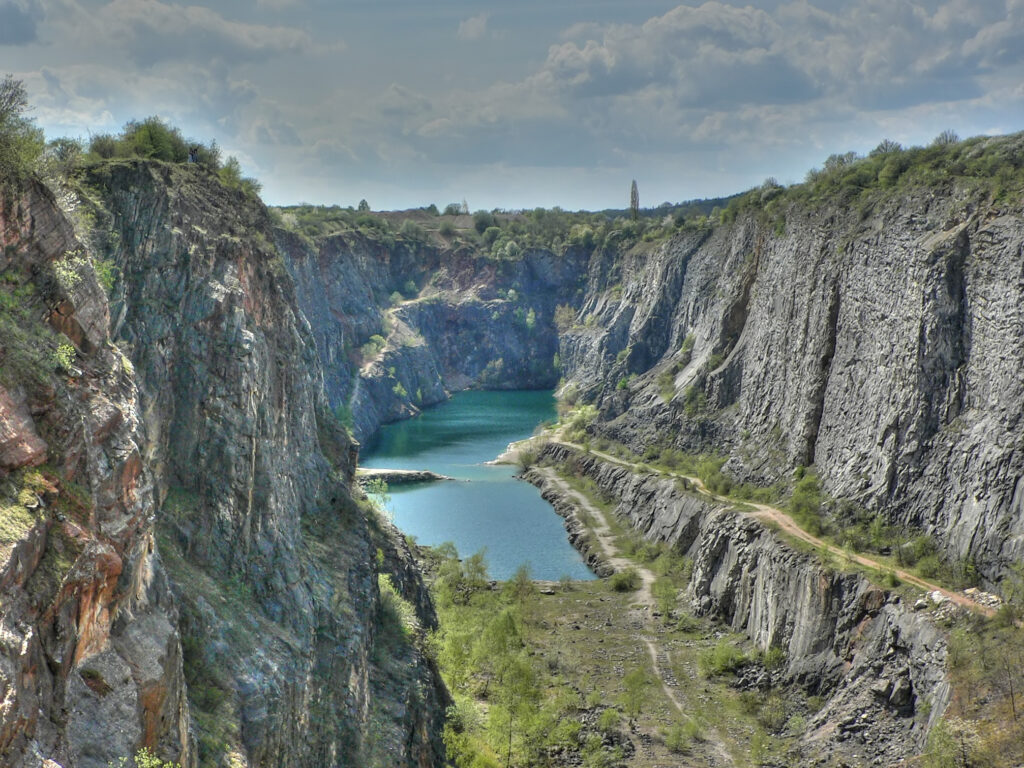
Often referred to as the Czech Grand Canyon, Velká Amerika is a stunning limestone quarry located just a short distance from the capital. Over the decades, nature has completely reclaimed this massive industrial scar, filling the bottom of the deep gorge with a vibrant, cerulean lake. It presents a striking visual contrast: the sheer, jagged white cliffs dropping precipitously into the perfectly still water below.
For the wanderer, it offers a brilliant escape from urban clamour. There are no massive visitor centres or overwhelming crowds here, just a network of rustic walking trails that trace the rim of the canyon, offering spectacular vantage points. You can easily take a local train or bus from the city to the nearby village of Mořina and hike the final stretch. Walking along the gorge, you get the distinct feeling of discovering a monumental secret that most international tourists drive right past on their way to more famous castles.
Český Ráj
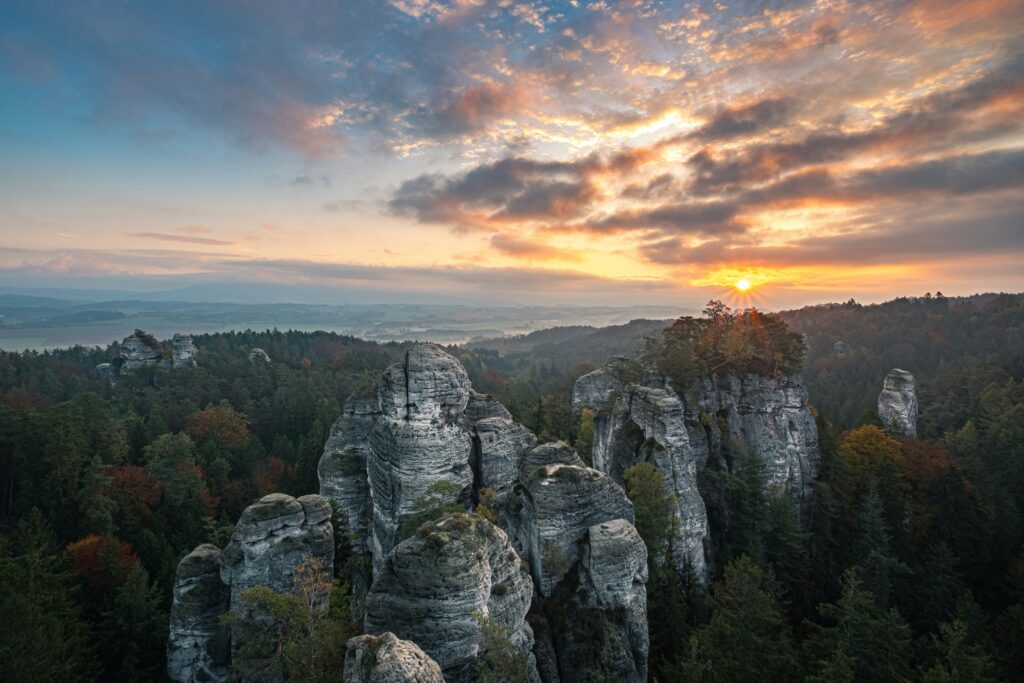
Translated as Bohemian Paradise, this protected nature reserve in the north of the country entirely lives up to its bold name. It is a mystical, otherworldly landscape defined by massive sandstone pillars that thrust upwards through dense, ancient pine forests. The most famous of these rock towns is Hrubá Skála, where centuries of wind and rain have sculpted the stone into bizarre, towering shapes that look like petrified giants.
Navigating the labyrinthine hiking trails between these monolithic structures makes you feel incredibly small and entirely connected to the natural world. It is an ideal destination for those who want to lose themselves in nature for a few days. You can explore ruined castles perched precariously on rocky outcrops, walk for hours on carpets of soft pine needles without seeing another soul, and truly dictate your own itinerary. The gateway town of Turnov is easily reached by regional trains, making it a seamless addition to an independent travel route.
Czechia.
The heart of Europe
Šumava National Park
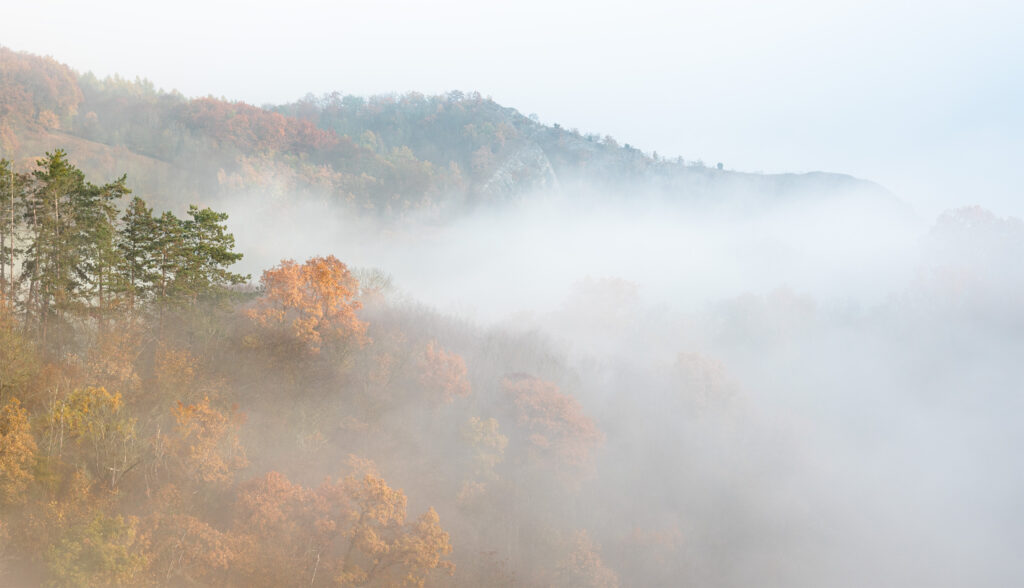
Running along the southern border with Germany, Šumava National Park is widely considered the green lung of Europe. It comprises a vast expanse of peat bogs, glacial lakes, and primaeval forests. Because of its history as part of the heavily guarded border zone during the Cold War, much of this landscape was left completely wild and untouched for decades.
Today, this is a playground of endless possibilities. The region is crisscrossed with well-maintained trails and old logging tracks, making it exceptionally accessible for walking or exploring on two wheels. Lake Lipno sits at the edge of the park, providing a tranquil base for your adventures.
The true beauty of Šumava lies in its sheer scale and the profound silence of its woods. You can pitch a tent near a quiet village, wake up to the sound of birdsong, and spend your day charting your own course through the rolling hills, stopping only when you find a perfect, secluded spot by a meandering stream.
Zlín
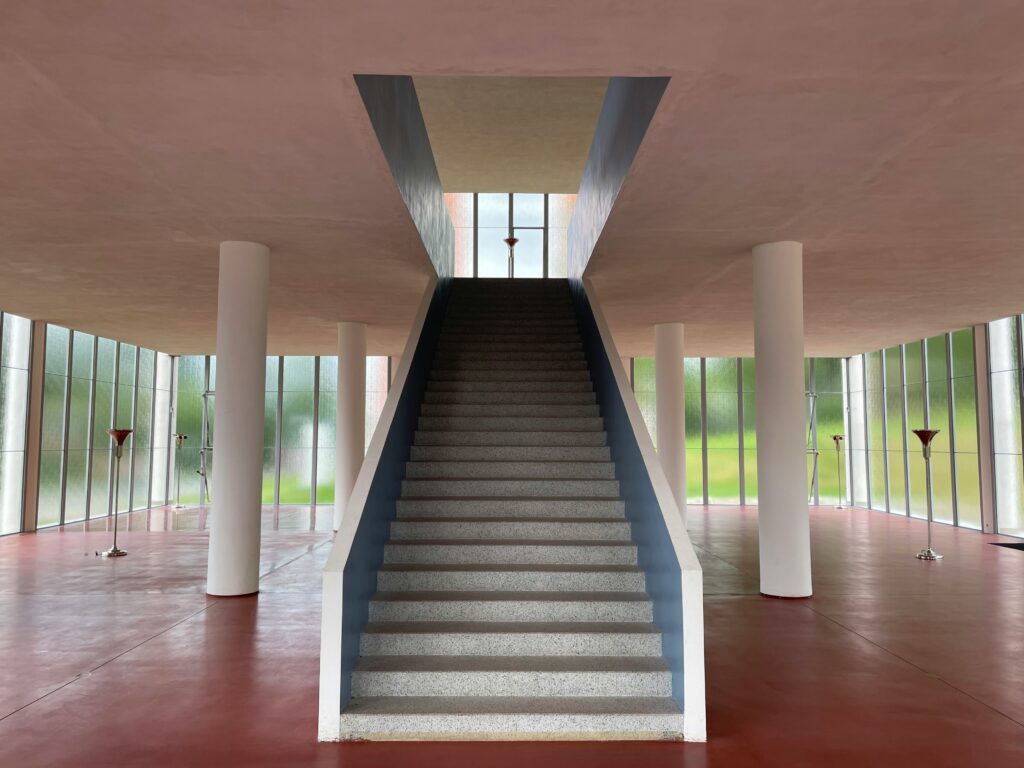
If your interests lean towards human history and architecture, the eastern city of Zlín is a complete revelation. Unlike the cobblestone medieval towns that dot the rest of the country, Zlín is a monument to 20th-century functionalism and industrial utopianism.
It was essentially built from the ground up by the Baťa shoe company, which transformed a sleepy provincial town into a modern metropolis to house its workers. The architecture is wonderfully uniform and fascinating, featuring distinctive red brick buildings, expansive green belts, and an overarching philosophy of blending work and life. The famous Baťa Skyscraper, which was once the second-tallest building in Europe, features an executive office built entirely inside a massive elevator so the director could travel between floors without ever leaving his desk.
Exploring Zlín feels like stepping into a perfectly preserved time capsule of modernist ambition. Accessible by train, it is a brilliant detour for travellers who appreciate design and history far removed from the typical tourist trail.
Moravia.
Welcome to wine country
The Moravian wine region
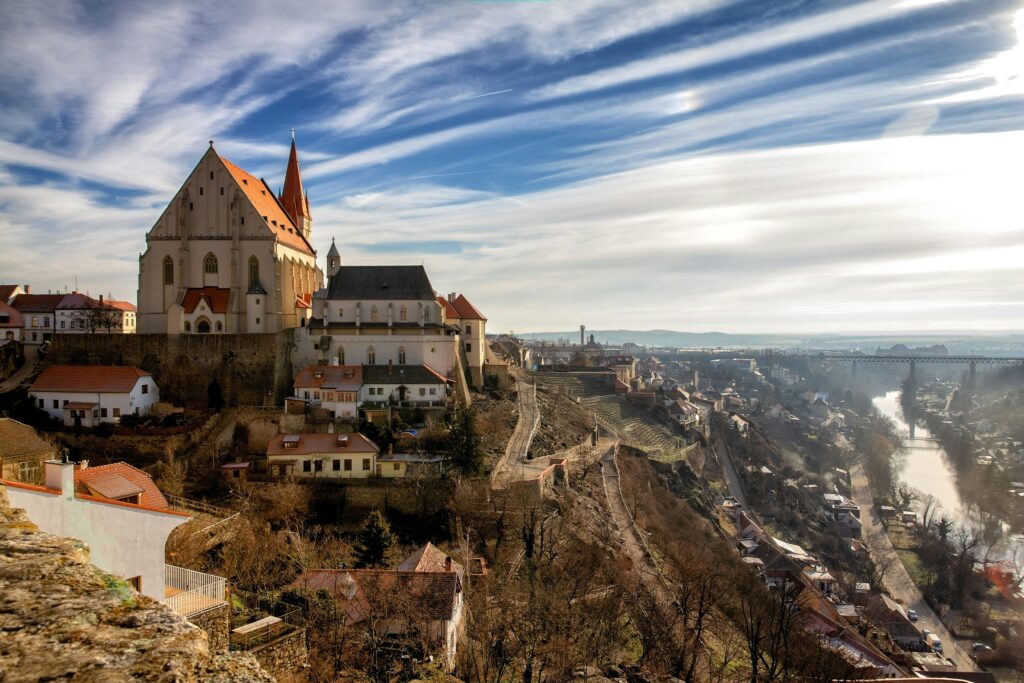
When people think of Czech beverages, they almost exclusively think of beer. However, the south-eastern region of Moravia is an absolute paradise for wine lovers. The landscape here softens into rolling hills covered in neat rows of vineyards, dotted with picturesque, sun-drenched villages like Mikulov and Mutěnice.
The travel experience here is wonderfully slow and deeply cultural. During the autumn harvest, local families open their cellars to share burčák, a sweet, partially fermented young wine. You will not find massive, commercialised tasting rooms or crowded tour groups here; instead, you will find intimate conversations with the people who grew the grapes.
The gentle topography makes it an absolute dream for slow travel, allowing you to move leisurely from one village to the next, stopping at roadside inns and completely immersing yourself in the rich, agricultural rhythms of the region.
Adršpach-Teplice Rocks
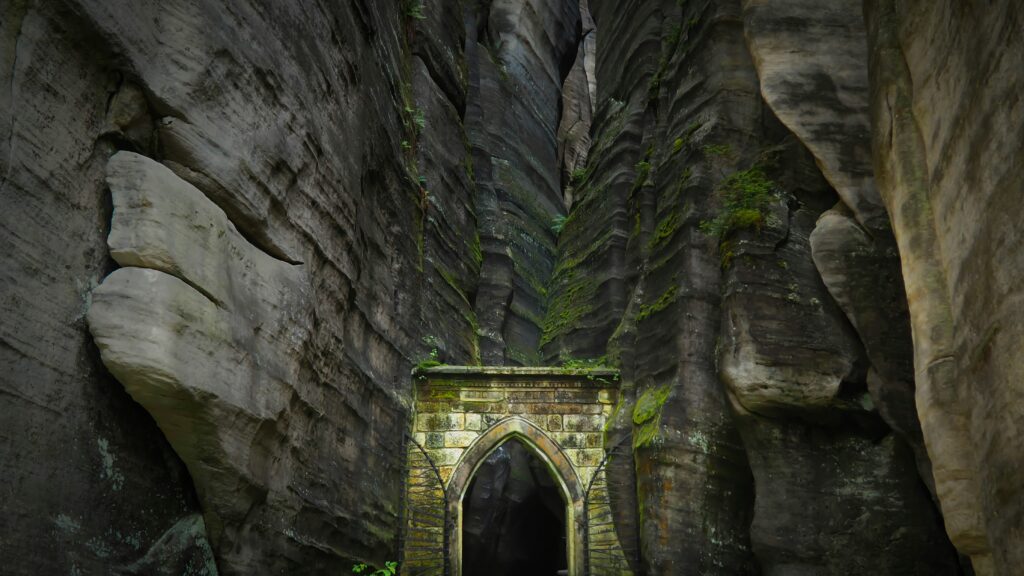
Tucked away near the Polish border, the Adršpach-Teplice Rocks form another phenomenal sandstone labyrinth, but with an atmosphere completely distinct from Český Ráj. These formations are massive, imposing, and closely packed, creating deep, shaded gorges where snow can linger well into the summer months.
The trails weave through narrow crevices, some only wide enough for one person to squeeze through, leading to hidden waterfalls and emerald-green glacial lakes tucked between the cliffs. The whimsical names of the rock formations, such as The Mayor and His Wife, hint at the local folklore that permeates the area.
It is a dramatic, awe-inspiring landscape that commands respect and quiet contemplation. Arriving here by local train and spending the day navigating the complex geological maze is a deeply rewarding experience for anyone who values raw natural wonder over highly curated attractions.
Prague.
There’s no other city like it
Cycling around the capital
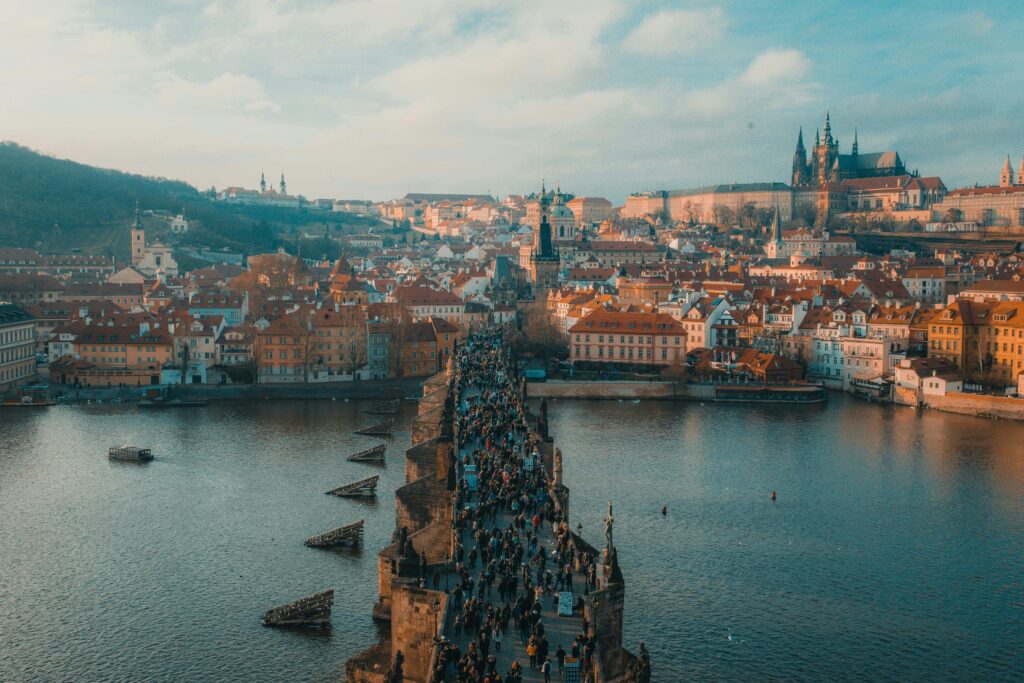
Of course, as Wheely Tyred readers know, our absolute favourite way to experience any destination is from the saddle of a bicycle. If you are basing yourself in Prague to begin your Czech adventure, you do not have to venture far to find incredible cycling routes.
Within a 20-kilometre radius of the city, there are spectacular day trips that allow you to escape the urban centre entirely under your own power.
- Divoká Šárka: A ride out to this nature reserve offers rugged cliffs, dense woodlands, and a serene valley right on the edge of the city limits, providing an immediate immersion in nature
- Únětice Brewery: Follow the Vltava River north and peel off onto local trails to reach this beloved local spot, where you can reward your pedalling with a freshly brewed, unpasteurised local lager
- Průhonice Park: Heading south, dedicated cycle paths will lead you to this sprawling botanical masterpiece and UNESCO site, perfect for a gentle afternoon ride among rare flora
- Karlštejn Castle: For a slightly longer local day trip just beyond the immediate city limits, the route to Karlštejn weaves through the lush Berounka River valley. It offers flat, highly scenic paths that culminate in a dramatic view of the monumental Gothic fortress
Travelling by bike ensures you dictate the pace of your discovery. It allows you to stop for a coffee in a quiet village, pause to take in a breathtaking valley view, and perfectly encapsulates the freedom that lies at the heart of independent travel.
Frequently asked questions about hidden gems in Czechia
The most efficient way for an independent traveller is to take a local train or bus from Prague to the village of Mořina. From there, it is a pleasant hike to the rim of the quarry. The walking trails are well-marked and offer numerous vantage points for photography.
Šumava is exceptionally well-suited for two wheels or long-distance walking. The park is crisscrossed with old logging tracks and well-maintained trails. Lake Lipno serves as an excellent base, providing a tranquil starting point for daily excursions into the primaeval forests.
Yes, the Baťa Skyscraper (Building No. 21) is open to the public. You can ride in the original paternoster lift and view the famous elevator office of Jan Antonín Baťa. The roof terrace also offers a panoramic view of the city’s unique functionalist urban planning.
While beautiful year-round, the region truly comes alive during the autumn harvest (September and October). This is when the local wine festivals take place and you can sample burčák. The gentle topography also makes this the ideal time for leisurely cycling between villages.
While possible, it is a long journey (roughly 3 hours each way). To truly appreciate the scale of the labyrinth and the hidden waterfalls, it is better to stay overnight in the area or combine it with a broader exploration of Northeastern Bohemia.
Absolutely. There are several spectacular routes within a 20-kilometre radius. You can follow the Vltava River north to the Únětice Brewery, head south to the UNESCO-listed Průhonice Park, or take the scenic Berounka valley path toward the monumental Karlštejn Castle.
Czechia.
Discover Czechia / History reimagined