Unlocking Prague / The independent traveller’s guide to the City of a Hundred Spires
Exploring the ancient city / A guide to Prague’s most iconic landmarks
A masterclass in Gothic grandeur and Bohemian soul
BEN FINCH
Welcome to Prague. This is a city where soaring Gothic spires pierce the skyline, and winding cobblestone streets whisper centuries-old tales of Bohemian kings, alchemists, and artists. For the independent traveller—the kind who prefers the wind in their hair and the absolute freedom to linger rather than blindly chasing a tour guide on a tight schedule—Prague is an absolute dream destination.
While it is undeniably one of Europe’s most visited cities, experiencing its world-renowned attractions on your own terms completely changes the dynamic of your trip. You have the luxury to arrive early to beat the heavy crowds, stay late to watch the sunset cast a golden glow over the Vltava River, and truly absorb the local atmosphere without being rushed onto a waiting bus. Travelling under your own steam allows you to gain a deep, authentic knowledge of the city.
Let’s delve into the absolute must-see attractions in the Czech capital, perfectly tailored for those who love to explore on their own time.
Prague’s Essential Highlights at a Glance
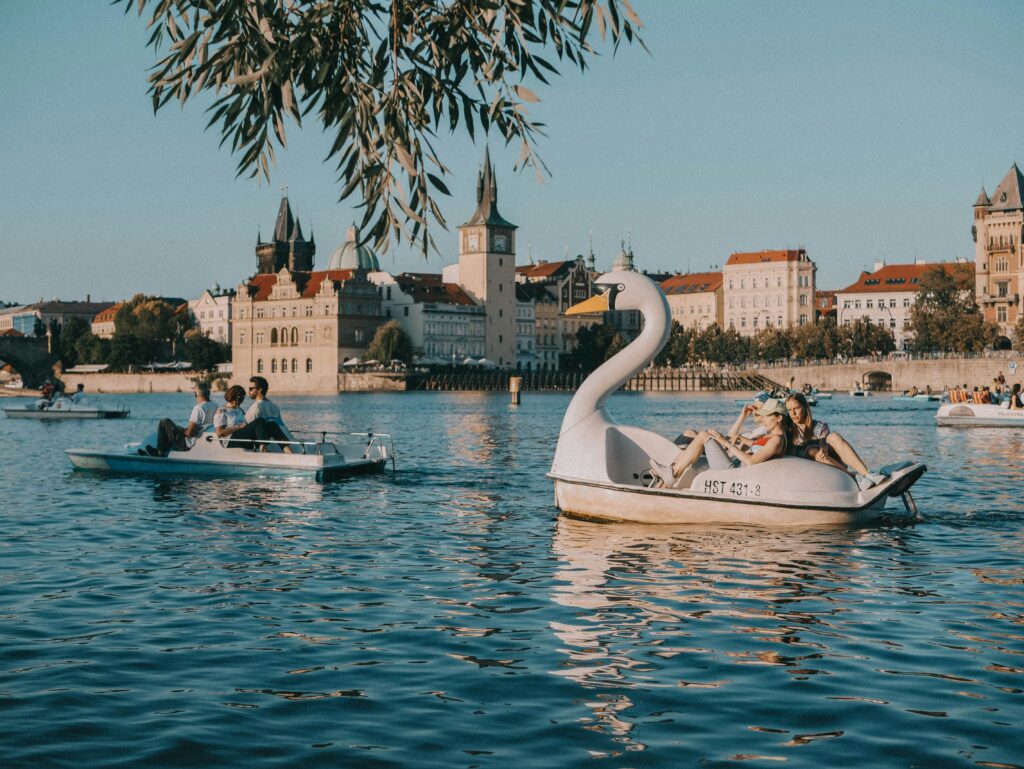
Prague is a city of layers, where Gothic spires compete for space with Socialist-era concrete. For those navigating under their own steam, these are the sites that define the capital’s complex character:
- Prague Castle: A sprawling administrative and religious city within a city that holds the title of the largest ancient castle complex in the world. It is best approached at dawn to witness the Gothic St. Vitus Cathedral without the midday choreography of tour groups
- The Charles Bridge: A 14th-century masterpiece of sandstone and superstition. Guarded by formidable Gothic towers, its span is lined with 30 statues that are best appreciated when the morning mist still clings to the Vltava
- Old Town Square (Staroměstské náměstí): The historic heart of the city. While the Astronomical Clock provides a bit of mechanical theatre every hour, the real draw is the surrounding architectural collision of Romanesque, Baroque, and Gothic styles
- The Jewish Quarter (Josefov): A poignant reminder of the city’s deep and difficult history. The Jewish Cemetery and the various synagogues—particularly the Pinkas and Spanish—require a slow, deliberate pace to truly honour
- Petřín Hill: Prague’s green lung. Skip the funicular and take the winding paths through the orchards; your reward is a miniature Eiffel Tower at the summit and the most expansive views of the city’s terracotta rooftops
- Vyšehrad Fortress: Often overlooked in favour of the main castle, this 10th-century promontory offers a quieter, more local sanctuary. Its ramparts provide a spectacular perspective of the river and the city’s southern reaches
- Žižkov Television Tower: For a break from the Baroque, look to the east. This Brutalist landmark, famously adorned with crawling giant babies by artist David Černý, offers a sharp, modernist contrast to the City of a Hundred Spires
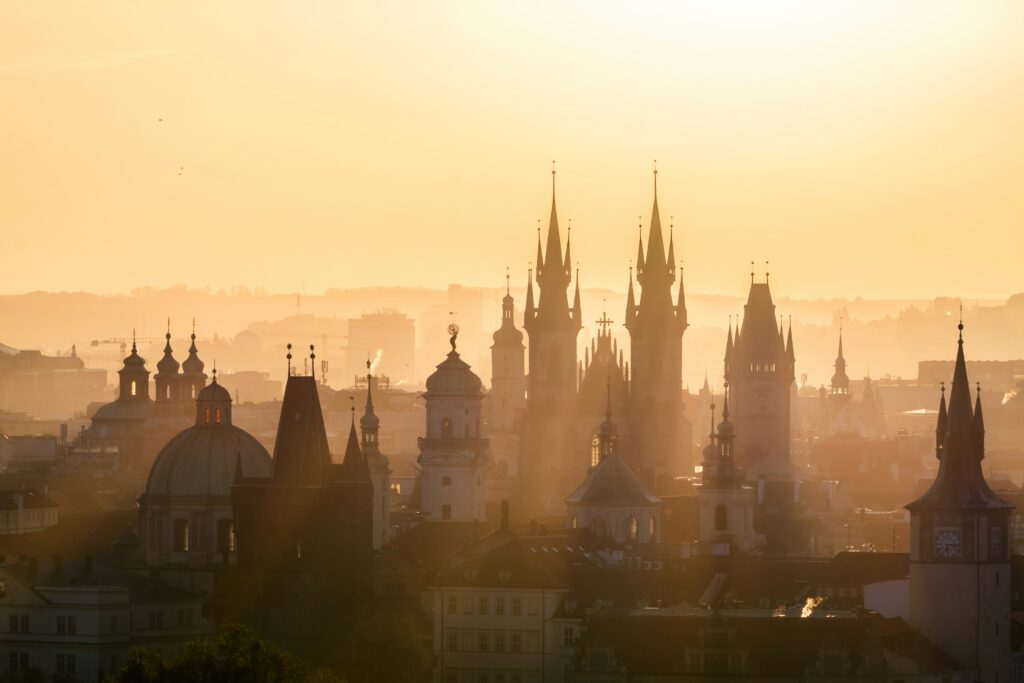
Prague.
There’s no other city like it
1. Prague Castle and St. Vitus Cathedral
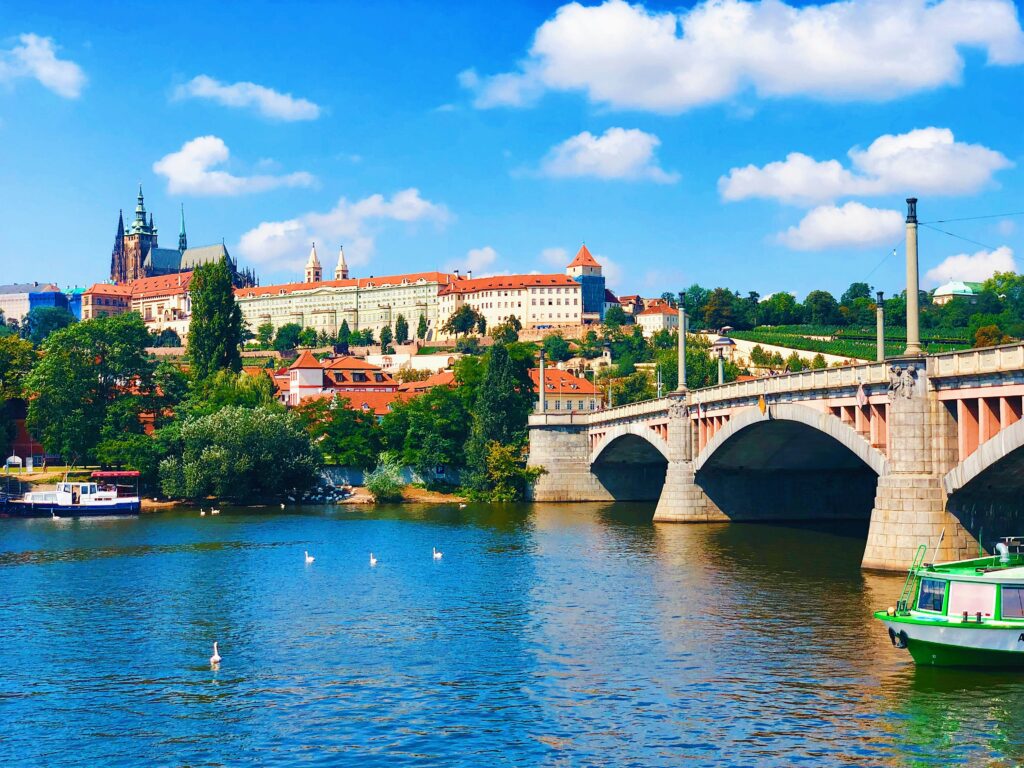
Dominating the city’s skyline from its majestic perch above the meandering Vltava River, Prague Castle is not just a single fortress but a sprawling, breathtaking complex that holds the official title of the largest ancient castle in the world. Dating all the way back to the 9th century, it has proudly served as the seat of power for Bohemian kings, Holy Roman Emperors, and modern-day Czech presidents.
Wandering through the expansive courtyards, the undisputed crown jewel you will encounter is St. Vitus Cathedral. Its dramatic Gothic spires demand your immediate attention, and the cavernous interior is equally staggering. Inside, you will find brilliant stained glass windows, including a spectacular piece designed by the famous Art Nouveau artist Alfons Mucha, alongside the ornate tombs of saints and monarchs. Do not miss Golden Lane, a picturesque street of tiny, colourful houses built into the castle walls where castle guards and goldsmiths once lived.
The Independent Edge: Standard tour groups generally arrive mid-morning, creating immense bottlenecks. By setting your own schedule, you can tackle the steep, rewarding climb up to the castle gates just after sunrise. The grounds open early, allowing you to experience the misty, atmospheric courtyards in near silence before the cathedral doors even open.
2. The Charles Bridge
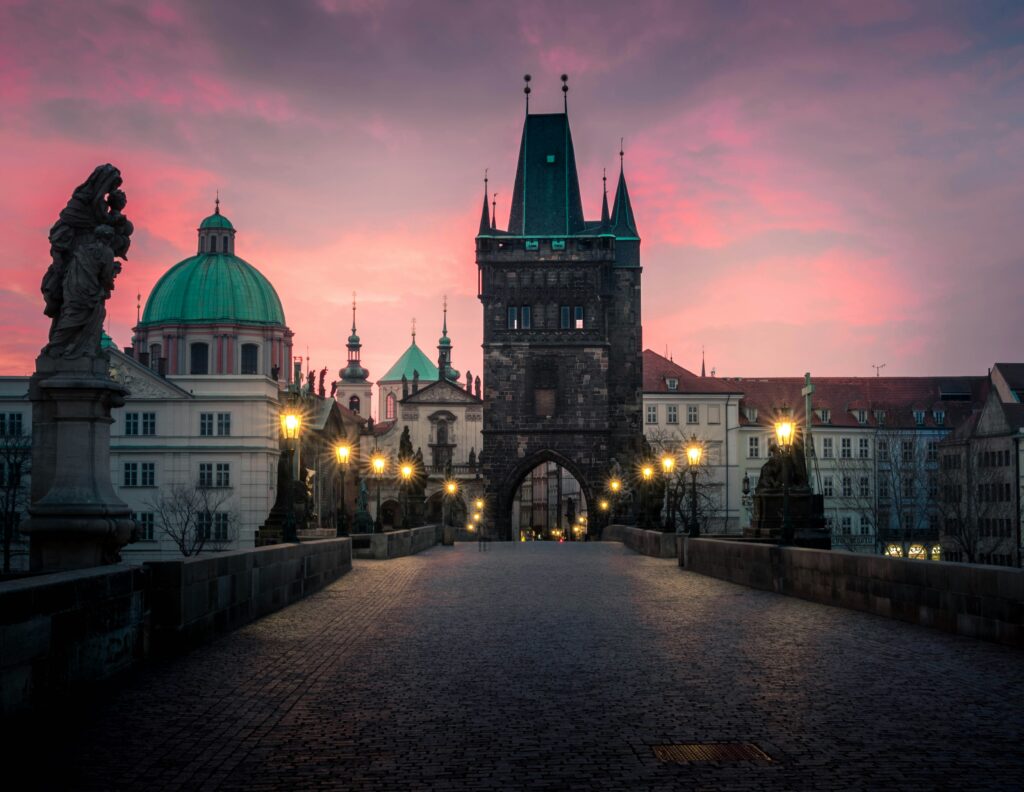
Connecting the historic Old Town with the picturesque Lesser Town, the Charles Bridge is a 14th-century masterpiece of Gothic engineering commissioned by King Charles IV. Lined with thirty imposing Baroque statues of saints looking down upon passersby, it is arguably the most romantic and evocative spot in the entire city.
According to local legend, raw eggs were mixed into the mortar during construction to strengthen the bridge—a wonderful testament to the quirky history that permeates Prague. Today, it is a bustling, vibrant artery filled with local musicians, artists, and sightseers from all corners of the globe. Be sure to find the statue of St. John of Nepomuk; touching the base is said to bring good luck and ensure your return to Prague.
The Independent Edge: Midday on the Charles Bridge can often feel like a slow-moving, crowded queue. But for the early riser, arriving at dawn offers a spectacular, unobstructed view of the castle as the sun crests the horizon, casting a warm hue over the statues. It is a moment of pure, uninterrupted magic that the scheduled group tours completely miss.
Bohemia.
Explore the heart of the Czech Republic
3. Old Town Square and the Astronomical Clock
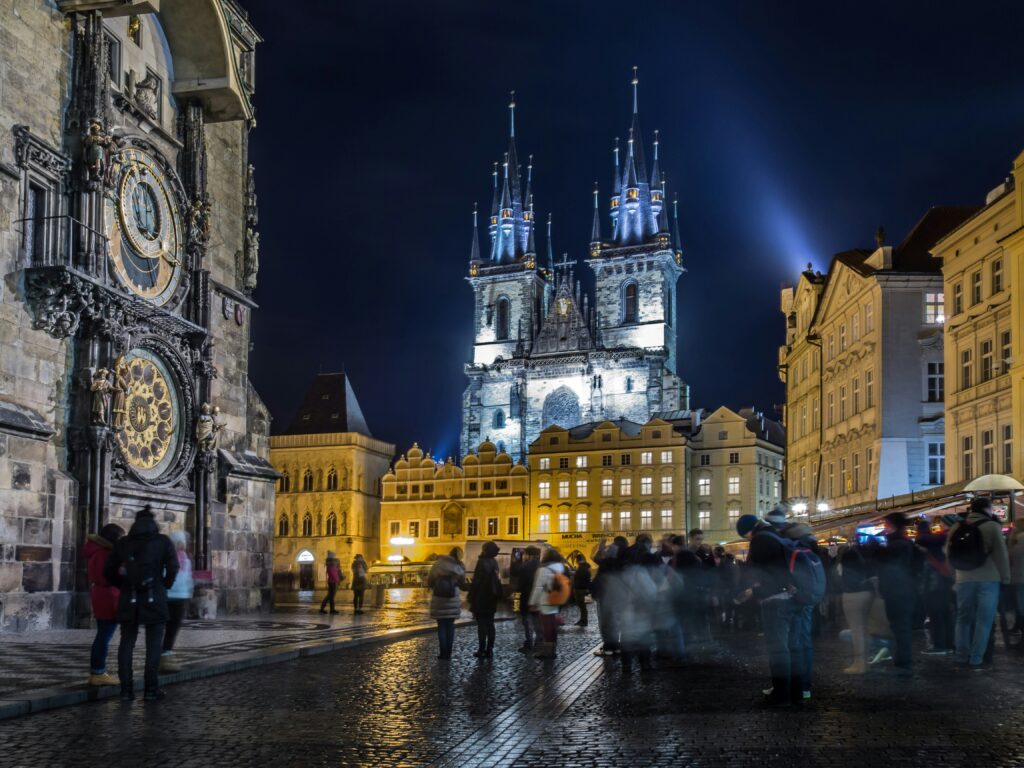
The historic heart of Prague, the Old Town Square, has remained relatively untouched since the 10th century. It is flanked on all sides by architectural marvels, from the striking, multi-spired Church of Our Lady before Týn to the elegant, sweeping baroque curves of the St. Nicholas Church.
The main draw, however, is the Old Town Hall and its 600-year-old Astronomical Clock. It holds the remarkable distinction of being the oldest functioning astronomical clock in the entire world. Every hour, on the hour, large crowds gather below to watch the mechanical show of the twelve apostles, a charming spectacle that has delighted onlookers for centuries.
The Independent Edge: Rather than standing shoulder-to-shoulder in the square right at the top of the hour, climb the Old Town Hall Tower just before the clock strikes. You get an incredible, sweeping bird’s-eye view of the square and the intricate red rooftops of the Old Town, entirely escaping the throng below while still enjoying the vibrant atmosphere.
4. The Jewish Quarter
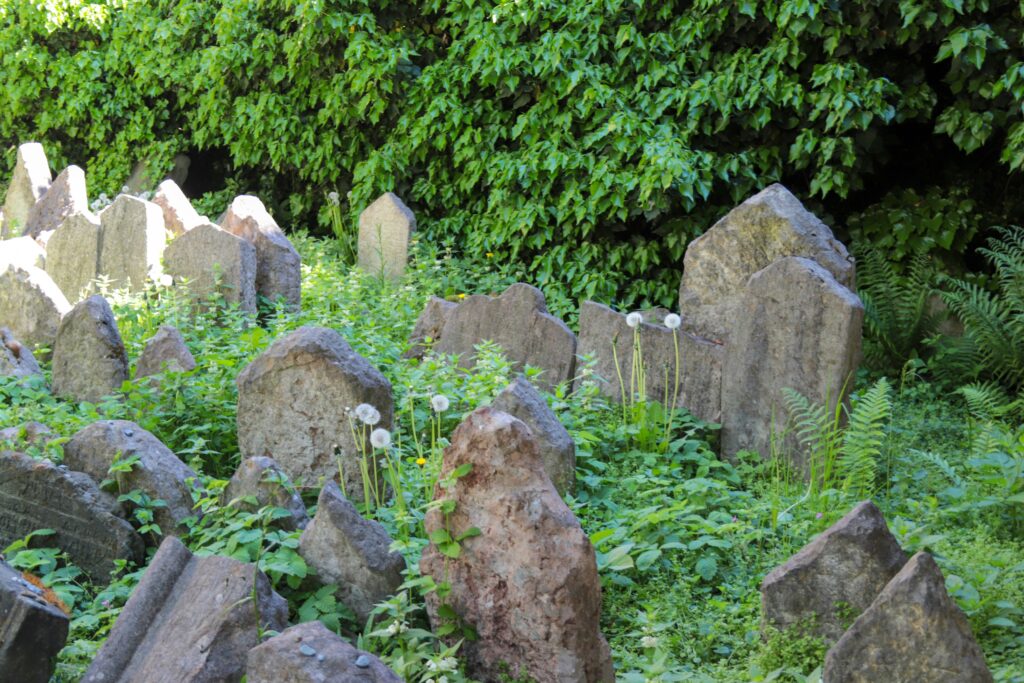
Nestled quietly between the Old Town Square and the Vltava River, the Jewish Quarter tells a poignant, centuries-old story. Originally formed in the 13th century when Jewish citizens were ordered to vacate their disparate homes and settle in one walled area, the ghetto surprisingly survived the heavy destruction of the Second World War.
Today, it stands as a powerful testament to resilience, community, and heritage. The area includes six beautifully preserved historic synagogues, the Jewish Town Hall, and the hauntingly beautiful Old Jewish Cemetery. Because space was severely limited for centuries, thousands of ancient, moss-covered tombstones are layered upon one another, creating an unforgettable and deeply moving landscape.
The Independent Edge: Exploring this quarter requires dedicated time and quiet reflection. Without a rigid schedule dictating your movements, you can pause to read the moving inscriptions at the Pinkas Synagogue, which serves as a memorial to the victims from Bohemia and Moravia, and walk through the cemetery at a pace that truly honours its solemn, complex history.
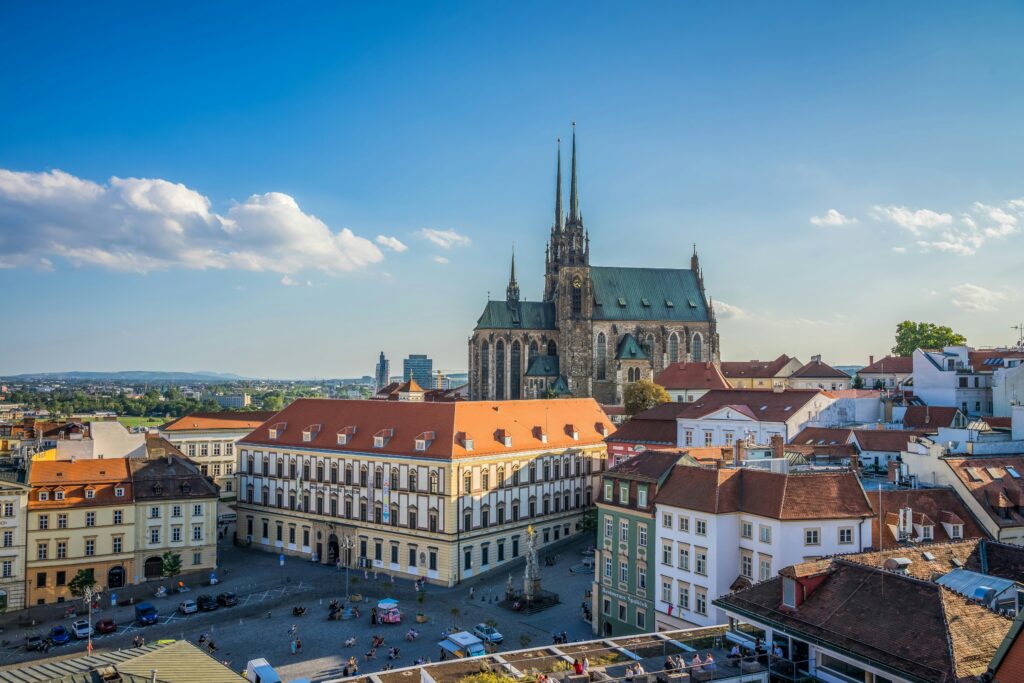
Brno.
Explore Czechia’s second — and best — city
5. Petřín Hill and the Lookout Tower
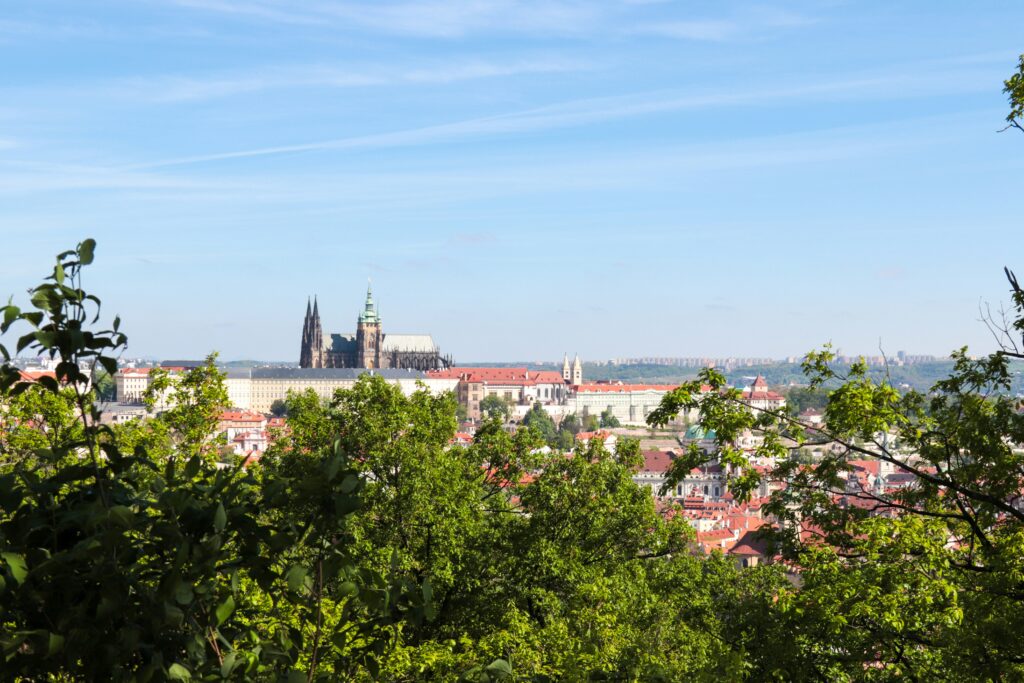
If you find yourself needing a refreshing break from the dense medieval architecture of the city centre, simply look up to Petřín Hill. This vast expanse of elevated green space is beautifully woven with winding pathways, perfectly landscaped gardens, and fragrant fruit orchards.
At the very summit stands the Petřín Lookout Tower, a fascinating miniature replica of the Eiffel Tower built for a jubilee exhibition in 1891. Climbing its 299 steps rewards you with what is undeniably the best panoramic view of Prague, sweeping effortlessly across the red roofs, the meandering river, and the rolling Bohemian landscape beyond.
The Independent Edge: This is where your love for physical movement truly pays off. While there is a funicular railway that carries passengers to the top, walking or pushing your bike up the winding, tree-lined paths is a joy in itself. It serves as a peaceful retreat from the urban energy below, offering a chance to stretch your legs and breathe in the fresh air on your own terms.
6. Vyšehrad Fortress
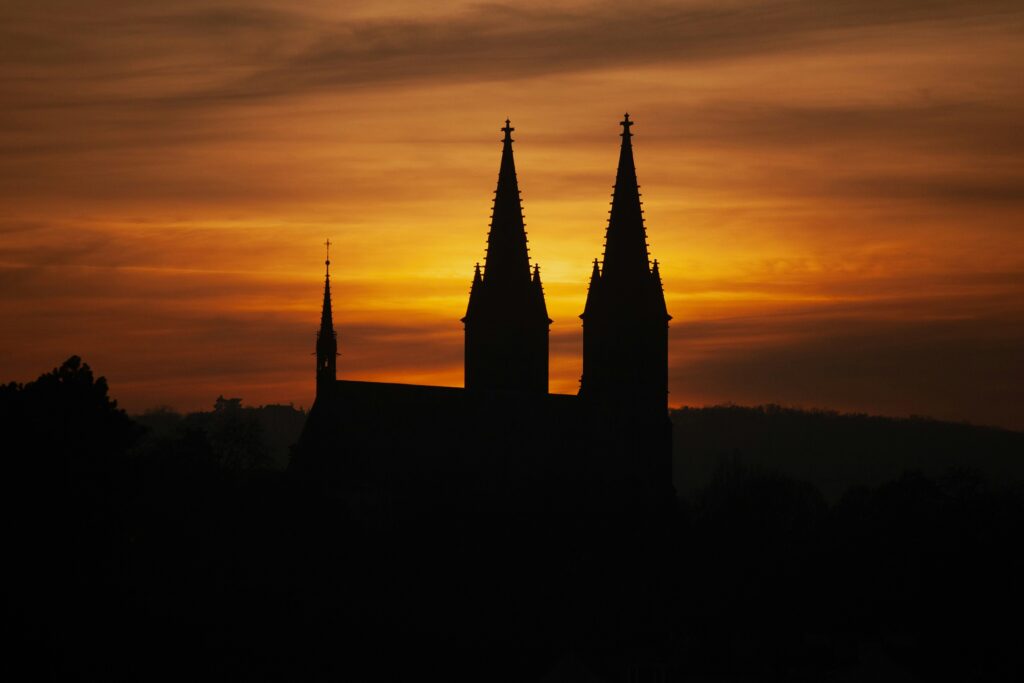
Often completely overlooked by first-time visitors who are in a mad rush to tick off the main sights, Vyšehrad is a magnificent historic fort located on a rocky promontory over the Vltava River, just south of the city centre. According to ancient local legends, it was the original seat of the very first Czech rulers.
Within its imposing walls, you will find the stunning neo-Gothic Basilica of St. Peter and St. Paul, characterised by its twin spires, as well as the Vyšehrad Cemetery. This cemetery is the highly revered final resting place of many notable Czech artists, writers, and composers, including Antonín Dvořák and Bedřich Smetana. The ancient ramparts offer spectacular, sweeping views of the river and the wider cityscape.
The Independent Edge: Vyšehrad is the ultimate sanctuary for the self-guided traveller. It boasts beautifully manicured parks and a much quieter, distinctly more local atmosphere than Prague Castle. It is the perfect spot to bring a picnic, sit on the sun-warmed fortress walls, and enjoy a quiet afternoon far away from the souvenir shops.
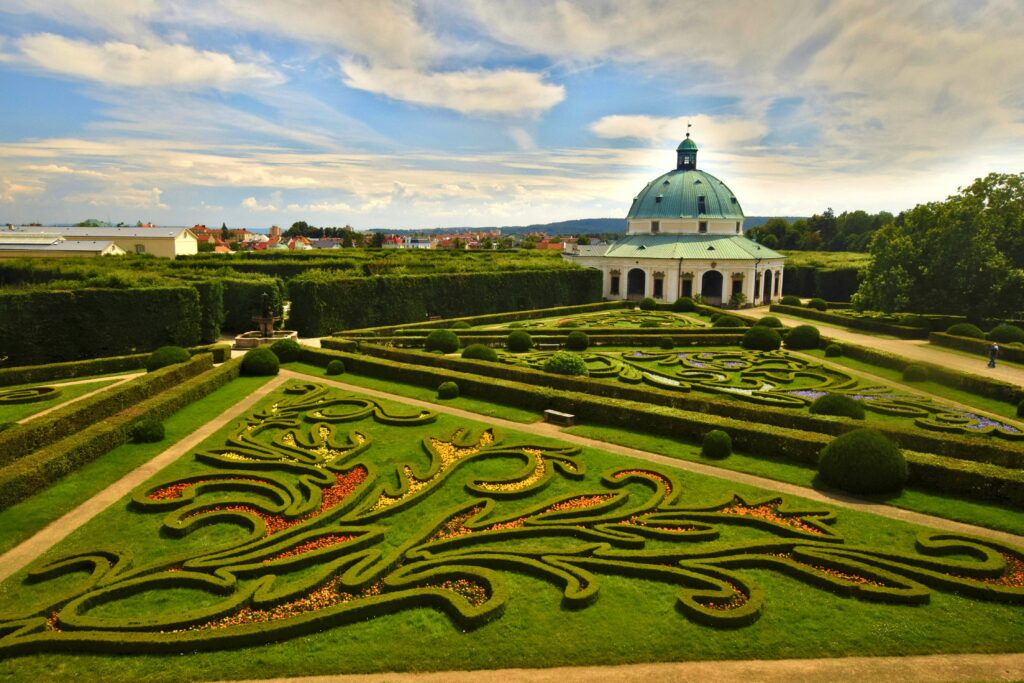
Czechia.
The heart of Europe
Beyond Prague city limits / The cyclist’s escape
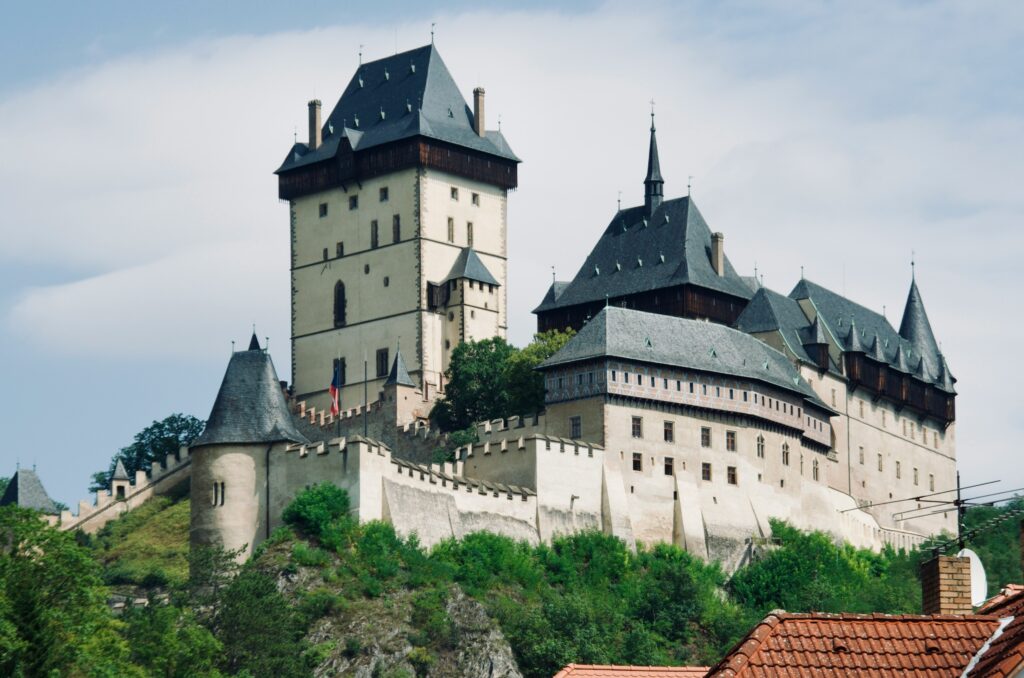
For those who know that the best way to travel is by bike, Prague is not just a phenomenal destination; it is a perfect launchpad. Wheely Tyred knows that true exploration begins where the standard tourist maps end. While the dense, bumpy cobblestones of the immediate Old Town are best navigated on foot, the surrounding region offers magnificent, world-class cycling opportunities right at your fingertips.
Just under 20 kilometres outside the city limits, you can cycle along the tranquil banks of the Vltava River to the awe-inspiring Karlštejn Castle. This large, monumental Gothic fortress was founded in 1348 by Charles IV and sits majestically atop a forested hill. The cycling route there is beautifully flat and well-paved, following dedicated cycle paths that wind through lush river valleys, offering an incredibly scenic ride.
Another excellent local day trip is pedalling out to Troja Château, a glorious Baroque palace featuring magnificent French gardens, located just north of the city centre and easily accessible via completely flat, car-free riverside paths. If you prefer nature, taking a short ride to the wild and romantic Divoká Šárka nature reserve plunges you into a landscape of rugged cliffs and dense forests, making you forget you are anywhere near a bustling European capital.
Whether you bring your own trusted wheels or hire a bike locally, the absolute freedom to pedal out of the city limits, discover hidden gems, and explore the Bohemian countryside at your own pace is an enriching experience that no crowded tour bus can ever replicate.
Affiliate Disclaimer: Some of the links on Wheely Tyred are affiliate links. If you click through and make a booking or purchase, we may earn a small commission at no extra cost to you. We only recommend gear, tours, stays, and services we genuinely use, trust, and stand behind — our editorial independence always comes first. These commissions help keep our independent cycling guides and travel stories free to read. Thanks for supporting the ride!
Frequently asked questions about the top attractions in Prague
The historic core is exceptionally compact and almost entirely pedestrianised, making it a joy to explore on foot. However, the City of a Hundred Spires is also a city of a thousand cobblestones; sturdy footwear is a practical necessity rather than a fashion choice.
The Independent Edge is timing. Arrive at the Charles Bridge or Prague Castle just after sunrise. By 10:00 AM, the primary tourist arteries become congested, which is your cue to retreat into the quieter courtyards of Vinohrady or the parks of Vyšehrad.
In the immediate Old Town, the combination of dense foot traffic and historic cobbles makes cycling more of a struggle than a shortcut. However, the riverside paths along the Vltava provide excellent, car-free routes that connect the city to outlying gems like Troja Château.
Look for the výčep (taproom) or a basement tavern where the menu is only in Czech and the beer is treated with more reverence than the décor. Generally, the quality of the goulash is inversely proportional to the number of laminated photos of food displayed outside.
Read our guide to the best restaurants in Prague here.
Simply look up and look behind. Many of Prague’s most interesting design details—from Art Nouveau facades to Cubist lamp posts—are hidden in plain sight above eye level. Don’t be afraid to duck into open passageways (pasáž); they often lead to serene courtyards and independent cinemas.
Read our guide to Prague’s hidden gems here.
The Czech rail network is a lesson in understated efficiency. Trains from the main station (Hlavní nádraží) can whisk you to the silver-mining legacy of Kutná Hora or the limestone landscapes of Karlštejn in under an hour, allowing for total autonomy without the need for a rental car.
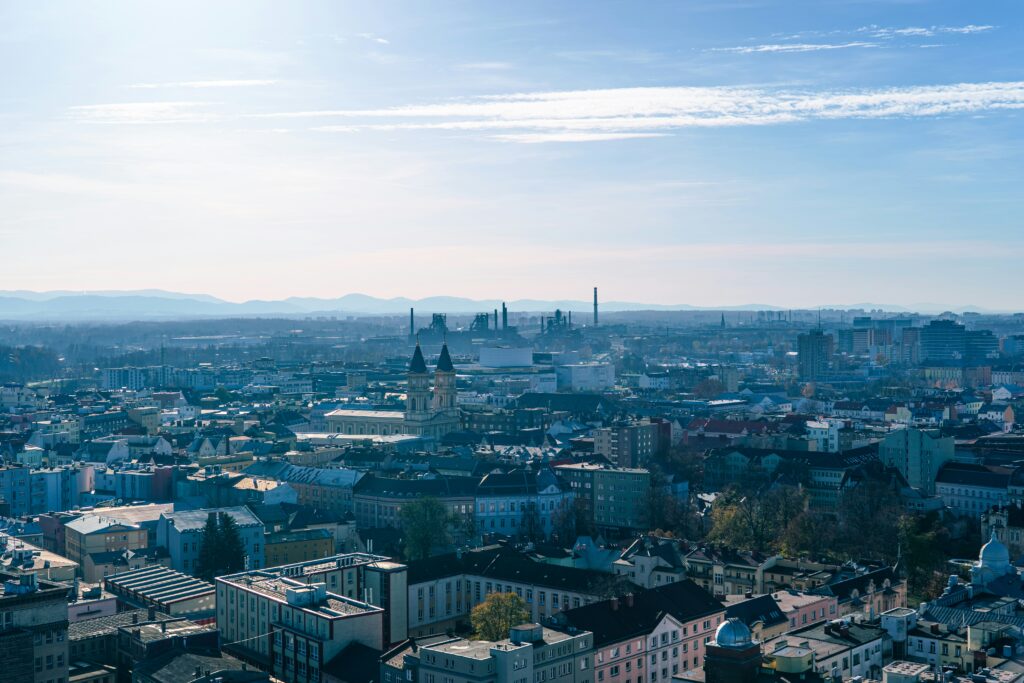
Czechia.
Discover Czechia / History reimagined