Unveiling the magic of Prague / Your ultimate guide to the best time to visit
Discover the best time to visit Prague / Seasonal weather, monthly guides, and climate trends
Chase the Bohemian beauty through every season in the City of a Hundred Spires

BEN FINCH
Planning a journey to the heart of Europe requires more than just booking a flight and finding a place to stay. To truly experience the enchanting atmosphere of Czechia’s capital, you need to know the best time to visit Prague. From the blossoming orchards of Petřín Hill in the spring to the festive glow of the Old Town Square in the depths of winter, every season offers a distinct flavour.
At Wheely Tyred, we know that the secret to a flawless trip lies in the planning. While we are passionate about routing the perfect path, we also understand that the foundation of any great adventure—whether on two wheels or two feet—is knowing exactly what the skies have in store. Prague experiences a temperate oceanic climate, meaning it enjoys four very distinct seasons. However, like many historic European cities, its weather patterns are shifting.
To help you build the perfect itinerary, we have broken down the historical weather trends, the seasonal highlights, and the crucial climate changes you need to consider before you pack your bags.
Seasonal soul / A guide to Prague’s climate and best times to visit
Prague’s temperate oceanic climate creates four distinct seasonal identities. For the independent traveller, understanding these shifts is the key to balancing outdoor adventure with comfortable exploration:
- Spring (March–May): A time of transition where the city blooms. While March is still chilly (9°C), May is pleasant (19°C) and perfect for beer gardens. Expect unpredictable rain and pack layers to handle the shifting temperatures
- Summer (June–August): The peak season for activity and long daylight hours. Temperatures average 25°C but can frequently exceed 30°C due to recent climate shifts. Be prepared for sudden, heavy late-afternoon thunderstorms
- Autumn (September–November): Often cited as the ideal time to visit. September offers a warm extension of summer (21°C) with harvest festivals, while October provides crisp air and spectacular foliage before the damp chill of November sets in
- Winter (December–February): Temperatures hover around freezing (0°C–4°C). While snow is less guaranteed than in the past, the city is transformed by Christmas markets in December and offers a quiet, crowd-free museum experience in January and February
- Climate Change Impacts: Summers are becoming more Mediterranean with frequent heatwaves, while winters are increasingly milder and wetter. These shifts make flexible planning and high-quality, waterproof footwear more important than ever
- The Shoulder Season Strategy: To avoid the extremes of heat and crowds, aim for May, September, or October. These months currently offer the most stable weather for active travel, such as cycling along the Vltava or hiking the city’s hills
Prague.
There’s no other city like it
Spring: The city awakens / March, April, May
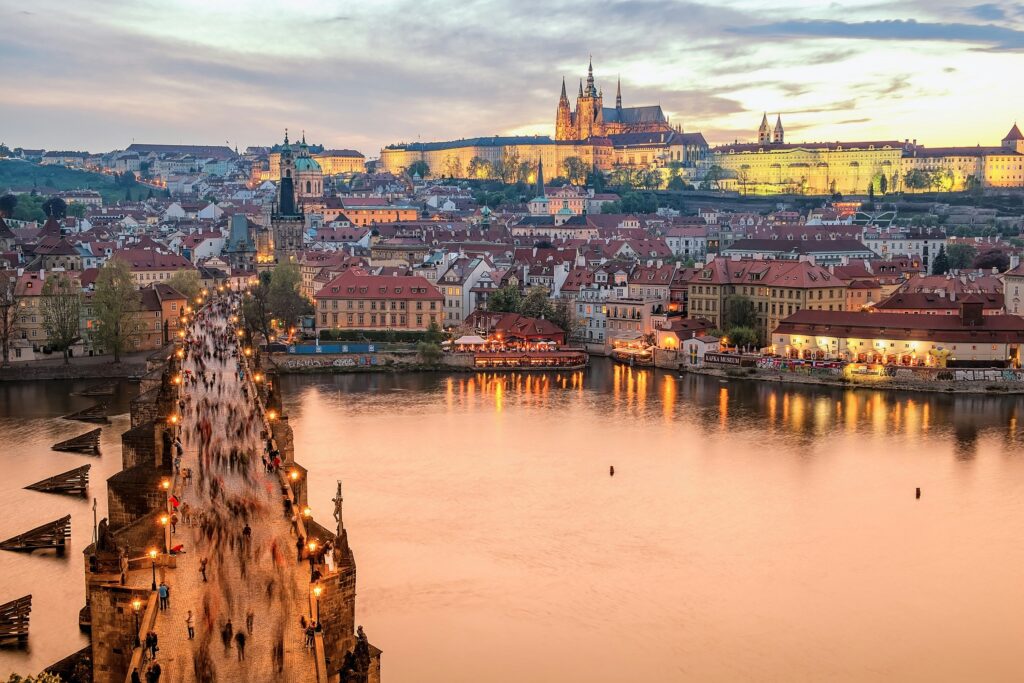
Spring is widely considered one of the most spectacular times to explore Prague. As the winter frost thaws, the city emerges in a vibrant display of colours and lively outdoor energy.
Historical weather trends
March in Prague is transitional and can still feel quite chilly, with average high temperatures hovering around 9°C and nights that frequently drop near freezing. As you move into April, the city warms up to a comfortable 14°C, though the weather can be famously unpredictable—sunny one moment and showering the next. By May, Prague truly shines, boasting average highs of a very pleasant 19°C.
The spring experience
Travelling in spring means you get to witness the spectacular Easter markets that take over the historic squares, filled with hand-painted eggs and the scent of sweet pastries. May is particularly glorious for outdoor exploration. The beer gardens in Letná Park begin to open, offering panoramic views of the Vltava River and the bridges below. It is the perfect weather for long, meandering walks through the Lesser Town and up to Prague Castle without the exhaustion of the mid-summer heat.
What to pack
Because of the shifting temperatures, layering is absolutely essential. Bring a lightweight waterproof jacket, a mix of short and long-sleeved tops, and a warm jumper for the evenings.
Bohemia.
Explore the heart of the Czech Republic
Summer: Golden days and balmy nights / June, July, August
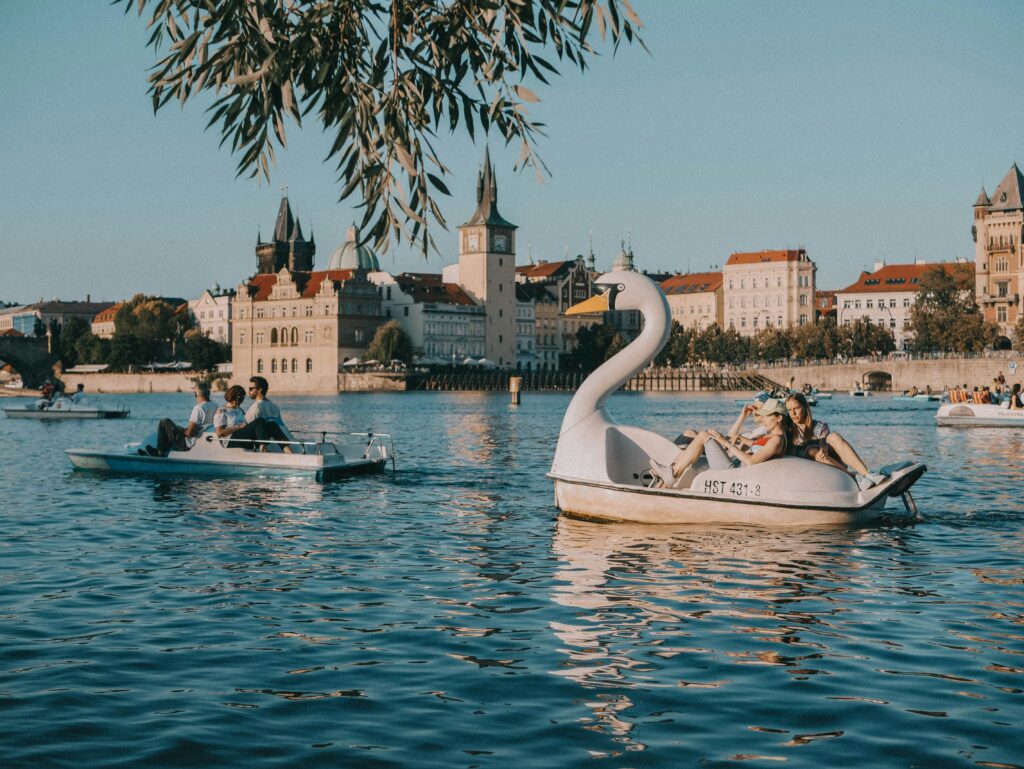
Summer is the undisputed peak tourist season in Prague. The days are incredibly long, the atmosphere is electric, and the city’s al fresco dining scene is in full swing.
Historical weather trends
June, July, and August bring the warmest weather of the year, with average historical highs sitting comfortably between 24°C and 25°C. July is typically the hottest month. While these averages sound idyllic, it is important to note that summer is also the wettest season, primarily due to sudden, heavy late-afternoon thunderstorms that break the humidity.
The summer experience
If you love a bustling, lively environment, summer is the best time to visit Prague. The Vltava River becomes a hub of activity with paddleboats and river cruises. Music festivals, outdoor cinemas, and cultural events fill the calendar. Long evenings are best spent sipping famous Czech pilsner on a terrace or watching the sunset cast a golden glow over the Charles Bridge.
Climate change and summer travel
It is vital to acknowledge how the climate is changing in Central Europe. Prague is increasingly experiencing a Mediterranean-style summer. Heatwaves are becoming much more frequent, and the number of tropical days—where temperatures exceed 30°C—has tripled in recent decades. The historic centre, with its dense architecture and cobblestones, acts as an urban heat island, making it feel even hotter.
If you are travelling in July or August, plan your heavy sightseeing for the early mornings or late evenings. Seek out the city’s extensive green spaces to cool down during the midday heat, and always carry a reusable water bottle to stay hydrated.
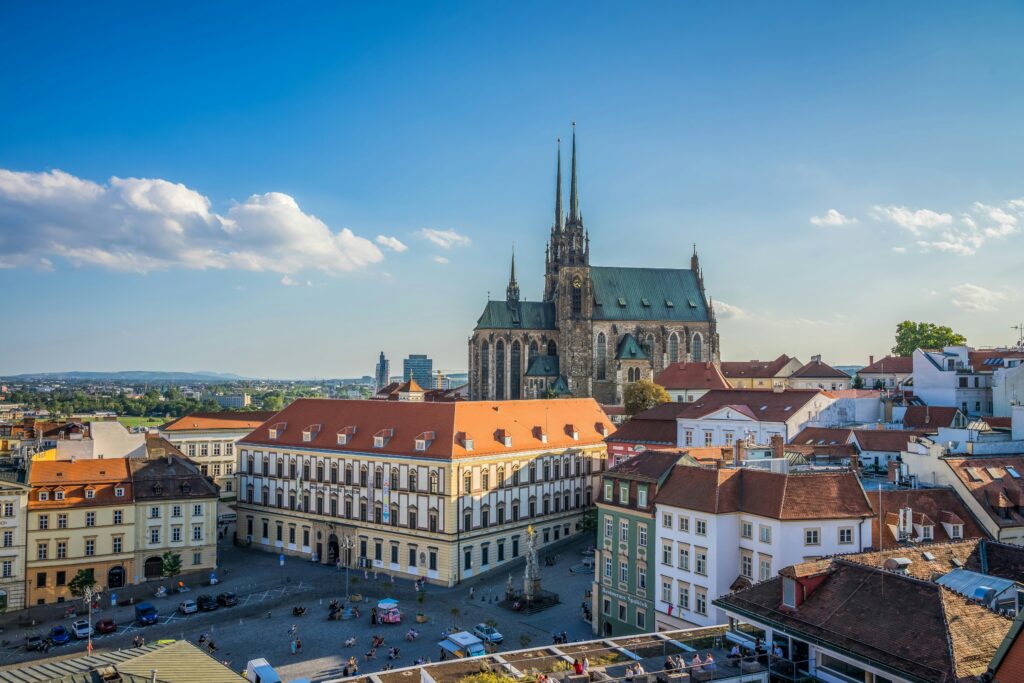
Brno.
Explore Czechia’s second — and best — city
Autumn: Crisp air and rich hues / September, October, November
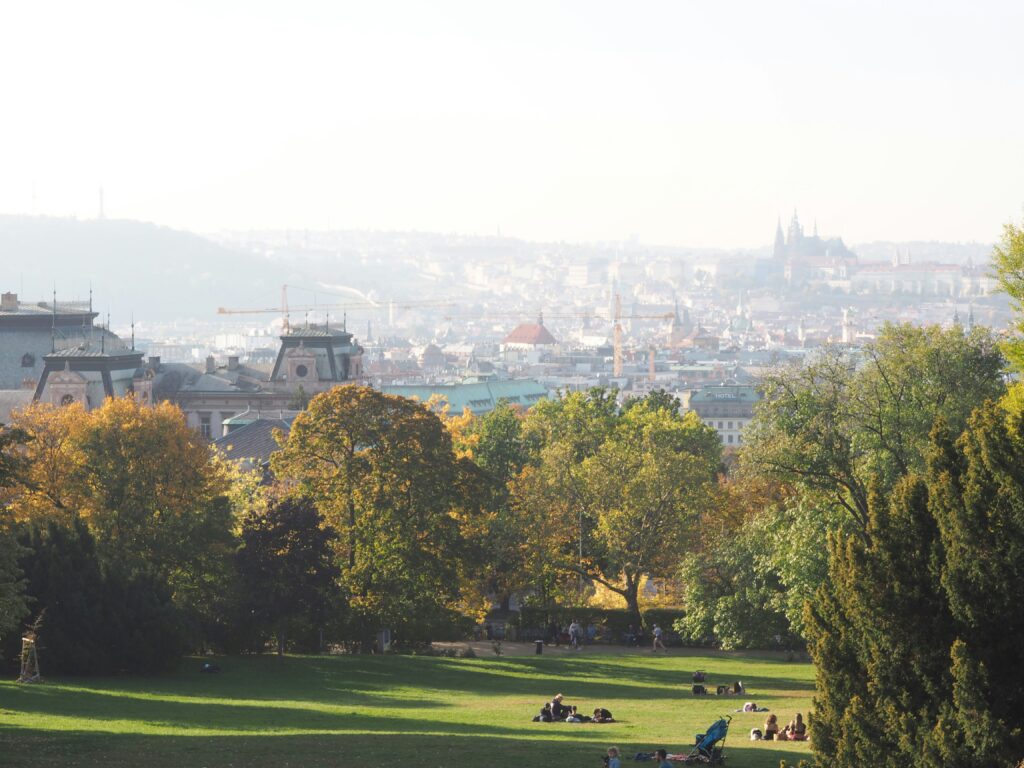
For many seasoned travellers, autumn is the absolute best time to visit Prague. The overwhelming summer crowds begin to dissipate, and the city is bathed in a beautiful, soft light that photographers dream about.
Historical weather trends
September is an extension of summer, offering brilliant weather with average highs of 21°C. It is warm enough for t-shirts during the day but crisp enough at night to sleep comfortably. October sees a sharper drop in temperature, averaging 15°C, accompanied by stunning autumn foliage. By November, the cold reality of winter begins to set in, with highs struggling to reach 8°C and a noticeable increase in damp, grey days.
The autumn experience
September brings the beloved wine festivals to the city and surrounding regions, celebrating the annual harvest with young wine and traditional food. October is ideal for active exploration. Whether you are cycling along the river paths or hiking up to the Vyšehrad fortress, the brisk air makes physical activity a joy. The tree-lined avenues turn spectacular shades of gold, amber, and crimson, providing a breathtaking backdrop against the Gothic architecture.
What to pack
If visiting in early autumn, you can still pack light but be sure to include a warm jacket. By November, you will need to start breaking out the winter gear, including a thick coat, gloves, and a sturdy pair of walking boots.
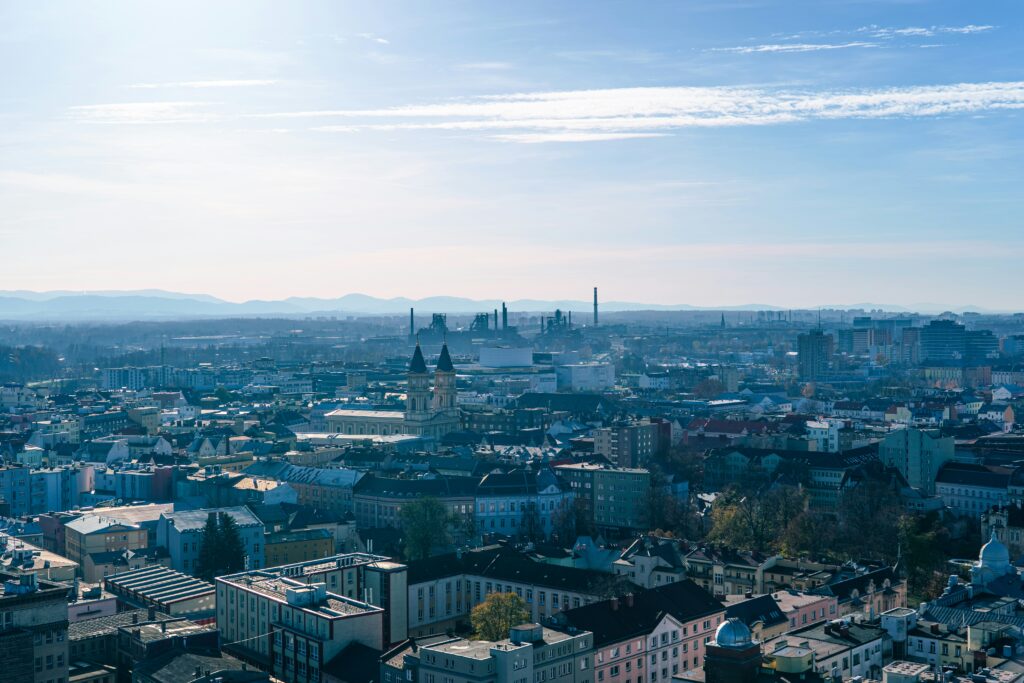
Moravia.
Welcome to wine country
Winter: A festive wonderland / December, January, February
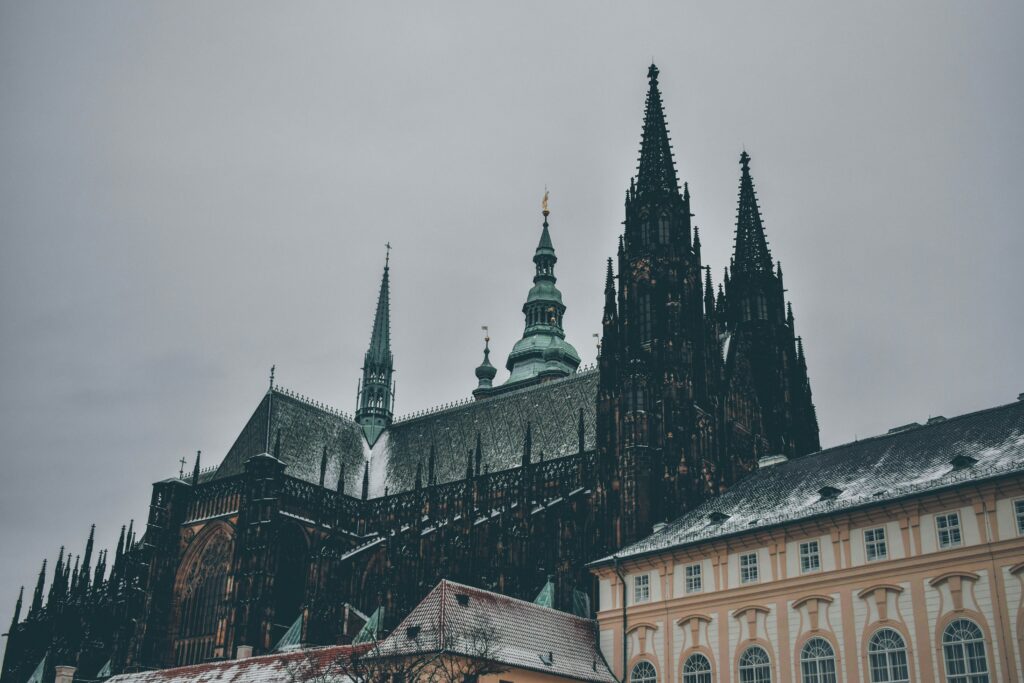
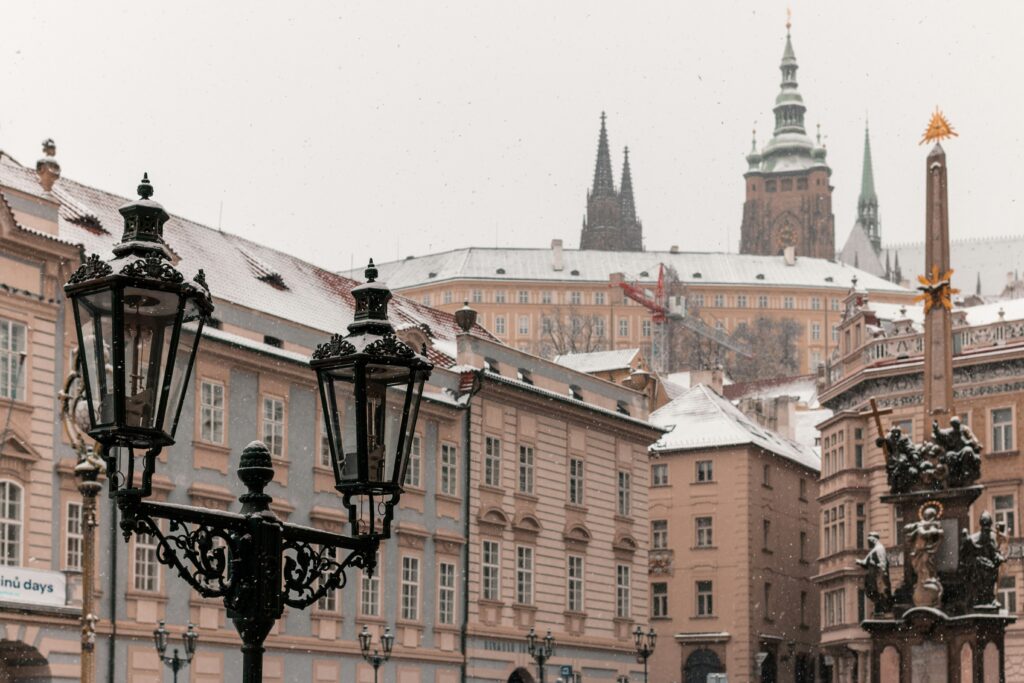
Prague in winter is nothing short of a fairy tale. While the days are short and the temperatures are low, the city compensates with an abundance of cosy charm and festive spirit.
Historical weather trends
Winter in Czechia is undeniably cold. December, January, and February see average daily highs hovering just above freezing, between 0°C and 4°C, with nighttime temperatures frequently dipping below -3°C. January is historically the coldest month of the year.
The winter experience
December is completely dominated by the world-famous Christmas markets. The aroma of mulled wine, roasted chestnuts, and traditional chimney cake fills the freezing air. January and February are the quietest months for tourism. If you are willing to brave the cold, this is the perfect time to explore the city’s world-class museums, cosy up in historic cafes, and enjoy the sights without the queues.
Climate change and winter travel
Historically, Prague winters guaranteed a picturesque blanket of snow. However, climate change has led to significantly milder winters across the country. While you may still encounter snow, it is less frequent and tends to melt quickly, often resulting in slush or winter rain. Because of this, investing in high-quality, waterproof footwear is non-negotiable. Cobblestones can become incredibly slippery when wet or icy, so prioritise grip over fashion when choosing your shoes.
Czechia.
The heart of Europe
Future-proofing your travel plans
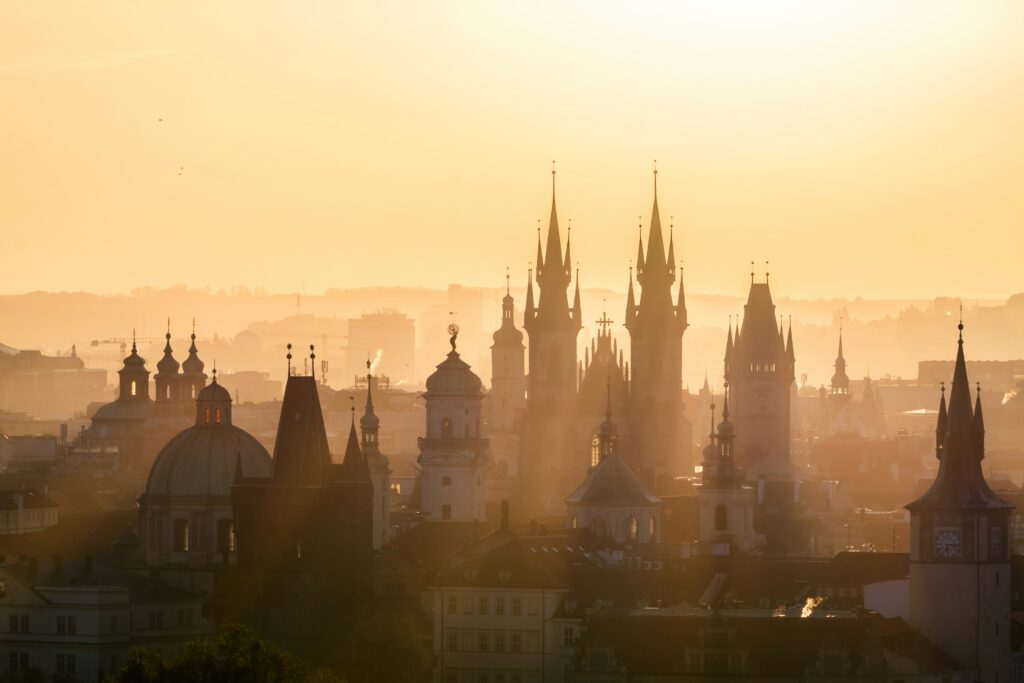
At Wheely Tyred, our expertise goes beyond just pointing out the sights. We believe in helping you navigate the changing world. The environmental shifts in Czechia highlight the importance of flexible travel planning.
With summers bringing more intense heat and heavier flash storms, and winters offering less snow and more rain, packing smartly is more important than ever. We highly recommend travelling during the shoulder seasons of May, September, and October. These months currently offer the most balanced weather, allowing you to avoid the extremes of climate change while supporting a more sustainable, less crowded tourism ecosystem.
Ready to explore Prague?
Choosing the best time to visit Prague ultimately depends on what you want to get out of your trip. Whether you are chasing the summer sun along the Vltava, seeking the golden leaves of autumn, or hoping for a frosty, festive escape, being prepared for the elements is the key to a successful journey.
Whenever you decide to pack your bags, Wheely Tyred is here to help you route your perfect adventure. From the historic centre to the tranquil trails on the city outskirts, we ensure your journey is as smooth and enjoyable as the destination itself.
Bohemia.
Explore the heart of the Czech Republic
Frequently asked questions about the best time to visit Prague
July and August now frequently see temperatures above 30°C. Because the historic centre acts as an urban heat island, it can feel significantly hotter on the cobblestones. If you plan to ride, aim for the early morning or late evening, and utilise the city’s many green spaces and riverside paths to stay cool.
While Prague was historically known for a picturesque blanket of snow, winters are becoming milder. You may still see snow, but it often melts quickly into slush or is replaced by winter rain. Waterproof boots with excellent grip are a necessity for navigating slippery, wet cobblestones.
May is fantastic for the opening of large beer gardens like the one in Letná Park. September is the month of Burčák (young partially fermented wine) and harvest festivals, where you can sample regional Bohemian and Moravian wines and traditional street foods.
Layering is your best defence. For May or September, bring lightweight waterproofs, short-sleeved tops for sunny afternoons, and a warm jumper or light jacket for when the temperature drops at sunset.
The main markets in Old Town Square and Wenceslas Square typically run from late November until early January (usually including Three Kings’ Day). If you visit in late January or February, the markets will be gone, but you will benefit from the lowest tourist numbers of the year and much shorter queues for major sights.
Paddleboats and river cruises are a summer staple on the Vltava. In the winter, many boat operators still run, offering heated indoor seating, but the outdoor pedalos and small boat rentals generally close once the weather turns cold in late autumn.
Czechia.
Discover Czechia / History reimagined