The deep history of Yasuní National Park / Ecuador’s frontline of climate democracy and biodiversity
Why the history of conservation and oil extraction in Yasuní National Park shapes independent travel in the Ecuadorian Amazon
A testament to the enduring power of ancient forests and the people who guard them
BEN FINCH
Yasuní National Park is often described in superlatives. Spanning nearly one million hectares of primary tropical rainforest at the unique intersection of the Andes mountain range, the Amazon basin, and the equator, it stands as one of the most biodiverse places on Earth. A single hectare in this wilderness contains more tree species than the entirety of North America.
Yet, to view this vast expanse of green merely as an ecological checklist is to miss the profound human and political history that defines its soil.
For decades, this patch of the Ecuadorian Amazon has been the stage for a dramatic confrontation between global resource extraction, state economic dependence, and the rights of Indigenous communities. For the independent traveller looking to understand South America beyond the standard tourist trails, the story of Yasuní is an essential chronicle of environmental resistance, cultural survival, and the evolving ethics of slow travel.
The shifting currents of the deep Amazon
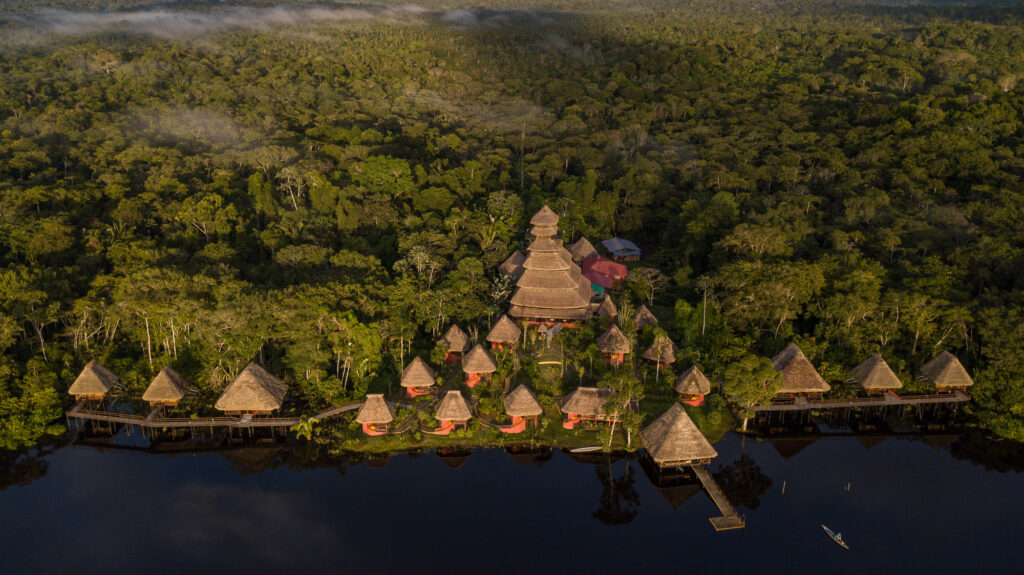
Understanding Yasuní requires looking far beyond its dense canopy to the stories of the people who protect it. This vast wilderness stands as a vital intersection of ancient heritage, global environmental politics, and fragile ecosystems.
- Ancestral guardians: The Waorani people maintain an unbroken connection to this landscape, relying on generations of deep ecological knowledge to live in harmony with the primary rainforest
- Voluntary isolation: The deep interior provides a vital sanctuary for the Tagaeri and Taromenane, the last known Indigenous groups in Ecuador living entirely detached from modern globalisation
- Pleistocene refuge: Designated as a UNESCO biosphere reserve, this unique zone served as an environmental haven during the last ice age, resulting in an unparalleled concentration of distinct plant and animal species
- The oil frontier: The discovery of major petroleum reserves beneath the Ishpingo-Tambococha-Tiputini fields triggered decades of intense conflict between state economic ambitions and ecological preservation
- Democratic precedent: A historic national referendum in 2023 saw the Ecuadorian public vote decisively to halt oil extraction within Block 43, establishing a groundbreaking global model for environmental democracy
- Slow travel fringes: While the core park remains strictly protected, independent travellers can navigate the buffer zones near the Napo River by bicycle and motorless canoe to support community-led conservation directly
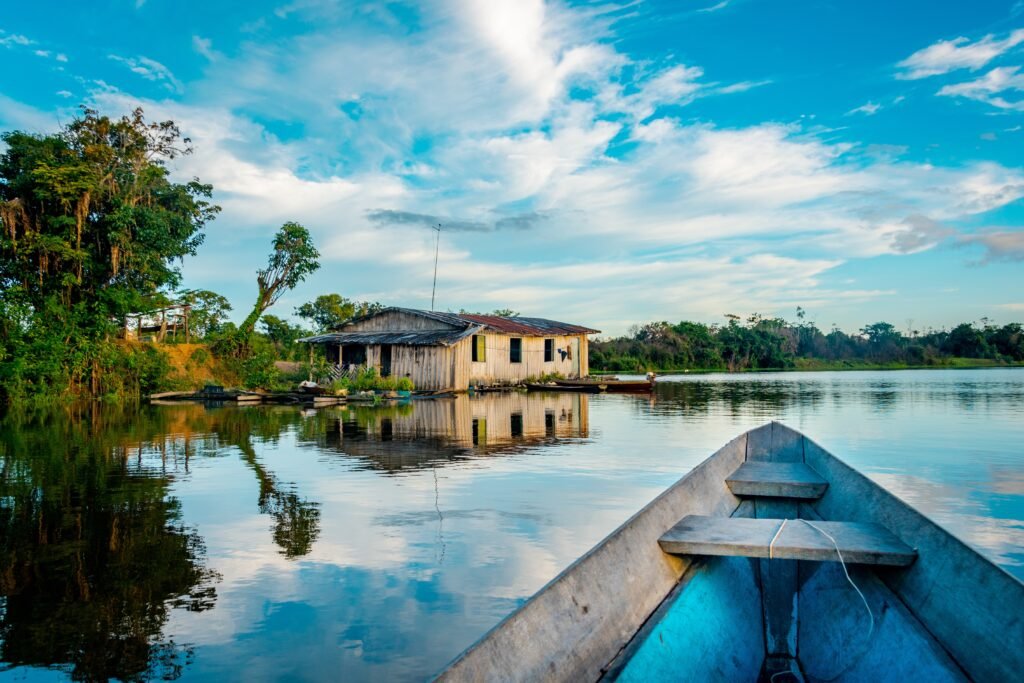
Yasuní National Park.
Home to the black water
The ancient roots and Indigenous guardians of the rainforest
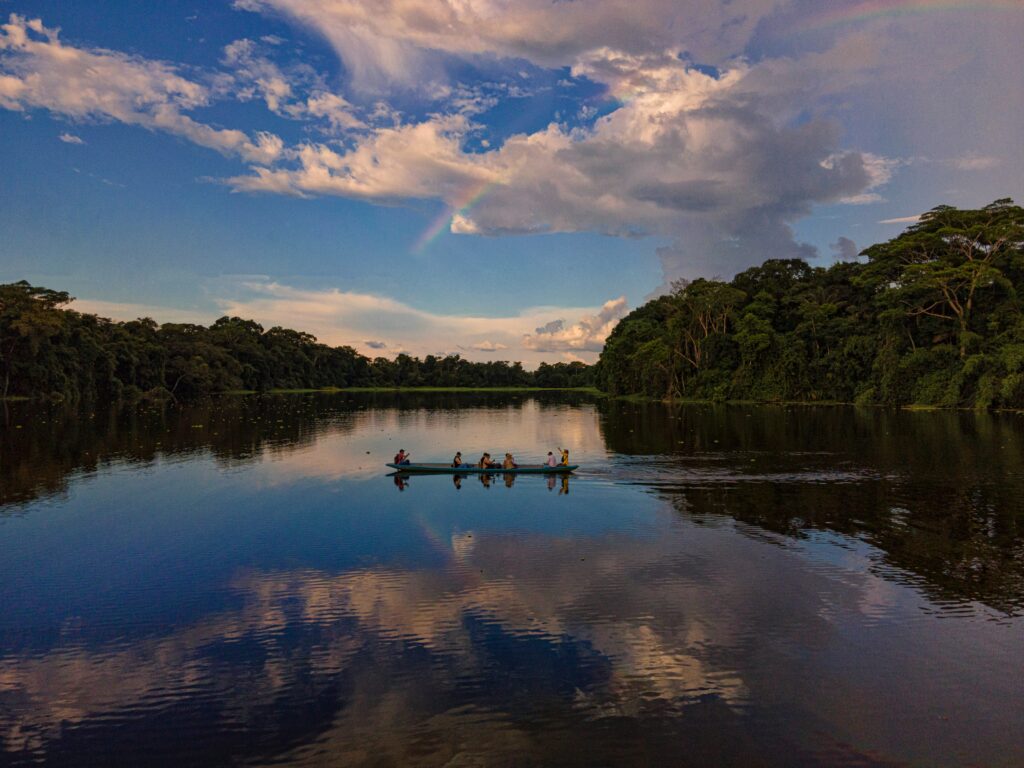
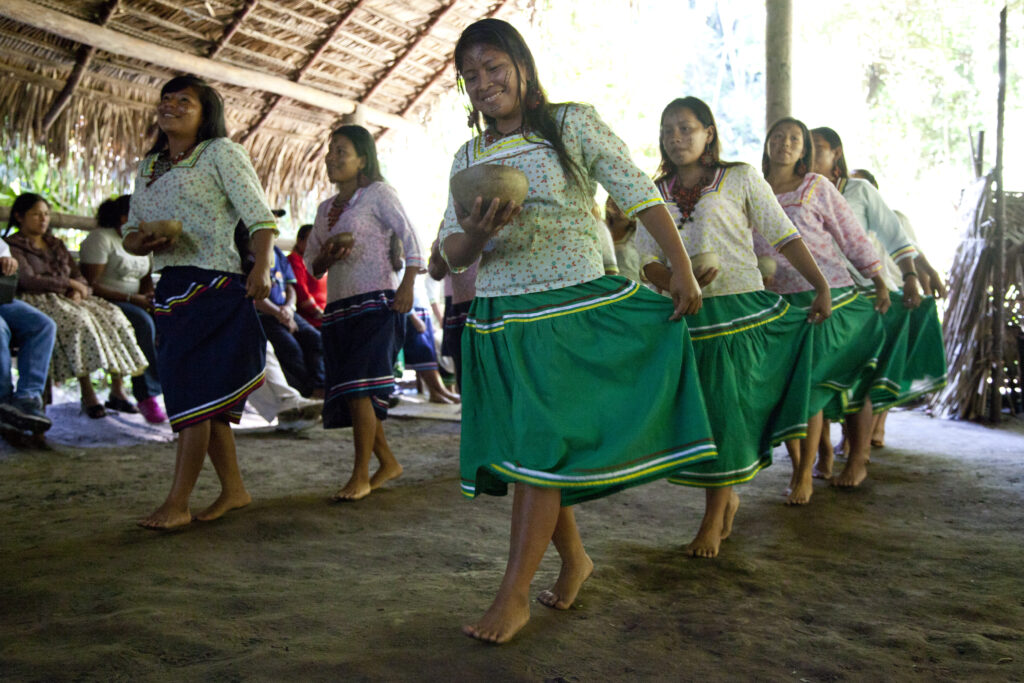
Long before its borders were officially mapped by the Ecuadorian state, the territory now known as Yasuní was home to diverse Indigenous groups. The Waorani people have inhabited these forests for generations, developing a deep, symbiotic relationship with an ecosystem that provides everything from medicinal plants to hunting grounds. Their traditional lifestyle, characterised by semi-nomadic movement and a profound knowledge of the forest canopy, represents an unbroken link to the ancient history of the Amazon basin.
The regional dynamics changed significantly during the twentieth century as rubber tappers, missionaries, and oil exploration teams began to push deeper into the jungle. This encroachment triggered complex historical shifts. While many Waorani communities eventually established contact with the outside world, others chose absolute resistance. Today, Yasuní is the ancestral home of the Tagaeri and Taromenane, the last known Indigenous groups in Ecuador living in voluntary isolation. These uncontacted peoples move through the deep interior, fiercely protecting their autonomy and rejecting integration with globalised society.
Recognising the exceptional ecological and cultural value of the region, the Ecuadorian government established Yasuní National Park in 1979. A decade later, in 1989, UNESCO designated the park, along with its adjacent ethnic territories, as a global biosphere reserve. This international recognition highlighted the park’s unique position as a Pleistocene refuge—an area that remained a wet tropical forest during the last ice age, allowing species to survive and diversify while other regions dried out.
The Ecuadorian Amazon.
The most biodiverse place in the world
Crude choices / The turbulent era of oil extraction
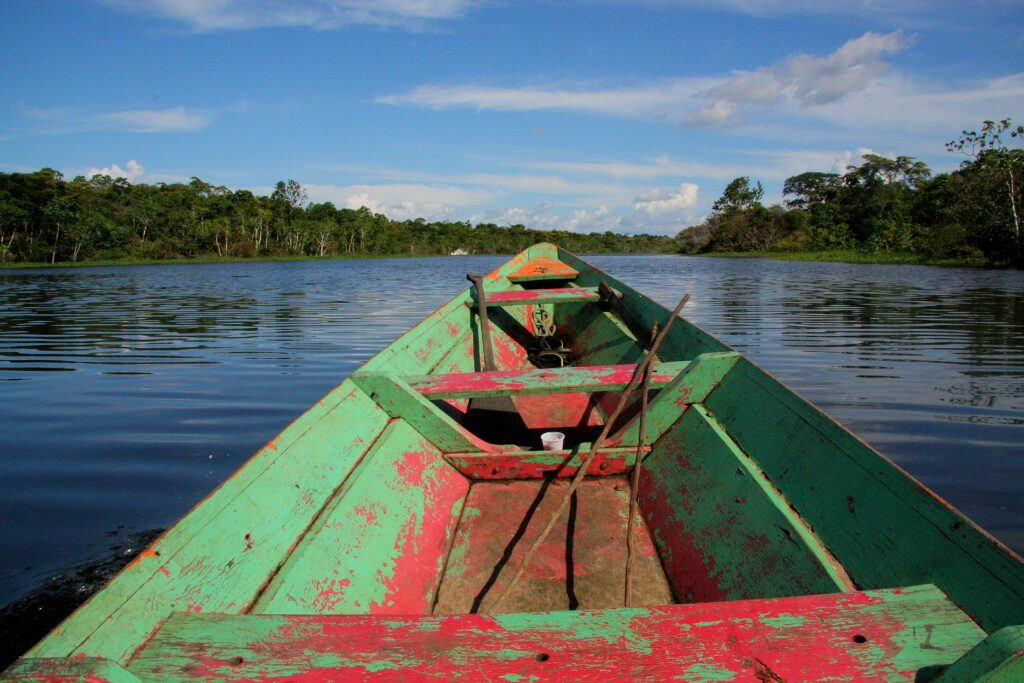
The modern history of Yasuní cannot be separated from the discovery of massive petroleum reserves beneath its roots. In the latter half of the twentieth century, oil became the backbone of Ecuador’s economy, driving national development but leaving a trail of environmental devastation in the northern Amazon. By the early 2000s, attention turned toward the Ishpingo-Tambococha-Tiputini fields, commonly known as Block 43 or the ITT block, located deep within the pristine eastern section of the park.
In 2007, a revolutionary concept emerged on the global stage. The Ecuadorian government introduced the Yasuní-ITT Initiative, an innovative conservation proposal presented to the United Nations. Ecuador offered to leave the estimated 850 million barrels of crude oil in the ITT block permanently underground. In return, the government asked the international community to provide financial compensation equal to half the value of the extracted oil, creating a fund to invest in renewable energy and social programmes.
The initiative was hailed as a visionary model for climate justice and economic transition. However, the international financial commitments failed to materialise. In 2013, citing a lack of global solidarity, the administration abandoned the initiative and authorised oil drilling inside Block 43. By 2016, industrial infrastructure, roads, and drilling platforms began penetrating the heart of the reserve, sparking fierce opposition from local Indigenous federations and urban environmental movements across the country.
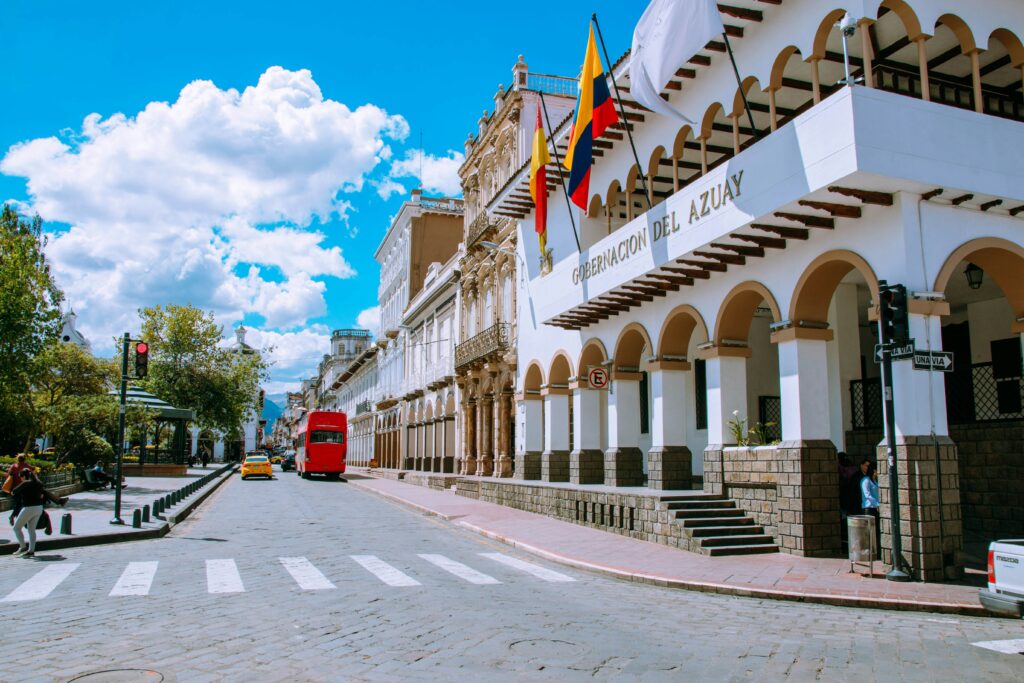
The Ecuadorian Sierra.
Get lost in the hills
The historic referendum and the fight for enforcement
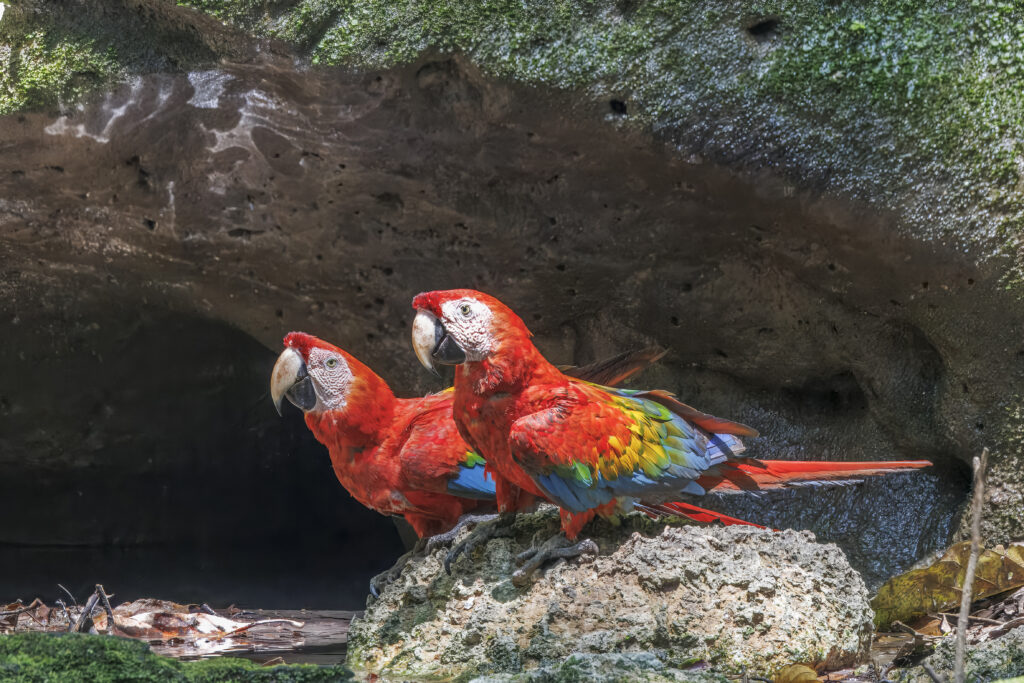
The decision to drill did not silence the defenders of the forest. Instead, it catalysed a decade-long grassroots legal and social struggle led by the collective known as Yasunidos, alongside the Confederation of Indigenous Nationalities of Ecuador. Despite systematic political hurdles and the initial invalidation of hundreds of thousands of petition signatures, the movement persisted in demanding the right to democratic participation.
This endurance culminated in a historic national referendum on 20 August 2023. For the first time in global history, citizens of an entire nation were asked to vote on whether a specific fossil fuel extraction project should be halted to protect a national park. The outcome was a definitive victory for grassroots environmentalism: nearly 59 per cent of Ecuadorian voters chose to keep the ITT crude in the ground indefinitely. The Constitutional Court subsequently ruled that the state-run oil company must halt production, decommission all platforms, and completely remediate the impacted environment within a year.
The post-referendum landscape remains highly complex. Moving into 2026, the practical implementation of this democratic mandate has faced substantial resistance. Government authorities have frequently pointed to national economic crises and security challenges to justify delays in dismantling the infrastructure. According to Indigenous organisations, only a tiny fraction of the hundreds of active wells have been decommissioned.
In response to these delays, the Inter-American Court of Human Rights issued a significant ruling reinforcing the urgent need to protect the uncontacted Tagaeri and Taromenane peoples from the existential threats posed by ongoing industrial activity, forced displacement, and resource contamination. The struggle for Yasuní is far from over; it has simply evolved into a legal and physical battleground over the integrity of public democracy.
The Galápagos.
Ecuador’s Enchanted Isles
Navigating the fringes / Slow travel and active exploration
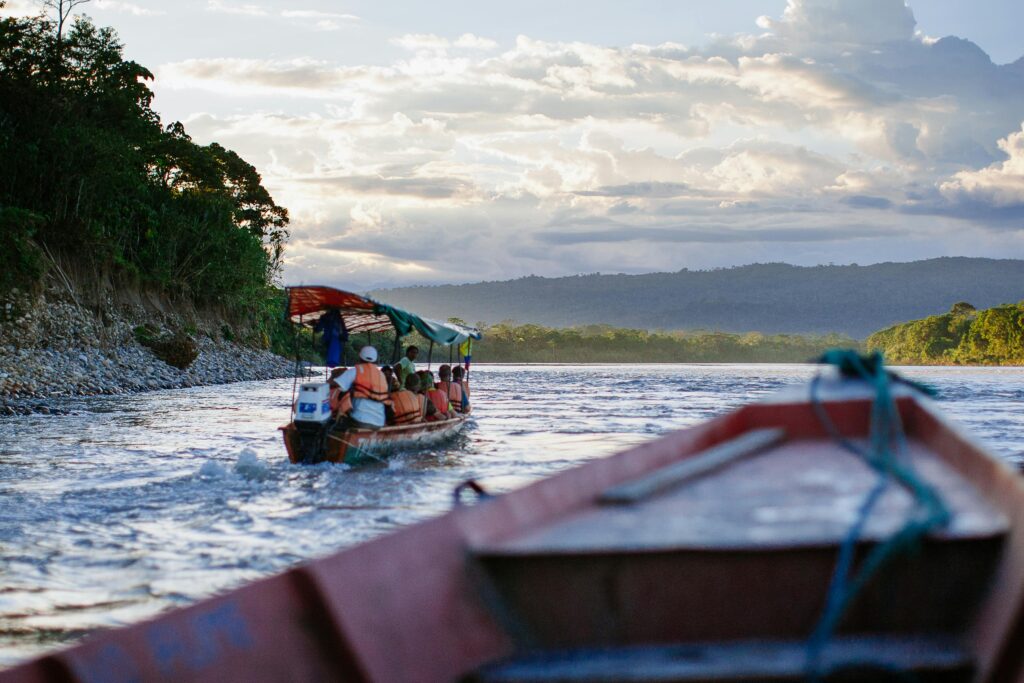
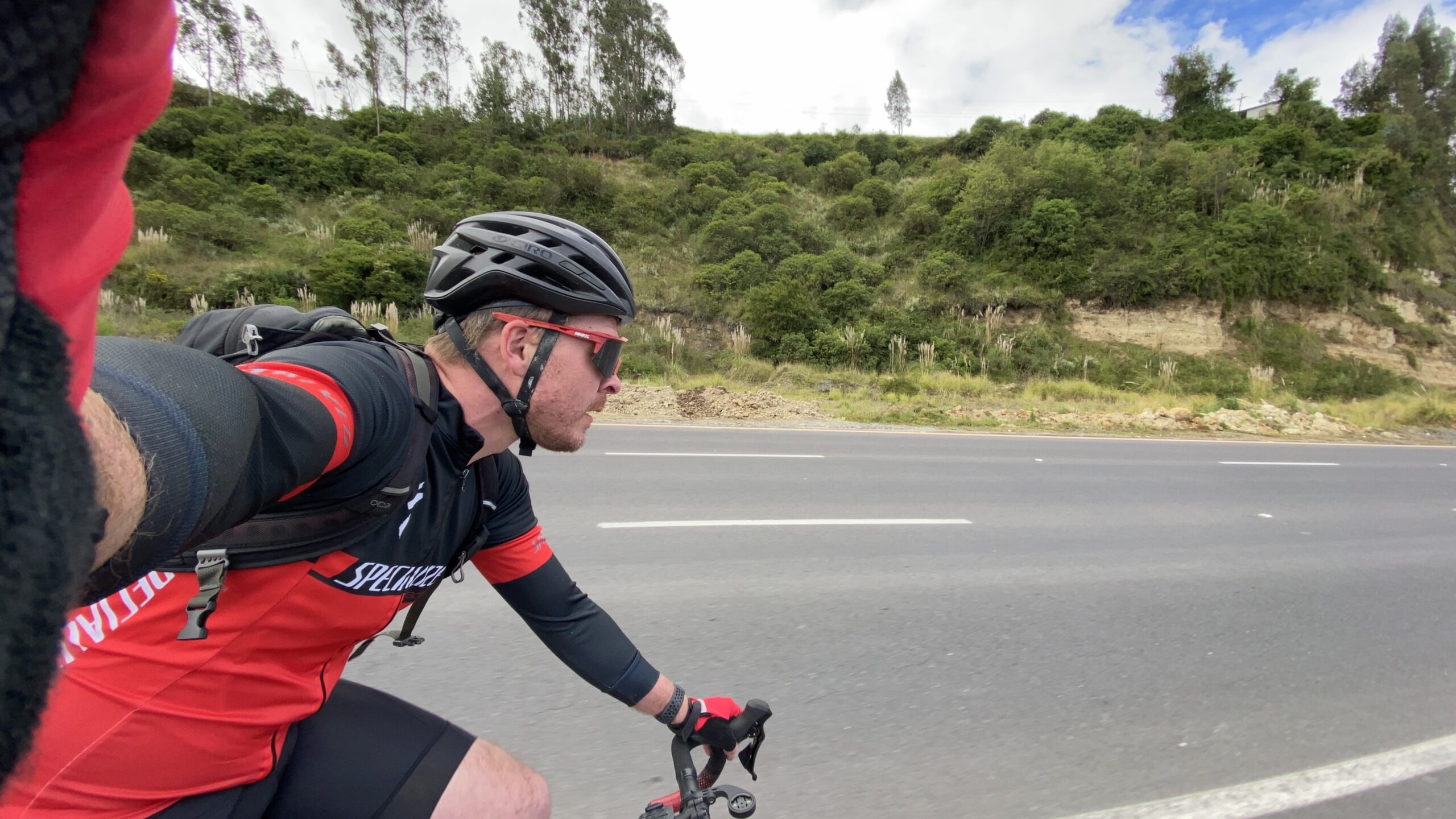
For independent travellers and cycling enthusiasts aligned with the ethos of Wheely Tyred, understanding this complex history completely transforms the way one experiences the region. Exploring the Amazon basin isn’t about ticking off an adventure destination; it is an exercise in low-impact, deeply respectful observation.
While the interior of the park is strictly protected and closed to casual tourism to safeguard the isolated tribes, the fringes and buffer zones offer exceptional opportunities for autonomous travel. The journey typically begins in the gateway town of Puerto Francisco de Orellana, locally known as Coca, situated at the confluence of the Coca and Napo rivers. For those arriving on two wheels, the descent from the Andean highlands along the secondary roads towards the Amazonian lowlands provides a remarkable transition through diverse eco-zones, shifting from crisp mountain air to the humid, vibrant edge of the jungle.
Traversing the tarmac and gravel routes that skirt the northern and western edges of the Napo River requires a self-sufficient mindset. Cyclists must contend with intense tropical heat, sudden downpours, and the rustic infrastructure of rural communities. However, the rewards are unmatched. Riding through small Kichwa and Waorani settlements allows travellers to support community-led ecotourism initiatives directly, ensuring that economic benefits flow straight to the families working to preserve the forest buffer zones. From these riverside outposts, motorless canoes can be hired to drift quietly into the blackwater tributaries of the park, offering quiet encounters with giant river otters, hoatzin birds, and troops of squirrel monkeys without disturbing the fragile habitat.
Preserving the blueprint of the planet
Read this far?
The ongoing narrative of Yasuní National Park serves as a crucial case study for the global travel community. It proves that the preservation of wilderness is never static; it requires constant vigilance, legal innovation, and local empowerment. By choosing slow, independent travel methods that bypass large-scale commercial operators, visitors actively reject the extractive mindset that has threatened this region for half a century.
When we ride through the gateway towns and support local guides who advocate for the forest, we align our journeys with the historic vote of the Ecuadorian people. Yasuní stands as a living library of evolutionary history and a sanctuary for human diversity. Protecting it is not merely an ecological necessity—it is an act of respect for the ancestral lines that have guarded the canopy since the dawn of time.
Affiliate Disclaimer: Some of the links on Wheely Tyred are affiliate links. If you click through and make a booking or purchase, we may earn a small commission at no extra cost to you. We only recommend gear, tours, stays, and services we genuinely use, trust, and stand behind — our editorial independence always comes first. These commissions help keep our independent cycling guides and travel stories free to read. You can also buy me a coffee here — thanks for supporting the ride!
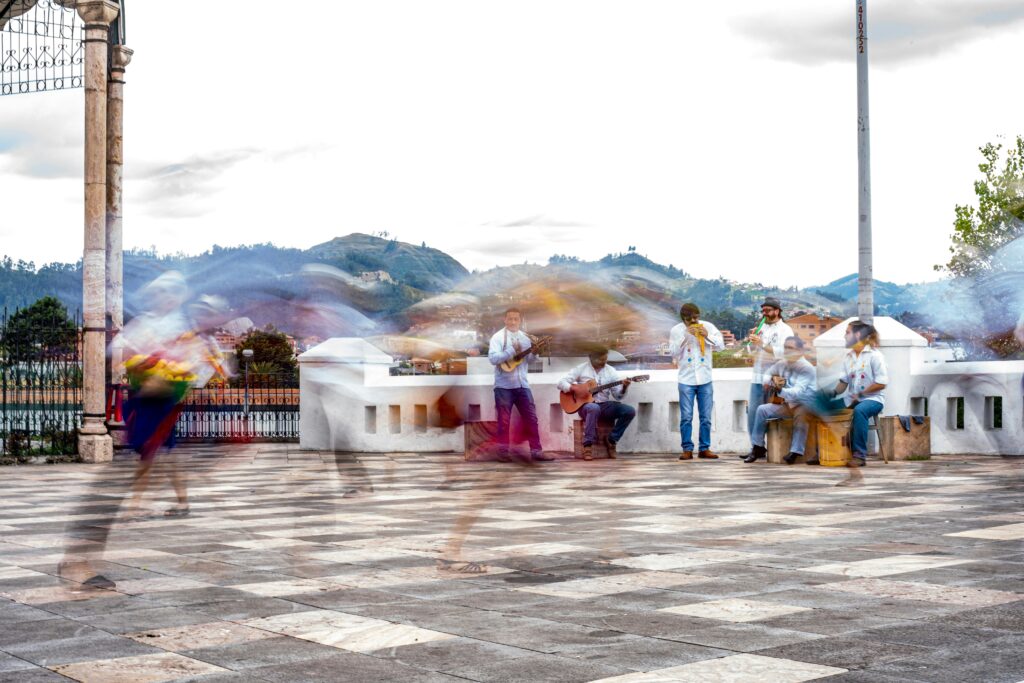
The Ecuadorian Coast.
Where you’ll find the very best food
Frequently asked questions about the history of Yasuní National Park
The primary gateway for independent travellers is Puerto Francisco de Orellana, commonly known as Coca. This frontier town sits at the confluence of the Coca and Napo rivers, serving as the launching point for travel into the surrounding lowlands.
No, the interior of the park is strictly protected to safeguard vulnerable ecosystems and isolated Indigenous groups. However, the secondary gravel and tarmac routes running along the northern and western edges of the Napo River provide excellent territory for self-sufficient cycling.
Travellers can engage local Kichwa or Waorani guides in the riverside settlements to arrange trips in motorless canoes. This low-impact method allows quiet navigation through the blackwater tributaries without disrupting wildlife like giant river otters or troops of monkeys.
Nearly 59 per cent of Ecuadorian voters chose to keep the crude oil in the Ishpingo-Tambococha-Tiputini fields permanently underground. This landmark decision mandated the decommissioning of industrial platforms and the complete environmental remediation of the affected areas.
Implementation has been slow, with state authorities citing national economic strain and security concerns to delay dismantling the infrastructure. Indigenous organisations note that only a small fraction of the active wells have been decommissioned so far.
Yasuní is a rare Pleistocene refuge that maintained its tropical forest state during the last ice age. As a result, a single hectare here contains an astonishing density of life, holding more tree species than the entire North American continent.
Ecuador.
Pure wonder on the equator.