The independent guide to Yasuní National Park accommodation
Best places to stay in Yasuní National Park / Sustainable lodges for independent travellers
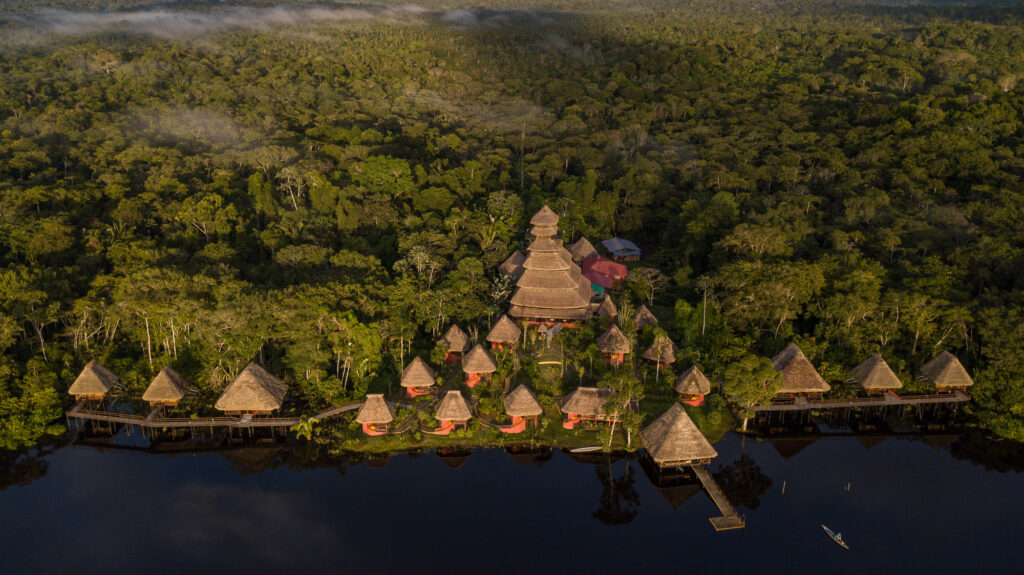
Deep in the basin, where the rainforest breathes and the world slows down
BEN FINCH
Venturing into Yasuní National Park is an encounter with one of the most biodiverse corners of the planet. Situated in the Ecuadorian Amazon, this UNESCO Biosphere Reserve spans nearly one million hectares of primary rainforest, sheltering thousands of species of mammals, birds, and ancient trees. For the independent traveller who prefers to move at an intentional pace, absorbing local knowledge rather than ticking off rushed itineraries from a tour bus window, Yasuní demands a different approach to travel.
Because this ecosystem is deeply protected and highly isolated, standard urban hotels do not exist here. Instead, your choice of accommodation dictates your entire experience of the forest. The right lodge acts as your gateway to the wilderness, providing expert local guides, low-impact infrastructure, and a sanctuary to recharge.
When travelling independently via public transport—such as taking the overland bus route from Quito down to the port town of Puerto Francisco de Orellana (commonly known as El Coca)—selecting an exceptional base is paramount. At Wheely Tyred, we believe that true exploration requires sharp focus during the day and complete restoration at night. To help you dive deep into the Amazon without compromising on rest, we have curated the definitive shortlist of distinctive, highly rated eco-lodges in and around Yasuní.
Choosing the right base in Yasuní
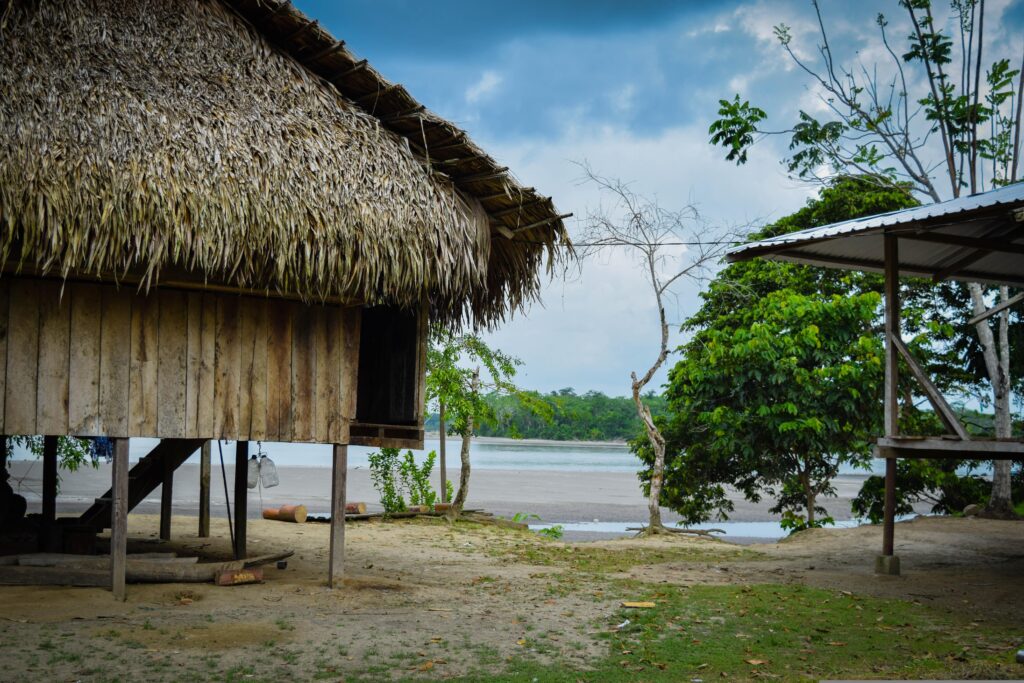
Deep within the Ecuadorian Amazon, choosing the right base is less about conventional luxury and more about how you choose to encounter the wild. This guide navigates the community-led, conservation-first eco-lodges that protect this pristine biosphere while ensuring a restorative night’s sleep.
- Community-Led Conservation: Key properties like the Napo Wildlife Centre and Sani Lodge are entirely owned by indigenous Kichwa communities who actively rejected oil exploration to safeguard their ancestral lands
- The Luxury of Stillness: Accommodations such as La Selva Eco-Lodge blend sophisticated, rustic architecture with wellness practices, offering a refined sanctuary within the primary forest buffer zone
- Eye-to-Eye with the Canopy: Sacha Lodge provides remarkable architectural vantage points, including a 940-foot-long suspension canopy walk suspended high above the rainforest floor
- Cultural Integration: The Napo Cultural Centre focuses heavily on living ancestral traditions, offering independent travellers a direct window into daily community life and early-morning rituals
- Off-the-Grid Wilderness: Shiripuno Amazon Lodge provides a raw, scientifically grounded experience far downriver, stripped of modern distractions for a pure connection to nature
- The Journey to El Coca: Independent travellers can easily access the gateway port of El Coca via a scenic overland bus journey from Quito, watching the landscape shift dramatically from Andean peaks to tropical lowlands
- Prioritising Rest: To combat the demanding Amazonian humidity, choosing well-ventilated, screened cabins allows the natural rhythms of the forest to guide your sleep cycle safely
Yasuní National Park.
Home to the black water
The curated shortlist / Standout stays in Yasuní
Napo Wildlife Centre Ecolodge
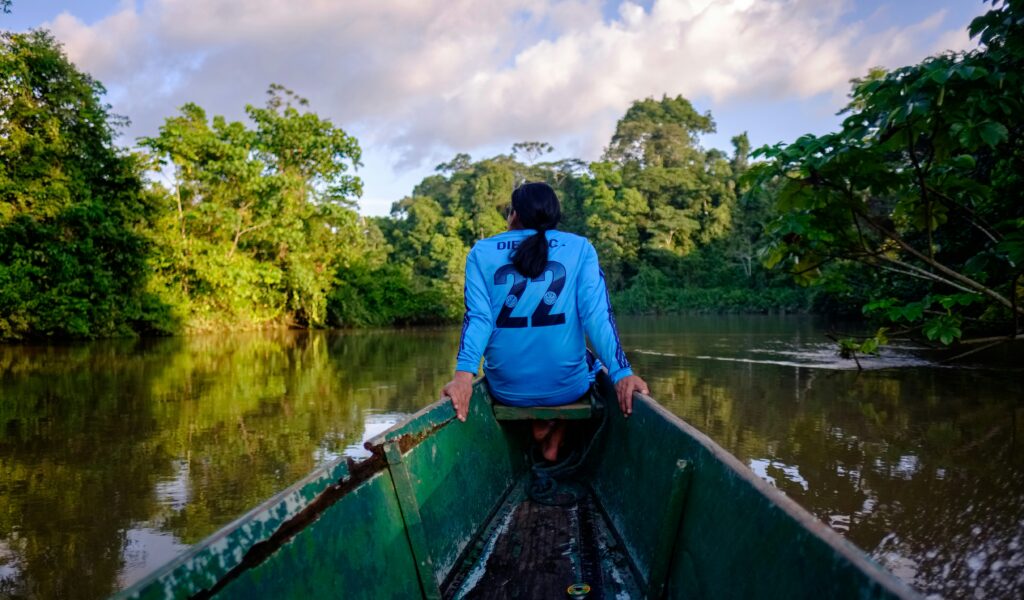
Perched on the edges of a glassy blackwater lagoon deep within the ancestral territory of the Kichwa Añangu community, the Napo Wildlife Centre Ecolodge is widely recognised as a global benchmark for conservation and luxury eco-tourism. Years ago, the local community made the definitive choice to reject oil exploration on their lands, investing instead in sustainable hospitality.
- The Vibe: Completely community-led luxury seamlessly integrated into the primary forest canopy
- The Experience: Guests arrive via silent, paddle-propelled canoes across the lake, ensuring zero disturbance to the surrounding wildlife. The property features a dramatic 36-metre canopy tower and provides exclusive access to two nearby parrot clay licks
- The Sleep Factor: The private, thatched-roof cabanas are spacious, featuring private porches, premium ventilation, and high-quality linens. Falling asleep to the syncopated rhythm of nocturnal frogs and waking to the distant call of howler monkeys ensures an immersive, deeply restorative night
The Ecuadorian Amazon.
The most biodiverse place in the world
Sani Lodge
Located in a vast corridor of pristine forest between the Napo and Cuyabeno reserves, Sani Lodge is entirely owned and operated by the Kichwa Sani Isla community. This dedicated collective protects over 30,000 hectares of primary rainforest from industrial exploitation, using tourism to fund local healthcare and education.
- The Vibe: An authentic, unpretentious haven for dedicated wildlife enthusiasts and birdwatchers
- The Experience: With an incredibly high ratio of local guides to guests, excursions are tailored to those wanting to understand the intricate relationships within the ecosystem. The lodge also supports the Sani Warmi project, an initiative empowering local indigenous women through traditional artisan work
- The Sleep Factor: The traditional wooden cabins are elevated on stilts and fully screened against insects, allowing the cool night breezes of the Amazon to circulate freely. The absence of artificial light and mechanical noise guarantees an undisturbed, natural sleep cycle
La Selva Eco-Lodge & Retreat
Situated on the serene waters of Lake Garzacocha within the Yasuní Biosphere Reserve buffer zone, La Selva combines sophisticated rustic-chic architecture with strict environmental standards.
- The Vibe: A refined, tranquil rainforest retreat with a distinct focus on wellness and relaxation
- The Experience: Alongside daily excursions into the primary forest, La Selva offers an on-site spa utilising local botanicals and yoga sessions overlooking the water. The kitchen serves an exceptional menu blending international techniques with fresh, locally sourced Amazonian ingredients
- The Sleep Factor: The beautifully designed suites feature French doors, private bamboo balconies, and premium, high-thread-count bedding. It is an ideal option for independent travellers who want to spend their days exploring deep mud trails but require top-tier comfort to sleep well at night
The Ecuadorian Sierra.
Get lost in the hills
Sacha Lodge
Set within a massive 5,000-acre private ecological reserve, Sacha Lodge feels entirely cut off from the modern world, yet it boasts some of the most impressive low-impact infrastructure in the region.
- The Vibe: An innovative eco-sanctuary designed to get you eye-to-eye with the jungle canopy
- The Experience: Sacha Lodge is home to a magnificent 940-foot-long suspension canopy walk, raised 94 feet above the forest floor, offering an unparalleled view of canopy birdlife. It also features a large butterfly house and a wooden observation tower built into a colossal kapok tree
- The Sleep Factor: The cabins are constructed from local materials to blend into the terrain, offering private bathrooms and hot showers powered by efficient solar systems. The rooms are designed to evoke the feeling of a secure, comfortable nest tucked safely within the wild jungle
Napo Cultural Centre Lodge
The sister property to the Napo Wildlife Centre, this lodge is located directly within the vibrant Kichwa Añangu village on the banks of the Napo River.
- The Vibe: An educational, culturally rich environment focused on community life and living ancestral traditions
- The Experience: While wildlife outings are a core component, the primary focus here is cultural integration. Guests can participate in early-morning wayusa rituals, learn about ancestral medicine, and interact directly with community projects
- The Sleep Factor: The lodge offers large, comfortable, and immaculate independent cabins with private terraces. Staying here allows you to experience the authentic sounds of a living Amazonian community, transitioning into deep, peaceful quiet as the village settles under the stars
Shiripuno Amazon Lodge
For the traveller seeking an entirely off-the-grid, raw perspective of the Amazon, Shiripuno is located far down the Shiripuno River, deep inside the Yasuní Biosphere Reserve.
- The Vibe: A rustic, scientifically grounded research and eco-tourism outpost
- The Experience: Often frequented by biologists, researchers, and hardcore nature lovers, this lodge strips away modern distractions to focus entirely on environmental education. Activities include tracking large mammals, nocturnal forest walks, and navigating remote river tributaries
- The Sleep Factor: Accommodation here is basic, clean, and intentionally simple. Without the hum of heavy electricity or luxury amenities, you are left with the purest form of rainforest stillness. Stringing up a hammock on your veranda provides the ultimate spot for an afternoon rest, while the simple, comfortable beds offer deep, uninterrupted sleep
The Galápagos.
Ecuador’s Enchanted Isles
Practical advice for the independent explorer
Read this far?
Getting to Yasuní independently requires a small amount of planning, but it rewards you with complete control over your journey.
The journey to El Coca
Most journeys begin with a scenic overland bus trip from Quito over the Andes and down into the Amazon basin, arriving at Puerto Francisco de Orellana (El Coca). Travelling by bus allows you to watch the dramatic transformation of the landscape from high-altitude paramo to dense cloud forest, and finally to the tropical lowlands.
Seamless transfers
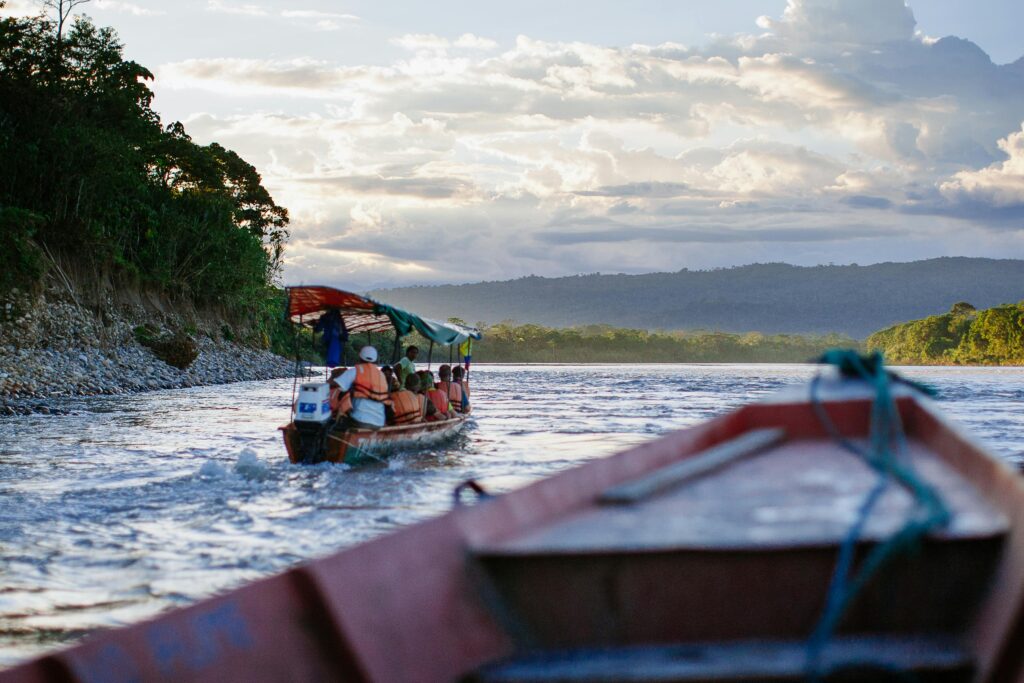
Because independent access inside the park boundaries is strictly regulated to protect indigenous communities and wildlife, all the featured lodges coordinate their own private river transport from the main docks in El Coca. Once you arrive at the port, you will board a motorised canoe for a journey down the expansive Napo River. This transit is an experience in itself—keep your binoculars handy for river turtles, caimans, and skimming kingfishers.
Maximising your rest
The humidity and heat of the rainforest can be physically demanding. To ensure you sleep well:
- Opt for lightweight, breathable clothing made from quick-dry fabrics
- Stay well-hydrated throughout the day using filtered water provided by your lodge
- Embrace the natural schedule of the forest; early nights lead to rewarding, mist-shrouded morning excursions when wildlife is most active
Affiliate Disclaimer: Some of the links on Wheely Tyred are affiliate links. If you click through and make a booking or purchase, we may earn a small commission at no extra cost to you. We only recommend gear, tours, stays, and services we genuinely use, trust, and stand behind — our editorial independence always comes first. These commissions help keep our independent cycling guides and travel stories free to read. You can also buy me a coffee here — thanks for supporting the ride!
The Ecuadorian Coast.
Where you’ll find the very best food
Frequently asked questions about the best places to stay in Yasuní National Park
Most independent journeys begin with an overland bus from Quito down to the Amazonian port town of Puerto Francisco de Orellana, universally known as El Coca. From the main docks, the individual eco-lodges coordinate private, motorised canoe transfers down the Napo River to navigate deep into the park borders.
Independent movement within the park boundaries is strictly regulated to safeguard indigenous communities and fragile wildlife. While you can easily travel to El Coca on your own schedule using local transport, your exploration inside the park must be anchored by a lodge that provides certified local guides and managed water transport.
Without the mechanical hum of urban areas, these lodges rely on smart architectural design to encourage rest. Cabins are typically elevated on stilts, constructed from local timbers, and fully screened to allow cool night breezes to circulate safely while keeping insects out, letting the natural sounds of the forest guide you into deep sleep.
The wayusa ritual is an early-morning cultural tradition practised by the Kichwa communities, centred around drinking an infusion made from the leaves of the guayusa tree. It serves as an essential time for community bonding, interpreting dreams, and gathering mental and physical energy before the day’s excursions begin.
The tropical humidity can be physically demanding. Independent travellers should pack lightweight, quick-dry clothing, high-quality insect repellent, and sturdy footwear for navigating mud trails. Lodges provide filtered drinking water, so carrying a reusable flask is essential to stay hydrated during day excursions.
To protect the ecological integrity of the reserve, traditional national or international hotel chains are entirely absent. Accommodation consists strictly of low-impact, sustainable eco-lodges and community-run outposts designed to coexist seamlessly with the primary rainforest.
Ecuador.
Pure wonder on the equator.