The slow steam of the Amazon / finding the best coffee in Tena, Ecuador
A guide to the best speciality coffee and cafés in Tena, Ecuador
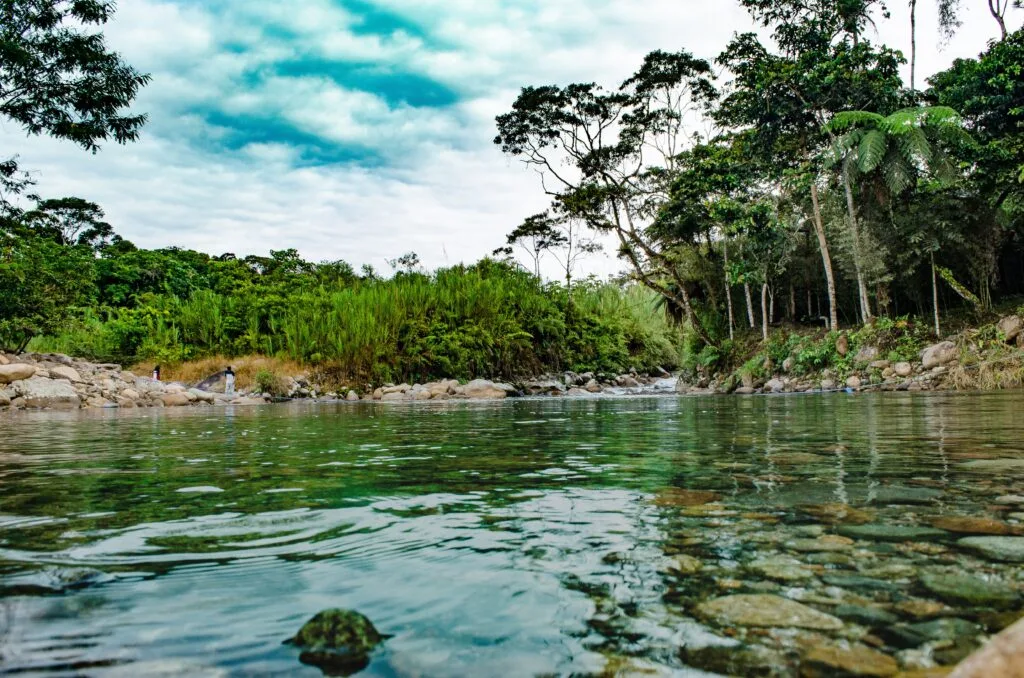
Where the rainforest meets the roast
BEN FINCH
Tena is often referred to as the gateway to the Amazon, a humid, bustling hub where the Pano and Tena rivers converge. For years, the coffee narrative here was dominated by Robusta—hardy, high-yield beans destined for instant granules. However, a quiet revolution is brewing in the Napo province. Independent travellers, those arriving by long-haul bus or on two wheels, are finding that the Cinnamon City is finally waking up to the potential of its own soil.
Ecuadorian coffee has long been overshadowed by its neighbours to the north and south, but the microclimates of the Amazon basin provide a unique profile: low acidity, heavy body, and notes that lean into the dark chocolate and earthiness of the surrounding jungle. Finding a proper cup in Tena requires looking past the street vendors and into the spaces where local culture and speciality roasting intersect.
The untamed heart of the Napo
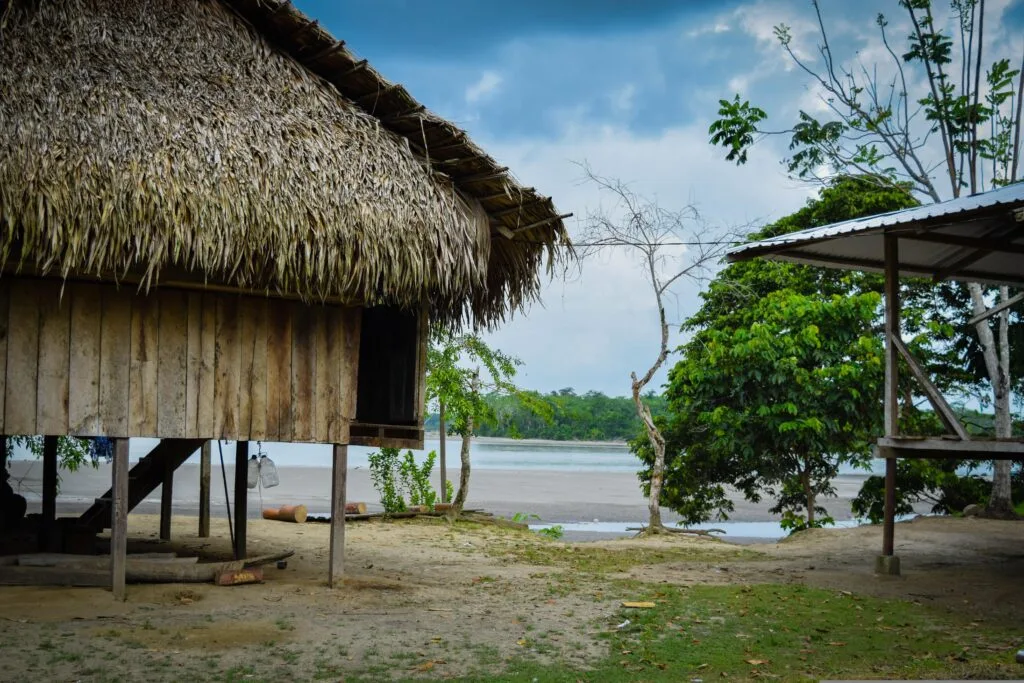
A humid crossroads where the jungle yields its darkest secrets, one cup at a time. This is coffee at the source, stripped of artifice and steeped in indigenous tradition.
- Cafe Tortuga: The city’s social hub, perfect for river views, book exchanges, and planning your next independent route
- La Chakra: A masterclass in sustainable Amazonian polyculture, serving bold coffee that respects the ancient Chakra farming system
- Hostal Pakay: An eco-retreat offering organic morning brews in a bamboo sanctuary, ideal for those seeking a slower start
- Kallari Cooperative: An indigenous-led powerhouse where coffee and cacao heritage merge to support over 800 Kichwa families
- El Rincón del Napo: A quiet, riverside sanctuary favoured by locals for its unpretentious atmosphere and strong, traditional coffee
- Guayusa Ritual: The essential Amazonian alternative to coffee, providing a clean, sustained energy lift native to the Napo region
- Tropical Timing: The afternoon rain is a local institution; use this time to settle into a café and embrace the slow pace of the jungle
Tena.
Enter the Amazon
1. Café Tortuga / The social epicentre
If Tena has a living room, it is Café Tortuga. Perched near the malecón, this café has managed to maintain its reputation as a sanctuary for those travelling without a tour guide’s umbrella. It is the most established speciality spot in town, yet it feels entirely unhurried.
The interior is a vibrant mix of local art and a well-loved book exchange. For the independent traveller, it provides the holy trinity: reliable Wi-Fi, excellent coffee, and a terrace that catches the river breeze. The coffee here is sourced with an eye on the local supply chain, and the baristas understand the nuances of a proper pour-over. While their banana pancakes are a local legend, the real draw is the consistency of the roast. It is a place to plan the next leg of a journey or simply watch the afternoon rain turn the streets into rivers. The atmosphere encourages long stays, making it an ideal base for those working remotely or mapping out their next route through the Napo province.
2. La Chakra Restaurante – Cafeteria / Authentic Napo roots
For a deeper immersion into the flavours of the region, La Chakra is an essential stop. This is where the distinction between a tourist café and a local institution becomes clear. It focuses on the Chakra system—traditional Amazonian polyculture farming.
The coffee served here is not just a commodity; it is an extension of the forest. Drinking a cup at La Chakra feels like an education in the Napo landscape. The atmosphere is understated and professional, devoid of the neon signage common in more commercial districts. It is the kind of place where you can sit for an hour with a notebook and never feel pressured to move on. The flavours are bold and unpretentious, reflecting a kitchen and a roaster that respect the raw ingredients of the Amazon. Their commitment to the Chakra method ensures that every cup supports a farming system that preserves biodiversity rather than destroying it.
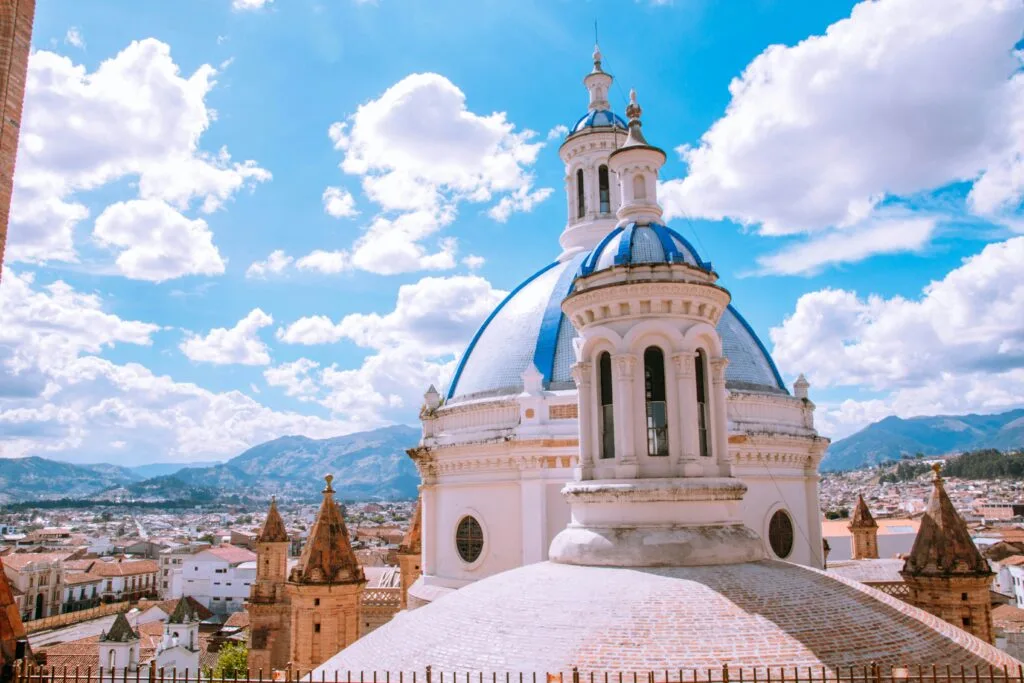
The Ecuadorian Amazon.
The most biodiverse place in the world
3. Hostal Pakay / The sustainable morning
A short distance from the centre of town, Hostal Pakay offers a café experience that is inextricably linked to its environment. This is a destination for the traveller who values sustainability over convenience. The communal café area is designed with bamboo and open-air views, allowing the sounds of hummingbirds to provide the soundtrack to your morning brew.
The coffee here is frequently organic and sourced from nearby fincas that Pakay supports through its eco-tourism initiatives. It is one of the few places in Tena where you can discuss the fermentation process of the beans while overlooking the very forest where they may have grown. The breakfast service is a highlight, featuring sourdough and fruits that have not travelled more than a few miles. It is a slow-motion start to the day that perfectly suits the philosophy of travelling at one’s own pace. For those staying elsewhere, a walk out to Pakay for a mid-morning coffee serves as a peaceful retreat from the city’s humidity.
4. Kallari Chocolate & Café / The indigenous heritage
You cannot talk about the flavours of Tena without mentioning Kallari. This is an indigenous-owned cooperative representing over 850 Kichwa families. While they are globally famous for their chocolate, their presence in Tena is a masterclass in Amazonian agriculture.
The café space is a celebration of the Napo province’s bounty. Here, coffee and cacao are treated with equal reverence. The beans are typically sun-dried and small-batch roasted, resulting in a cup that is exceptionally smooth with distinct nutty undertones. For the independent traveller, Kallari offers more than just caffeine; it offers a connection to the social fabric of the region. Every cup supports the preservation of Kichwa culture and the protection of the rainforest. It is a rare example of a must-visit spot that has retained its soul despite international acclaim. The staff are often members of the cooperative and can provide firsthand insights into how the coffee is grown under the rainforest canopy.
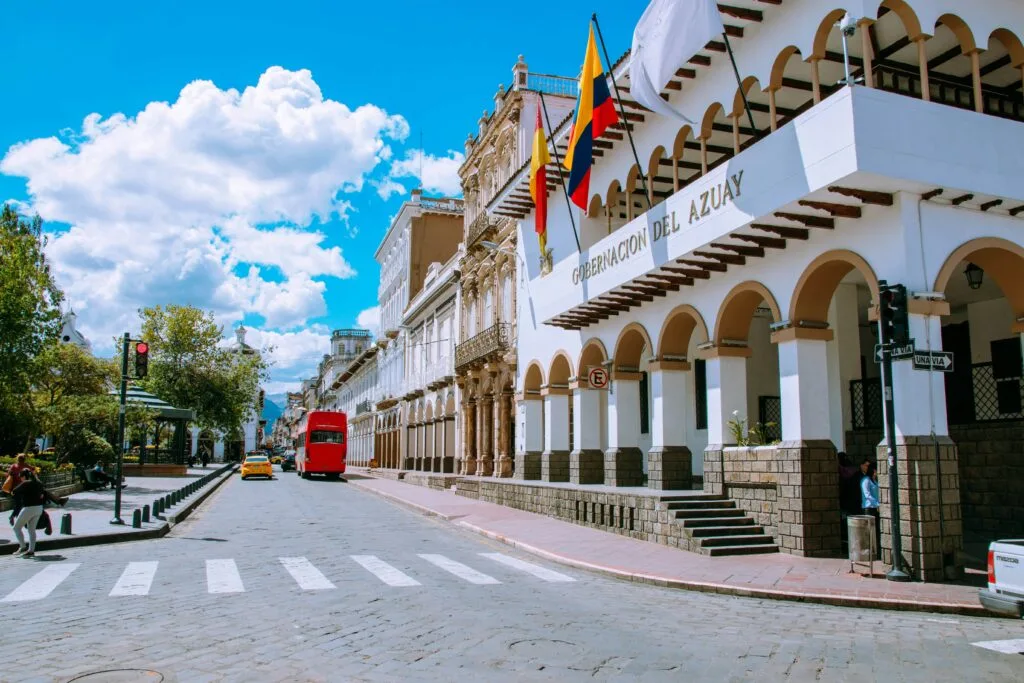
The Ecuadorian Sierra.
Get lost in the hills
5. El Rincón del Napo / The riverside traditionalist
Tucking into a spot at El Rincón del Napo feels like discovering a secret that the locals have been keeping for years. Located away from the high-traffic zones, this spot offers a more traditional take on the Ecuadorian coffee house. It is reliable, unpretentious, and for those who value a quiet view of the water.
The coffee is strong and serves as the perfect accompaniment to a morning spent watching the river traffic. It is a functional space—the kind of café where you see residents discussing the day’s news or families gathering for a weekend treat. For the traveller, it provides a sense of place that is not manufactured for the experience. It is simply a good café in a beautiful location, doing the basics exceptionally well. It is an excellent choice for those who prefer their coffee without the frills of modern speciality shops, focusing instead on freshness and a warm welcome.
6. Restaurant Safari / The reliable classic
Restaurant Safari is a staple of the Tena dining and café scene. While it has a broader menu, its coffee service is a dependable anchor for anyone staying in the city centre.
It lacks the hip factor of some of the newer speciality shops, but it makes up for it with a welcoming atmosphere and a deep knowledge of the local palate. It is a great spot for those arriving late in the day or looking for a central meeting point. The staff are seasoned and the service is efficient—a rare find in a town that often runs on Amazon time. Whether you need a quick espresso before catching a bus or a place to recharge after a day on the river, Safari offers a level of consistency that independent travellers have come to rely on.
The Galápagos.
Ecuador’s Enchanted Isles
Pro tips for the independent traveller in Tena
Look Beyond the Bean: While you are searching for coffee, do not ignore Guayusa. This super-leaf tea is native to the Napo region and contains a caffeine kick that is smoother and longer-lasting than coffee. Most of the cafés listed above will serve it both hot and iced. It has been used for centuries by the Kichwa people to sharpen the senses before a hunt.
Cash is King: Many of the best spots in Tena are small, independent operations. While the larger lodges might take cards, the best local cafés often only accept cash. Keep small denominations of US Dollars (the official currency of Ecuador) on hand to ensure you are not caught out.
The Afternoon Downpour: In Tena, it will rain, usually between 2:00 PM and 4:00 PM. This is the optimal time to find a corner in Cafe Tortuga or La Chakra. The town slows down, the air cools, and the sound of rain on a tin roof is the best companion for a second cup.
Roast Levels: If you are used to the light, acidic roasts of Northern European or Australian coffee culture, be prepared for something different. Ecuadorian Amazonian coffee is traditionally roasted slightly darker to highlight the chocolate and earthy notes. It is a profile that stands up well to the high humidity of the region.
Tena’s coffee culture is deeply connected to the land
Read this far?
Tena is not a place for those looking to tick boxes off a tourist list. It is a place for those who want to understand the rhythm of the jungle and the people who live within it. The coffee scene here is a reflection of that—humble, authentic, and deeply connected to the land. Whether you are stopping for a quick shot of caffeine before a river trek or settling in for an afternoon of writing, these cafés provide the perfect vantage point to watch the Amazon unfold.
Affiliate Disclaimer: Some of the links on Wheely Tyred are affiliate links. If you click through and make a booking or purchase, we may earn a small commission at no extra cost to you. We only recommend gear, tours, stays, and services we genuinely use, trust, and stand behind — our editorial independence always comes first. These commissions help keep our independent cycling guides and travel stories free to read. You can also buy me a coffee here — thanks for supporting the ride!
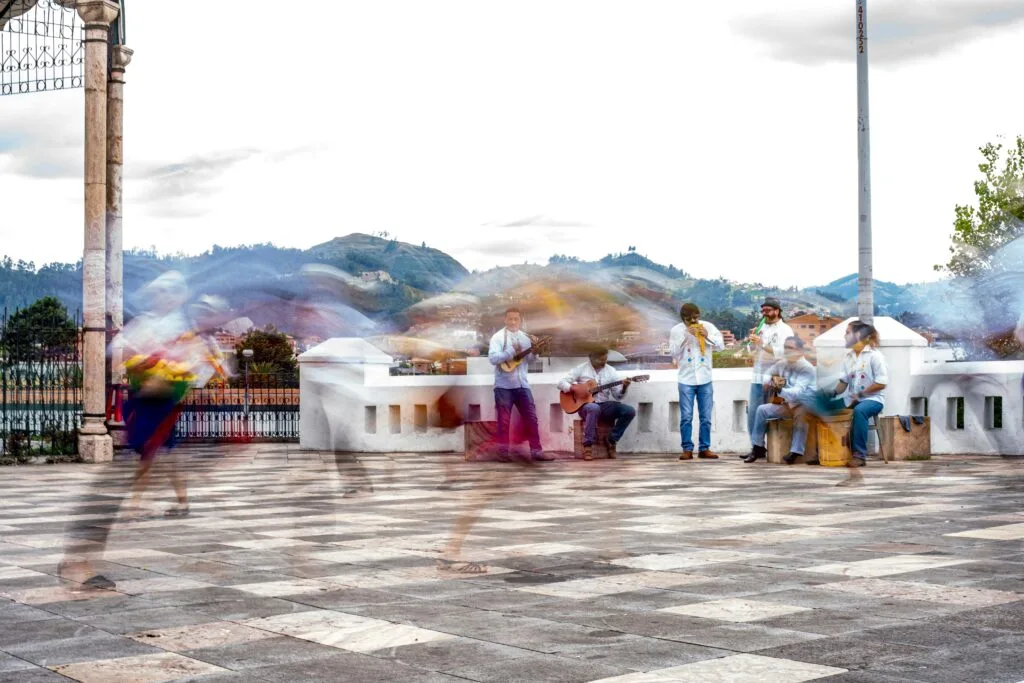
The Ecuadorian Coast.
Where you’ll find the very best food
Frequently asked questions about the best coffee in Tena
Tena is a compact city, and most central cafés like Cafe Tortuga and Restaurant Safari are easily reachable on foot. For spots slightly further out, such as Hostal Pakay, local taxis are plentiful and inexpensive. If you are travelling with a bicycle, the city is manageable, though be prepared for sudden rain and humid conditions.
Historically, the region produced Robusta for instant coffee, but there is a growing movement toward specialty Arabica. Establishments like Kallari and La Chakra are at the forefront of this shift, focusing on high-quality beans grown under the rainforest canopy rather than in mass-produced plantations.
Guayusa is a caffeinated leaf from a holly tree native to the Ecuadorian Amazon. It lacks the tannins found in traditional tea, so it never turns bitter. It provides focused energy without the jitters often associated with coffee, making it a favourite for both locals and travellers.
Yes, particularly at Kallari and Cafe Tortuga. Buying beans directly from these sources is one of the best ways to ensure your money goes directly to the producers and cooperatives in the Napo province. Look for bags labelled with the Kichwa cooperative marks.
In smaller, local cafés, tipping is not strictly expected but is always appreciated for good service—rounding up to the nearest dollar is common. In more established restaurants or cafés that serve full meals, a 10% service charge may already be included in the bill.
Establishments catering to travellers, including all those mentioned in this guide, use purified or boiled water for their coffee and ice. However, as an independent traveller, it is always wise to confirm this if you are visiting very small, informal stalls.
Ecuador.
Pure wonder on the equator.