A comprehensive guide to weather and seasons in Tena, Ecuador
Discover the best time to visit Tena, Ecuador, for your Amazon rainforest adventure
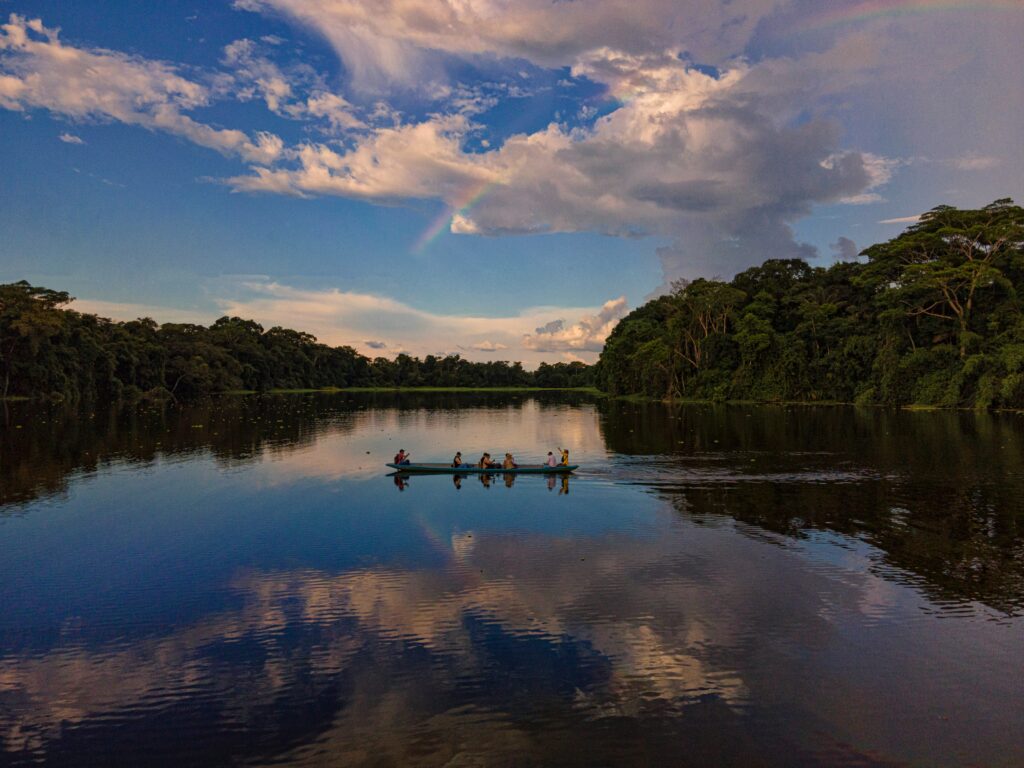
Embrace the elements and uncover the rhythm of the jungle
BEN FINCH
Tena, Ecuador, is a remarkable gateway to the Amazon rainforest. Nestled at the confluence of the Tena and Pano rivers, this vibrant provincial capital offers a unique blend of indigenous culture, dramatic landscapes, and an abundance of wildlife. For those who appreciate the ethos of slow travel—taking the time to truly absorb a destination rather than rushing through a rigid itinerary—Tena provides an unparalleled opportunity to connect with nature. However, planning a trip to the edge of the Amazon requires a solid understanding of its unique climate. Knowing the best time to visit Tena, Ecuador, is essential for ensuring your journey is memorable for all the right reasons.
At Wheely Tyred, we believe that the environment shapes the travel experience. The weather dictates the flow of the rivers, the vibrancy of the foliage, and the daily routines of the local communities. Whether you are navigating the streets on foot, exploring the surrounding jungle trails, or engaging with local artisans, the climate is your constant companion.
The liquid heart of the Oriente
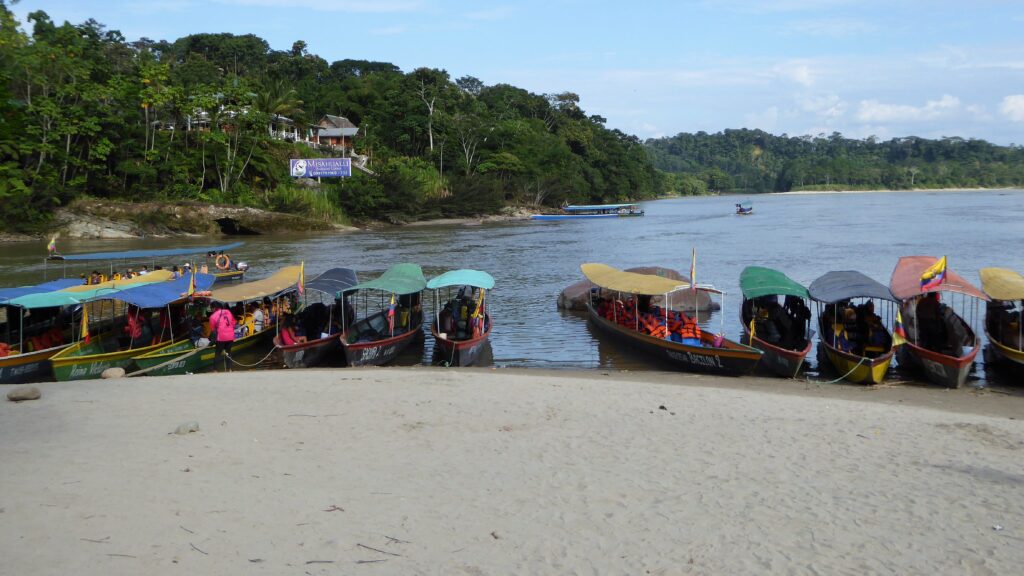
- The Seasonal Sweet Spot: Target the months between August and November for the most reliable conditions, offering a rare balance of manageable humidity and lower rainfall for exploring on foot
- The Power of the Wet: Embrace the peak rains of March and April to witness the jungle at its most primal, with rising river levels providing deep-access opportunities for river-based exploration
- Equatorial Consistency: Experience the unique stability of a region where temperatures hover around 28–31°C year-round, making timing more about the water cycle than the heat
- Climate Resilience: Navigate the new reality of the Amazon, where erratic precipitation patterns require a flexible itinerary and a respectful understanding of local ecological shifts
- Authentic Slow Travel: Utilise the daily afternoon downpours as a natural prompt to pause, connect with the local community in town, and appreciate the rainforest’s sensory depth
- Lush Biodiversity: Discover why the December to January period, though wet, creates a vibrant explosion of flora and fauna that is a magnet for serious nature enthusiasts
Tena.
Enter the Amazon
The reality of the Amazonian Climate / Historical weather trends
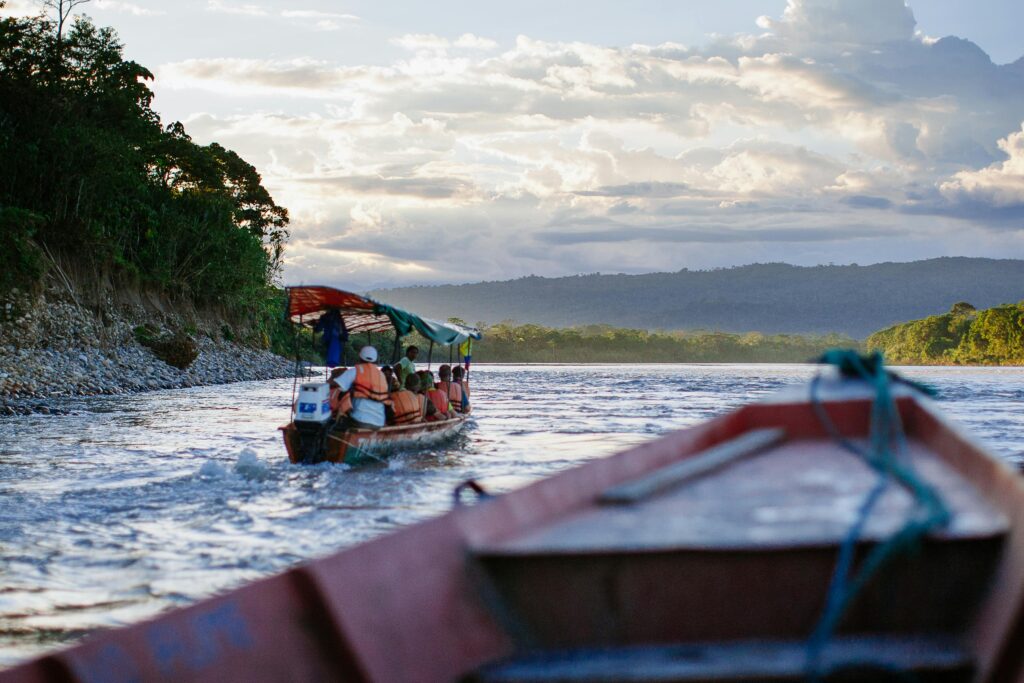
To understand Tena, one must first understand its historical weather patterns. Unlike destinations with starkly contrasting summers and winters, Tena experiences a remarkably stable equatorial climate. Situated at an elevation of approximately 500 metres above sea level, the town benefits from temperatures that vary very little throughout the year. Historical data shows that daily high temperatures consistently hover around 28 to 31 degrees Celsius, while nighttime lows rarely drop below 21 degrees Celsius.
However, the defining characteristic of Tena’s climate is precipitation. This is the rainforest, and the historical trend is unapologetically wet. The region receives an average of over 3,600 millimetres of rainfall annually. Instead of clear-cut dry and wet seasons, Tena has wetter months and slightly less wet months. The humidity is consistently high, often sitting above 80 per cent, which contributes to the lush, verdant environment that draws travellers from around the globe. Historically, rainfall is a daily possibility, often arriving in brief, intense afternoon downpours rather than continuous, day-long drizzles.
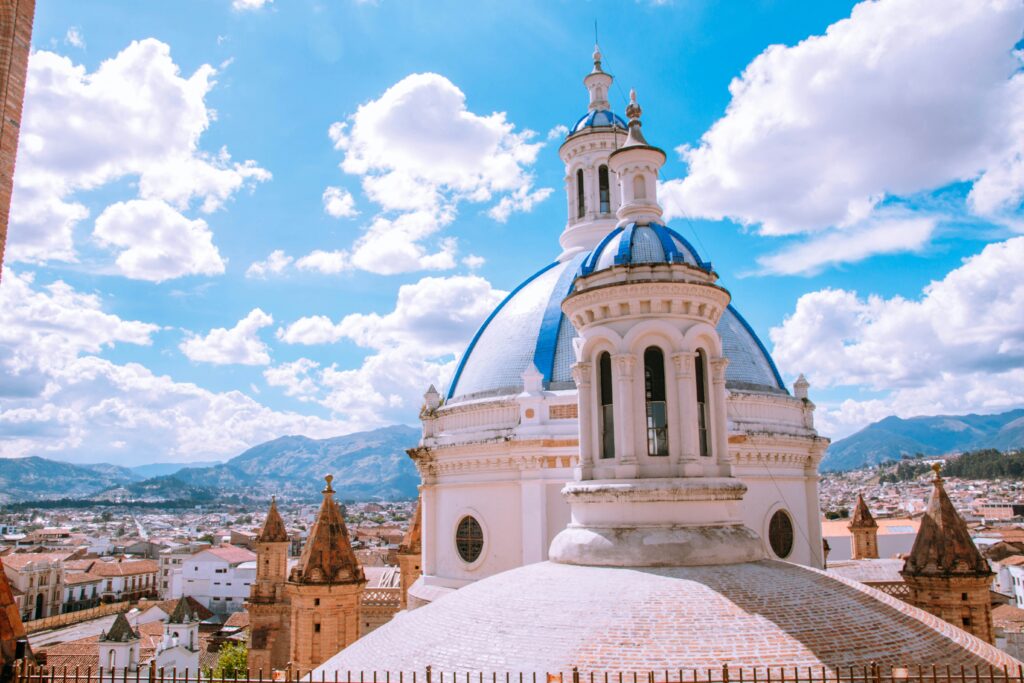
The Ecuadorian Amazon.
The most biodiverse place in the world
Understanding future weather trends and climate change
As we look to the future, it is impossible to discuss the best time to visit Tena, Ecuador, without addressing the impacts of global climate change. The Amazon basin is highly sensitive to ecological shifts, and the region surrounding Tena is no exception. Predictive models indicate that while the baseline temperatures will likely remain stable or rise marginally, the patterns of precipitation are becoming more erratic.
Climate change in this region is manifesting as an amplification of extremes. Forecasts suggest that the traditional slightly drier periods may experience unexpected heavy deluges, increasing the risk of sudden spikes in river levels and localised flooding. Conversely, there are predictions of unseasonal dry spells that could affect the delicate balance of the rainforest ecosystem. For the modern traveller, this means that historical weather models are becoming less reliable as absolute guarantees. Flexibility and preparation are more vital than ever. You must be prepared for sudden shifts in weather, regardless of the month you choose to travel.
Tena’s seasonal breakdown
While the concept of seasons in the Amazon is fluid, breaking the year down into distinct periods helps in planning the best time to visit Tena, Ecuador, based on your desired pace and activities.
The drier months / June to November
If one must define a dry season in Tena, it loosely falls between June and November. During this period, the frequency and volume of rainfall decrease slightly, although you should still expect regular showers. September often emerges as the month with the lowest average rainfall.
June and July mark the transition into this relatively drier phase. The cloud cover begins to break slightly more often, offering extended periods of sunshine. This is an excellent time for those who wish to explore the trails and pathways surrounding the town on foot, as the ground is marginally firmer and more reliable.
August and September are arguably the most comfortable months for general exploration. With humidity dropping to its lowest annual point—though still high by standard measures—and rainfall at its minimum, the conditions are ideal for slow, immersive travel. The rivers maintain a steady flow, making it a spectacular time to appreciate the waterways without the intensity of peak flood season.
October and November see the sunshine hours peak, particularly in November, which is statistically the sunniest month of the year. However, the heat index can feel slightly more intense due to the increased direct sunlight. These months are perfect for cultural visits in town and taking in the breathtaking views of the surrounding canopy before the heavier rains return.
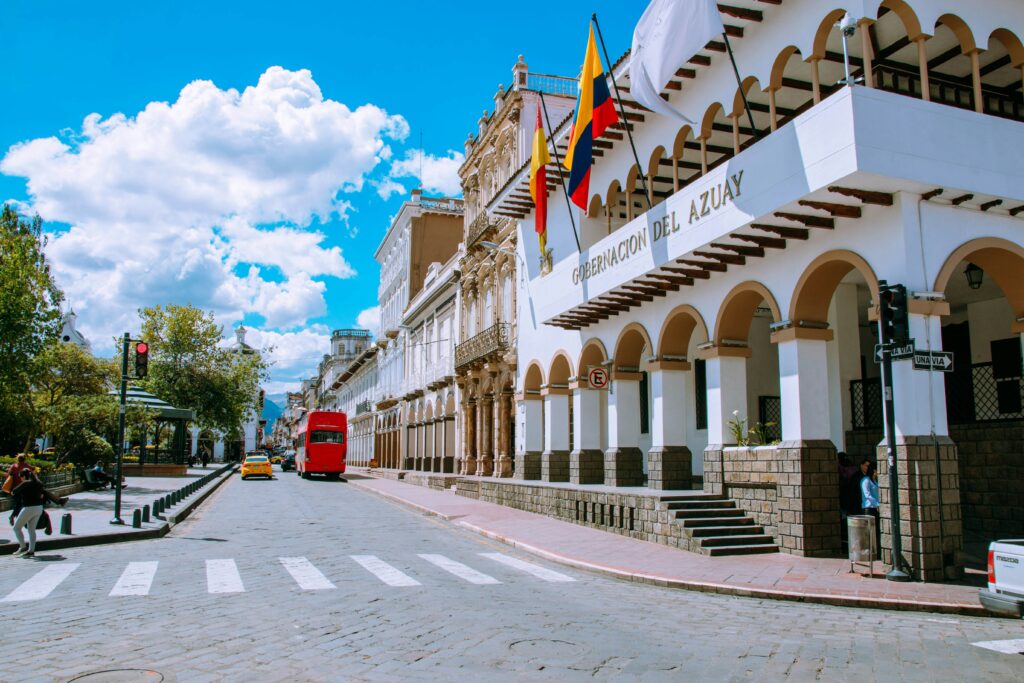
The Ecuadorian Sierra.
Get lost in the hills
The wetter months / December to May
The period from December to May is characterised by heavier, more consistent rainfall. March and April are typically the cloudiest and wettest months, with frequent and prolonged downpours.
December and January usher in the heavier rains. The jungle responds immediately, bursting into vibrant shades of green. This is a magnificent time for nature enthusiasts, as the increased water levels in the rivers and streams make remote areas more accessible by boat. The sheer volume of life, from blooming flora to active fauna, is astounding.
February and March are deep in the wet season. If you travel during this time, waterproof gear is non-negotiable. The rain is a powerful force, and while it might deter some longer outdoor hikes, it offers a deeply authentic Amazonian experience. The sound of rain echoing through the canopy is a memory in itself, forcing you to slow down and appreciate the raw power of the environment.
April and May continue the trend of heavy precipitation, but as May progresses, the transition back toward the drier season begins. This period is less about ticking off a specific itinerary and more about embracing the unpredictable nature of the rainforest.
Crafting your itinerary
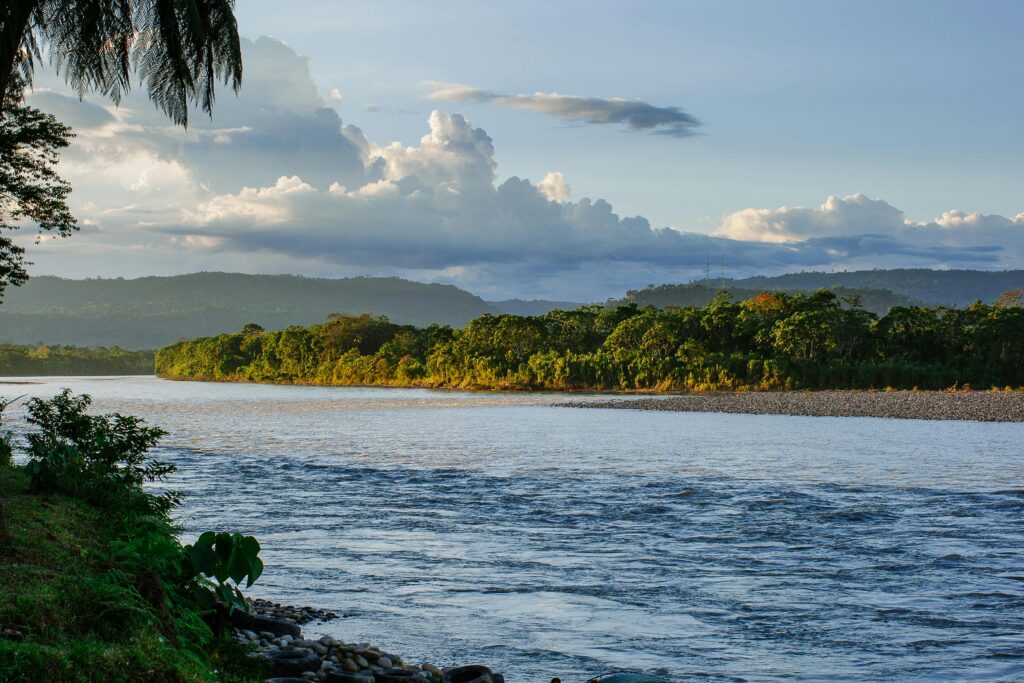
When deciding on the best time to visit Tena, Ecuador, consider what you want to achieve. If your goal is to wander the town, visit local markets, and take leisurely hikes, targeting the period between August and November will yield the most cooperative weather. If you are captivated by the untamed power of the jungle and want to see the rivers at their highest and most dramatic, the wetter months early in the year will deliver a spectacular show.
At Wheely Tyred, our approach to travel is about adaptation. There is no wrong time to visit Tena if you arrive with the right mindset. Embrace the humidity, expect the rain, and let the climate dictate the pace of your days. Slow down, take shelter during the afternoon downpours, use that time to connect with locals over a cup of Ecuadorian coffee, and emerge when the sun breaks through the clouds to illuminate the damp, glistening streets.
The Galápagos.
Ecuador’s Enchanted Isles
Giving you the info you need to visit Tena
Read this far?
Ultimately, Tena is a year-round destination that defies conventional travel advice. The best time to visit Tena, Ecuador, is whenever you are ready to immerse yourself in an environment that is entirely governed by nature. By understanding the historical weather patterns and acknowledging the realities of climate change, you can pack appropriately and set realistic expectations for your journey.
Wheely Tyred is committed to providing you with the insights necessary to make informed decisions about your travels. We hope this guide helps you plan an unforgettable experience in the heart of the Ecuadorian Amazon.
Affiliate Disclaimer: Some of the links on Wheely Tyred are affiliate links. If you click through and make a booking or purchase, we may earn a small commission at no extra cost to you. We only recommend gear, tours, stays, and services we genuinely use, trust, and stand behind — our editorial independence always comes first. These commissions help keep our independent cycling guides and travel stories free to read. You can also buy me a coffee here — thanks for supporting the ride!
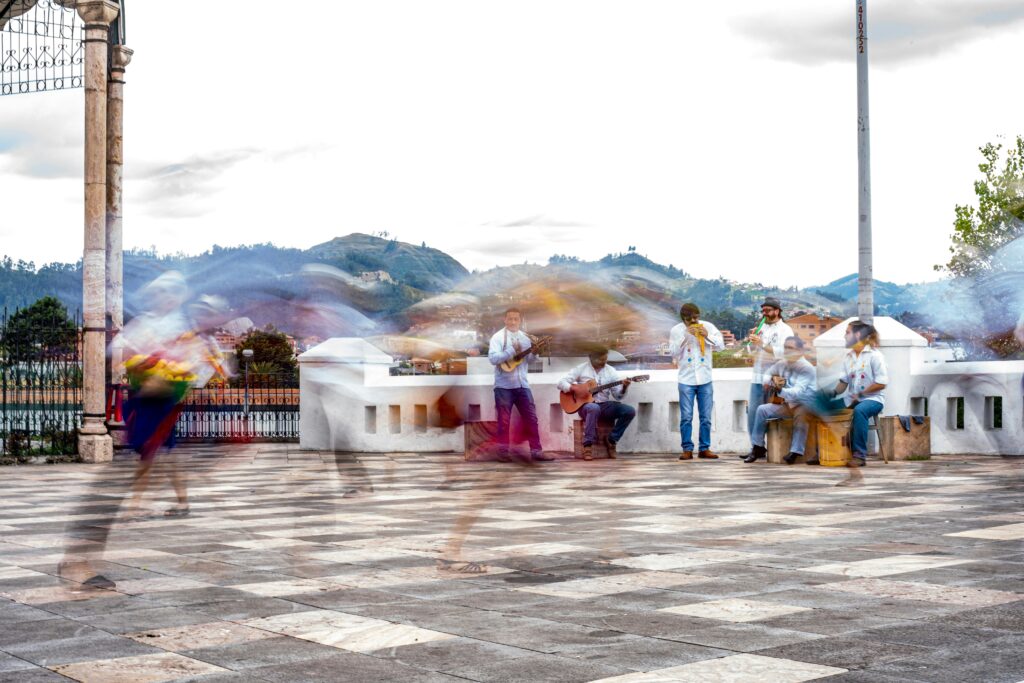
The Ecuadorian Coast.
Where you’ll find the very best food
Frequently asked questions about the best time to visit Tena
Tena is best experienced at a slower pace. The town centre is highly walkable, and the surrounding areas are interconnected by local buses and more traditional river transport. For those moving between regional hubs, the Ecuadorian bus network is efficient and provides a scenic window into the transition from the Andes to the Amazon.
Absolutely. While March and April see heavy rainfall, the jungle is at its most spectacular during this time. The key is preparation; high-quality waterproof gear is essential, and travellers should remain flexible as river levels can change rapidly, occasionally affecting local transport routes.
Historically predictable patterns are becoming more fluid. While the drier months are still the best bet for hiking, sudden, unseasonal deluges are more common now. We recommend leaving buffer days in your itinerary to account for weather-related pauses in activity.
Humidity in Tena consistently sits above 80%. It is a constant presence that defines the environment. Travellers should choose breathable, quick-drying fabrics and stay well-hydrated, particularly during the sunnier windows in November.
In Tena, the rain is a part of the social fabric. When a heavy downpour starts, the town typically shifts gears. It is the perfect time to seek shelter in a local café or picantería. Engaging with residents during these natural pauses is often where the most authentic travel stories begin.
Ecuador.
Pure wonder on the equator.