The pulse of the jungle / When to visit the Ecuadorian Amazon
Best month to visit Ecuador’s Amazon rainforest / Weather and seasonal guide
Finding the rhythm of the rainforest
BEN FINCH
The Ecuadorian Amazon, often referred to as El Oriente, is a realm where the rules of traditional seasonality do not apply. Unlike the clear-cut four seasons of the northern hemisphere, this vast expanse of biodiversity operates on a binary pulse of water levels. For the uninitiated traveller, choosing a date can feel like a gamble. However, Wheely Tyred has assessed the historical rhythms and emerging climate shifts to ensure your journey into the lungs of the earth is perfectly timed.
To understand the Amazon, one must first accept that it will rain. It is, after all, a rainforest. What matters most is not whether you will get wet, but how the water dictates your access to wildlife, trekking paths, and river navigation.
Discover the pulse of the Oriente
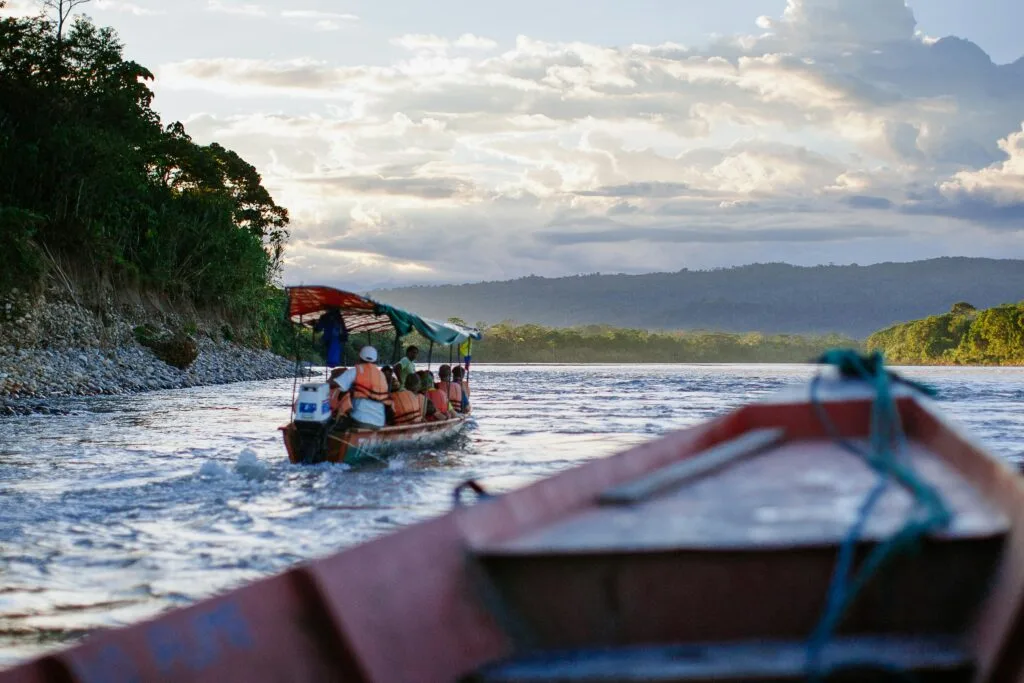
Navigating the world’s most biodiverse lung requires more than a map; it requires an understanding of the river’s breath. Wheely Tyred examines how water, not temperature, dictates the rhythm of life and travel within the jungle.
- The Binary Seasonality: Forget spring or autumn; the Amazon operates on a high and low water cycle where rainfall dictates whether you explore by dugout canoe or on foot
- High-Water Navigation: From December to May, rising rivers allow travellers to glide through the flooded Igapó forest, bringing you eye-to-eye with canopy-dwelling wildlife
- The Trekker’s Window: Between June and November, receding waters reveal hidden muddy trails, making this the optimum period for those who prefer grounded forest exploration
- Climate Volatility: Emerging environmental shifts are making traditional dry spells less predictable, requiring modern travellers to choose lodges with adaptable, weather-agnostic itineraries
- Regional Specialisations: While Yasuní remains a robust year-round destination, the Cuyabeno Wildlife Reserve is highly sensitive to water levels and is best visited when the lagoons are full
- The Essential Kit: Technical gear is less important than local wisdom; high-grade waterproofs and the ubiquitous lodge-issued rubber boots are the primary tools for success
- Wildlife Concentrations: Lower water levels in September and October may hinder boat travel but often concentrate aquatic life, offering superior sightings of giant otters and caimans
The Ecuadorian Amazon.
The most biodiverse place in the world
Historical weather trends / The high and low water cycle
Historically, the Ecuadorian Amazon has remained relatively consistent in temperature, hovering between 23°C and 30°C year-round. Humidity remains a constant companion, typically sitting at roughly 80 to 90 per cent. The true variation lies in the rainfall, which averages between 3,000mm and 4,000mm annually.
In this region, the calendar is divided into the high-water season and the low-water season.
The high-water season / December to May
Contrary to what one might expect, the wetter months are often the most spectacular for those wishing to see the jungle from the water. During this period, the rivers rise significantly—sometimes by several metres. This allows motorised canoes and traditional dugouts to penetrate deep into the flooded forest (Igapó), where you can glide through the canopy of submerged trees.
The low-water season / June to November
When the rains ease, the river levels drop, revealing sandy banks and expansive muddy trails. This is the prime time for those who prefer to explore on foot. While the jungle remains humid, the reduction in standing water often leads to a slight decrease in mosquito activity on the main trails, though they are never entirely absent.
The Ecuadorian Sierra.
Get lost in the hills
The impact of climate change on future travel
Climate change is beginning to smudge the lines between these traditional cycles. Recent data suggests that while total annual rainfall may remain high, the intensity and timing are becoming more volatile. We are seeing more frequent extreme rainfall events followed by uncharacteristic dry spells.
For the traveller, this means flexibility is key. In the coming decade, the traditionally dry month of August may see sudden deluges that temporarily flood low-lying lodges, while the traditionally wet month of April could experience brief droughts that make river navigation difficult in shallower tributaries like those in the Cuyabeno Wildlife Reserve. Wheely Tyred recommends choosing lodges with adaptable itineraries that can pivot between water-based and land-based activities regardless of the specific week of your visit.
A monthly breakdown / What to expect
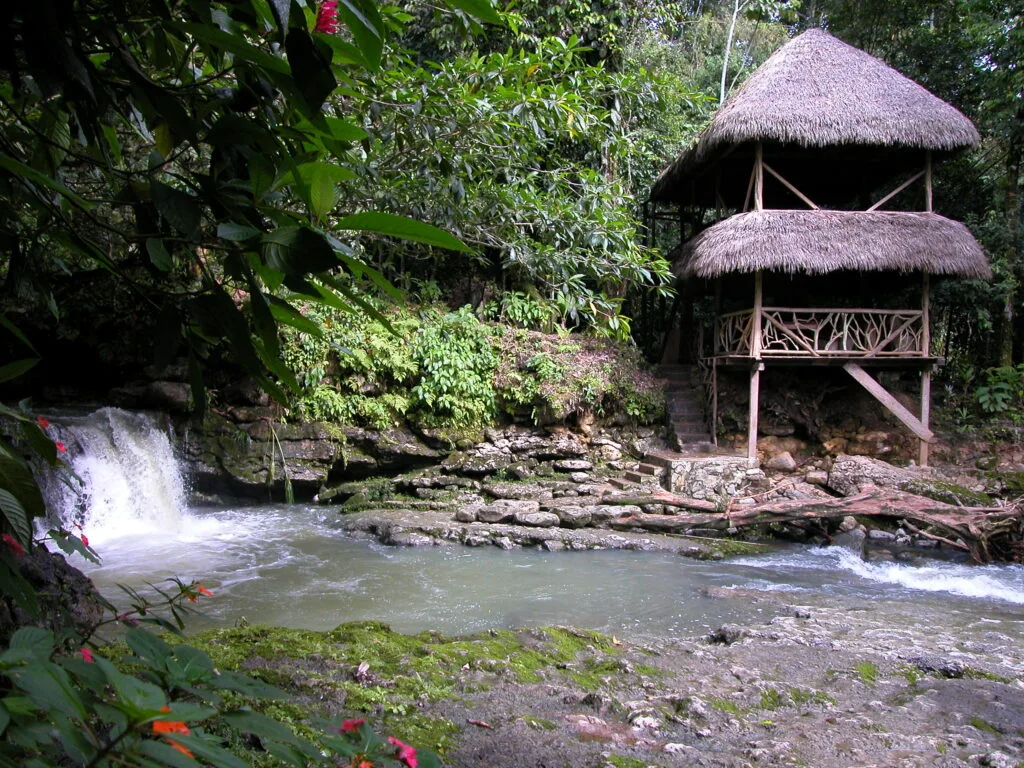
December to February / The transitional peak
These months are often considered a sweet spot for the general public. Rainfall is moderate compared to the mid-year peak, and the rivers are high enough for easy navigation without being so high that they submerge every walking trail.
- Wildlife Focus: This is an excellent time for birdwatching, as many species are active and the fruit trees are in full swing, attracting macaws and toucans
- Travel Tip: Because this coincides with the festive season, early booking is essential as the most reputable eco-lodges fill up months in advance
March to May / The great deluge
If your goal is to experience the Amazon as a water world, this is your window. April and May are historically the wettest months in the Ecuadorian Oriente. The Napo River becomes a powerful motorway of silt and flora.
- Why Visit: You can reach hidden lagoons that are inaccessible for the rest of the year. The sheer volume of water makes for a cooling atmosphere, even if you are donning a poncho daily
- Wildlife Focus: High water brings you closer to the canopy dwellers. Monkeys, sloths, and iguanas are easier to spot from a boat when the ground is several metres underwater
The Galápagos.
Ecuador’s Enchanted Isles
June to August / The breath of fresh air
While June still carries the tail end of the heavy rains, July and August often see a noticeable dip in precipitation. This is the peak of the North American and European summer holidays, making it a popular time for families.
- Walking the Jungle: Trails that were under a metre of water in May become navigable again. This is the best time for those interested in the medicinal plants and fungi of the forest floor
- Wildlife Focus: As the riverbanks emerge, caimans and turtles can be seen sunning themselves on the sand
September to November / The dry spell
September is statistically one of the driest months. While this sounds appealing, it presents logistical challenges. Low water levels can mean that the final leg of your journey to a remote lodge involves more walking or smaller, slower boats.
- The Advantage: Fish become concentrated in smaller pools, which in turn attracts an abundance of predators. Giant otters are often more visible during this time as they hunt in the shrinking lagoons
- Travel Tip: If visiting Cuyabeno during these months, check with your operator regarding water levels; some lagoons can become so dry that boat access is restricted
The Ecuadorian Coast.
Where you’ll find the very best food
Regional variations / Yasuní vs. Cuyabeno vs. Tena
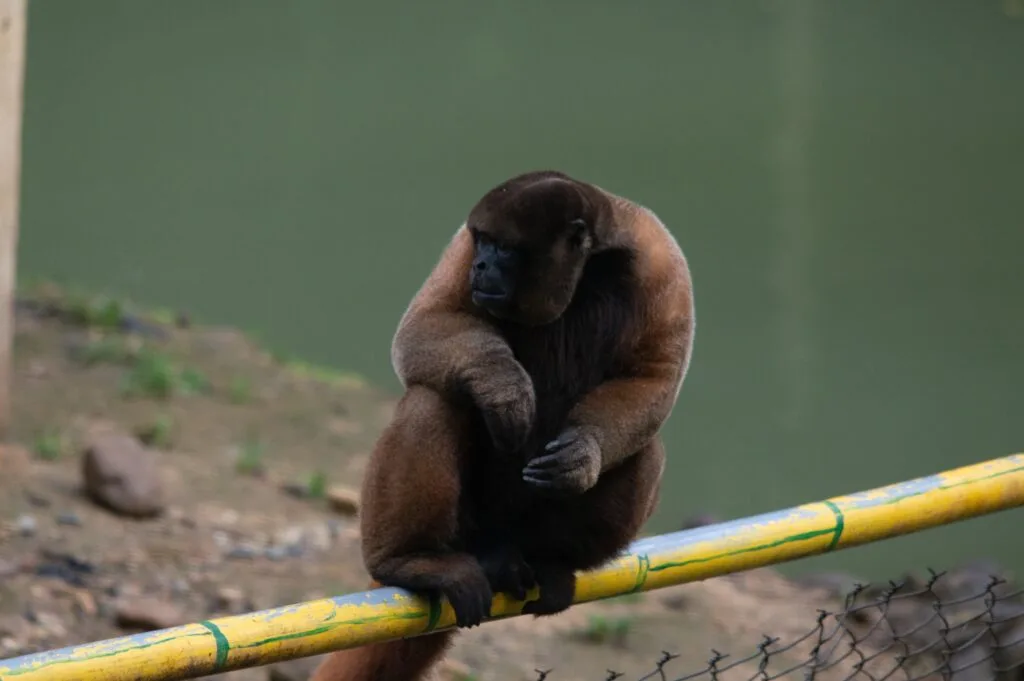
It is important to distinguish where in the Ecuadorian Amazon you are heading, as the geography dictates the experience.
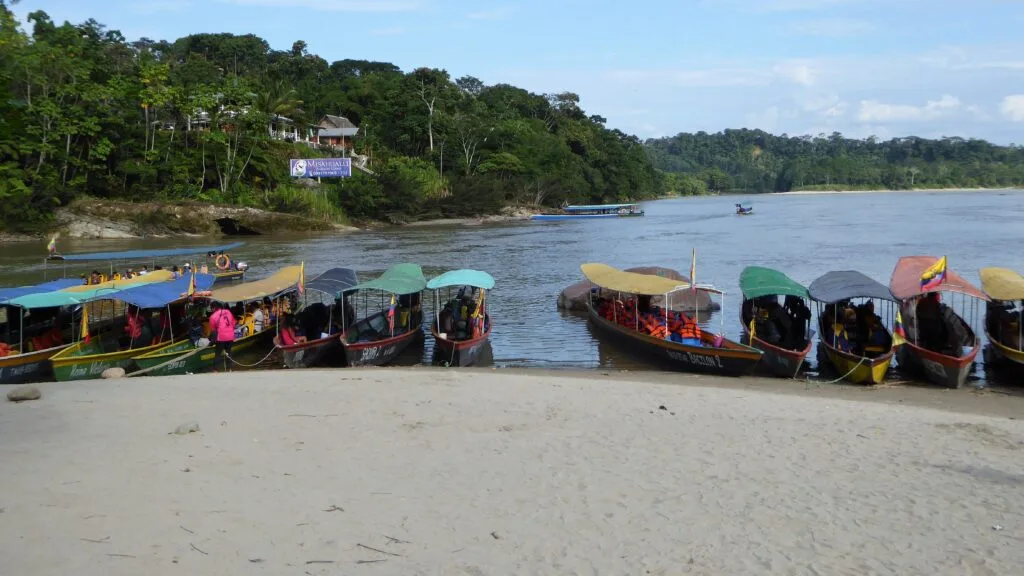
- Yasuní National Park: Deep jungle, accessible primarily via the Napo River from Coca. This is a year-round destination where the infrastructure is robust enough to handle most weather fluctuations
- Cuyabeno Wildlife Reserve: More sensitive to water levels. The flooded forest charm of Cuyabeno is at its peak from March to August
- Tena and the Upper Amazon: Known as the gateway to the jungle. Because it is closer to the Andes, it receives slightly different weather patterns and is the hub for white-water rafting. The best rafting conditions generally fall between October and March, when the rivers are not too dangerously swollen
Recommendations for your trip to the Ecuadorian Amazon
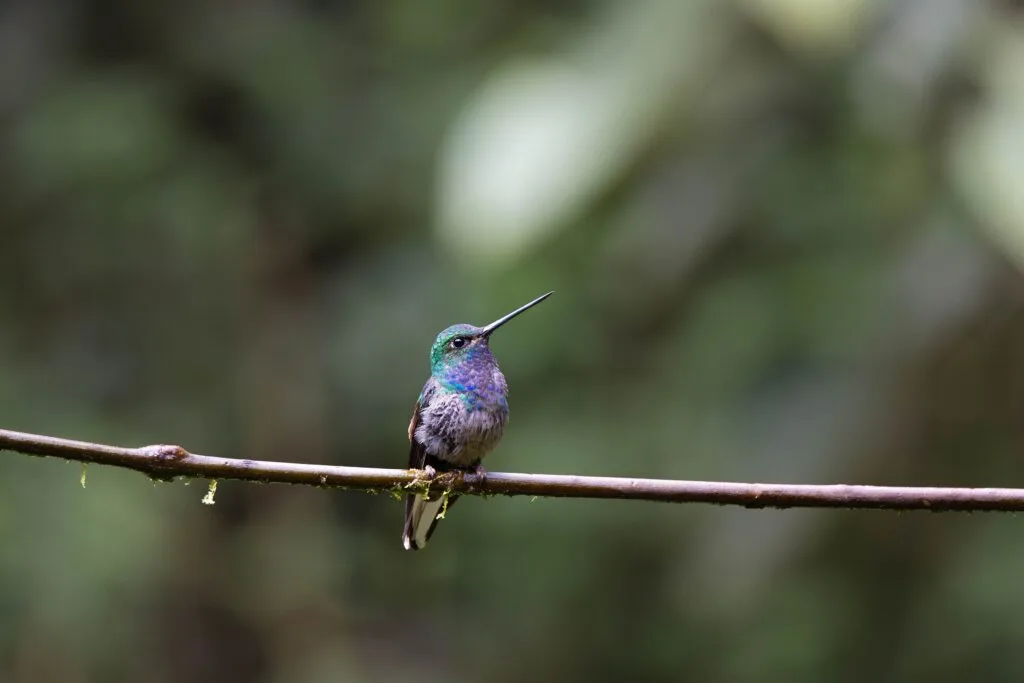
To make the most of your Ecuadorian adventure, consider these three pillars of preparation:
- Gear for all Seasons: Regardless of the month, high-quality waterproofs and breathable synthetic clothing are non-negotiable. Most lodges provide rubber boots, which are the standard footwear for the jungle
- Health and Hydration: The humidity can be more taxing than the heat. Drink more water than you think you need, and ensure your vaccinations are up to date well before departure
- Expect the Unexpected: The Amazon is a living, breathing entity. A sunny morning can turn into a torrential downpour in minutes. Embrace the unpredictability; it is part of the magic
The best time to visit the Ecuadorian Amazon ultimately depends on your tolerance for rain versus your desire for deep-water exploration. For the perfect balance of accessibility and wildlife, the months of August through to early December offer the most versatile conditions for the general traveller.
Quito.
Explore the Middle of the World
Frequently asked questions about the best time to visit the Ecuadorian Amazon
Most journeys begin with a flight or a long-distance bus from Quito to the frontier towns of Coca or Lago Agrio. From there, transport transitions to motorised canoes. For the independent traveller, this leg is almost always organised by your chosen eco-lodge, as navigating the Napo or Aguarico river systems alone is practically impossible.
While Wheely Tyred champions cycling culture, the deep Amazon (the Oriente) is a roadless wilderness. Bikes are excellent for the Cloud Forest regions or the gateway town of Tena, but once you enter the lowland basin, the only trains are the long, narrow motorised canoes that serve as the region’s primary motorways.
They are a constant presence, but rarely a dealbreaker. Historically, mosquito activity is slightly lower during the low-water season (June–November) on the main trails. However, the best defence remains physical: wearing long-sleeved, light-coloured, breathable clothing and utilising the mosquito netting provided by reputable lodges.
Strictly speaking, no. For safety and conservation reasons, entry into national parks like Yasuní or reserves like Cuyabeno requires a licensed guide. Independent wandering is not only dangerous due to the terrain but also limits your ability to spot wildlife that is masterfully camouflaged.
Many lodges are run in partnership with Kichwa or Secoya communities. It is vital to respect local privacy; always ask for permission before taking photographs of people or their homes. Buying local handicrafts directly from community centres is the most effective way to ensure your travel spend supports the local economy.
The river water is not potable for travellers. Reputable lodges provide unlimited filtered or bottled water. It is highly recommended to bring a reusable water bottle to reduce the plastic footprint in this incredibly sensitive ecosystem.
Ecuador.
Pure wonder on the equator.