Unveiling Quito / The secret corners of the Andean capital
Exploring the best hidden gems and secret spots to visit in Quito
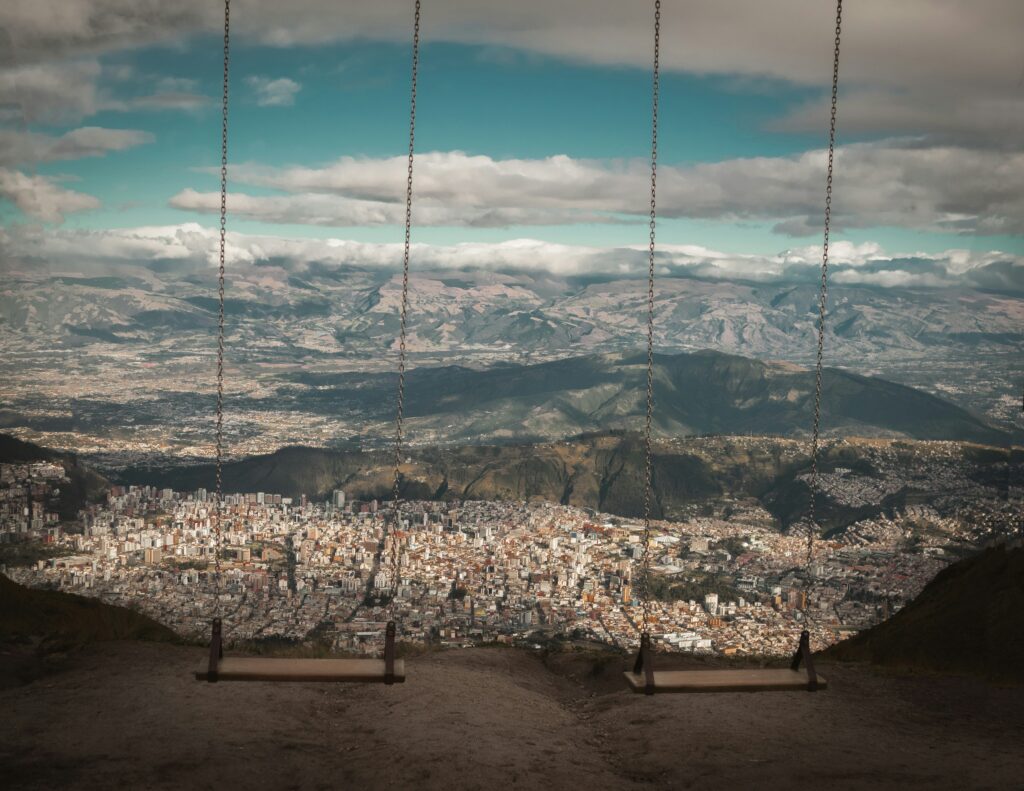
Whispers of the Andes, shadows of the equator
BEN FINCH
There is a distinct rhythm to Quito. At nearly 3,000 metres above sea level, the air is thinner, the light is sharper, and the city itself seems to cascade down the slopes of the Pichincha volcano. Most visitors arrive with a well-thumbed guidebook, making a beeline for the gleaming gold of La Compañía or the vast, cobbled expanse of Plaza Grande. And while those monumental sights are undeniably breathtaking, they only tell a fraction of the story.
For the independent traveller—the one who prefers the freedom of two wheels to the constraints of a tour bus, who likes to linger over a local coffee rather than rush to the next designated photo stop—the true magic of the Ecuadorian capital lies tucked away in its quieter corners. These are the neighbourhoods where local artists gather, the museums that eschew traditional timelines, and the viewpoints known only to those willing to stray off the beaten path.
As you navigate this high-altitude metropolis, remember that the joy of exploration is in the pacing. Let the altitude dictate a slower rhythm. Here are the finest hidden gems in Quito, spaces where you can genuinely connect with the soul of the city.
The high-altitude pulse of Quito
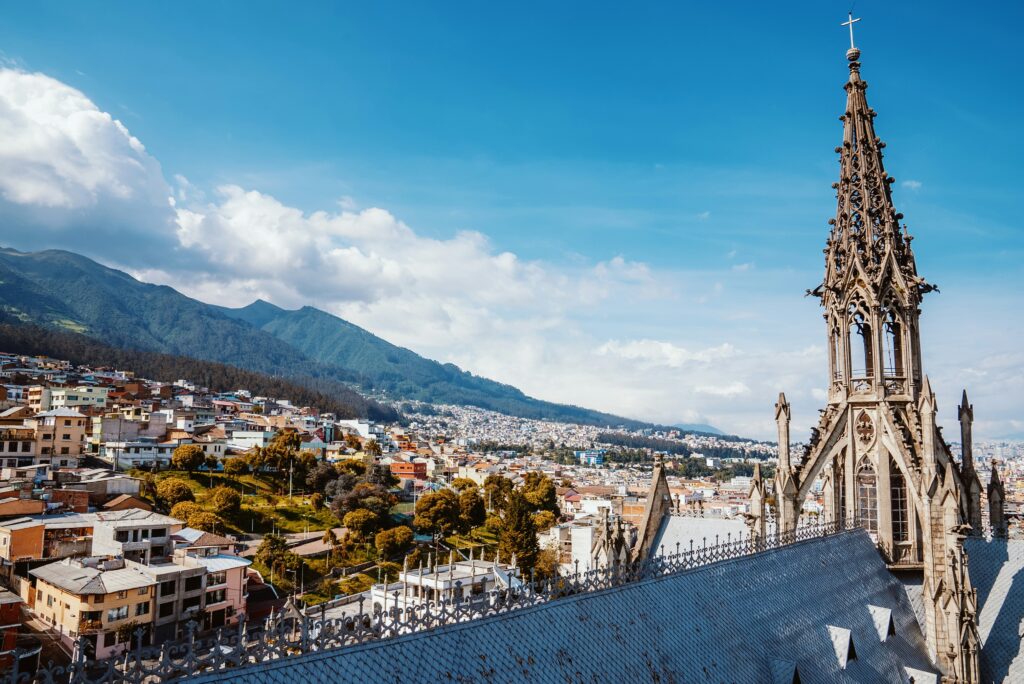
The Andean capital is far more than its colonial veneer; it is a city of vertical secrets and bohemian enclaves. For the traveller who rejects the tour bus in favour of a slower, more deliberate pace, these are the essential touchpoints of the Quiteño soul.
- Guápulo: A steep, cobblestoned sanctuary for the city’s artistic community, offering a village-like serenity and cliff-hanging cafes that overlook the lush Cumbayá valley
- Casa del Alabado: An expertly curated journey through pre-Columbian cosmology, housed in a 17th-century mansion that prioritises thematic storytelling over dry, chronological timelines
- Parque Itchimbía: Home to a magnificent iron-and-glass Crystal Palace, this hilltop park provides a 360-degree vantage point to map the city’s sprawl against the volcanic horizon
- La Floresta: The modern heartbeat of Quito, where independent cinema, world-class street art, and the enticing scent of evening food carts define the city’s contemporary creative identity
- Yaku Water Museum: A sensory and architectural marvel built atop the city’s first water plant, focusing on the environmental and spiritual significance of water in the high Andes
- The Chaquiñán Trail: A premier 20-kilometre cycling route along a converted railway line, offering a seamless escape into the canyons and valleys east of the urban centre
Quito.
Explore the Middle of the World
1. Guapulo / The Bohemian balcony
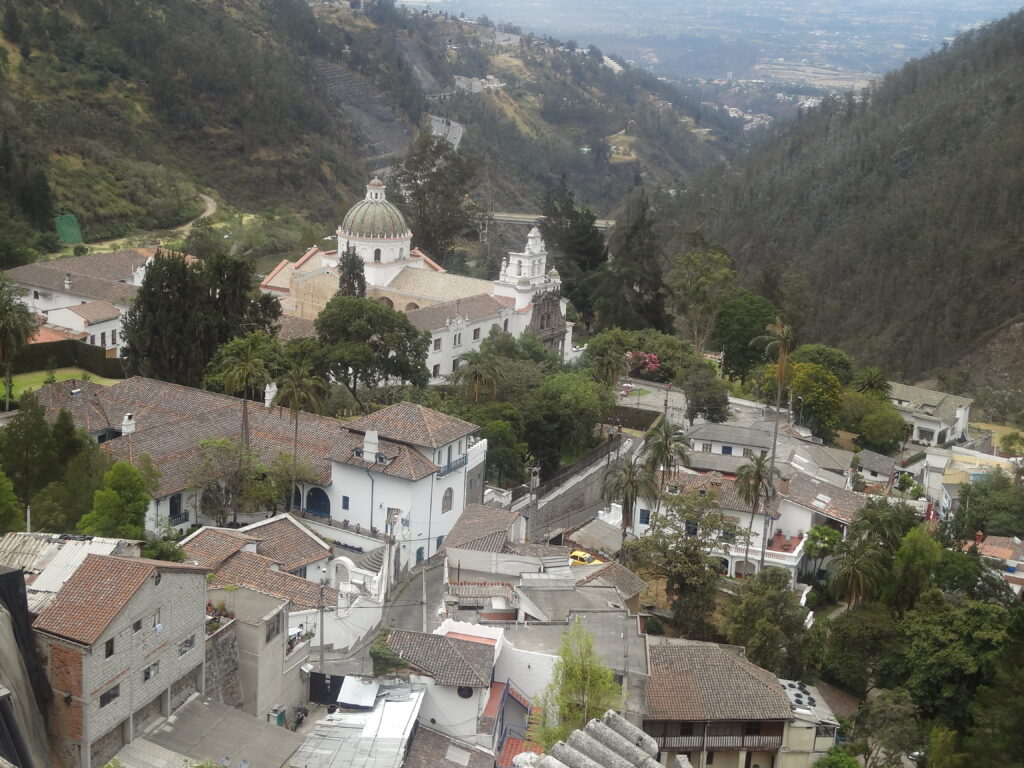
Tucked into a steep ravine on the eastern edge of the city, Guápulo feels entirely removed from the bustling modern metropolis that surrounds it. To reach it, you must descend—often navigating winding, cobbled streets that seem to drop off into the valley below. This geographical isolation has preserved a village-like atmosphere, making it a haven for artists, writers, and musicians.
Architectural charm
At the bottom of the descent lies the striking Guápulo Colonial Church and Convent, a 17th-century masterpiece that lacks the heavy tourist traffic of the central historic district.
Café culture
The winding streets are dotted with tiny, eclectic cafes and bars that literally hang over the edge of the cliff. They offer the perfect vantage point to watch the mist roll up from the Cumbayá valley as the sun sets.
Pacing
Because the climb back up is notoriously steep, this is a neighbourhood that demands you take your time. It is an ideal spot to park up, grab a drink, and absorb the atmosphere without an itinerary rushing you along.
2. Casa del Alabado Pre-Columbian Art Museum / A different dimension
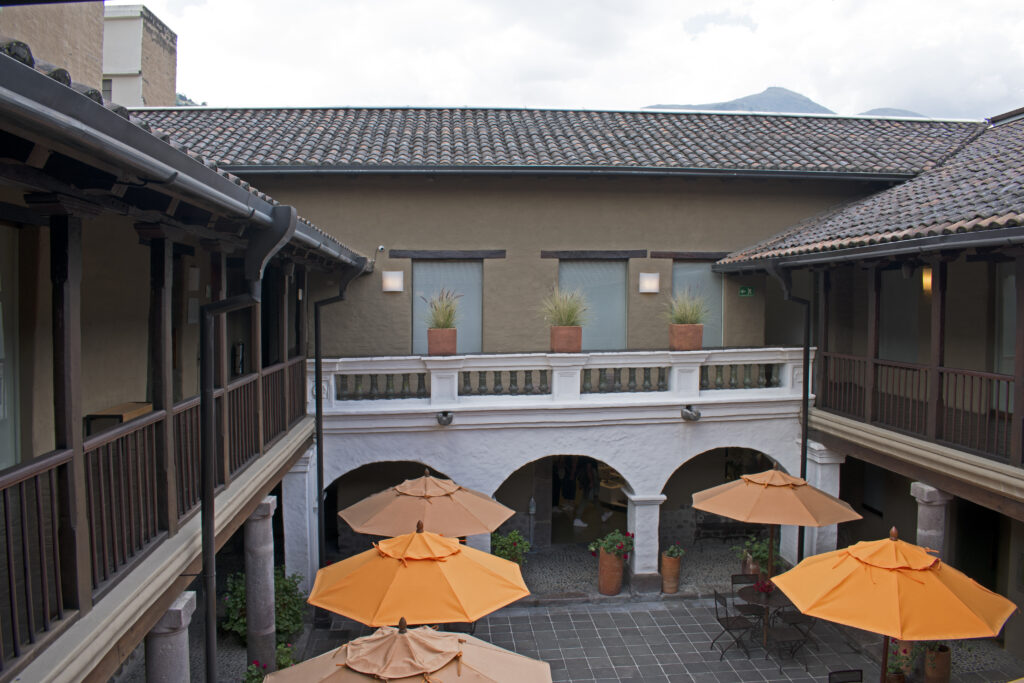
Most historic tours focus heavily on the Spanish colonial era, but the roots of this region run far deeper. Housed in a beautifully restored 17th-century colonial mansion just a stone’s throw from the Plaza San Francisco, Casa del Alabado offers a remarkably intimate look at Ecuador’s ancient cultures.
Thematic curation
Unlike traditional museums that organise artefacts chronologically, this museum arranges its vast collection thematically around the indigenous cosmology of the Underworld, Middle World, and Upper World.
Quiet contemplation
The layout encourages a slow, meditative journey through the rooms. The central courtyards, filled with native plants, offer tranquil spaces to sit and reflect on the artistry of civilisations that thrived long before the Spanish arrived.
Expert craftsmanship
The lighting and presentation are world-class, highlighting the intricate details of ancient ceramics, stonework, and gold, making it a deeply rewarding experience for the curious traveller.
Cuenca.
The Athens of Ecuador
3. Parque Itchimbía / The glass palace in the sky
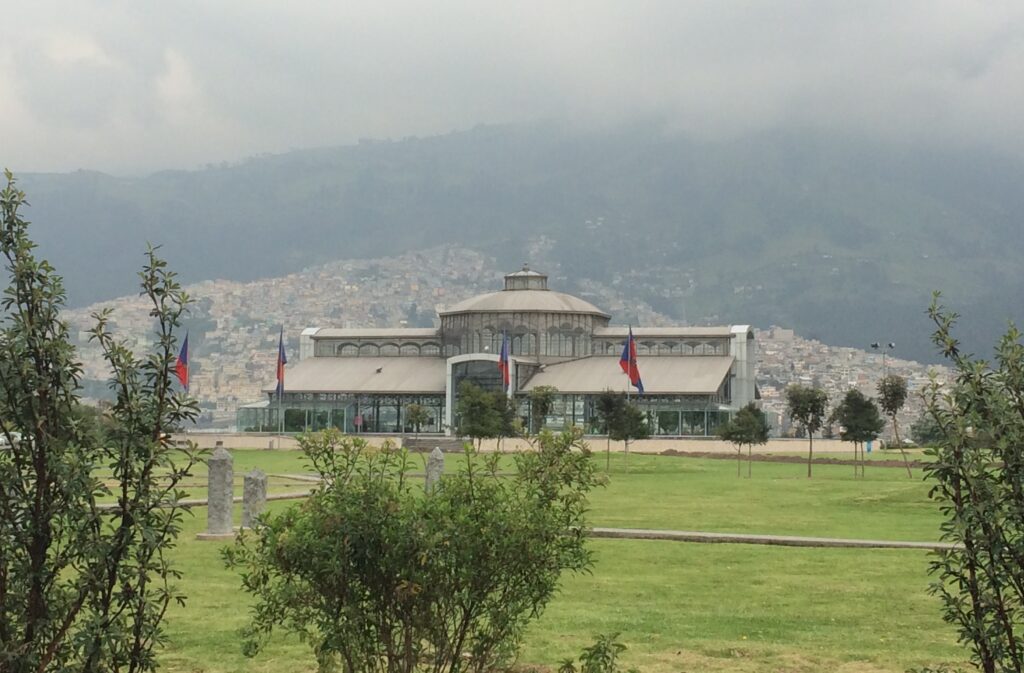
When the sprawling streets of the historic centre begin to feel overwhelming, Parque Itchimbía provides the ultimate release. Situated on a hill to the east of the old town, this vast green space is a favourite among locals for weekend strolls, yet it remains blissfully under the radar for many short-term visitors.
The Crystal Palace
The park is crowned by the Palacio de Cristal, a stunning structure of iron and glass originally imported from Germany in the late 19th century. Today, it serves as an airy cultural centre hosting exhibitions and events.
Unrivalled views
Itchimbía offers arguably the best 360-degree panoramic views in the city. You can trace the spine of the Andes, gaze down at the domes of the historic centre, and look up toward the imposing peaks of Pichincha.
Open space
With paved pathways and sweeping lawns, it is a brilliant spot for an afternoon cycle or simply lying on the grass to watch the dramatic Andean clouds shift across the sky.
4. La Floresta / The creative pulse
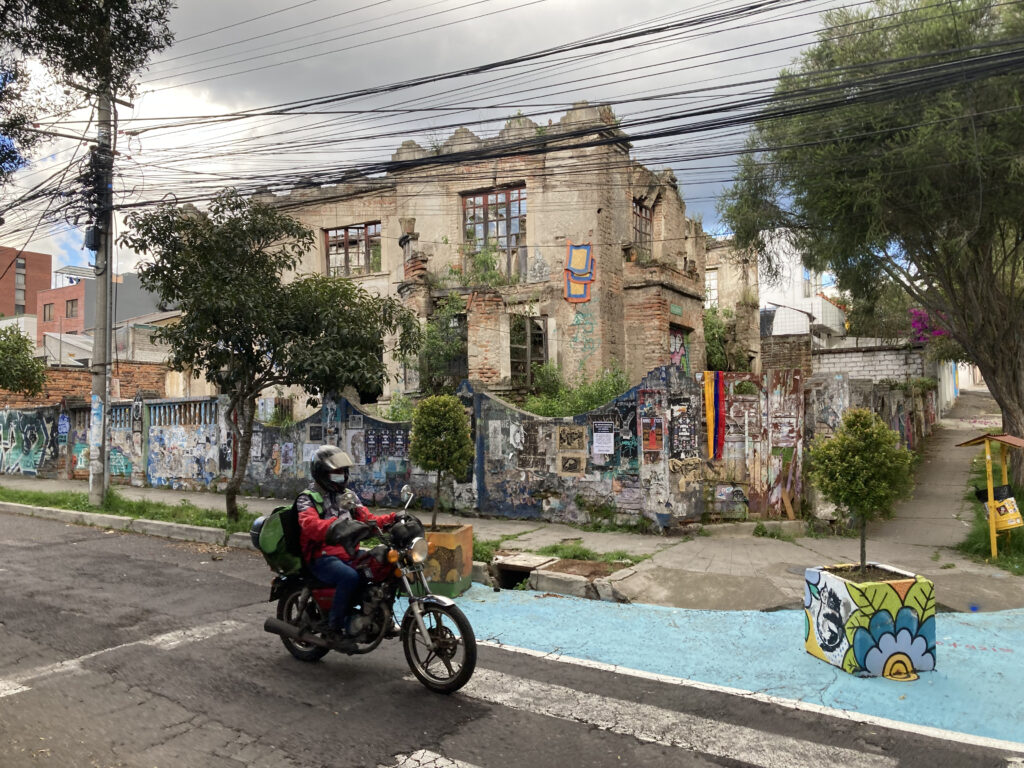
If the historic centre is Quito’s past, La Floresta is its vibrant, modern present. This leafy, walkable neighbourhood is the epicentre of the city’s contemporary art and culinary scenes. It is a place meant to be wandered aimlessly, allowing the vibrant street art to guide your path.
Street art and murals
La Floresta is a canvas for local and international street artists. The walls are splashed with political, surreal, and deeply cultural murals that give the area a dynamic, ever-changing feel.
Independent spirit
Here, you will find independent cinemas like Ocho y Medio, zero-waste stores, craft beer taprooms, and coffee shops sourcing beans directly from the cloud forest.
Evening atmosphere
As dusk falls, the neighbourhood shifts gears. The famous food carts near the central plaza fire up, offering some of the best and most authentic street food in the city, from empanadas to tripe stew, providing a deeply local culinary experience.
The Ecuadorian Sierra.
Get lost in the hills
5. Yaku Water Museum / A source of life
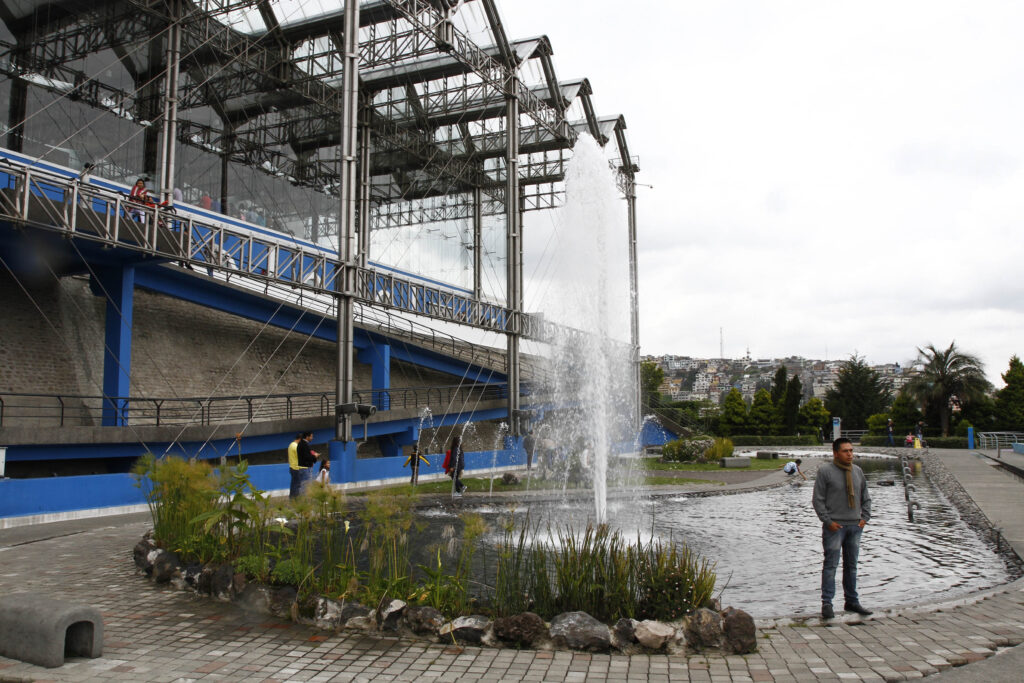
Perched high on the slopes of the El Placer neighbourhood, the Yaku Water Museum is an architectural marvel that occupies the site of the city’s first water treatment plant. It is an incredibly unique space that blends science, history, and environmentalism in a setting that offers spectacular views over the old town.
Interactive learning
The museum explores the vital role of water in the Andean ecosystem and the history of Quito, from ancient indigenous rituals to modern conservation efforts.
Sensory experience
Open-air walkways, trickling fountains, and native gardens make this a deeply sensory experience. It is a space that breathes, offering a stark contrast to the enclosed museums of the city centre.
The journey
Reaching Yaku involves navigating the steep, quiet streets of a highly traditional neighbourhood, rewarding the independent explorer with glimpses of daily life that remain untouched by commercial tourism.
Beyond Quito’s city limits / Two wheels to freedom
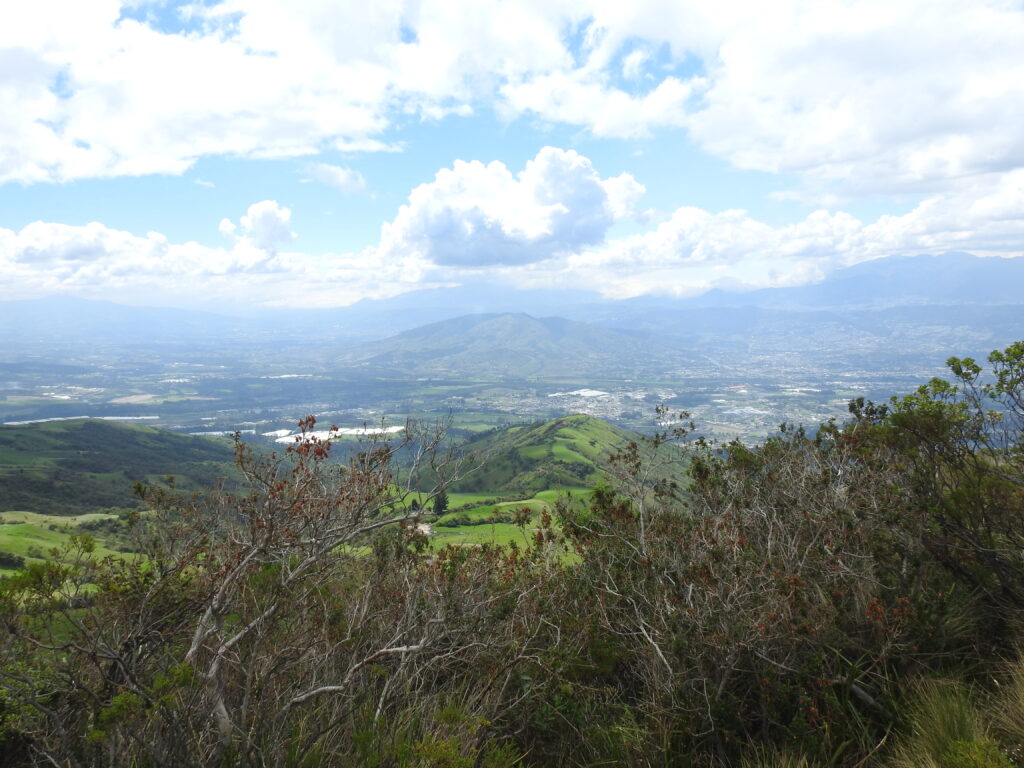
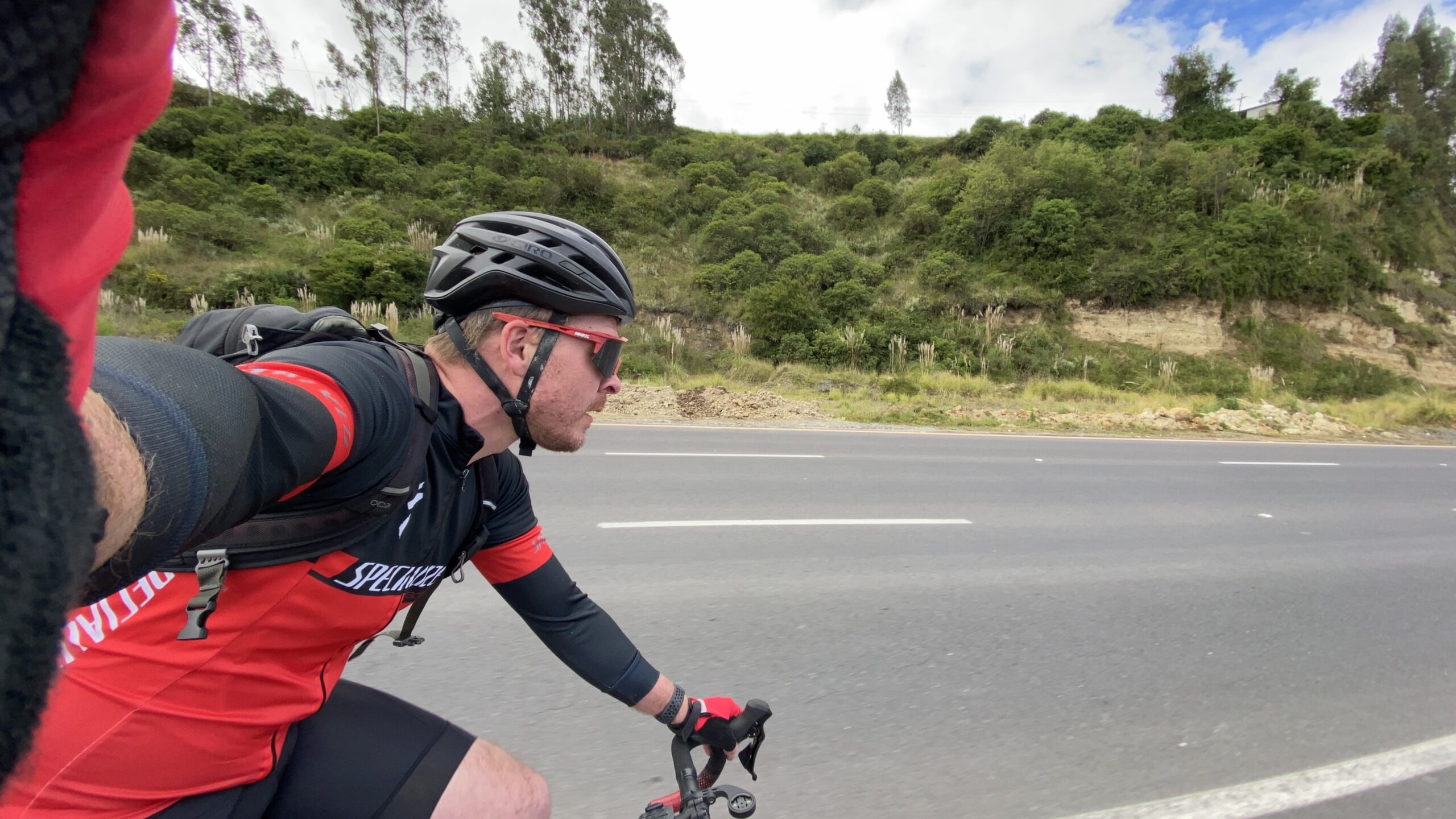
While the steep, cobbled streets of the historic centre demand a sturdy pair of walking shoes, Quito is also a brilliant launchpad for wider exploration by bike. The beauty of independent travel is the ability to dictate your own route, and the valleys surrounding the capital offer some exceptional riding for those looking to stretch their legs.
If you want to transition from urban exploration to the great outdoors, your first target should be the Chaquiñán. Located just to the east of the city, descending into the warmer Cumbayá and Tumbaco valleys, this 20-kilometre converted railway line is a cyclist’s dream. The path is well-maintained, relatively flat, and weaves through spectacular scenery, passing through old railway tunnels and plunging into dramatic canyons.
For those seeking a more rigorous day trip, the route towards the Pululahua Geobotanical Reserve—one of the few inhabited volcanic craters in the world—offers challenging dirt climbs and sweeping descents, all within striking distance of the city. Alternatively, a ride out towards the Lloa Valley provides a rugged, off-the-beaten-path experience through rich dairy farmland sitting right at the base of the Pichincha volcano. Whether you are coasting along the old rail lines or grinding up a mountain pass, having your own transport allows you to truly grasp the monumental scale of the Andes, completely on your own terms.
The Ecuadorian Amazon.
The most biodiverse place in the world
Frequently asked questions about Quito’s best hidden gems
The historic centre and neighbourhoods like Guápulo are notoriously steep and sit at nearly 3,000 metres above sea level. While walking is the best way to see the details, you must pace yourself to account for the thin air. For cycling, the dedicated Chaquiñán Trail in the valley offers a much flatter, more relaxed experience than the city’s vertical interior.
Head to the neighbourhood of La Floresta as dusk falls. The central plaza fills with traditional food carts serving authentic Quiteño staples like empanadas and tripe stew. It is a social, self-guided way to eat where the locals eat, away from the more commercialised restaurant strips.
Most major cultural institutions, such as the Casa del Alabado and the Yaku Water Museum, are world-class facilities with clear, thematic layouts. While a basic grasp of Spanish is always helpful, the visual and sensory nature of these specific museums makes them highly accessible to the independent international traveller.
The weather in the Andes is famously temperamental. Even if it starts sunny, the light can sharpen and the temperature can drop rapidly as clouds roll in. A layering system is essential, along with high-SPF sun protection—the equatorial sun is significantly stronger at this altitude.
For the Chaquiñán Trail or the Lloa Valley, you can easily use local transport or a short taxi ride to reach the starting points. These areas are well within a 20-kilometre radius of the city, making them perfect for day trips that get you back to the city centre by nightfall.
Absolutely. The city rewards those who wander without a rigid itinerary. Neighbourhoods like La Floresta and Guápulo are particularly welcoming for solo visitors, offering plenty of independent cafes and cultural spaces where you can blend in and observe the local rhythm at your own leisure.
Ecuador.
Pure wonder on the equator.