The sentinel of the south / A guide to the best of Loja
Top sights and iconic attractions in Loja / A guide to Ecuador’s cultural capital
Chords, cobblestones, and cloud forests / Uncovering the soul of Southern Ecuador
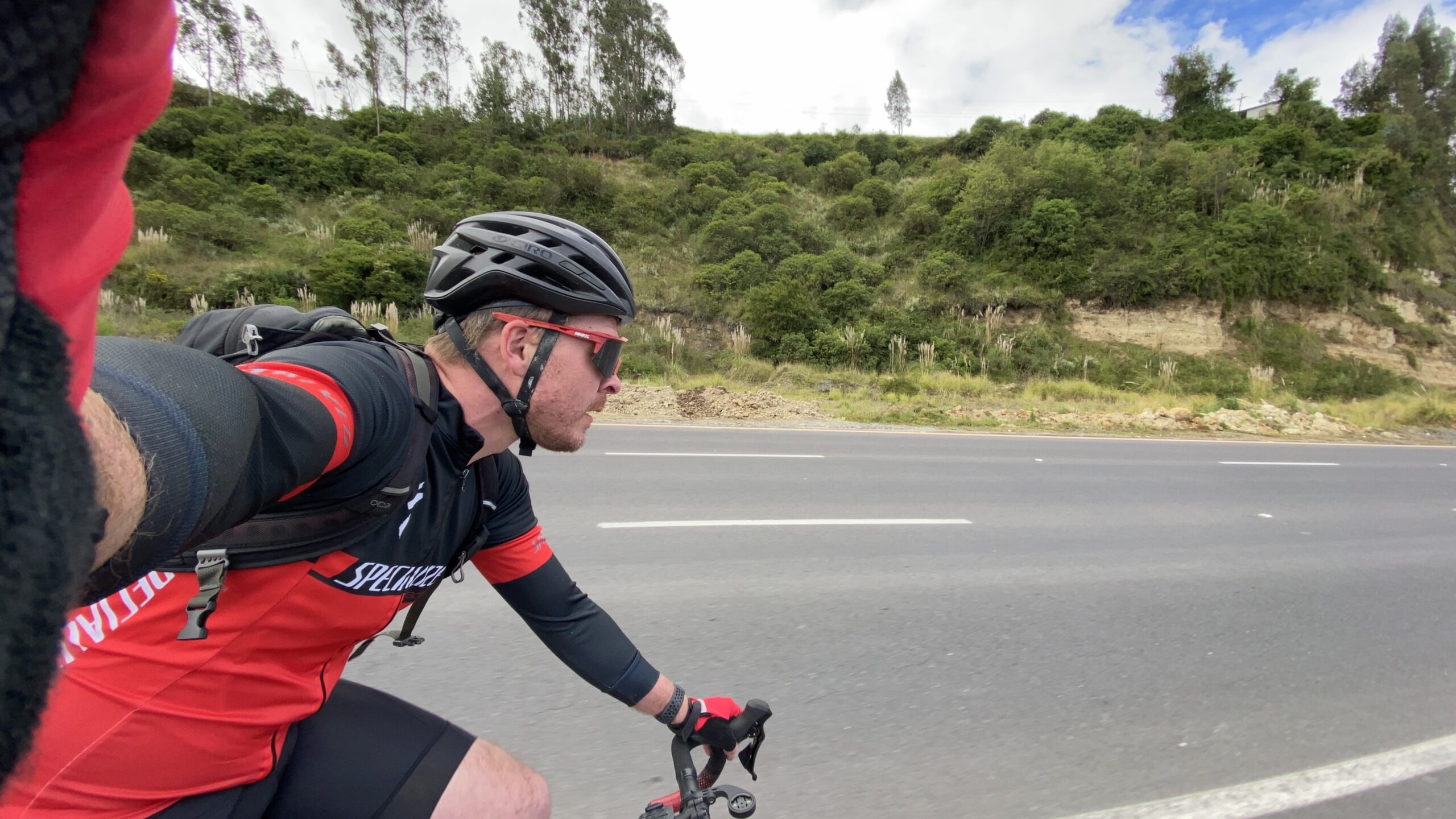
BEN FINCH
Loja is a city that hums with a different energy from the bustling northern hubs of Quito or Cuenca. Often referred to as the Musical and Cultural Capital of Ecuador, it sits nestled in a verdant valley at an elevation of roughly 2,100 metres. For the independent traveller, particularly those who prefer the perspective from two wheels, Loja offers a rare blend of colonial sophistication and raw Andean beauty without the overcrowding seen in more mainstream destinations.
At Wheely Tyred, we know that the best way to understand a place is to peel back its layers at your own speed. Loja is not a city to be rushed through on a tour bus; it is a place where the architecture tells stories of Spanish conquest and the parks reflect a global curiosity. To help you navigate this southern gem, we have curated the top attractions that define the Lojano identity.
The melodic soul of the Southern Andes
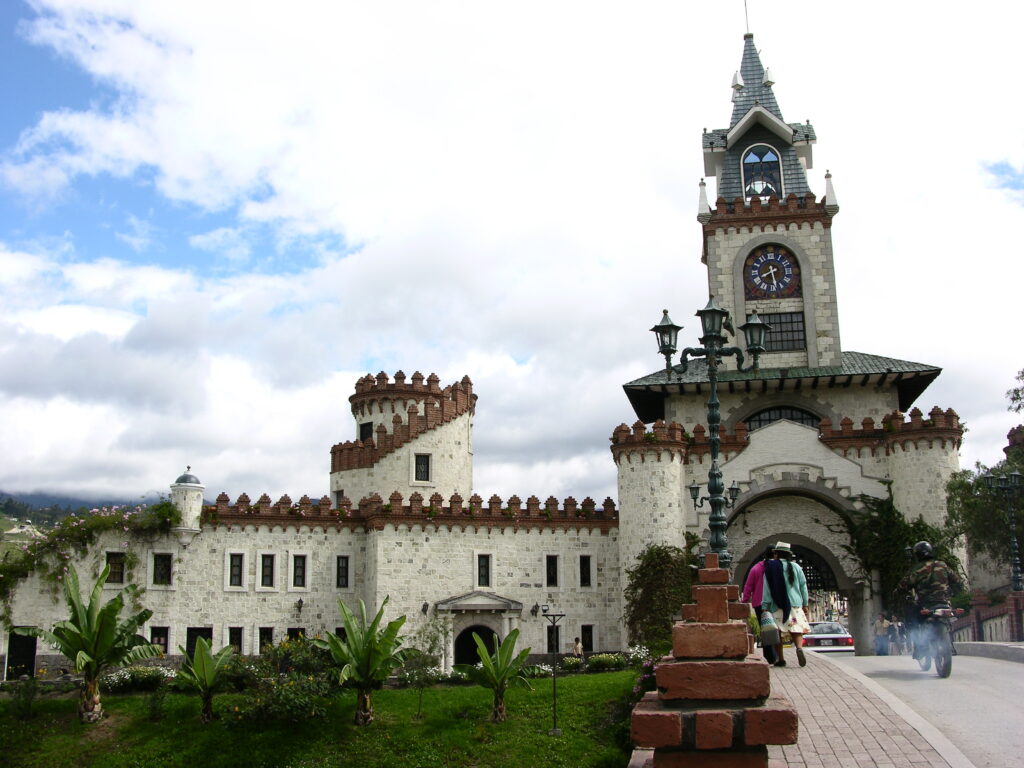
Loja is a masterclass in Andean sophistication, where the rhythm of the city is dictated by the strum of a guitar and the rustle of the cloud forest. It is a sanctuary for those who travel with purpose and a bike, far from the frantic pace of the northern hubs.
- Puerta de la Ciudad: A medieval-style gateway serving as the city’s symbolic entrance, housing an archaeological museum and offering panoramic views from its clock towers
- Parque Jipiro: An eclectic recreational space featuring architectural miniatures from across the globe, reflecting Loja’s outward-looking and international spirit
- Plaza de la Independencia: The historical heart of the city, dominated by a 32-metre clock tower and famous for hosting vibrant open-air cultural performances
- Museo de la Música: A quiet pilgrimage site preserving two centuries of Lojano artistic legacy within a beautifully restored colonial courtyard
- Calle Lourdes: The city’s most evocative thoroughfare, where pastel-hued colonial facades and narrow cobblestones offer a tranquil glimpse into the Republican era
- Podocarpus National Park: A world-class biodiversity hotspot on the city’s doorstep, where high-altitude paramo meets the lush mystery of the primary cloud forest
- The Valleys Beyond: Accessible cycling routes that drop from the Andean heights into the subtropical warmth of Malacatos and the legendary Vilcabamba
The Ecuadorian Sierra.
Get lost in the hills
The iconic entrance at Puerta de la Ciudad
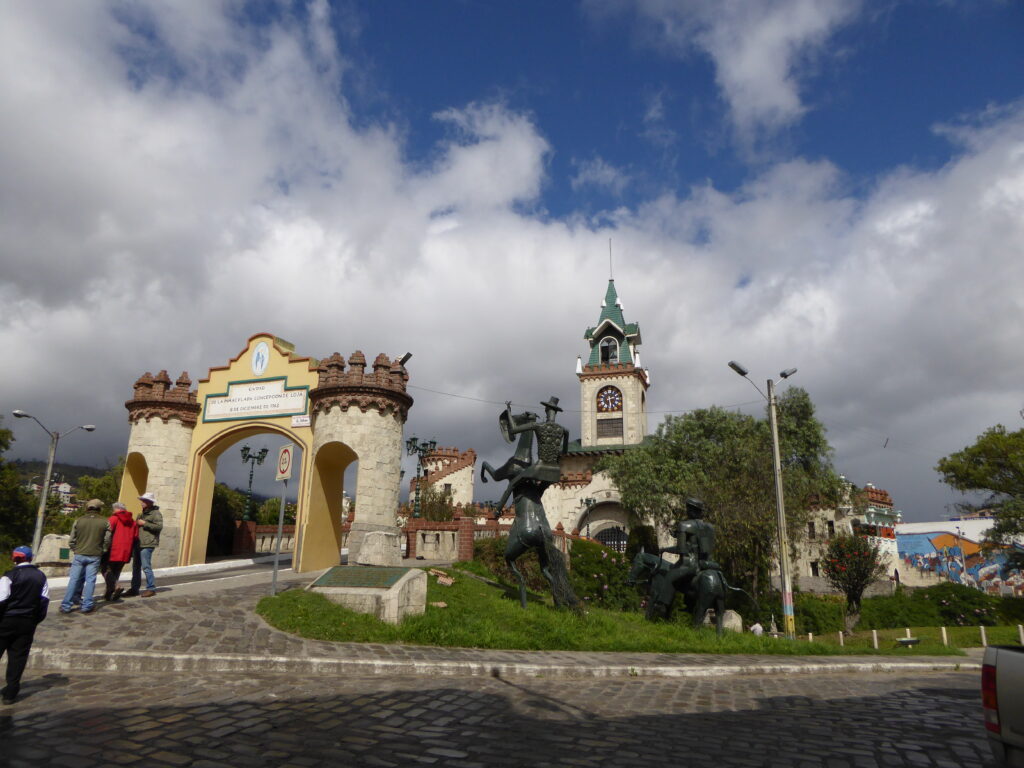
The most recognisable landmark in the city is undoubtedly the Puerta de la Ciudad, or the City Gate. Constructed in the late 1990s as a tribute to the city’s coat of arms, this castle-like structure serves as a bridge over Avenida Gran Colombia. It marks the symbolic entrance to the historic centre and mimics the medieval fortresses of Spain, complete with four towers and a central clock.
Inside the gate, the experience is far more than just a photo opportunity. It houses a fascinating archaeological museum on the second floor, a gift shop featuring local artisans, and a quiet cafe where one can watch the city move below. For those willing to climb the spiral staircases, the lookout towers provide a panoramic view of the Zamora and Malacatos rivers as they converge. It is a perfect starting point to orient yourself before heading deeper into the colonial grid.
Architectural whimsy at Parque Recreacional Jipiro
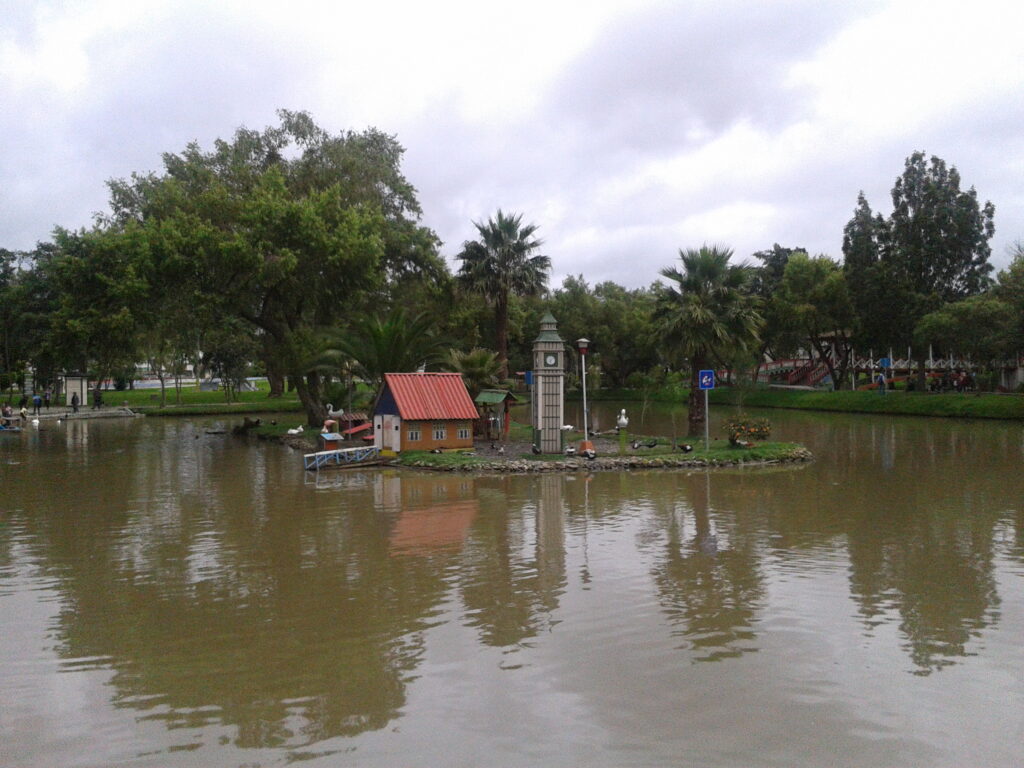
If there is one place that captures the eclectic and open-minded spirit of Loja, it is Parque Jipiro. Spanning over ten hectares, this is not your typical municipal park. It is a recreational wonderland that features miniature replicas of famous architectural styles from around the globe. As you wander the paths, you will encounter a Russian St. Basil’s Cathedral, a Chinese pagoda, a Moorish mosque, and even a Shuar hut representing the indigenous cultures of the nearby Amazon.
The park is a hub for local life. You will see families on the lagoon in pedal boats, teenagers at the skate park, and athletes on the many sports courts. For a visitor, Jipiro represents Loja’s pride in its international connections and its commitment to public space. It is a sprawling, green lung that manages to be both a cultural education and a peaceful retreat from the urban hum.
Cuenca.
The Athens of Ecuador
The historic pulse of Plaza de la Independencia
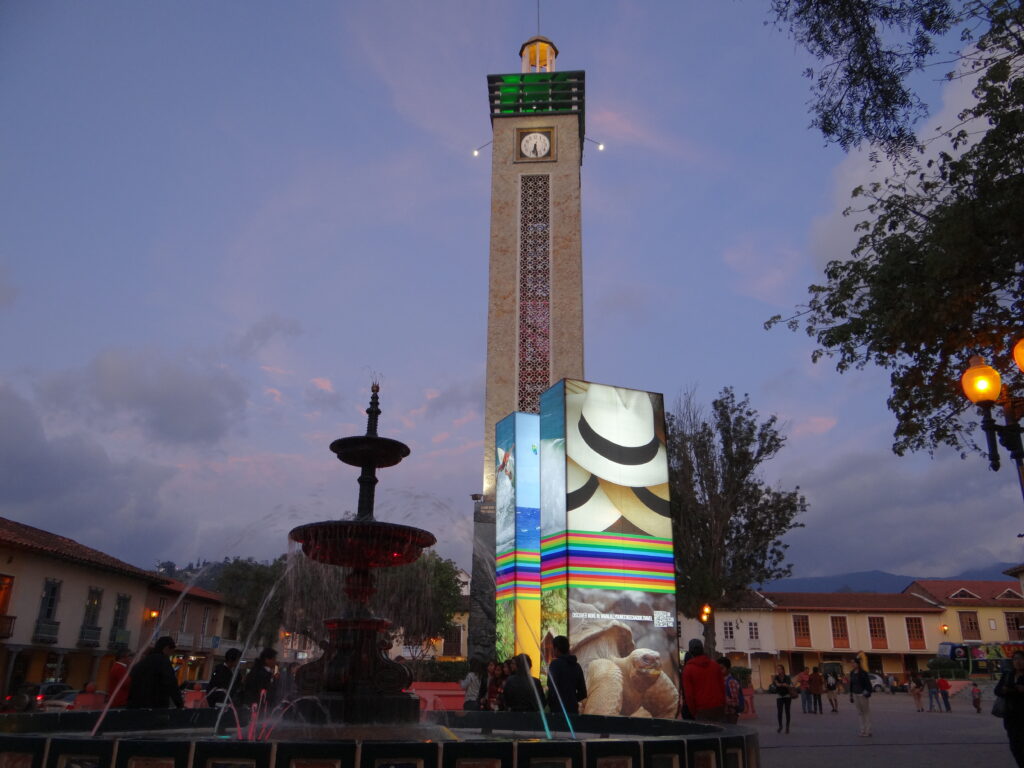
Commonly known by locals as San Sebastián, the Plaza de la Independencia is the site where Loja declared its freedom from Spanish rule on 18 November 1820. The square is dominated by a 32-metre-high clock tower, which features intricate bronze reliefs at its base depicting the four stages of the city’s history.
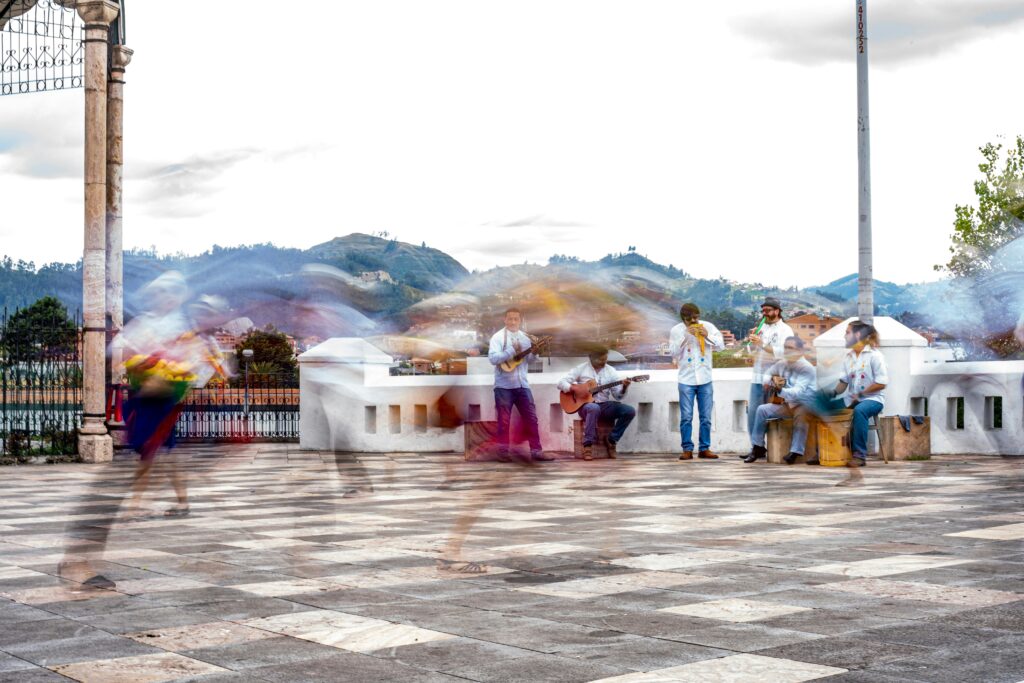
The architecture surrounding the plaza is quintessentially colonial, with the Church of San Sebastián standing as a sentinel on one side. The square is also the home of the famous Jueves Culturales, or Cultural Thursdays. Every week, the plaza transforms into an open-air stage for music, dance, and theatre, reinforcing Loja’s reputation as a cradle of artists. This is the place to sit on a bench, enjoy a local coffee, and observe the unhurried rhythm of Andean life.
A journey through sound at Museo de la Música
You cannot claim to know Loja without acknowledging its musical soul. The Museum of Music, located in the historic San Juan de Dios building, is a pilgrimage site for anyone interested in the artistic legacy of the Andes. Loja has produced some of Ecuador’s most famous composers and performers, and this museum meticulously preserves their instruments, original scores, and personal effects.
The museum covers nearly 200 years of history, with galleries dedicated to different eras of Lojano music. The courtyard often resonates with the sounds of students from the nearby conservatory, creating a living soundtrack to your visit. It is a quiet, contemplative space that explains why music is not just a hobby in this city, but a fundamental pillar of the local identity.
The Ecuadorian Amazon.
The most biodiverse place in the world
The vibrant hues of Calle Lourdes
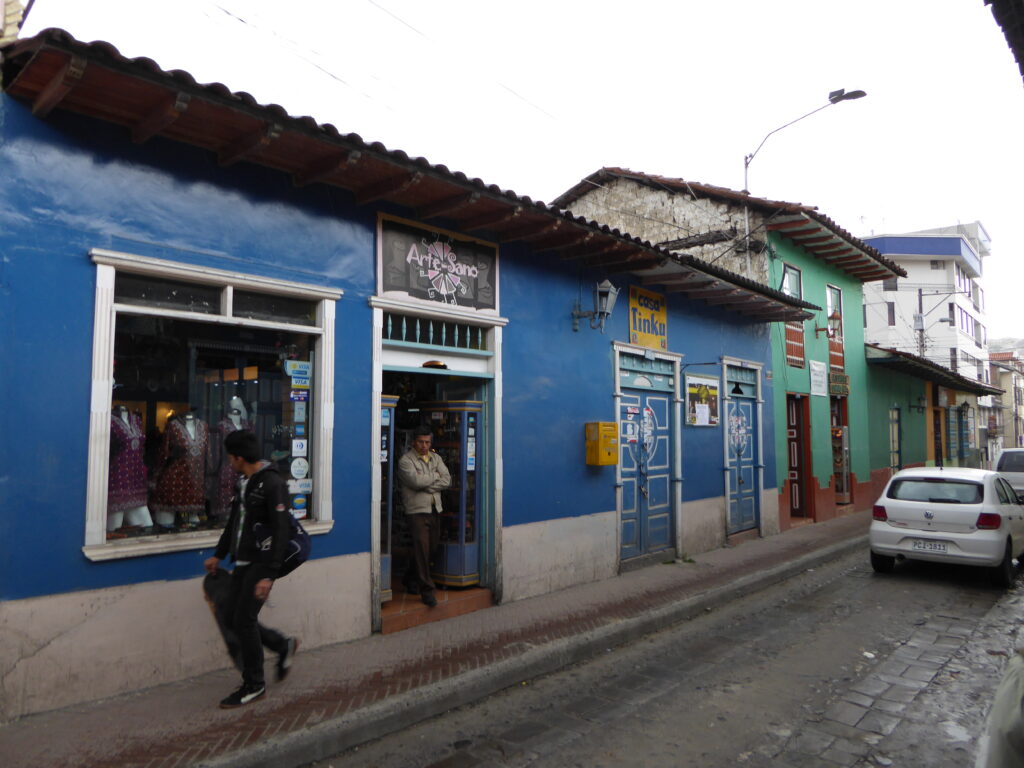
Tucked away in the historic centre is Calle Lourdes, arguably the most picturesque street in all of Ecuador. This narrow, cobblestone thoroughfare is lined with beautifully restored colonial houses, each painted in a different vibrant pastel shade. The balconies are draped in flowers, and the wooden doors lead to boutique cafes, galleries, and craft shops.
While it is a short walk, Calle Lourdes is where the colonial past feels most tangible. It provides a stark contrast to the modern developments on the city’s outskirts. It is the ideal spot to find authentic handicrafts or to simply admire the masonry and ironwork that defined the Republican era. Because it is largely pedestrian-focused, it offers a tranquil environment for those who prefer to explore on foot or with a bike by their side.
The wilderness frontier of Podocarpus National Park
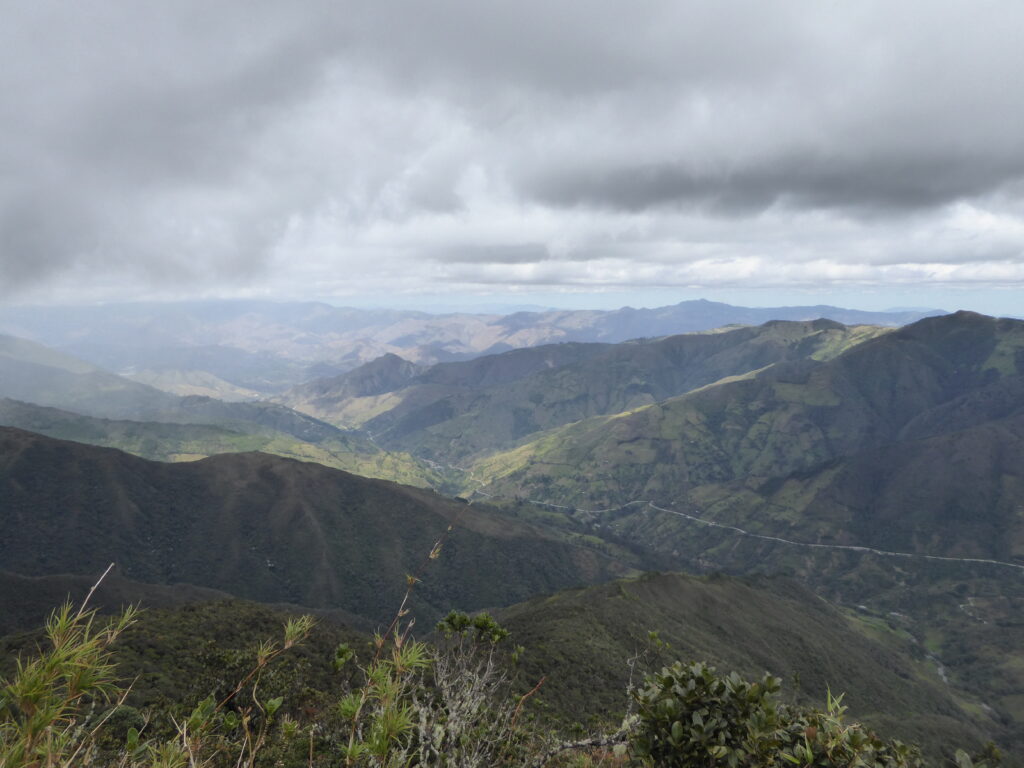
While the city itself is a cultural treasure, its most significant natural attraction lies just a few kilometres to the south. Podocarpus National Park is one of the most biodiverse regions on the planet, serving as a transition zone between the high Andes and the Amazon basin. The Cajanuma entrance is the most accessible point from Loja and offers a network of trails that lead through primary cloud forests.
The park is named after the Podocarpus tree, the only conifer native to Ecuador. Hikers can trek up to the paramo ecosystems, where the trees give way to high-altitude grasslands and glacial lagoons. The birdwatching here is world-class, with over 500 recorded species. It is a stark reminder of the wild beauty that surrounds the city and provides a necessary escape for those who find their inspiration in the great outdoors.
The Ecuadorian Coast.
Where you’ll find the very best food
Connecting with Loja’s surrounding valleys
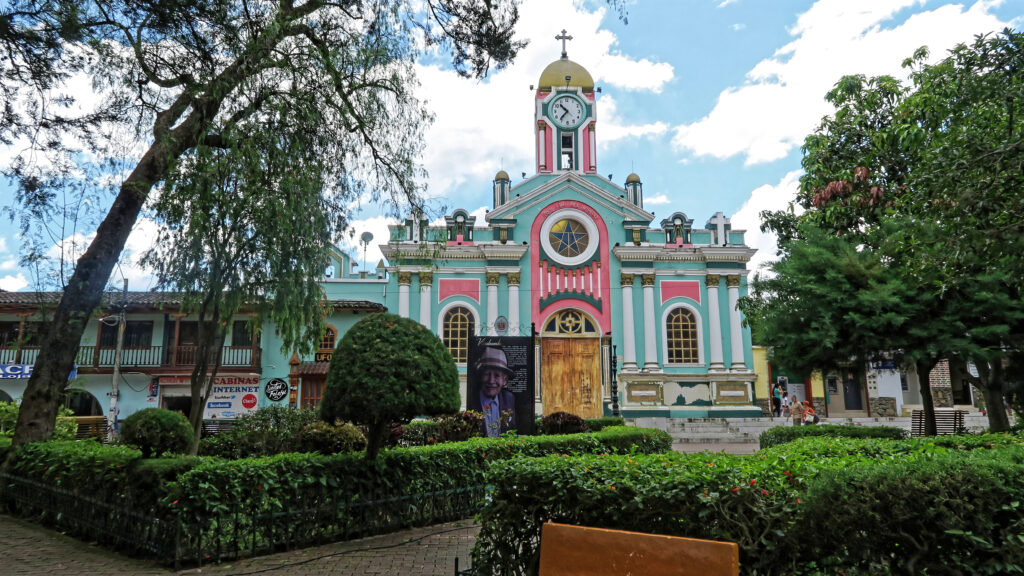
Loja serves as a gateway to some of the most stunning terrain in the southern highlands, and for those who enjoy travelling by bike, the opportunities for exploration are vast. Within a 20-kilometre radius, you can reach the high-altitude vistas of the Villonaco Wind Farm. The climb is significant, but the view of the wind turbines spinning against the Andean sky is a reward like no other.
For a classic day trip, many head south to the Malacatos Valley. The descent from Loja into the warmer subtropical air of Malacatos is a sensory shift, as the vegetation changes from pine and eucalyptus to sugarcane and coffee. Further afield, approximately 40 kilometres from the city, lies the famous Vilcabamba, known as the Valley of Longevity. Though it is a longer journey, the route through the valley is legendary among cyclists for its scenery and its famously relaxed atmosphere.
Whether you are heading north to the indigenous markets of Saraguro or taking a pilgrimage route to the sanctuary of El Cisne, Loja is the perfect base for an independent adventurer.
Frequently asked questions about attractions in Loja
Absolutely. While the surrounding terrain is mountainous, the city centre is relatively compact and manageable. For those heading out of the city, the routes to the south offer incredible descents into warmer valleys, though you should be prepared for significant elevation changes when returning or heading towards the Villonaco Wind Farm.
If your schedule allows, ensure you are in the city on a Thursday. The Jueves Culturales (Cultural Thursdays) in the Plaza de la Independencia are a local institution, offering a genuine look at Loja’s musical and theatrical soul without the feeling of a staged tourist show.
The Cajanuma entrance is remarkably close, roughly 10 to 15 kilometres south of the city. It is easily reached by bike or a short taxi ride, providing immediate access to well-marked trails that range from easy forest walks to more strenuous paramo treks.
Loja sits at 2,100 metres, meaning the air is fresh and spring-like. However, the weather can be changeable. If you are cycling down towards Malacatos or Vilcabamba, the temperature will rise noticeably as you descend into the subtropical microclimate, so layering is essential.
The locals, or Lojanos, take immense pride in their artistic heritage. You will find that music is woven into daily life—from students practicing in the parks to impromptu sessions in cafes. Respecting the quietude of the museums and engaging with the local arts scene is the quickest way to find common ground with the community.
Yes, the geography of the Loja valley lends itself to linear exploration. The main routes south are well-traversed and lead to iconic spots like Vilcabamba. For a more rugged experience, the ride up to the Villonaco turbines offers one of the best vantage points in the southern highlands.
Ecuador.
Pure wonder on the equator.