
Pedalling through the Andes / Your complete guide to safety in Cuenca, Ecuador
Cuenca, Ecuador, safety guide 2026 / Crime rates, solo travel tips, and cycling advice
Experience the vibrant culture of the Andes with complete peace of mind
BEN FINCH
When planning a cycling adventure or a prolonged stay in South America, the question of security is inevitably the first to arise. Ecuador has been the subject of numerous international headlines recently, leaving many prospective visitors wondering if the country is still a viable destination. We at Wheely Tyred have spent years mapping the best routes, testing the terrain, and understanding the local nuances of every destination we cover. We can confidently say that Cuenca is an entirely different world compared to the coastal hotspots you may have seen in the news.
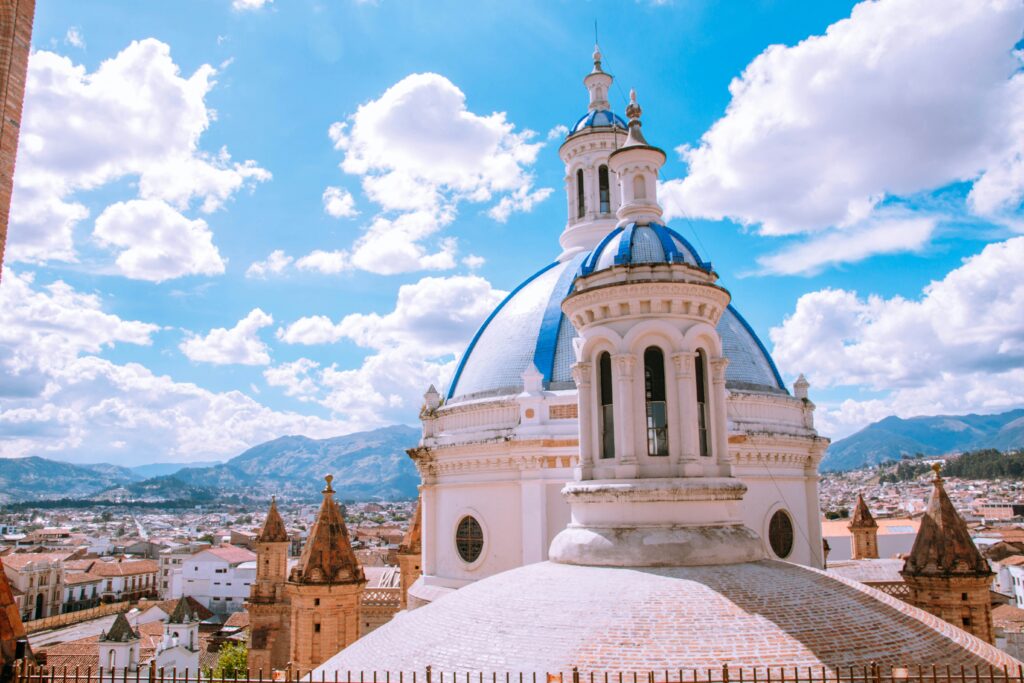
Nestled high in the Andean mountains, Cuenca is renowned not only for its stunning colonial architecture and UNESCO World Heritage status but also for being widely considered the safest city in Ecuador. With its cobblestone streets, thriving expat community, and incredibly welcoming locals, the city provides a tranquil basecamp for those looking to explore the region on two wheels. This guide will break down everything you need to know about navigating the city, understanding the real statistics, and ensuring your trip is as secure as it is spectacular.
The cobbled sanctuary of the Southern Andes
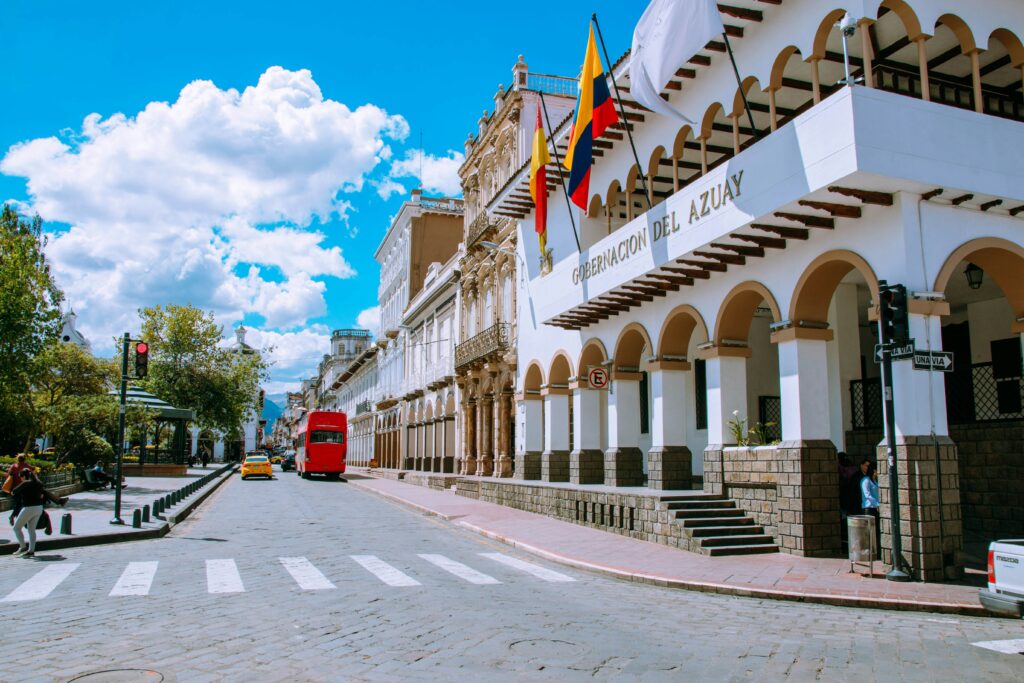
Cuenca remains a serene outlier in a shifting landscape, offering a refined blend of colonial elegance and rugged high-altitude adventure. For the independent cyclist, it is a place where the rhythmic click of the derailleur meets the deep, historic stillness of the mountains.
- The Safety Disparity: Cuenca functions as a secure enclave, vastly removed from the security challenges of the coast, boasting crime statistics that make it one of the safest urban centres in South America
- Two-Wheeled Infrastructure: A thoughtful network of dedicated riverside paths along the Tomebamba offers a seamless way to navigate the city, far from the fray of motorised traffic
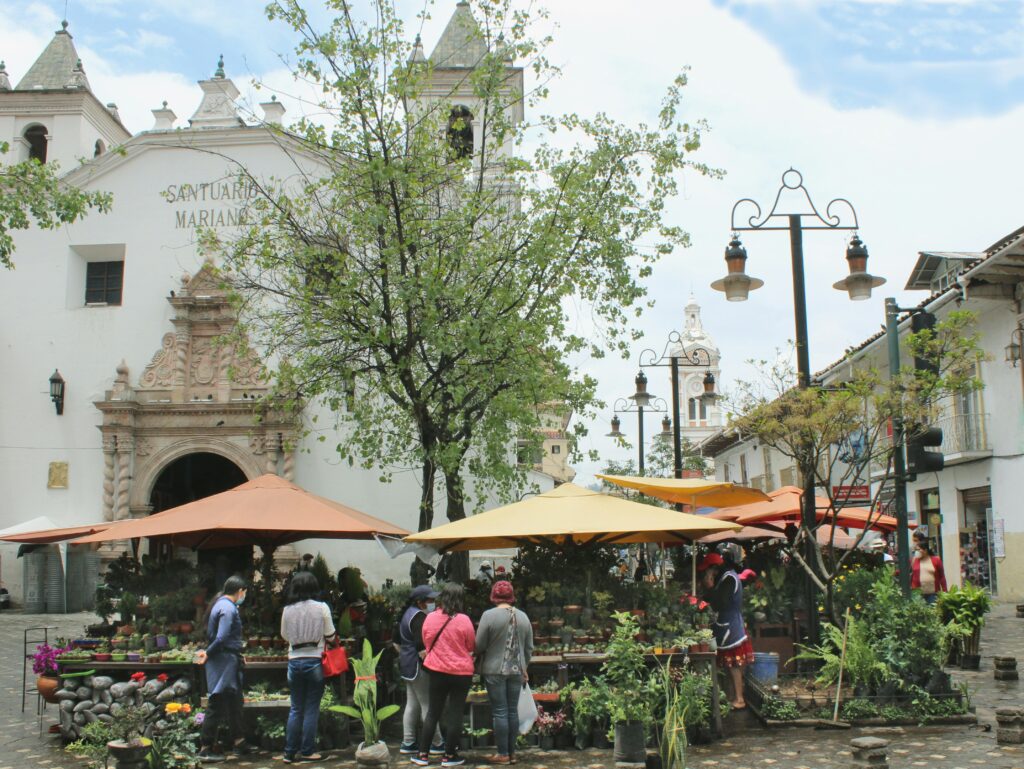
- The Petty Theft Factor: While violent crime is remarkably rare, the independent traveller should maintain sharp situational awareness in bustling spots like the Feria Libre market to deter opportunistic pickpockets
- Inclusivity and Community: A robust presence of international expats and digital nomads ensures that solo travellers, women, and minority groups find a welcoming and well-trodden path
- The Environmental Challenge: At 2,560 metres, the primary adversary is often the environment; the thinning air and the intensity of the equatorial sun require respect and preparation
- Logistical Security: Moving beyond the pedals is simple and safe, provided you stick to registered yellow taxis or vetted rideshare apps to maintain a digital footprint of your journey
Cuenca.
The Athens of Ecuador
Understanding the reality of crime rates in Ecuador vs. Cuenca
To truly understand safety in this region, we must look at the concrete numbers. It is true that Ecuador has experienced a challenging period regarding national security. In 2025, the national homicide rate peaked at 51 deaths per 100,000 inhabitants, a significant increase driven almost entirely by drug-related gang conflicts in coastal areas like Guayaquil and Esmeraldas.
However, applying this national statistic to Cuenca is like comparing apples to oranges. Violence in Ecuador is highly regionalised. According to recent mid-year safety indices for 2025 and early 2026, Cuenca boasts a safety index of 54.05 out of 100, making it the safest city in Ecuador and placing it among the most secure cities in all of South America. It consistently ranks higher in safety than major cities like Medellín, Colombia, and Buenos Aires, Argentina.
For tourists and cyclists, violent crime is exceptionally rare. The most common issue a visitor might face in Cuenca is opportunistic petty theft. Pickpocketing can occur in crowded areas such as the bustling Feria Libre market, the central bus terminal, or on packed public transport. By maintaining situational awareness and keeping your valuables secured, your risk of encountering crime drops significantly.
Cycling in Cuenca / Terrain, traffic, and security
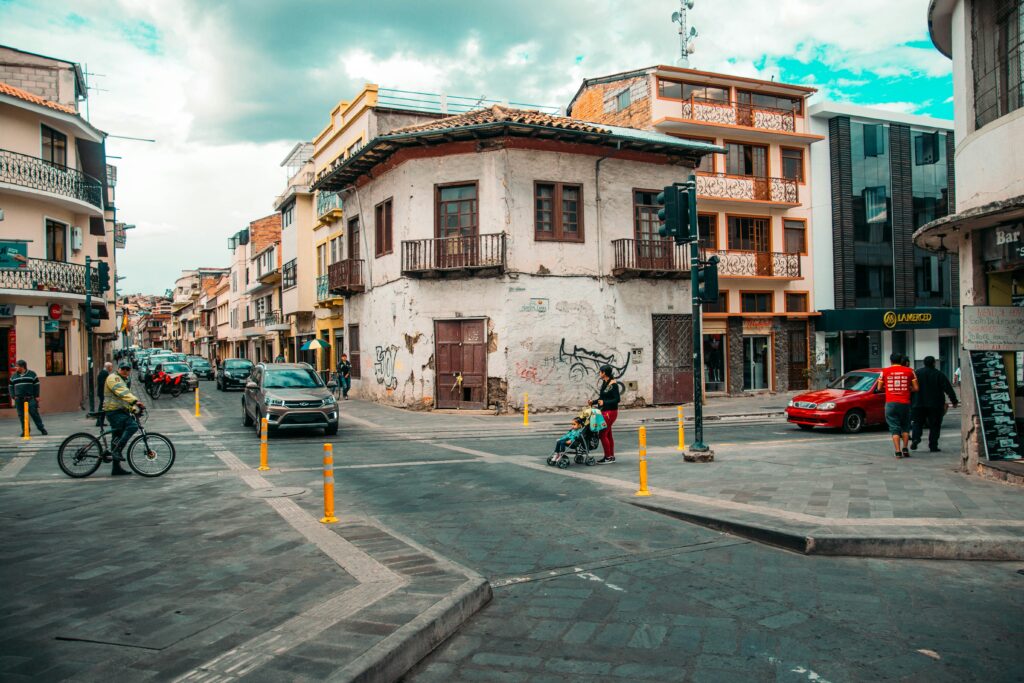
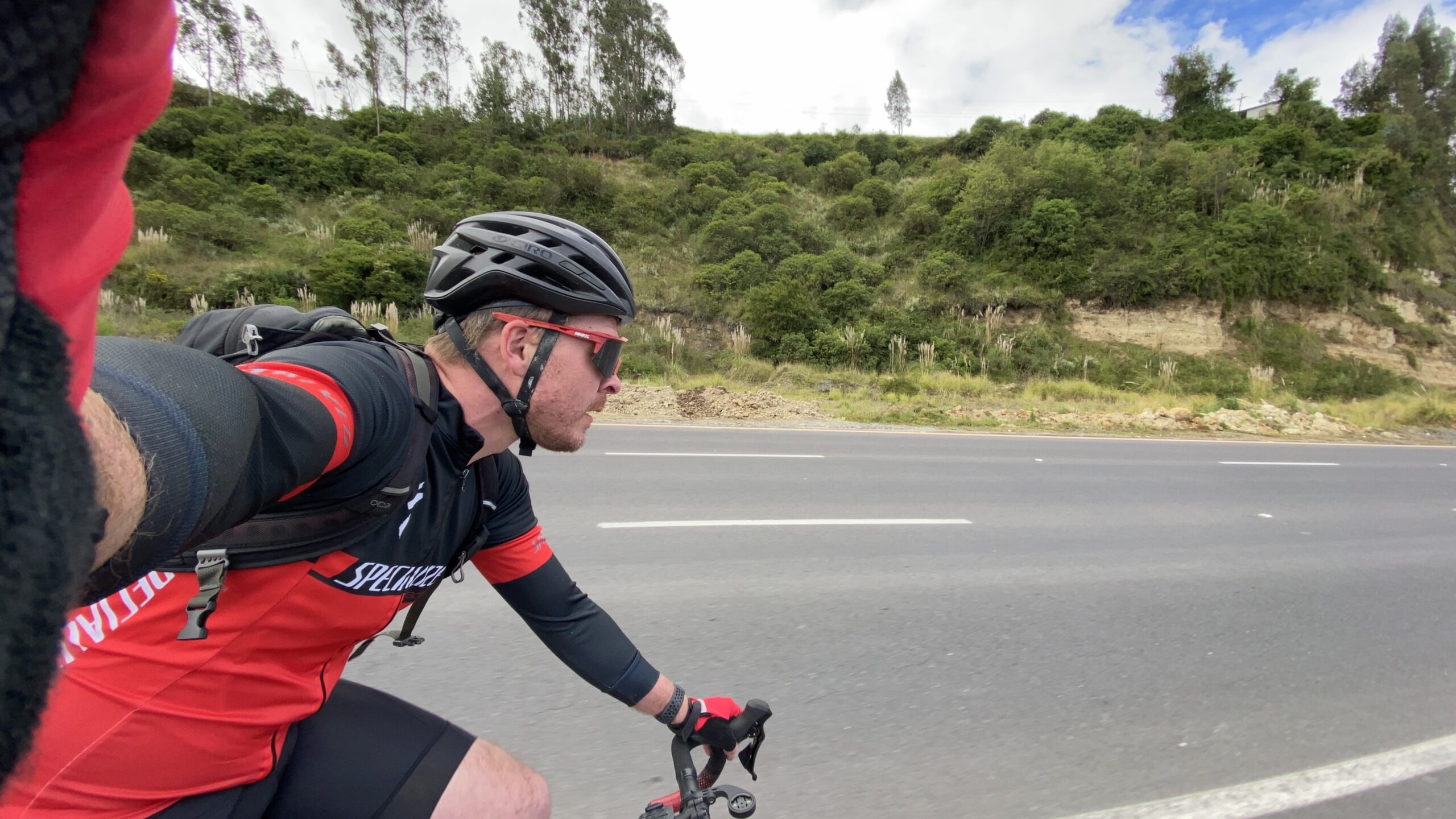
For the cycling community, safety extends beyond crime; it encompasses road conditions, driver behaviour, and route security. Cuenca is highly walkable and increasingly bike-friendly. The city features a network of dedicated cycle paths, particularly along the Tomebamba River, which offers a serene and secure route through the heart of the city.
When you leave the city limits to tackle the challenging ascents towards Cajas National Park, the primary concerns shift from petty theft to environmental factors. The altitude here sits at around 2,560 metres (8,400 feet) and climbs much higher as you head into the mountains. Altitude sickness is a genuine risk, so acclimatisation is vital before attempting strenuous rides. Furthermore, while the roads to Cajas are generally well-paved, Andean weather can be unpredictable. Fog and sudden rain can drastically reduce visibility.
From a security standpoint, cycling the rural routes around Cuenca during daylight hours is very safe. We advise against cycling at night outside the city, not only due to limited visibility but also to avoid the rare possibility of opportunistic roadside theft. Always ride with a fully charged phone, a downloaded route map, and let someone at your accommodation know your planned itinerary.
The Ecuadorian Sierra.
Get lost in the hills
Safety for solo travellers, women, and minority groups
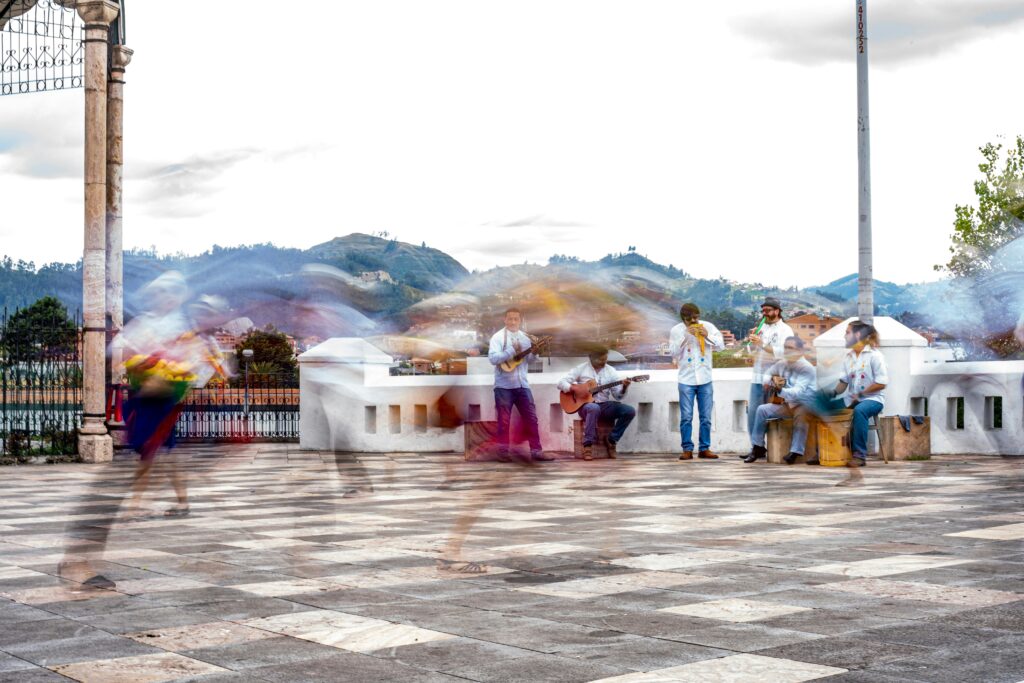
Safety is rarely a one-size-fits-all experience. Depending on your background and how you travel, your experience in the Andean highlands may vary slightly.
Solo travellers
Cuenca is a fantastic destination for solo explorers. The large, established community of international expats and digital nomads means that you are never truly alone unless you choose to be. Hostels and cafes are filled with like-minded individuals. For solo travellers, the main advice is to avoid wandering through poorly lit, unfamiliar neighbourhoods late at night. Stick to the Historic Centre, which is well-patrolled and features a strong police presence around the main plazas.
Women
Ecuador is generally safe for women travelling alone, but it is important to acknowledge that the cultural concept of machismo still lingers in many South American countries. Women may occasionally experience unsolicited comments or catcalling. The most effective approach is to ignore it and keep walking confidently. When using public transport for longer journeys, it is wise to choose a seat near the driver or next to another woman. At night, rely on registered taxis rather than walking alone, even for relatively short distances.
Minority groups
Ecuador is a diverse country, home to significant indigenous and Afro-Ecuadorian populations. For foreign travellers belonging to racial minorities, Cuenca is a very welcoming environment. Because the city is a major hub for tourism and retirement, locals are highly accustomed to seeing people from all over the world. Travellers of Asian or African descent might occasionally notice curious stares in more rural, off-the-beaten-path villages outside the city. This is almost exclusively born of curiosity and a lack of demographic diversity in remote areas, rather than prejudice or malice. Overall, minority travellers report feeling highly secure and warmly received in the region.
Essential safety tips for travellers in Cuenca
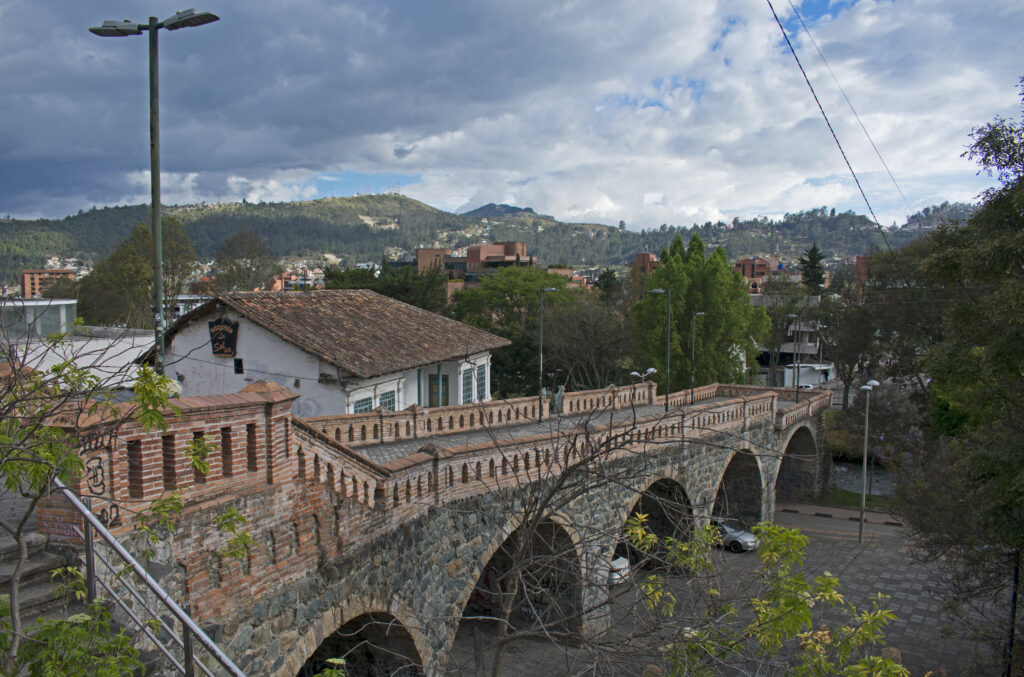
To guarantee your visit is memorable for all the right reasons, we recommend integrating these practical safety habits into your daily routine:
- Be Strategic with Valuables: Leave your passport, expensive jewellery, and the bulk of your cash locked in your hotel safe. Carry only a photocopy of your identification and the money you need for the day. If you are cycling, keep your mobile phone in a zipped, sweat-proof pocket rather than mounted visibly on your handlebars when navigating crowded city traffic.
- Use Official Transport: Never hail an unmarked taxi off the street. Always use registered yellow taxis, which are required by law to use a meter, or rely on rideshare applications like Uber and Cabify. This creates a digital footprint of your journey and guarantees a vetted driver.
- Master ATM Safety: Only withdraw cash from ATMs located inside banks during their operating hours or within secure shopping centres. Avoid using standalone cash machines on the street, especially after dark, to eliminate the risk of card skimming or being targeted after a withdrawal.
- Stay Vigilant in Crowds: The historic centre is beautiful, but areas like the San Francisco Plaza or local markets can get incredibly busy. Wear backpacks on your front in these environments, or use a secure cross-body bag. Thieves often work in pairs using distraction techniques, so if someone bumps into you or spills something on your clothing, immediately check your belongings.
- Beware of the Elements: Sun protection is not just a suggestion at this altitude; it is mandatory. The equatorial sun combined with the high elevation means you can suffer severe sunburn in a matter of minutes, even on cloudy days. Keep hydrated, wear sunscreen, and dress in layers to combat the shifting mountain temperatures.
Quito.
Explore the Middle of the World
So is Cuenca safe?
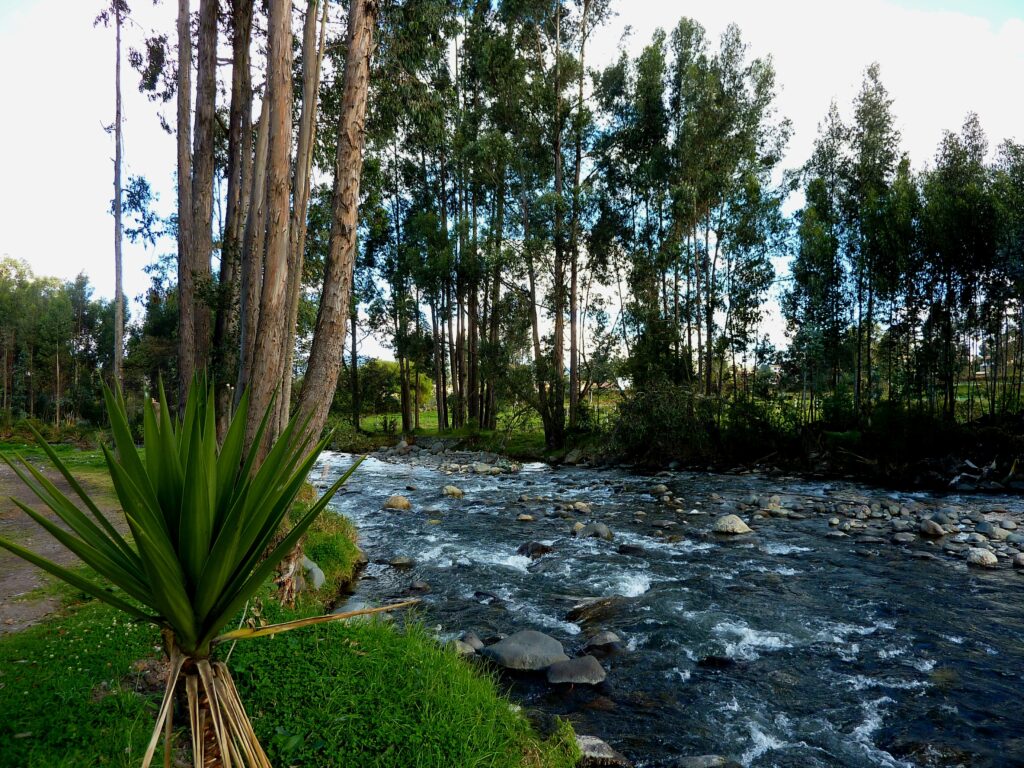
Cuenca is a city that captures the heart. It offers a sophisticated blend of indigenous heritage, colonial history, and spectacular natural landscapes, perfect for cycling. While it is crucial to stay informed about the broader situation in Ecuador, allowing national statistics to deter you from visiting this specific Andean jewel would be a missed opportunity.
By applying common-sense travel precautions, respecting the high-altitude environment, and leaning on the advice of experienced route planners, your journey will be perfectly secure. Pack your panniers, fettle your gears, and get ready to experience one of South America’s most rewarding destinations.
Frequently asked questions about safety in Cuenca
Cycling solo through the rural Andean routes is generally very safe during daylight hours. The local population is used to cyclists, and violent interference is rare. However, we advise against riding after dark outside the city limits due to limited visibility, drunk drivers, and the small risk of opportunistic roadside theft.
To avoid card skimming or unwanted attention, always use ATMs located inside bank branches during their official operating hours. Avoid standalone machines on the street, and keep the bulk of your funds locked at your accommodation, carrying only what you need for the day’s ride.
Acclimatisation is essential. Before tackling the steep gradients toward Cajas National Park, spend a few days in the city centre to let your body adjust to the 2,560-metre elevation. Stay hydrated and avoid overexertion during your first 48 hours.
The culture in the highlands is polite and somewhat formal. A simple “Buenos días” or “Buenas tardes” goes a long way. While the city is progressive, machismo persists in rural areas; solo women may occasionally encounter catcalling, which is best handled with a confident, indifferent stride.
While local city buses are not equipped for bicycles, many long-distance busetas or private shuttles can accommodate a bike if arranged in advance. Within the city, the riverside paths are so comprehensive that public transport is rarely necessary for those on two wheels.
Cuenca is one of the few cities in Ecuador where the municipal water is treated and generally considered safe to drink. However, many travellers and cyclists still prefer to use a filtered bottle or boil water to be absolutely certain, especially before a long day in the saddle.
Ecuador.
Pure wonder on the equator.