Unearthing Ostrava / The ultimate guide to Moravia’s best-kept secrets
Best hidden gems in Ostrava / Unusual attractions and secret sights
Dive into the industrial heartland and discover the gritty, magnetic charm of Czechia’s most surprising city

BEN FINCH
There is nothing quite like stepping off a train into a city that has not yet been polished for the masses. Ostrava is exactly that kind of place. While the massive tour buses and umbrella-wielding guides flock to the capital, those who prefer to explore at their own pace head east to the Moravian-Silesian Region. Here, the beauty is found in the raw, the revitalised, and the wonderfully unexpected.
Wheely Tyred is all about moving to your own rhythm, far away from the rigid schedules of guided group tours. When you travel under your own steam—whether you have arrived by bus, train, or a trusty two-wheeler—you have the luxury of time. You can afford to wander down side streets, pause to examine architectural quirks, and uncover the layers of a city built on coal and iron. Ostrava rewards this slow, deliberate approach. Beyond the well-trodden paths of the Dolní Vítkovice complex, a treasure trove of lesser-known spots awaits.
Here are six of the best hidden gems in Ostrava that offer a deeper, more authentic connection to this fascinating city.
Unearthing Ostrava / The best-kept secrets of the Steel Heart
Beyond the iconic industrial skyline of Dolní Vítkovice, Ostrava hides a wealth of unconventional attractions. For independent travellers who prefer to set their own pace, these hidden gems offer a raw and authentic connection to the city’s multifaceted history:
- The Secret Garden of Černá Louka: Once a site for massive mining heaps, this central park is now a tranquil oasis. It features ancient glacial boulders, a community garden, and a quirky insect hotel themed after the Beatles
- Trojice Valley & Ema Slag Heap: A valley where coal was first discovered in 1763, now filled with atmospheric nature trails and remnants of coking plants. It leads to the Ema Slag Heap, which burns internally and offers a subtropical microclimate at its summit
- Rock and Roll Garage: An eccentric retro fever dream in Ostrava-město. This unique establishment serves as a hotel, music venue, and microbrewery, complete with a fountain made from an old Czech truck and an extensive collection of pop culture memorabilia
- The City Campus Rooftop: A peaceful alternative to the main viewing towers. Overlooking the Ostravice River, this public space features a running track, workout areas, and a barefoot path designed to stimulate the senses
- The Michálkovice Faith Hub: A secluded area where a Hussite Church, a Catholic Church, and a historic Jewish cemetery stand in close proximity, offering a silent testament to the diverse communities that built the city
- Wartime Remnants near Prokeš Square: Hidden in plain sight on Horova Street are faded white arrows painted on buildings. These were used during World War II to guide residents to underground air raid shelters during bombing runs
Brno.
Explore Czechia’s second — and best — city
The secret garden of Černá Louka
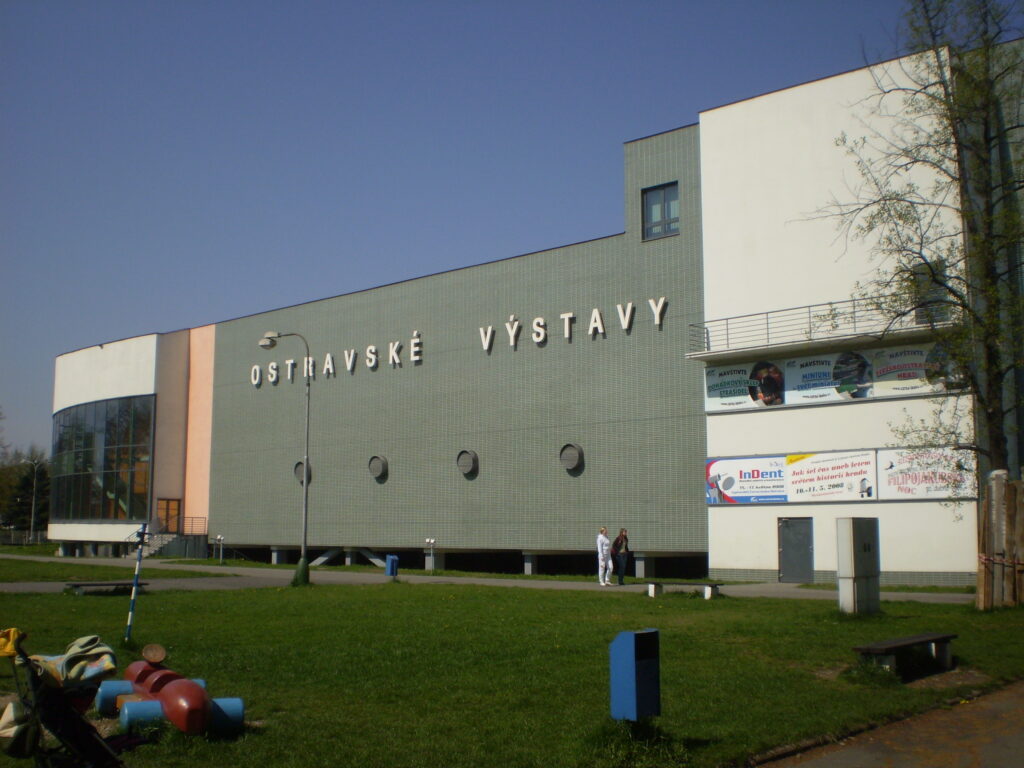
Right in the heart of the city lies an oasis of calm that completely defies Ostrava’s industrial stereotype. Černá Louka was once home to massive mining heaps that reached twenty-five metres high, playfully referred to by locals as the Ostrava Carpathians. Today, nature has reclaimed the space, transforming it into a tranquil park that remains largely ignored by standard tourist itineraries.
As you stroll through, you will find ancient glacial boulders scattered among the trees, alongside a beautifully maintained community garden where locals grow vegetables and herbs. There is even a quirky insect hotel themed around the Beatles. In the warmer months, a small café pavilion serves refreshing drinks. It is the perfect spot to park your bike, stretch out on the grass, and enjoy a quiet afternoon far removed from the hustle of the main squares.
Trojice Valley and the Ema Slag Heap
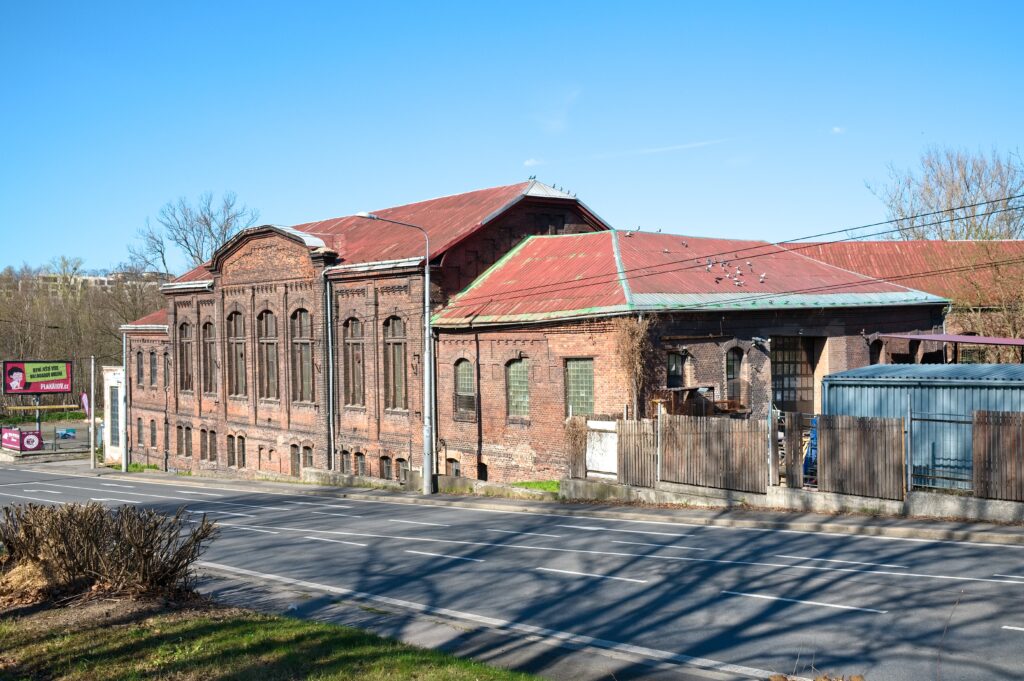
For a true taste of Ostrava’s gritty heritage mixed with wild nature, head behind the old Trojice Mine in Silesian Ostrava. Dating back to 1840, this valley is where coal was first discovered in the area in 1763. While the heavy industry has moved on, the landscape remains powerfully atmospheric.
Wander along the quiet nature trails and you will discover the haunting remnants of a former coking plant and preserved retaining walls that look like ancient ruins reclaimed by the forest. These hidden alleys eventually lead you toward the Ema Slag Heap, a massive mound of mining waste that still burns deep inside, giving the ground a subtropical microclimate. Reaching the top provides a raw, unforgettable panorama of the city and the surrounding coking plants. It is a striking reminder of the region’s history, best experienced in the quiet of early morning or late afternoon.
Czechia.
The heart of Europe
Rock and Roll Garage
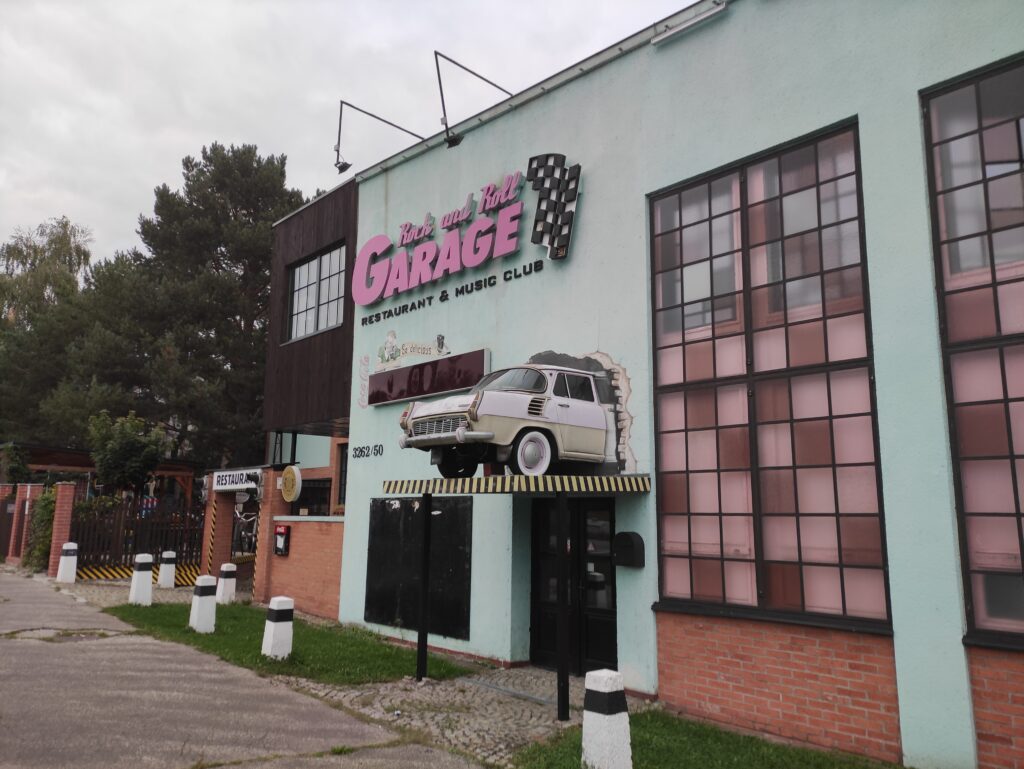
Located in the Ostrava-město district, this is a retro fever dream that you simply will not find in any standard guidebook. Known to those who scour the Atlas Obscura for offbeat sights, the Rock and Roll Garage is a brilliant celebration of music history, local nostalgia, and exceptional brewing.
It functions as a retro hotel, a music venue, and most importantly for the thirsty traveller, an on-site microbrewery. Every room and corridor is an homage to pop culture, but you do not need to stay the night to appreciate the atmosphere. Stop by the restaurant for a house-made pint, admire the fountain crafted from an old Czech truck, and take in the eclectic memorabilia. It is exactly the kind of eccentric, character-filled establishment that makes independent travel so rewarding.
The rooftop of the City Campus
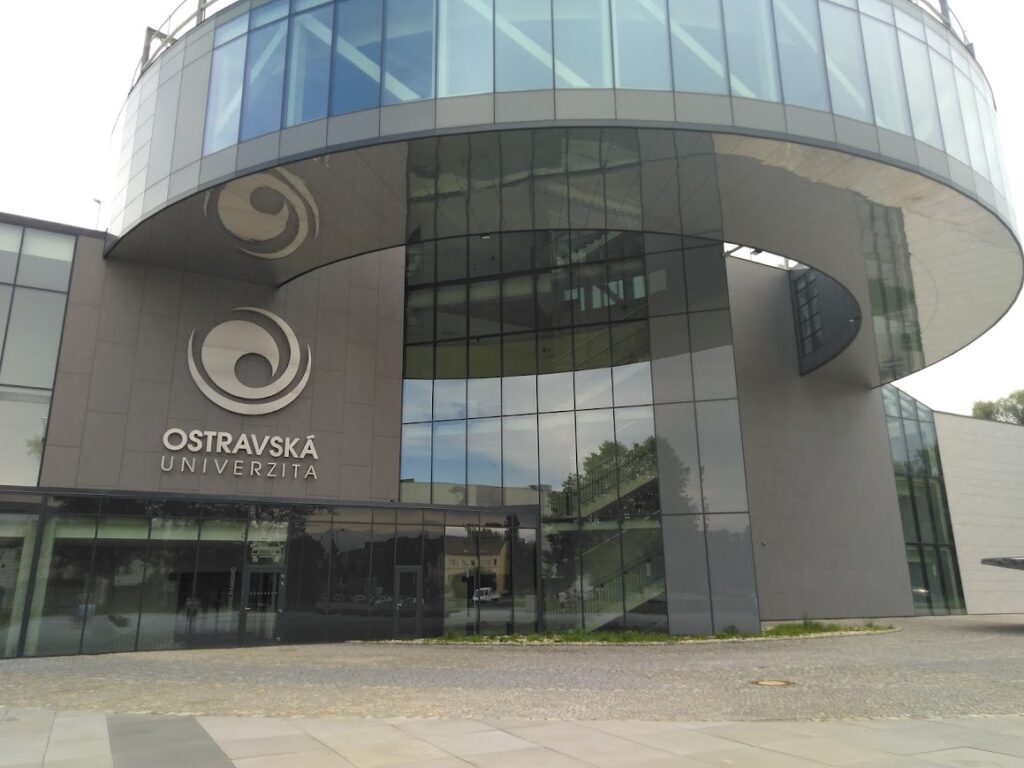
When exploring a new city, gaining a bit of elevation always provides a fresh perspective. Most visitors queue up for the New City Hall Viewing Tower, but locals looking for a peaceful escape head to the rooftop of the City Campus. Overlooking the Ostravice River, this elevated space has been ingeniously designed for public use.
Up here, you will find an outdoor running track, workout spaces, and a barefoot path designed to stimulate your senses after a long day of exploring. There are plenty of quiet seating areas, including the Václav Havel Bench, where you can sit and reflect on your journey. It is a brilliant, community-focused space that perfectly encapsulates modern Ostrava’s transformation from a smog-filled industrial hub to a dynamic, liveable city.
Prague.
There’s no other city like it
Michálkovice / A meeting of faiths
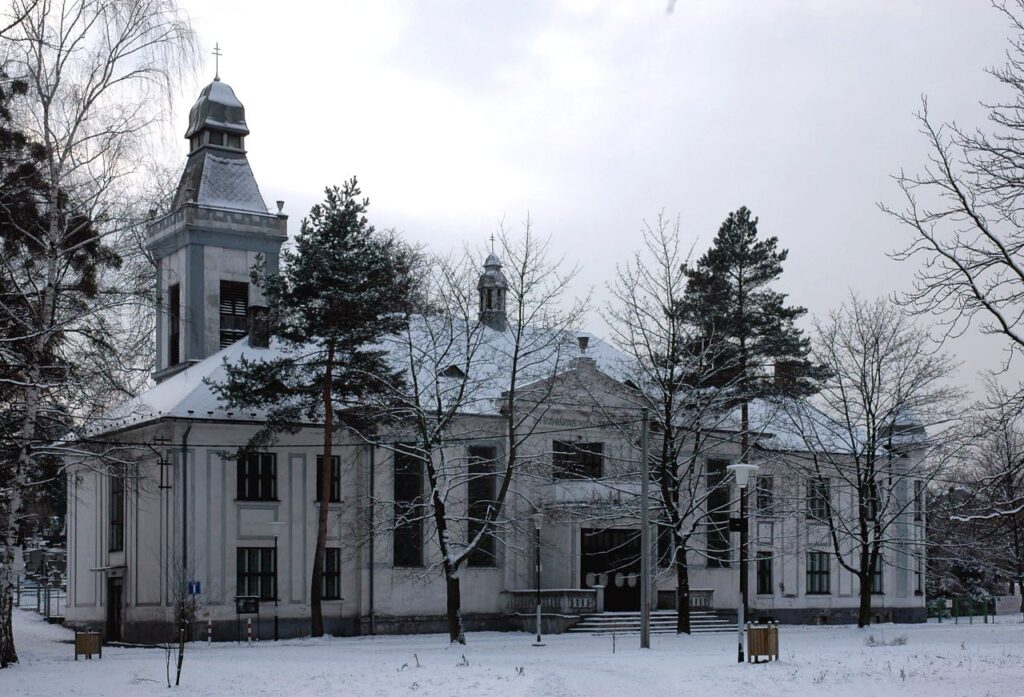
History buffs who prefer quiet contemplation to crowded museums should make their way to the Michálkovice district. Just a short distance from the Michal Mine Museum, there is a remarkably peaceful and culturally significant spot that rarely sees foreign footfall.
Within one small, secluded area, three different faiths quietly coexist. You will find a Hussite Church, the Catholic Church of the Assumption of the Virgin Mary, and a historic Jewish cemetery nestled closely together. Standing in this quiet pocket of the city provides a profound sense of the diverse communities that built Ostrava. There are no ticket booths or crowds here—just silent stones and architecture that tell a story of tolerance and shared history.
Prokeš Square and the World War II remnants
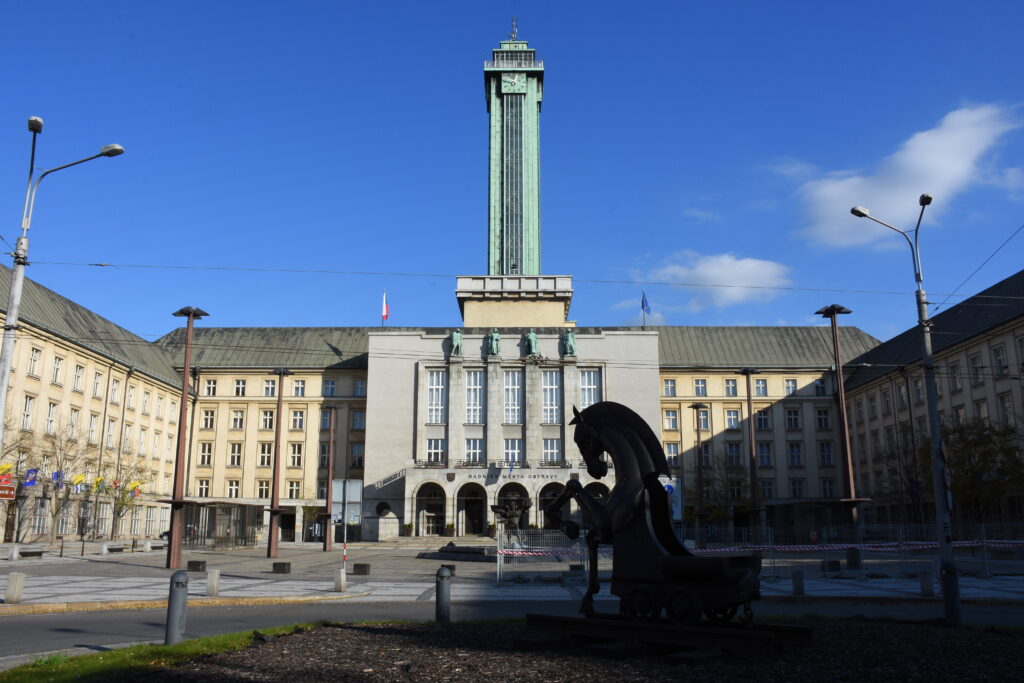
Sometimes the most fascinating historical artefacts are hidden in plain sight, completely overlooked by those rushing to the next major landmark. While the New City Hall on Prokeš Square is a well-known architectural marvel, the surrounding streets hold subtle, sobering reminders of the Second World War.
Take a slow walk down Horova Street and keep your eyes peeled for faded white arrows painted on the walls of the old buildings. These arrows once served a vital, life-saving purpose: guiding local residents to underground air raid shelters during bombing runs. It is a tiny, easily missed detail that instantly connects you to the harrowing reality of the city’s wartime past. Noticing these marks requires patience and an observant eye, traits shared by all great independent travellers.
Ostrava.
Czechia’s industrial—and artistic—core
Exploring the region by bike / Routes and day trips
Ostrava’s flat terrain and excellent network of cycling paths make it an absolute joy to navigate by bike. But the true magic happens when you pedal just beyond the city limits. Wheely Tyred highly recommends taking advantage of the routes that stretch into the surrounding countryside, offering brilliant day trips for those eager to rack up some kilometres.
A fantastic, leisurely ride takes you from Ostrava to the town of Hlučín, located less than twenty kilometres away. The route follows smooth cycleways and quiet roads, winding through small Moravian villages before arriving at the popular Hlučín Lake. It is an easy, mostly flat journey that rewards you with beautiful waterfront views and the perfect setting for a post-ride picnic.
Alternatively, point your handlebars south towards Jistebník, another excellent destination well within the twenty-kilometre radius. This route takes you through the Poodří Protected Landscape Area, a stunning region of meandering rivers, vast meadows, and tranquil fishponds. It is a haven for birdwatchers and nature lovers, offering a completely flat, peaceful ride away from vehicular traffic.
For a slightly longer day trip, the historic town of Hradec nad Moravicí is easily accessible by combining a short train hop with a scenic ride. Here you can explore the magnificent Red and White Chateaux, where Ludwig van Beethoven once stayed. Whether you are cruising along the Ostravice River promenade or pushing out into the lush Moravian countryside, travelling by bike remains the ultimate way to unlock the true spirit of this remarkable region.
Frequently asked questions about the hidden gems in Ostrava
Generally, yes. Like any major city, it is wise to stay aware of your surroundings, but Ostrava is not typically crowded with tourists, and its central squares are well-lit. Areas like Stodolní Street are very lively at night, while hidden gems like Černá Louka are best visited during daylight hours.
The Ema Slag Heap is located in Silesian Ostrava. It is easily accessible by following the yellow-marked hiking trail from the city centre (near the Exhibition Grounds) or the New City Hall. The walk takes you through the Trojice Valley and is quite manageable for anyone with moderate fitness.
In Ostrava, cycling is encouraged and the terrain is mostly flat. Most parks and riverside paths allow bicycles, but be mindful of pedestrians at the City Campus and in church courtyards. There should be designated bike racks when visiting indoor venues like the Rock and Roll Garage.
Because the heap burns internally (due to subterranean combustion of mining waste), the ground temperature remains high. This means that even in freezing winters, snow often melts instantly, and certain types of grass and insects that wouldn’t normally survive a Czech winter can thrive there.
The cemetery is a place of quiet reflection. While generally accessible, it is important to be respectful of the grounds. It is often less about a formal tour and more about observing the history of the site in silence.
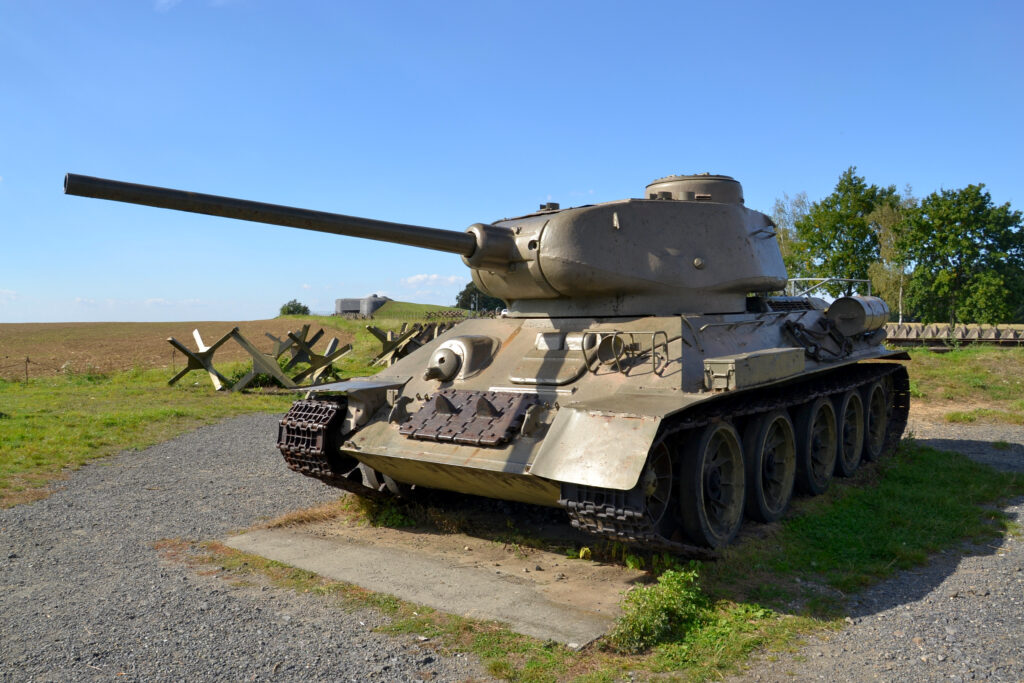
Beyond the air raid shelter arrows on Horova Street, the city’s liberation is commemorated at the Silesian Ostrava Castle and various monuments in the city’s parks. For a more intensive look at wartime history, the nearby Hlučín-Darkovičky Fortification Complex offers a preserved line of bunkers.
Czechia.
Discover Czechia / History reimagined