Uncovering Ostrava / A comprehensive guide to weather, seasons, and the best time to visit
The best time to visit Ostrava, Czechia / A monthly weather guide and climate overview
From industrial heritage to unpredictable skies

BEN FINCH
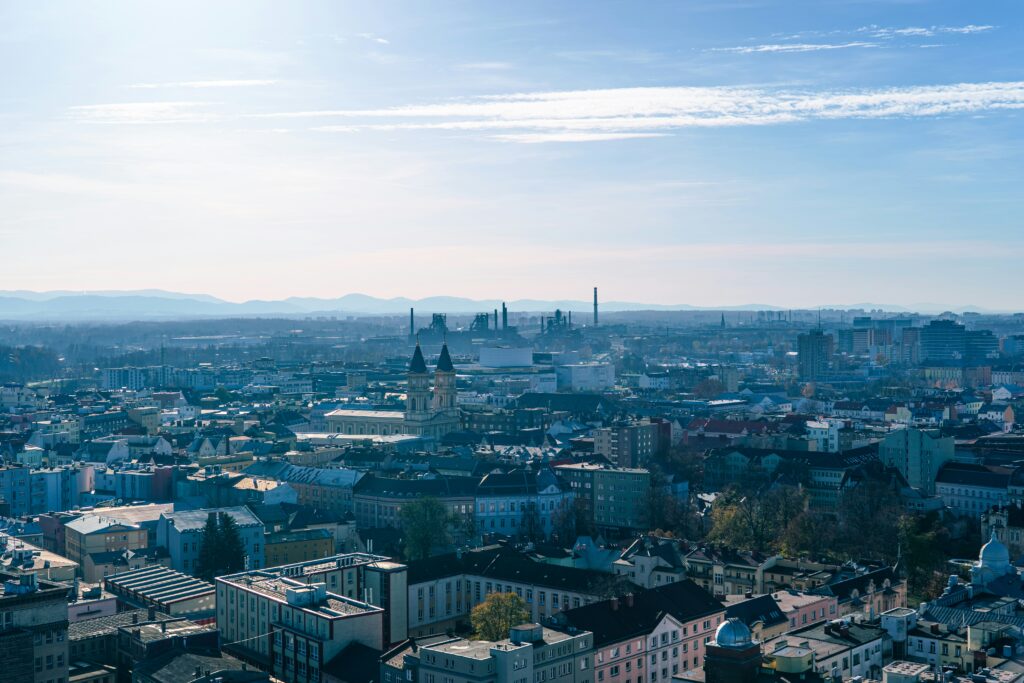
When you think of travelling to the Czech Republic, the historic spires of Prague might be the first image that comes to mind. However, for those seeking a destination with a unique character, an unpretentious atmosphere, and a fascinating industrial past, Ostrava is a revelation. Located in the north-east of the country, near the Polish border, Ostrava is a city undergoing a remarkable transformation. Former coal mines and ironworks, such as the breathtaking Dolní Vítkovice complex, have been reborn as cultural hubs, educational centres, and striking architectural landmarks.
But before you pack your bags to explore this dynamic city, it is crucial to understand its climate. Here at Wheely Tyred, we know that the key to a successful trip lies in preparation. Knowing what weather to expect can make the difference between a good holiday and an unforgettable adventure. Whether you are wandering through repurposed factories, enjoying the vibrant nightlife on Stodolní Street, or exploring the surrounding Moravian-Silesian region, this guide will help you decide the absolute best time to visit Ostrava.
Industrial beauty through the seasons / Ostrava weather guide
Ostrava is a city of transformation, and its continental climate means your experience will vary significantly depending on when you visit. From the bustling music festivals of summer to the atmospheric industrial frost of winter, understanding the local weather patterns is essential for any independent traveller:
- Spring (March–May): A season of dramatic transition. While March remains chilly, May is one of the best times to visit, with temperatures reaching a pleasant 20°C. It is perfect for walking tours of the sprawling industrial architecture before the summer humidity sets in
- Summer (June–August): The peak season for culture and festivals. July is the hottest month, with temperatures often pushing past 30°C. Note that June is historically the rainiest month, usually featuring short, heavy afternoon thunderstorms
- Autumn (September–November): Ideally suited for active travel. September offers a beautiful balance of mild weather and lower humidity, perfect for cycling. October brings crisp air and stunning golden foliage, making it a favourite for photography
- Winter (December–February): Atmospheric and cold. January is the coldest month, with average lows of -4°C. A unique winter highlight is the Halda Ema slag heap, which burns internally, creating a bizarre microclimate where snow rarely settles even in the dead of winter
- The Impact of Climate Change: Like much of Central Europe, Ostrava is seeing milder winters and more intense summer heat. The urban heat island effect can make the city centre feel significantly hotter than the surrounding Moravian countryside during tropical spells
Czechia.
The heart of Europe
Understanding historical weather trends in Ostrava
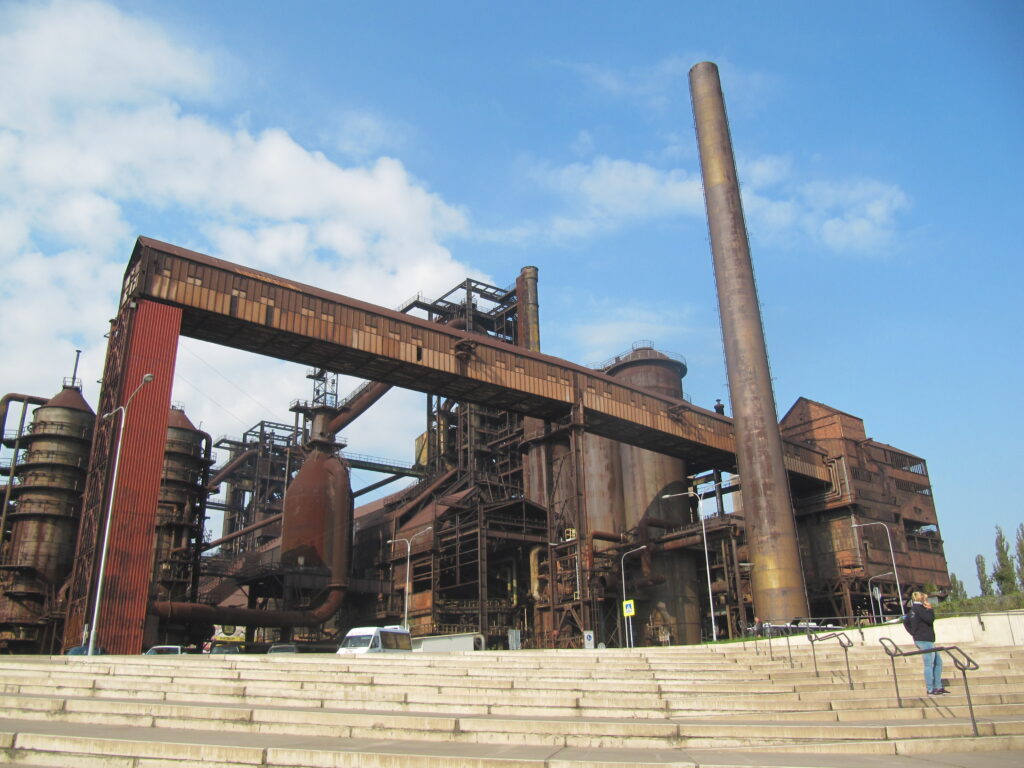
Historically, Ostrava experiences a mild continental climate. This means the city enjoys four distinct seasons, characterised by warm, comfortable summers and freezing, snowy winters. Over the course of a typical year, temperatures can vary significantly, usually ranging from -4 degrees Celsius in the depths of winter to 25 degrees Celsius or higher at the peak of summer.
The warm season generally stretches from late May to early September. During these months, the city comes alive with outdoor festivals, bustling beer gardens, and long daylight hours. Conversely, the cold season takes hold from late November through to early March, bringing frosty mornings, overcast skies, and the necessity for heavy winter clothing. Precipitation is fairly consistent throughout the year, though the summer months historically see the highest volume of rain, often falling during brief, heavy afternoon thunderstorms.
The future of travel / How climate change is impacting Ostrava
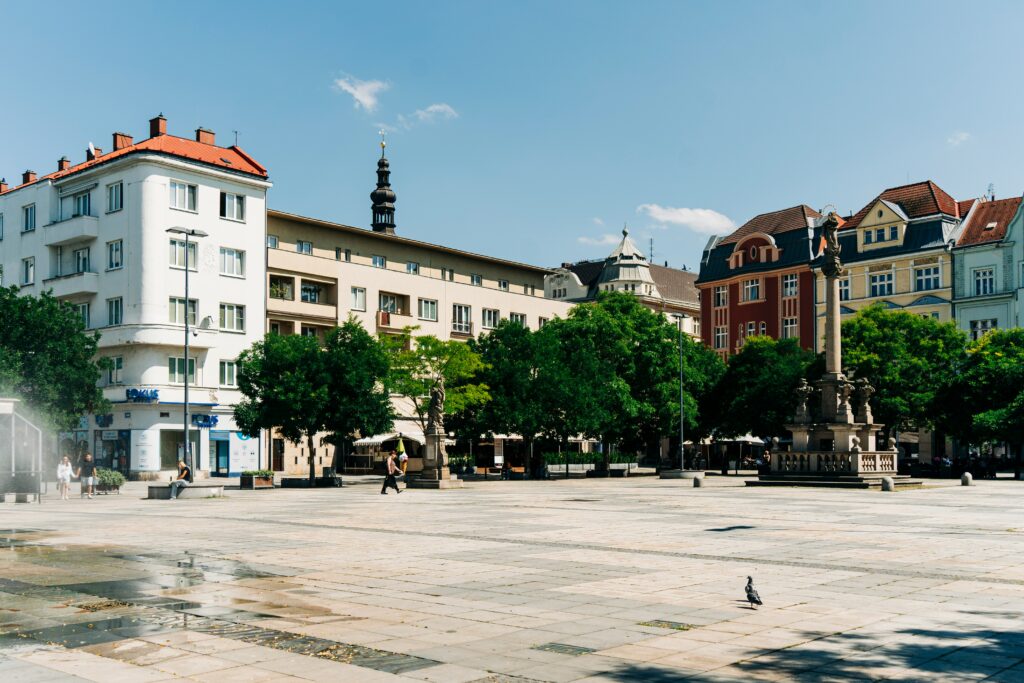
As travellers, it is increasingly important to understand how global climate change is reshaping the destinations we visit. Ostrava, like much of Central Europe, is experiencing noticeable shifts in its weather patterns.
The Czech Republic is warming, and this change is most visible during the summer and winter months. In Ostrava, the urban landscape—heavily influenced by its industrial past and dense concrete structures—creates an urban heat island effect. This means the city centre can trap heat, making summer days feel significantly hotter than the surrounding countryside. Climate models project a continued increase in the number of tropical days, where temperatures exceed 30 degrees Celsius, alongside a sharp rise in tropical nights, where temperatures do not drop below 20 degrees Celsius.
Furthermore, climate change is altering precipitation patterns. While the overall annual rainfall might remain similar, the way it falls is changing. Ostrava is seeing a higher likelihood of dry, hot spells interrupted by extreme, intense rainfall. These sudden downpours can occasionally lead to flash flooding, particularly as urban drainage systems struggle to cope with the sheer volume of water. Winters, on the other hand, are becoming milder. The traditional blanket of snow is becoming less frequent, often replaced by winter rain and grey, overcast conditions. Keeping these evolving trends in mind is essential when planning your itinerary.
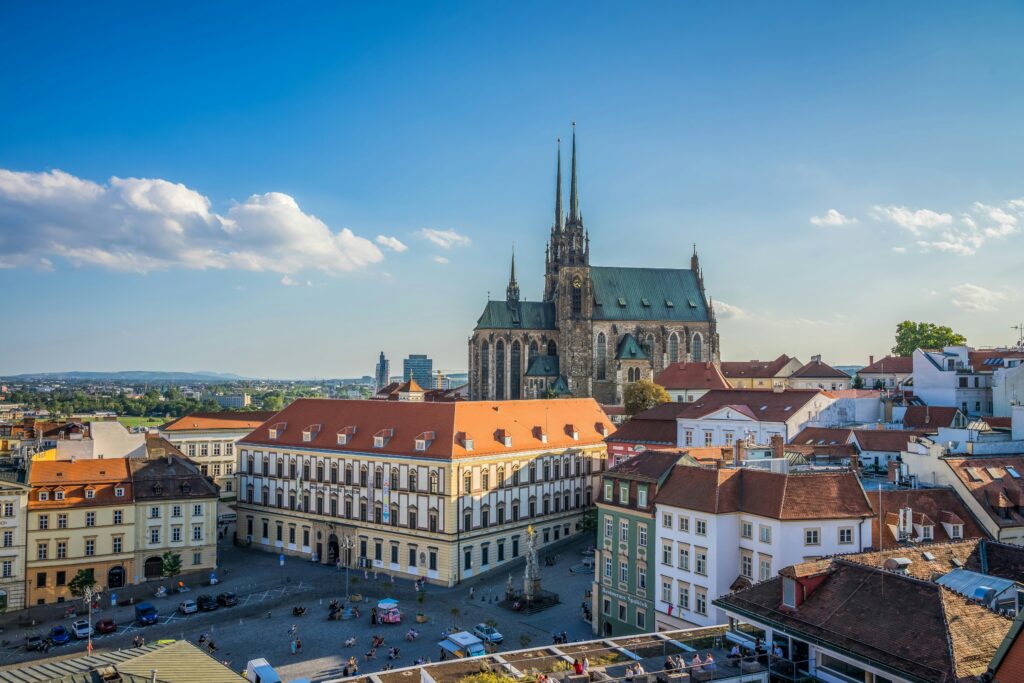
Brno.
Explore Czechia’s second — and best — city
Spring in Ostrava / A city reawakening
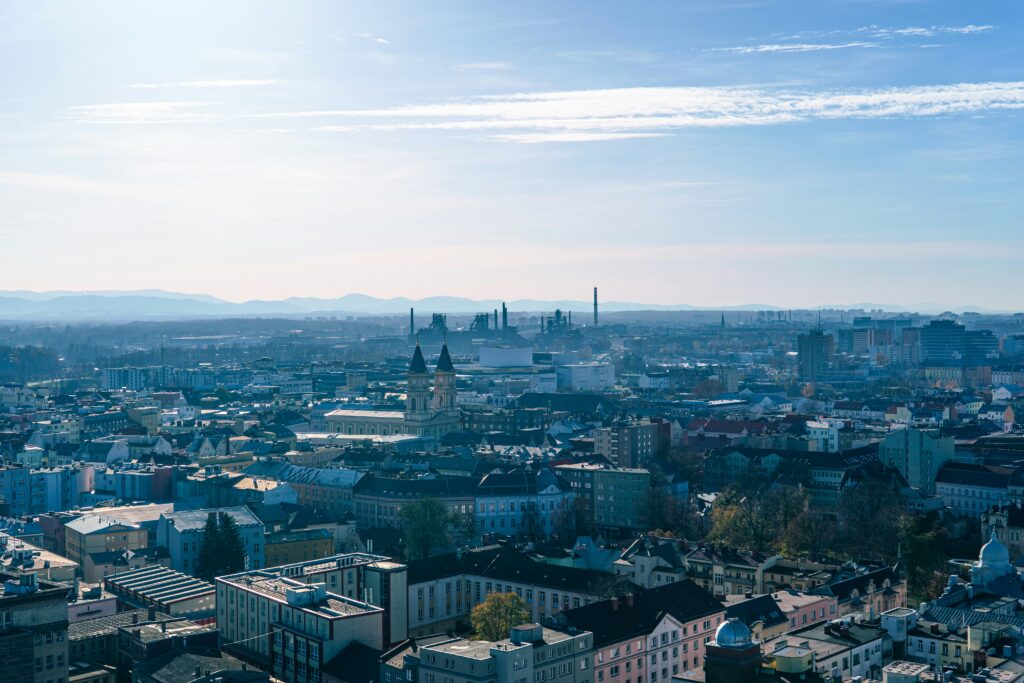
Spring is a season of dramatic transition in Ostrava. As the winter frost begins to thaw, the city slowly greens, and locals eagerly return to outdoor spaces.
March
March is a month of tentative beginnings. The weather remains chilly, with average daily highs hovering around 8 degrees Celsius and nighttime temperatures frequently dropping to freezing. You will definitely need a warm coat and layers. This is a quiet time for tourism, making it an excellent opportunity to explore Ostrava’s indoor attractions, such as the Science and Technology Centre, without the crowds.
April
April brings a noticeable shift. Temperatures climb to a much more pleasant 15 degrees Celsius during the day. However, this month is famously unpredictable. Sunlit mornings can quickly give way to sudden spring showers, so packing a sturdy umbrella and a waterproof jacket is highly recommended. The surrounding landscape begins to bloom, offering beautiful scenery for those taking short trips outside the city centre.
May
May is arguably one of the best times to visit Ostrava. The tourist season officially begins as daytime temperatures reach an average of 20 degrees Celsius. The city feels energetic and vibrant. It is the perfect weather for walking tours, exploring the sprawling industrial architecture, or simply enjoying a coffee in one of the city’s many squares. Be mindful, however, that rainfall begins to increase as we move closer to summer.
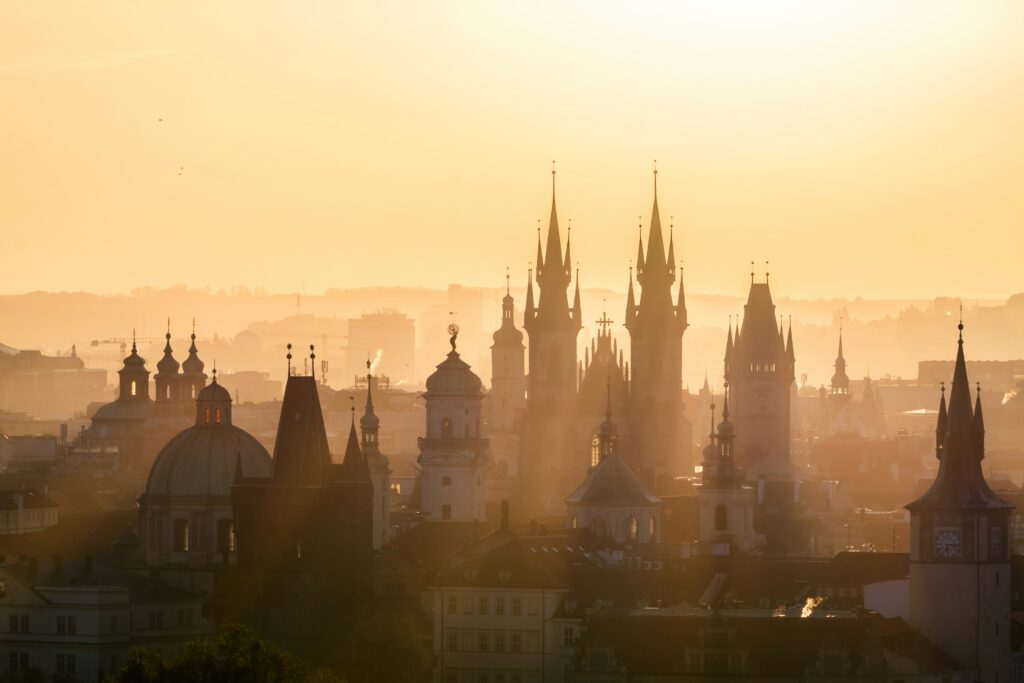
Prague.
There’s no other city like it
Summer in Ostrava / Festivals and long evenings
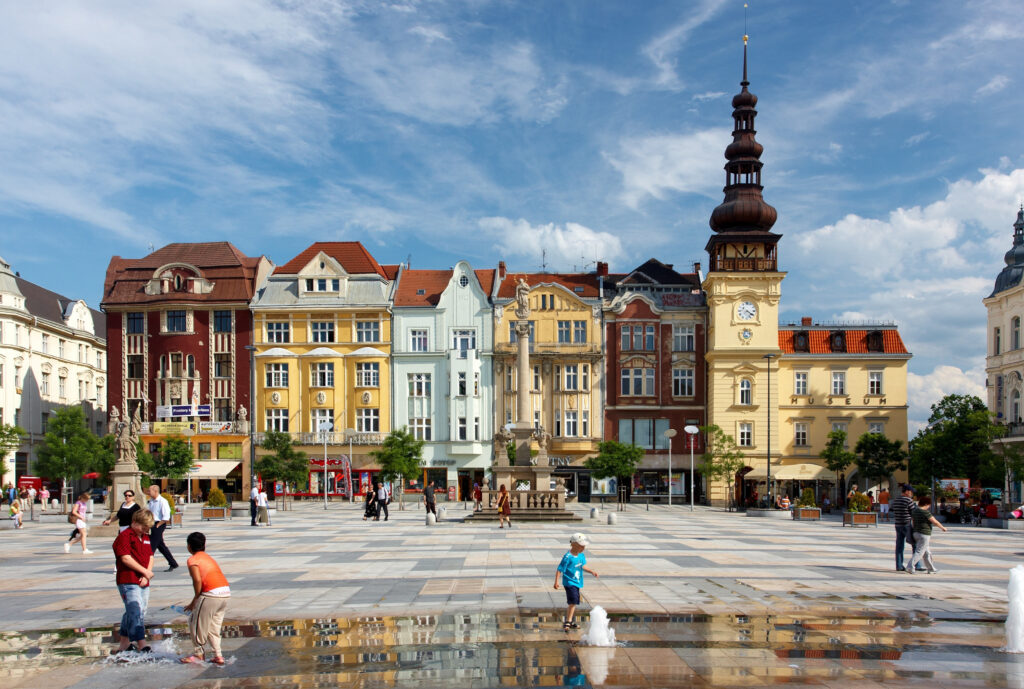
Summer in Ostrava is warm, lively, and culturally rich. It is the peak season for visitors, driven by the city’s famous music festivals and the appeal of long, mild evenings.
June
June boasts the longest daylight hours of the year, providing ample time for sightseeing. Temperatures sit comfortably in the low twenties. Interestingly, historical data shows that June is often the rainiest month in Ostrava, with precipitation typically occurring in short, heavy bursts. Packing a light rain jacket alongside your summer clothing is a wise move.
July
July is the hottest month of the year, with average highs around 25 degrees Celsius, though recent climate trends mean temperatures frequently push past 30 degrees Celsius. The city is buzzing, largely due to major events. If you love live music and crowds, this is the time to visit. To beat the midday heat, plan your outdoor excursions for the morning and seek out air-conditioned museums or shaded parks during the afternoon.
August
August continues the trend of hot, sunny days. The cloud cover is minimal, making it an excellent month for photography, especially capturing the stark, rusted beauty of the Dolní Vítkovice ironworks against a clear blue sky. Evening temperatures are incredibly pleasant, perfect for experiencing Ostrava’s renowned nightlife and dining al fresco.
Moravia.
Welcome to wine country
Autumn in Ostrava / Crisp air and golden colours
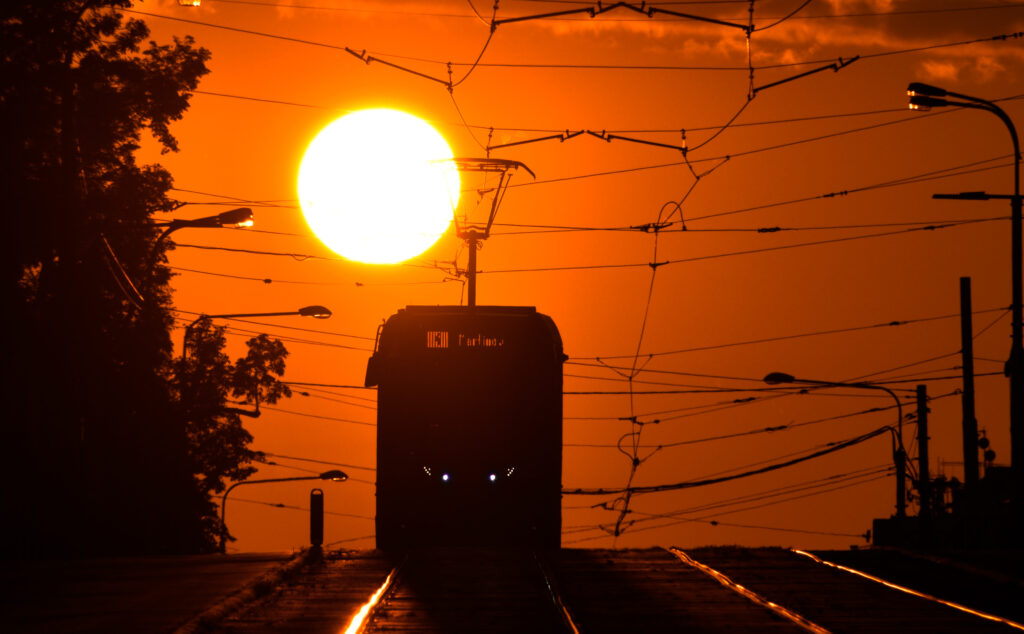
Autumn is a spectacular time to visit. The intense heat of the summer fades, replaced by comfortable temperatures and beautiful autumnal foliage, making it an ideal season for active travellers.
September
September offers a beautiful balance. The weather remains mild, with highs around 19 degrees Celsius, but the humidity drops and the skies remain relatively clear. It is a fantastic month for cycling through the city’s green belts or taking long walks along the Ostravice river without the intense exhaustion of the mid-summer heat.
October
October brings a distinct crispness to the air. Temperatures fall to around 15 degrees Celsius, and you will need to start wearing heavier jumpers and light jackets. Historically, October is one of the least rainy months in Ostrava. The dry, cool weather and the stunning autumn colours make it a highly rewarding time for those who enjoy photography and leisurely exploration.
November
November sees a significant shift towards winter. It is the cloudiest month of the year, with overcast skies dominating the forecast. Temperatures drop sharply, averaging highs of just 6 degrees Celsius. While it might not be the most photogenic month, it offers a deeply authentic experience of the region. It is the perfect time to seek refuge in a traditional Czech pub, enjoying hearty local cuisine and world-famous beer.
Ostrava.
Czechia’s industrial—and artistic—core
Winter in Ostrava / Industrial charm in the cold
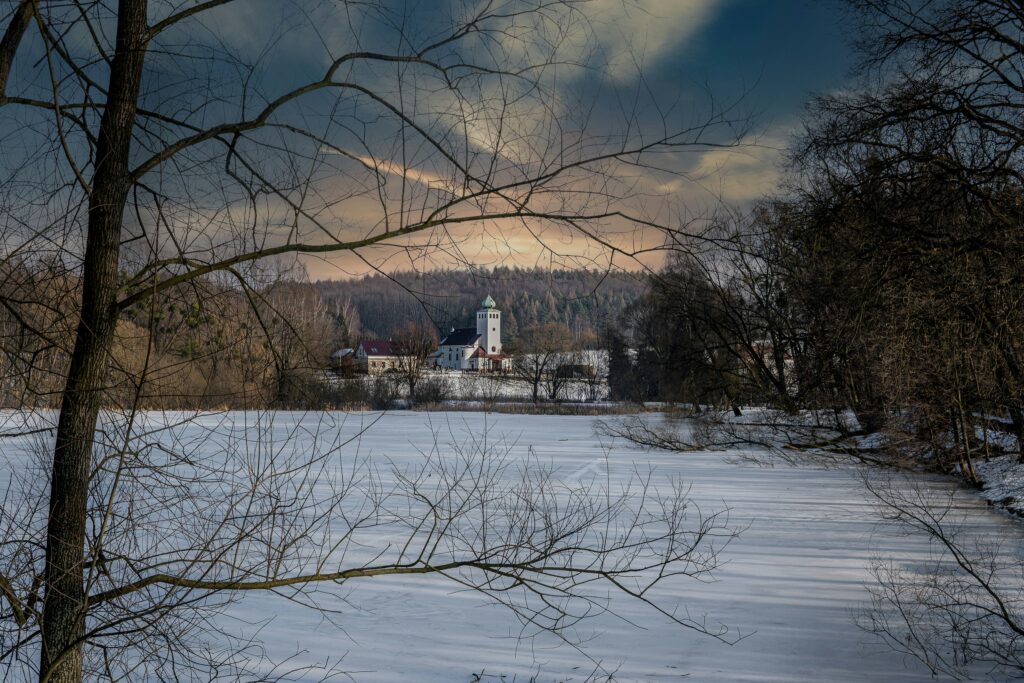
Winter in Ostrava is undeniably cold and atmospheric. While the weather may be harsh, the city adapts, offering a cosy, festive experience for those willing to brave the chill.
December
December is defined by freezing temperatures and the festive spirit. Highs rarely break 3 degrees Celsius, and nights drop well below freezing. The city centre is illuminated by Christmas markets, offering hot mead, roasted chestnuts, and local crafts. A fascinating phenomenon to witness during winter is the Ema Slag Heap. This artificial hill, created from mining waste, burns internally. This subterranean combustion creates a bizarre subtropical microclimate where snow rarely settles, and grass can grow even in the dead of winter.
January
January is officially the coldest month in Ostrava, with average low temperatures of -4 degrees Celsius. The wind can make it feel even colder. While historically a snowy month, climate change has made snowfall less reliable, often resulting in cold, wet conditions. Thermal layers, a high-quality winter coat, gloves, and a hat are absolute necessities.
February
February remains freezing, but the days slowly begin to lengthen. The city remains relatively quiet, offering a peaceful, albeit chilly, environment. It is a time for indoor pursuits, from exploring the city’s mining museums to attending local theatre productions.
Bohemia.
Explore the heart of the Czech Republic
Finding your perfect Ostrava experience
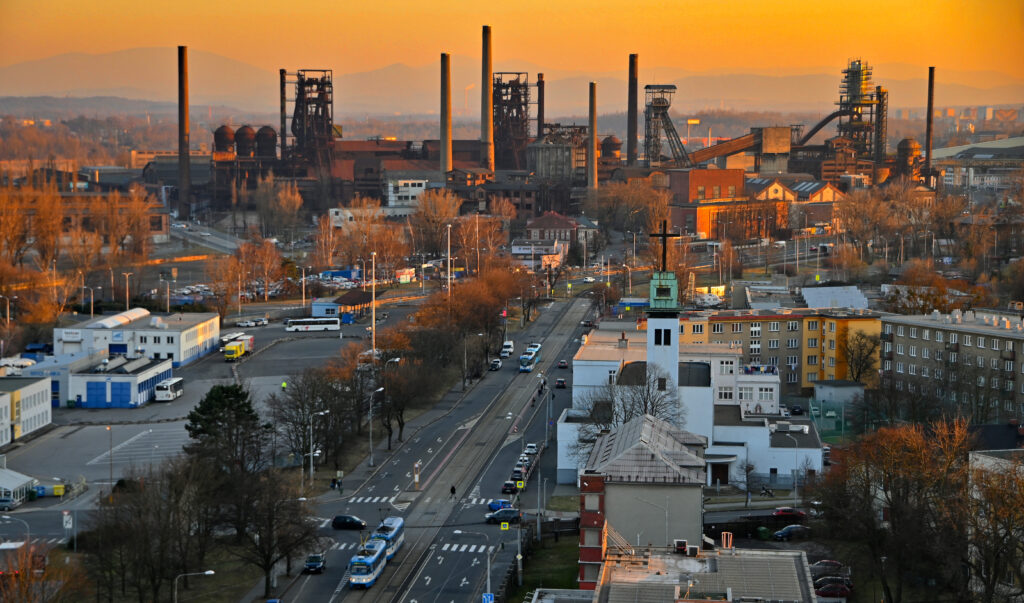
Ultimately, the best time to visit Ostrava depends entirely on what you want to get out of your trip. If your priority is attending vibrant outdoor festivals and experiencing the city at its most energetic, the summer months of July and August are unparalleled. If you prefer comfortable walking weather, stunning photography conditions, and fewer crowds, May and September are the sweet spots.
At Wheely Tyred, we believe that every season offers a unique lens through which to view a destination. By understanding the historical weather patterns and the shifting realities of climate change, you can plan an Ostrava itinerary that perfectly matches your travel style.
Frequently asked questions about the best time to visit Ostrava
May and September are the sweet spots for active travel. The temperatures are comfortable (averaging 19–20°C), the humidity is lower than in mid-summer, and the landscape is either in fresh bloom or vibrant autumnal colour.
The spring months are notoriously unpredictable. It is best to pack layers, including a warm jumper for the evenings and a sturdy waterproof jacket or umbrella for sudden spring showers.
Yes, most of Ostrava’s major indoor attractions and museum components of the industrial sites remain open year-round. Visiting in winter offers a stark, moody perspective of the ironworks that many photographers find particularly compelling.
While newer hotels and major museums are equipped with air conditioning, many smaller guesthouses and traditional pubs may not be. During the increasingly common 30°C+ summer days, it is wise to plan outdoor activities for the morning and seek out shaded parks or air-conditioned spaces in the afternoon.
Halda Ema is a massive pile of mining waste that has been burning internally for decades. Because of the heat generated from within, the surface stays warm. Even in the middle of a freezing January, you can find green grass growing there, and it is one of the few places in the city where you won’t find deep snow.
Rainfall is fairly consistent throughout the year, but summer actually sees the highest volume. Most of this falls during heavy afternoon thunderstorms rather than persistent drizzle, meaning you can usually wait out the rain in a local cafe or museum.
Czechia.
Discover Czechia / History reimagined