Unlocking the Czech Republic / A cyclist’s guide to the heart of Europe
Cycling in the Czech Republic / Routes, culture, and infrastructure guide
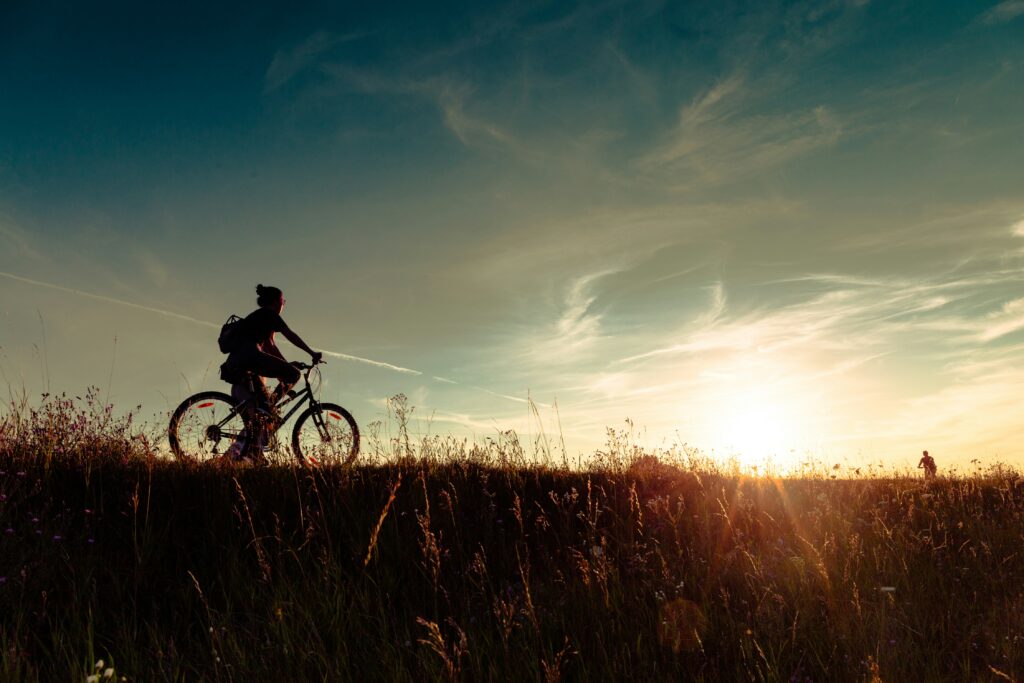
Pedalling through history, hills, and hospodas
BEN FINCH
When you think of the Czech Republic, your mind might immediately wander to stunning Gothic architecture, ancient castles, and some of the finest lagers in the world. However, beneath this rich historical tapestry lies a country that is absolutely obsessed with cycling. Whether you are a weekend warrior looking for gruelling mountain bike trails, a gravel enthusiast seeking endless forest tracks, or an urban commuter navigating historic city centres, the Czech Republic offers a deeply ingrained, vibrant cycling culture.
At Wheely Tyred, we believe that understanding a destination’s cycling culture is the key to planning the perfect route. Riding a bike here is not just a way to get from A to B; it is a national pastime, a weekend religion, and increasingly, a vital part of the urban transport network. Before you pack your panniers and pump up your tyres, let us dive into what it is really like to ride in the Czech Republic.
The essentials / What you need to know
Before we explore the finer details, here is a quick overview of what to expect when cycling in the Czech Republic:
- Sport over transport: Historically, Czechs have viewed cycling primarily as a recreational sport and weekend activity rather than a daily commuting tool, though this is rapidly changing in major cities
- World-class trail marking: The country boasts one of the best and most comprehensive cycle route marking systems in the world, managed by the Czech Tourist Club
- Contrasting infrastructure: You will find pristine, dedicated greenways in the countryside, but urban infrastructure can be a mixed bag of excellent new lanes, cobbled streets, and abruptly ending cycle paths
- Improving driver attitudes: A recently introduced 1.5-metre safe passing law has improved safety, though rural roads can still see impatient drivers
- Train integration: The national railway system is incredibly accommodating to cyclists, making it easy to plan multi-region adventures
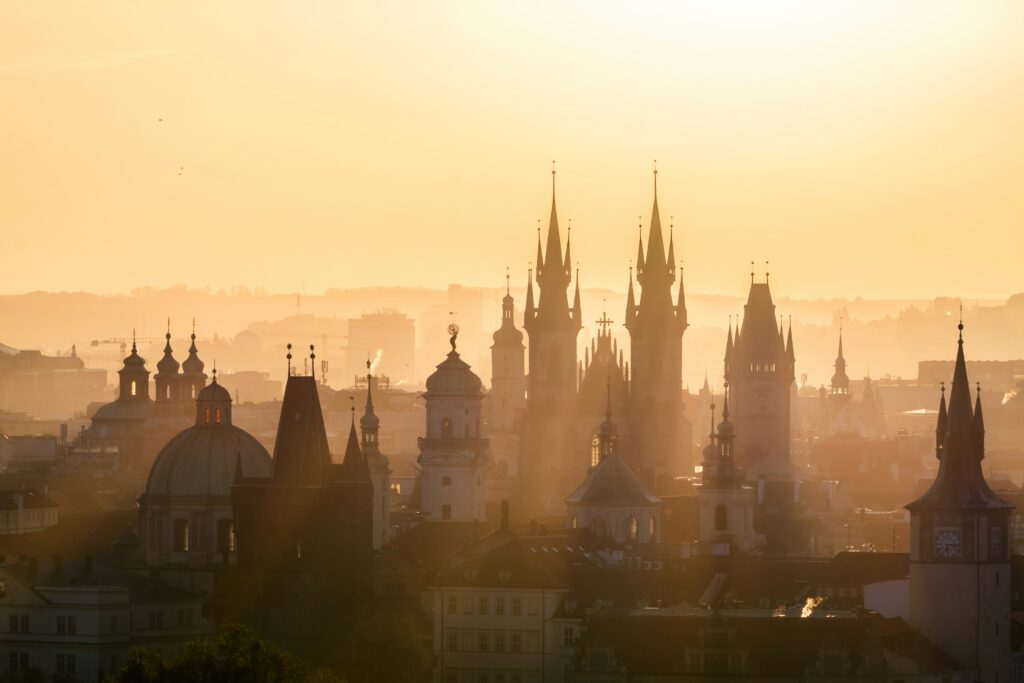
Prague.
There’s no other city like it
A nation on two wheels / Sport, sweat, and cykloturistika
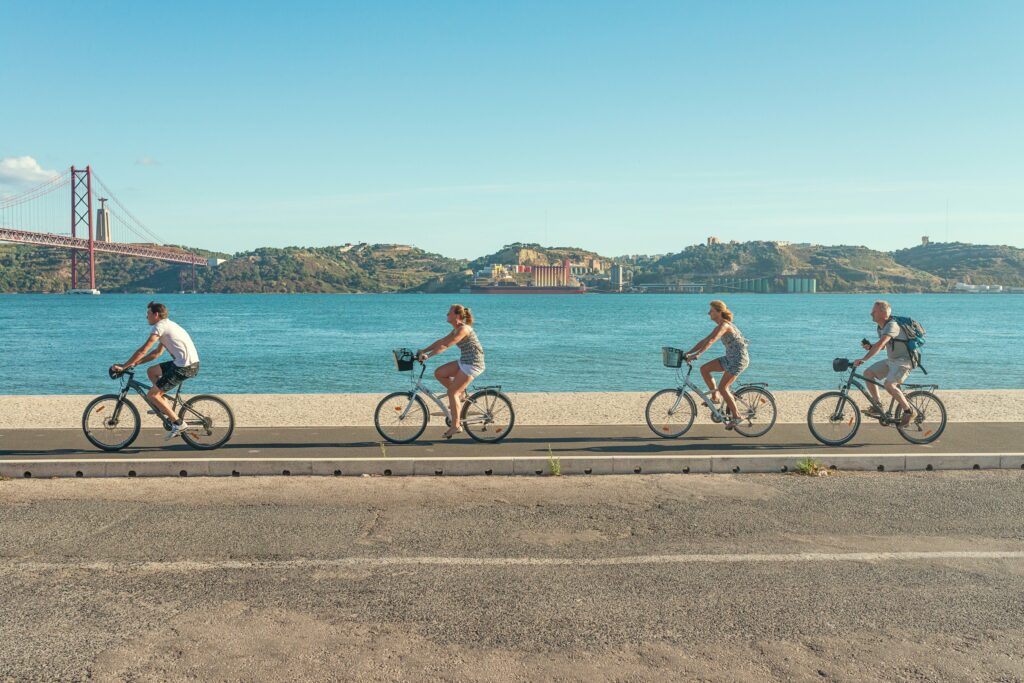
To understand Czech cycling culture, you must first understand the concept of cykloturistika, which translates to cycle tourism. As soon as the snow melts and the spring sun appears, it feels as though half the country takes to the roads and forests on two wheels. Cycling here is highly social and deeply rooted in a love for the outdoors.
For decades, the bicycle was seen primarily as a piece of sporting equipment. You will frequently encounter large groups of riders clad in full Lycra, tackling steep gradients in the border mountains or speeding along the rolling hills of South Moravia. Mountain biking and gravel riding are particularly massive here, thanks to the endless networks of unpaved forest roads and rugged terrain.
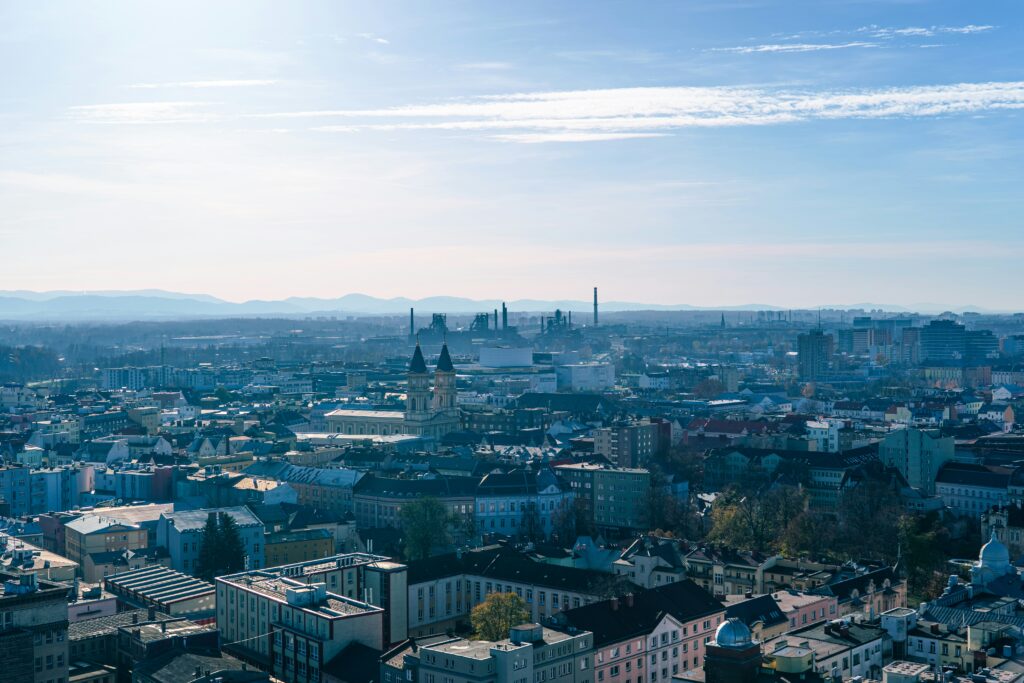
However, a shift is occurring in urban centres like Prague, Brno, and Ostrava. While cycling was once considered too difficult for daily transport due to hilly topography and historic, cobbled streets, the rise of the e-bike has flattened the landscape. Urban planners are now working hard to transform cycling from a purely weekend pursuit into a viable, everyday transport option, aiming to reduce congestion and improve air quality.
Infrastructure / From pristine greenways to cobbles
When it comes to infrastructure, the Czech Republic offers an experience of thrilling contrasts.
In rural areas, the cycling infrastructure is nothing short of spectacular. The country is crossed by several major long-distance routes, including EuroVelo 9, EuroVelo 10, and the historically poignant EuroVelo 13, known as the Iron Curtain Trail. These routes often utilise dedicated, paved cycle paths that meander alongside rivers, through dense pine forests, and past centuries-old vineyards.
The crown jewel of Czech cycling infrastructure is the trail marking system. Overseen by the Czech Tourist Club, thousands of kilometres of routes are distinctly marked with yellow signs. These signs tell you exactly where you are heading, the distance to your next waypoint, and the difficulty of the route. It is a foolproof system that makes getting lost quite difficult, allowing you to focus purely on the joy of riding.
Urban infrastructure, conversely, requires a bit more vigilance. Cities like Prague and Ostrava are making significant strides, introducing protected lanes and traffic-calming zones. Yet, as a rider, you must be prepared for the realities of historic European cities. You will encounter tram tracks that demand to be crossed at a strict ninety-degree angle, stretches of bone-rattling cobblestones that will test the pressure of your tyres, and the occasional cycle lane that simply vanishes into a busy intersection. This is where planning your route becomes essential, ensuring you find the safest and most enjoyable paths through the urban sprawl.
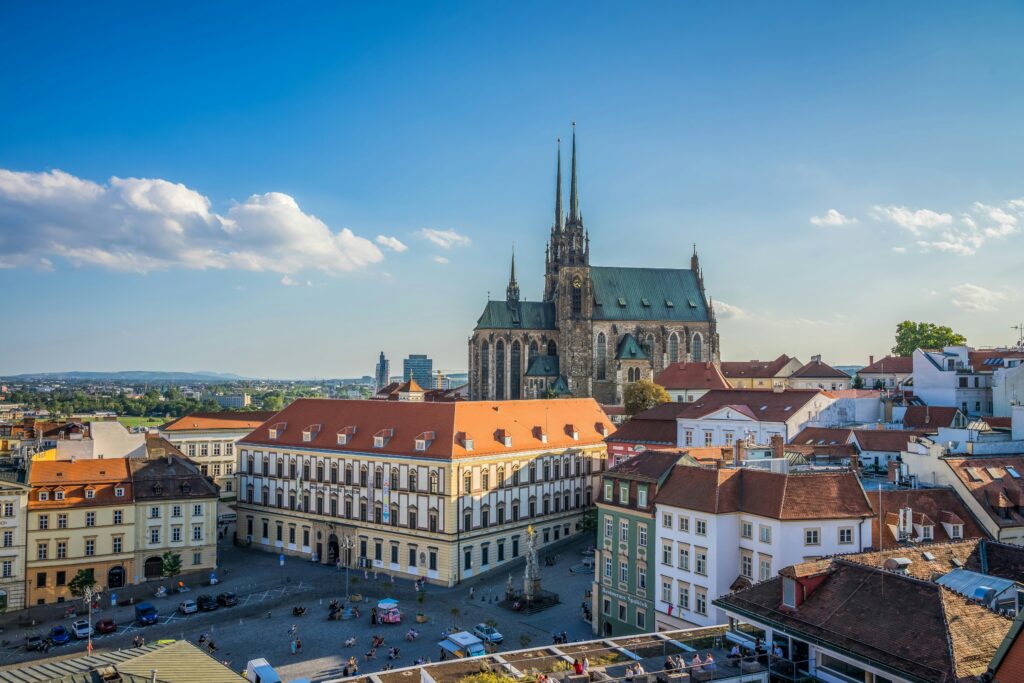
Brno.
Explore Czechia’s second — and best — city
Sharing the road / Drivers and cyclists
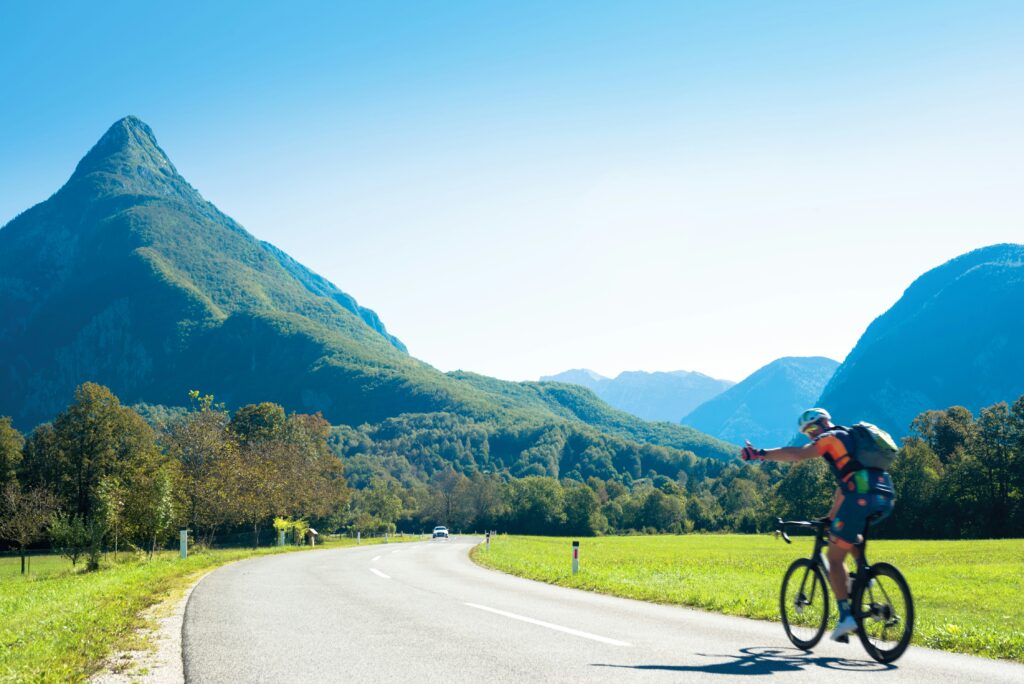
A crucial aspect of any cycling destination is how drivers interact with those on two wheels. In the Czech Republic, the relationship between motorists and cyclists is evolving positively.
Recently, the government implemented a strict 1.5-metre safe passing law. This legislation has done wonders for raising awareness and improving the safety of vulnerable road users. In urban traffic-calmed zones, where speed limits are capped at 30 kilometres per hour, the flow between cars and bikes is generally respectful and harmonious.
However, on narrow, winding country roads, the dynamic can change. While most drivers are polite and will wait for a safe opportunity to overtake, you may occasionally encounter motorists who are impatient, particularly if you are riding abreast in a group. The best approach is to remain predictable, clearly signal your intentions, and ride assertively but respectfully. Visibility is also key; local laws mandate the use of reflective elements and proper lighting in low-visibility conditions.
The mid-ride fuel / Hospodas and hydration
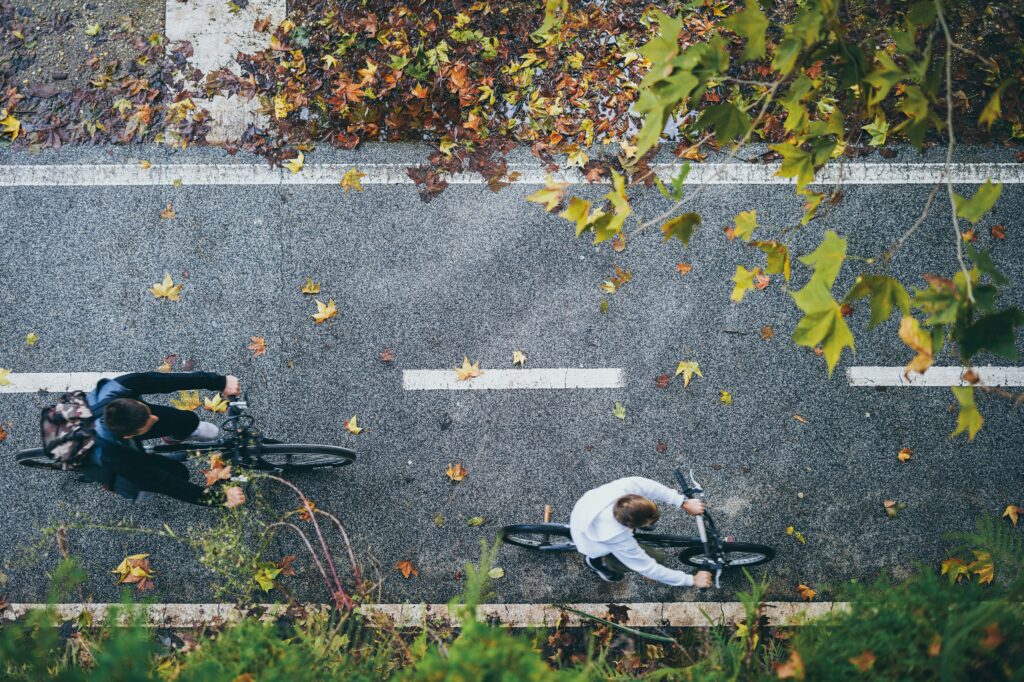
No discussion of Czech cycling culture would be complete without mentioning the mid-ride refreshment stop. The country is dotted with traditional pubs, known as hospodas, which serve as crucial waypoints for tired riders.
It is entirely normal to see dozens of high-end bicycles propped up against the wall of a village pub on a Saturday afternoon. While the Czech Republic is world-renowned for its beer, it is vital to note that the country enforces a strict zero-tolerance policy for cycling under the influence of alcohol. Doing so can result in hefty fines.
Instead, cyclists rely on hearty Czech cuisine—think garlic soup or a plate of goulash—and the beloved local soft drink, Kofola. This herbal, cola-like beverage is available on tap in nearly every pub and is the ultimate, sugary fuel to get your legs turning again for the ride home.
Bohemia.
Explore the heart of the Czech Republic
Train integration / Your secret weapon
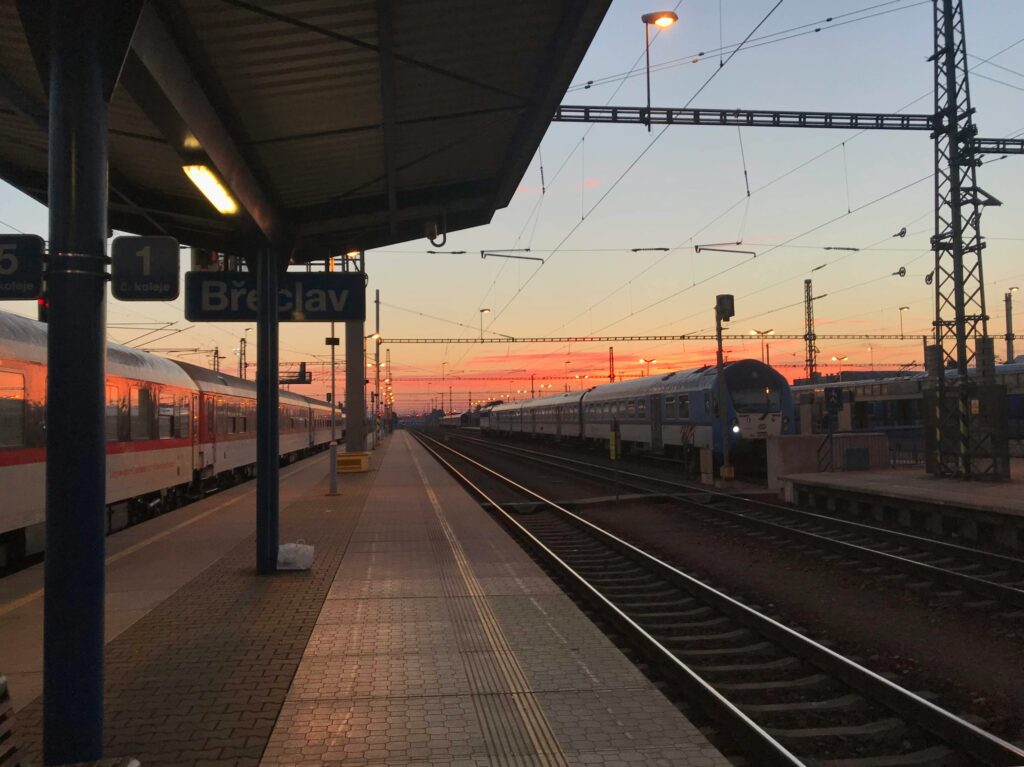
One of the greatest advantages of cycling in the Czech Republic is the seamless integration with public transport, particularly the national railway network, České dráhy. If you want to skip a particularly gruelling climb, escape the city sprawl, or suddenly find yourself caught in a thunderstorm, the train is your best friend.
Most regional and intercity trains are equipped with dedicated carriages for bicycles. You simply purchase a small supplemental ticket for your bike, hang it on the provided hooks, and relax as the train whisks you to your next starting point. This multimodal approach opens up the entire country, allowing you to ride the flat, pond-dotted landscapes of South Bohemia one day, and tackle the dramatic sandstone peaks of Bohemian Switzerland the next.
Plan your perfect Czech cycling adventure
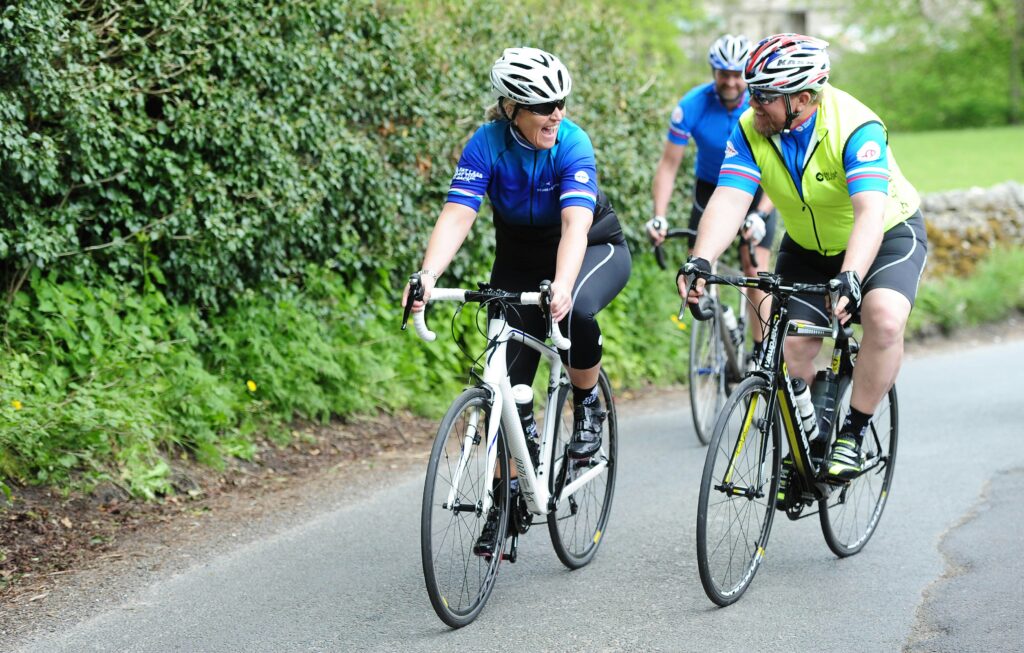
The Czech Republic offers a cycling experience that is as diverse as it is beautiful. From the adrenaline-pumping mountain trails to the serene, riverside EuroVelo routes, there is a path for every type of rider. The key to unlocking this European gem is preparation.
At Wheely Tyred, our intelligent route-planning tools take the guesswork out of your journey. Our AI-driven recommendations are designed to help you navigate around the trickiest cobbled streets, find the most seamless connections between rural greenways, and ensure your ride is as smooth and enjoyable as possible. We analyse the terrain, the infrastructure, and local insights to provide you with routes that match your exact riding style and skill level.
So, whether you are planning an epic bikepacking adventure along the Iron Curtain Trail or a leisurely weekend exploring the vineyards of Moravia, let Wheely Tyred guide your way. Ride a bike, explore the unknown, and let us handle the route.
Frequently asked questions about cycling in the Czech Republic
It can be, primarily due to the historic architecture. Many city centres, including Prague and Brno, feature extensive cobblestone streets and active tram networks. Beginners should plan their routes carefully to use new protected lanes where available and always cross tram tracks at a sharp ninety-degree angle to avoid getting wheels stuck.
Kofola is a locally produced herbal cola that is far more popular with Czech cyclists than global soda brands. It is less sweet, caffeine-rich, and often served on tap in rural pubs. It’s considered the perfect energy drink for getting back on the road after a lunch of goulash or garlic soup.
You can purchase a bicycle supplement ticket alongside your passenger fare. On the train, look for carriages marked with a bicycle symbol; these will have either a dedicated area for propping up bikes or hooks for hanging them vertically. It is a highly efficient way to reach the starting points of famous routes like the Moravian wine trails.
While the major river routes like the Elbe Route are often paved and suitable for road bikes, many of the best cykloturistika paths lead through forests and unpaved terrain. A gravel bike or a mountain bike is often the best choice for maximum versatility if you plan on exploring beyond the main paved greenways.
Legally, no. The Czech Republic has a strict zero-tolerance policy for alcohol when cycling on any public road or path. Police can and do perform breathalyser tests on cyclists, and the fines for any measurable blood alcohol content are significant. It is best to stick to Kofola or non-alcoholic beer during the day.
Yes. The yellow signage system is highly visual and uses standard symbols and numbers that are easy to understand regardless of language. The signs indicate the route number, the name of the next major destination, and the distance in kilometres, making it one of the most user-friendly systems in Europe.
Czechia.
Discover Czechia / History reimagined