Navigating Czechia on two wheels / A cyclist’s guide to driving culture and road safety
Czechia cycling guide / Driver attitudes, road traffic statistics, and road safety laws for cyclists
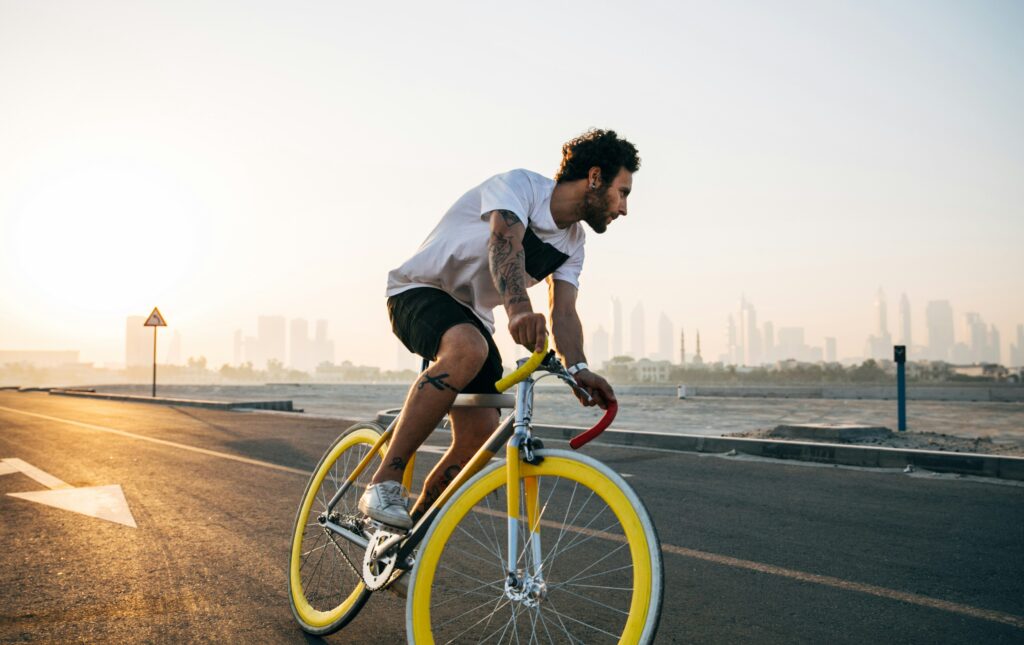
Pedal through Bohemian landscapes with confidence and discover the true rhythm of Czech roads
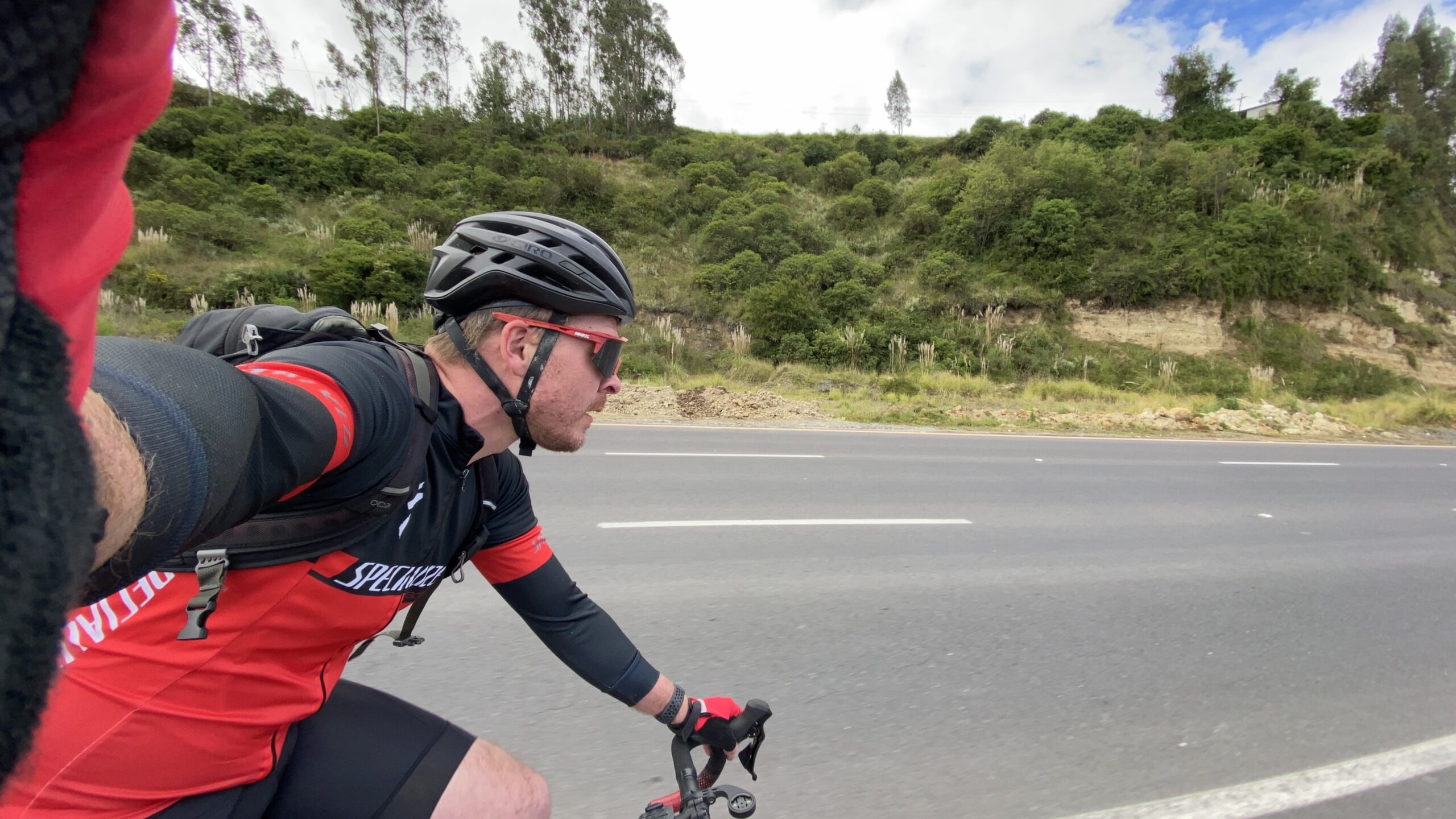
BEN FINCH
There is no better way to experience the heart of Europe than from the saddle of a bicycle. Czechia boasts a landscape that seems custom-built for two wheels, featuring the sweeping vineyards of South Moravia, the dense and mysterious forests of Bohemia, and the historic, winding streets of Prague. Whether you are a beginner looking to tackle flat river paths along the Elbe or an expert seeking the gruelling ascents of the Krkonoše mountains, the message from Wheely Tyred is simple: ride a bike.
However, embracing the joy of cycling in a new country requires more than just physical preparation and a well-maintained drivetrain. It requires a deep understanding of the local driving culture. Sharing the tarmac with motor vehicles means you must be able to anticipate driver behaviour, understand the local traffic laws, and know the reality of road safety in that specific region. Czechia presents a unique blend of rigorous driving standards, evolving infrastructure, and a rapidly growing cycling community. By familiarising yourself with the local environment, you can ensure your Central European adventure is as safe as it is spectacular.
What you need to know before you ride
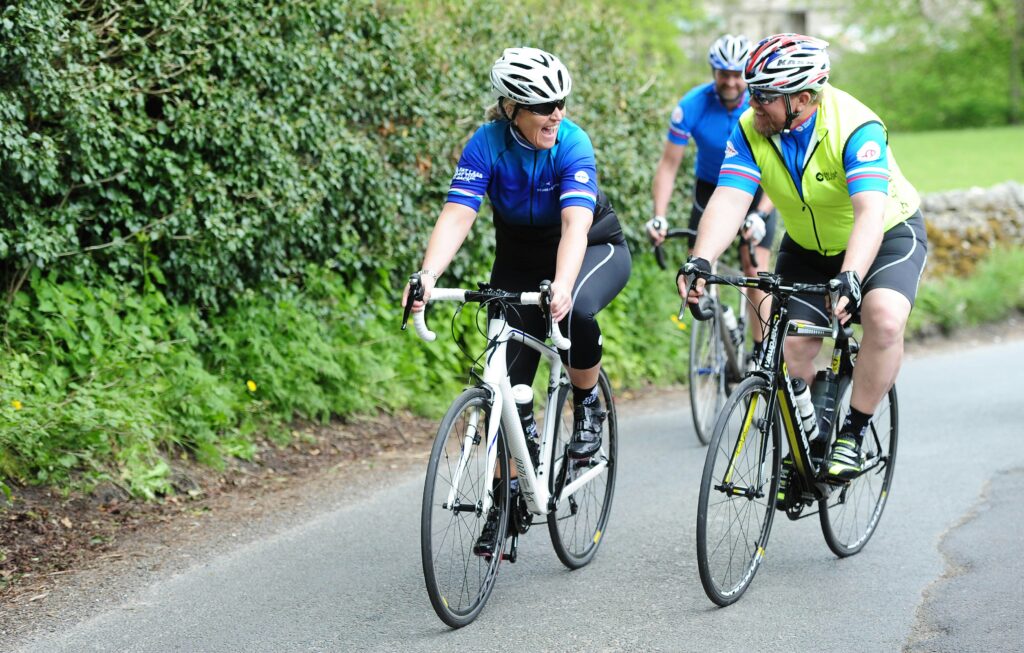
- Technically Skilled Motorists: Obtaining a driving licence in Czechia is a rigorous and demanding process. As a result, the vast majority of drivers possess a high level of technical control and a solid understanding of traffic regulations, even if their patience varies
- Contested Urban Spaces: In major hubs like Prague and Brno, the historical layout of narrow, cobbled streets and complex tram networks creates “pinch points.” In these high-pressure environments, urban drivers may occasionally view cyclists as an impediment to traffic flow
- The Rural Speed Differential: While country roads are quieter and more scenic, they often involve higher vehicle speeds. On winding lanes with limited forward visibility, the velocity difference between a car and a bicycle remains a primary safety factor for independent travellers
- The 1.5-Metre Passing Law: A monumental legislative shift requires motorists to leave a minimum lateral distance of 1.5 metres when overtaking a cyclist. In lower-speed zones (30 km/h or less), this mandatory distance is adjusted to 1 metre
- Statistical Patterns of Risk: Data reveals that a significant portion of cycling casualties occurs on rural roads rather than in urban centres. Intersections involving heavy goods vehicles (HGVs) and buses also represent a notable hazard due to blind spots
- National Safety Strategy 2021–2030: The Czech government has committed to an ambitious plan to reduce road fatalities and serious injuries by 50% by the end of the decade, leading to increased investment in safety infrastructure and public awareness
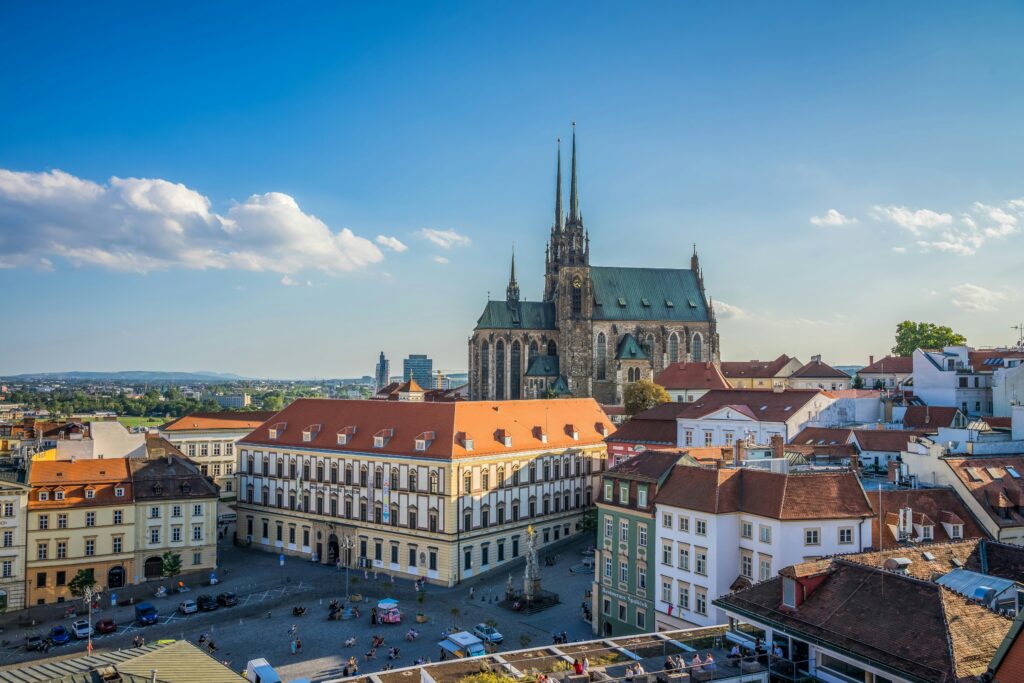
Prague.
There’s no other city like it
The reality of driver attitudes in Czechia
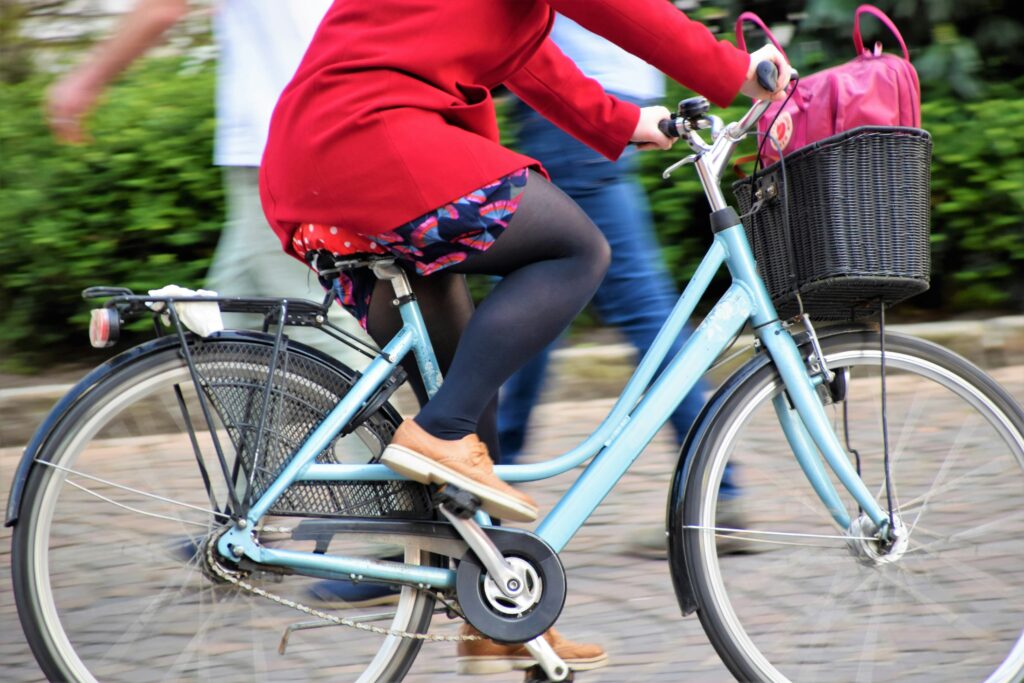
When evaluating the driving culture in Czechia, it is essential to look at how drivers are trained. Obtaining a driving licence in this country is a rigorous process, meaning the vast majority of motorists possess a high level of technical skill and a solid grasp of traffic regulations. Drivers generally know how to handle their vehicles efficiently, which translates to a predictable flow of traffic on major motorways and well-maintained rural routes.
However, technical proficiency does not always equate to patience when sharing the road with vulnerable users. In bustling urban centres like Prague or Brno, the driving culture can feel fast-paced and occasionally aggressive. The historical layout of these cities, featuring narrow, cobbled streets and complex tram networks, often creates pinch points where space is highly contested. In these environments, cyclists are sometimes viewed by motorists as an impediment to the flow of traffic rather than equal road users. You may experience instances where drivers follow too closely or attempt overtakes in tight spaces. Maintaining a confident, predictable road position is your best defence in urban traffic, as hesitancy can sometimes invite closer passes from impatient drivers.
Out in the countryside, the dynamic shifts. Rural Czechia is breathtakingly beautiful and generally much quieter, making it a paradise for endurance cyclists and cycle-tourists. Yet, the lack of congestion on rural roads often leads to higher vehicle speeds. While drivers are usually more relaxed outside the city limits, the velocity difference between a bicycle and a motor vehicle becomes a significant factor. It is highly recommended to stay highly visible, use daytime running lights, and remain vigilant on winding country lanes where forward visibility is limited. Overall, while you will encounter many courteous drivers who are happy to give you a wide berth, riding defensively and assertively remains a vital skill for anyone cycling in Czechia.
Crunching the numbers / Accident and casualty rates
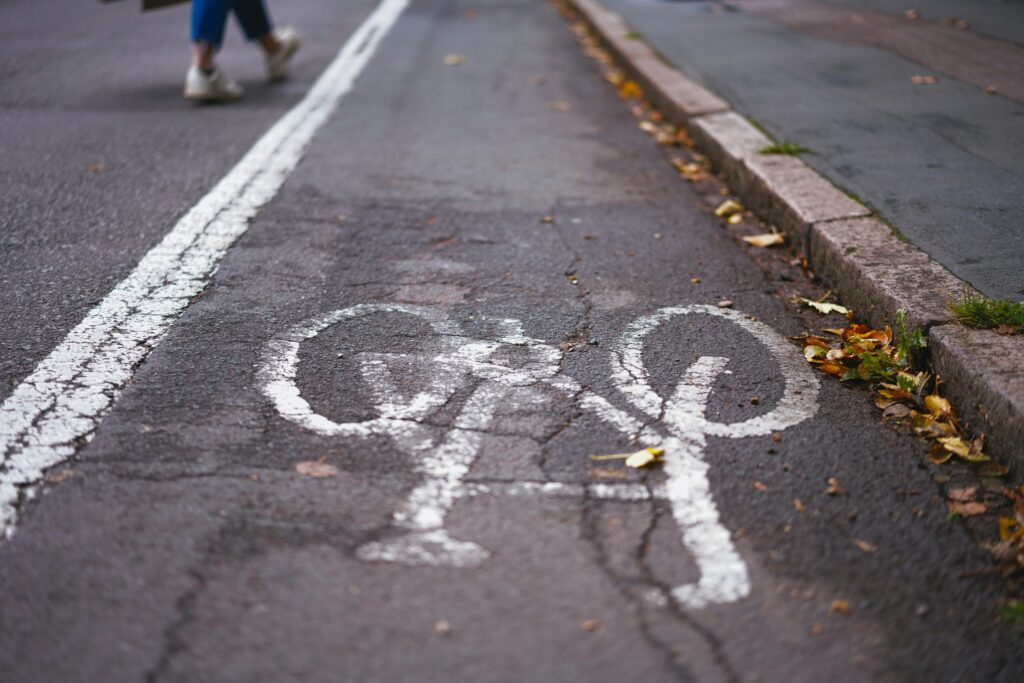
To truly understand the cycling environment, we must look at the data. Historically, Czechia has faced challenges regarding road safety, with the mortality rate per million inhabitants often sitting slightly above the European Union average. Annually, the country records over 500 road fatalities, and cyclists sadly account for roughly 10% of these tragic figures.
The statistics reveal clear patterns regarding where and how these accidents occur. A significant portion of cycling casualties happens on rural roads rather than in urban centres. The primary factor behind this is vehicle speed. When collisions occur outside built-up areas, the sheer force of the impact drastically increases the severity of the injuries sustained. One of the most common and dangerous accident mechanisms identified by road safety authorities is a cyclist being struck from behind by a motor vehicle on a straight stretch of road. This highlights the absolute necessity of high-visibility clothing and reliable rear lighting, even in broad daylight.
Intersections also represent a notable hazard, particularly concerning heavy goods vehicles and buses. Accidents often occur due to right-of-way disputes or when cyclists are caught in the blind spots of turning lorries. Furthermore, single-vehicle crashes—where a cyclist loses control without the involvement of a motorist—make up a surprisingly large percentage of severe injuries. These are often attributed to deteriorating road surfaces on minor routes, sudden weather changes, or riders misjudging the technical difficulty of a descent. While the numbers have shown a gradual decline over the past decade, and the Covid-19 pandemic temporarily reduced traffic volumes and accident rates, the statistics remind us that vigilance is non-negotiable.
Brno.
Explore Czechia’s second — and best — city
Paving the way for safer journeys / Road safety improvements
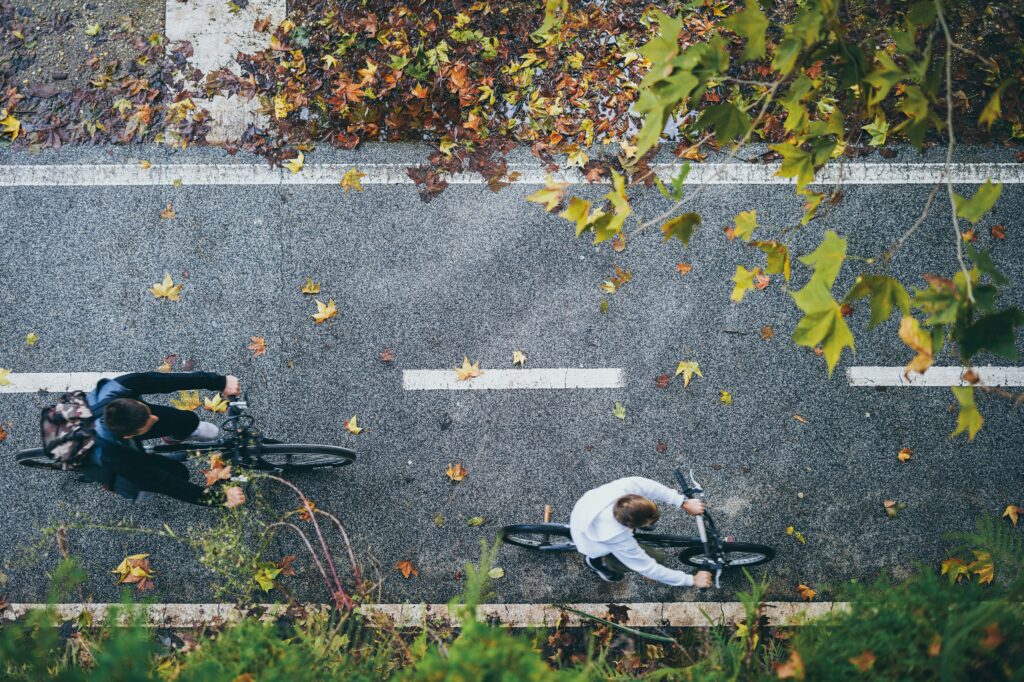
The good news for anyone planning a cycling trip is that Czechia is actively taking steps to improve road safety for vulnerable users. The government has implemented the National Road Safety Strategy 2021-2030, which sets an ambitious target of reducing fatalities and serious injuries by 50% by the end of the decade. This top-down commitment is slowly but surely reshaping the landscape for active travel.
Perhaps the most monumental improvement for cyclists in recent years was the introduction of the mandatory safe passing distance law. Following fierce campaigning by cycling advocacy groups and environmental initiatives, the Czech parliament passed legislation requiring motorists to leave a minimum lateral distance of 1.5 metres when overtaking a cyclist. On roads where the speed limit is 30 kilometres per hour or less, this mandatory distance is adjusted to 1 metre. Although the law was passed by an incredibly narrow margin, its implementation marks a massive cultural shift. It formally recognises the vulnerability of cyclists and provides a legal framework to penalise close, intimidating passes.
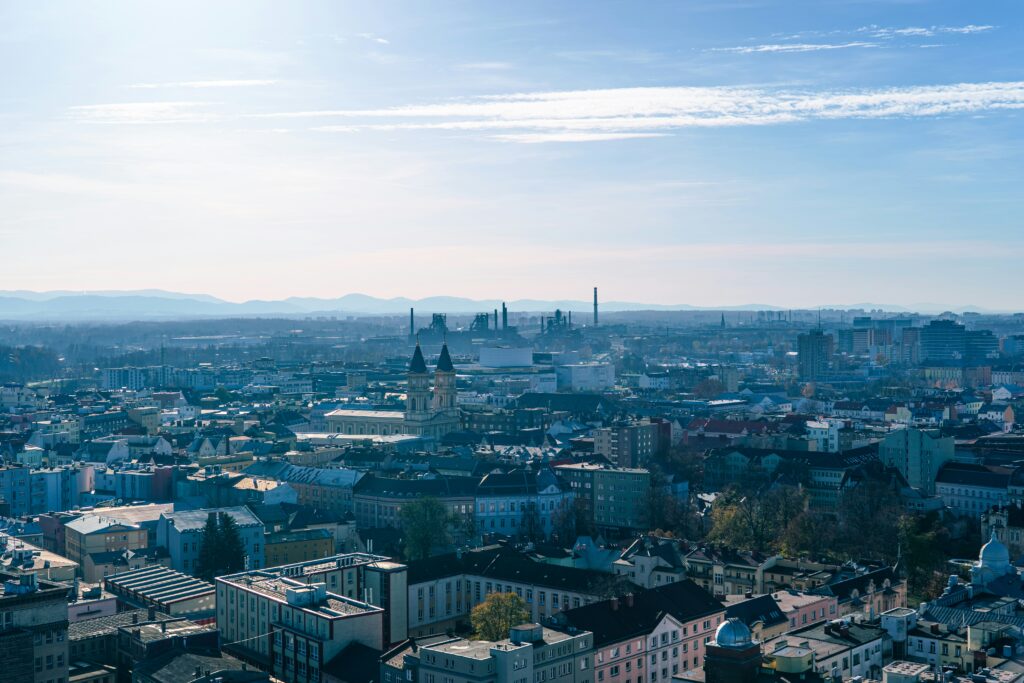
Beyond legislation, infrastructure is also seeing positive changes. Forward-thinking municipalities are investing heavily in urban planning. Cities like Ostrava are rolling out comprehensive Cycling Transport Strategies, utilising advanced mapping software to identify dangerous intersections and plan continuous, protected cycle tracks. In Prague, despite the geographical challenges and occasional pushback from motorists, there is a steady increase in dedicated cycle lanes and traffic-calming zones.
Furthermore, while the use of cycling helmets is currently only legally mandatory for riders under the age of 18, there are widespread national campaigns urging all adults to protect their heads. I don’t echo this sentiment, but regardless of your age or skill level, strapping on a helmet is the smartest decision you can make before turning the pedals in Czechia. If you are not wearing a helmet and anything goes wrong, you will be blamed for your injuries.
Bohemia.
Explore the heart of the Czech Republic
The Wheely Tyred verdict on cycling in Czechia
Czechia is a magnificent country just waiting to be explored by bike. The driving culture may require a period of adjustment, and the road safety statistics underline the need for caution, but the trajectory is undoubtedly positive. With new protective laws in place and infrastructure improving year upon year, there has never been a better time to pack your panniers. Respect the road, understand the local environment, and most importantly, ride a bike.
Frequently asked questions about cycling in Czechia
Because the licensing process is so strict, you can generally expect Czech drivers to have a high level of lane discipline and technical competence. However, this skill does not always translate to patience, particularly in congested city centres where drivers are accustomed to a fast-paced environment.
While cities feel more chaotic due to trams and narrow streets, national statistics indicate that more serious accidents involving cyclists occur on rural roads. This is often attributed to higher vehicle speeds and the lack of dedicated cycling infrastructure on winding, inter-city routes.
The introduction of the mandatory 1.5-metre safe passing law is the most significant change. While it was passed by a narrow margin, it has forced a cultural conversation about the rights of vulnerable road users and provides a clear legal framework for safe overtaking.
Be extremely vigilant around buses and lorries, especially at intersections. These vehicles have significant blind spots, and right-of-way disputes are a common cause of accidents. It is always safer to hang back and ensure you have been seen before proceeding through a junction.
Visibility is your best defence. Independent cyclists are encouraged to use high-quality daytime running lights. Staying alert on sections with limited forward visibility ensures you can react to approaching vehicles before they reach you.
Czechia.
Discover Czechia / History reimagined