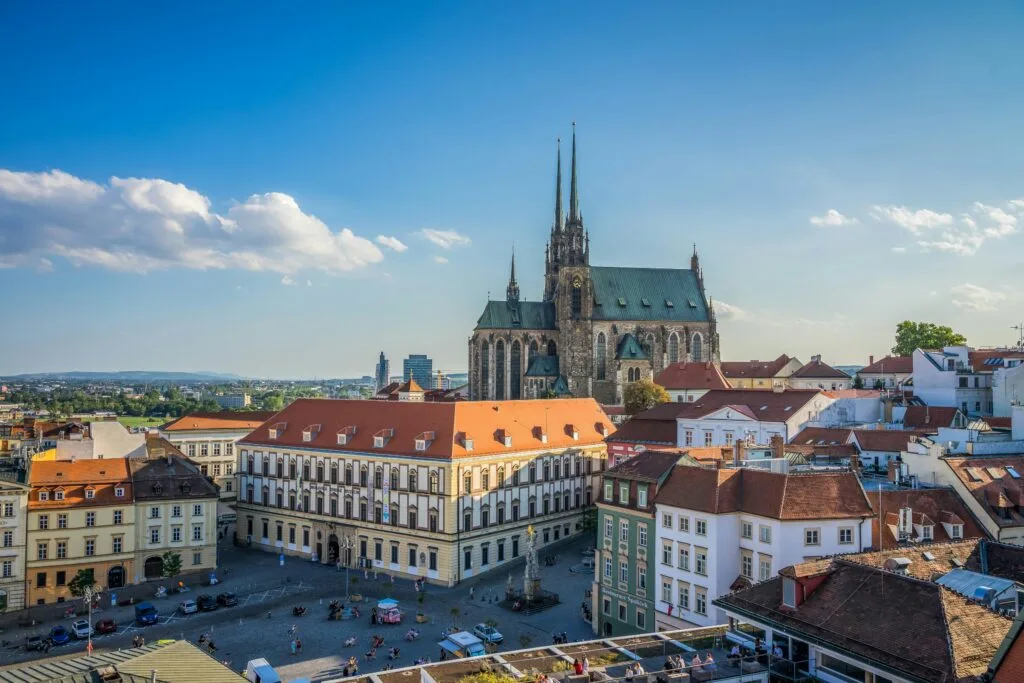
Brno’s hidden gems / The Moravian capital that rewards the patient wanderer
Best hidden gems in Brno, Czechia / A guide to the city’s secret spots
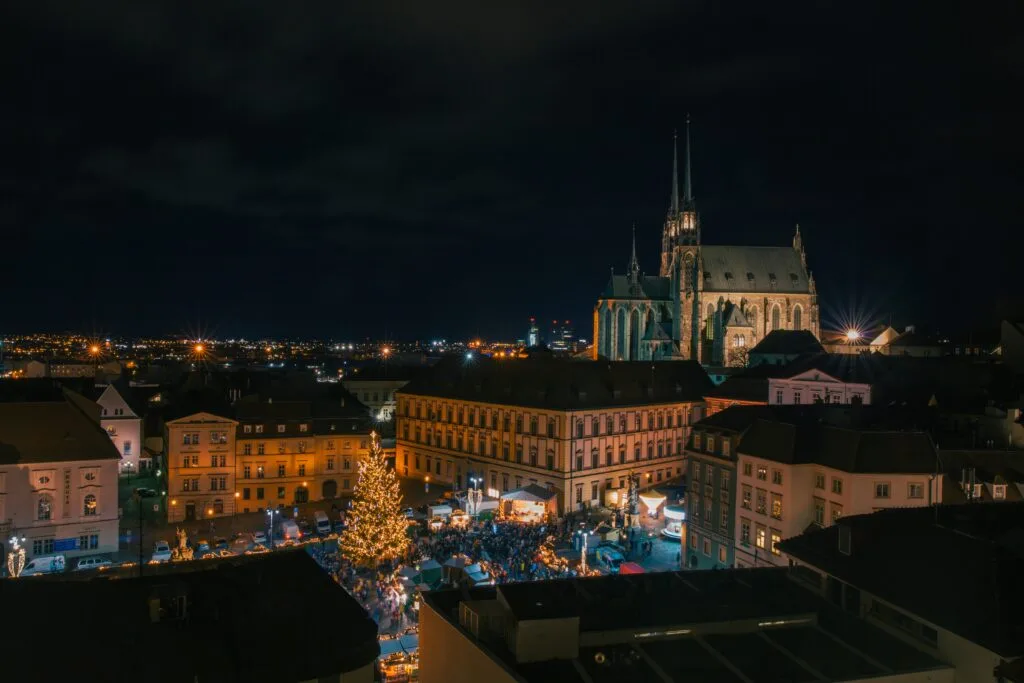
Trade the tourist trails for the soul of Moravia
BEN FINCH
There is a specific kind of satisfaction that comes from arriving in a city that the rest of the world has forgotten to colonise with selfie sticks. Brno, the second-largest city in the Czech Republic, is precisely that place. It does not beg for your attention with the gilded flamboyance of Prague; instead, it waits for you to find its rhythm. For the independent traveller, those who prefer the hum of a bicycle tyre on tarmac or the rhythmic clatter of a regional train, Brno is a revelation. It is a city of functionalist clean lines, deep-rooted history, and a subterranean world that rivals any in Europe.
At Wheely Tyred, we believe the best way to know a place is to peel back the layers at your own pace. Brno is not a city to be seen from the window of a tour bus. It is a city to be felt in the cool air of a Cold War bunker, the silence of an underground ossuary, and the wind on your face as you cycle toward the vineyards of South Moravia. If you are looking to skip the highlights and find the heart, these are the hidden gems that define the Brno experience.
Subterranean secrets / Key highlights of Brno’s hidden gems
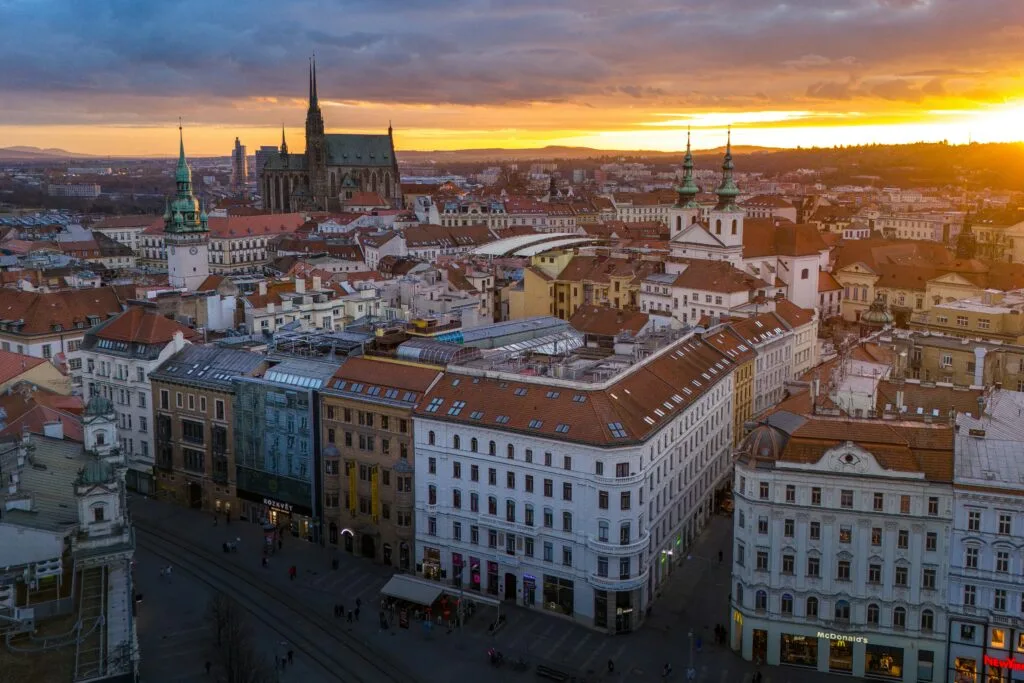
Brno is a city that rewards those willing to look beneath the surface—literally. While the skyline is dominated by Špilberk Castle, the most profound experiences are often found in the underground of Moravia’s capital. These six sites offer a deep dive into the city’s complex layers:
- The 10-Z Bunker: A once-classified nuclear fallout shelter carved into the rock beneath Špilberk Castle. Originally an air-raid shelter, it now serves as a Cold War time capsule where visitors can explore the technical heart of the city’s former defences
- The Ossuary at St. James Church: The second-largest ossuary in Europe, discovered almost by accident in 2001. It is a hauntingly beautiful and meditative space where the remains of 50,000 people are arranged with striking precision
- The Labyrinth Under the Vegetable Market: A series of interconnected medieval cellars and passages beneath Zelný trh. It offers a glimpse into how the city’s merchants stored food and drink centuries ago, complete with recreations of an alchemist’s lab
- Žlutý kopec Water Tanks: Recently opened to the public, these massive brick reservoirs are subterranean cathedrals of industrial engineering. The play of light and shadow across the endless brick arches creates a space that feels entirely otherworldly
- The Capuchin Crypt: A sombre lesson in impermanence located beneath the Capuchin Church. The unique ventilation of the crypt naturally mummified the monks and local nobility, who remain laid to rest in their simple habits
- Villa Stiassni: A hidden Modernist masterpiece from the late 1920s. Set within sprawling gardens, it offers a more intimate look at the city’s architectural obsession than the famous Villa Tugendhat, reflecting the lifestyle of Brno’s industrial elite
Brno.
Explore Czechia’s second — and best — city
The 10-Z Bunker / A Cold War time capsule
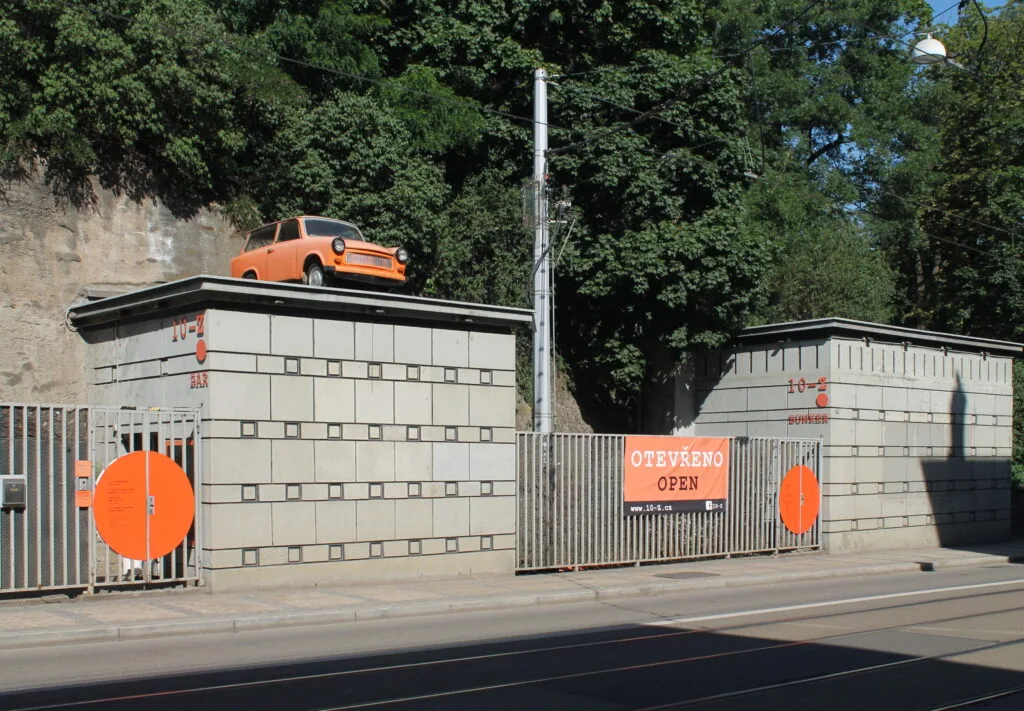
Tucked away beneath the hills of Špilberk Castle lies a site that remained a state secret for decades. The 10-Z Bunker was originally built during the Nazi occupation as an air-raid shelter but was later converted by the Communist regime into a nuclear fallout shelter for the city’s elite. It was designed to keep five hundred of the most important people in the region alive for three days in the event of a nuclear strike.
Walking into 10-Z is like stepping through a tear in the fabric of time. Unlike many museums that sanitise history, 10-Z feels raw. The air is thick and cool, smelling of damp concrete and old machinery. You are handed a map at the entrance and left to explore the labyrinthine tunnels yourself. This lack of a formal guide is a gift; it allows you to linger in the telephone exchange room or stare at the massive diesel generators that were meant to keep the lights on while the world above ended. The bunker also houses the original doors from the Cejl prison, etched with the final messages of prisoners. It is a sobering, immersive experience that offers a perspective on the 20th century that no history book can replicate.
The Ossuary at St. James Church / A silent gathering
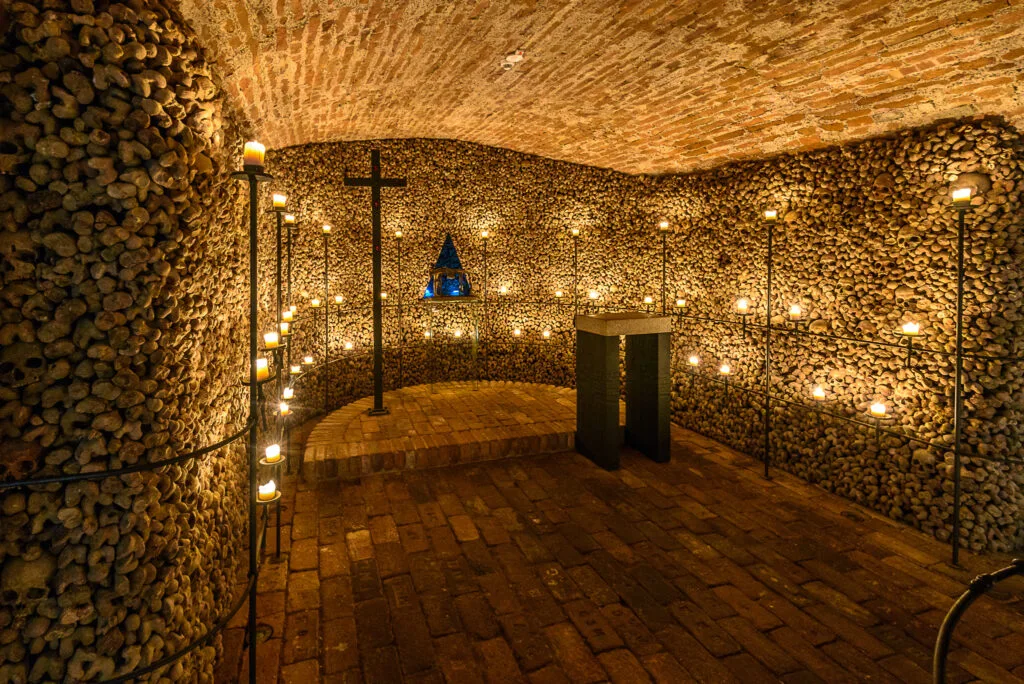
Most visitors to Brno will notice the elegant spire of St. James Church, but few realise that they are walking over the remains of fifty thousand people. Discovered almost by accident in 2001 during a routine archaeological survey, this is the second-largest ossuary in Europe, surpassed only by the catacombs of Paris.
The experience of entering the ossuary is profoundly meditative. You descend a nondescript staircase into a series of chambers where bones and skulls are stacked with haunting precision. This was not a site of violence, but a pragmatic solution to a growing city. As the local cemetery filled during plague and cholera epidemics, older remains were moved to the underground crypts to make room for the new. Today, the space is illuminated by soft, atmospheric lighting and accompanied by a hauntingly beautiful soundtrack composed specifically for the site by Miloš Štědroň. It is a place of reverence that reminds the traveller of the transience of life, a perfect stop for those who value depth over surface-level sightseeing.
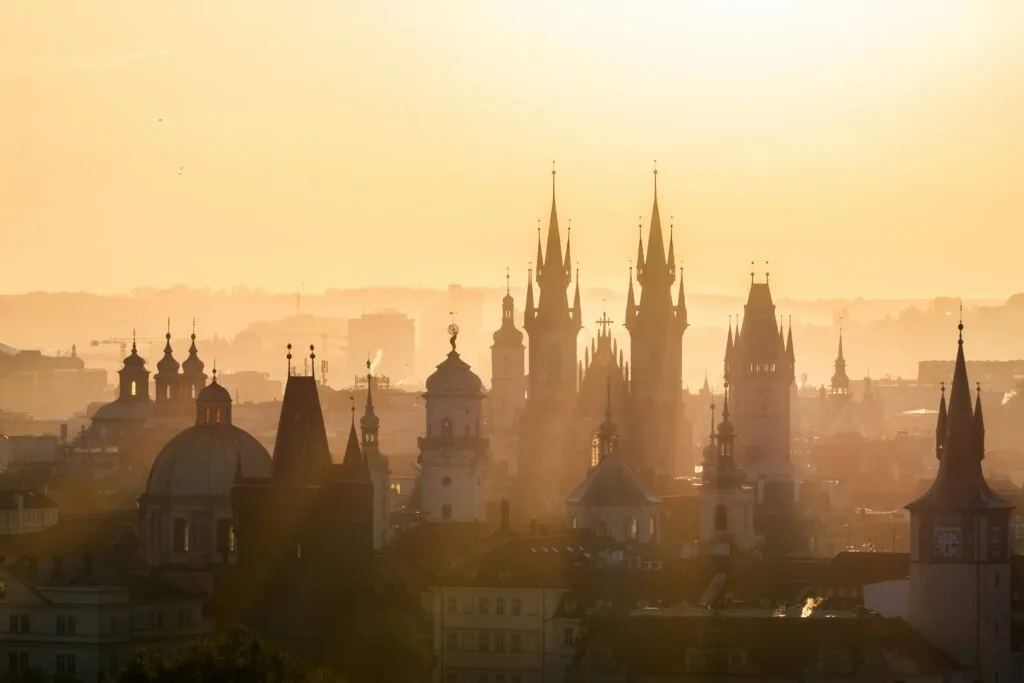
Moravia.
Welcome to wine country
The labyrinth under the Vegetable Market
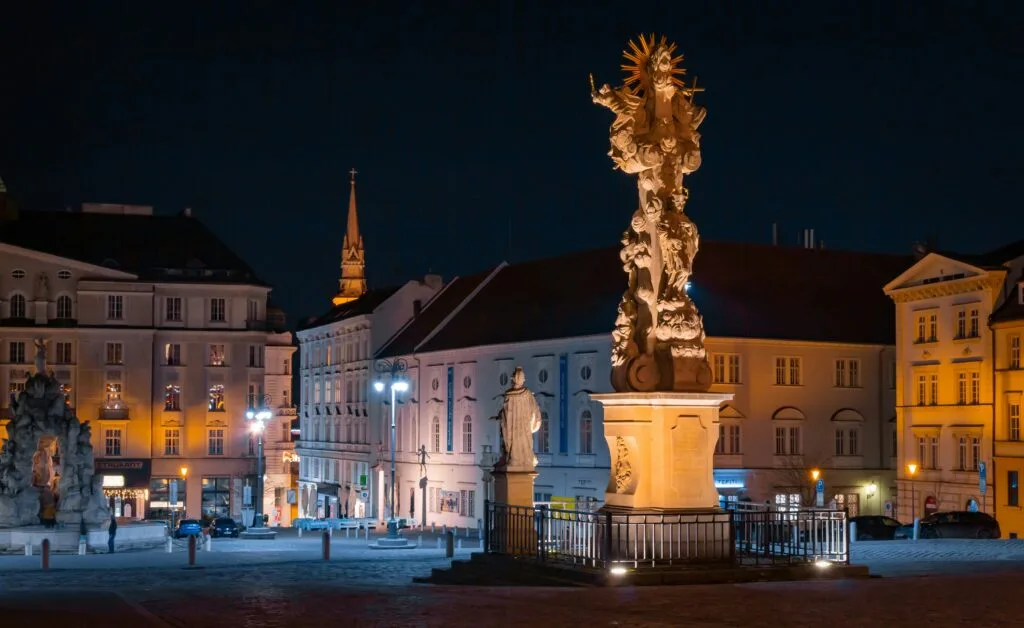
While the Zelný trh market square above is a riot of colour, local produce, and the scent of fresh flowers, the world beneath it is a dark network of medieval cellars. The Labyrinth Under the Vegetable Market is a series of interconnected passages that dates back to the Middle Ages. Historically, these cellars were used for cooling food, maturing wine, and as a refuge during times of war.
Exploring the labyrinth feels like a journey through the daily lives of the Moravian people from centuries past. You will find recreations of an alchemist’s laboratory, a medieval tavern, and even a cage of fools. The sheer scale of the engineering required to carve these spaces into the rock is staggering. For the independent traveller, it provides a physical map of how the city evolved, layer by layer. It is a cool retreat on a summer day and a fascinating look at the ingenuity of a people who lived much of their lives in the shadows of the surface.
Žlutý kopec water tanks / The subterranean cathedral
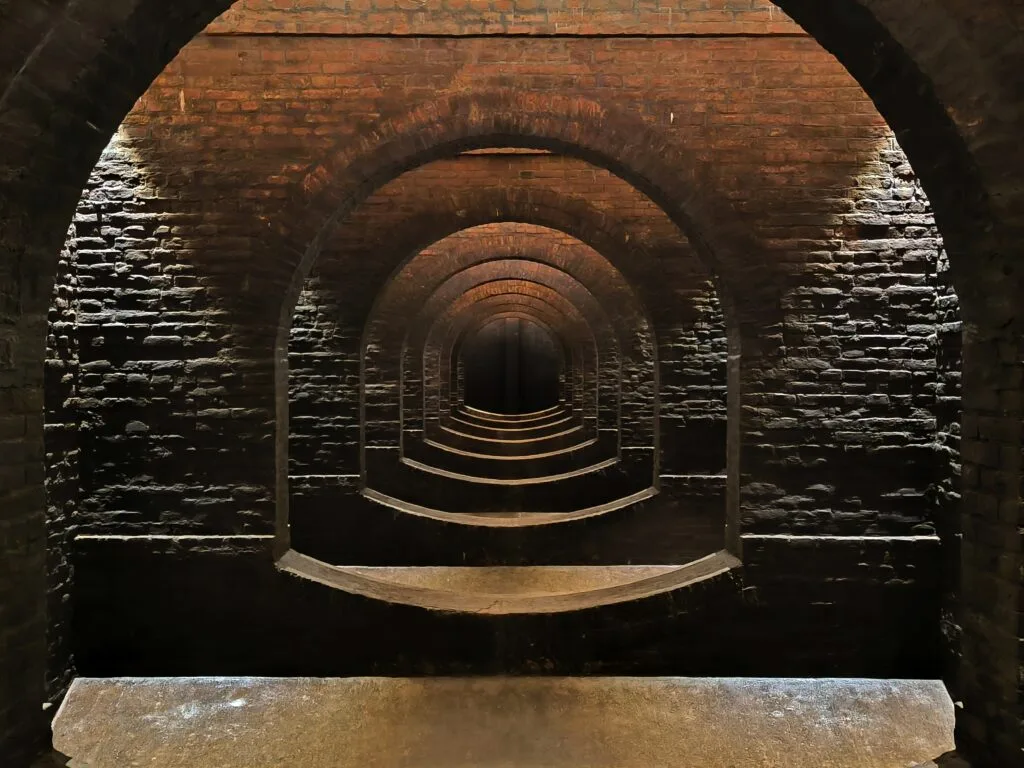
Perhaps the most visually stunning of all Brno’s secrets are the water tanks at Žlutý kopec. Recently opened to the public, these are not mere utility structures; they are brickwork masterpieces that feel more like subterranean cathedrals than water reservoirs. Built in the late 19th and early 20th centuries to provide the city with clean water, the tanks feature towering pillars and arched ceilings that create incredible acoustics and reflections.
There is a stillness here that is almost spiritual. The red brickwork, glowing under carefully placed lights, creates a sense of immense scale and timelessness. It is the kind of place that rewards the curious. There are no crowds here, only the vast, echoing silence of a bygone era of industrial grandeur. It is a testament to the idea that even the most functional structures can be built with beauty and soul.
Mikulov.
The hidden gem of Moravia
The Capuchin Crypt / A lesson in impermanence
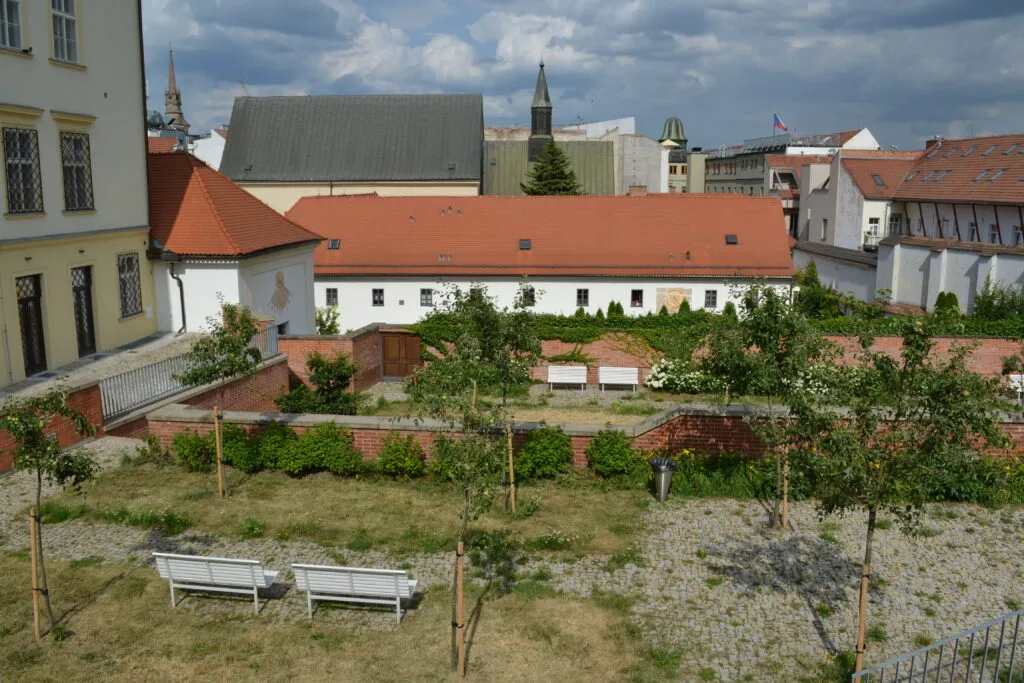
In the basement of the Capuchin Monastery, history is preserved in a way that is both macabre and fascinating. Due to the specific geological composition of the ground and a sophisticated ventilation system, the bodies of the Capuchin monks buried here did not decompose but became naturally mummified.
The monks were laid to rest directly on the ground, reflecting their vow of poverty, with their heads resting on bricks. Seeing them today, still in their robes, is a stark encounter with the past. The crypt also houses the remains of local nobility, including the famous mercenary Baron Trenck. It is a site that commands silence and reflection, offering a window into the spiritual life of Moravia that feels entirely separate from the modern world outside.
Villa Stiassni / The hidden Modernist gem
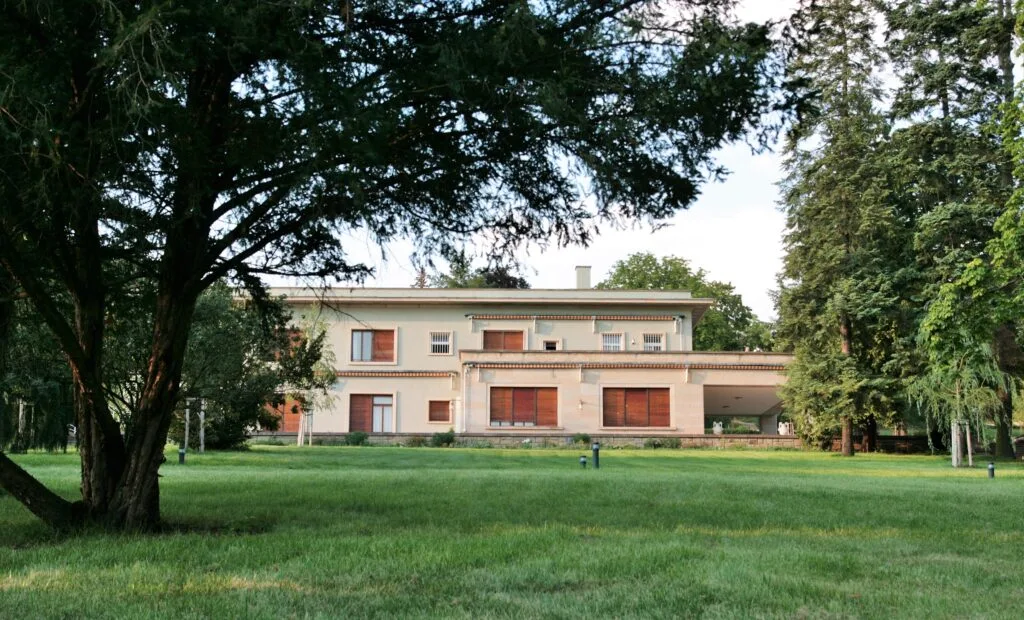
While Villa Tugendhat gets all the international acclaim, those in the know head to Villa Stiassni. Built in the late 1920s for a Jewish textile magnate, the villa is a stunning example of individualist modernism. It lacks the stark minimalism of Mies van der Rohe’s work, opting instead for a blend of luxury, comfort, and functionalist design.
The villa is set within a sprawling garden that offers some of the best quiet views of the city. Because it is less famous than its UNESCO-listed neighbour, you can often enjoy the interiors and the grounds in near solitude. It tells a story of the wealthy industrial class of Brno before the tragedies of the 20th century, and its preservation is a triumph for anyone interested in architecture and social history.
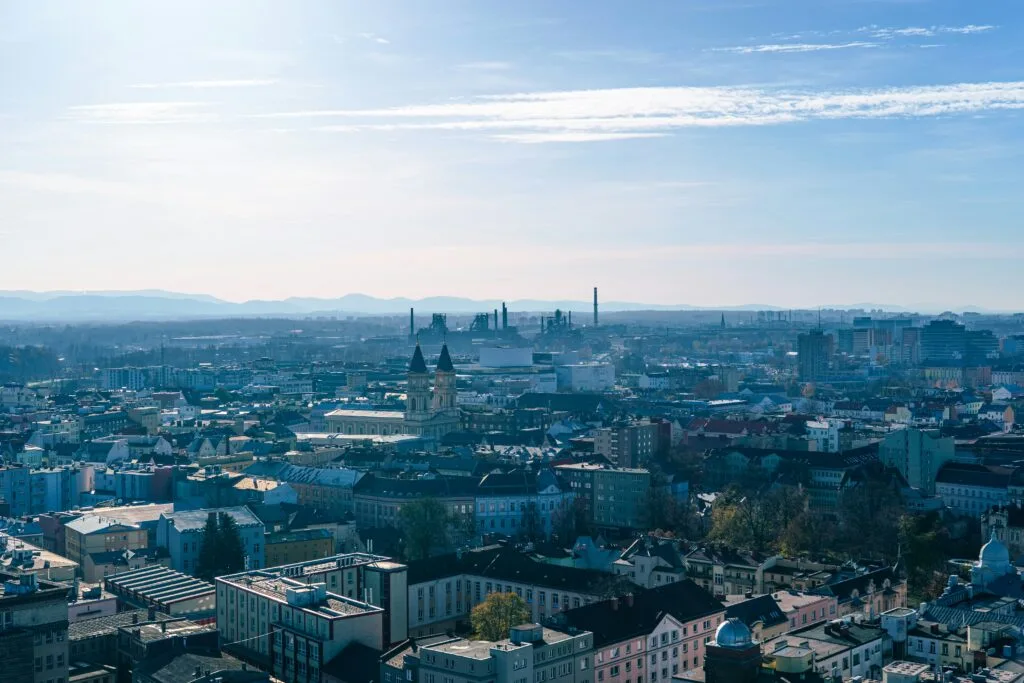
Bohemia.
Explore the heart of the Czech Republic
Exploring the Moravian countryside
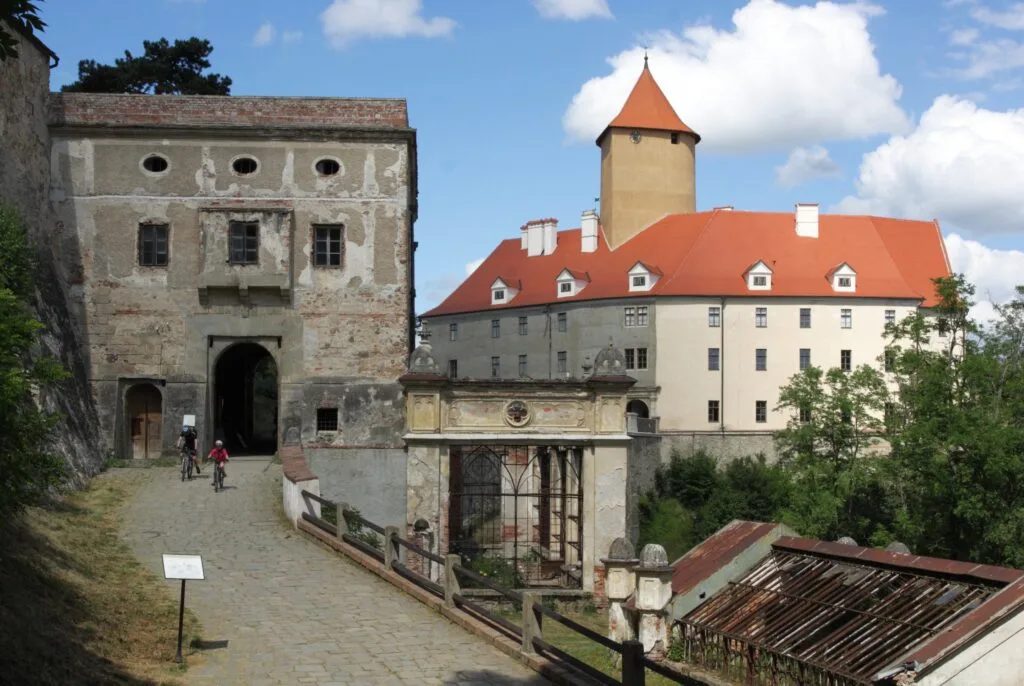
Once you have unpicked the secrets of the city centre, the best way to expand your horizons is on two wheels. Brno is the gateway to some of the finest cycling terrain in Central Europe. Within twenty kilometres of the city, you can find the Brno Reservoir, a sprawling body of water surrounded by forested hills. A circular route around the reservoir takes you past the dramatic Veveří Castle, perched on a rocky outcrop overlooking the water. It is an easy, rewarding ride that transitions perfectly from urban grit to natural beauty.
For those looking for a southern heading, a flat and scenic path leads fifteen kilometres to the Rajhrad Monastery, one of the oldest in Moravia. If you have a bit more in your legs, a twenty-kilometre ride east will bring you to the town of Slavkov u Brna, better known to history as Austerlitz. This is the site of Napoleon’s greatest victory, and the battlefield remains a poignant, rolling landscape perfect for a reflective day trip.
Further afield, the Moravian Karst offers a dramatic change of pace with its deep limestone canyons and the famous Macocha Abyss. These routes are easily accessible and provide the independent traveller with the freedom to discover the villages, vineyards, and vistas that make Moravia such a compelling destination for those who choose to travel by bike.
Affiliate Disclaimer: Some of the links on Wheely Tyred are affiliate links. If you click through and make a booking or purchase, we may earn a small commission at no extra cost to you. We only recommend gear, tours, stays, and services we genuinely use, trust, and stand behind — our editorial independence always comes first. These commissions help keep our independent cycling guides and travel stories free to read. Thanks for supporting the ride!
Frequently asked questions about Brno’s hidden gems
Most of the subterranean sites, such as the Labyrinth and the Ossuary, involve descending staircases and walking through cool, damp environments. While the 10-Z Bunker and the water tanks at Žlutý kopec are accessible, the temperature stays at a constant 14°C year-round. It is recommended to wear sturdy footwear and bring a light jacket, even in the height of summer.
The water tanks have specific opening hours and often require pre-booked tickets due to their immense popularity and controlled visitor numbers. It is best to check the official Brno Underground portal or visit the Tourist Information Centre in the Town Hall to secure a slot, as they frequently sell out in advance.
The bunker is unique because it also functions as a hostel. While day visitors can explore the museum sections, those staying overnight get a much more immersive experience of the facility’s heavy atmosphere. The on-site Milk Bar also serves traditional, era-appropriate snacks for a complete historical immersion.
Discover more about the best places to stay in Brno.
The ossuary is a place of profound silence and respect. While children are permitted, the atmosphere is sombre and reflective. It is not a spooky attraction but rather a pragmatic historical site. Parents should judge whether their children can maintain the quiet reverence the space commands.
The water tanks at Žlutý kopec are a photographer’s dream. The scale of the brickwork and the reflections in the water (if present) create incredible geometric patterns. However, please note that professional photography equipment like tripods may require special permission or a specific ticket type in some of these historic locations.
Most of the city-centre underground sites—the Labyrinth, the Ossuary, and the Capuchin Crypt—are within a ten-minute walk of each other. You can easily see these three in a morning. For the 10-Z Bunker and Žlutý kopec, you will need to head slightly further toward the hills, making them perfect stops for the afternoon. All are well-connected by Brno’s efficient tram system.
Czechia.
Discover Czechia / History reimagined