Silver, skulls, and spires / The essential guide to Kutná Hora’s icons
Beyond the shadow of Prague / Why Kutná Hora demands your attention
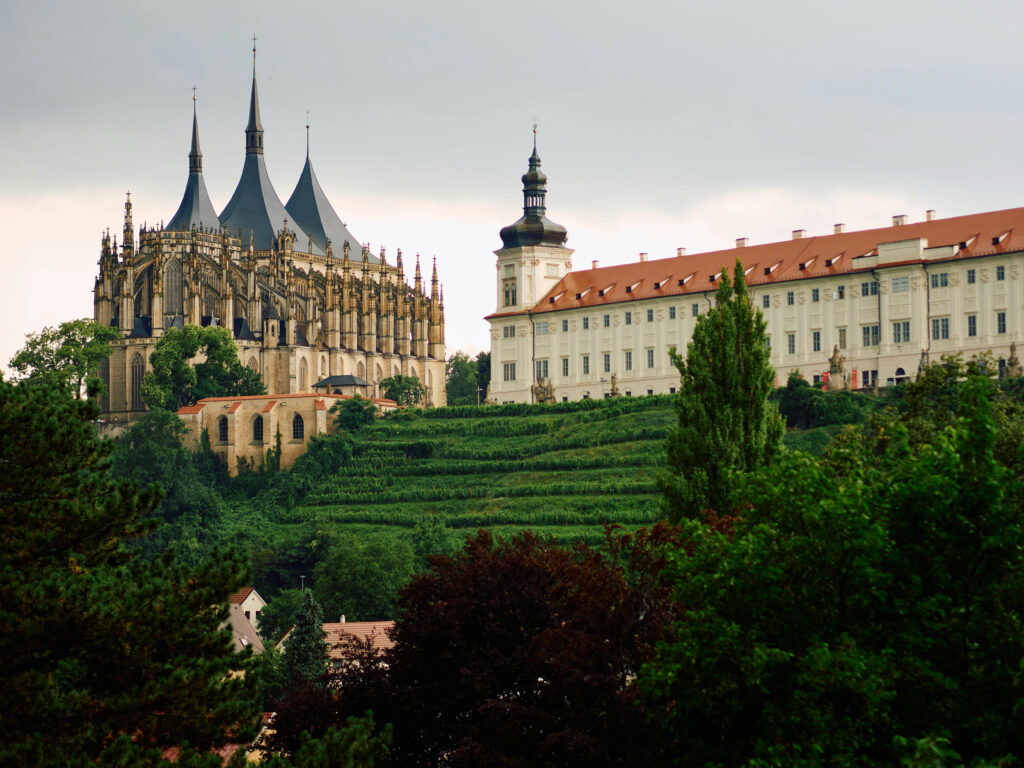
The Bohemian city that once rivalled Prague
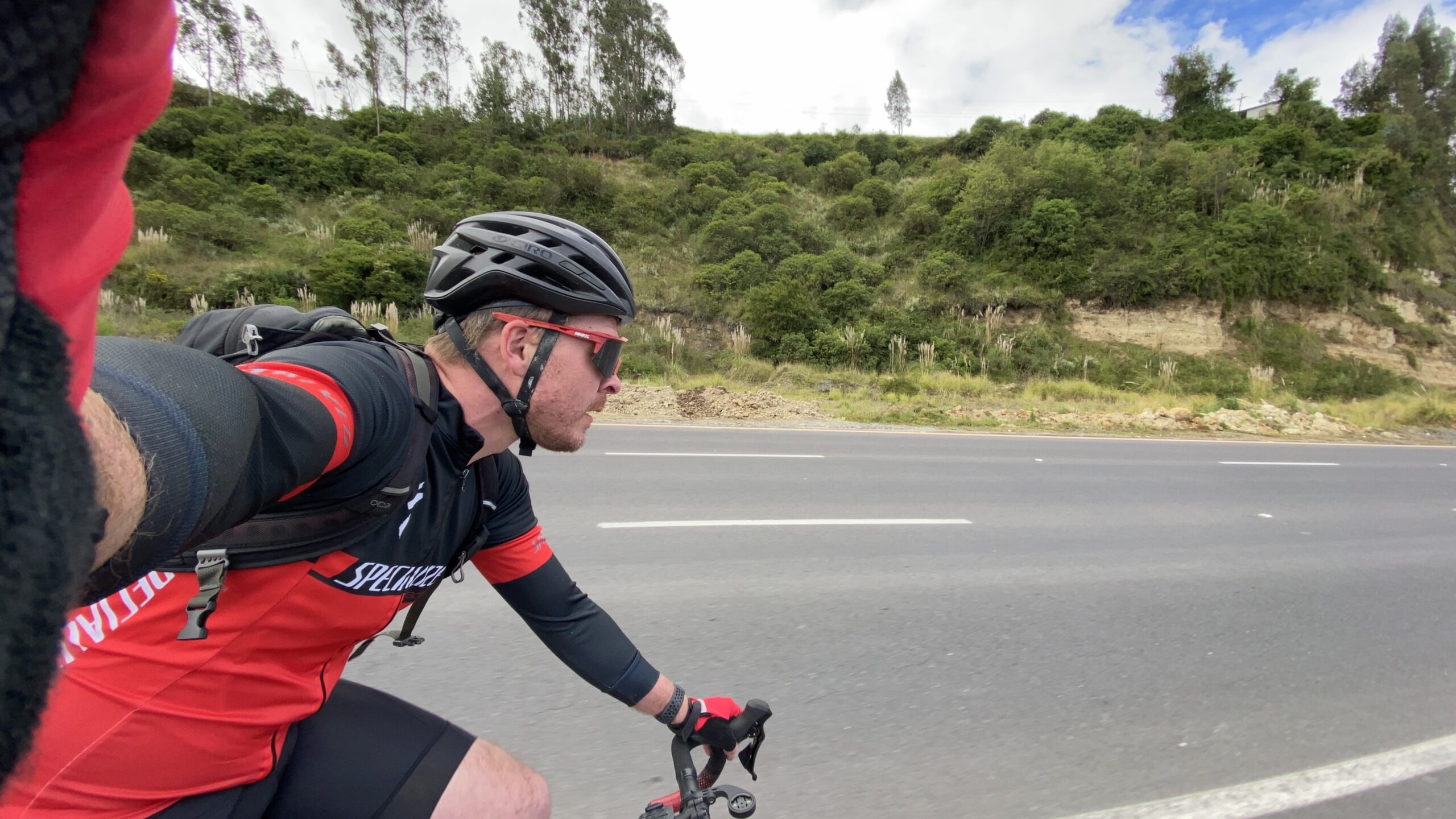
BEN FINCH
For many, Kutná Hora is a whispered suggestion heard in a Prague cafe—a medieval gem tucked away in the Central Bohemian countryside. But to treat this city as a mere footnote to the capital is to miss the point entirely. In the 14th century, Kutná Hora was the silver-veined heart of the Kingdom of Bohemia, a city so wealthy and influential that it rivalled Prague for political and cultural supremacy. Today, that legacy is etched into every jagged gargoyle and cobblestone alleyway.
For the traveller who values autonomy, Kutná Hora offers a refreshing change of pace. While the Umbrella Tours congregate around specific photo spots, the city’s layout invites a more deliberate exploration. It is a place where the weight of history is tangible, from the chilling intimacy of the Bone Church to the soaring, defiant heights of Saint Barbara’s Cathedral. This is a destination for those who want to understand the soul of Bohemia, not just tick a box on a list.
The Silver City’s core / A snapshot of Kutná Hora
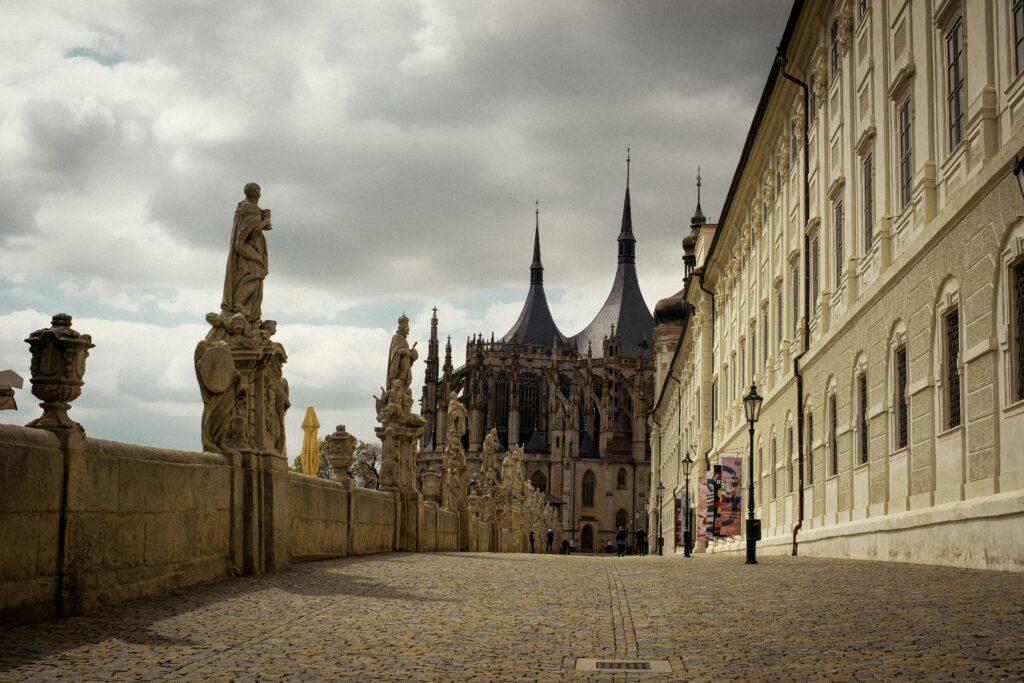
Kutná Hora was once the financial engine of the Bohemian Kingdom, and its architecture reflects a city that was, for a time, a rival to Prague itself. Here is a summary of the six essential landmarks that define its history:
- The Sedlec Ossuary: A world-famous Bone Church containing the artistically arranged remains of up to 70,000 people, serving as a visceral meditation on mortality
- St Barbara’s Cathedral: A Gothic masterpiece dedicated to the patron saint of miners, featuring unique tented roofs and frescoes that depict medieval silver production
- The Italian Court: The former royal mint and palace where the prestigious Prague groschen was struck, acting as the economic heart of Central Europe for centuries
- Czech Museum of Silver and Medieval Silver Mine: A hands-on look at the city’s source of wealth, including the chance to navigate authentic 15th-century mining shafts
- Church of the Assumption of Our Lady and St John the Baptist: A light-filled example of Baroque Gothic architecture that offers a serene, geometric contrast to the city’s denser historic sites.
- Corpus Christi Chapel: An unfinished Gothic chapel situated next to St Barbara’s, offering some of the most spectacular panoramic views over the surrounding valley
Prague.
There’s no other city like it
1. The Sedlec Ossuary (The Bone Church)
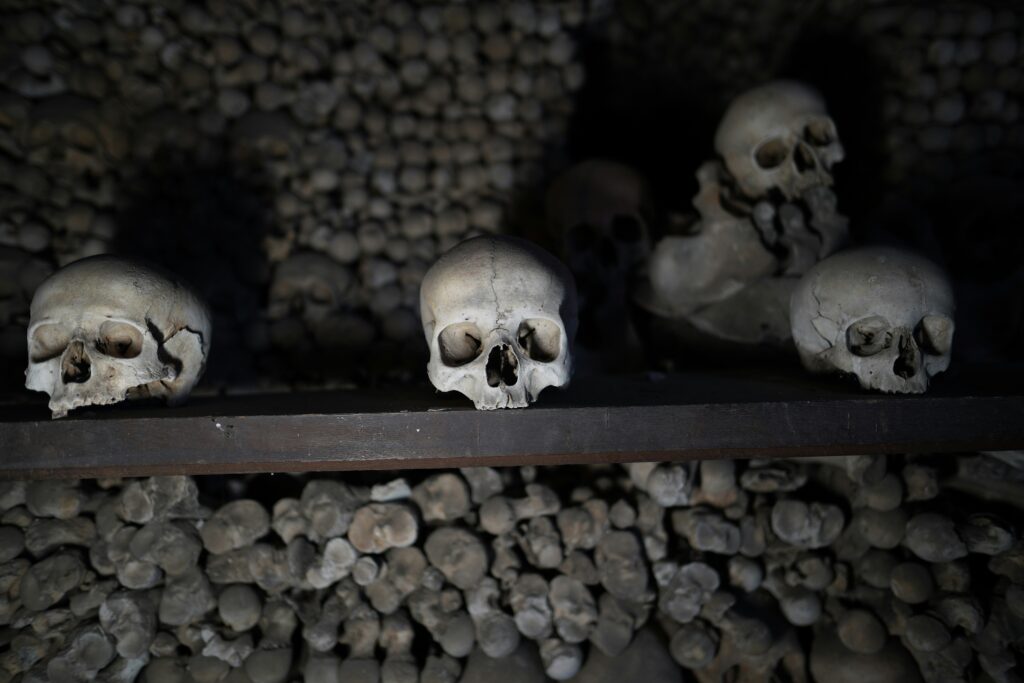
The Sedlec Ossuary is, without doubt, one of the most remarkable and polarising sites in Europe. Located in the suburb of Sedlec, this small Roman Catholic chapel is estimated to contain the skeletons of between 40,000 and 70,000 people. However, these are not simply stored; they are woven into the very fabric of the interior.
As you descend into the lower chapel, you are met with an extraordinary display of memento mori. Huge pyramids of skulls occupy the corners, while a massive chandelier—reputedly containing at least one of every bone in the human body—hangs from the centre of the nave. The artistry is the work of woodcarver František Rint, who was commissioned in 1870 to put the heaps of bones into order. The result is a profound, if macabre, meditation on the equality of all people in the face of death. It is a site that demands silence and reflection, far removed from the spectacle of a traditional museum.
2. St Barbara’s Cathedral
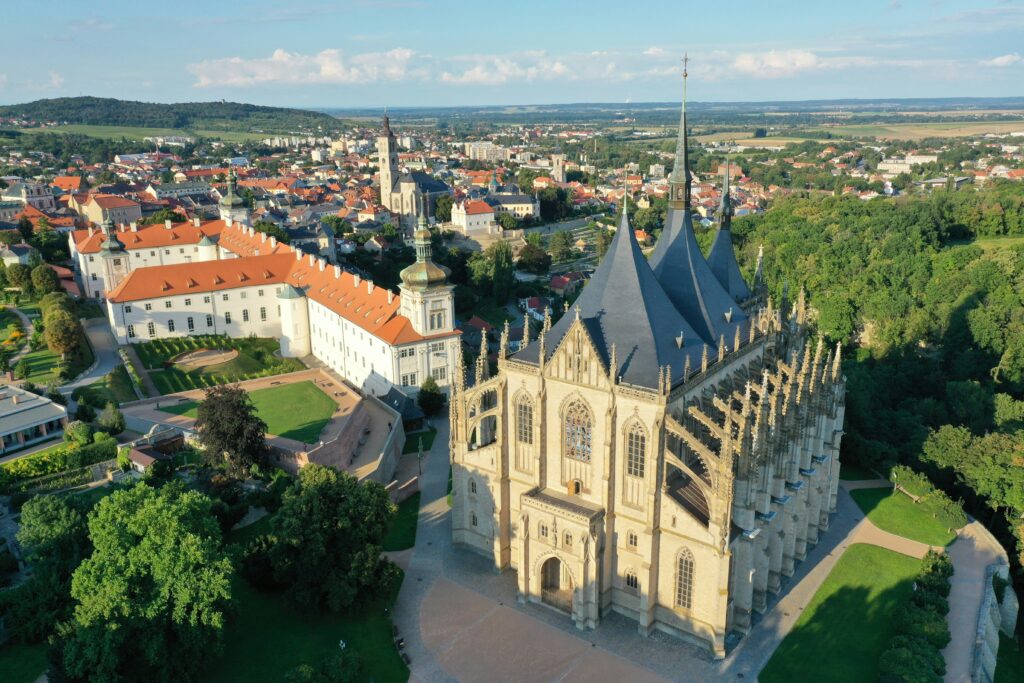
If the Ossuary represents the earthly end, St Barbara’s Cathedral represents the divine aspiration of Kutná Hora’s silver miners. Dedicated to the patron saint of miners, this UNESCO World Heritage site is a masterpiece of Late Gothic architecture. Its distinctive three-tented roof and flying buttresses create a silhouette that is visible from miles across the Bohemian landscape.
Inside, the cathedral is a gallery of medieval life. Unlike many European cathedrals that focus solely on biblical themes, the frescoes here depict the gritty reality of silver mining and coin minting. The light filtering through the stained glass illuminates ribbed vaulting that appears almost organic, like the canopy of a stone forest. It is a testament to what a community can achieve when wealth meets unwavering faith.
Bohemia.
Explore the heart of the Czech Republic
3. The Italian Court (Vlašský dvůr)
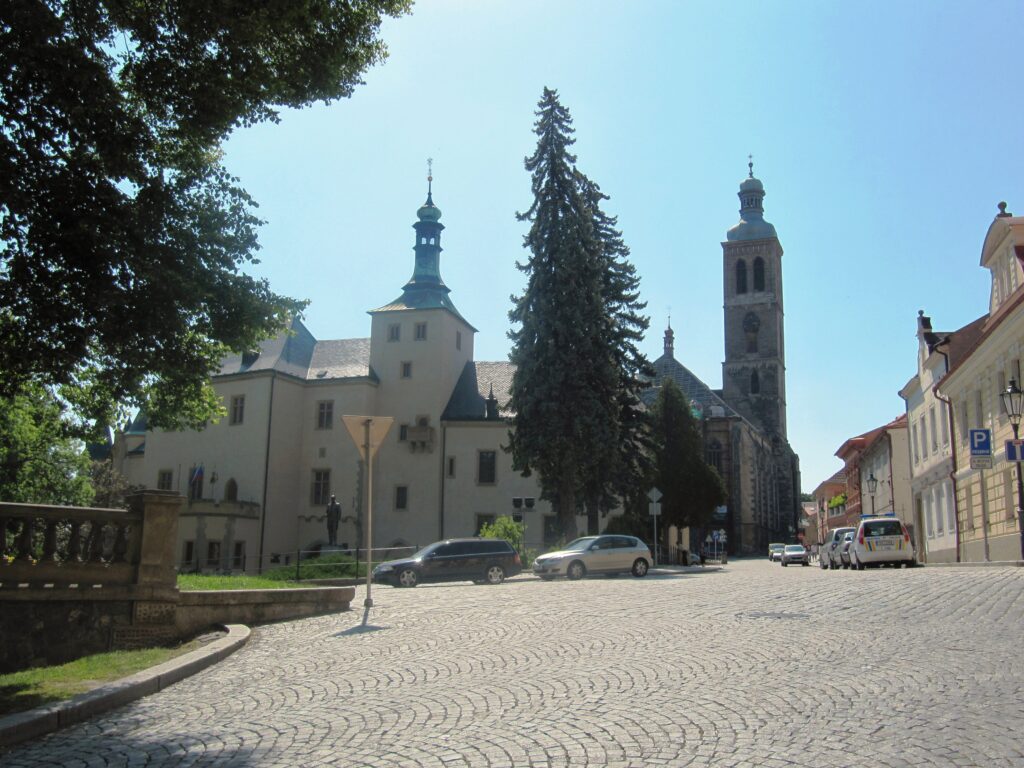
Once the central mint of the Prague groschen and a temporary residence for Bohemian kings, the Italian Court is the secular heart of the city’s history. Named after the Italian experts invited to reform the minting process in the 13th century, this fortified palace was the Wall Street of the Middle Ages.
A visit here takes you through the royal chapel and the audience hall, but the real draw is the history of the silver itself. You can see where the prestige of the kingdom was literally hammered out of raw ore. The courtyard remains an atmospheric spot to pause and consider how the silver from these hills once funded the construction of half of Central Europe.
4. The Czech Museum of Silver and Medieval Silver Mine
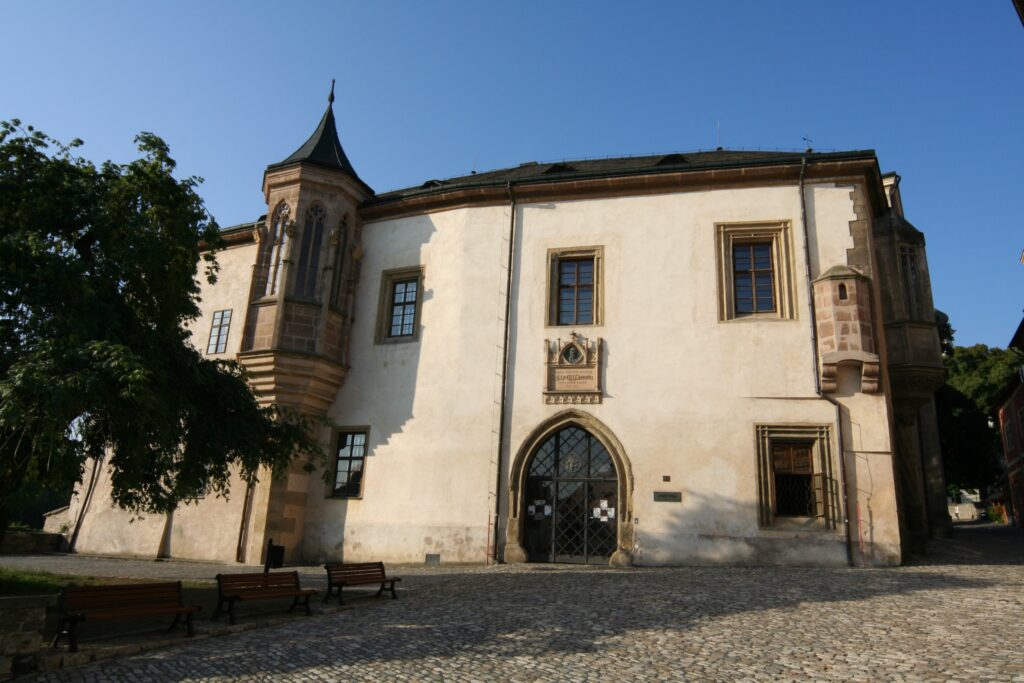
To truly understand Kutná Hora, one must go underground. The Museum of Silver, housed in the grand Hrádek (Little Castle), offers a comprehensive look at the life of a medieval miner. However, the highlight is the guided tour of the Osel mine.
Donning a white miner’s coat and a helmet with a lamp, you navigate narrow, authentic 15th-century shafts. It is a visceral experience that highlights the immense physical toil that built the city’s opulence. It puts the grandeur of the cathedrals above ground into a sobering perspective. For the independent traveller, it’s a reminder that the best views aren’t always at the top of a tower; sometimes, they are 200 metres below the surface.
Karlovy Vary.
The king’s city
5. The Church of the Assumption of Our Lady and Saint John the Baptist
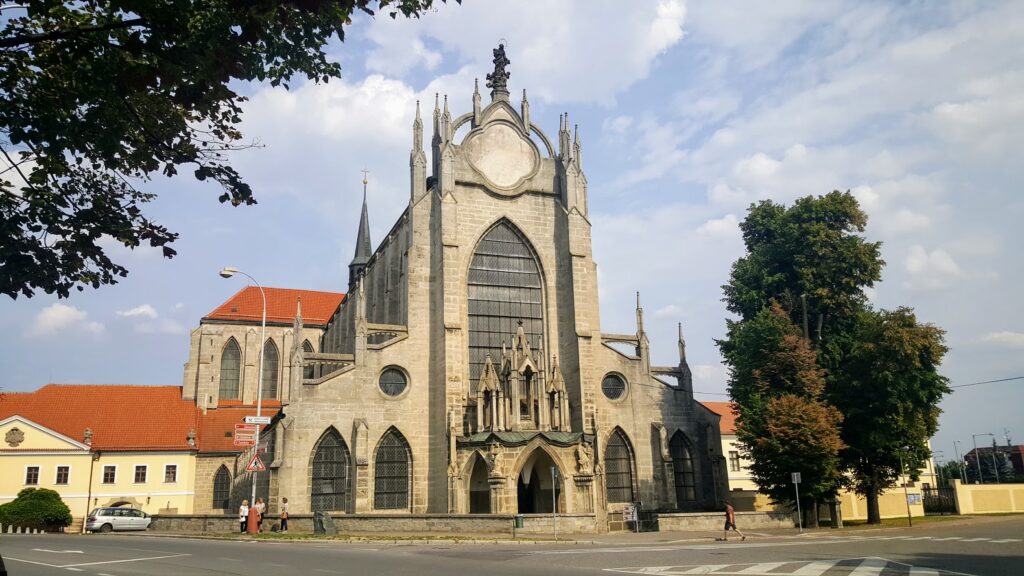
Often overlooked in the rush to get to the Bone Church nearby, this cathedral is a marvel of Baroque Gothic style. After being burned during the Hussite Wars, it was reconstructed by the famous architect Jan Blažej Santini-Aichel.
The interior is a lesson in light and geometry. It lacks the heavy ornamentation of traditional Baroque, opting instead for clean lines and a sense of soaring space. It is one of the most important examples of Cistercian architecture in the region and provides a serene, airy contrast to the dense history of the city centre.
6. Corpus Christi Chapel
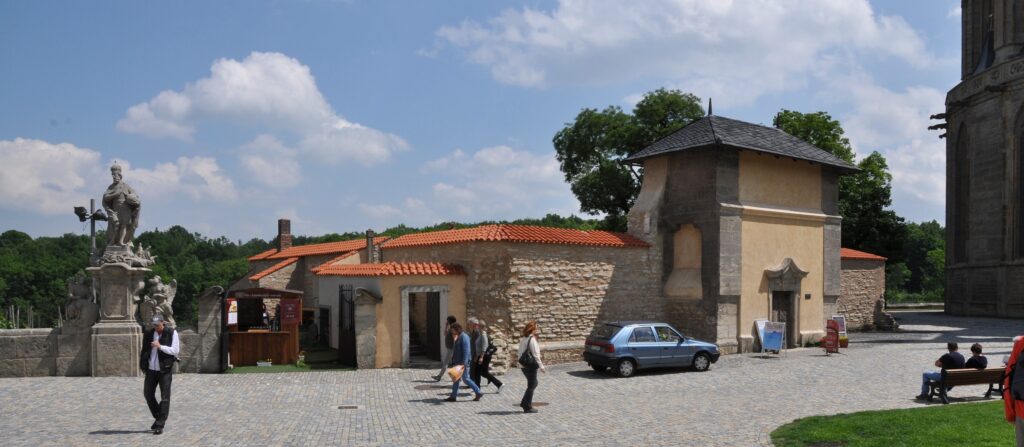
Perched right next to St Barbara’s, this unfinished Gothic chapel offers one of the best vantage points in the city. The terrace provides a panoramic view of the Vrchlice river valley and the Jesuit College. Originally intended as an ossuary, its vaulted interior is now used for exhibitions and concerts. It is a quiet, contemplative spot that allows you to step away from the main tourist flow and appreciate the architectural silhouette of the city against the rolling green hills.
Moravia.
Welcome to wine country
The freedom of the open road / Exploring Central Bohemia
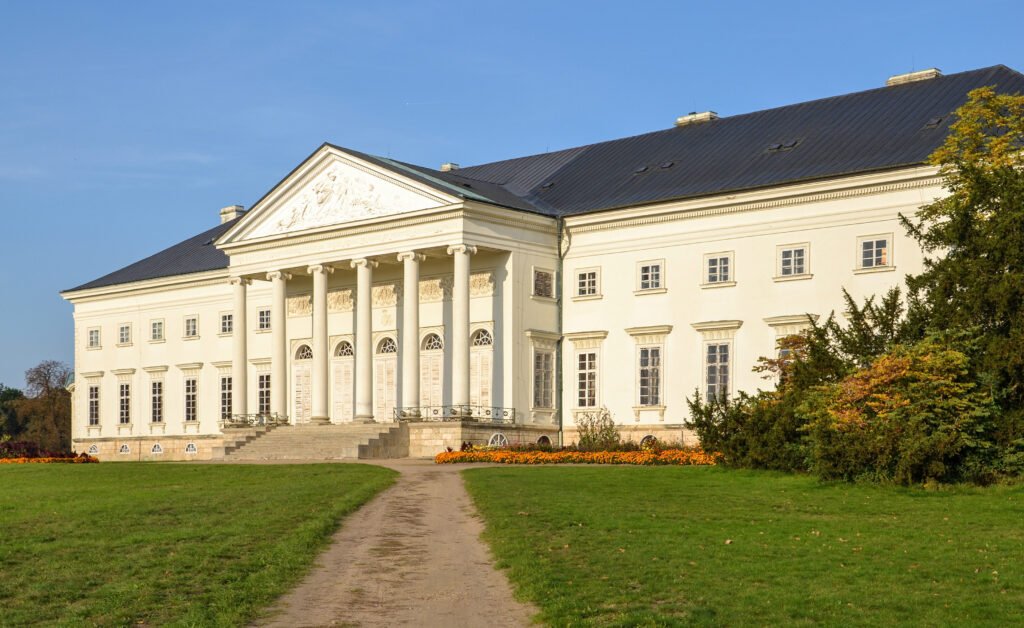
While the central sights of Kutná Hora are easily walkable, the true character of the region reveals itself when you venture beyond the city walls. For those who travel by bike, Kutná Hora serves as a perfect hub. The terrain is a mix of gentle slopes and well-maintained paths that wind through ancient woodlands and sleepy agricultural villages.
If you have a morning to spare, a 15-kilometre ride will take you to the Kačina Chateau, one of the most significant Neoclassical buildings in the Czech Republic. Its sweeping circular library is a sight to behold. Alternatively, a short cycle to the ruins of the Sion Castle offers a glimpse into the final stand of the Hussite revolutionaries.
For a longer day trip, the riverside paths leading toward Poděbrady, a charming spa town roughly 30 kilometres away, offer flat, scenic riding perfect for a leisurely afternoon. At Wheely Tyred, we believe the best way to connect these historical dots isn’t through a bus window, but through the steady rhythm of your own pace.
Affiliate Disclaimer: Some of the links on Wheely Tyred are affiliate links. If you click through and make a booking or purchase, we may earn a small commission at no extra cost to you. We only recommend gear, tours, stays, and services we genuinely use, trust, and stand behind — our editorial independence always comes first. These commissions help keep our independent cycling guides and travel stories free to read. Thanks for supporting the ride!
Frequently asked questions about the top attractions in Kutná Hora
While most visitors arrive on a morning train from Prague and leave by dusk, Kutná Hora rewards those who linger. Staying overnight allows you to experience the city after the tour groups have departed, particularly the atmospheric walk between St Barbara’s and the Italian Court, which takes on a completely different character under the evening streetlights.
The main station (Kutná Hora hlavní nádraží) is actually located in the suburb of Sedlec, which is about a 10-minute walk from the Bone Church. To reach the historic city centre and St Barbara’s Cathedral from there, you can either take a local connecting train to the Kutná Hora město station or enjoy a pleasant 2.5-kilometre walk or cycle through the town.
Yes, access to the medieval silver mine at the Museum of Silver is by guided tour only. These tours are popular and have limited capacity, so it is highly recommended to book your slot as soon as you arrive in the city—or even better, check availability in advance if you are visiting during the peak summer months.
The Sedlec Ossuary is a consecrated Roman Catholic chapel. While it is certainly macabre, the bone arrangements were intended as a memento mori—a reminder that in death, all are equal before God. Visitors are asked to maintain a respectful silence and follow the photography guidelines to preserve the solemnity of the site.
The terrain around Kutná Hora is exceptionally well-suited for independent travel on two wheels. Within a 15-kilometre radius, you can reach the neoclassical elegance of Kačina Chateau or the ruins of Sion Castle. The routes are largely flat to gently rolling, making them accessible even if you aren’t a seasoned cyclist.
Kutná Hora has a growing scene of independent cafés and traditional taverns. While there are plenty of options near St Barbara’s, some of the best-kept secrets are found in the narrow lanes leading away from the Italian Court. Look for spots that serve local Bohemian lager and traditional dishes like venison or wild boar, which are staples of the region’s culinary history.
Czechia.
Discover Czechia / History reimagined