Exploring the soul of Czech Silesia / 6 iconic attractions you must visit
From industrial giants to mountain peaks / Discover the iconic sights of Czech Silesia at your own pace
Where raw power meets delicate elegance
BEN FINCH
Czech Silesia is a region of startling contrasts, where the raw power of industrial heritage meets the delicate elegance of mountain spas and gothic spires. For those who prefer to travel at their own pace—shunning the rigid schedules of tour buses for the freedom of the open road—this corner of the Czech Republic offers a depth of history that is often overlooked by the average tourist.
At Wheely Tyred, we believe the best way to understand a landscape is to move through it under your own power. Whilst our passion lies in the quiet lanes and hidden bypasses, we recognise that the iconic landmarks of a region provide the essential context for any journey. Here is the Wheely Tyred guide to the most significant attractions in Czech Silesia, curated for those who seek to gain a deep knowledge of their surroundings.
The Silesian spectrum / A quick guide to the essentials
While Czech Silesia may be one of the country’s smaller regions, its identity is forged from a striking mix of industrial might and mountain serenity. Here are the six iconic attractions that best capture its spirit:
- Lower Vítkovice (Dolní Vítkovice): A sprawling industrial cathedral of steel and glass in Ostrava, featuring the Bolt Tower and a gas container repurposed as a world-class concert hall
- Hradec nad Moravicí: A contrasting castle complex where the elegant White Castle and the neo-Gothic Red Castle sit amidst one of the country’s largest parks
- Lysá hora: The Queen of the Beskydy, this peak offers a challenging ascent and panoramic views that can reach as far as the Slovakian High Tatras
- Štramberk: Known as the Moravian Bethlehem, this hillside town is famous for its timbered houses, the Trúba tower, and its unique gingerbread ears
- Karlova Studánka: A picturesque spa village in the Jeseníky Mountains, renowned for having the cleanest air in Central Europe and charming 18th-century wooden architecture
- Opava: The historical capital of the region, nicknamed the White Pearl, offering grand boulevards, the oldest museum in the country, and a unique city-wide scale model of the solar system
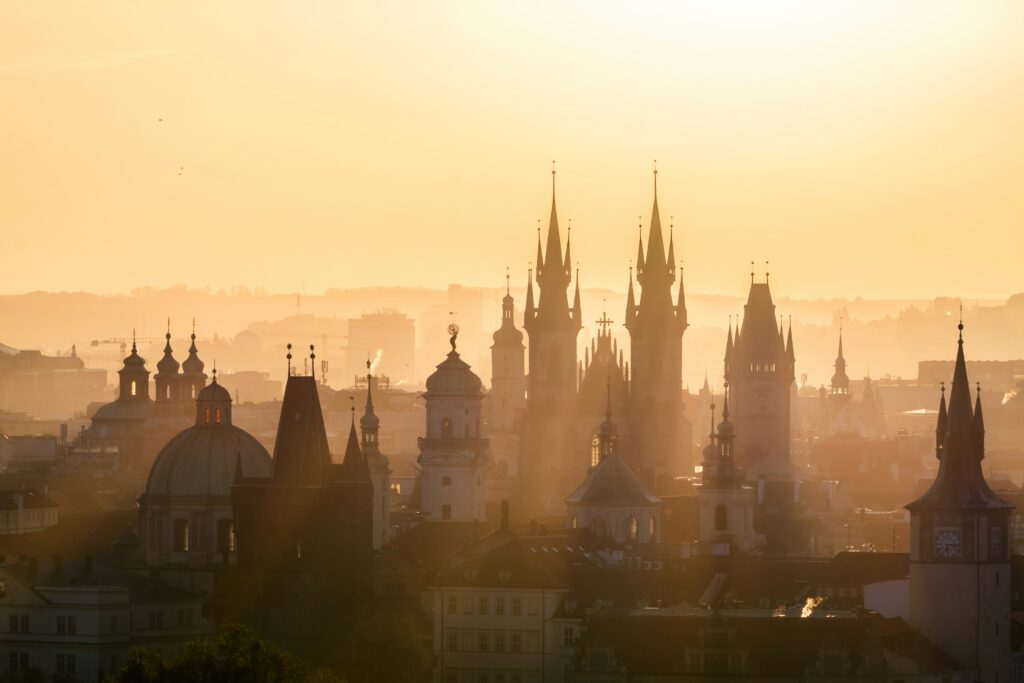
Prague.
There’s no other city like it
The industrial majesty of Lower Vítkovice
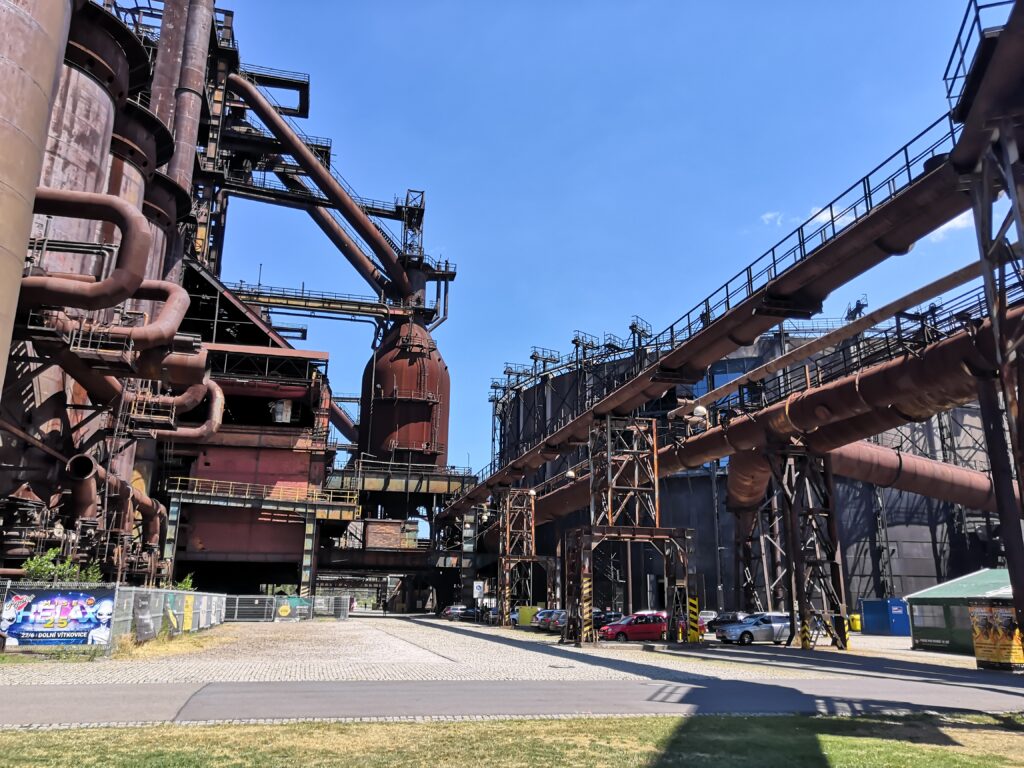
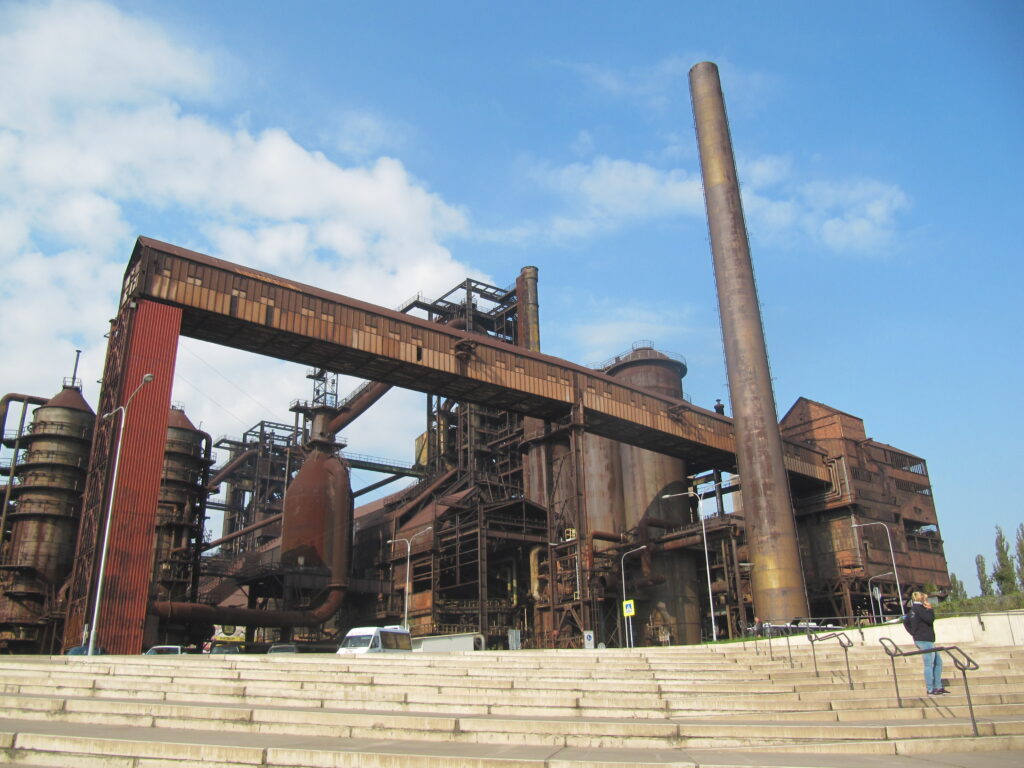
Located in the heart of Ostrava, the Lower Vítkovice area (Dolní Vítkovice) is often described as the Hradčany of the East, a playful nod to Prague Castle. This former ironworks and coal mine complex is a soaring cathedral of steel, rust, and glass that dominates the city’s skyline. It is not merely a museum; it is a living testament to the industrial revolution that shaped this entire corner of Europe.
The centrepiece of the site is the Bolt Tower, a glass-encased viewing platform that spirals around the top of a retired blast furnace. Named after the legendary sprinter Usain Bolt (who frequents the city’s Golden Spike athletics meet), the tower offers panoramic views that stretch across the city to the Beskydy Mountains. Visitors can walk through the belly of the furnace where pig iron was once produced and explore the Gong, a former gas container transformed into a world-class concert hall. For the curious mind, the interactive Science and Technology Centre (Svět techniky) provides a hands-on look at the mechanics of the world.
The fairytale elegance of Hradec nad Moravicí
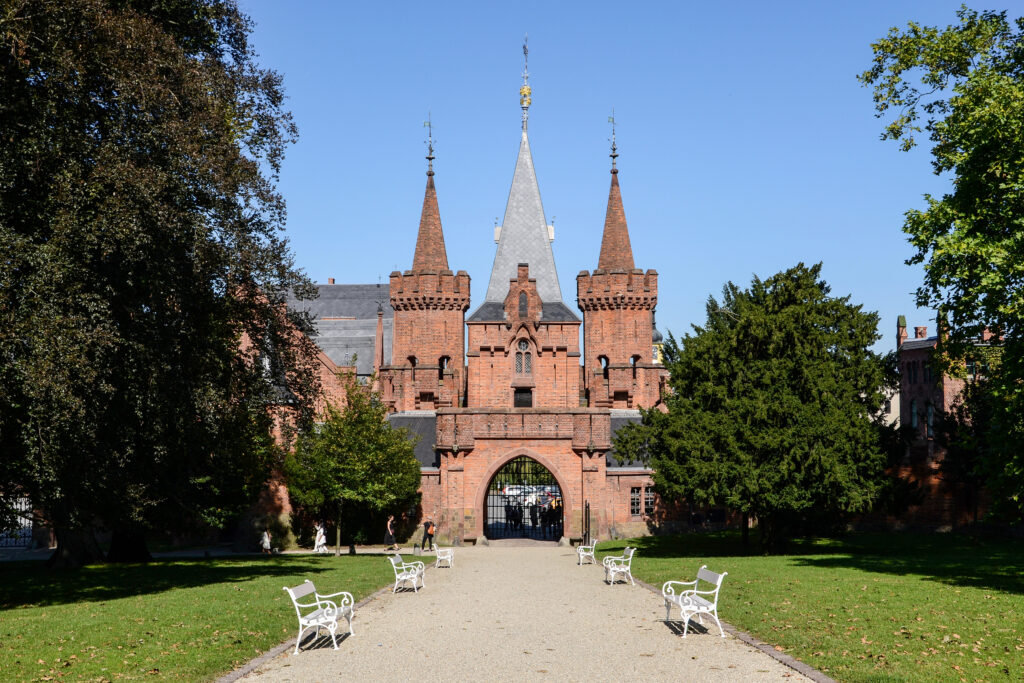
Moving away from the industrial grit, the town of Hradec nad Moravicí presents a scene straight from a storybook. The castle complex here is unique for its two distinct personalities: the Empire-style White Castle and the neo-Gothic Red Castle. The Red Castle, with its brickwork, towers, and fortifications, looks every bit the medieval fortress, though it was actually built in the 19th century as a stable and carriage house for the local aristocracy.
The White Castle is where the real history breathes. It has played host to some of the greatest minds in musical history, including Ludwig van Beethoven and Franz Liszt. Exploring the grounds is a lesson in European cultural interconnectedness. The surrounding park is one of the largest in the country, offering miles of winding paths that lead through manicured lawns and into dense, ancient forests. It is a place for quiet reflection and an appreciation of the slower, more aristocratic pace of life from centuries past.
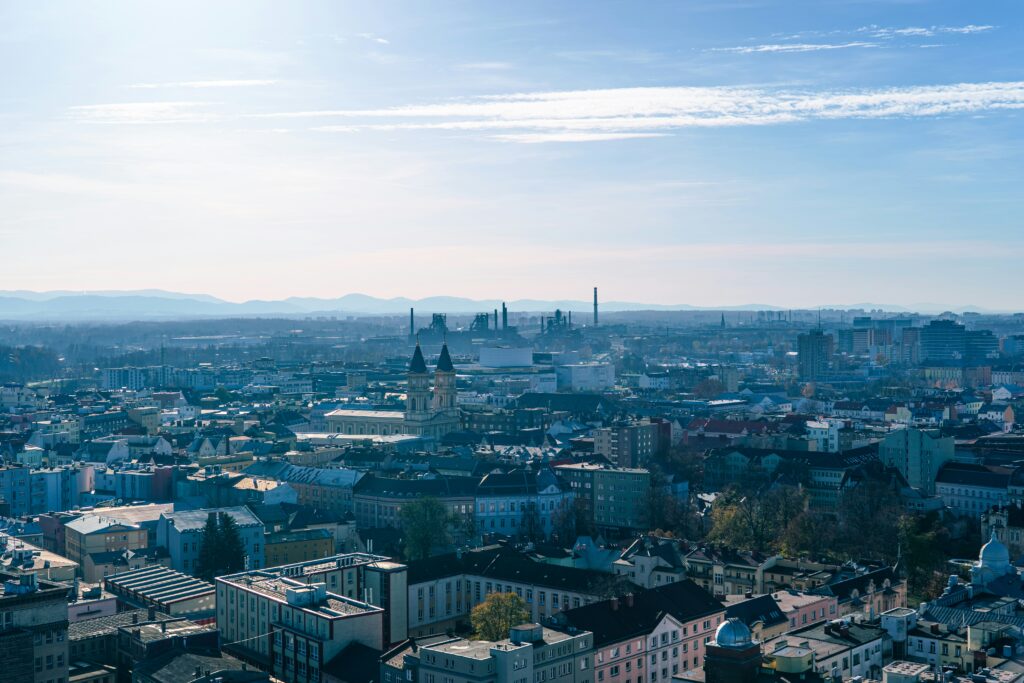
Ostrava.
Czechia’s industrial—and artistic—core
The summit of the Beskydy / Lysá hora
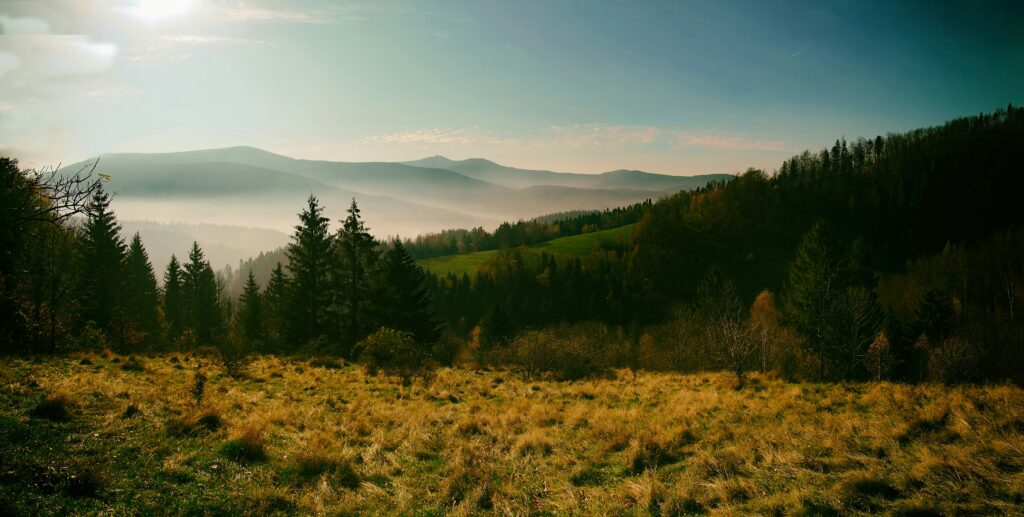
To truly understand the geography of Czech Silesia, one must ascend Lysá hora, the Queen of the Beskydy Mountains. At 1,323 metres, it is the highest peak in the range and a site of pilgrimage for locals and visitors alike. The ascent is a challenge that rewards the persistent with views that, on a clear day, reach as far as the High Tatras in Slovakia.
At the summit, the distinctive television transmitter and several mountain huts provide a sense of achievement and a place to refuel with a bowl of traditional garlic soup. The mountain is steeped in local folklore, including legends of the highwayman Ondráš, who is said to have roamed these woods. For the independent traveller, Lysá hora represents the rugged, natural spirit of the region—a wild counterpart to the structured cities of the plains.
Moravia.
Welcome to wine country
Štramberk / The Moravian Bethlehem
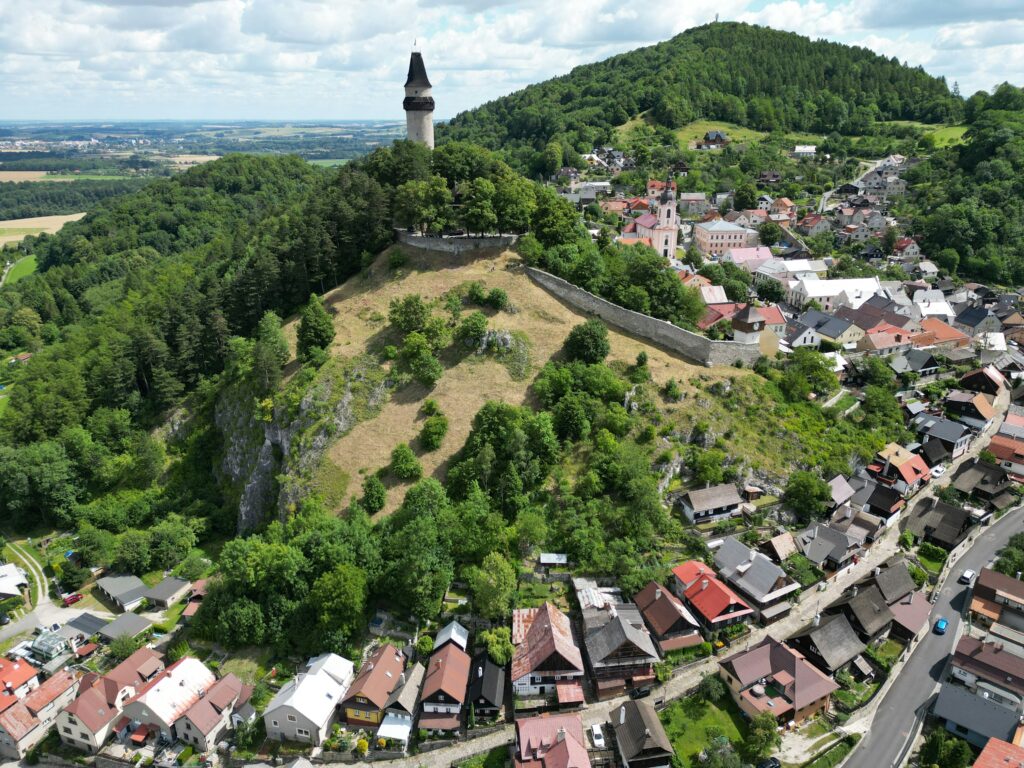
Perched on a hillside, the town of Štramberk is so picturesque that it has earned the nickname the Moravian Bethlehem. The town is famous for its timbered houses and the Štramberk Trúba, a cylindrical tower that remains from a 14th-century castle. Climbing the tower provides a bird’s-eye view of the winding, cobbled streets below.
Beyond its architecture, Štramberk is known for its culinary heritage. The Štramberk Ears (Štramberské uši) are a traditional gingerbread treat, spiced with cloves and cinnamon, shaped to resemble the ears of the locals’ defeated enemies (a legend dating back to the Tartar invasions). A visit to the Šipka Cave nearby adds a layer of prehistoric intrigue; it was here that part of a Neanderthal child’s jawbone was discovered in the late 19th century, marking the site as one of the most important archaeological spots in Central Europe.
Karlova Studánka / The purest air in Central Europe
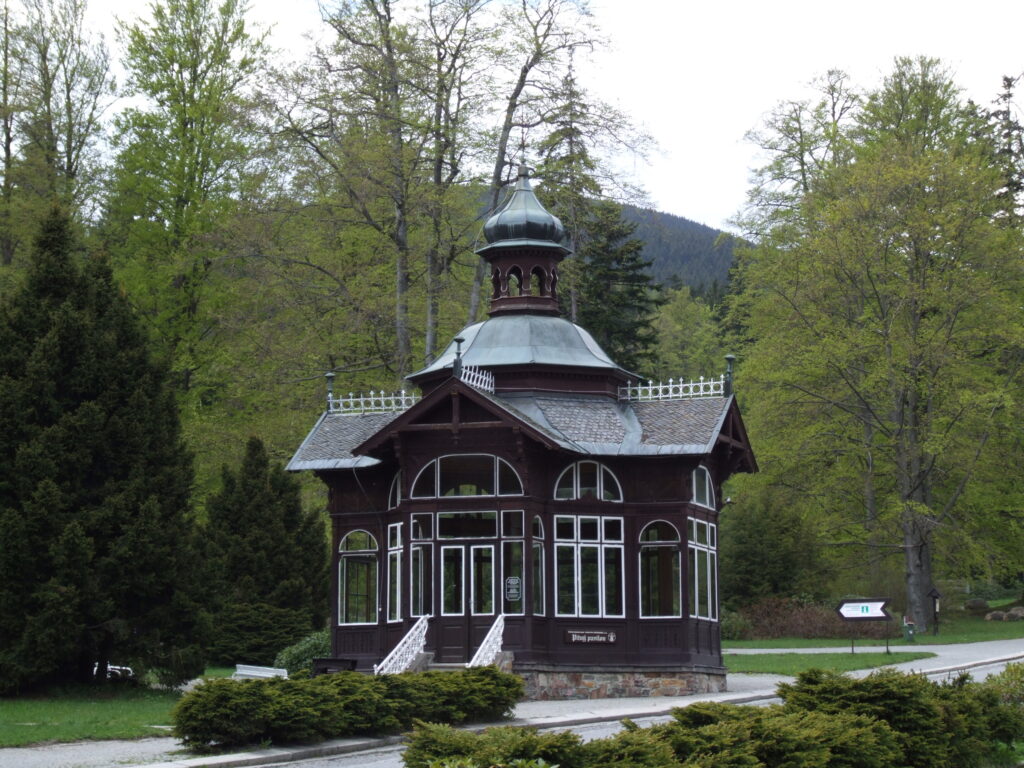
Tucked away in the Jeseníky Mountains, Karlova Studánka is a spa village that feels frozen in time. Known for having the cleanest air in Central Europe, it has been a destination for respiratory healing for centuries. The village is a collection of stunning 18th and 19th-century wooden buildings, many featuring the ornate, gingerbread-style architecture typical of the mountain regions.
The spa is built around the healing properties of the local mineral springs, which are rich in carbon dioxide and iron. A walk through the village is a sensory experience, from the crisp mountain air to the sound of the Bílá Opava river rushing over moss-covered stones. It serves as a perfect base for exploring the Bílá Opava valley, a dramatic landscape of waterfalls and wooden bridges that feels entirely disconnected from the modern world.
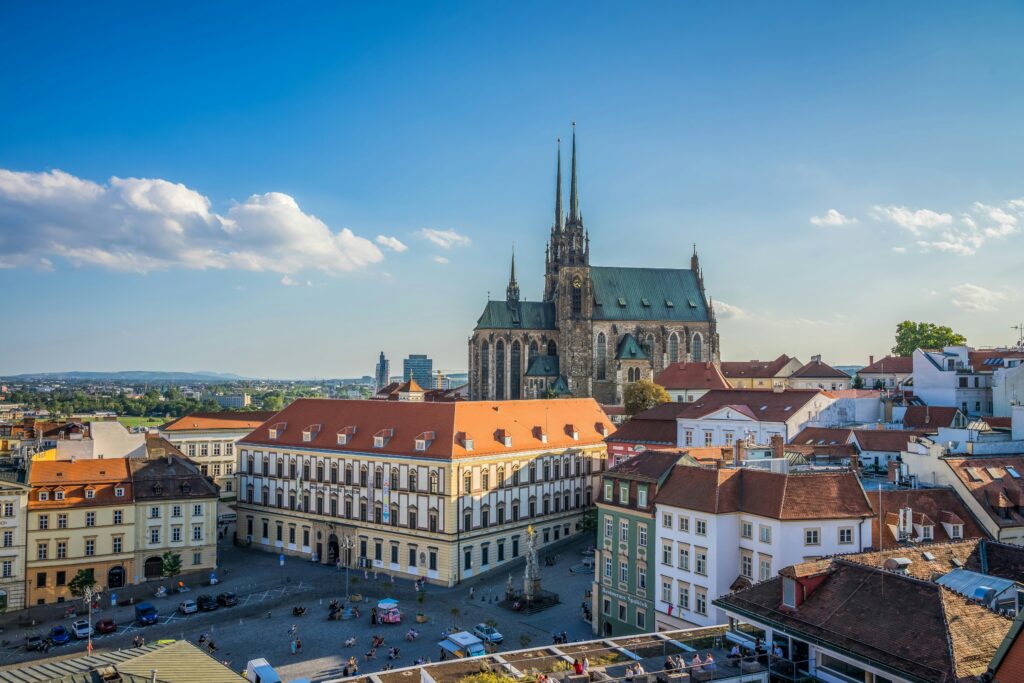
Brno.
Explore Czechia’s second — and best — city
Opava / The White Pearl of Silesia
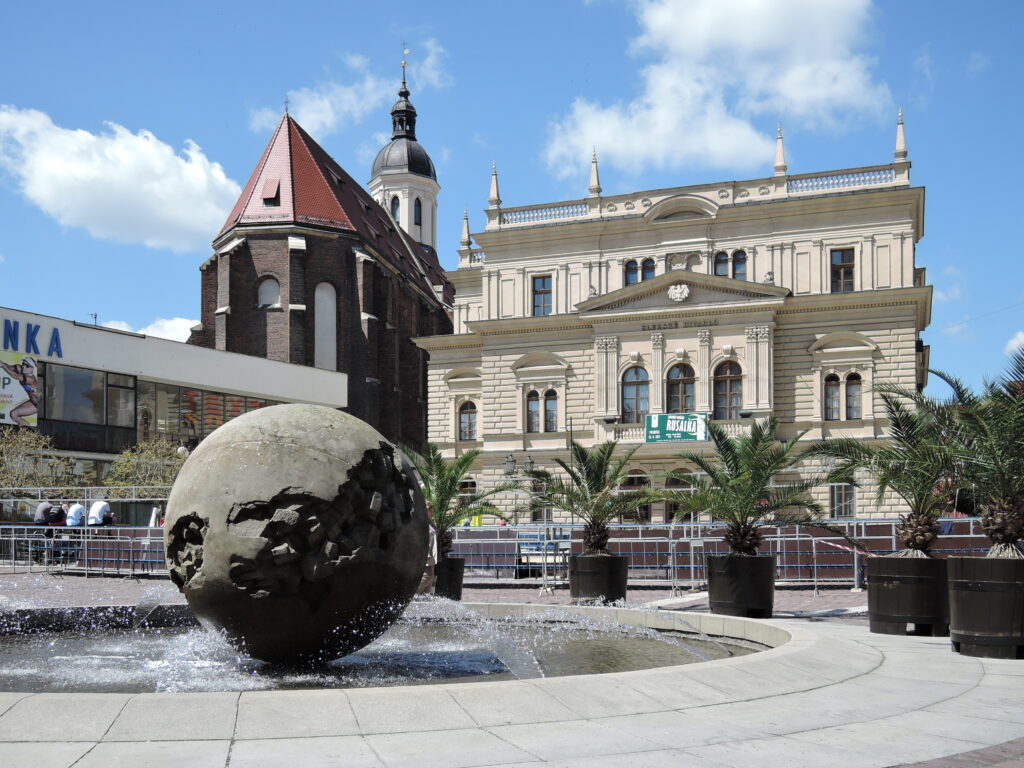
As the historical capital of Czech Silesia, Opava is a city of parks, wide boulevards, and significant cultural institutions. Often called the White Pearl, the city boasts the Silesian Museum, the oldest museum in the Czech Republic, founded in 1814. The museum’s main building is an architectural gem in itself, housing vast collections that detail the natural and cultural history of the region.
The city centre is dominated by the Hláska town hall tower and the Gothic Co-cathedral of the Assumption of the Virgin Mary. A quirky and fascinating feature for the observant traveller is the scale model of the solar system spread across the city; starting at the sun in the town centre, you can find the various planets positioned at their relative distances throughout Opava. It is a city that encourages exploration on a human scale, rewarding those who take the time to wander through its many leafy squares.
Travel Silesia by bike
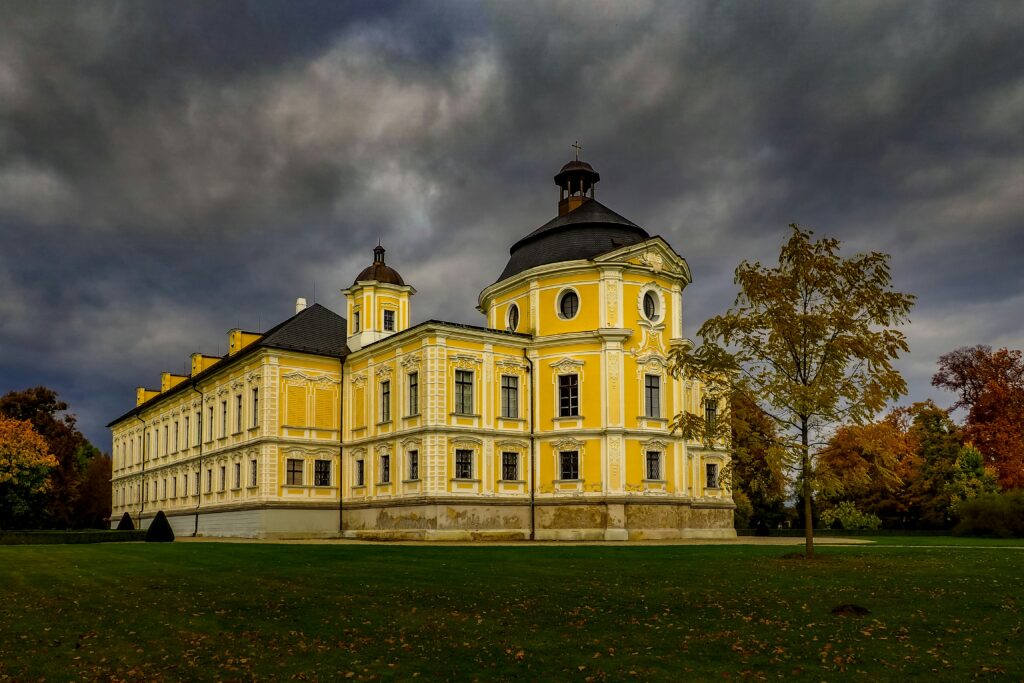
Whilst these attractions are iconic for their own reasons, seeing them by bike elevates the experience from mere sightseeing to a true journey.
The terrain of Czech Silesia is incredibly versatile. For those based in Ostrava, the Poodří Landscape Area is a local gem within 20 kilometres, offering flat, tranquil paths through the floodplains of the Odra River—perfect for a morning spin. Similarly, the town of Kravaře and its baroque chateau are easily accessible by bike from Opava, providing a pleasant loop through the Silesian countryside.
For a more challenging day trip, the climb from the village of Ostravice up towards the base of the Beskydy offers a taste of the mountain air without the full commitment of the summit. If you have the legs for it, a trip to Hlučín Lake provides a refreshing stop for a swim after a ride through the nearby Šilheřovice forest, known for its elegant chateau and golf course. In Czech Silesia, the road is always open, and the best views are always earned.
Affiliate Disclaimer: Some of the links on Wheely Tyred are affiliate links. If you click through and make a booking or purchase, we may earn a small commission at no extra cost to you. We only recommend gear, tours, stays, and services we genuinely use, trust, and stand behind — our editorial independence always comes first. These commissions help keep our independent cycling guides and travel stories free to read. Thanks for supporting the ride!
Frequently asked questions about Czech Silesia’s attractions
Absolutely. Whilst Ostrava’s industrial heritage is its most famous asset, the city has undergone a remarkable transformation. Sites like Dolní Vítkovice are now vibrant cultural hubs rather than dusty relics, and the city is surprisingly green, with riverside paths and expansive parks that are perfect for a quiet afternoon of exploration.
The Štramberské uši are a local delicacy—a cone-shaped gingerbread spiced with cinnamon, cloves, and star anise. They are protected by a geographical indication, meaning they can only be produced in Štramberk. You’ll find them in almost every bakery and café in the town, often served with whipped cream or fruit.
Yes, there are regular bus connections from Ostrava and Opava. However, because it is tucked away in the Jeseníky Mountains, the journey is most rewarding for those with their own transport or a bicycle, allowing you to stop and take in the dramatic views of the Bílá Opava river valley along the way.
The peak is accessible year-round, but late spring through to early autumn offers the most reliable conditions. In winter, the mountain becomes a snowy wonderland, popular with cross-country skiers, though the ascent requires proper gear. Regardless of the season, always check the mountain weather forecast before setting off, as conditions at 1,323 metres can change rapidly.
Very much so. Between the interactive exhibits at the Science and Technology Centre in Ostrava, the fairytale castle grounds of Hradec nad Moravicí, and the prehistoric intrigue of the Šipka Cave in Štramberk, there is plenty to engage younger travellers who enjoy a bit of history and outdoor adventure.
It is quite varied. Around Ostrava and the Odra river floodplains, the terrain is relatively flat and accessible for all levels. However, as you move towards the Beskydy or Jeseníky ranges, you will encounter much more significant gradients. It’s a region that rewards both the casual cruiser and the dedicated hill climber.
Czechia.
Discover Czechia / History reimagined