From Baroque spires to modernist marvels / Why Moravia is Europe’s best-kept secret
The cultural heart of the Czech Republic
Welcome to wine country
BEN FINCH
While Prague often steals the limelight, those who venture east into Moravia find a landscape that feels significantly more intimate and remarkably preserved. This is a region where the pace of life slows down, dictated by the rhythm of the harvest and the bells of ancient cathedrals. For the independent traveller—specifically those who value the freedom of two wheels—Moravia offers a density of history that is almost unparalleled in Central Europe.
At Wheely Tyred, we believe that truly knowing a place requires the ability to stop whenever a view demands it, not when a tour guide’s schedule allows. In Moravia, those views are frequent. From the rolling vine-covered hills of the south, often called Moravian Tuscany, to the stern, medieval fortifications of the north, the region is a tapestry of architectural styles and natural wonders.
The Moravian mosaic / A glimpse of the region
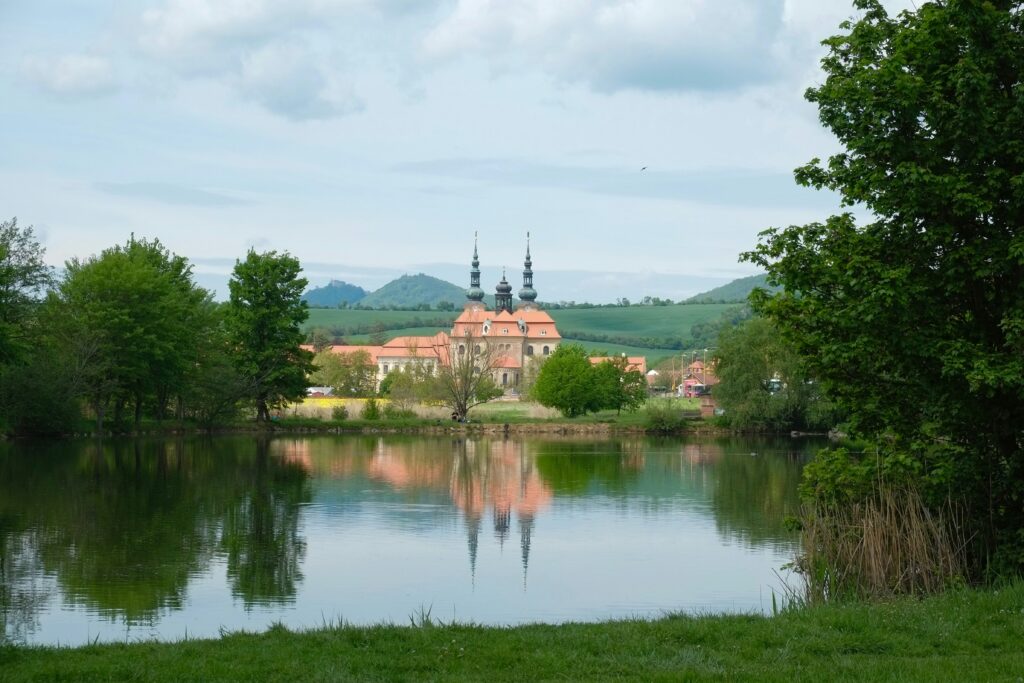
While the capital often claims the spotlight, Moravia offers a more intimate, unhurried experience for the independent traveller. Here are the six essential locations that define this diverse region:
- Lednice-Valtice Cultural Landscape: A vast UNESCO-listed Garden of Europe featuring neo-Gothic chateaux, Baroque palaces, and English-style parklands
- Villa Tugendhat: A world-renowned masterpiece of modernist architecture in Brno, celebrating the minimalist “less is more” philosophy of Mies van der Rohe
- Špilberk Castle: A formidable fortress-turned-prison that dominates the Brno skyline, offering a deep dive into Central European history and panoramic city views
- Olomouc: A historic city rivalling Prague in beauty, home to the staggering Holy Trinity Column and a unique, university-driven intellectual energy
- Moravian Karst: A subterranean wonderland of limestone caves and underground rivers, culminating in the dramatic Macocha Abyss
- Mikulov: A picturesque town in the heart of wine country, where Mediterranean-style squares meet the rolling vineyards of the Pálava Hills
Prague.
There’s no other city like it
The garden of Europe / Lednice-Valtice
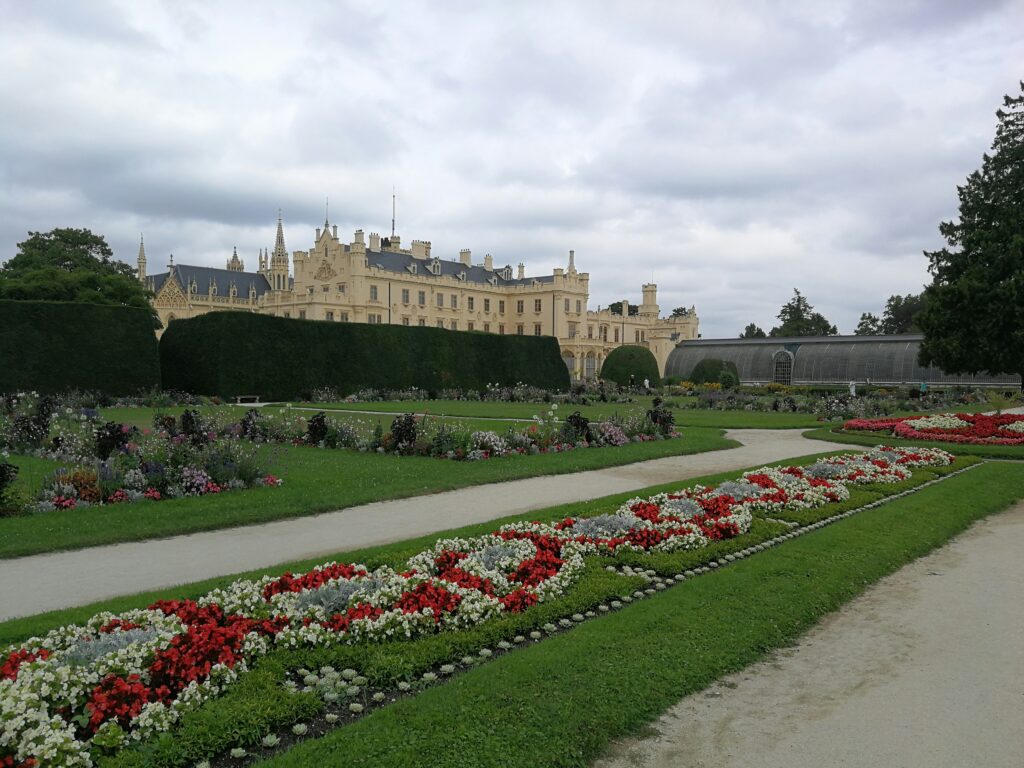
If there is one site that defines the grandeur of the Moravian landscape, it is the Lednice-Valtice Cultural Landscape. Spanning nearly 300 square kilometres, this UNESCO World Heritage site is the result of centuries of work by the House of Liechtenstein. It is often referred to as the Garden of Europe, and the title is no exaggeration.
The complex is anchored by two magnificent residences: the Neo-Gothic Lednice Chateau, with its ornate interiors and vast turquoise greenhouse, and the Baroque Valtice Palace, which serves as the capital of the Czech wine industry. Between them lies a meticulously designed landscape of English-style parks, shimmering ponds, and quirky romantic follies—including a 60-metre-high Minaret and a faux-medieval ruin known as Janohrad. For the visitor, this area represents a rare harmony between man and nature, where every vista was planned for maximum aesthetic impact.
Brno’s modernist masterpiece / Villa Tugendhat
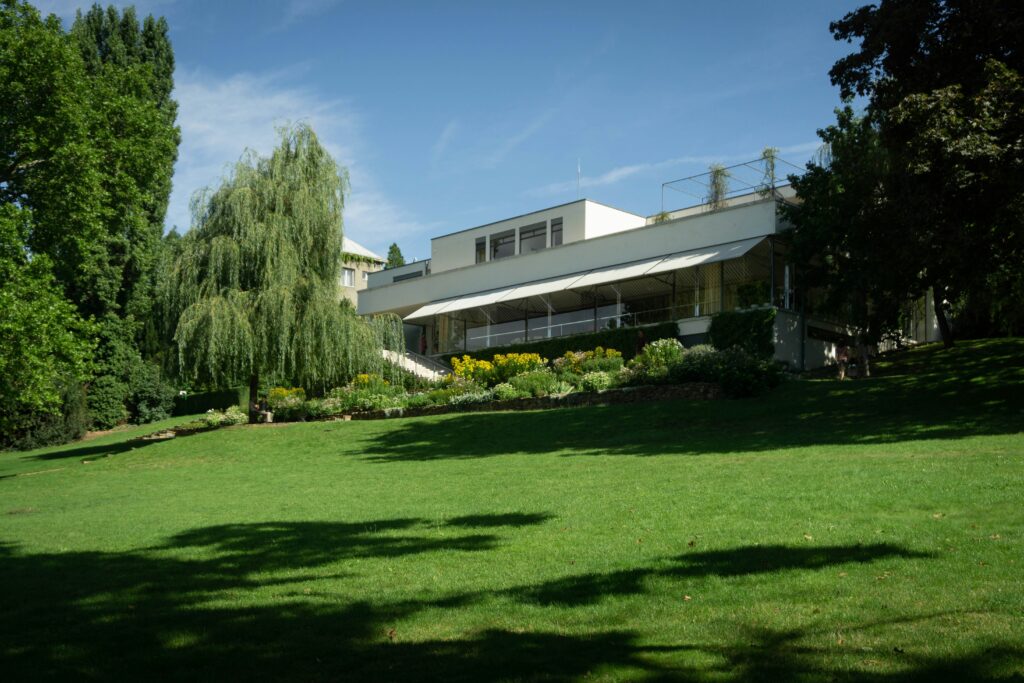
In stark contrast to the fairy-tale turrets of Lednice, the city of Brno offers a masterclass in 20th-century minimalism. Villa Tugendhat, designed by the legendary architect Ludwig Mies van der Rohe, is one of the most important examples of functionalist architecture in the world. Completed in 1930, the villa was revolutionary for its time, utilising a steel frame that allowed for expansive walls of glass, seamlessly blending the interior living space with the sloping garden outside.
A visit here is a lesson in the philosophy of less is more. The use of rare materials, such as Moroccan onyx and Italian travertine, provides a quiet luxury that feels incredibly contemporary even nearly a century later. Because entry is strictly limited to preserve the structure, it remains a serene, contemplative stop that rewards those who take the time to book ahead.
Brno.
Explore Czechia’s second — and best — city
The fortress on the hill / Špilberk Castle
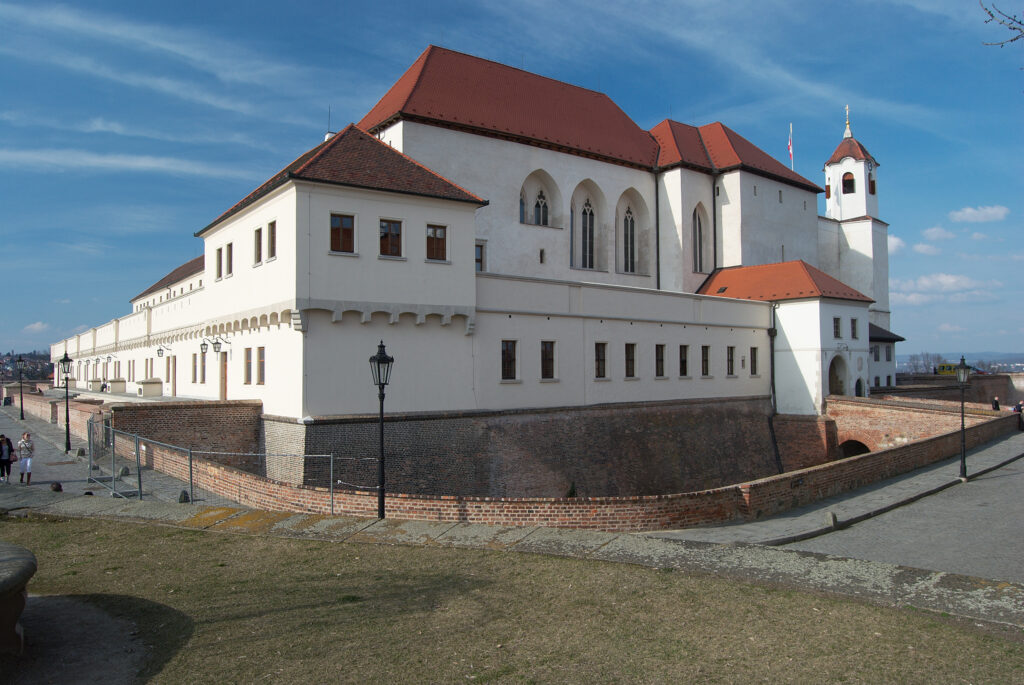
Dominating the Brno skyline, Špilberk Castle has worn many masks throughout its history. Originally a 13th-century royal castle, it evolved into a massive baroque fortress and, eventually, the most feared prison in the Austro-Hungarian Empire. Known as the Prison of Nations, its damp casemates once held Italian carbonari and Polish revolutionaries.
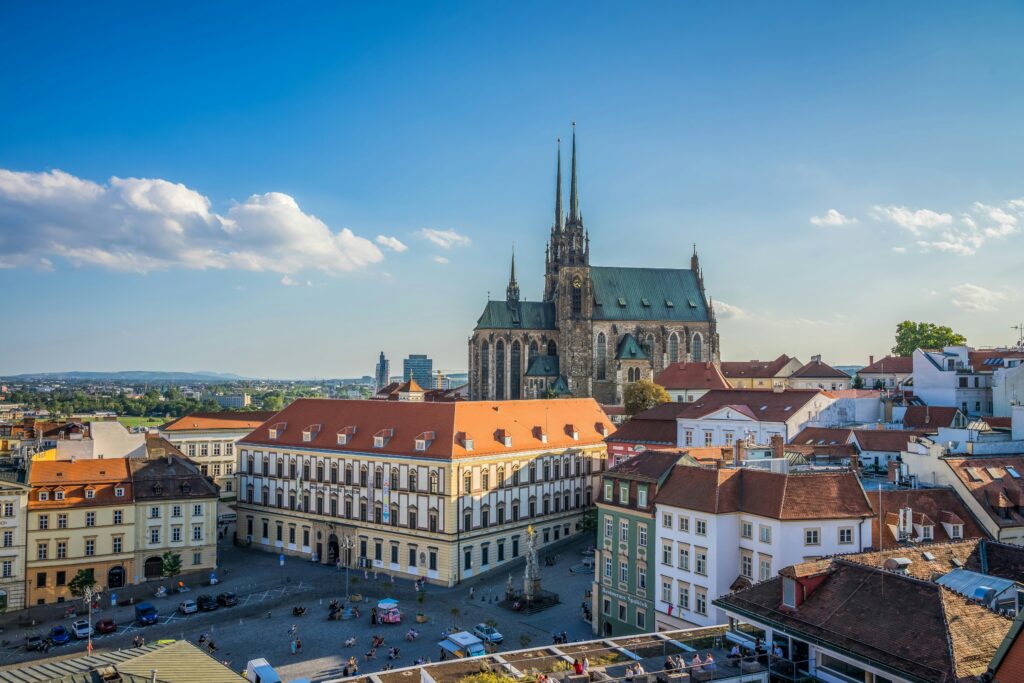
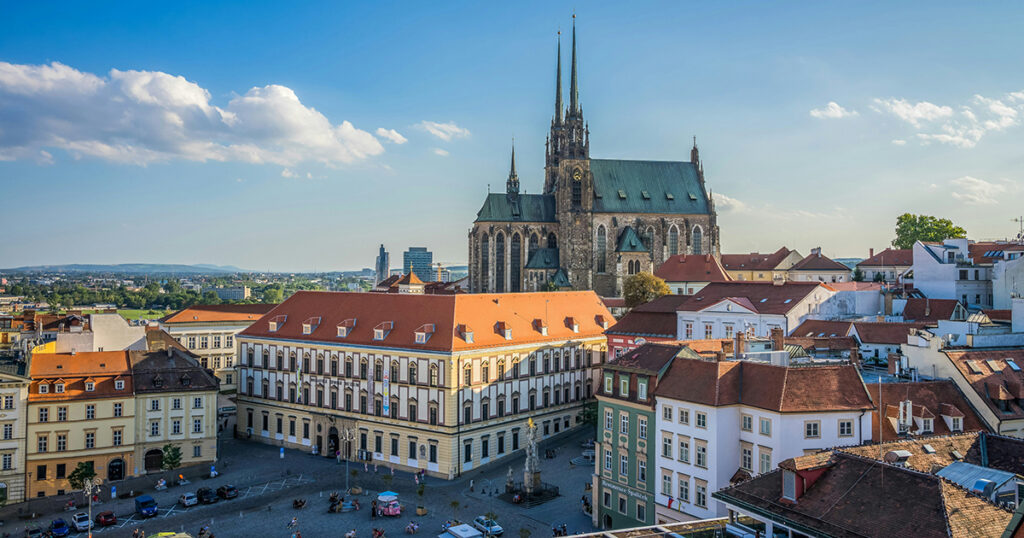
Today, the castle is a far more welcoming place, housing the Brno City Museum and offering panoramic views that stretch across the red-tiled roofs of the old town to the spires of the Cathedral of St. Peter and Paul. Walking the ramparts at dusk is an essential Moravian experience, providing a sense of the strategic importance this region held for centuries as a crossroads of European power.
Olomouc and the spirit of the Baroque
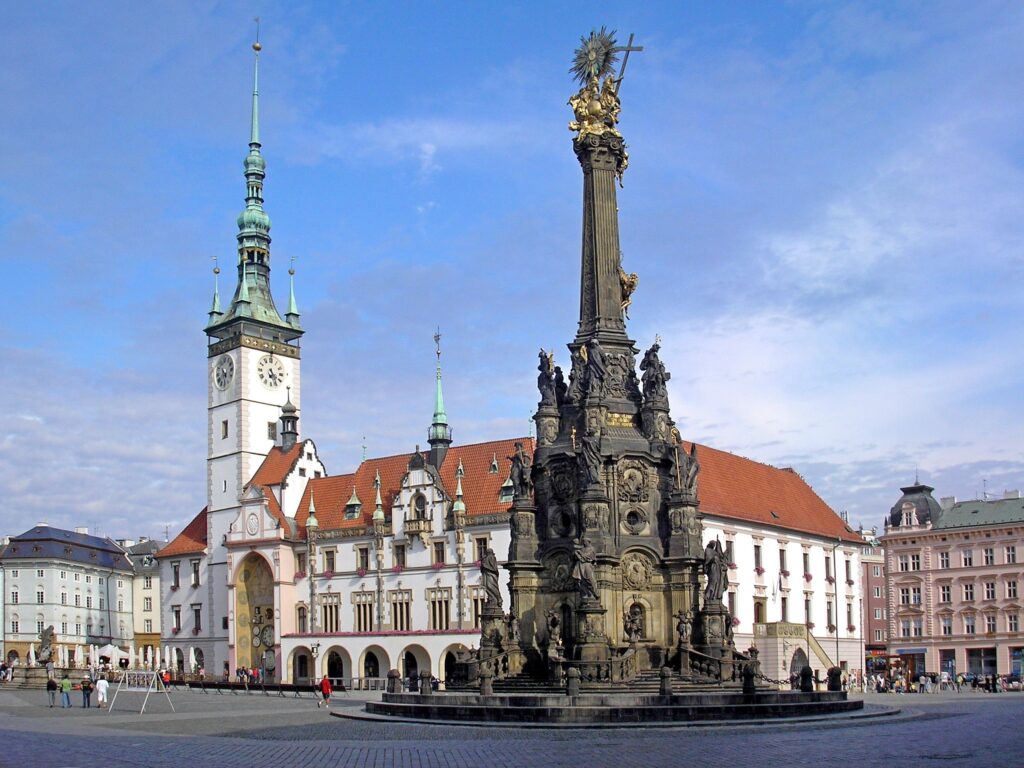
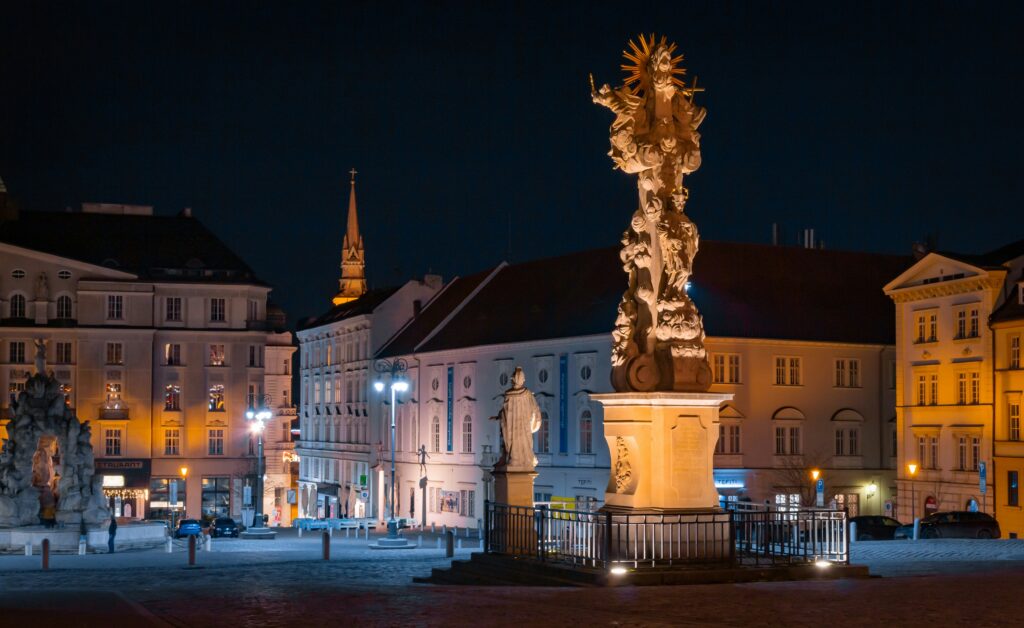
Further north lies Olomouc, a city that many locals argue is even more beautiful than Prague, yet remains blissfully free of the capital’s crowds. The centrepiece of the city is the Holy Trinity Column, a UNESCO-listed monument of staggering proportions. Built in the mid-18th century as an expression of gratitude for the end of a plague, it is the largest single Baroque sculpture in Central Europe.
Olomouc was once the capital of Moravia, and its ecclesiastical importance is evident in the towering St. Wenceslas Cathedral and the Archbishop’s Palace. The city has a unique, intellectual energy, largely due to Palacký University, the second oldest in the country. It is a place of hidden courtyards, astronomical clocks with a socialist-realist twist, and the famous (and famously pungent) Olomouc cheese.
Mikulov.
A castle on a hill
Subterranean wonders / The Moravian Karst
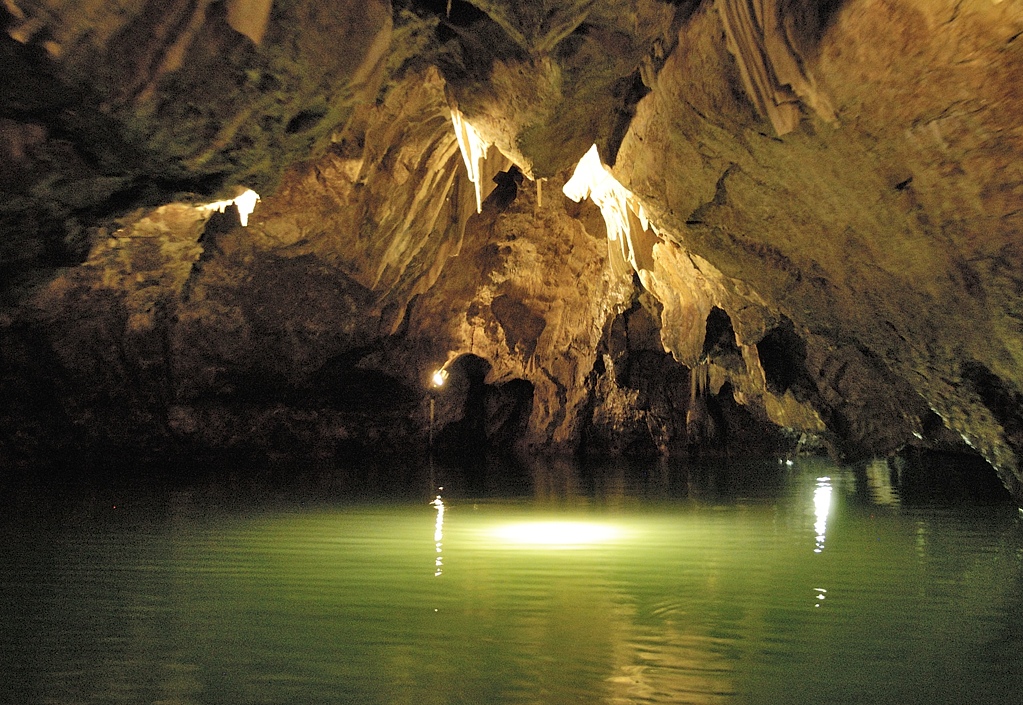
Moravia’s beauty is not limited to its surface. Just north of Brno lies the Moravian Karst, a limestone plateau carved by water over millions of years. The highlight of this natural reserve is the Punkva Caves. Here, visitors can walk through cathedral-like caverns dripping with stalactites before boarding a boat for a silent, ethereal journey along the underground Punkva River.
The boat trip culminates at the bottom of the Macocha Abyss, a collapsed cave nearly 140 metres deep. Standing at the base of this light-filled gorge, surrounded by vertical rock walls and lush vegetation, is a humbling reminder of the geological forces that shaped this region long before the first stones of its castles were laid.
Gateway to the vineyards / Mikulov
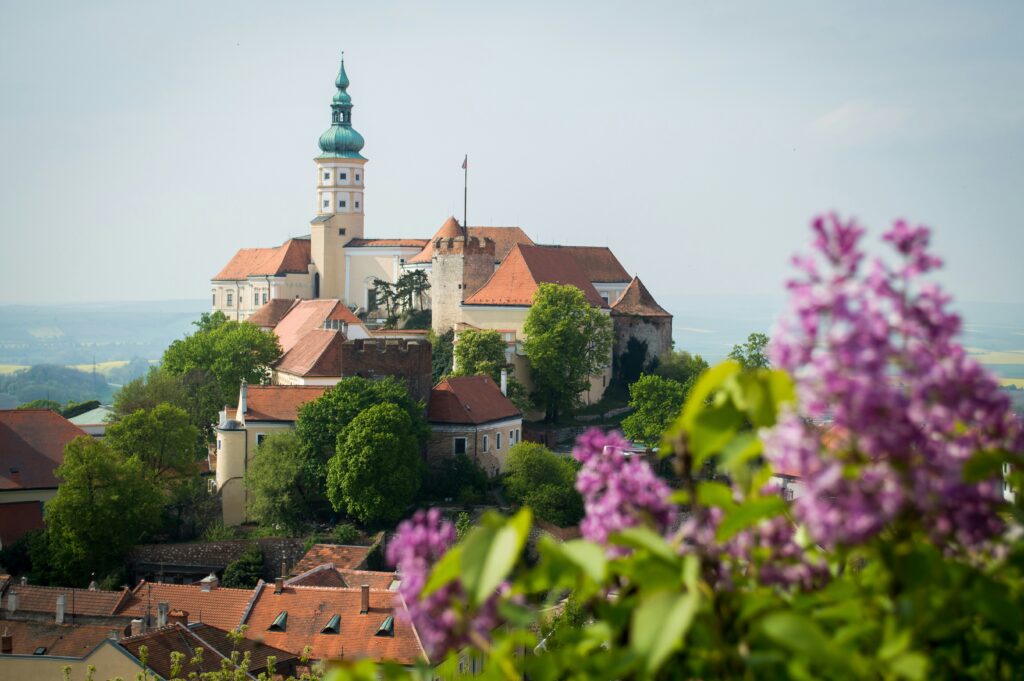
Finally, no exploration of Moravia is complete without a stop in Mikulov. The town is dominated by the massive Mikulov Chateau, which sits atop a rocky outcrop overlooking the Austrian border. The chateau’s history is inextricably linked to the Dietrichstein family and the regional wine trade—a fact celebrated in its cellars, which house one of the largest wine barrels in Europe.
Mikulov is the perfect starting point for exploring the Pálava Hills, a UNESCO Biosphere Reserve. The town itself is a maze of winding streets, historic Jewish heritage sites, and sun-drenched squares that feel more Mediterranean than Central European. It is the spiritual home of Moravian viticulture, where a glass of local Pálava white wine is the standard reward for a day of exploration.
Moravia.
Welcome to wine country
Exploring the perimeter / Cycling beyond the spires
While these iconic sights provide the cultural backbone of your trip, the true joy of Moravia lies in the stretches between them. For those with a bike, the terrain is exceptionally friendly. If you find yourself in Brno, a 15-kilometre ride south along the Svitava River path takes you to the serene Rajhrad Abbey, a Benedictine monastery with a library that looks like something out of a film.
From the Lednice-Valtice area, a short 20-kilometre loop will take you through the Pohansko archaeological site, where an Empire-style hunting lodge sits amidst ancient Slavic fortifications. For a perfect day trip, head to the town of Znojmo (accessible via a scenic train ride with your bike), where you can cycle through the Podyjí National Park, the smallest and most pristine national park in the Czech Republic, following the meandering Dyje River right up to the Austrian border.
Affiliate Disclaimer: Some of the links on Wheely Tyred are affiliate links. If you click through and make a booking or purchase, we may earn a small commission at no extra cost to you. We only recommend gear, tours, stays, and services we genuinely use, trust, and stand behind — our editorial independence always comes first. These commissions help keep our independent cycling guides and travel stories free to read. Thanks for supporting the ride!
Frequently asked questions about Moravia’s iconic sights
Absolutely. The regional rail network is incredibly efficient and bike-friendly, making it easy to hop between major towns like Brno, Olomouc, and Mikulov. Many of the best cycling routes, such as the path through the Lednice-Valtice area or the trails in Podyjí National Park, are specifically designed for those travelling on two wheels.
While both regions share a common Czech identity, Moravia has a distinct personality. It is the heart of the country’s wine industry, leading to a culture that revolves more around vineyards and wine cellars than the beer halls of the west. You’ll also find that the pace is slightly slower, and the folk traditions—especially in the south—remain a vibrant part of daily life.
Yes, this is essential. Because the villa is a protected modernist landmark with strict capacity limits, tours often sell out months in advance. If you are planning a trip to Brno and want to see the interior, we recommend checking the official booking site as early as possible.
Very much so. Southern Moravia, in particular, is relatively flat compared to the more mountainous regions of the Czech Republic. The wine trails around Mikulov and the parklands of Lednice-Valtice offer gentle, well-surfaced paths that are perfect for a leisurely day in the saddle, with plenty of opportunities to stop for a glass of local Pálava white.
While you’ll find classic Czech staples everywhere, keep an eye out for Olomoucké tvarůžky—a famously pungent, aged cheese from Olomouc. In the south, focus on the local viticulture; the region is famous for its crisp white wines, which are the perfect accompaniment to a sunny afternoon in a Moravian courtyard.
Read our guide on where to eat in Brno.
Czechia.
Discover Czechia / History reimagined