Beyond the cobbles / The ultimate guide to Bohemia’s iconic sights
Unlocking the heart of the Czech Republic
There’s more to see in Bohemia than Prague Castle and the Charles Bridge
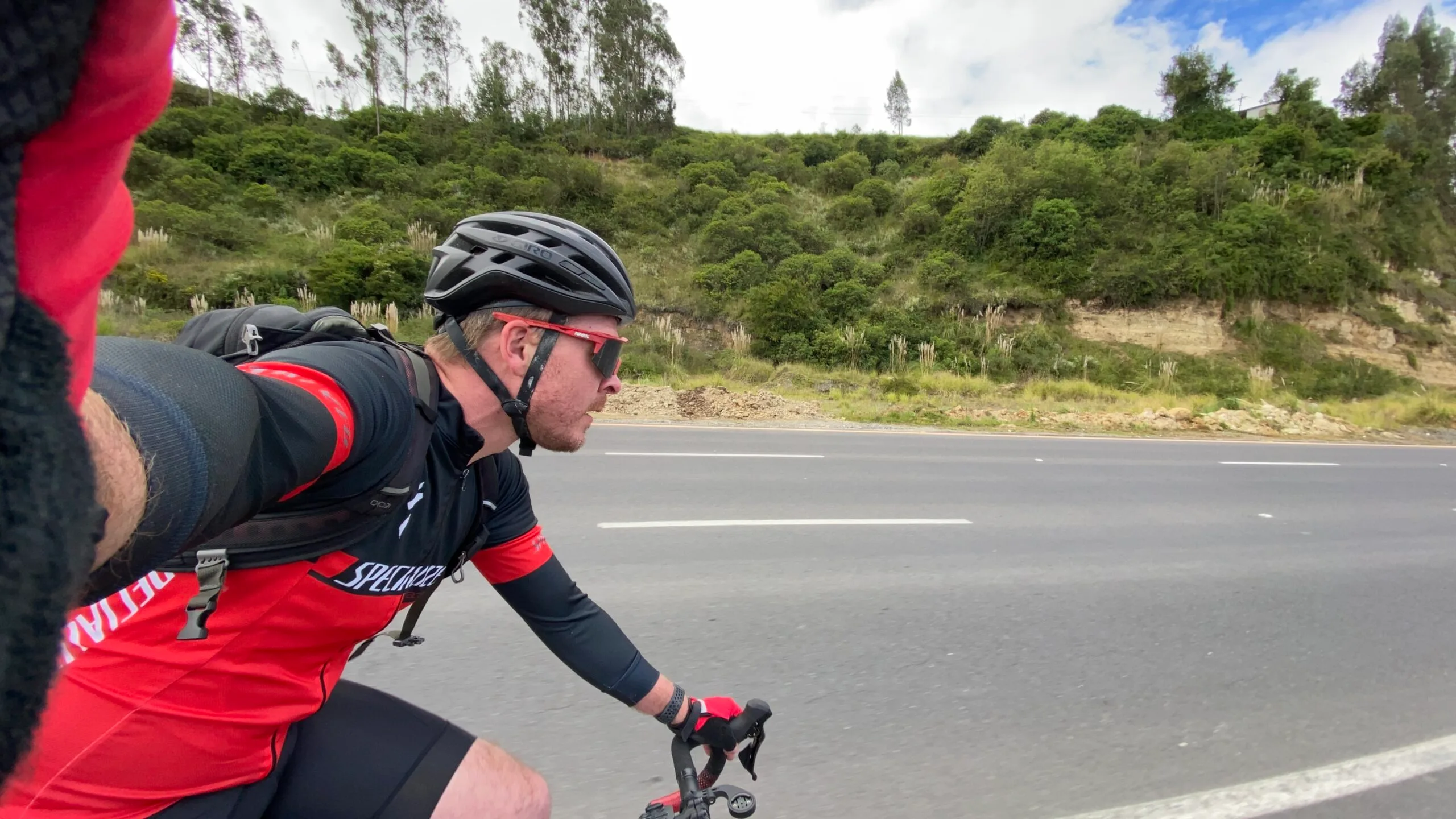
BEN FINCH
Bohemia is a land that feels as though it was pulled directly from the pages of a medieval folio. It is a region defined by rolling hills, dense forests, and more castles per square kilometre than almost anywhere else on Earth.
For those who prefer to travel at their own pace, bypassing the crowded tour buses in favour of a more intimate connection with the landscape, Bohemia offers an unparalleled richness. While many visitors never make it past the city limits of Prague, the true essence of the Czech experience lies in the balance between the capital’s grandeur and the historic gems scattered across the Bohemian countryside.
At Wheely Tyred, the belief is that the best way to see a country is to truly inhabit it. This means having the freedom to stop when a view demands a photograph or to linger at a wayside tavern for an extra glass of local lager without a tour guide checking their watch.
To help you plan your journey, we have distilled the sprawling beauty of Bohemia into six essential, iconic attractions that represent the pinnacle of Czech history, architecture, and natural wonder.
Essential Bohemian highlights / A quick overview
Before we dive into the details of each location, here is a summary of the six iconic destinations that define the Bohemian experience:
- Prague Castle: The world’s largest ancient castle complex, serving as a historic seat of power and offering unparalleled views over the capital’s terracotta rooftops
- Charles Bridge: A magnificent 14th-century stone bridge lined with Baroque statues, best experienced at dawn to appreciate its Gothic grandeur
- Český Krumlov: A UNESCO-listed medieval town nestled in a loop of the Vltava River, famed for its fairytale atmosphere and Renaissance architecture
- Sedlec Ossuary: A hauntingly beautiful chapel in Kutná Hora decorated with the remains of over 40,000 people, serving as a profound memento mori
- Karlovy Vary: Bohemia’s premier spa town, where grand colonnades and thermal springs have hosted royalty and artists for centuries
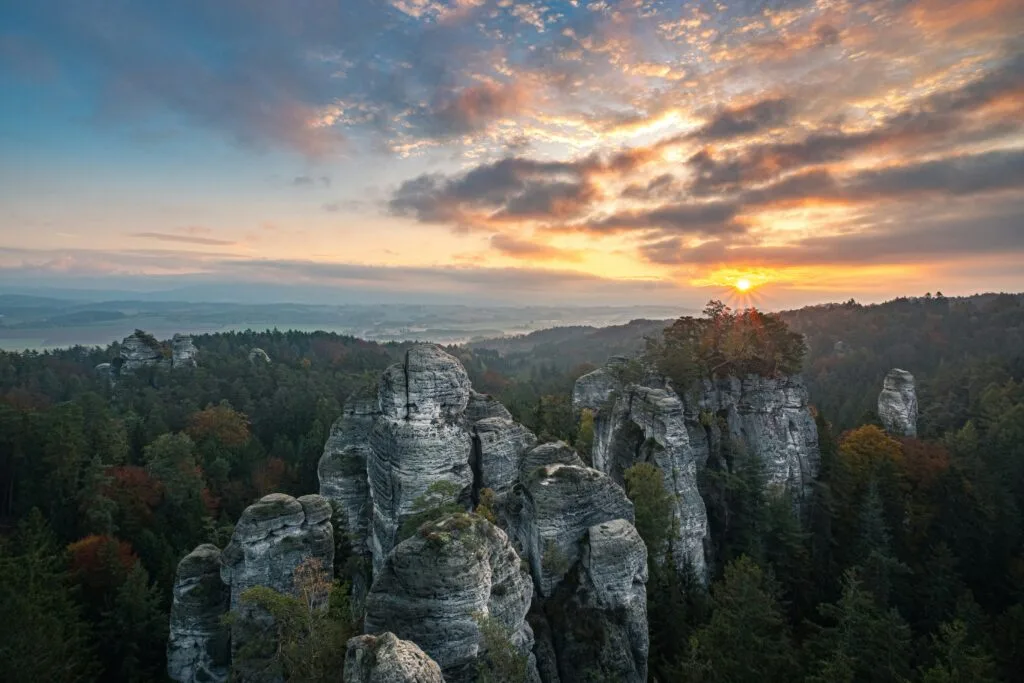
- Bohemian Switzerland: A breathtaking national park featuring the Pravčická Brána, Europe’s largest natural sandstone arch, and dramatic forest ravines
Prague.
There’s no other city like it
1. Prague Castle / The seat of kings
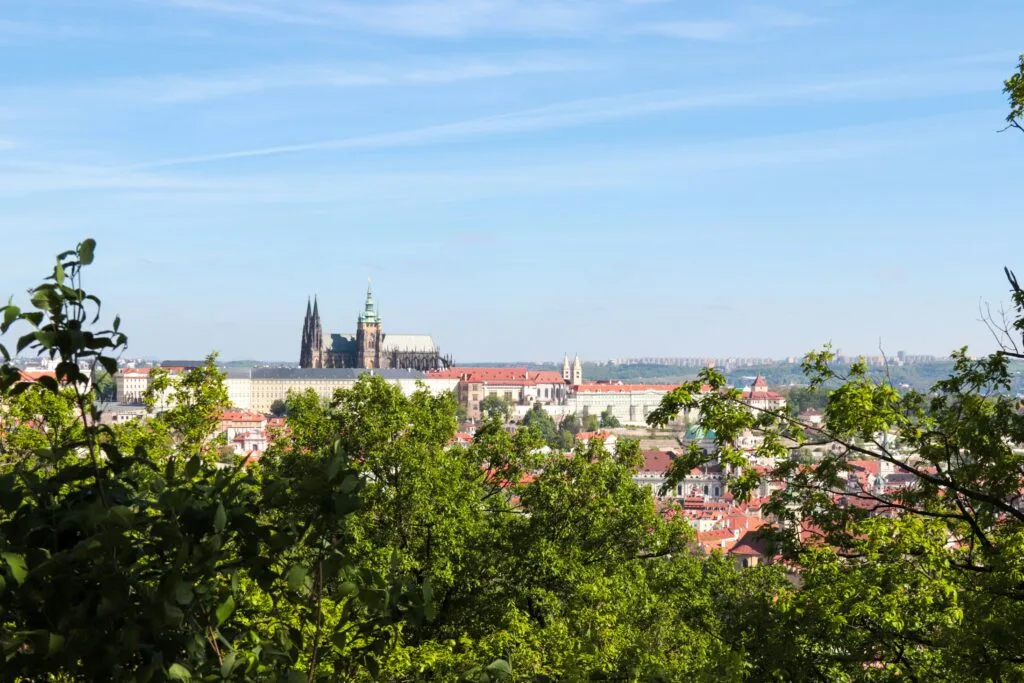
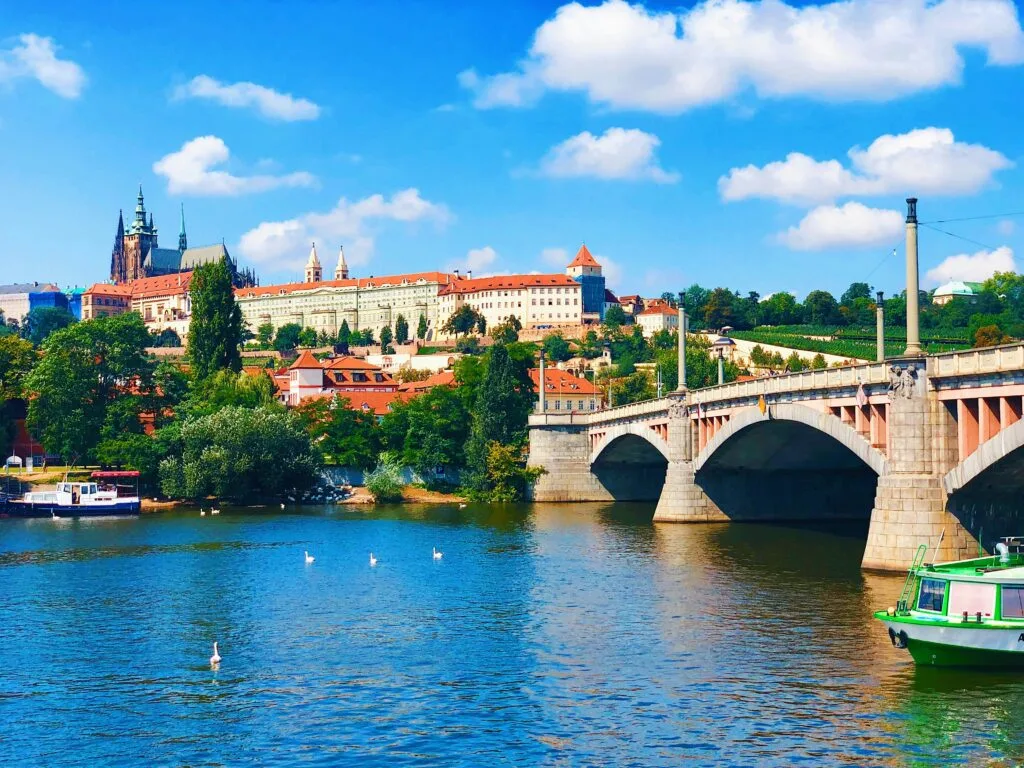
Dominating the skyline of the Golden City, Prague Castle is not merely a single building but a vast complex that holds the title of the largest ancient castle in the world. For over a millennium, this has been the seat of power for Bohemian kings, Holy Roman Emperors, and modern-day presidents.
Walking through the castle gates is like navigating a timeline of European architecture. The centrepiece is the St Vitus Cathedral, a Gothic masterpiece that took nearly six hundred years to complete. Its soaring spires and intricate stained glass are visible from across the city. Beyond the cathedral, visitors should seek out the Golden Lane, a row of tiny, brightly coloured houses that once sheltered castle marksmen and, centuries later, the writer Franz Kafka.
While the interior tours are spectacular, the true joy of the castle for the independent traveller lies in its gardens and the Rampart Walk. From these elevated vantage points, the terracotta rooftops of Prague’s Lesser Town spread out like a sea of burnt orange, offering a perspective that no street-level tour can match.
2. Charles Bridge / A gallery of stone
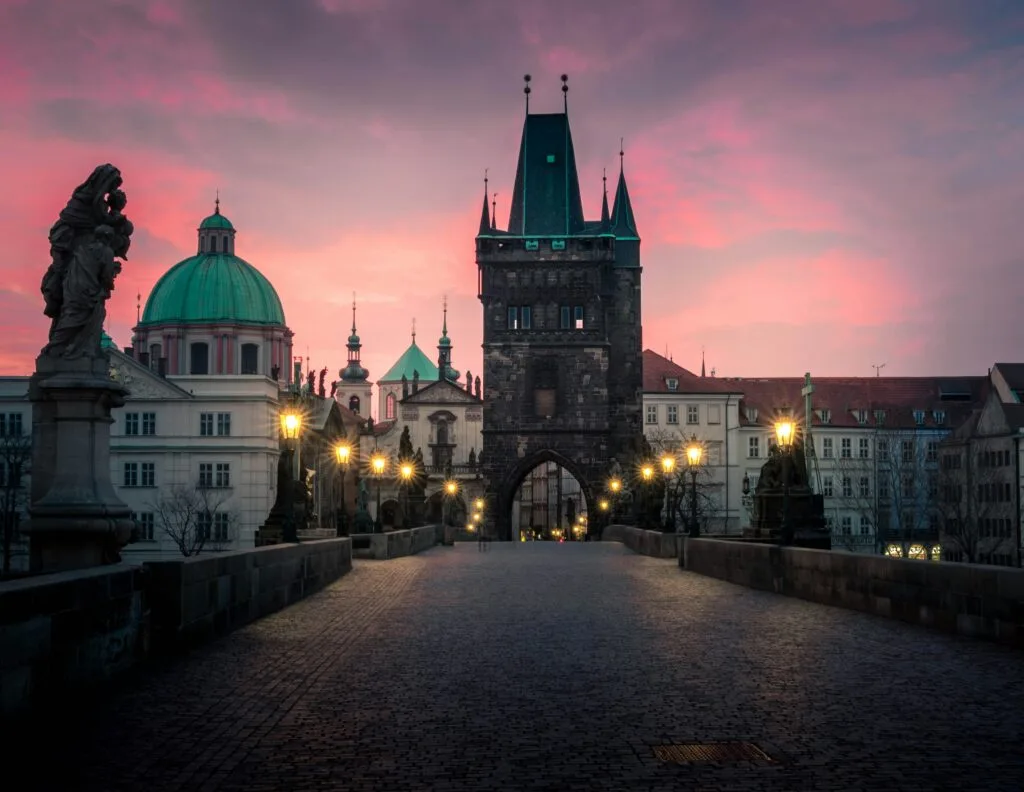
If Prague Castle is the crown of the city, Charles Bridge is its most precious jewel. Commissioned by King Charles IV in 1357, this stone bridge connects the Old Town with the Lesser Town across the Vltava River. It is flanked by thirty Baroque statues of saints, creating an open-air gallery that is atmospheric at any hour.
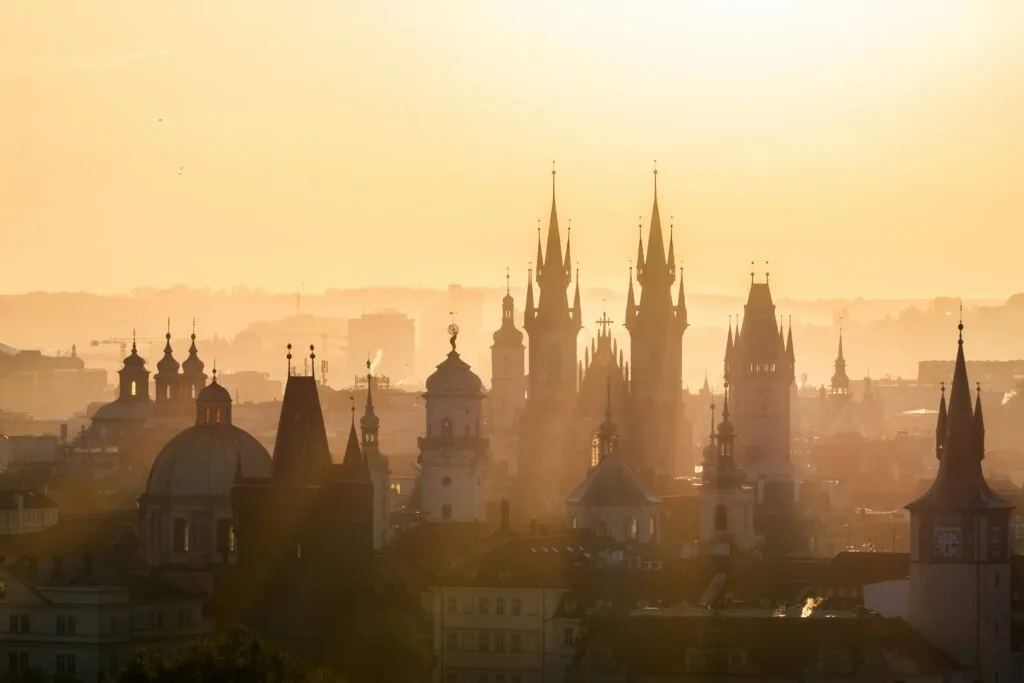
To truly appreciate the bridge without the midday crush of souvenir sellers and caricaturists, one must arrive at dawn. As the morning mist rises off the Vltava, the silhouettes of the statues emerge against the Gothic bridge towers. It is a moment of profound stillness in an otherwise bustling capital. Crossing the bridge is a rite of passage, but the savvy visitor also looks down at the riverbanks to see the intricate stonework of the Vltava’s weirs and the water wheels of Kampa Island, which still turn today.
Český Krumlov.
A Baroque city on an ancient river
3. Český Krumlov / The medieval time capsule
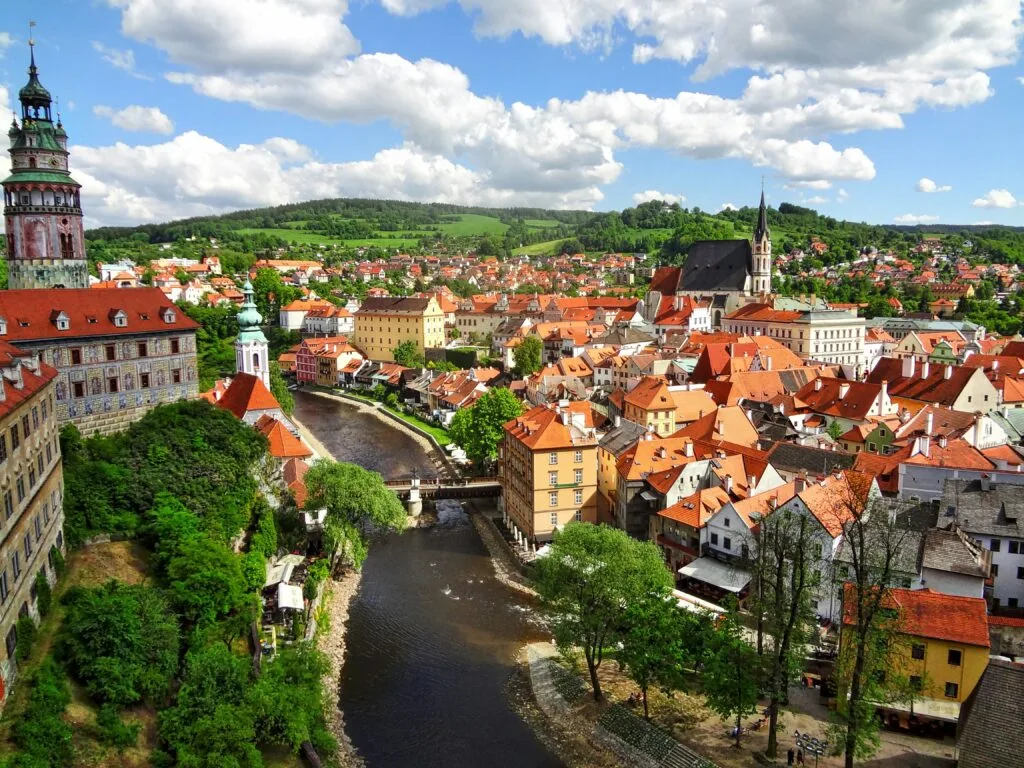
Located in South Bohemia, Český Krumlov is frequently cited as one of the most beautiful towns in Europe. Built around a sharp bend in the Vltava River, the town is a labyrinth of narrow, winding streets and Renaissance architecture. The entire historic centre is a UNESCO World Heritage site, and for good reason—it has remained remarkably unchanged for centuries.
The Český Krumlov State Castle is the town’s focal point, perched on a rock face overlooking the river. It features a unique Baroque theatre, one of only two in the world that still retains its original stage machinery, scenery, and costumes. After exploring the castle, wandering the town’s squares reveals hidden courtyards, artisanal shops, and traditional Czech eateries. The pace here is slower than in Prague, rewarding those who take the time to explore every alleyway.
4. The Sedlec Ossuary / The Bone Church of Kutná Hora
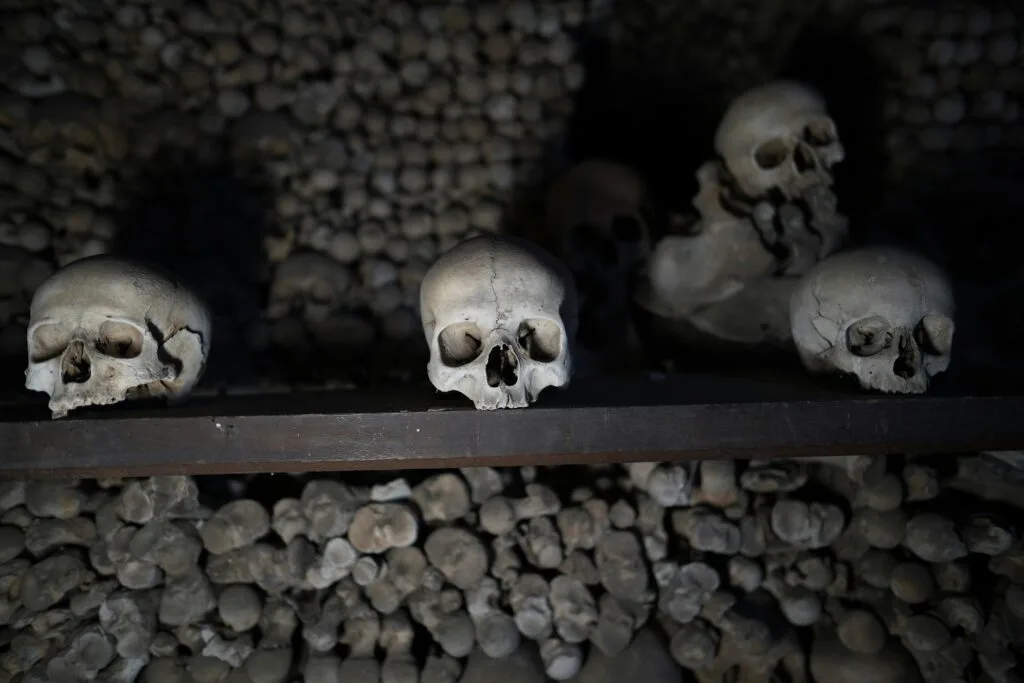
For something truly unique—and perhaps a little macabre—a trip to Kutná Hora is essential. While the town was once a wealthy silver-mining hub that rivalled Prague in importance, it is now most famous for the Sedlec Ossuary. This small Roman Catholic chapel is estimated to contain the skeletons of between 40,000 and 70,000 people.
In the late 19th century, a woodcarver named František Rint was commissioned to organise the bones. The result is a hauntingly beautiful display where human remains have been used to create chandeliers, chalices, and even the coat of arms of the House of Schwarzenberg. It is a stark memento mori that serves as a powerful reminder of Bohemia’s turbulent history during the Black Death and the Hussite Wars.
While in Kutná Hora, do not miss the Cathedral of St Barbara. This five-naved Gothic church was dedicated to the patron saint of miners and features unique frescoes depicting the secular life of the medieval mining town, a rare departure from purely religious themes.
Karlovy Vary.
The king’s city
5. Karlovy Vary / The grand spa tradition
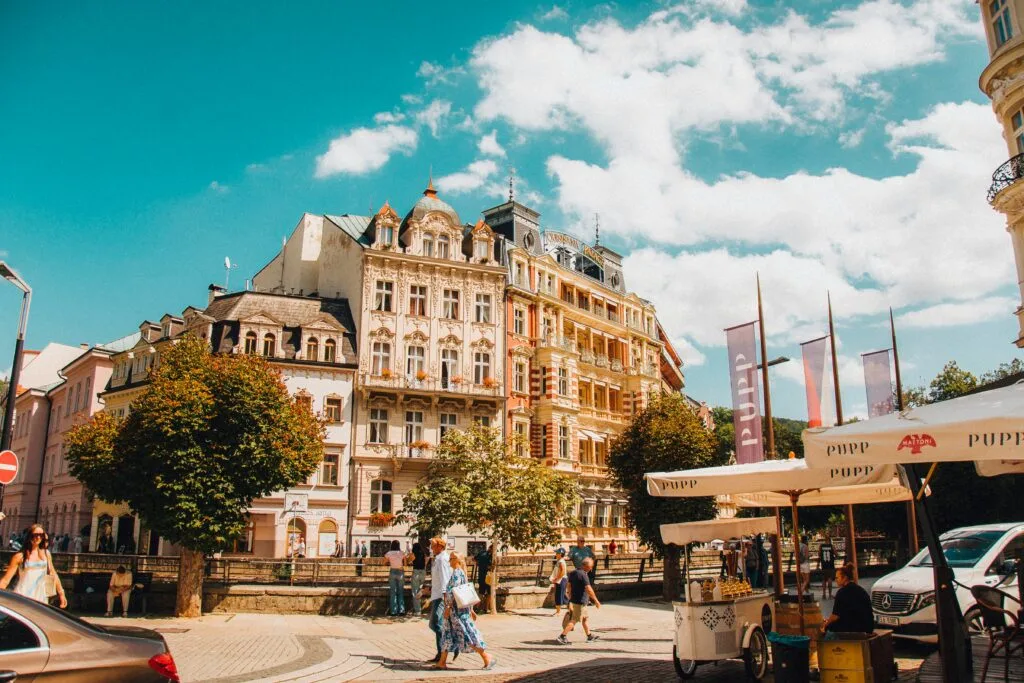
West Bohemia is home to the world-famous spa triangle, with Karlovy Vary (Carlsbad) as its premier destination. Founded in the 14th century by Charles IV, the town became the playground of the European elite, attracting figures like Goethe, Beethoven, and Peter the Great to its healing thermal springs.
The architecture here is distinctly grand, with elegant colonnades designed to allow visitors to stroll and sip the mineral-rich waters regardless of the weather. The Mill Colonnade and the Market Colonnade are particular highlights. Visitors typically purchase a small porcelain spa cup with a built-in straw to sample the water from various springs, each with a different temperature and mineral content. Beyond the water, the town is famous for Moser glassworks and Becherovka, a potent herbal liqueur often called the thirteenth spring.
6. Bohemian Switzerland National Park / Nature’s Gothic architecture
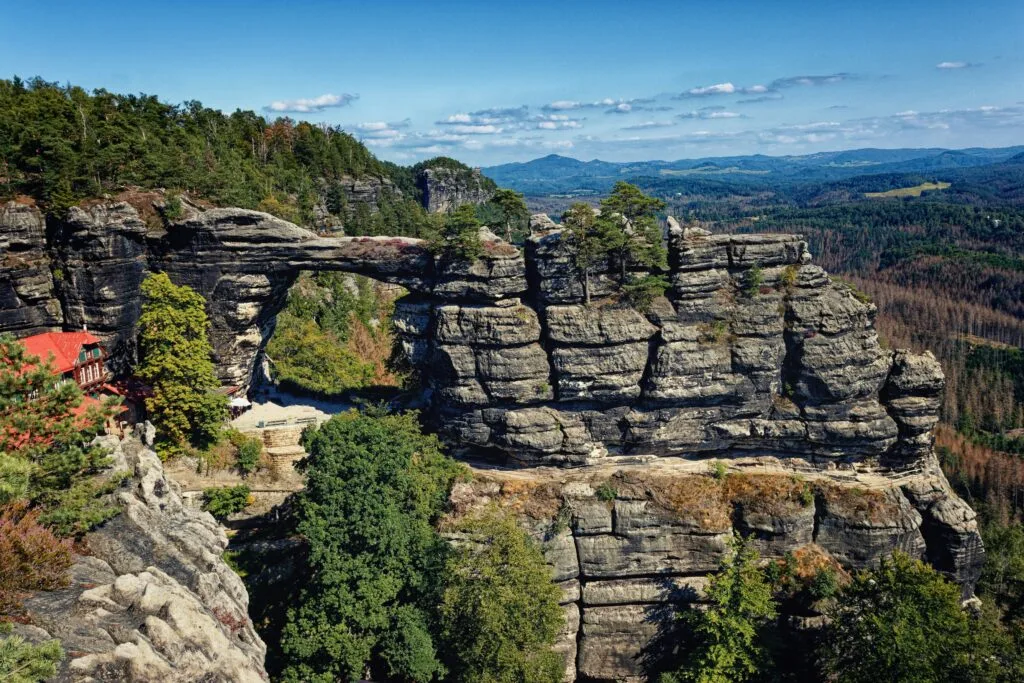
In the northern reaches of Bohemia lies a landscape that feels entirely otherworldly. Bohemian Switzerland National Park (České Švýcarsko) is a realm of sandstone cliffs, deep ravines, and dramatic rock arches. It is the perfect antidote to the stone-paved streets of the cities.
The most iconic landmark here is the Pravčická Brána, the largest natural sandstone arch in Europe. It is a majestic sight, standing as a gateway to the forest. The park also features the Kamenice River gorges, where visitors can take silent boat rides through moss-covered canyons. This is a region where the natural world mimics the Gothic spires of the capital, with jagged peaks and hidden caves that have inspired artists and poets for centuries.
Bohemia.
Explore the heart of the Czech Republic
The Bohemian journey on two wheels
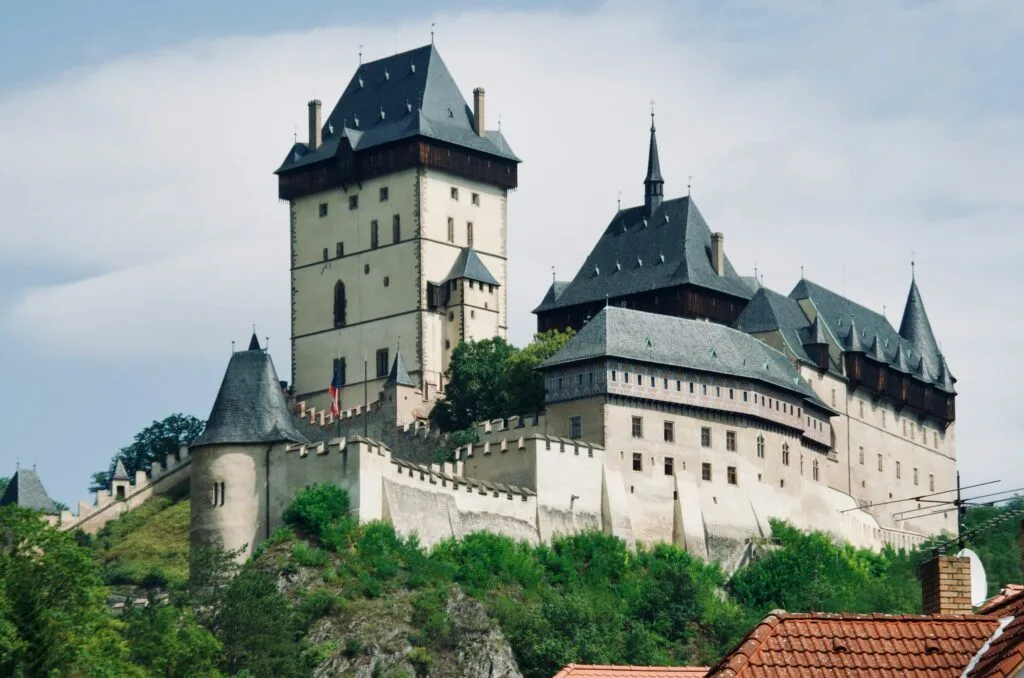
While these attractions are the heavy hitters of any Czech itinerary, the best way to link them is with the perspective only a bicycle can provide. Moving between these sites allows you to see the transition of the landscape, from the hop gardens of the north to the pond-dotted plains of the south.
If you are based in Prague, there are fantastic routes within 20 kilometres that offer a break from the urban hum. The path south towards Průhonice Park leads to one of the most beautiful botanical gardens in the country, while a northern ride along the Vltava takes you to the Troja Palace and the surrounding vineyards. For a classic day trip, the route to Karlštejn Castle follows the Berounka River through a limestone canyon that is stunningly flat and scenic.
If you have a full day, consider a trip to Plzeň (Pilsen) to see the birthplace of pilsner lager, or head to Mělník, where the Vltava and Elbe rivers meet amidst rolling vineyards. For those seeking the quietest corners of Bohemia, the UNESCO-listed town of Třeboň in the south offers a landscape of medieval fish ponds and flat, forested trails that are a dream for any cyclist.
Affiliate Disclaimer: Some of the links on Wheely Tyred are affiliate links. If you click through and make a booking or purchase, we may earn a small commission at no extra cost to you. We only recommend gear, tours, stays, and services we genuinely use, trust, and stand behind — our editorial independence always comes first. These commissions help keep our independent cycling guides and travel stories free to read. Thanks for supporting the ride!
Frequently asked questions about the top attractions in Bohemia
The Czech Republic has an excellent rail and bus network connecting major hubs like Prague, Karlovy Vary, and Kutná Hora, and exploring by bicycle offers a lot of freedom. Many of the most scenic routes and hidden taverns are best discovered when you aren’t tied to a public transport timetable. But it is generally excellent and can be relied on for many journeys.
In larger cities and tourist centres, credit and debit cards are widely accepted. However, if you are venturing into smaller villages or stopping at wayside taverns while cycling, it is essential to carry some Czech Koruna (CZK), as many smaller establishments remain cash-only.
Late spring (May and June) and early autumn (September and October) provide the best balance of mild weather and manageable crowd sizes. That said, Bohemia is a year-round destination; the summer is perfect for hiking in the national parks, while the winter months bring a magical atmosphere to the historic Christmas markets.
Read our guide on the best time to visit Bohemia.
In major destinations like Český Krumlov and Karlovy Vary, you will find that English is widely spoken in hotels and restaurants. In more rural areas, English may be less common, but the locals are generally very welcoming to independent travellers. Learning a few basic Czech phrases—such as Dobrý den (Good day) and Děkuji (Thank you)—is always appreciated.
Kutná Hora, Karlovy Vary, and Karlštejn Castle are all very manageable as day trips from the capital. However, for destinations further afield like Český Krumlov or Bohemian Switzerland, we recommend staying overnight to truly soak in the local atmosphere without feeling rushed.
Czechia.
Discover Czechia / History reimagined