Baroque beauty and vineyards / The essential guide to Mikulov’s top attractions
Mikulov is a town carved from limestone and legend
Mikulov is the town that comes to mind when you think of Central Europe

BEN FINCH
If you were to paint a picture of the quintessential Central European town, it would undoubtedly share the silhouette of Mikulov. Perched triumphantly on the southern edge of the Czech Republic, merely a few pedal strokes from the Austrian border, Mikulov is a place where the air carries the scent of fermenting grapes and warm limestone. The skyline is dominated by architectural marvels that compel you to stop, dismount, and simply take in the view for an hour.
For the independent traveller, Mikulov represents the absolute pinnacle of the South Moravian experience. It is beautifully compact and intimate, yet historically dense enough to rival major European capitals. Serving as the beating heart of the Mikulovská wine sub-region, it sits against a backdrop of rolling white limestone hills known as the Pálava Protected Landscape Area.
Whether you are drawn here by the deep-rooted history, the world-class viticulture, or the sheer visual drama of the landscape, Mikulov demands a deliberate and unhurried pace of exploration. It heavily rewards those who possess the freedom to look behind heavy oak doors of ancient wine cellars or to climb rugged stone paths to uncover a new perspective.
Mikulov’s Essential Highlights at a Glance
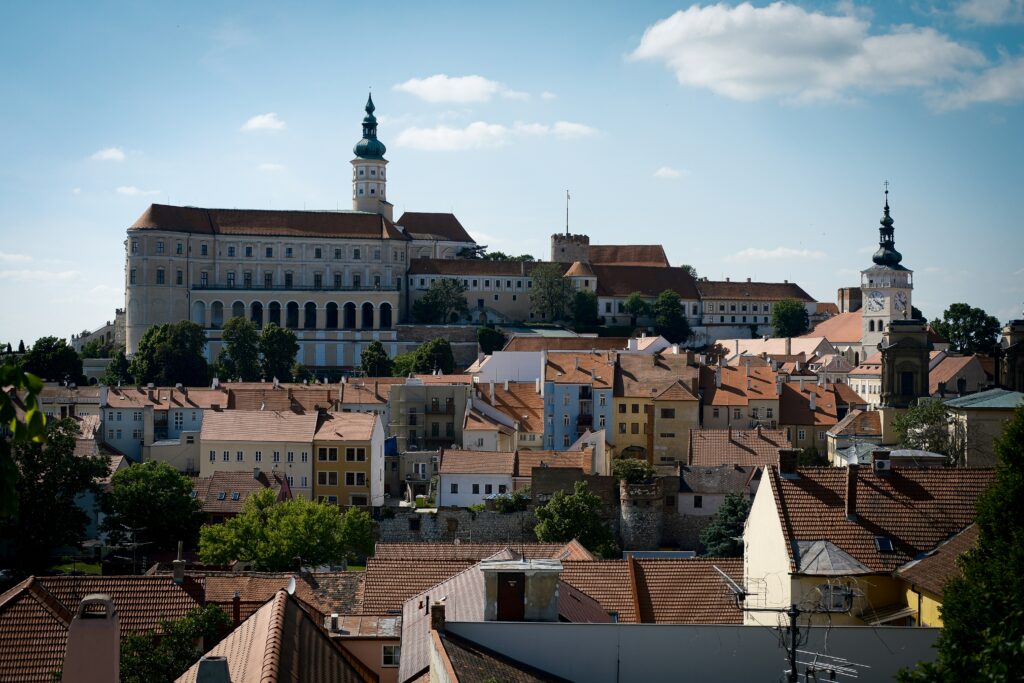
Mikulov is a town that balances its heavy Baroque heritage with the breezy, sun-drenched atmosphere of a wine-producing frontier. For the traveller navigating the South Moravian landscape, these are the essential things to do:
- Mikulov Castle: Perched on a limestone crag, this chateau is the town’s undisputed visual anchor. It houses an extensive collection of viticulture history, including a massive wine barrel from 1643 that speaks to the region’s long-standing obsession with the grape
- Svatý kopeček (Holy Hill): A pilgrimage site that rewards a relatively short, steep climb with the most comprehensive views of the town and the Austrian border. The Way of the Cross leads you past several white-washed chapels to the Church of Saint Sebastian at the summit
- The Dietrichstein Tomb: Once the Church of St. Anne, this structure was reimagined as a family mausoleum after a devastating fire in the 18th century. It is a sombre, grand piece of architecture right on the main square that houses the remains of one of the region’s most powerful dynasties
- The Jewish Quarter and Cemetery: Mikulov was once the spiritual and cultural heart of the Moravian Jewish community. The cemetery is one of the largest in the country, featuring over 4,000 gravestones draped in ivy and centuries of history
- Kozí hrádek (Goat Tower): Originally a 15th-century artillery tower built to improve the town’s northern defences, it now serves as a scenic lookout point. It’s an ideal spot for those who want a view of the castle from a different perspective
- The Wine Cellar Alleys: Mikulov is the gateway to the Pálava wine region. Beyond the formal tasting rooms, the true character of the town is found in the smaller, often family-run cellars tucked into the limestone hillsides, where the focus is on dry Rieslings and local Pálava varieties
- Pálava Protected Landscape Area: Just beyond the town limits, this UNESCO biosphere reserve offers a landscape of white limestone cliffs and ancient ruins, such as Dívčí hrady, providing a rugged, natural contrast to the town’s manicured Baroque streets
Prague.
There’s no other city like it
The masterpiece on the rock / Mikulov Chateau
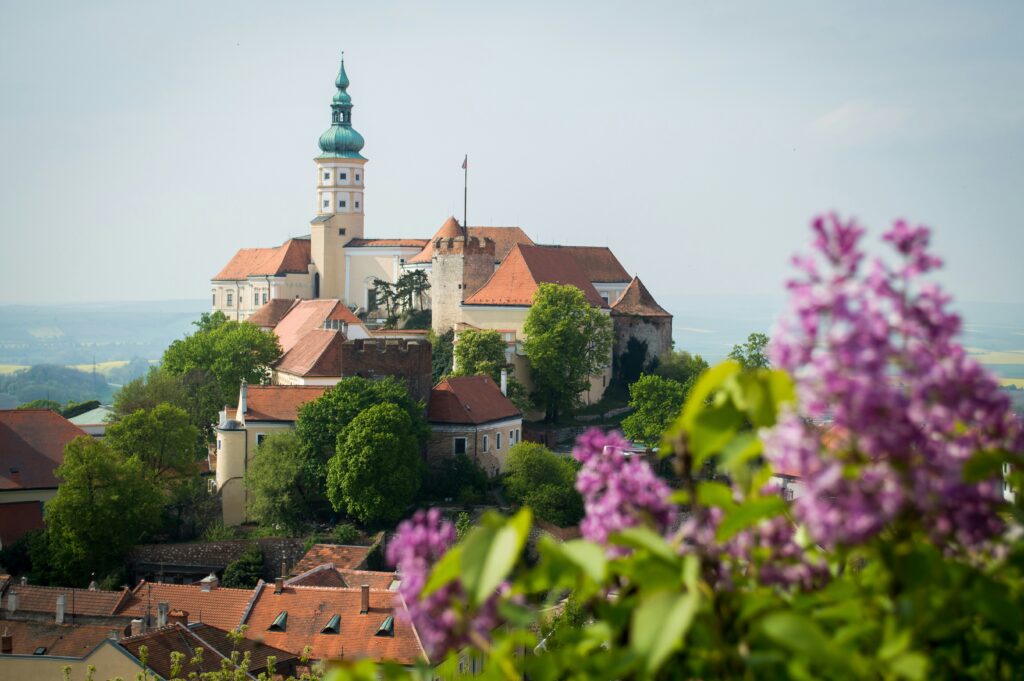
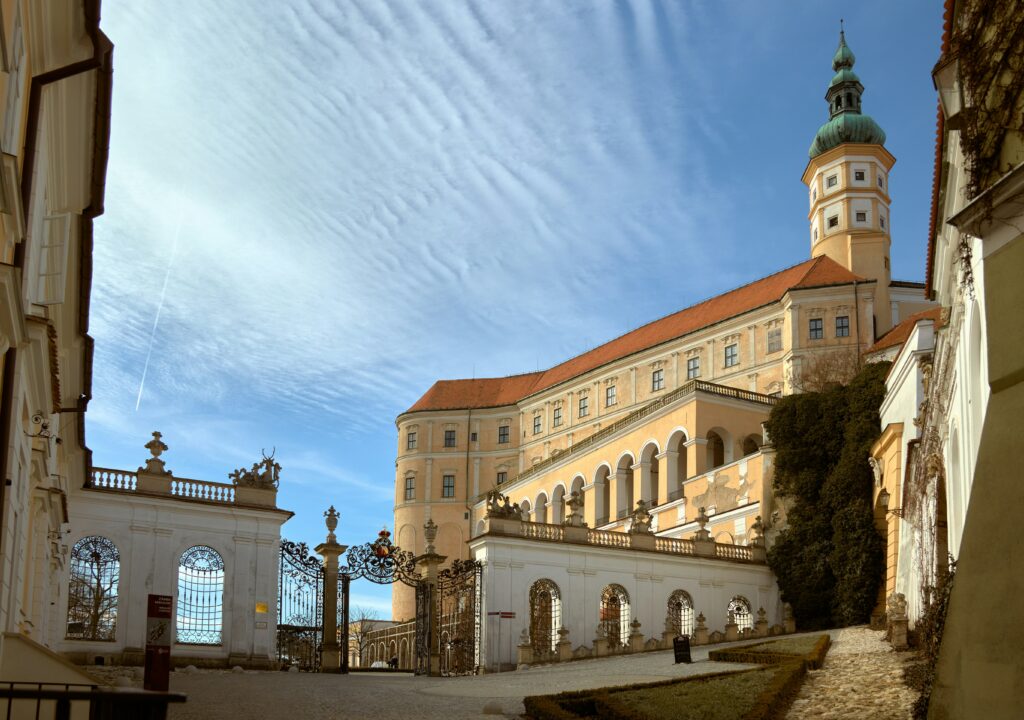
It is entirely impossible to miss the Chateau. It sits upon a prominent rocky cliff, its pale walls and sweeping red-tiled roofs serving as an architectural lighthouse for anyone approaching the town from the surrounding plains. Originally constructed as a formidable Romanesque castle, it was carefully transformed into an elegant Renaissance seat before the influential Dietrichstein family bestowed upon it its current, sweeping Baroque flourish.
While the meticulously restored interiors offer a masterclass in aristocratic elegance and regional history, the true draw for many visitors lies hidden in the cool depths of the chateau cellars. Here rests the Giant Barrel, an utterly monstrous wooden vessel constructed in 1643 that boasts a capacity of over 101,000 litres. It stands as a magnificent testament to the fact that in Mikulov, wine has never been considered a mere hobby; it is the very bedrock of the town’s cultural identity.
Taking the time to wander through the terraced chateau gardens is equally rewarding, offering a perfectly manicured botanical retreat with panoramic views that stretch far out toward the Austrian border.
The ascent of the faithful / Svatý Kopeček (Holy Hill)
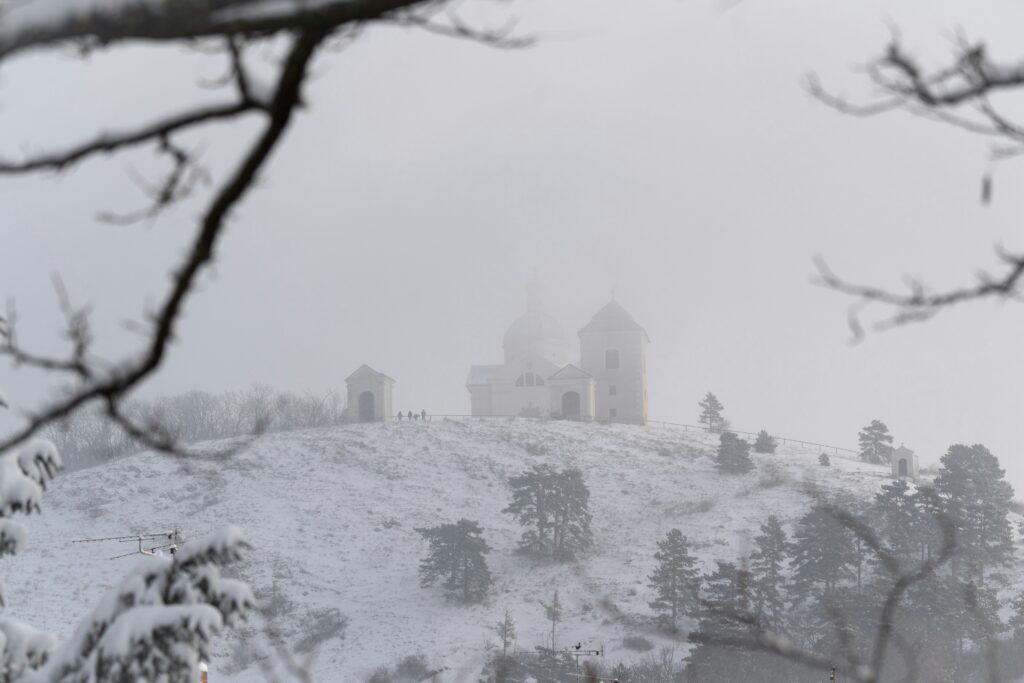
For the most striking perspective of the town and its surrounding geography, one must look upward toward Svatý Kopeček. This prominent nature reserve is far more than just a steep incline; it is one of the oldest and most revered pilgrimage sites in the Czech lands. The ascent follows a historic trail marked by the Stations of the Cross, a series of gleaming white chapels that guide you steadily upward through rare steppe vegetation toward the Chapel of Saint Sebastian and its accompanying campanile.
The hike requires a brisk effort but is entirely manageable for an active traveller. The reward at the summit is nothing short of breathtaking, providing the definitive and most photographed view of Mikulov. From this lofty vantage point, you can appreciate the castle complex in its entirety, trace the geometric patchwork of vineyards stretching toward the horizon, and spot the shimmering waters of the Nové Mlýny reservoirs in the distance. Even when the town below is buzzing with seasonal wine festivals, the summit of Svatý Kopeček retains an atmosphere of profound, wind-swept quiet.
Brno.
Explore Czechia’s second — and best — city
The sentinel of the north / Kozí Hrádek
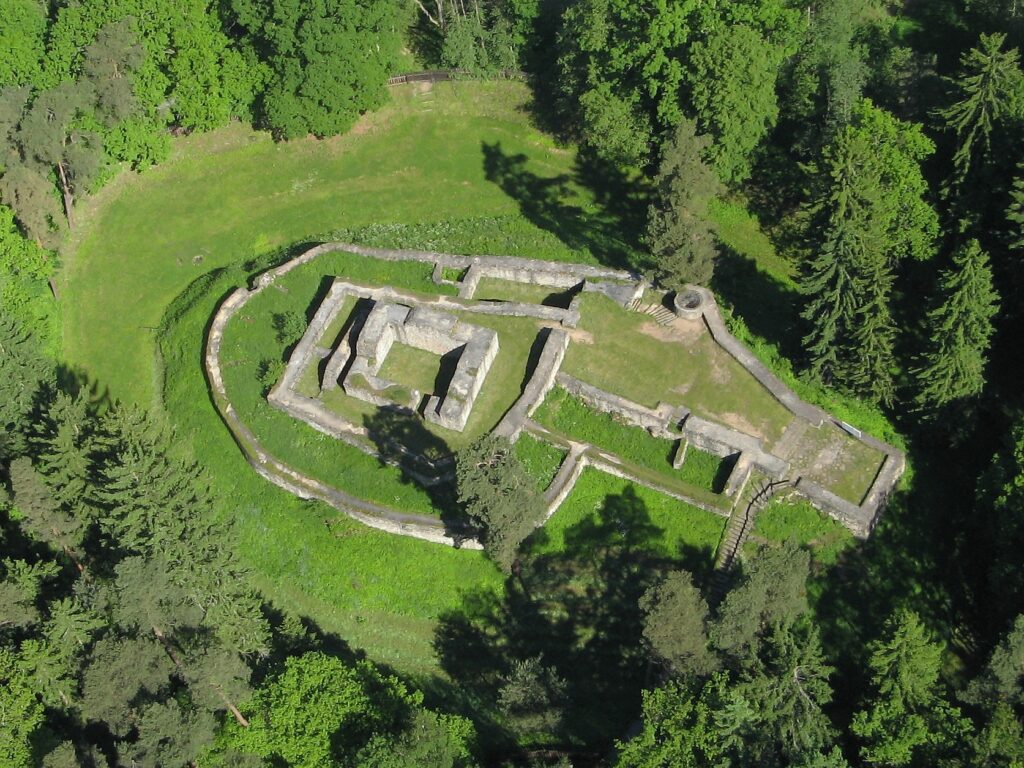
While the Chateau served as the grand, opulent residence for nobility, Kozí Hrádek, known in English as Goat Tower, stood as the town’s rugged and practical defender. Positioned on a smaller, rocky limestone outcrop to the north of the historic centre, this 15th-century artillery tower is a phenomenal piece of late Gothic military architecture. It was originally constructed to control and protect the vital trade routes connecting Brno with Vienna, serving as a heavily fortified checkpoint that overlooked the valley.
Unlike the manicured gardens of the chateau or the spiritual paths of Holy Hill, the approach to Kozí Hrádek feels delightfully untamed. The path winds up through natural limestone formations and wilder vegetation, offering an authentic, slightly off-the-beaten-path experience that perfectly suits the curious, independent explorer. The structure itself is a robust, two-storey tower featuring a gallery equipped with embrasures designed for firearms, showcasing the shift in medieval warfare tactics.
The primary reason to make the climb today, however, is the unparalleled vantage point it offers. Because it sits slightly offset from the main cluster of historical buildings, Kozí Hrádek provides a direct, uninterrupted, and highly dramatic profile view of the Mikulov Chateau. It is arguably the best spot in town to comprehend the sheer scale of the castle rock. Looking down, you are treated to a magnificent aerial view of the labyrinthine lanes and red roofs of the Jewish Quarter spread out directly below. If you time your visit for the late afternoon or early evening, you can sit atop the ancient stone walls and watch the warm sunset light illuminate the chateau facade, while long shadows begin to cool the narrow streets beneath you.
History written in stone / The Jewish Quarter and Cemetery
Mikulov was once the prestigious seat of the Moravian Land Rabbi and served as home to one of the most substantial and influential Jewish communities in Central Europe. The legendary Rabbi Judah Loew ben Bezalel, famous in folklore for creating the Golem of Prague, served as the regional rabbi here for two decades.
Today, that profound legacy is meticulously preserved in a beautifully restored quarter situated on the western slope of the castle hill. The Upper Synagogue, featuring a highly unusual four-column interior design, is a rare surviving example of the Polish type of synagogue and now functions as a deeply moving and informative museum.
A short, evocative walk away lies the Jewish cemetery. Spanning a massive area, it is one of the largest and most significant in the entire country, safeguarding approximately 4,000 densely packed tombstones.
There is an ethereal, ancient quality to the site, where heavily weathered Hebrew inscriptions and elaborate Renaissance and Baroque carvings are slowly being reclaimed by trailing ivy and the passage of time. It is an absolutely essential stop for anyone wishing to comprehend the complex, multi-layered cultural history of this border town.
Moravia.
Welcome to wine country
The resting place of princes / The Dietrichstein Tomb
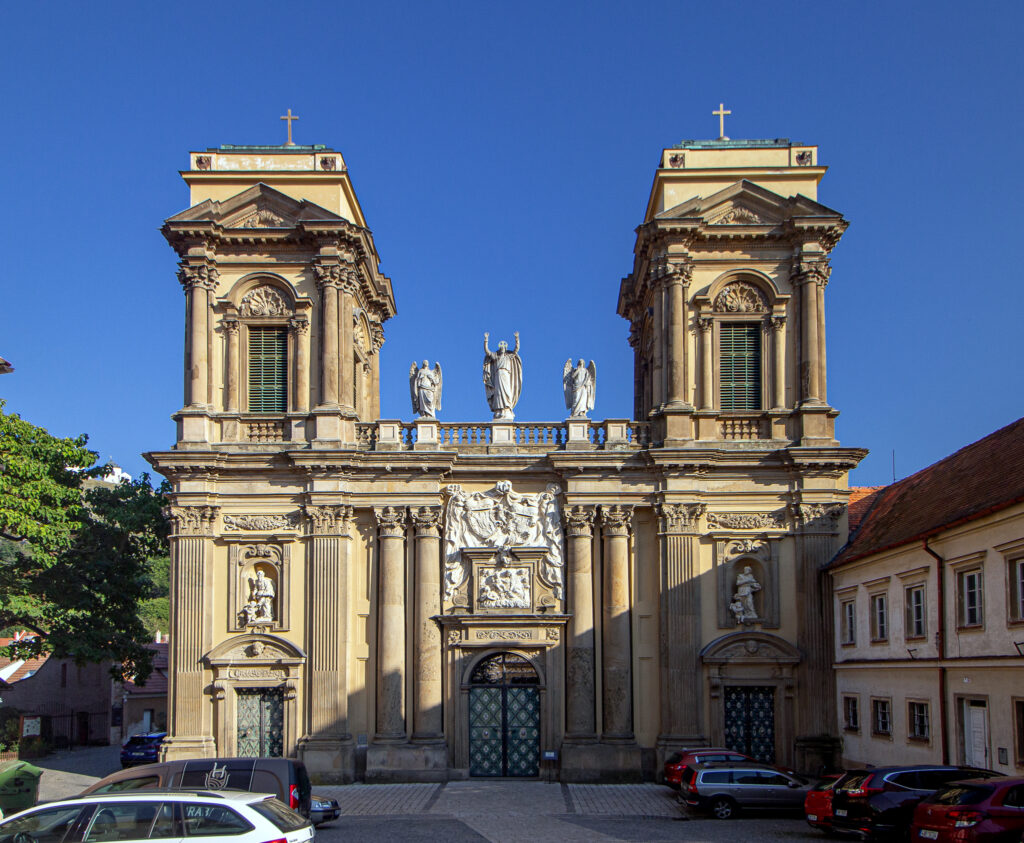
Standing prominently in the lower section of the main town square, the Dietrichstein Tomb is a striking architectural marvel possessing a highly dramatic history. Originally built in the 17th century as the Church of St. Anne, the structure was tragically ravaged by a devastating town fire in 1784. Rather than ordering its demolition, the powerful Dietrichstein family boldly chose to convert the ruined shell into a monumental family funeral chapel.
The resulting facade is a triumph of commanding Baroque design, featuring massive statues and an imposing presence. Stepping through the doors, however, the atmosphere instantly shifts to one of sombre, hushed majesty. The interior houses the ornate coffins of 45 members of the noble family.
Just outside, the courtyard offers a surprisingly quiet, reflective space right in the bustling heart of the town’s busiest square. The raised terrace of the tomb also provides an excellent low-angle view of the square’s surrounding Renaissance houses, including the famous Knights House with its intricate, two-tone sgraffito decorations.
Bohemia.
Explore the heart of the Czech Republic
The road beyond / Cycling through South Moravia
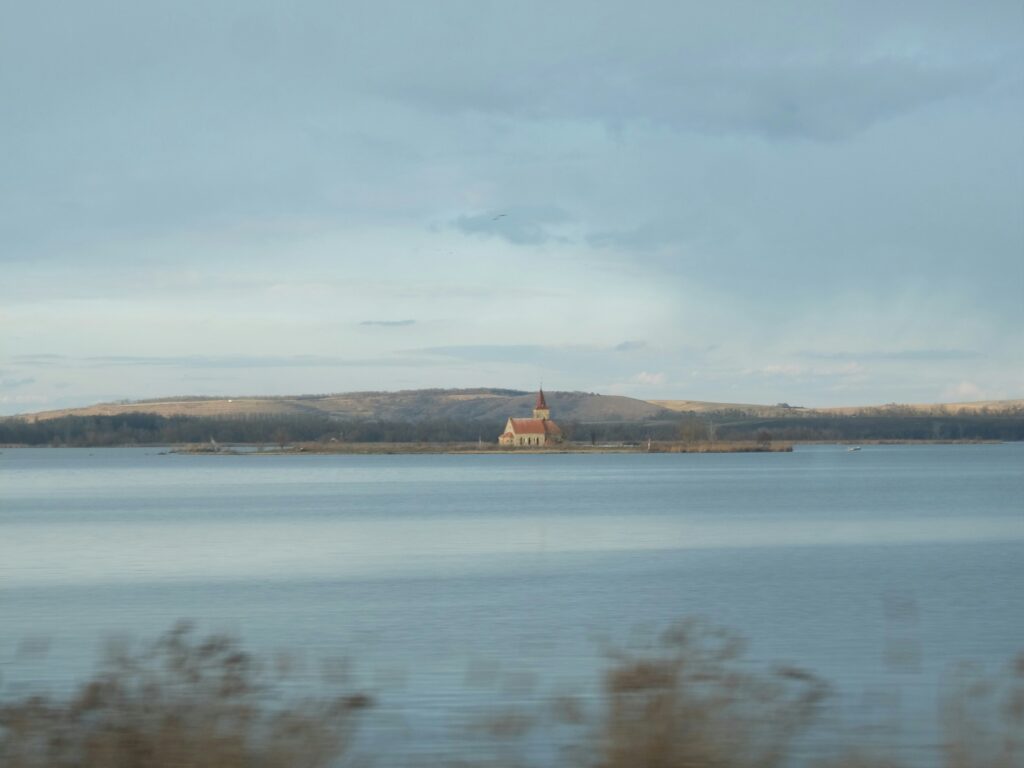
In Mikulov, exploring the town itself is truly only half of the story. The surrounding landscape feels as though it were meticulously designed for the cyclist who wishes to combine gentle physical exertion with high-quality viticulture and stunning scenery. The local terrain is an engaging mix of well-paved, dedicated cycle paths and quiet, winding vineyard roads. It offers just enough elevation to keep the ride interesting, balanced with plenty of flat, open stretches that allow for a relaxed, head-up pace.
Within a highly accessible 20-kilometre radius, a wealth of varied destinations awaits. You can easily reach the picturesque village of Pavlov, famous for its long rows of traditional white-washed wine cellars and its proximity to the dramatic ruins of Děvičky Castle, a fortress that sits like a jagged tooth atop the highest limestone ridge of the Pálava hills.
Heading east, the magnificent Lednice-Valtice Cultural Landscape, recognised globally as a UNESCO World Heritage site, is perfectly suited for exploration by bike. The smooth, flat path from Mikulov to Valtice, which is approximately 12 kilometres, guides you directly through the Garden of Europe, allowing you to cycle seamlessly between romantic neo-Gothic follies, shimmering ponds, and grand Baroque chateaux.
For those seeking a slightly longer day trip, the historic town of Znojmo is a highly rewarding journey, offering a fascinating labyrinth of underground medieval tunnels and a stunning location overlooking the winding Dyje River. Whether you are deliberately following the well-marked Mikulov Wine Trail or simply preferring to wander wherever the smooth tarmac takes you, this region offers the ultimate, unhindered freedom of the open road.
Affiliate Disclaimer: Some of the links on Wheely Tyred are affiliate links. If you click through and make a booking or purchase, we may earn a small commission at no extra cost to you. We only recommend gear, tours, stays, and services we genuinely use, trust, and stand behind — our editorial independence always comes first. These commissions help keep our independent cycling guides and travel stories free to read. Thanks for supporting the ride!
Frequently asked questions about Mikulov’s top attractions
While the town centre can be navigated in a single afternoon, Mikulov is best enjoyed at a slower pace. Two days allow enough time to explore the castle and the Jewish Quarter properly, with an evening reserved for a long session in a local wine cellar.
Very. It is roughly a 45-minute drive or an hour by bus. For those who prefer a more scenic approach, the train journey involves a quick change at Břeclav, placing you right at the edge of the vineyards in just over an hour. And it’s a great ride on the bike along the Eurovelo route.
The terrain around Mikulov is tailor-made for exploration on two wheels. A vast network of well-marked paths connects the town to nearby villages like Valtice and Lednice. The routes are generally gentle, though the Pálava hills provide more of a challenge for those seeking a vertical gain.
During the peak summer months and the autumn harvest season (Vinobraní), booking is highly recommended for the larger estates. However, many smaller cellars and wine bars in the town centre allow for more spontaneous, informal tastings.
Pálava is a local success story—a cross between Gewürztraminer and Müller-Thurgau developed right here in Moravia. It produces an aromatic, often slightly spicy white wine that is effectively the liquid signature of the region.
Late spring offers beautiful blossoms and mild weather, but September is the true peak. This is when the wine harvest festivals take place, and the town is at its most vibrant—though you will be sharing the cobbles with plenty of other enthusiasts seeking the new season’s burčák (partially fermented grape juice).
Read our guide on the best time to visit Moravia.
Czechia.
Discover Czechia / History reimagined