The grandeur of the south: Uncovering the timeless sights of České Budějovice
The top attractions, Budweiser Brewery tours, and South Bohemia sights
Mastering the art of independent exploration in the South Bohemian capital
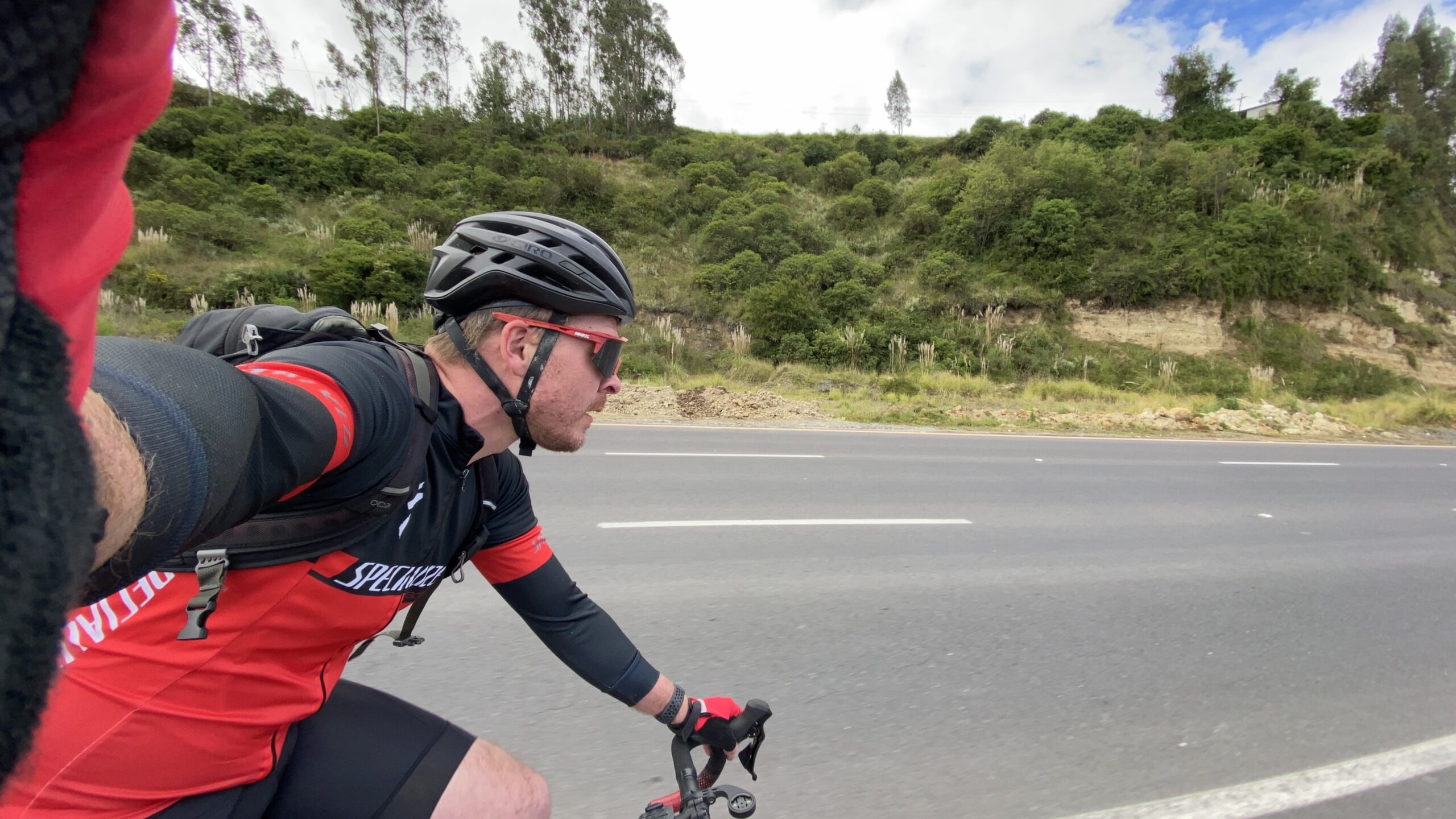
When you arrive in the capital of South Bohemia, there is an immediate sense of space that most medieval European cities lack. Known as Budweis to the German-speaking world, České Budějovice was designed with a royal flourish that has survived centuries of change. For the independent traveller, particularly those who prefer to keep their own schedule and move at their own pace, the city offers a perfect blend of high-culture landmarks and a relaxed, unpretentious atmosphere. While many rush through on their way to more crowded tourist hubs, those who linger here find a city that is as rich in history as it is in hops.
The Heartbeat of the City: Přemysl Otakar II Square
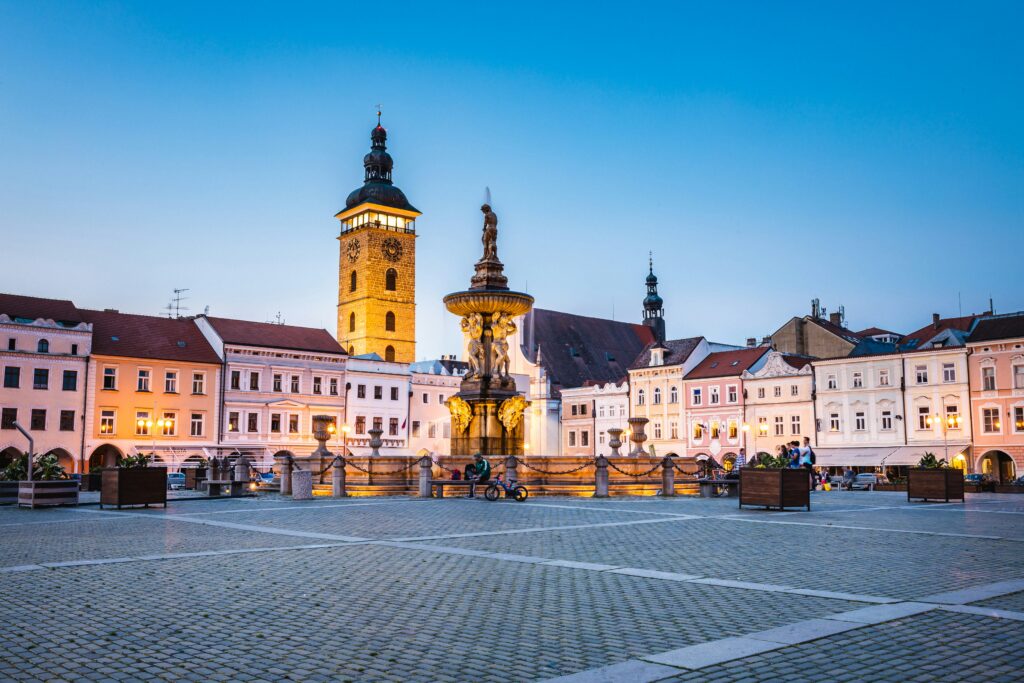
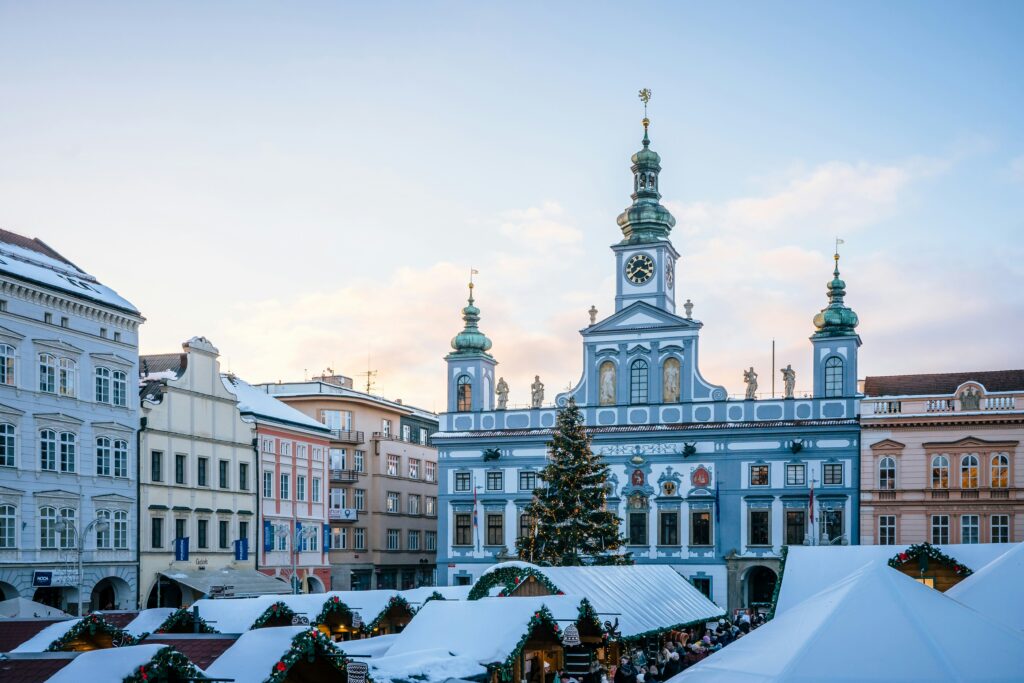
Every journey through České Budějovice begins at the Náměstí Přemysla Otakara II. Named after the Bohemian King who founded the city in 1265, this square is a marvel of urban planning. It is almost a perfect square, measuring exactly one hectare, making it one of the largest of its kind in Europe. What makes it special for the independent explorer is the lack of frantic energy. There are no guides with megaphones here; instead, you find locals crossing the cobblestones and a ring of beautifully preserved Baroque and Renaissance houses that offer plenty of shade under their elegant arcades.
Each building surrounding the square tells a story. Look closely at the facades and you will see the evolution of architectural fashion, from the Gothic foundations to the ornate Baroque gables. The square serves as the geographical and social compass of the city. If you find yourself lost in the winding side streets, simply look for the opening of the square to reset your bearings. It is a place to sit, observe the rhythm of South Bohemian life, and appreciate the scale of a city that was once the envy of the Holy Roman Empire.
Prague.
There’s no other city like it
The Guardian of the Square: The Black Tower
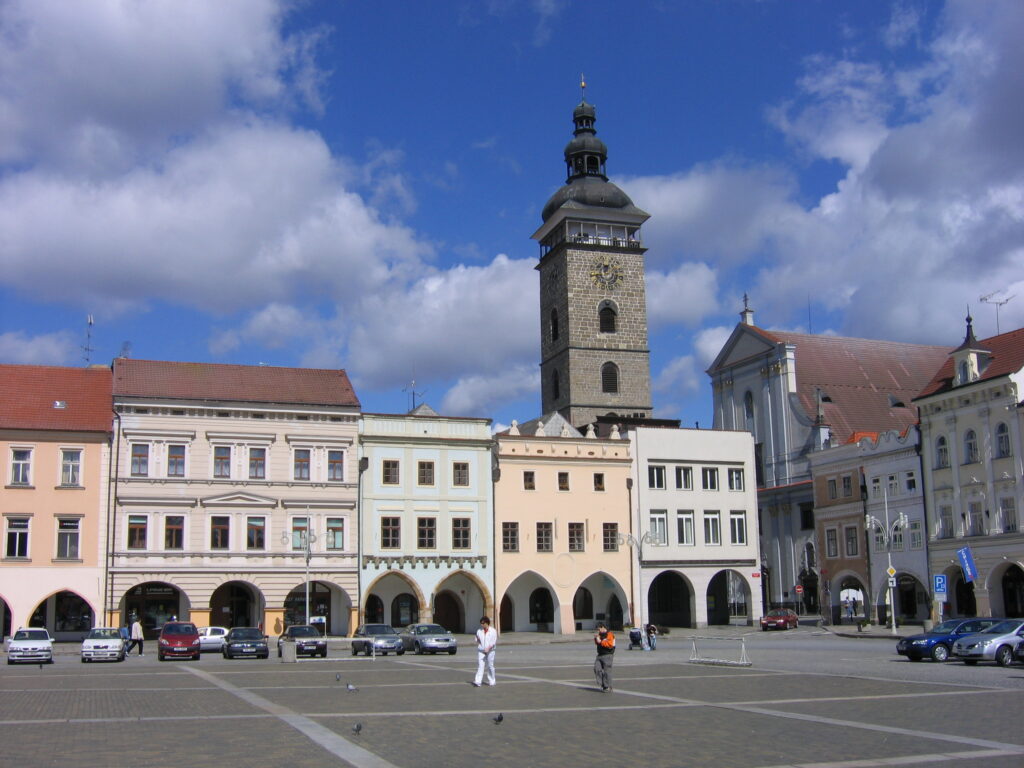
Dominating the skyline is the Černá věž, or Black Tower. Standing 72 metres tall, this 16th-century belfry was built as a symbol of the city’s economic might. It served a dual purpose: a watchtower to spot incoming fires or enemies, and a belfry to house the city’s massive bells. For those who value a perspective from above, the climb is mandatory. There are 225 steps to the gallery, and the journey up is a fascinating look at the internal timber structures that have held firm for hundreds of years.
The reward for the climb is a panoramic view that stretches across the terracotta rooftops of the old town, over the confluence of the Vltava and Malše rivers, and out toward the rolling hills of the Bohemian countryside. On a clear day, the white towers of Hluboká Castle are visible on the horizon. It is a physical challenge that provides the best topographical layout of the city, allowing you to map out your subsequent movements with ease.
Artistry and Engineering: The Samson Fountain
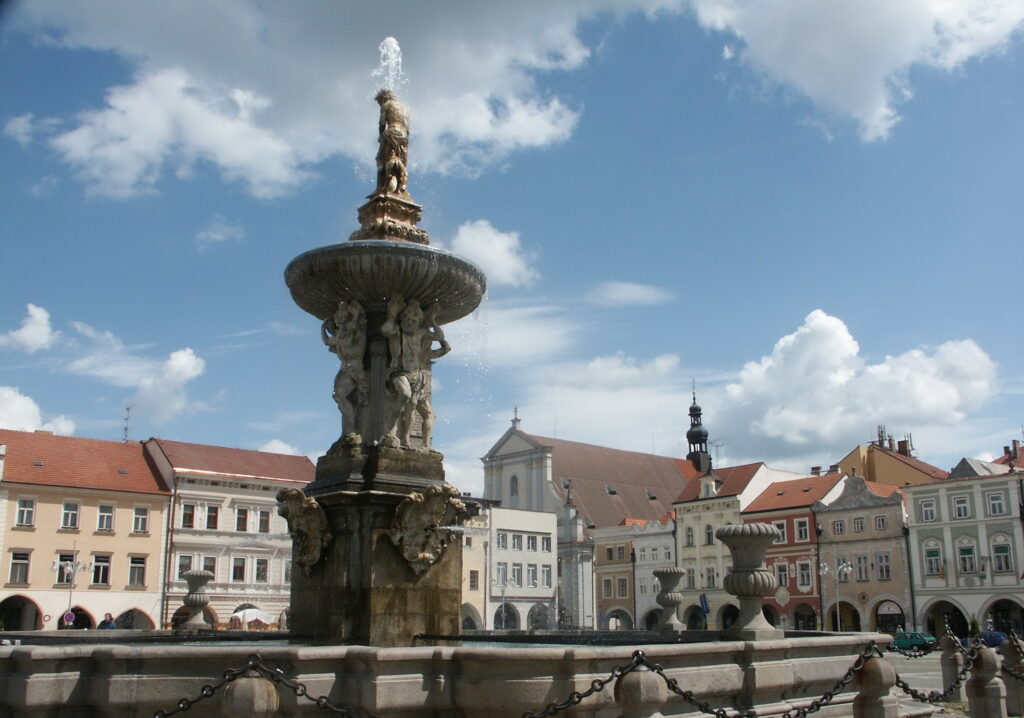
At the very centre of the main square stands the Samsonova kašna. This baroque masterpiece is more than just a decorative water feature; it was a feat of engineering when it was completed in the early 18th century. At the time, it was the largest fountain in the country, designed to distribute water from the Vltava River to the city’s inhabitants. The central sculpture depicts the biblical Samson taming a lion, surrounded by four gargoyles that once provided the city’s primary water supply.
The fountain is a meeting point for friends and a quiet sanctuary in the early morning hours before the city fully wakes. The detail in the stone carvings is exquisite, representing the peak of the Baroque era in South Bohemia. For the detail-oriented traveller, the fountain provides a perfect study in how utility and beauty were once inseparable in urban design.
Bohemia.
Enter the heart of the Czech Republic
A Civic Masterpiece: The Town Hall
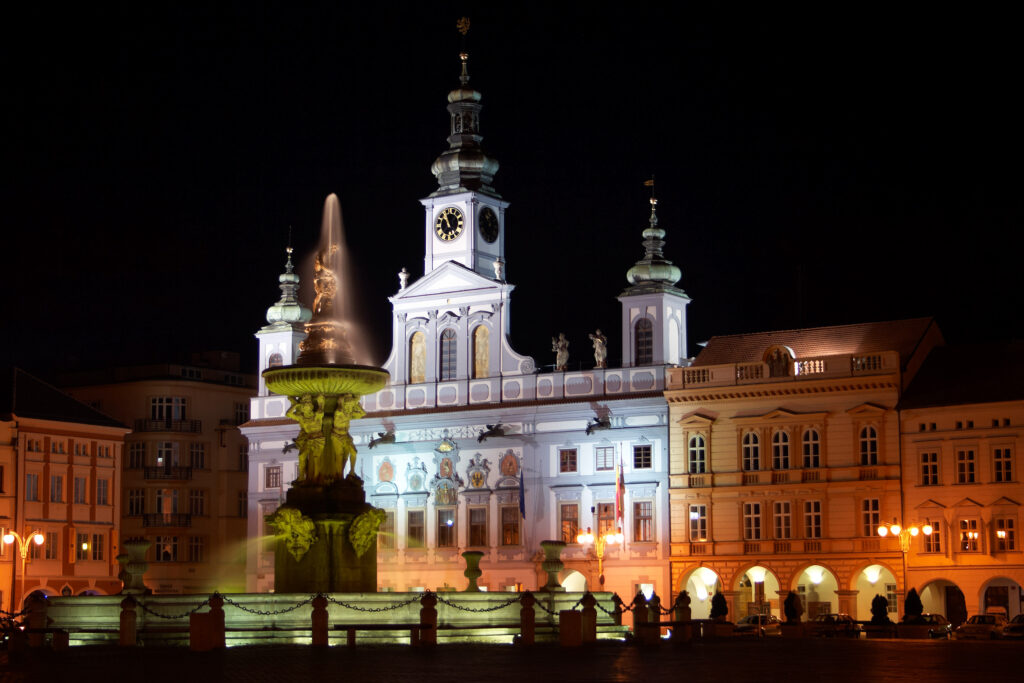
Occupying a prominent corner of the square is the Radnice, or Town Hall. This building is a visual feast, rebuilt in the 1720s in a grand Baroque style. Its facade is adorned with three towers and four statues on the attic, representing the civic virtues of Justice, Bravery, Wisdom, and Diligence. It is worth timing your visit to the hour to hear the carillon bells play their melodic tunes, which echo across the square and provide a soundtrack to your exploration.
The interior is equally impressive, particularly the ceremonial hall with its grand ceiling fresco depicting the Judgement of Solomon. While many visitors simply admire the exterior, taking a moment to appreciate the intricate dragon-shaped gargoyles and the bronze statue of the Czech lion helps one understand the pride that the citizens of České Budějovice have in their local governance and history.
Spiritual Solace: St. Nicholas Cathedral
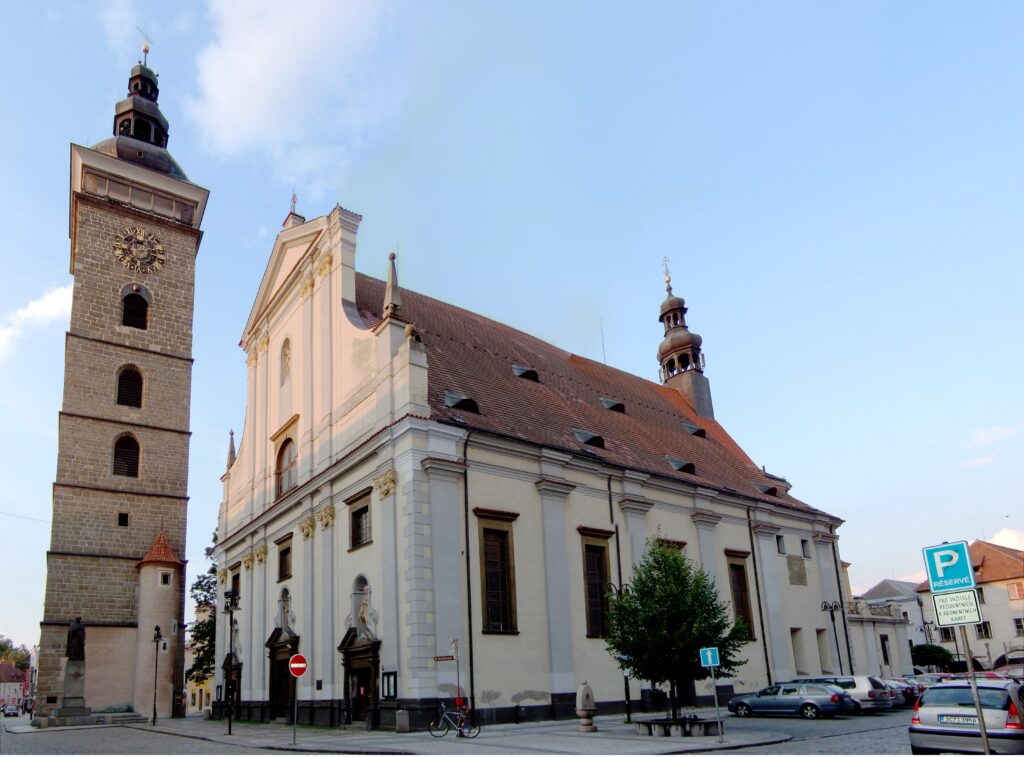
Tucked just behind the Black Tower is the Cathedral of St. Nicholas. While its exterior may seem somewhat modest compared to the sprawling cathedrals of Prague, the interior is a sanctuary of High Baroque design. Originally a Gothic structure, it was given a Baroque makeover after a devastating fire in the 17th century. The altar is a towering achievement of woodcarving and gilding, and the side chapels offer a quiet space for reflection away from the main tourist routes.
The relationship between the Cathedral and the Black Tower is a quirk of the city’s history; the tower was built separately to ensure the bells didn’t vibrate the cathedral’s walls to pieces. This independent standing of the belfry and the church is a characteristic feature of the city’s skyline and a reminder of the practical considerations that shaped medieval and early modern architecture.
Český Krumlov.
The crown jewel of Bohemia
The National Treasure: Budweiser Budvar Brewery
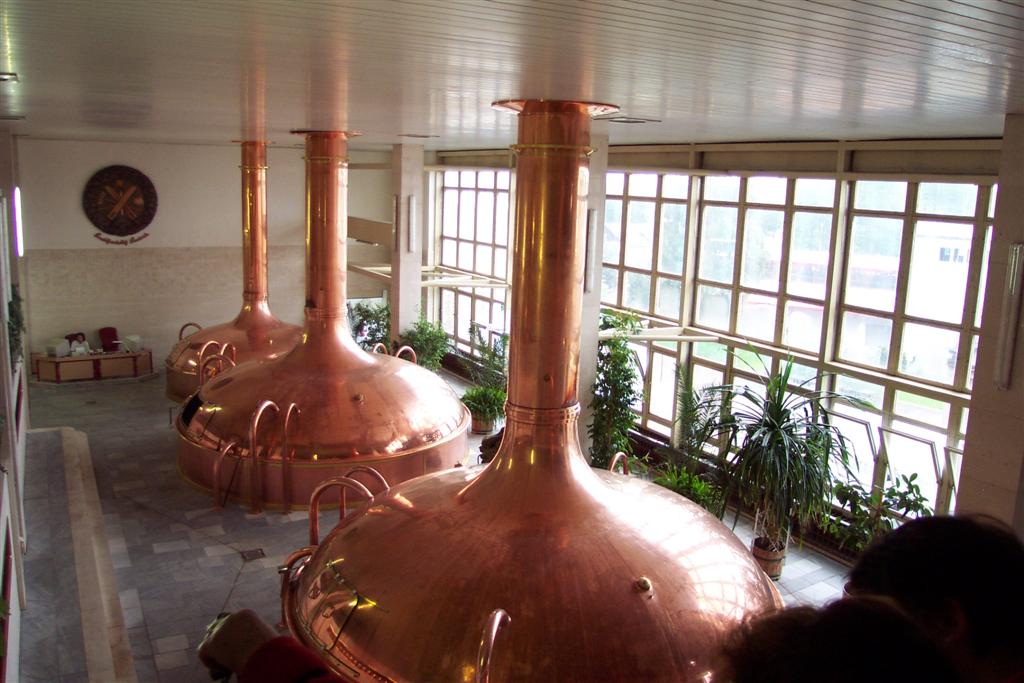
No visit to this city is complete without acknowledging its most famous export. Unlike its American namesake, the original Budweiser Budvar is a state-owned brewery that considers itself a guardian of Czech brewing tradition. Located a short distance from the historic centre, the brewery offers a glimpse into the industrial soul of the region. A visit here is not merely about the final product; it is an education in the geography of flavor.
The brewery uses local Saaz hops, Moravian malt, and water from artesian wells located 300 metres below the brewery floor. Seeing the massive copper vats and the lagering cellars where the beer matures for up to 90 days provides a deep appreciation for the patience required to produce a world-class lager. It is a testament to the city’s identity as a hub of craft and quality, long before those terms became marketing buzzwords.
The Independent Path Forward
What makes České Budějovice truly special is how it rewards those who move through it without a script. It is a city that feels lived-in rather than staged. The broad boulevards and flat terrain make it exceptionally easy to navigate, and the lack of steep inclines within the city limits allows for a relaxed pace of discovery. Whether you are examining the iron standard meter fixed to the Town Hall wall (once used by medieval merchants to measure cloth) or watching the sun set behind the towers of the square, the city offers a depth of experience that is entirely within your control.
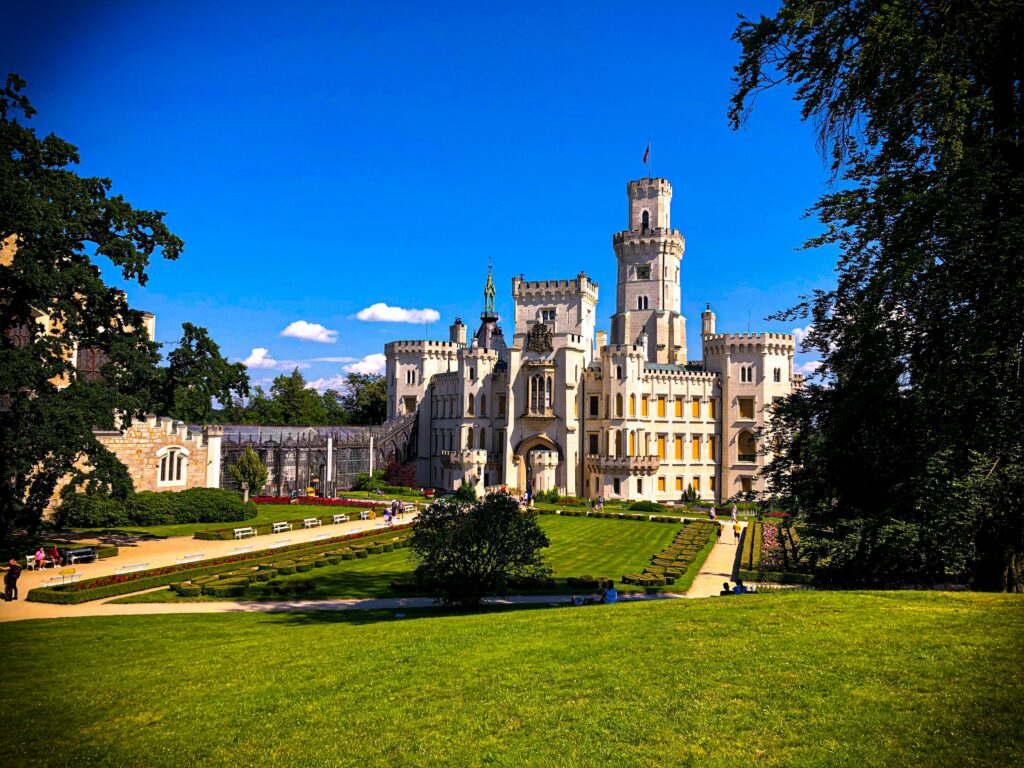
For those looking to extend their stay, the surrounding region is equally inviting. Just 11 kilometres to the north lies the Neo-Gothic wedding-cake chateau of Hluboká nad Vltavou, easily reached via a flat and scenic path along the Vltava river. To the west, about 16 kilometres away, is the UNESCO-listed village of Holašovice, famous for its unique South Bohemian Folk Baroque architecture. Closer to the city, the Vrbné Ponds nature reserve offers a network of trails through a landscape of historic fishponds and bird sanctuaries. For a longer day trip, the medieval jewel of Český Krumlov is roughly 25 kilometres to the south, while the spa town of Třeboň, nestled in a landscape of lakes, lies 25 kilometres to the east. Each of these destinations is accessible for those who enjoy the freedom of travelling at their own speed.
Czechia.
Discover this incredible country.