How Barcelona beat traffic and reclaimed its streets for the people
Discover how the Catalan capital systematically removed cars to create a blueprint for the future of urban living
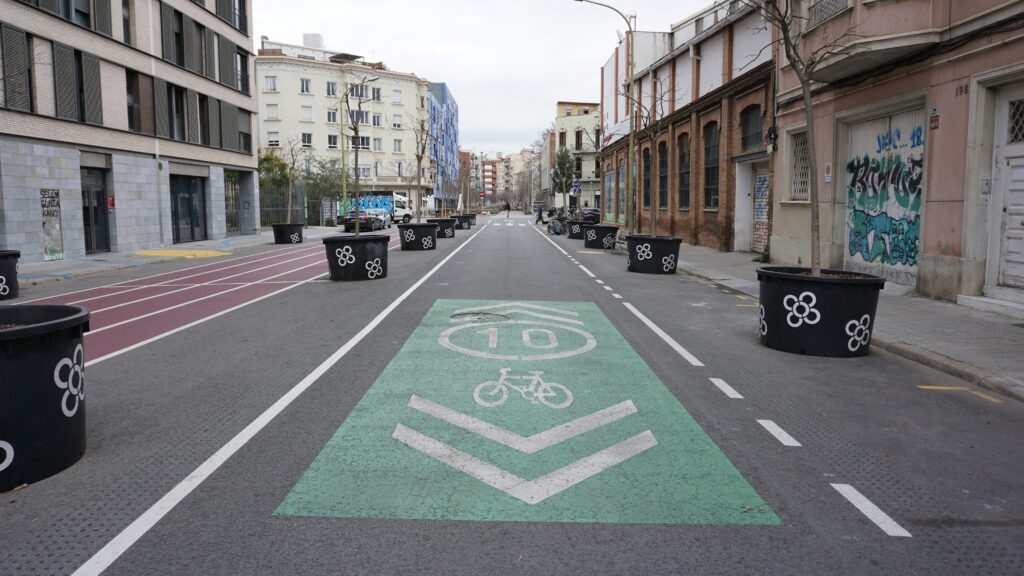
A marketplace for people instead of a car park for machines
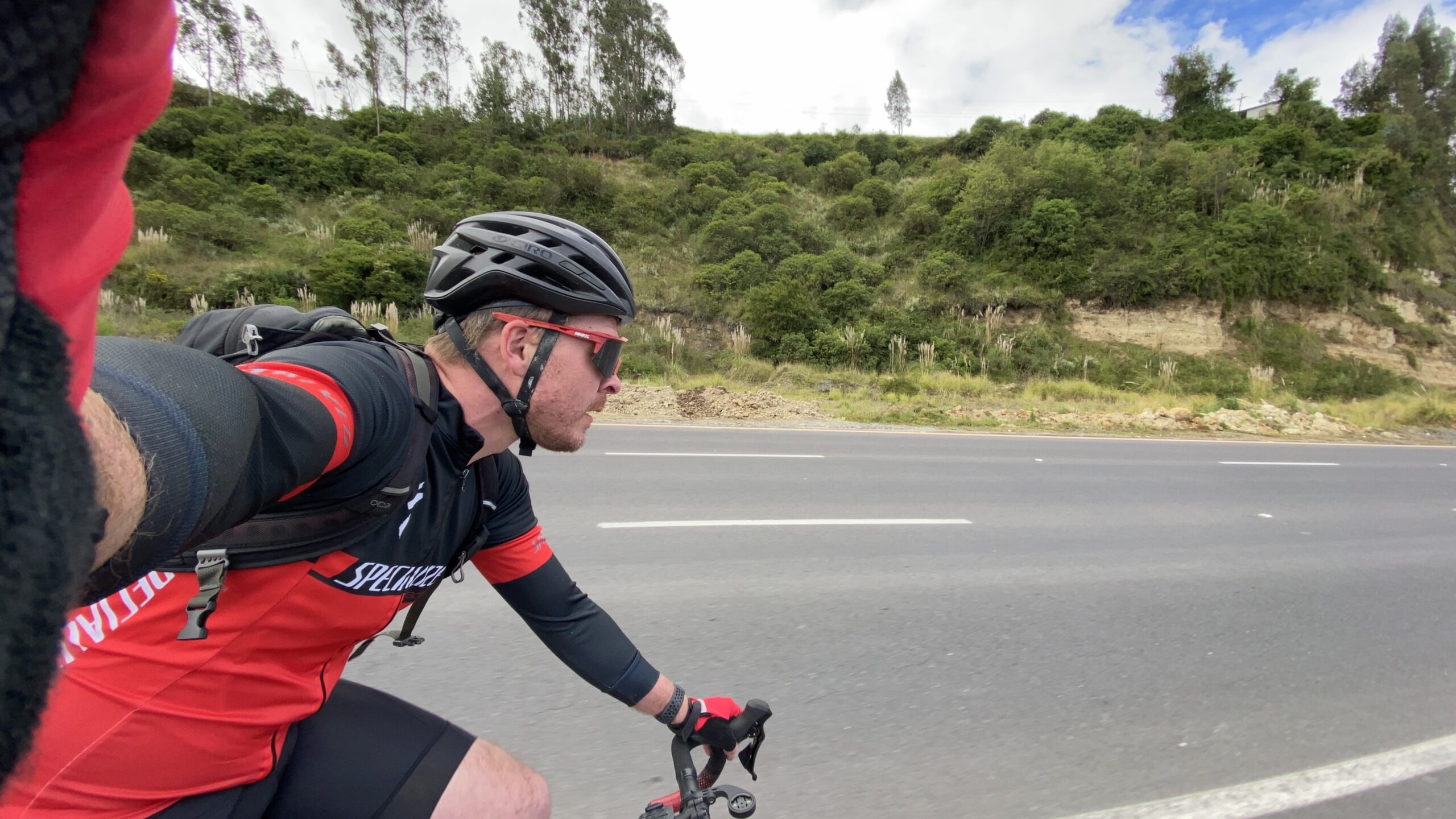
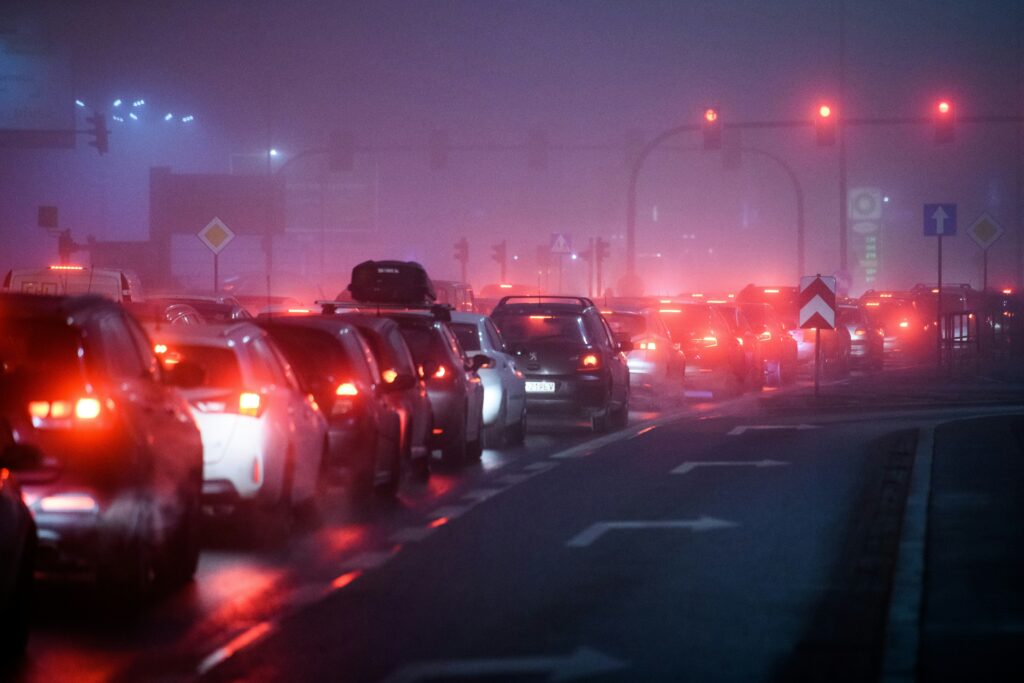
For the better part of a century, urban planners around the globe succumbed to a devastating collective delusion. They convinced themselves that the primary function of a city was to facilitate the rapid movement of two-tonne metal boxes. In doing so, they sacrificed clean air, community cohesion, and basic human safety at the altar of the private automobile. But if you want a masterclass in how to undo this generational damage and build a city that actually serves its inhabitants, you must look to the Mediterranean coast. Barcelona has not just beaten traffic; it has humiliated the very concept of car-centric urbanism, proving once and for all that a better world is entirely within our grasp.
We are not doomed to choke on exhaust fumes while the planet burns. The climate crisis is a monumental challenge, but it is one born of poor design and lack of political will, both of which can be corrected. Barcelona is the shining beacon of this optimistic reality. By taking bold, unapologetic steps to reclaim public space, the city has transformed itself into a haven for active transport, proving that high-density living is not just sustainable, but deeply desirable. For those of us who advocate for the active travel movement, Barcelona is the ultimate validation. Density works brilliantly, provided you do not fill the spaces between buildings with idling engines.
Breaking the grid to let the city breathe
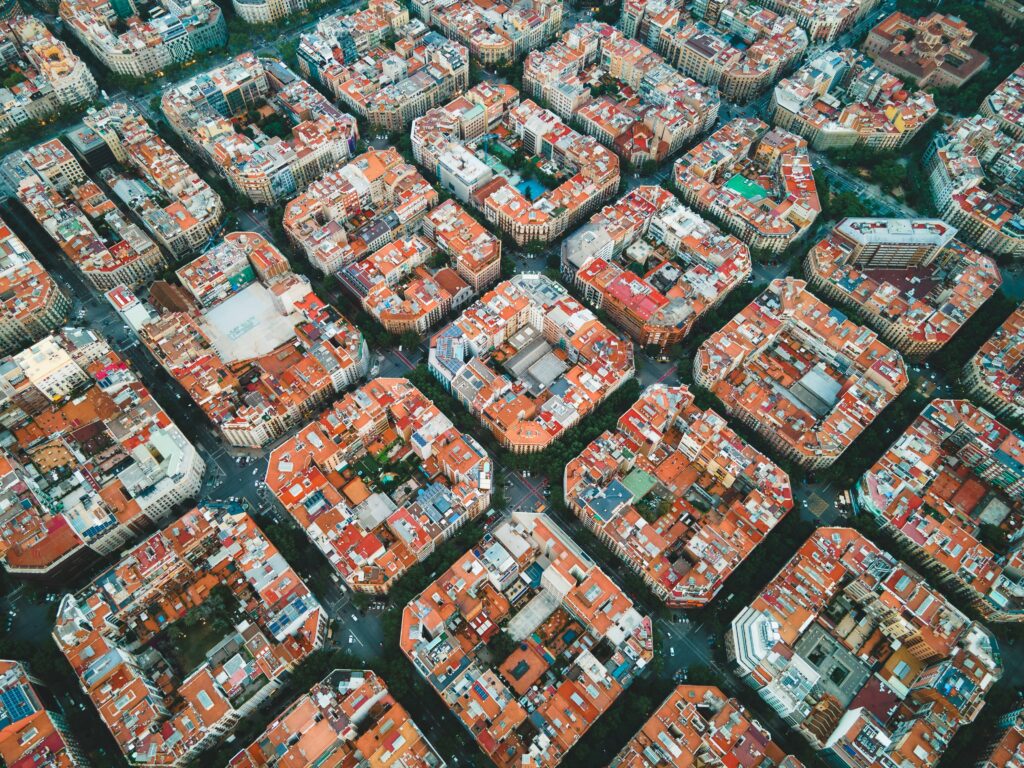
The foundation of this urban revolution is a spectacularly simple yet fiercely effective concept known as the superblock, or superilla. To understand the superblock, one must first look at the Eixample district, designed in the nineteenth century by Ildefons Cerdà. His original vision was a strict grid of octagonal blocks designed to maximise sunlight, ventilation, and communal green space. He was a visionary who understood that the health of the citizen was tied to the layout of their streets. Over the decades, however, those egalitarian ideals were paved over to make way for lanes of relentless motor traffic.
The modern superblock initiative takes Cerdà’s grid and functionally blocks cars from cutting through it. Planners grouped these city blocks into larger three-by-three grids. On the perimeter of these superblocks, cars and buses are still permitted to circulate. But inside? The internal streets are entirely reimagined. Speed limits are reduced to walking pace. Through-traffic is physically blocked by planters, seating areas, and playgrounds. Suddenly, intersections that once hosted blaring horns and aggressive lane-merging are now public squares.
The logistical brilliance of this strategy is that it does not require bulldozing buildings or pouring billions into subterranean infrastructure. It merely requires paint, street furniture, and a refusal to back down in the face of inevitable whining from motorists. The results are undeniable. Air pollution has plummeted in these transformed zones. Noise pollution, a silent killer in modern cities, has given way to the sound of children playing, neighbours conversing, and the gentle whir of bicycle wheels.
Bike opinions.
Would you believe I have thoughts?
A democratised street
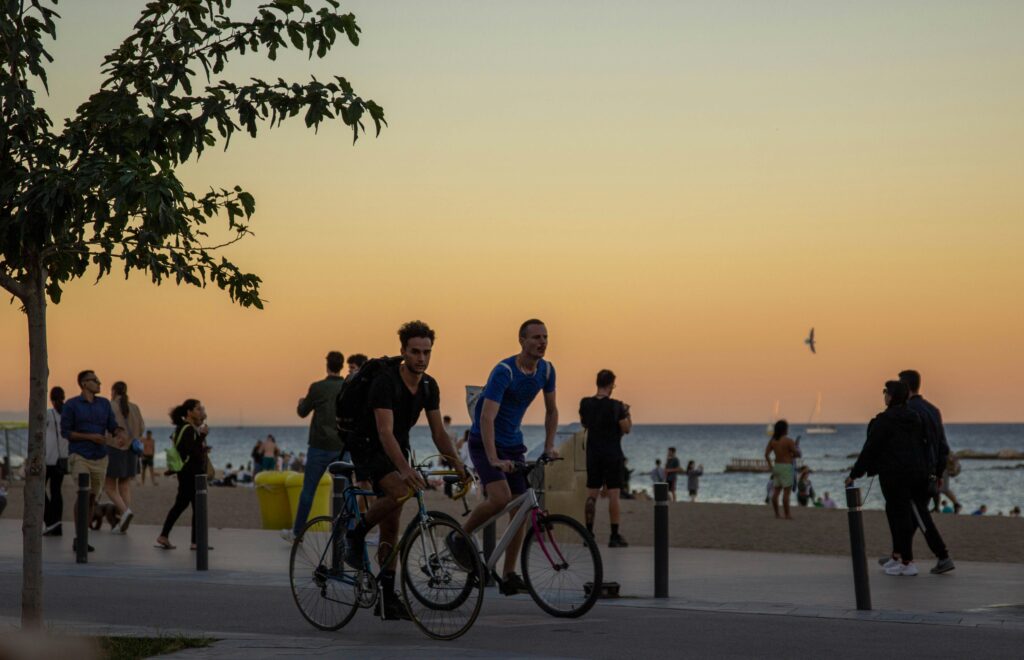
Public space is the most valuable commodity any city possesses. For decades, we allowed a massive disproportion of that space to be commandeered by individuals wealthy enough to own and store private vehicles, effectively privatising the public realm. Removing cars from the equation democratises the street. It hands the land back to the collective, allowing it to be used for recreation, socialising, and small-scale commerce. It acknowledges that the child with a football, the elderly resident on a bench, and the commuter on an e-bike have just as much right to the city as the executive in a luxury saloon.
For the active traveller, this infrastructure is nothing short of a revelation. Barcelona has rapidly expanded its network of protected, segregated cycle lanes, transforming what was once a terrifying ordeal into a joyful mode of transit. When you separate bicycles from cars, an amazing thing happens. People of all ages, from primary school children to pensioners, begin to ride. You no longer have to be a battle-hardened athlete clad in high-visibility gear to navigate the city. You simply need a reliable bicycle and the desire to move under your own power.
This shift represents the ultimate YIMBY victory. By saying yes to density and yes to shared infrastructure, Barcelona has created a city where you do not need to be a millionaire to enjoy a high quality of life. The street becomes your living room, your park, and your commute all at once.
Flattening the world with electric assistance
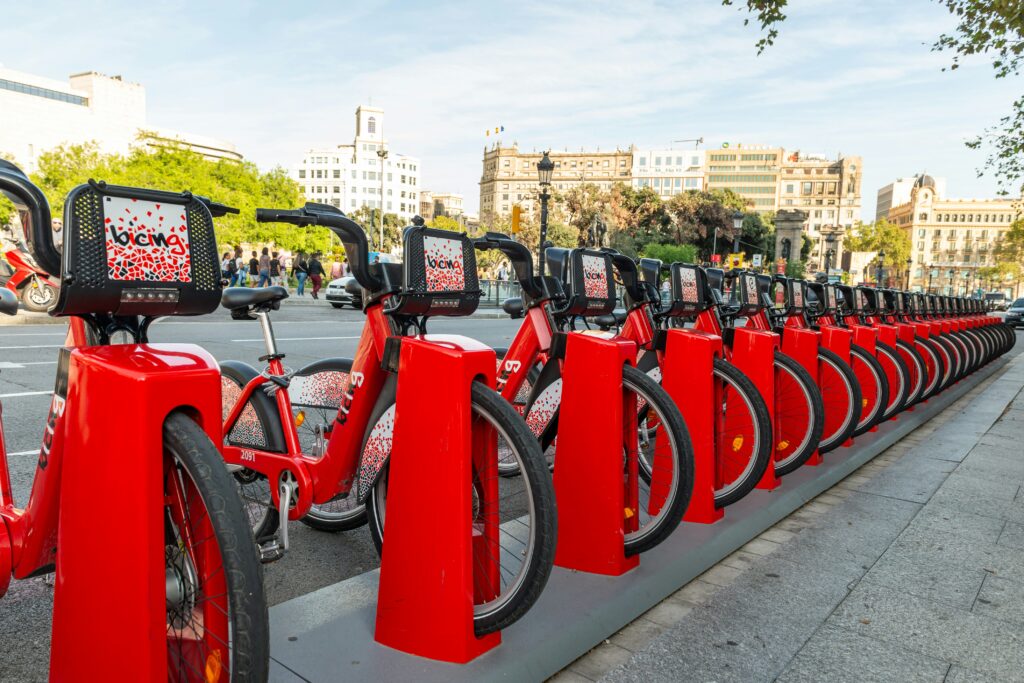
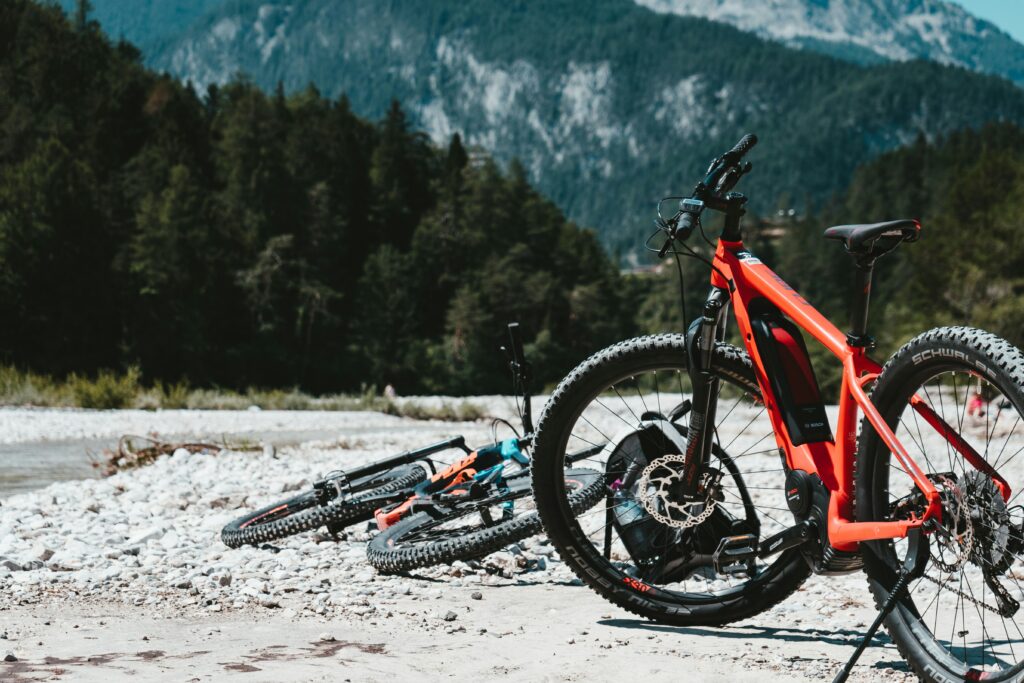
The rise of the e-bike has been the true game-changer in this scenario, providing the ultimate final nail in the coffin for the urban car argument. Barcelona has a gentle incline that slopes upwards from the sea toward the Collserola mountains. In the past, this topography might have deterred the less athletic commuter from abandoning their vehicle. Today, the e-bike flattens those hills completely. Electric assistance means you can cross the entire city in the height of summer without breaking a sweat.
It is efficient, it is completely emission-free at the point of use, and it integrates flawlessly with the city’s excellent public transport network. Trams, comprehensive bus networks, and the metro do the heavy lifting for mass transit, while e-bikes and walking handle the intricate, localised movements within the superblocks.
This is where the ethos of Wheely Tyred perfectly intersects with the future of travel. When you explore a city like Barcelona by bike, you are not merely a passive observer watching the world roll by through a reinforced glass windscreen. You are an active participant in the life of the street. You smell the bakeries, you hear the musicians, you stop on a whim to inspect a hidden courtyard. Travelling by bike forces you to engage with your environment rather than conquer it. Of course, to make the most of this kind of urban exploration, you need equipment that you can trust. Smooth, reliable journeys rely on quality components, and having the right tyres for varied urban surfaces ensures that your only focus is the beauty of the city unfolding before you.
Czechia.
The heart of Europe
Economic impact of pedestrianisation on local businesses
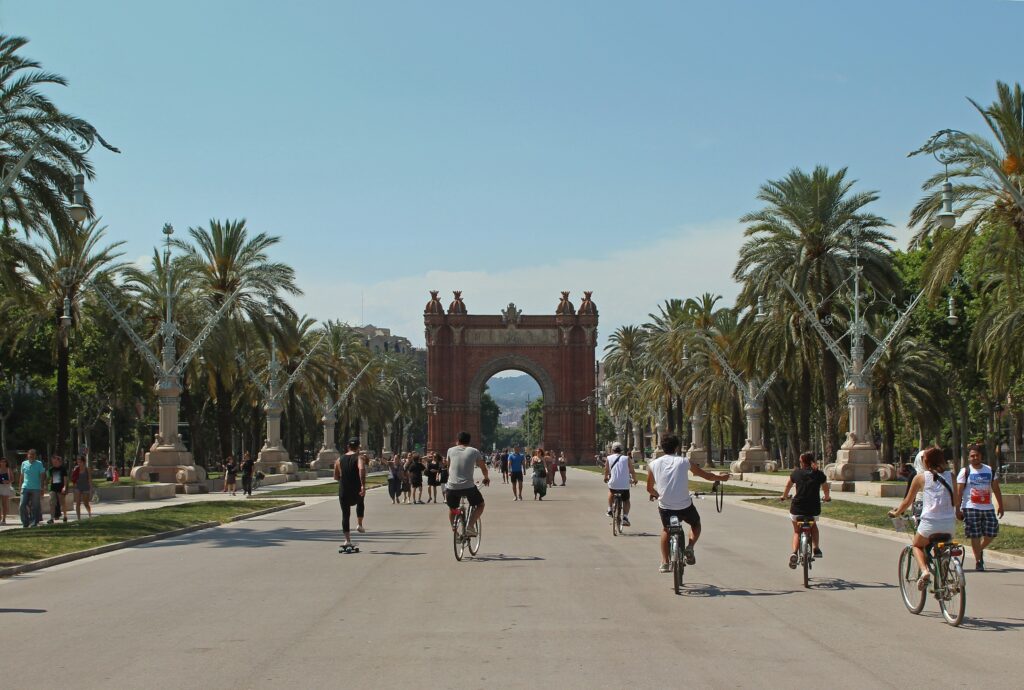
The resistance to Barcelona’s transformation was, predictably, fierce. Business owners panicked that a lack of parking would destroy their livelihoods. Motorists claimed their freedom was being infringed upon. Yet, years later, the data tells a completely different story. Retail footfall in pedestrianised zones has increased. Small businesses are thriving because people walking and cycling actually stop to browse, whereas cars merely drive past.
When we remove the metal shells that isolate us, we become consumers of the local economy again. We notice the small bookstore, the independent cafe, and the local repair shop. This is my ideal in practice: a resilient, local economy supported by the community rather than a series of drive-through franchises. The dreaded apocalyptic gridlock on the perimeter roads never materialised, because when you make driving inconvenient and active travel pleasant, a phenomenon known as traffic evaporation occurs. People simply choose better ways to move.
The future is two wheels and a clear conscience
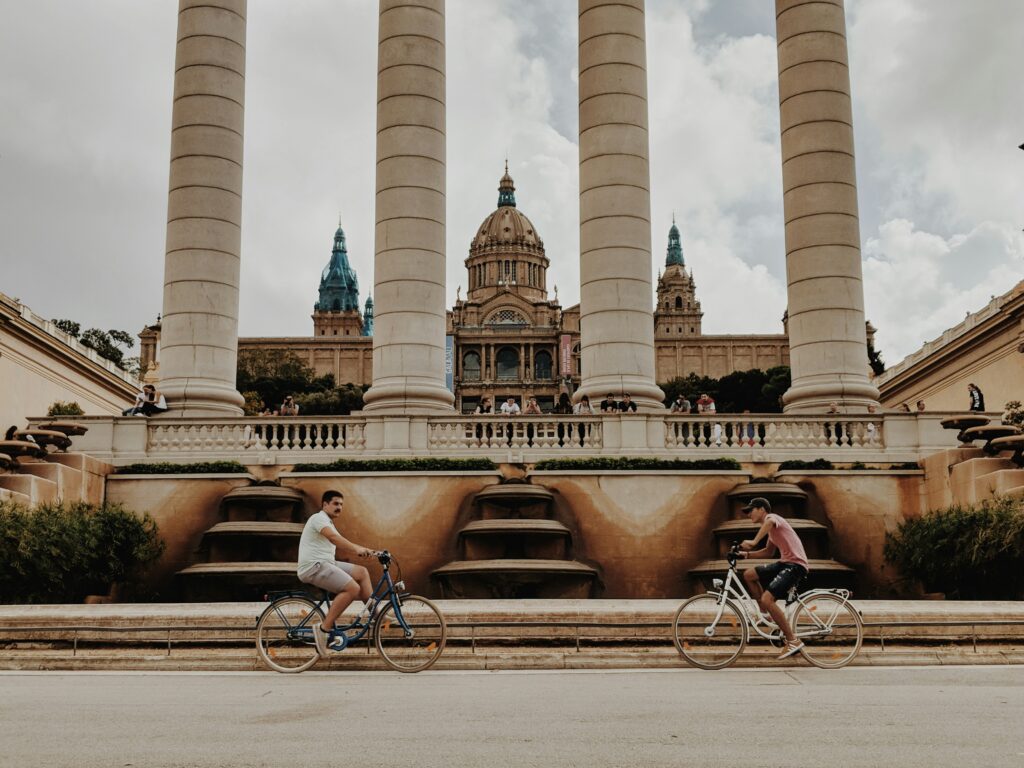
We must stop accepting the grim reality of traffic-choked streets as a necessary evil of modern life. It is an active choice, and it is the wrong one. Barcelona has chosen life, health, and community over the isolation of the motor car. They have proved that we can indeed save the world from our worst impulses, one reclaimed street at a time.
If you are planning a journey to the Catalan capital, or any modern European city, do not even consider a car rental. It is a relic of a dying era. Instead, embrace the freedom of the cycle path. Whether you are navigating the Gothic Quarter or heading up to the hills of Montjuïc, the view is better from a saddle. Ensure your bike is up to the task, check your equipment, and join the revolution. The streets belong to us.
Bike opinions.
Your source for my thoughts on bikes, road safety and active transport
Our latest posts
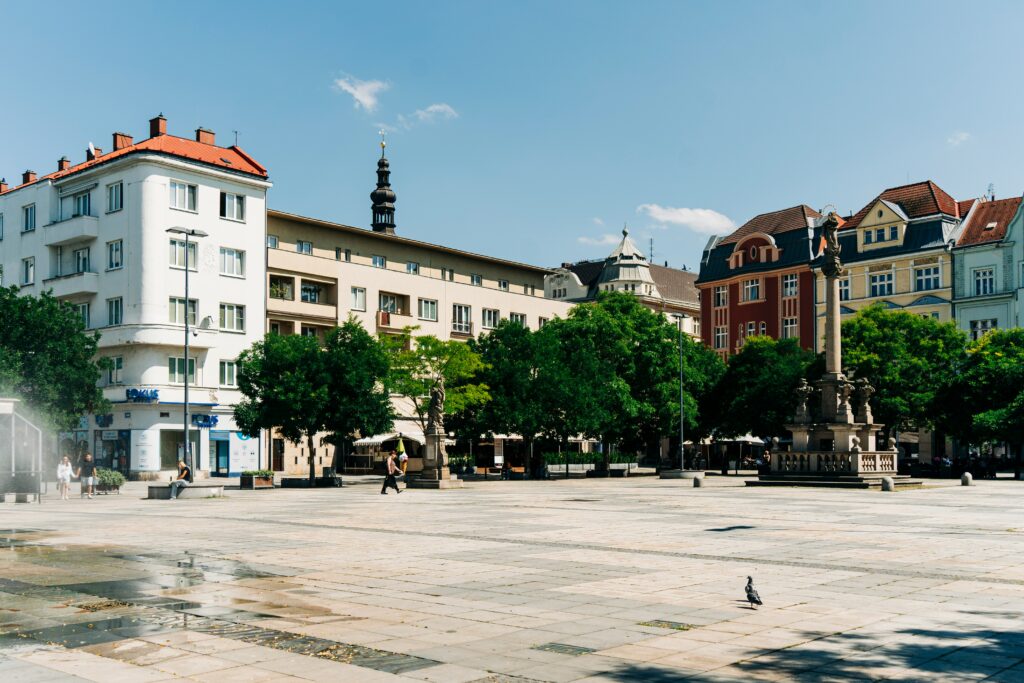
Where to Stay: The Best Campsites in and Around Ostrava, Czechia
How Barcelona beat traffic and reclaimed its streets for the people
Why cars are absurd for city transport and what we should do instead
The linguistic war on our streets: Why e-motos are not e-bikes
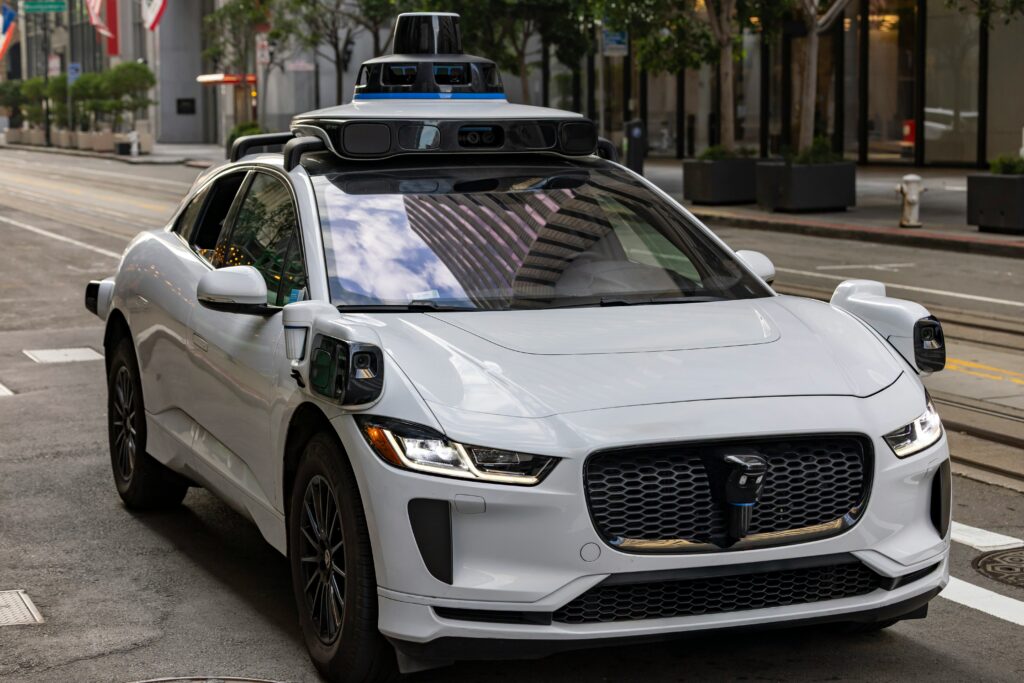
The case for investing in safe streets, not autonomous cars
The case for investing in safe streets, not autonomous cars Autonomous cars will not solve…