Unearthing the rich cycling history of Czechia
A complete guide to the cycling history, bicycle culture, and bike routes of the Czech Republic
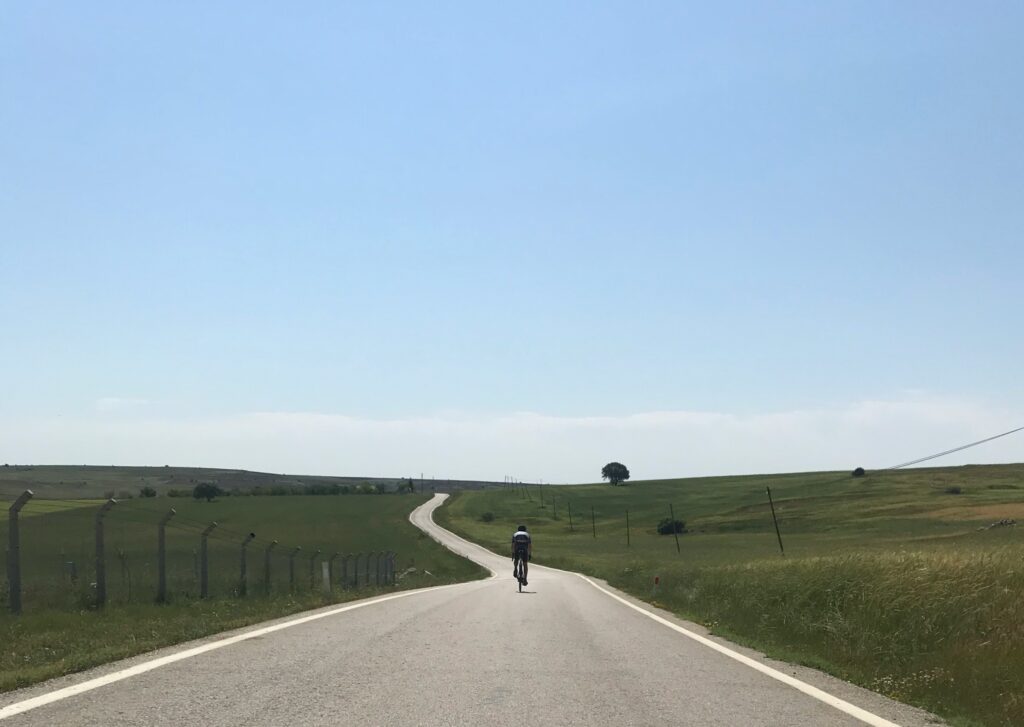
Pedalling through centuries of innovation, grit, and Bohemian beauty
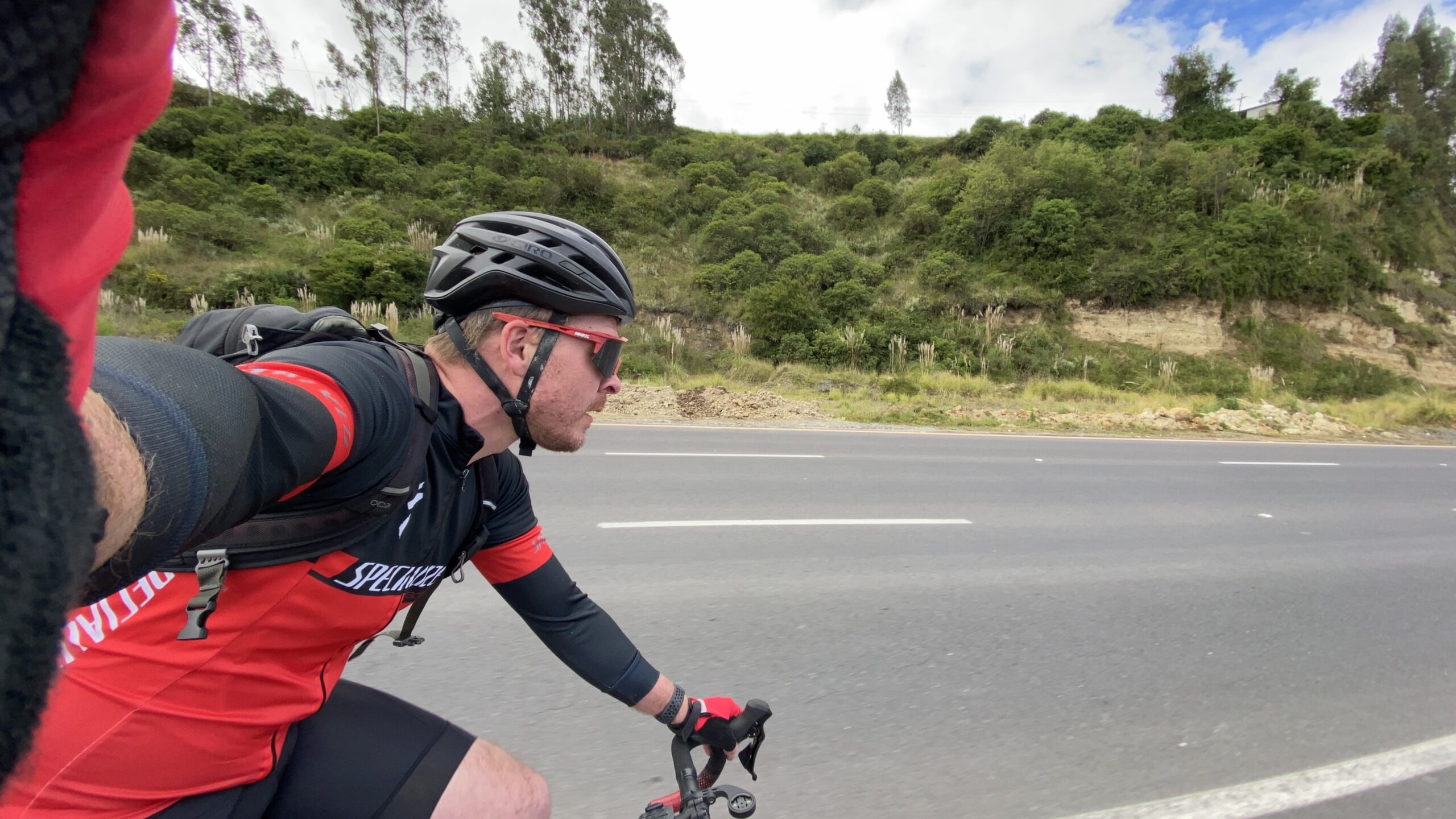
The landscape of Czechia seems almost purpose-built for the bicycle. From the rolling, vineyard-draped hills of South Moravia to the dense, mystical forests of Bohemia, the terrain invites exploration. Yet, to truly understand what makes cycling in Czechia so special, one must look beyond the physical landscape and delve into a history that is steeped in innovation, geopolitical drama, and an enduring national passion for two wheels. The Czechs do not merely ride bicycles; they have helped shape the global cycling narrative for well over a century.
Whether you are a casual cycle tourist looking for your next holiday destination or a dedicated cycling history enthusiast, understanding the heritage of this central European nation will forever change the way you view its roads and trails. The story of Czech cycling is a testament to human resilience, mechanical ingenuity, and the simple, universal joy of riding a bike.
The birth of Bohemian cycling and a patriotic spark
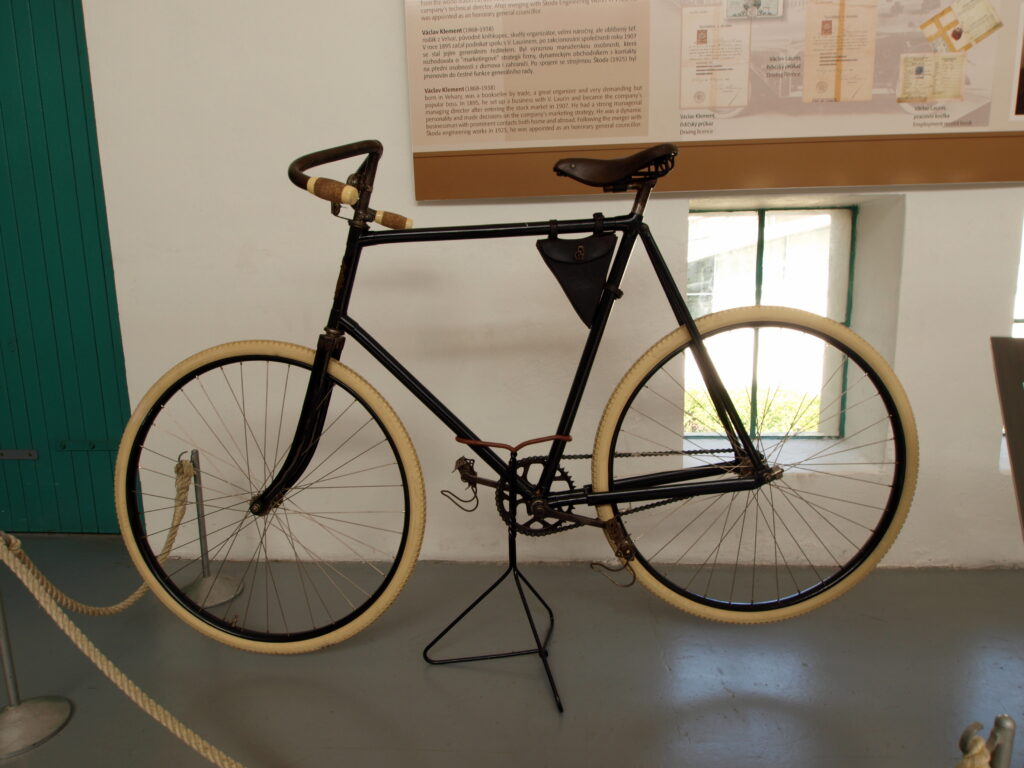
To trace the roots of cycling in Czechia, we must travel back to the late 19th century, a time when the lands were part of the Austro-Hungarian Empire. Bicycles, specifically the high-wheel penny-farthings, were beginning to appear on the cobblestone streets of Prague, ridden primarily by the wealthy elite. However, the true turning point for Czech cycling culture occurred in 1895, sparked by a rather frustrating customer service experience.
A young bookseller from Mladá Boleslav named Václav Klement had purchased a German-made bicycle that quickly broke down. He wrote a letter in his native Czech to the manufacturer’s branch in Bohemia requesting repairs. The response he received was dismissive, stating: “If you would like an answer to your inquiry, you should try writing in a language we can understand.”
Infuriated by this linguistic slight and the lack of support, Klement decided to take matters into his own hands. He partnered with a skilled mechanic named Václav Laurin. Together, they founded a bicycle repair shop and soon began manufacturing their own bicycles under the patriotic brand name Slavia. Laurin and Klement were meticulous in their engineering, and their bicycles quickly gained a reputation for exceptional durability and performance. Their success was astronomical. Slavia bicycles became a symbol of Czech national pride and industrial prowess.
This modest bicycle workshop eventually transitioned into manufacturing motorcycles and, later, automobiles. Today, that very same company is known globally as Škoda Auto. It is a remarkable fact that one of Europe’s largest car manufacturers owes its entire existence to a broken bicycle and a passionate cyclist’s determination. The legacy of Laurin and Klement firmly established Bohemia as a powerhouse of precision engineering, setting the stage for decades of cycling innovation.
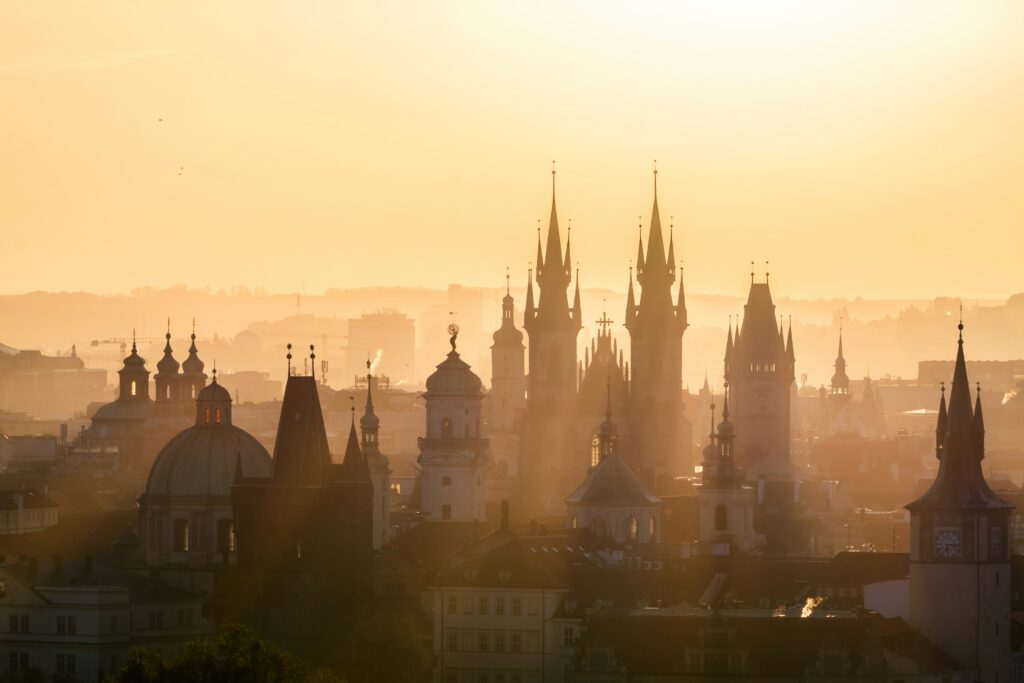
Prague.
There’s no other city like it
The Peace Race: The Tour de France of the East
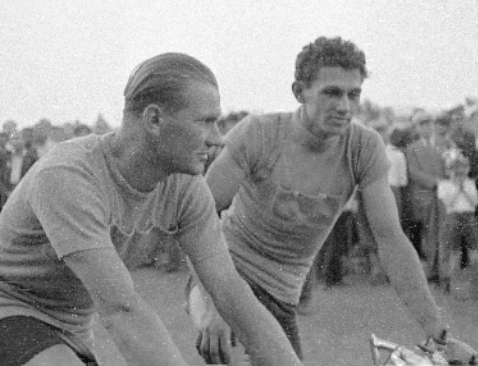
Fast forward to the aftermath of the Second World War. Europe was divided by the Iron Curtain, and professional sports were heavily influenced by the political climate of the Cold War. In 1948, a new cycling event was born that would become a colossal phenomenon: the Peace Race, known in Czech as Závod míru.
Organised by the communist newspapers of Poland, Czechoslovakia, and East Germany, the race traditionally ran through Warsaw, Prague, and Berlin. While the Tour de France captured the imagination of the West, the Peace Race became the undisputed pinnacle of cycling in the Eastern Bloc. It was officially an amateur race, but the riders were essentially full-time, state-sponsored athletes operating at the highest level of human endurance.
The atmosphere surrounding the Peace Race in Czechoslovakia was electrifying. Schools and factories would close so that citizens could line the streets by the millions. For the people of Czechia, the race was a rare window into international competition and a moment of immense national pride. Czech riders like Jan Veselý became household names, their faces plastered across newspapers and state television broadcasts. Winning a stage of the Peace Race in Prague, with the streets packed with cheering crowds, was a career-defining achievement.
The race was notoriously punishing. Riders faced terrible road conditions, harsh spring weather, and fiercely competitive pelotons. Yet, it was this exact crucible that forged some of the toughest cyclists in history. The Peace Race instilled a deep, enduring appreciation for competitive cycling within the Czech consciousness, an appreciation that remains palpable when you ride through the country today.
The Favorit phenomenon
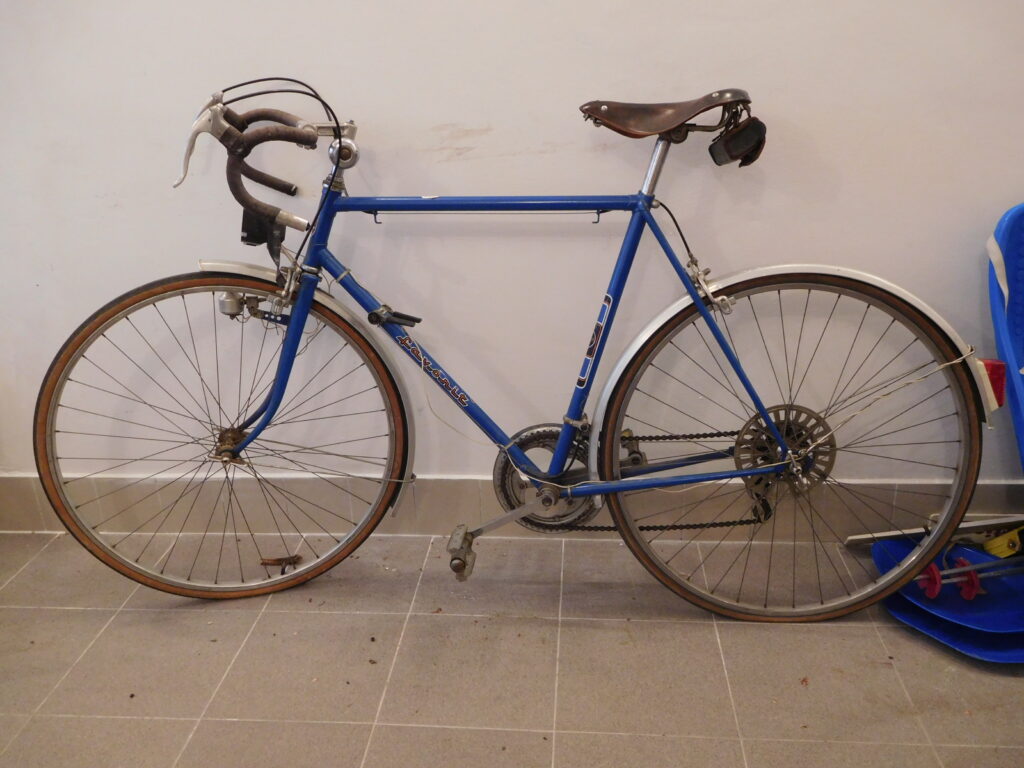
During the communist era, access to Western goods was severely restricted. This meant that cyclists in Czechoslovakia could not easily import Italian or French racing bikes. To meet the massive demand generated by events like the Peace Race, the state-owned enterprise Favorit, based in the town of Rokycany, became the beating heart of Czech bicycle manufacturing.
Founded in 1922, the Rokycany factory hit its stride in the post-war decades. A Favorit bicycle was not just a mode of transport; it was a highly coveted possession. Waitlists for a new Favorit could last for years. The brand produced everything from standard commuter bikes to elite track and road racing machines used by the national team.
The craftsmanship of Favorit bicycles, particularly the high-end racing models, was widely respected even outside the Eastern Bloc. They represented self-reliance and engineering ingenuity. Owning a Favorit meant freedom—the ability to explore the countryside, commute to work, or dream of racing in the peloton. While the original factory struggled after the Velvet Revolution in 1989 and the subsequent influx of foreign brands, the Favorit name holds an incredibly nostalgic place in the hearts of the Czech people. In recent years, the brand has even seen a revival, producing high-end, bespoke carbon and steel bicycles that honour their storied past.
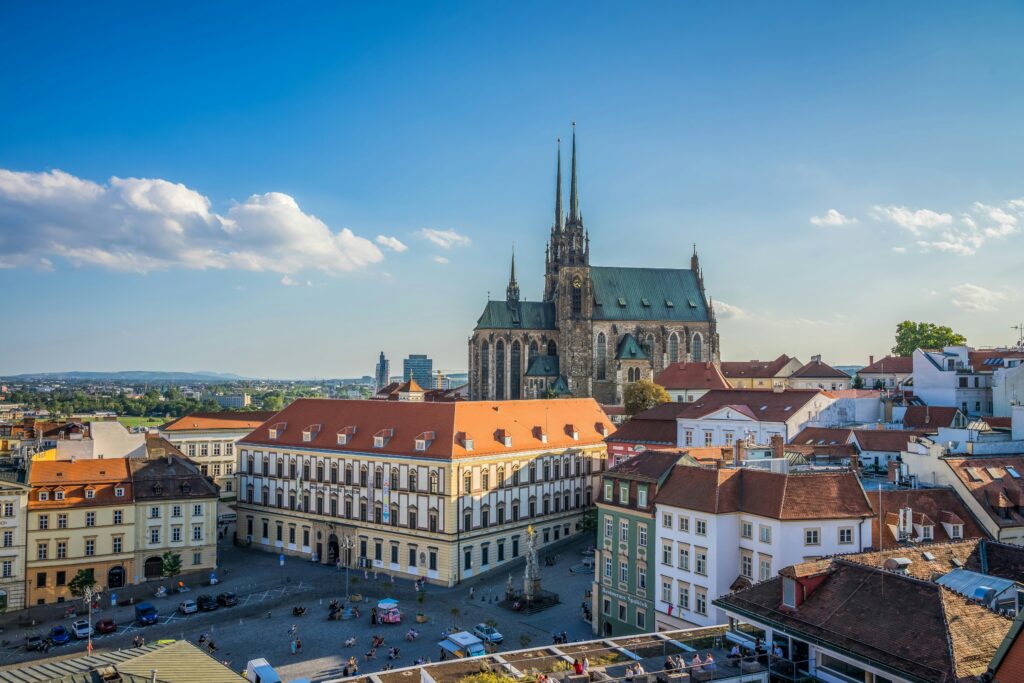
Brno.
Explore Czechia’s second — and best — city
Mud, sweat, and cyclocross glory
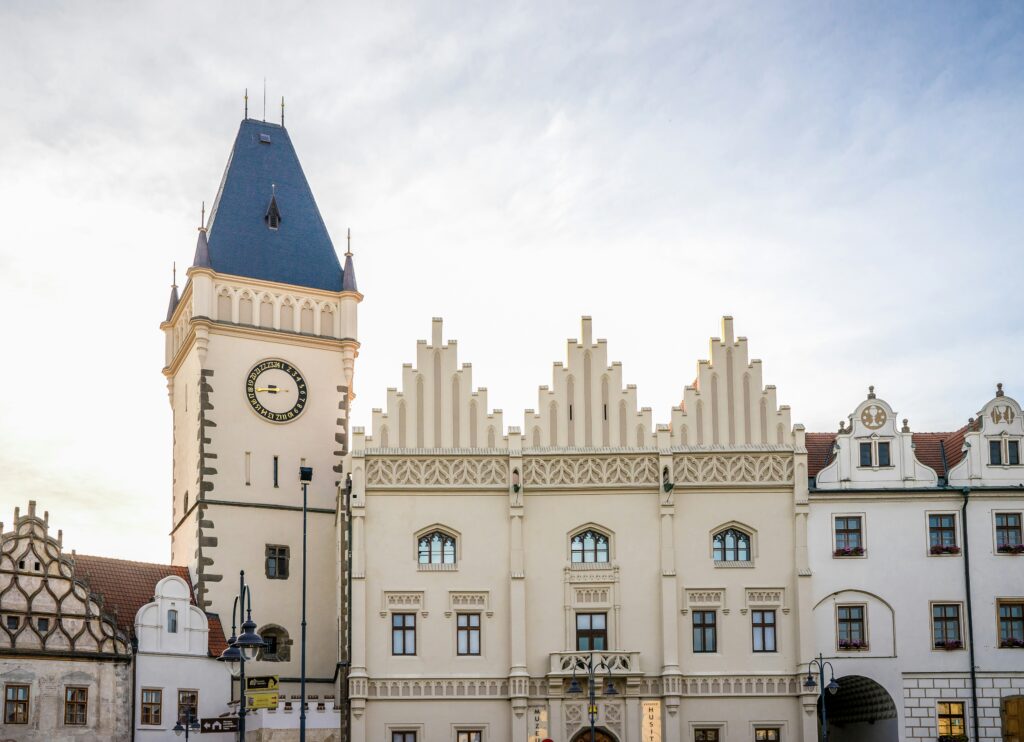
While Czechia has a rich road racing heritage, the nation truly comes alive when the tarmac ends and the mud begins. Cyclocross is practically a national obsession. The demanding, technical, and often freezing conditions of cyclocross perfectly suit the resilient sporting character of the Czech people.
The town of Tábor in South Bohemia is a global mecca for cyclocross, having hosted the UCI Cyclocross World Championships multiple times. The crowds that descend upon Tábor are legendary, bringing an atmosphere of roaring chainsaws, ringing cowbells, and passionate support.
Czechia has produced some of the greatest cyclocross riders in the history of the sport. Radomír Šimůnek Sr. dominated in the 1980s and 1990s, winning multiple world titles and proving that Czech riders could beat the best Belgians and Dutchmen in the mud. This legacy was carried forward brilliantly by Zdeněk Štybar, a multiple-time World Champion who seamlessly transitioned his incredible bike handling skills to the road, winning stages in the Tour de France and conquering the cobbles of Paris-Roubaix. This deep-rooted love for off-road riding is a significant reason why the country’s cycling infrastructure is so robust today.
The modern era: Mountain biking and cycle tourism
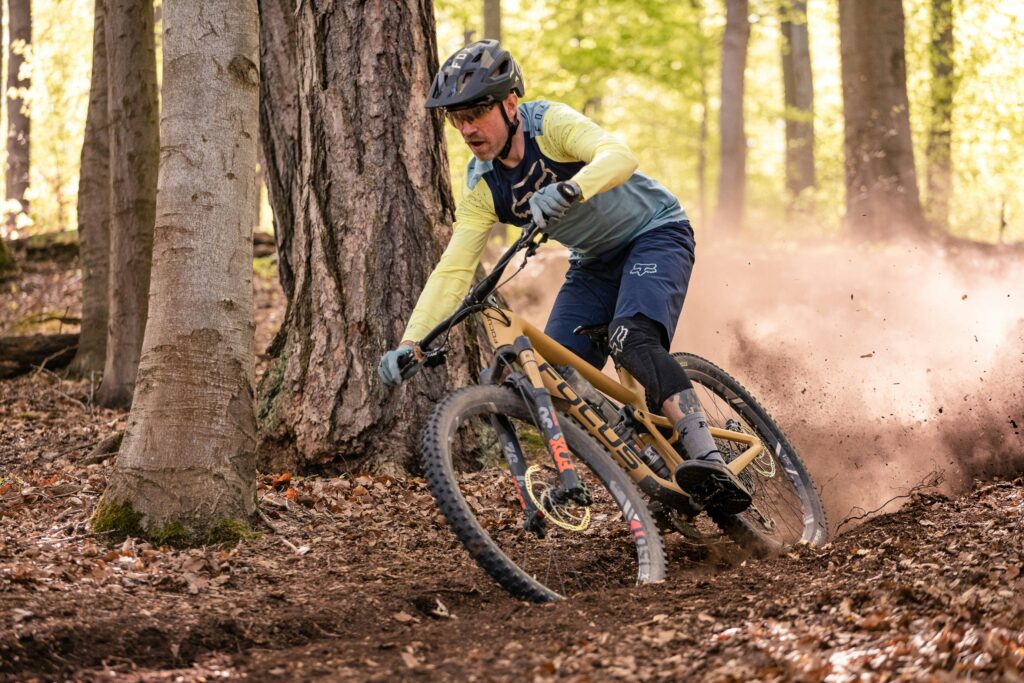
Following the Velvet Revolution and the peaceful dissolution of Czechoslovakia, the country opened up to the world, and its cycling culture evolved rapidly. Mountain biking exploded in popularity. The rugged terrain of regions like the Vysočina Highlands proved perfect for fat tyres and suspension.
Today, the town of Nové Město na Moravě hosts one of the most celebrated stops on the UCI Mountain Bike World Cup circuit. Voted time and time again by riders as the best event of the year, it draws tens of thousands of fans to watch the world’s elite navigate challenging rock gardens and root-filled descents. This modern era has also seen Czech riders reach the pinnacle of the sport, highlighted by Jaroslav Kulhavý winning the Olympic Gold medal in cross-country mountain biking at the London 2012 games.
Beyond competitive racing, Czechia has transformed into a premier destination for self-guided cycle tourism. The country boasts an incredibly well-marked network of cycle paths, a legacy of the meticulous Czech Hiking Markers System adapted for bicycles.
Riders can now spend weeks exploring diverse landscapes. The South Moravian wine trails offer a gentle, sun-drenched journey through vineyards and historic cellars. The Elbe Cycle Route provides a flat, scenic cruise past ancient castles and medieval towns. For those seeking a challenge, the border mountains offer demanding ascents and rewarding panoramic views.
Bohemia.
Explore the heart of Czechia
Czechia’s cycling legacy continues
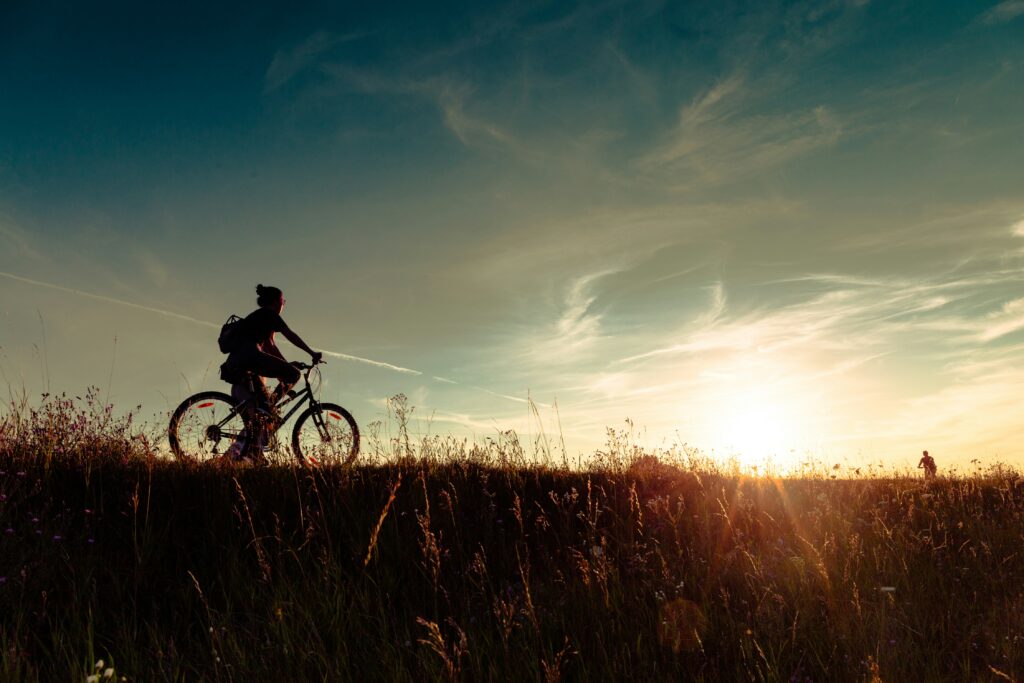
The cycling history of Czechia is not a static museum exhibit; it is a living, breathing culture. It is present in the bustling bike paths of Prague, the quiet country lanes of Bohemia, and the thriving manufacturing hubs that still produce world-class cycling gear today. From the patriotic defiance of Laurin and Klement to the muddy triumphs in Tábor, the bicycle is woven into the very fabric of the nation.
When you ride a bike in Czechia, you are not just travelling from one picturesque town to another. You are pedalling along routes shaped by history, tracing the tyre tracks of Peace Race legends, and experiencing a landscape that has inspired generations of cyclists. The best way to truly understand this remarkable heritage is to experience it yourself. Choose your route, prepare your equipment, and ride a bike through the heart of Europe.
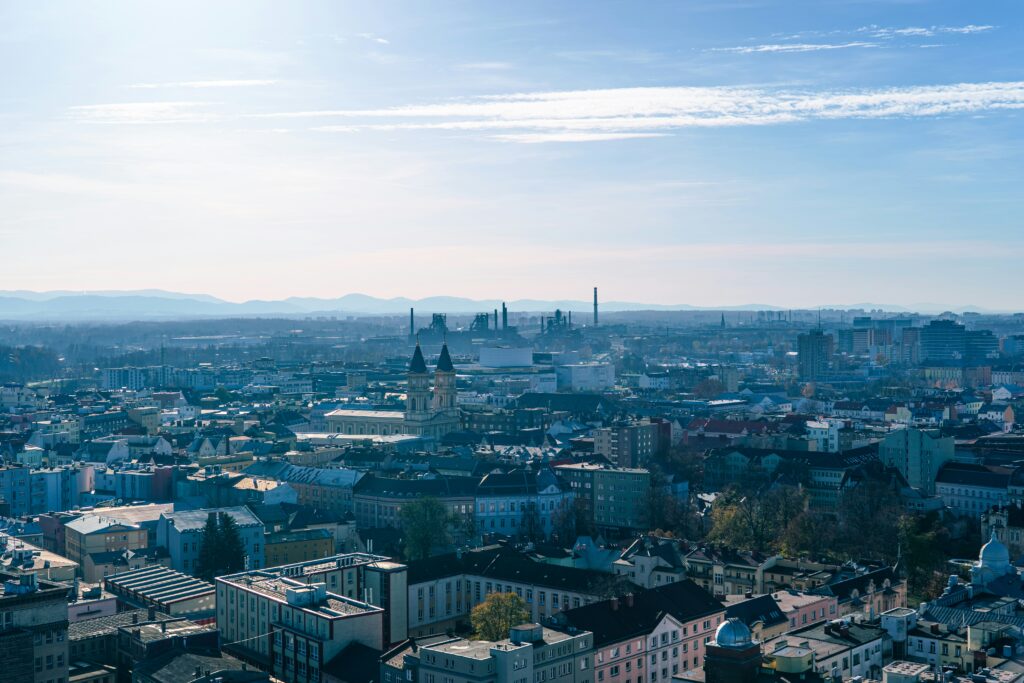
Czechia.
Discover this incredible country.