The sun-drenched soul of Czechia: When to experience the magic of Moravia
A comprehensive guide to Moravia weather and the best months to visit
From vernal blooms to golden harvests: Timing Your Moravian escape
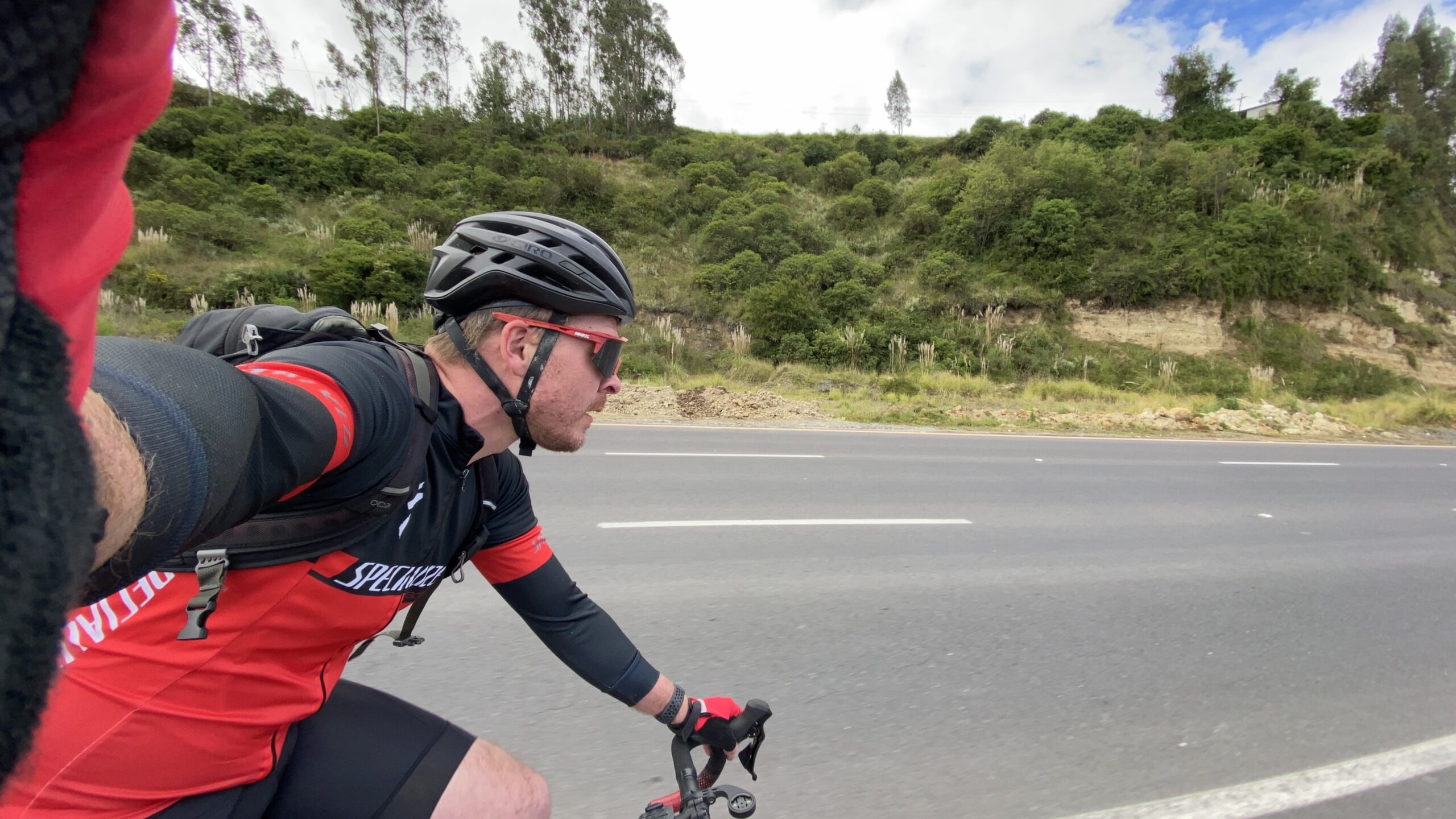
Moravia remains one of Europe’s most enchanting secrets. While Prague draws the masses to the west, this eastern gem offers a landscape defined by rolling vineyards, subterranean wonderlands, and a folk culture that feels both ancient and vibrantly alive.
Choosing when to visit Moravia is less about avoiding bad weather and more about deciding which version of its personality you wish to meet. Whether it is the frantic energy of the harvest or the quiet dignity of a frost-covered town square in Olomouc, timing is everything.
The awakening: Spring in Moravia / March to May
Spring in Moravia is a period of rapid transformation. In March, the region still carries the chill of winter, with average highs of 9°C. It is a quiet month, ideal for those who prefer having the limestone caves of the Moravian Karst or the functionalist architecture of Brno to themselves.
As April arrives, the landscape begins to blush. This is the month when the fruit trees—cherries, apricots, and plums—burst into bloom across the Pálava hills. The weather is famously fickle, a trait the locals call April weather, where sunshine can turn to a brisk shower in minutes. However, with temperatures climbing to 15°C, it is a magnificent time for walking through the Lednice-Valtice Cultural Landscape. The gardens here are meticulously maintained, and seeing the greenery return to the UNESCO-listed grounds is a highlight for any nature lover.
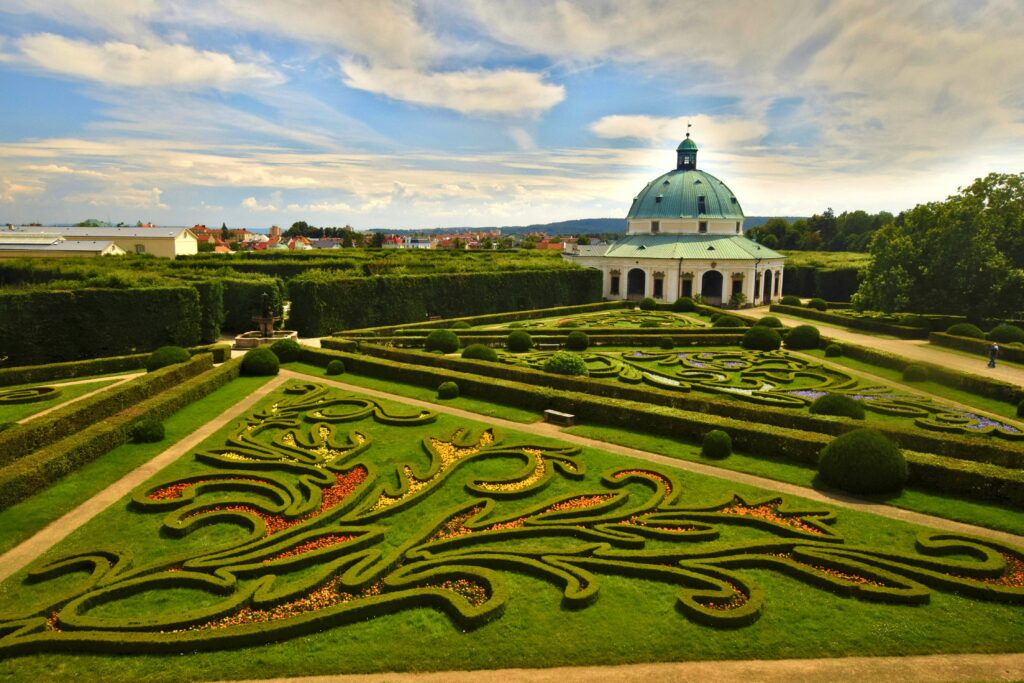
May is arguably one of the most beautiful months in the Czech calendar. The countryside is a vibrant, neon green, and the air is filled with the scent of lilacs. Temperatures settle into a comfortable 18°C to 20°C. This is the sweet spot for travellers who want to explore the historic centres of Kroměříž or Telč without the summer heat. It is also a period of cultural awakening, with many outdoor festivals and local markets beginning to populate the town squares.
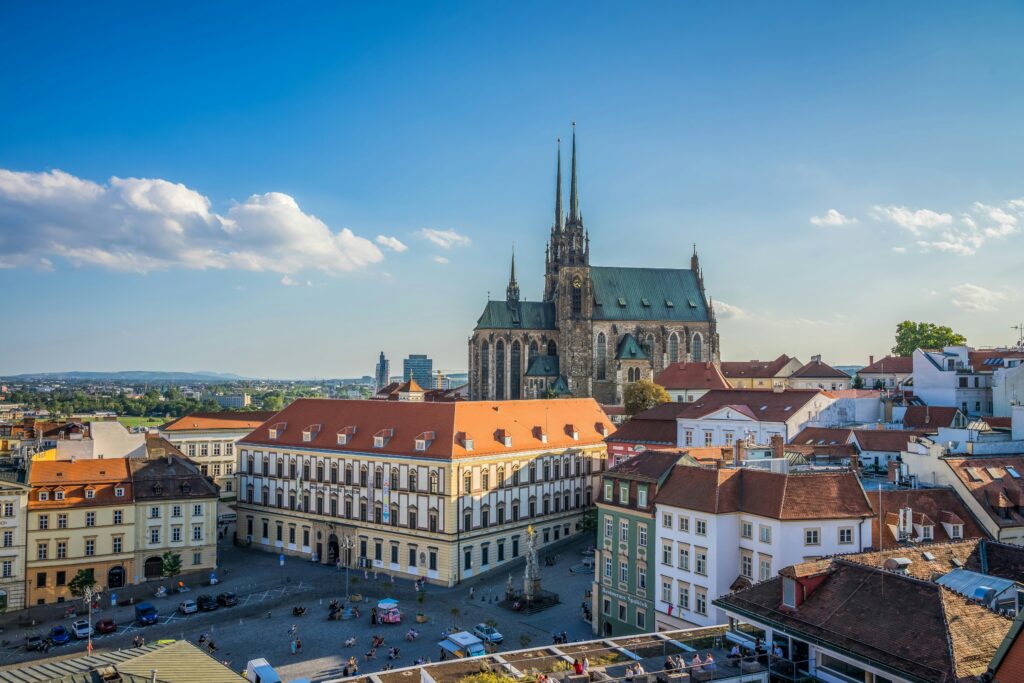
Brno.
Explore Czechia’s second — and best — city
The golden zenith: Summer in Moravia / June to August
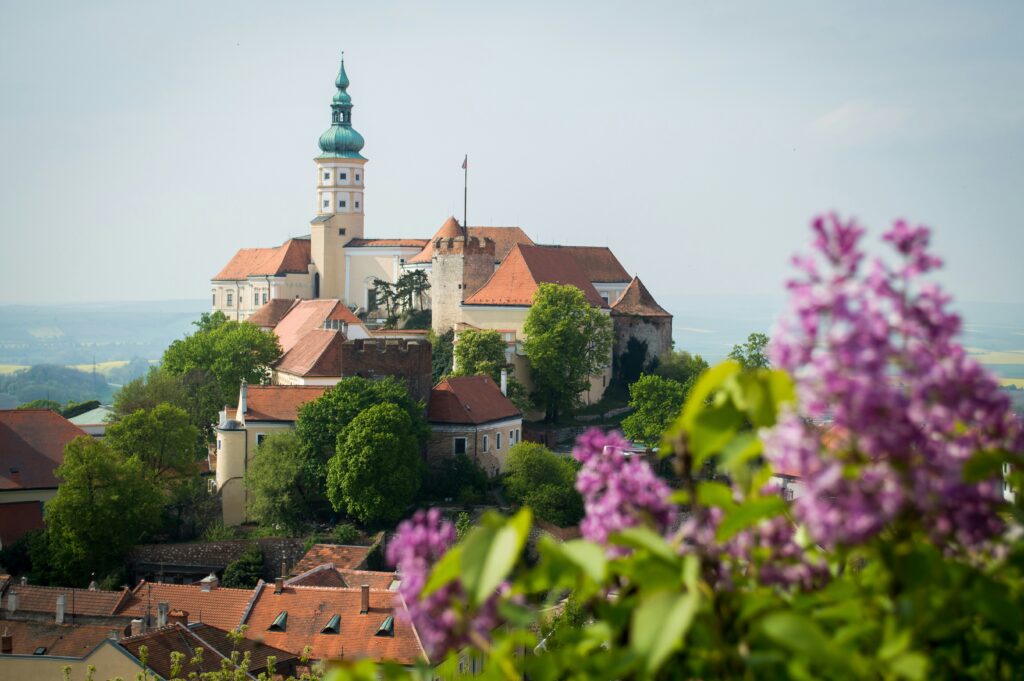
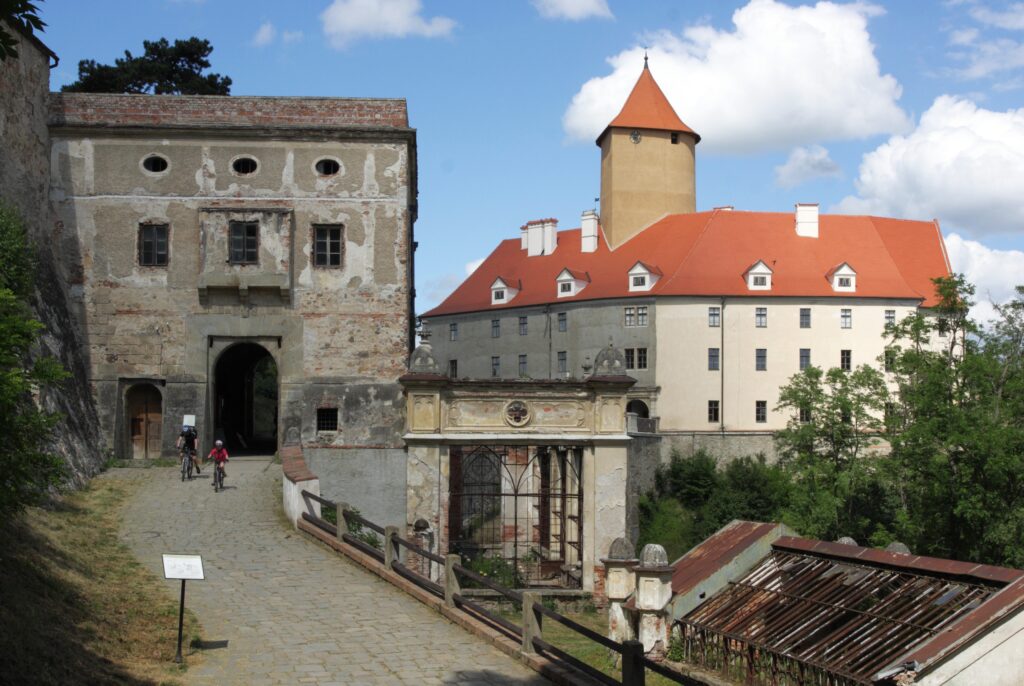
Summer is when Moravia truly leans into its identity as the sun-drenched garden of the Czech Republic. June offers the longest days of the year, providing ample light to explore the hilltop castles like Pernštejn or the white towers of Mikulov. The weather is warm but rarely oppressive, averaging around 23°C. It is the perfect month for al fresco dining in Brno’s vibrant vegetable market square, the Zelný trh.
July and August are the peak of the season. Temperatures frequently reach 28°C, and in recent years, heatwaves exceeding 30°C have become more common. This is the time for life in the slow lane. The region’s many reservoirs, such as Nové Mlýny, become hubs for water sports and relaxation.
However, the real draw of a Moravian summer is the evening culture. As the sun sets, the wine cellars of towns like Valtice and Modrá open their doors. The heat of the day dissipated, and the locals emerge to sit on wooden benches, enjoying a glass of crisp Veltliner. If you visit in late August, you might catch the beginning of the festival season, where traditional costumes and dulcimer music take centre stage. Be prepared for occasional, dramatic summer thunderstorms that clear the air and leave the vineyards glistening.
Czechia.
The heart of Europe
The masterpiece: Autumn in Moravia / September to November
If there is a definitive time to visit Moravia, many would argue it is September. This is the month of the grape harvest, a cultural event that transcends simple agriculture. The weather remains warm, often hovering around 20°C in an extended Indian summer known locally as Babí léto.
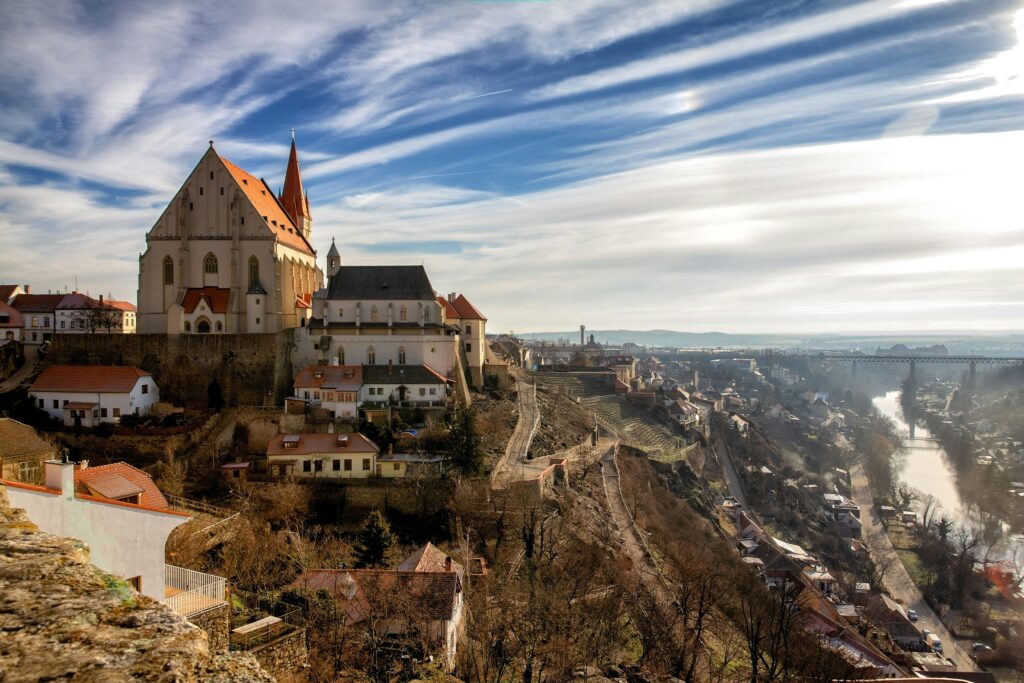
The air is filled with the celebration of burčák, partially fermented grape juice that is a seasonal delicacy. It is a time of wine festivals, particularly in Znojmo and Mikulov, where the streets fill with parades and music. The light in September is softer, turning the rolling hills of Southern Moravia—often compared to Tuscany—into a photographer’s dream.
October brings a cooling trend, with highs of 13°C, but it is compensated for with a spectacular display of autumn foliage. The forests surrounding the castles and the vine leaves themselves turn shades of deep copper and gold. It is a brilliant time for hiking and exploring the architectural heritage of the region, as the crisp air makes long walks pleasant.
By November, the party winds down. The days grow shorter, and the mist begins to roll off the Dyje River. Temperatures drop to around 6°C. While it is less conventional for tourism, November is the month of Saint Martin’s Day (11 November), marked by the opening of the first bottles of the year’s wine and the serving of traditional roast goose in taverns across the land. It is a cosy, gastronomic experience that offers a deep look into the Moravian soul.
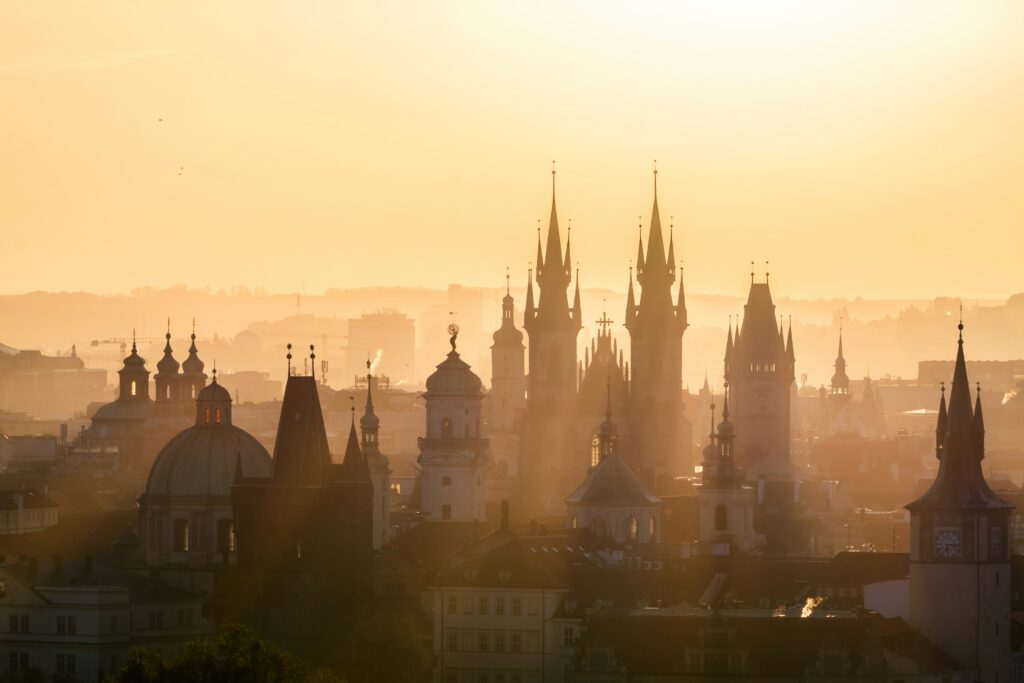
Prague.
There’s no other city like it
The quiet glow: Winter in Moravia / December to February
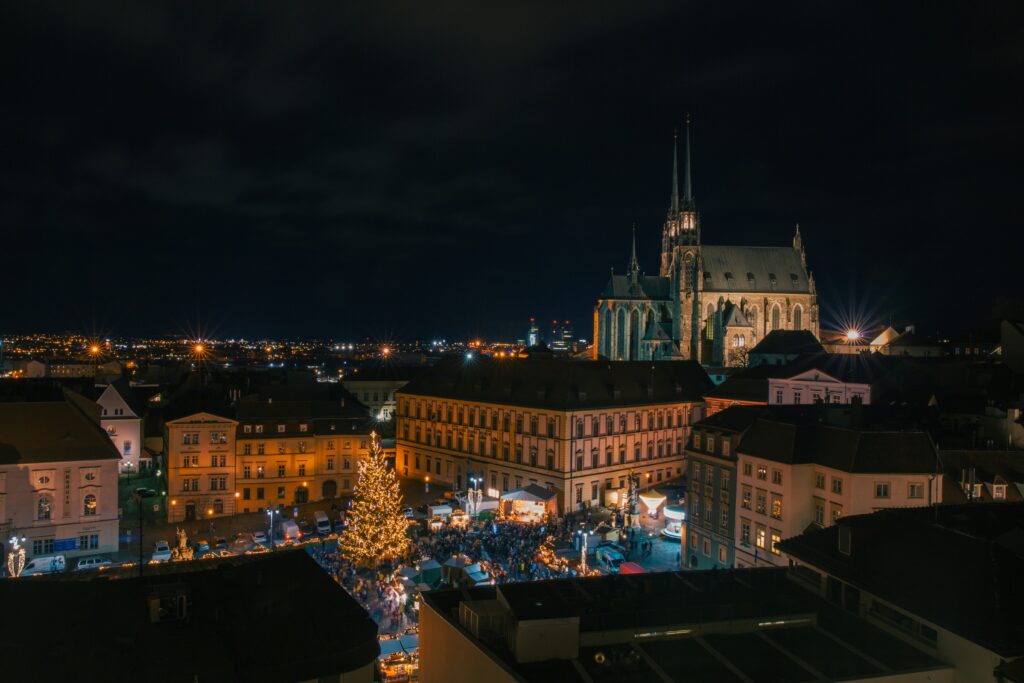
Winter in Moravia is a season of intimacy and atmosphere. December is dominated by the magic of the Advent markets. While Prague’s markets are world-famous, Brno’s offer a more authentic, local feel. The scent of mulled wine (svařák) and roasted chestnuts fills the air, and the city’s creative cocktail scene provides a modern contrast to the traditional festivities.
January and February are the coldest months, with temperatures often hovering around or below freezing. Snow is less guaranteed than it once was, but when it falls, it transforms the Baroque plague columns and cobbled streets of Olomouc into a fairytale scene.
This is the season for the indoors. Moravia’s wealth of museums, galleries, and thermal spas provides a refuge from the cold. For the adventurous, the Jeseníky and Beskydy mountains in the north of the region offer excellent skiing and winter hiking. Visiting during this period is a masterclass in slow travel; you will find a level of peace and quiet that is impossible to find during the summer months.
Moravia
Welcome to wine country
A changing climate: planning for the future
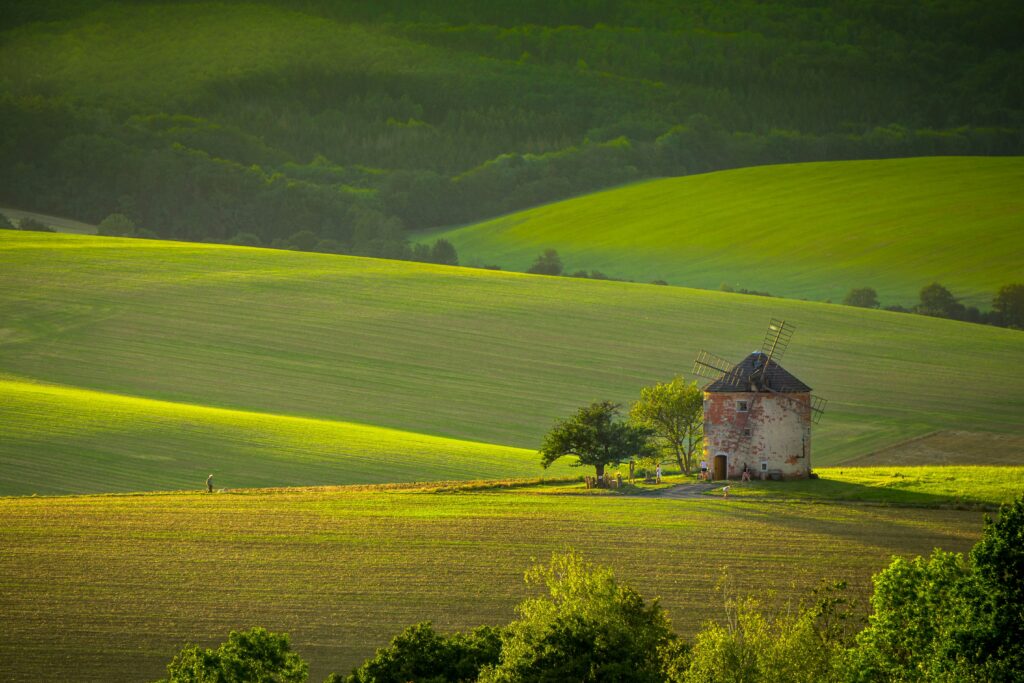
When planning a trip to Moravia, one must consider the shifting patterns of the 21st century. The traditional continental predictability is evolving. Summers are becoming hotter and drier, making June and September increasingly attractive compared to the peak heat of July. Conversely, the arrival of spring is less consistent, sometimes bringing very warm spells in April followed by sudden frosts.
For the traveller, this means flexibility is key. Wheely Tyred recommends packing layers even in the height of summer, as the limestone cellars remain a constant, cool temperature regardless of the sun outside. By understanding these nuances, you ensure that your visit to Moravia is not just a holiday, but a perfectly timed immersion into a land that celebrates every breath of the changing seasons.
Czechia.
Discover this incredible country.