Why cars are absurd for city transport and what we should do instead
It is time to reclaim our urban spaces from the inefficiency of the automobile and embrace a future built for people, not parking
The sheer inefficiency of cars in urban spaces
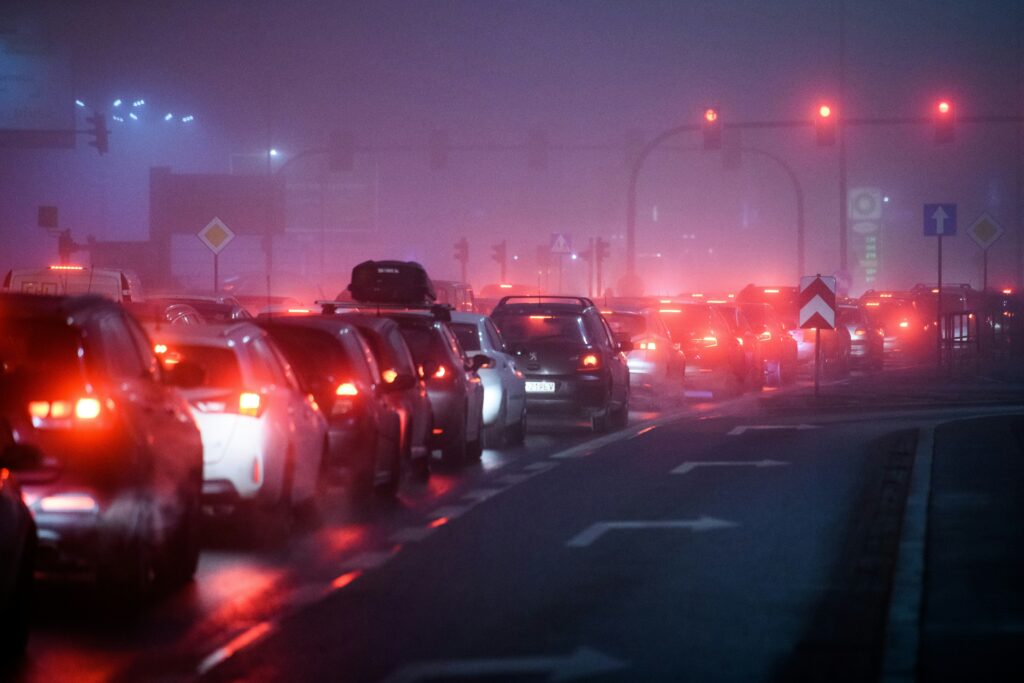
Look out of your window at any major city high street during rush hour, and you will witness one of the most profound collective failures of modern human logic. Thousands of people, each sitting alone in a two-tonne metal box, are effectively parked in a queue, burning fossil fuels to move at a fraction of a walking pace. We have normalised this absurdity to such an extent that we barely question it. Yet, when you strip away the decades of aggressive motor industry lobbying and look at the raw geometry of urban living, the truth becomes glaringly obvious. Cars are fundamentally incompatible with healthy, thriving cities.
Cities are the greatest invention of human civilisation. They are engines of culture, collaboration, and community. But for the better part of a century, we have systematically bulldozed our neighbourhoods to make way for the private motor car. It is time to reverse this trend. Banning cars from city centres is not a radical act of restriction; it is an act of liberation. It is the necessary first step to saving our urban environments and, quite frankly, saving the world from ourselves.
Metal boxes take up precious room
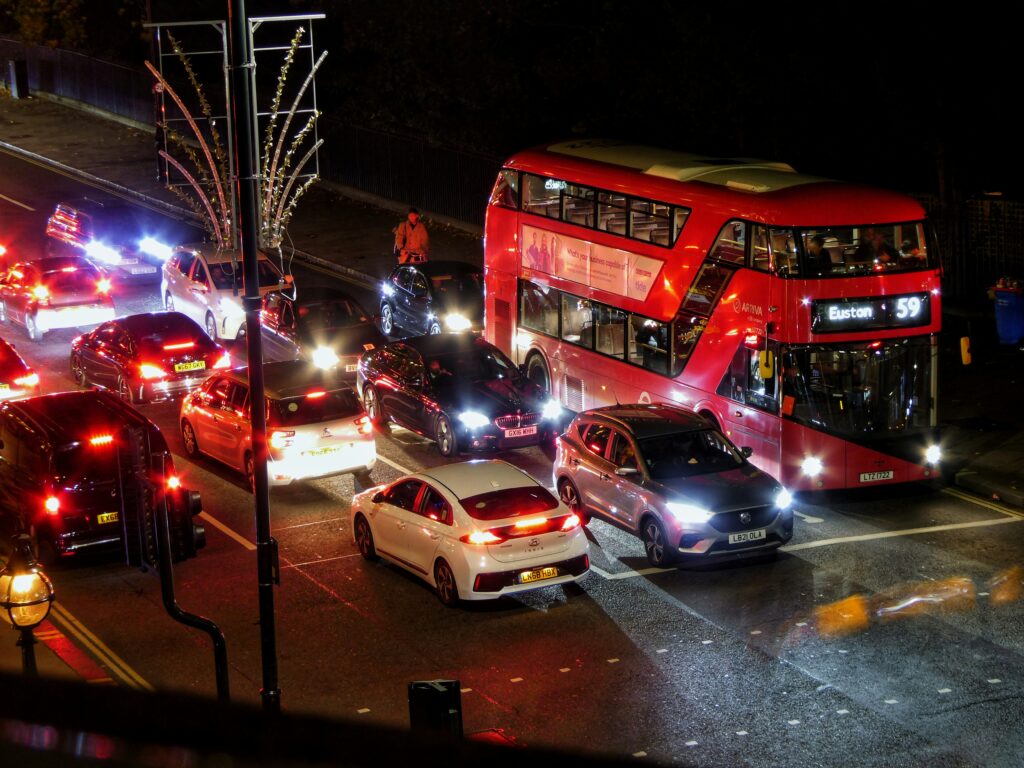
If you want to understand the true cost of car dominance, you simply have to look at how we allocate our most precious urban resource: space. In a densely populated city, space is at a premium. Yet, we dedicate vast, sprawling swathes of public land to the storage and movement of private property. This is a grotesque misallocation of shared wealth. The streets belong to the people, yet we have surrendered them to the automobile. A single car requires a lane to drive in and a space to park at both ends of its journey. When you consider that the average car sits idle for over ninety percent of its life, the inefficiency is staggering.
Imagine what we could do with that space if we adopted a sensible approach to urban planning. The endless strips of tarmac and multi-storey car parks could be transformed into high-density, affordable housing, lush public parks, and vibrant community squares. We could build cities where people actually want to spend time, rather than cities people simply want to drive through. By removing the car, we instantly unlock the potential to build the dense, walkable neighbourhoods that foster human connection and economic vitality. The geometry is undeniable. You can move thousands of people per hour down a single street on bicycles, buses, and trams. If those same people are driving cars, the street becomes a gridlocked nightmare.
Bike opinions.
Would you believe I have thoughts?
The electric tailwind changing our streets
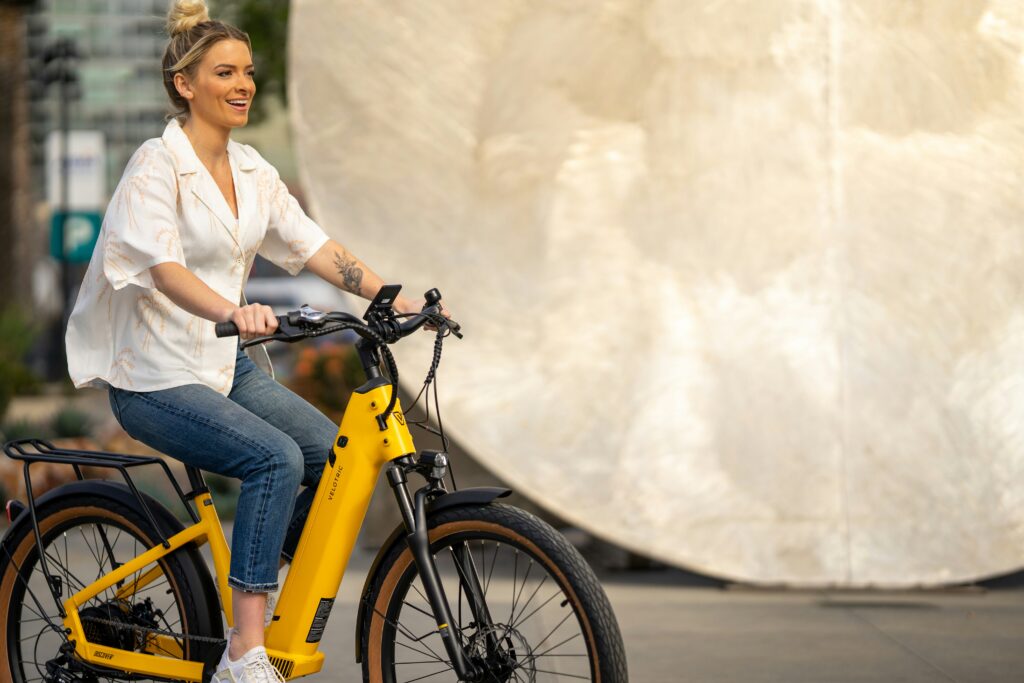
For a long time, the primary argument against active transport in cities was one of convenience and effort. Hills, long distances, and the prospect of arriving at work needing a shower were genuine barriers for many. But the landscape has fundamentally shifted. The e-bike is not just a new mode of transport; it is a profound game-changer that completely dismantles the last remaining arguments for urban car ownership.
E-bikes flatten hills, shrink distances, and democratise cycling for people of all ages and fitness levels. They offer the door-to-door convenience of a car without the catastrophic spatial footprint or the emissions. Zipping past a line of stationary traffic on an e-bike, feeling the wind on your face while the electric motor hums beneath you, is one of the great joys of modern city living. It is a technological triumph that serves the collective good rather than private vanity. When integrated with robust, heavily funded public transport networks, the e-bike creates a multimodal transport ecosystem that makes the private car entirely obsolete in an urban context.
Reducing carbon emissions through active transport
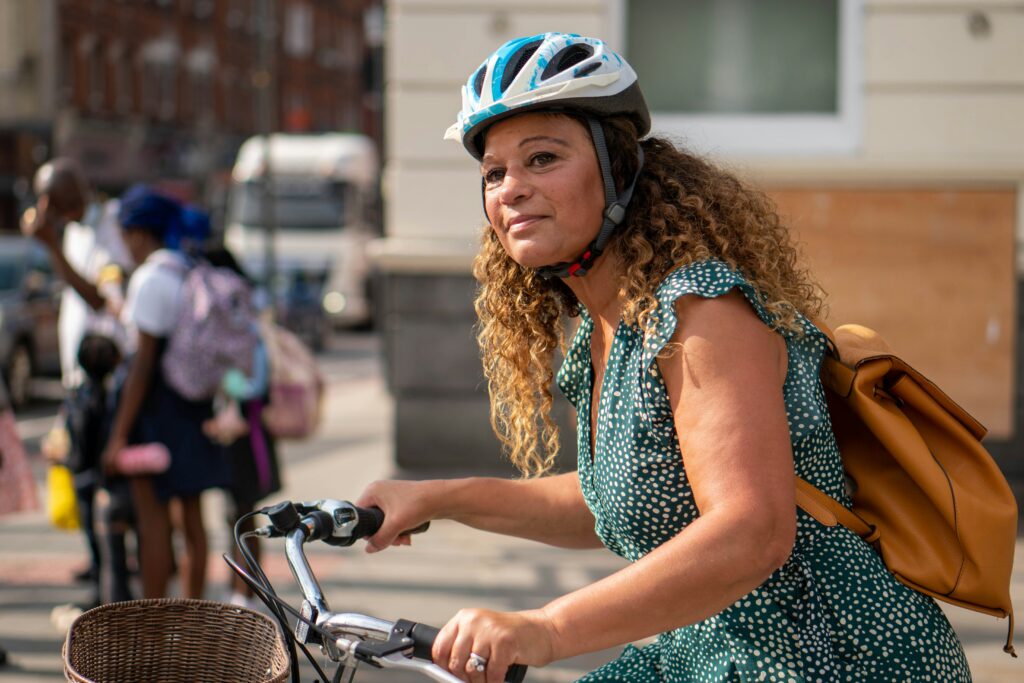
It is easy to fall into the trap of climate doomerism. The headlines are bleak, and the scale of the crisis can feel overwhelming. But despair is a useless emotion. We have the tools, the technology, and the knowledge to save the world from ourselves, and the way we move around our cities is our most potent weapon. The transition away from fossil fuels does not have to mean a reduction in our quality of life. In fact, ditching the car for active transport offers a massive upgrade.
When we choose to cycle or walk, we are making a direct, measurable impact on carbon emissions. But beyond the environmental benefits, we are actively improving the air quality of our neighbourhoods, reducing noise pollution, and fostering a safer environment for children to play in. The climate crisis requires bold, systemic changes, and removing cars from our cities is one of the most effective levers we can pull. It is a wildly optimistic vision for the future. We can build urban utopias that are quiet, clean, and full of life, rather than choked by exhaust fumes and the roar of engines.
Czechia.
The heart of Europe
Gearing up for a better way to move
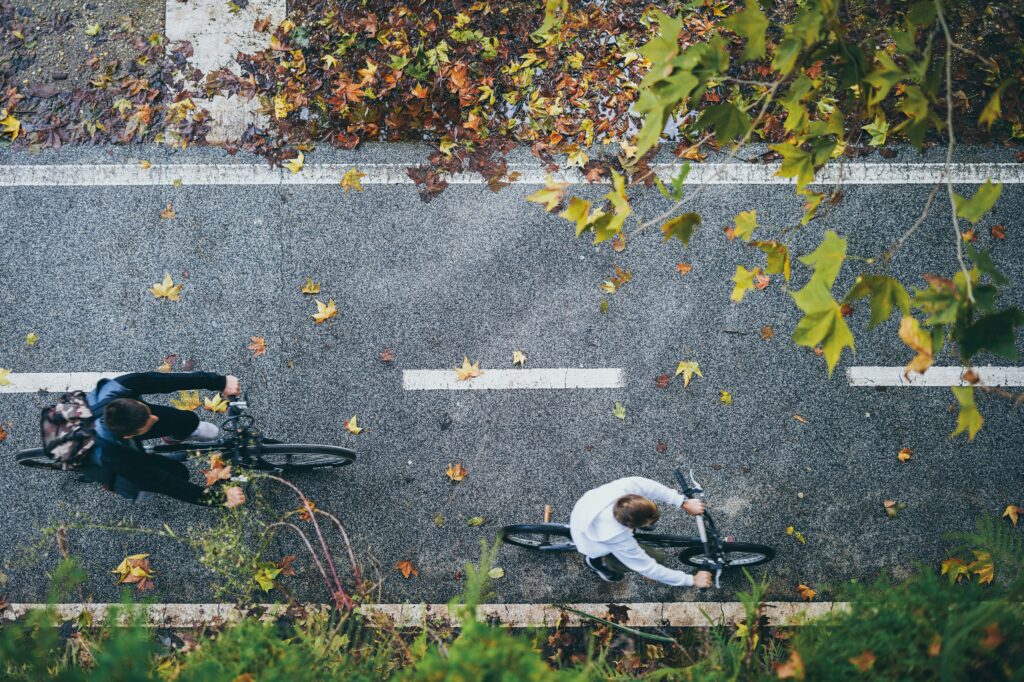
This philosophy extends far beyond the daily commute. How we choose to travel and explore the world around us shapes our experience of it. When you visit a new city, renting a car is a surefire way to isolate yourself from the culture and rhythm of the place. You experience the city from behind a pane of glass, stressed about parking and traffic rules. To truly understand a destination, you must experience it at a human pace.
Travel by bike is the ultimate way to connect with your surroundings. Whether you are navigating the historic streets of a European capital or exploring the hidden gems of your own local area, a bicycle offers unparalleled freedom. You can stop whenever a cafe catches your eye, navigate narrow alleys that cars cannot reach, and interact with the people around you. This ethos is at the heart of everything we champion at Wheely Tyred. We believe that the best journeys are powered by your own two legs, perhaps with more than a little electric assistance, and that wearing whatever you want while you do so is the first step towards a lifetime of active, joyful travel.
Unlocking the true potential of our neighbourhoods
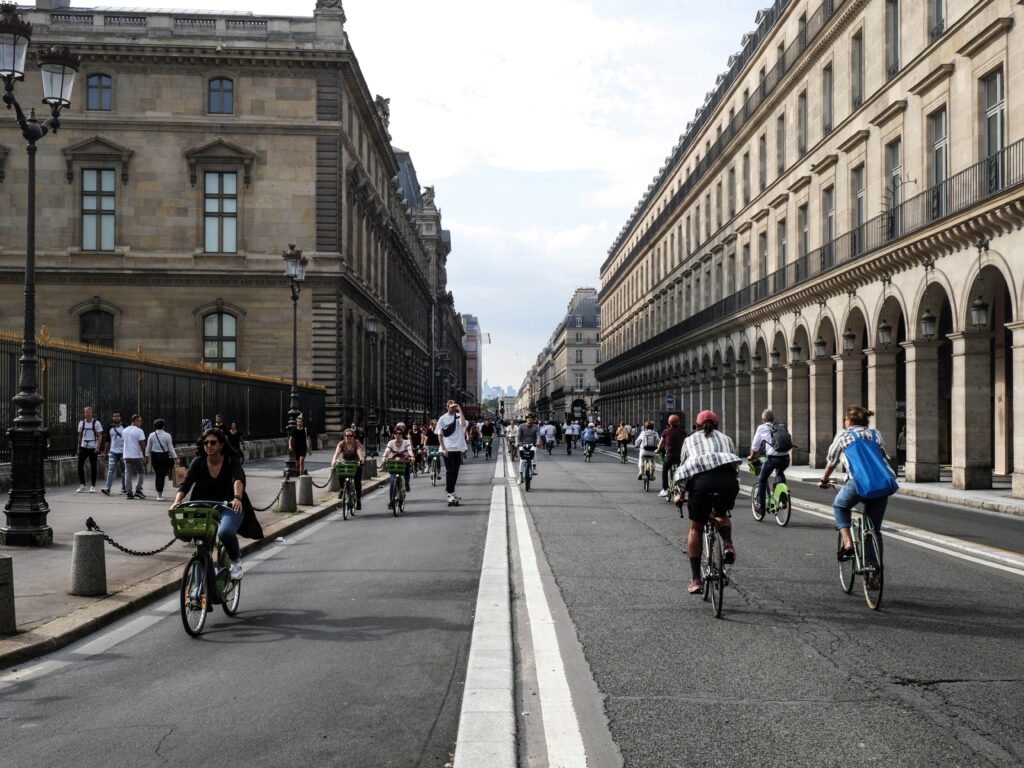
The transition to car-free cities will not happen overnight. It requires political courage, massive investment in public and active transport infrastructure, and a fundamental shift in how we view our public spaces. But the momentum is building. Cities around the world are waking up to the absurdity of car dominance and are taking bold steps to reclaim their streets.
By embracing cycling, walking, and public transport, we are not just solving a traffic problem; we are making a profound statement about the kind of society we want to live in. We are choosing community over isolation, health over pollution, and people over machines. It is a beautiful, achievable vision. The era of the urban automobile is coming to an end, and frankly, it cannot happen soon enough. Let us get on our bikes and ride into a better future.
Bike opinions.
Your source for my thoughts on bikes, road safety and active transport
Our latest posts
Where to Stay: The Best Campsites in and Around Ostrava, Czechia
How Barcelona beat traffic and reclaimed its streets for the people
Why cars are absurd for city transport and what we should do instead
The linguistic war on our streets: Why e-motos are not e-bikes
The case for investing in safe streets, not autonomous cars
The case for investing in safe streets, not autonomous cars Autonomous cars will not solve…