The Iron Heart of Czechia: Must-see sights in Ostrava
Swap the tour bus for true freedom in the Moravian-Silesian Region
Forge your own path through the Iron Heart of Europe
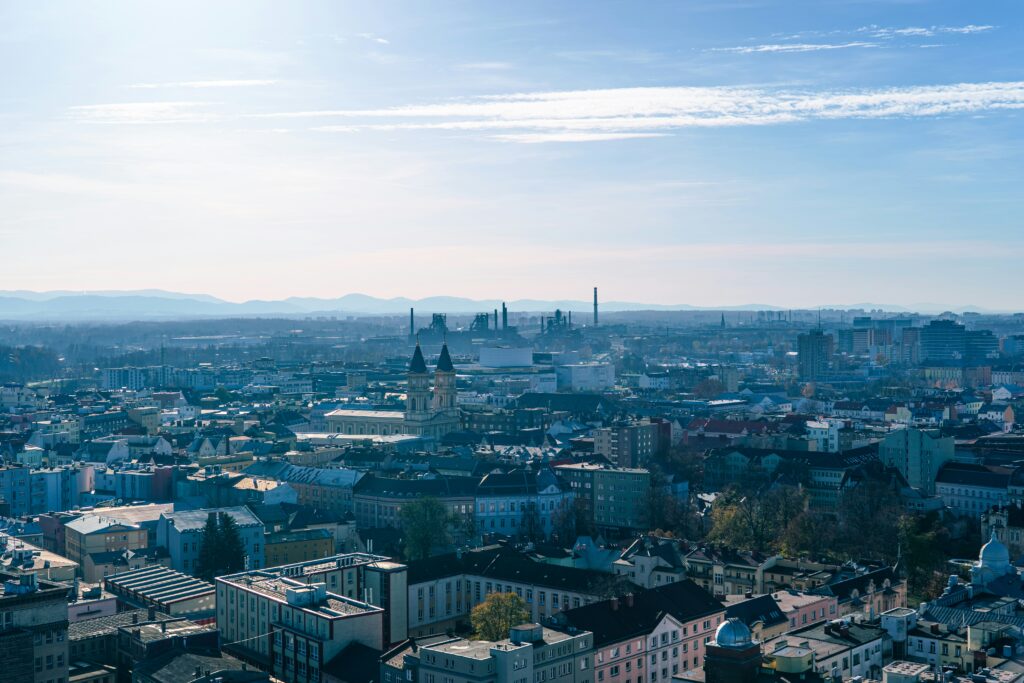
Ostrava is not your typical European fairytale city, and that is exactly why it demands your attention. Nestled in the north-eastern corner of the Czech Republic, this city wears its gritty, industrial past as a badge of honour.
For the independent traveller who prefers to set their own itinerary, Ostrava offers a mesmerising landscape of repurposed steelworks, deep coal mines, and sweeping green spaces that are slowly reclaiming the iron giants of the nineteenth century. When you travel under your own steam, without the rigid schedules of a crowded tour bus or the constant need to chase a guide, you can truly absorb the imposing scale and rich heritage of this region.
Whether you are bringing your own bicycle or planning to hire one locally, navigating between these monumental landmarks at your own pace allows for a profound connection with the city. You have the ultimate freedom to pause, reflect, and explore the hidden corners that mass tourism leaves behind. Here are the top attractions you simply cannot miss when exploring the fascinating city of Ostrava.
Dolní Vítkovice and the Bolt Tower
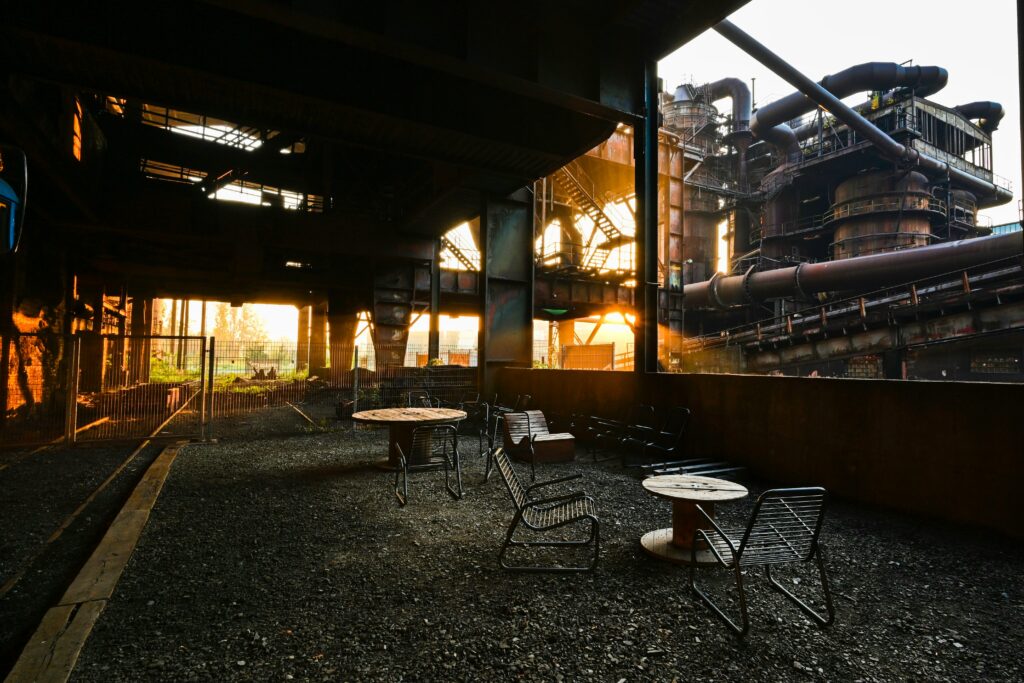
There is no better place to begin your exploration than Dolní Vítkovice. This sprawling industrial complex is the beating heart of Ostrava, a colossal maze of iron and steel that once processed coal and produced pig iron for over a century.
Today, it stands as a breathtaking monument to European industrialisation, meticulously transformed into an educational and cultural hub that hosts the famous Colours of Ostrava festival. Approaching this labyrinthine site independently gives you the freedom to crane your neck at the rust-coloured towers without a guide hurrying you along.
The crowning jewel of the complex is the Bolt Tower, an extraordinary glass observation cafe sitting atop a historic blast furnace. Ascending the tower rewards you with panoramic views of the entire industrial labyrinth below. Because you are on your own timetable, you can linger over a coffee at the summit, tracing the geometric patterns of the pipework and pondering the sheer human effort that built this towering iron city.
You can explore the Gong auditorium, housed within a former gasometer, and fully appreciate the architectural brilliance of repurposing heavy industry for modern arts.
Prague.
There’s no other city like it
The New City Hall Viewing Tower
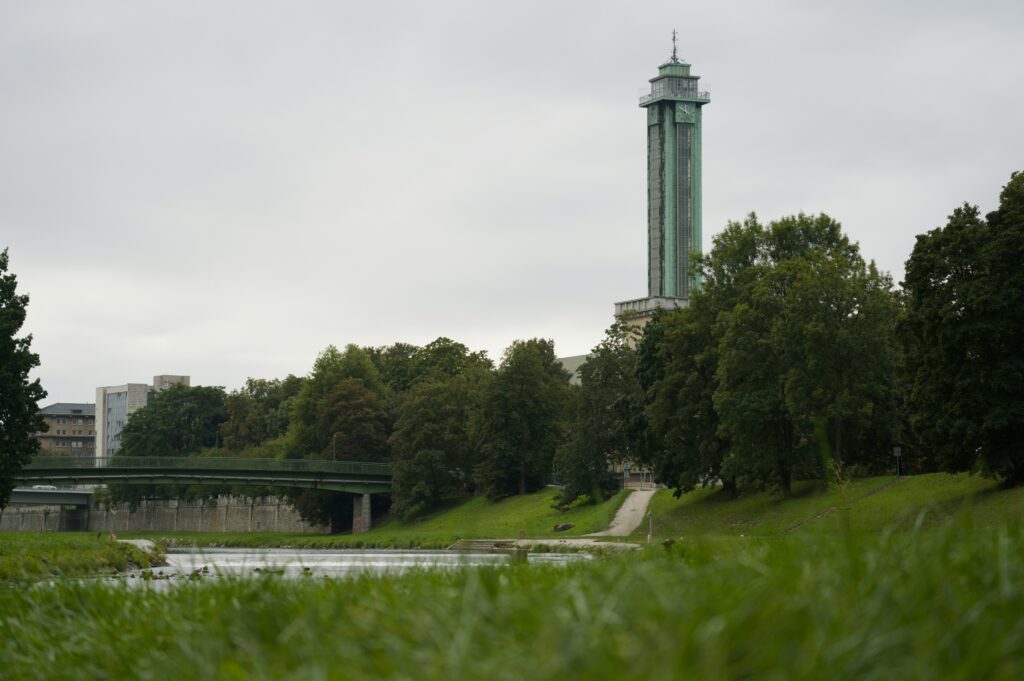
To truly understand the layout of Ostrava and its surrounding landscape, a visit to the New City Hall is absolutely essential. Boasting the tallest town hall viewing tower in the Czech Republic, this functionalist architectural marvel stretches proudly into the sky. Riding the lift to the viewing platform, standing seventy-three metres above the ground, unveils a sweeping vista that stretches far beyond the city limits.
On a clear day, your gaze can wander across the border into Poland and towards the majestic Beskydy Mountains in the distance. Having the liberty to spend as long as you desire on the observation deck means you can map out your onward journey visually, spotting the green corridors and winding rivers that intersect the urban environment.
It is the perfect vantage point for an independent traveller to gain their bearings and appreciate the unique topography of the Moravian-Silesian Region before setting off on the next leg of the adventure.
Landek Park
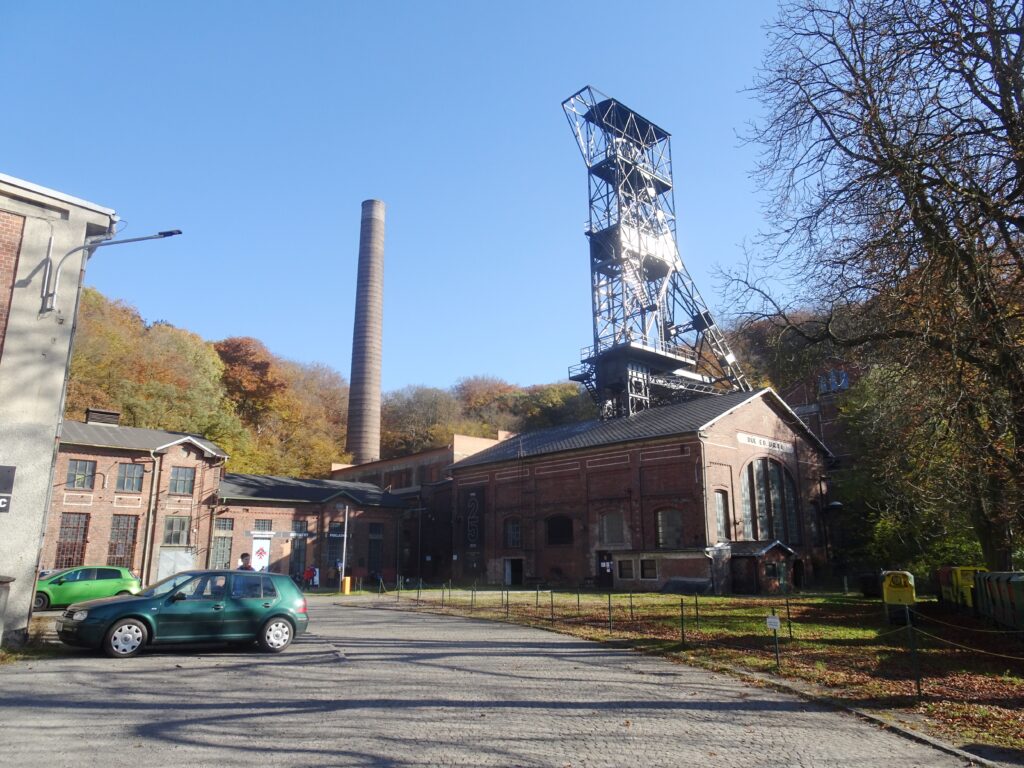
Situated at the base of Landek Hill, Landek Park is the largest mining museum in the country and an absolute triumph of historical preservation. This site seamlessly blends lush natural scenery with the stark reality of underground labour.
The hill itself is famous for the archaeological discovery of mammoth hunters, adding prehistoric intrigue to the industrial narrative. However, the main attraction is the authentic descent into the Anselm coal mine.
Stepping into the original mining cage and travelling down the shaft provides a sobering glimpse into the harsh conditions faced by generations of miners. Because you are managing your own day, you can thoroughly explore the extensive surface exhibits, which feature an impressive collection of historic mining rescue equipment, entirely at your leisure.
The park is surrounded by dense woodland and modern recreation areas, making it a peaceful retreat after you have absorbed the heavy history of the subterranean tunnels.
Czech Silesia.
Master the landmarks of Czech Silesia
Michal Coal Mine
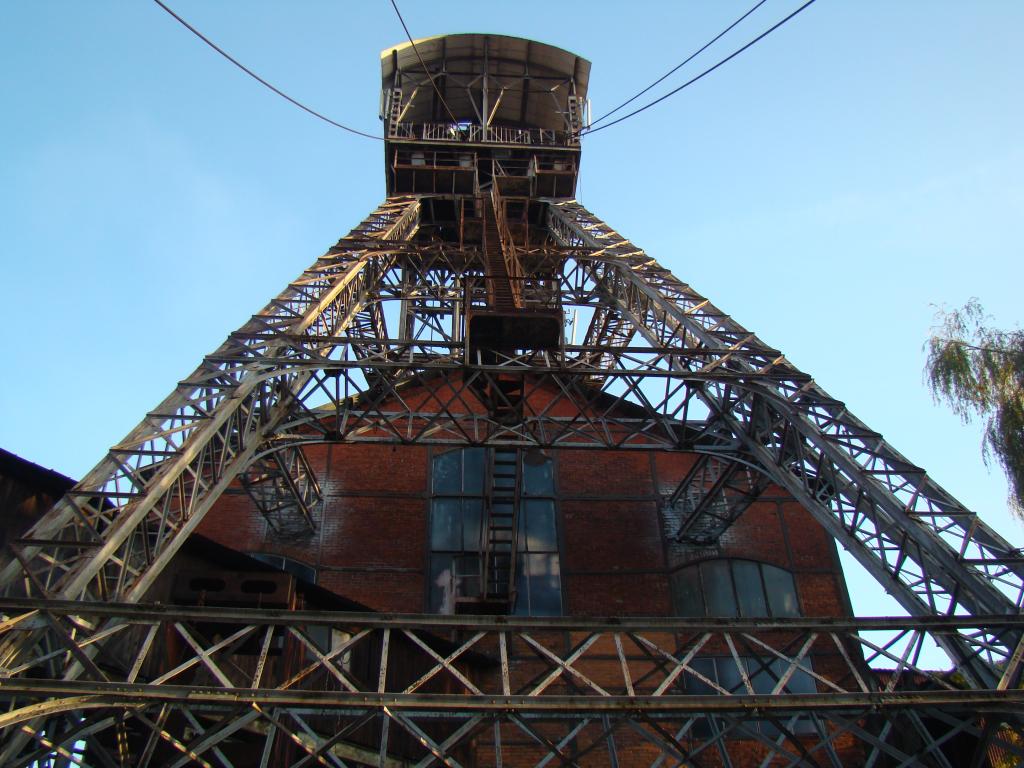
For those who crave raw authenticity, the Michal Coal Mine offers a perfect freeze-frame of history. Unlike heavily modernised museums, this site was preserved exactly as it was abandoned when mining operations ceased in the 1990s.
The concept here is to retrace the daily footsteps of a miner starting their shift. You will walk through the cavernous changing rooms, complete with hundreds of suspended clothing chains dangling from the ceiling, past the issuing counters for safety lamps, and right up to the pithead. This untouched atmosphere carries a haunting resonance.
Without a large group pressing behind you, you can pause in the engine room to marvel at the stationary electrical winding engines, which remain in pristine condition. It is a profoundly atmospheric experience that benefits greatly from quiet, unhurried contemplation, allowing the ghosts of Ostrava’s industrial past to speak for themselves.
Halda Ema
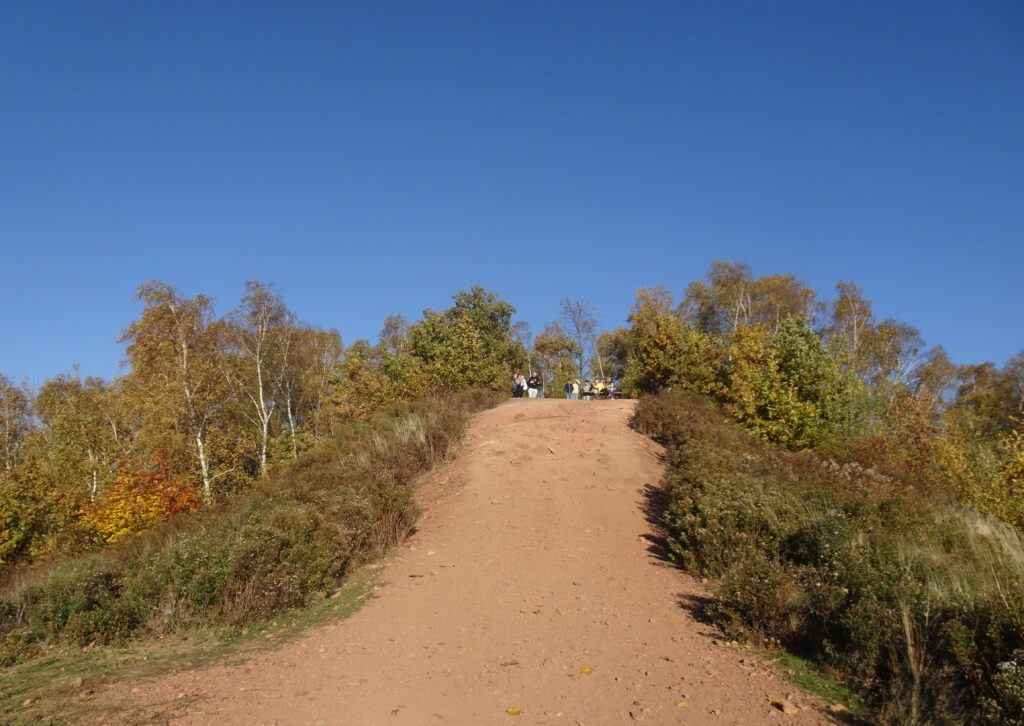
In a city famous for its industry, Halda Ema represents the fascinating intersection between human activity and nature. Affectionately known as the local volcano, this massive, man-made slag heap was formed from millions of tonnes of waste material extracted from the mines.
Astoundingly, the core of the mound is still burning, reaching temperatures that allow subtropical flora to flourish on its slopes, even in the depths of a central European winter. Hiking to the summit, which sits at an elevation of 315 metres, is a local rite of passage. The yellow hiking trail winds through unexpected birch forests before opening up to a rugged peak where wisps of white, sulphuric smoke seep directly from the ground.
The view from the top is spectacular, offering a stark contrast between the city skyline and the encroaching forests. It is an adventurous detour that rewards the intrepid, independent explorer with one of the most unusual microclimates in Europe.
Brno.
Discover Europe’s best-kept secret—without the Prague crowds
Silesian Ostrava Castle
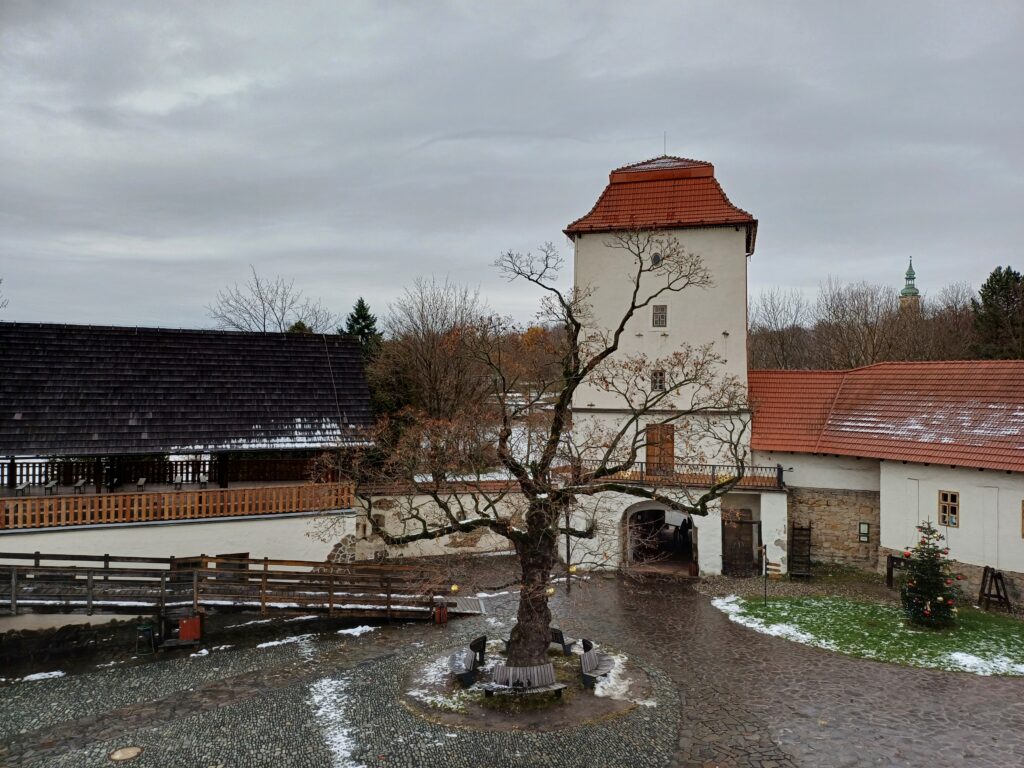
Providing a stark architectural contrast to the blast furnaces and smoking slag heaps, the Silesian Ostrava Castle is a testament to the city’s pre-industrial origins. Originally constructed in the thirteenth century to guard the confluence of the Lučina and Ostravice rivers, the fortress has survived wars, fires, and even the earth shifting beneath it due to extensive coal mining.
In fact, the castle sank sixteen metres into the ground over the centuries. Today, it has been beautifully restored, offering peaceful courtyards, historical exhibitions, and a glimpse into the aristocratic history of the region.
Taking the time to wander the ancient stone ramparts provides a quiet moment of reflection, bridging the gap between medieval Bohemia and the industrial powerhouse that Ostrava eventually became. Exploring the underground dungeons and the torture museum adds a layer of dark history that perfectly complements the city’s overall character.
Cycling the surrounds of Ostrava
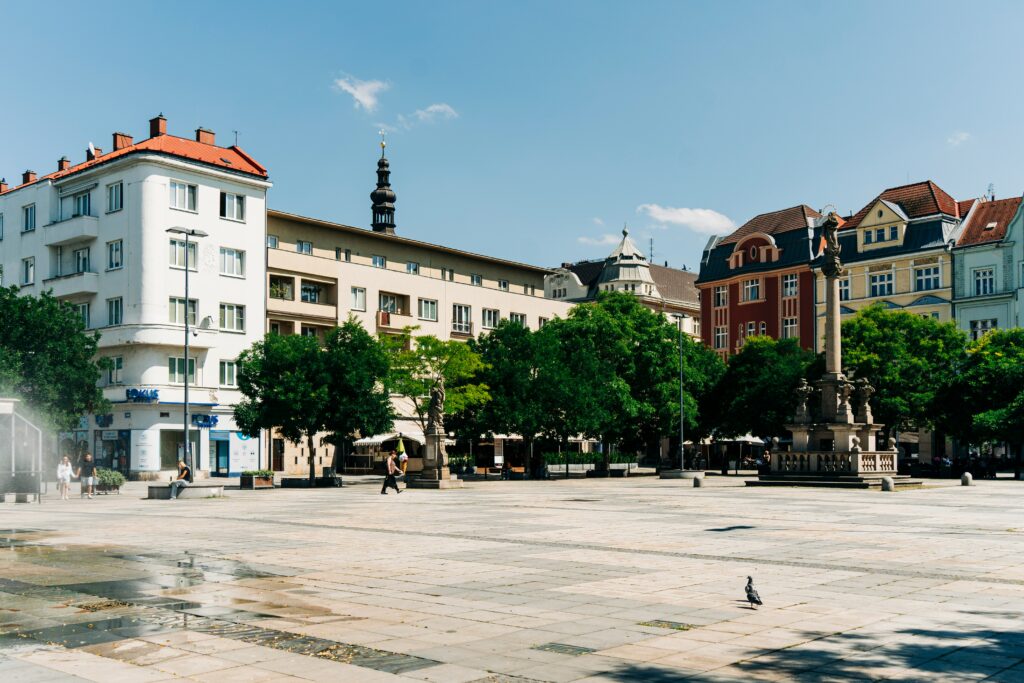
When you have finished marvelling at the urban attractions, Ostrava serves as an exceptional launchpad for further exploration by bike. The region is brilliantly connected for cyclists, with dedicated, flat paths following the Ostravice River straight out of the city centre.
Just within twenty kilometres, you can pedal your way to the pristine waters of Hlučín Lake, an ideal day trip for a refreshing swim and a relaxed afternoon on the banks. Alternatively, ride south into the Poodří Protected Landscape Area, a beautifully flat and serene expanse of wetlands, meadows, and peaceful ponds that feel worlds away from the heavy steelworks.
If you are seeking a touch of historical charm, the picturesque town of Frýdek-Místek is an easy, highly scenic ride away, offering an elegant chateau and a charming town square. For those looking to test their climbing legs, the foothills of the Beskydy Mountains are well within reach for a challenging day trip.
Exploring these surrounding trails guarantees that you will experience the complete, unvarnished beauty of the Moravian-Silesian Region entirely on your own terms.
Explore the Czech Republic.
Discover this incredible country.