The ultimate guide to Kroměříž: Top attractions in the Athens of Moravia
Kroměříž: Master the Moravian Baroque at your own perfect pace
There is a specific kind of stillness found in the Haná region of Central Moravia that you simply will not find in the bustling, crowded corridors of Prague or Vienna. It is a stillness born of centuries of ecclesiastical power, agricultural wealth, and horticultural perfection. Kroměříž, widely celebrated as the Athens of Moravia, is a town that feels as though it was designed from the ground up to be savoured slowly.
For the discerning, independent traveller—especially those who prefer to explore a region from the saddle of a bicycle rather than the tinted window of a tour bus—this UNESCO-listed gem offers a rare and intoxicating blend of high art and wide-open space.
When you travel on your own schedule, you have the luxury of time. You do not have to chase a raised umbrella or cut your appreciation of a masterpiece short because the group is moving on. Kroměříž rewards this exact type of travel. While the town itself is wonderfully compact and easy to navigate, the scale of its cultural ambition is staggering.
For centuries, this was the summer residence of the immensely powerful bishops and archbishops of Olomouc. These were men who held both spiritual and temporal power across the region, and they spent their vast wealth turning a quiet riverside settlement into a sprawling monument to the Baroque era.
Today, the fruits of their labour stand remarkably well-preserved, waiting to be explored by those who value deep knowledge and authentic experiences.
The Archbishop’s Chateau: A palace of power and paint
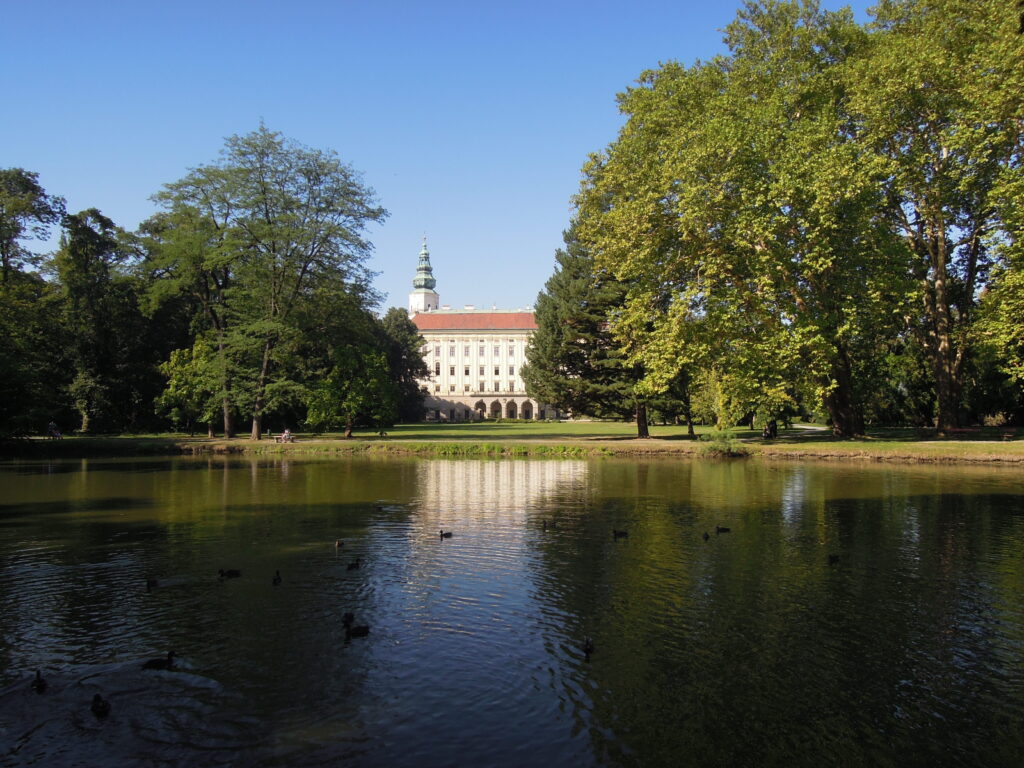
The undisputed architectural crown of the town is the Archbishop’s Chateau. Rising majestically above the Great Square with its iconic 84-metre tower, the palace is a masterclass in the transition from Renaissance fortification to Baroque opulence. However, for most visitors, the real treasure lies not in the stonework but within the walls of the world-renowned Picture Gallery on the second floor.
This is not merely a regional collection of forgotten artists; it is universally acknowledged as the second most significant art gallery in the entire Czech Republic. The undisputed highlight of the collection is Titian’s final mythological masterpiece, The Flaying of Marsyas. To stand before a canvas of such immense international importance in a quiet, uncrowded Moravian town is a uniquely surreal and deeply rewarding experience. The painting is a visceral, complex study of punishment and artistic hubris, and having the time to study it without a crowd jostling you is a luxury in modern travel.
Beyond the gallery, the chateau houses an incredible historic library containing over 33,000 volumes, including rare manuscripts and early printed books. Music lovers will be captivated by the music archive, which holds original scores and manuscripts by composers such as Mozart, Beethoven, and the local master Pavel Josef Vejvanovský. The tour culminates in the breathtaking Assembly Hall. With its massive crystal chandeliers and intricate ceiling frescoes, it is easy to see why this room was chosen to host the Austrian Imperial Diet in 1848. It is a space of pure, unadulterated grandeur.
The Flower Garden: Geometry as high art
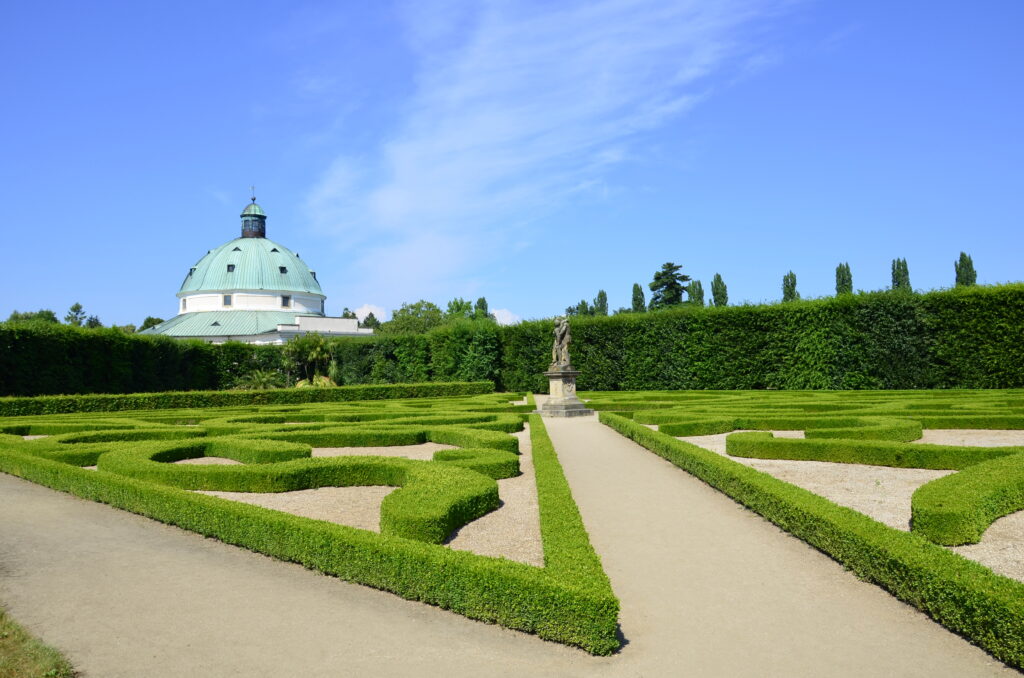
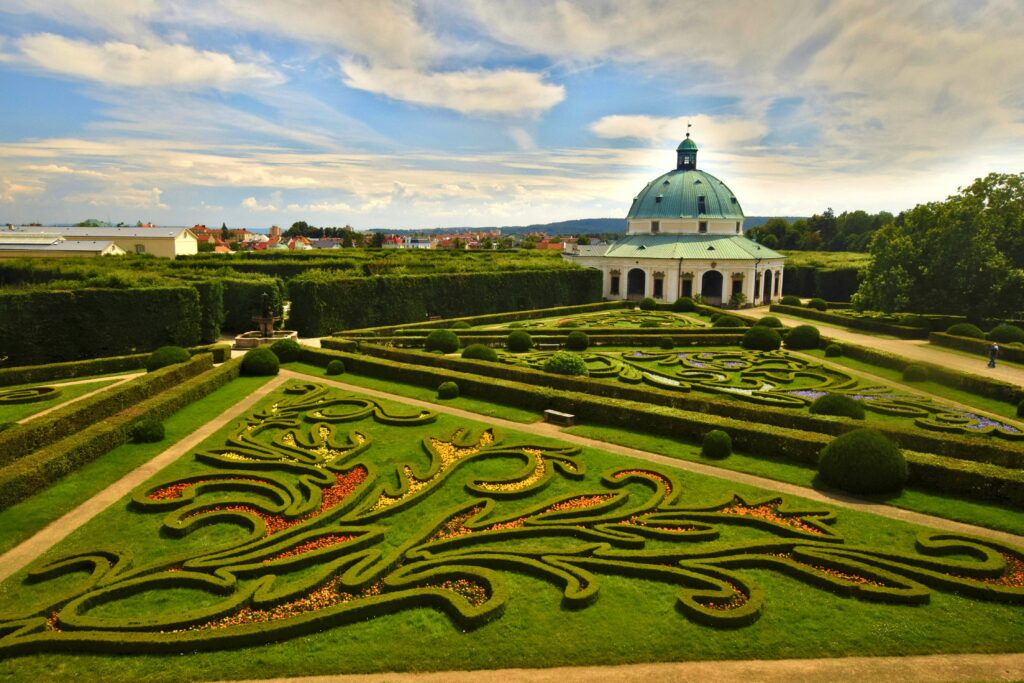
If the Archbishop’s Chateau represents the immense power of the church, the Flower Garden, known locally as Květná zahrada, represents the absolute triumph of human ingenuity over the wildness of nature. Created in the late 17th century by Italian architects, it is one of the very few gardens of its type left intact anywhere in the world. It serves as a vital historical bridge connecting the Italian Renaissance style with the French Baroque style that would later culminate at Versailles.
The sheer precision of the garden is mesmerising. To properly appreciate the layout, you must walk the 244-metre-long colonnade. This elegant structure is adorned with statues of classical gods, heroes, and historical figures, providing a perfect elevated vantage point. Alternatively, you can climb to the upper gallery of the central Rotunda, an intricately decorated pavilion at the very heart of the garden. From above, the perfectly manicured boxwood hedges form swirling, complex patterns that look more like green lace than actual shrubbery.
Inside the Rotunda, you will find a Foucault Pendulum. This 25-metre-long wire demonstrates the rotation of the Earth, serving as a subtle nod to the scientific curiosity that flourished right alongside the intense religious devotion of the Baroque era.
The Chateau Garden: An English escape
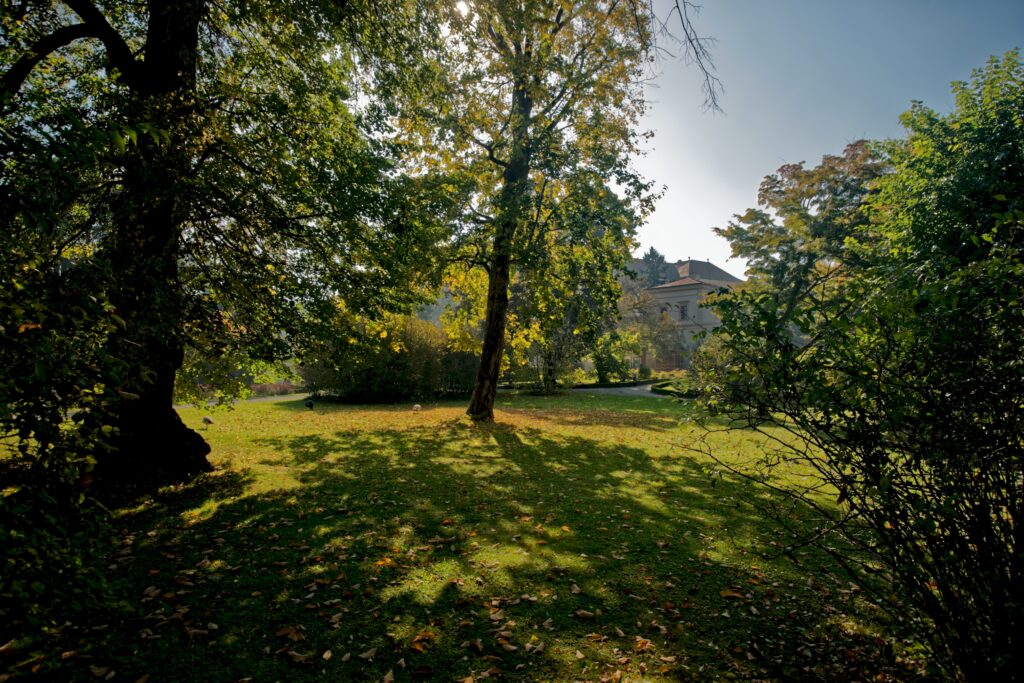
Contrasting beautifully with the rigid, mathematical geometry of the Flower Garden is the sprawling, romantic expanse of the Chateau Garden, or Podzámecká zahrada. Stretching seamlessly from the lower levels of the palace right down to the gentle banks of the Morava River, this 64-hectare park is where the locals go to breathe, relax, and escape the summer heat.
As you wander the winding, seemingly unstructured paths, you will encounter free-roaming peacocks strutting across the lawns, exotic birds housed in the historic aviary, and a delightful series of architectural follies. These small, highly decorative buildings, such as the Pompeian Colonnade and the Chinese Pavilion, were designed to surprise and delight guests as they strolled through the grounds. The entire park is a masterpiece of the English Landscape style.
It was deliberately designed to look entirely natural, yet every sightline, every grouping of ancient trees, and every curve of the water was meticulously curated for maximum aesthetic pleasure. For the independent traveller, it is the absolute perfect place to lose an afternoon, perhaps enjoying a picnic on the grass after a morning of heavy historical exploration.
The Great Square and the Archiepiscopal Cellars
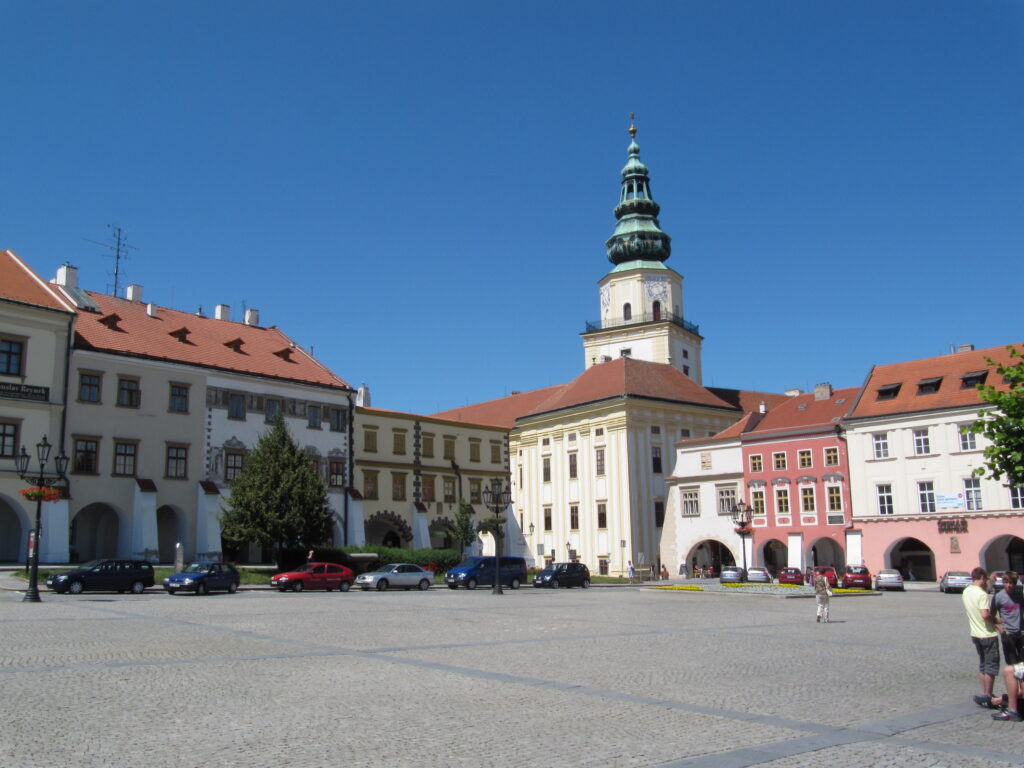
The social and commercial heart of the town is the Velké Náměstí, or the Great Square. Surrounded on all sides by beautifully restored, colourful burgher houses featuring deep, welcoming arcades, the square is dominated by a stunning 17th-century Marian Column. This monument was erected by the townspeople to thank the heavens for the end of a devastating plague epidemic. The square is a remarkably preserved civic space. The distinct lack of glaring neon signs and international chain restaurants allows the deep history of the town to speak entirely for itself.
Just a short walk from the cobblestones of the square, hidden deep beneath the foundations of the chateau, lie the Archiepiscopal Wine Cellars. These are certainly not your average modern tasting rooms. Parts of this subterranean complex date all the way back to the year 1266, and the air down here is thick, cool, and rich with the unmistakable scent of old oak and ancient history.
The cellars still actively produce natural mass wines using strict, traditional methods. The giant wooden barrels—some of which are centuries old—stand as a powerful testament to the enduring, fruitful relationship between the fertile Moravian soil and the church’s grand table.
Why Kroměříž is the perfect hub for active travel explorers
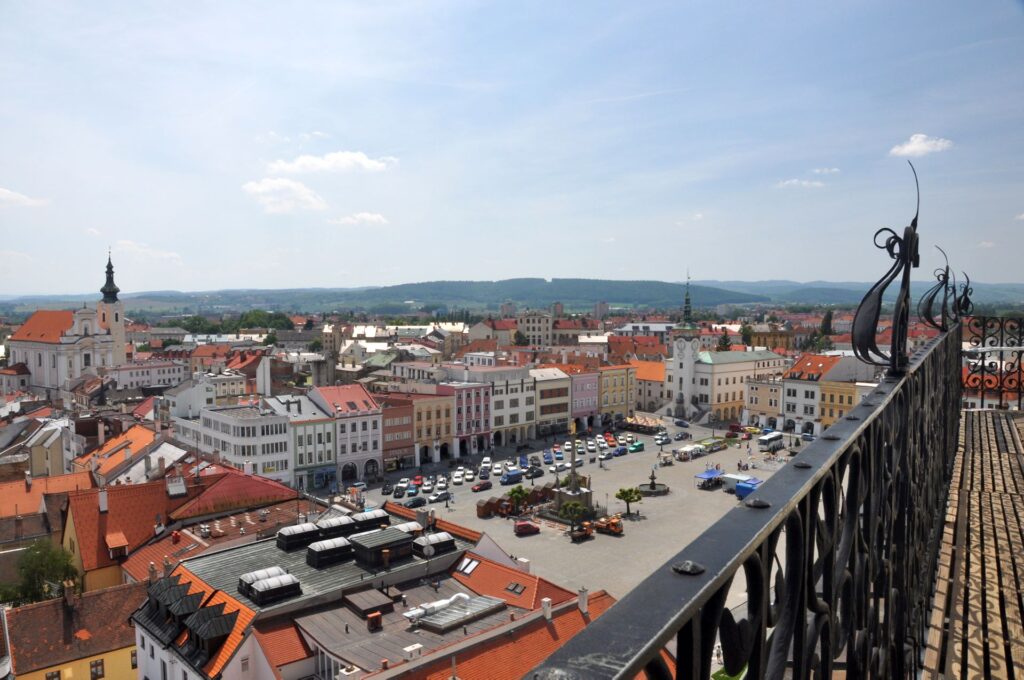
Kroměříž is important for its architectural merits, but its logistical advantages are equally impressive for those who prefer active travel.
- Authentic Atmosphere: Because it sits slightly off the main international tourist circuit, visitors can experience the local Moravian culture, cuisine, and hospitality without the artificial gloss found in heavily over-touristed destinations
- Exceptional Infrastructure: The town is immaculately maintained, with clear signage and wide, pedestrian-friendly zones that make navigating between the major sites completely stress-free
- Cultural Density: Unlike larger capital cities, where attractions are spread across miles of urban sprawl, the top sights in Kroměříž are concentrated within a highly walkable historical core
Cycling beyond the spire: Moravia from the saddle
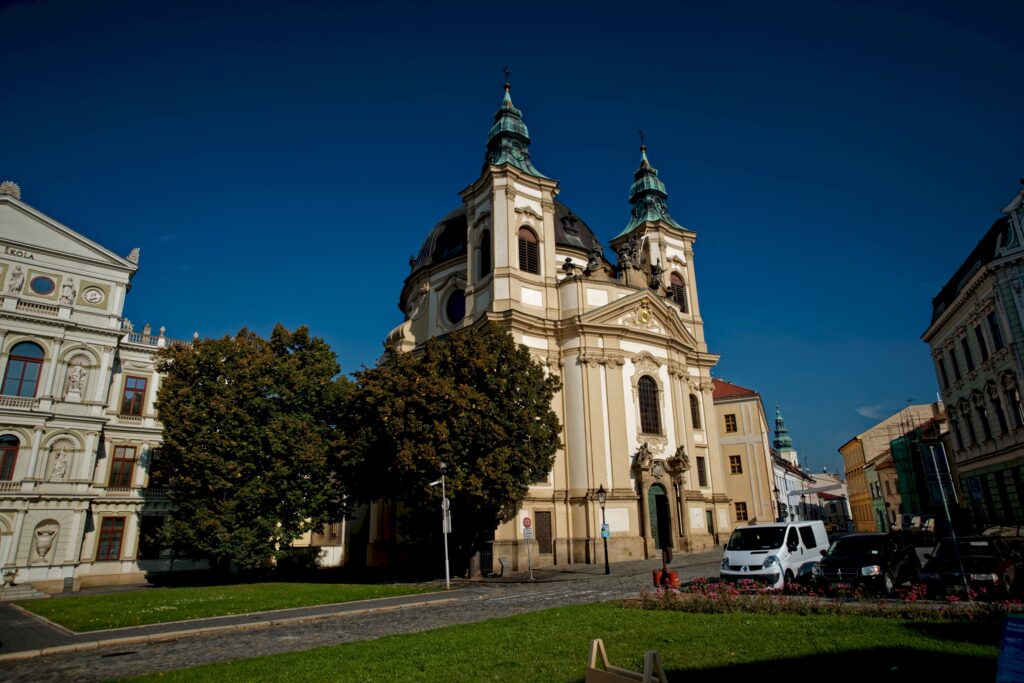
For the dedicated cyclist, Kroměříž is far more than just a beautiful destination; it is the perfect basecamp for regional exploration. The town sits directly on the banks of the Morava River, and the surrounding Haná landscape is famously flat and forgiving. This makes it utterly ideal for those who want to cover a significant distance, breathe in the fresh country air, and soak up the scenery without the exhausting need for alpine gearing.
If you have a morning to spare and a desire to stretch your legs, you can follow the excellent Morava River cycle path northwards towards the town of Tovačov, which sits approximately 20 kilometres away. The ride is wonderfully peaceful, taking you through lush floodplains until you reach the Tovačov chateau, famous for its towering Renaissance spire and a series of ancient, interconnected fishponds that serve as a tranquil haven for local birdlife.
Alternatively, an easy 15-kilometre ride south along the river will bring you to Otrokovice. This town marks the starting point of the famous Baťa Canal. This historic, man-made waterway is lined with exceptionally well-maintained, flat cycle paths that allow you to glide effortlessly past old engineering locks, charming houseboats, and riverfront cafes. It offers a completely unique perspective on the region’s blend of industrial and natural heritage, providing the perfect day trip for anyone who loves to discover a destination at their own perfect pace.